
 The essential
6 × Entre Amis red
6 bottles — Graves red 2022
The best price of the cellar: €12 per bottle delivered.
The everyday red: generous and straight to the point.
I want itVineyard work
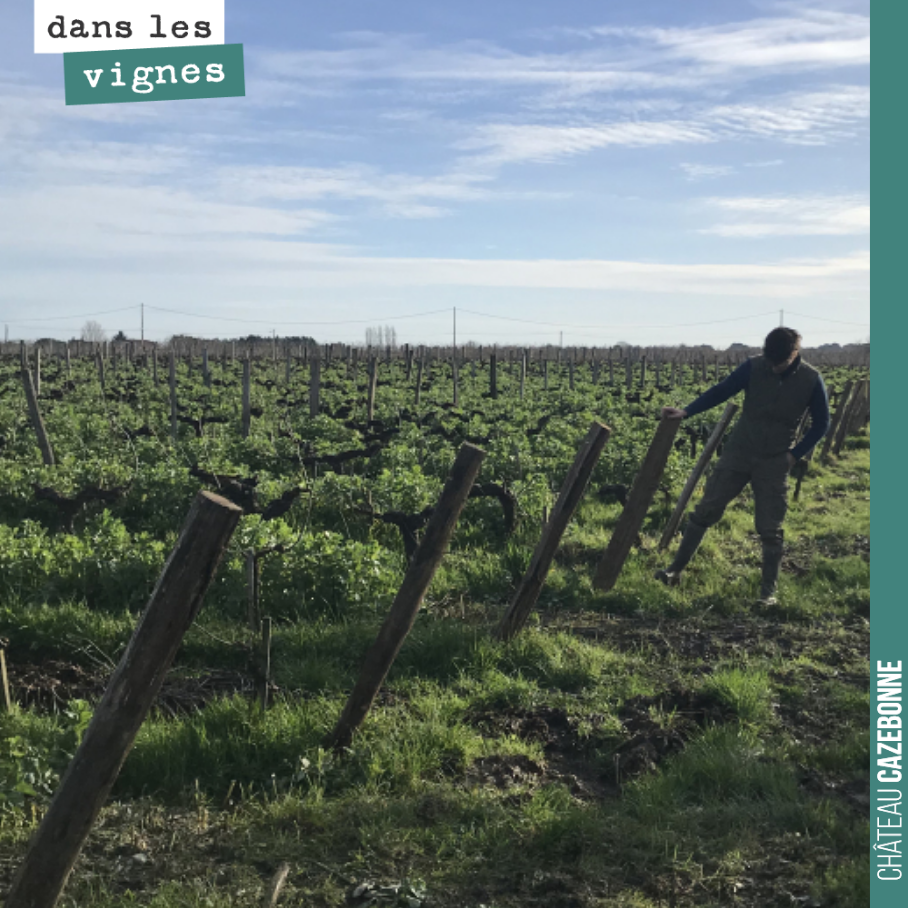
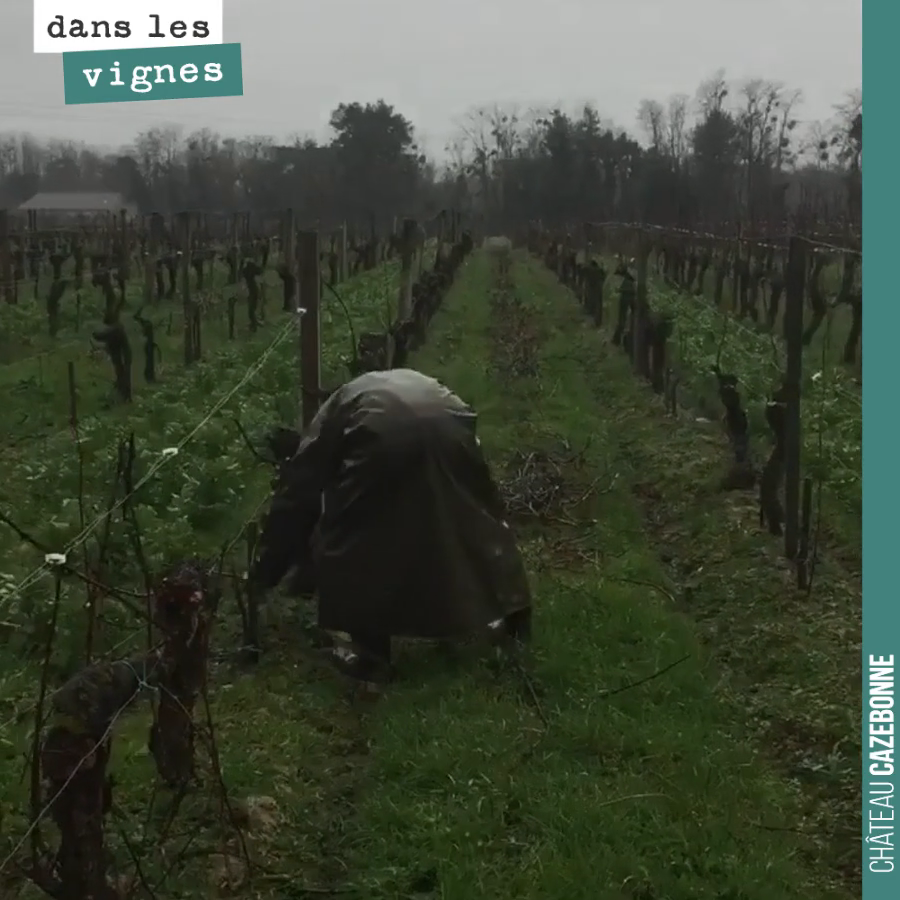
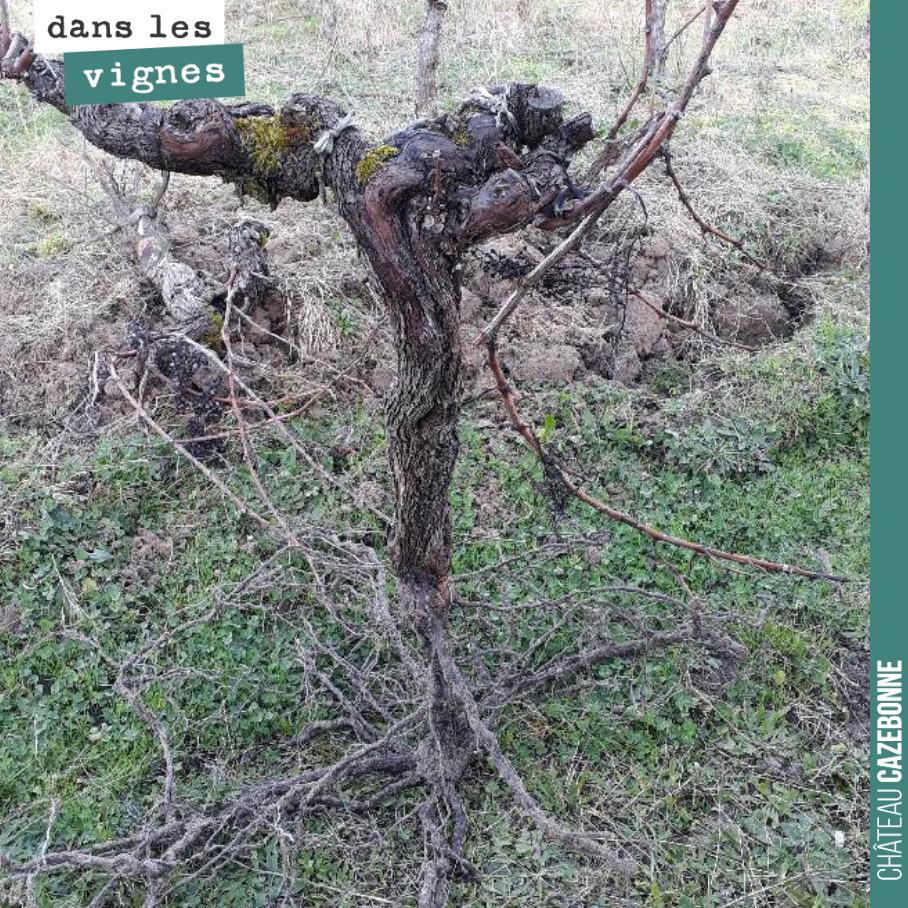
The role of a winegrower is much more than a profession; it is a true vocation, guided by the cycle of the seasons and the demands of the land. At the heart of this alchemy is manual labour, precise and repeated actions that, year after year, shape the identity and character of each wine. It all begins with winter pruning, a meticulous sculpture where each cane is chosen not only for its vigour, but also for its potential to produce the best bunches. This essential stage determines the plant's future vigour and the size of the upcoming harvest, laying the foundations for the balance of the vintage.
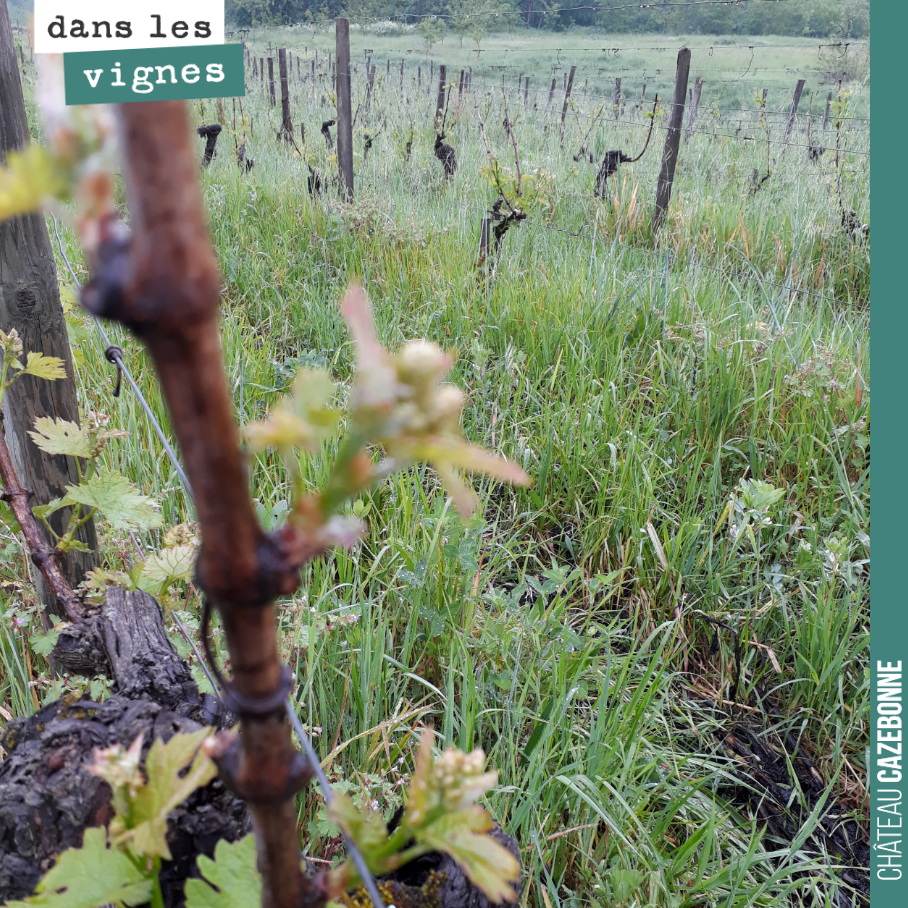
In the spring, the vine awakens and interventions multiply. Lifting, suckering – which consists of removing unproductive young shoots – and trellising are all crucial actions to guide the plant's growth, ensuring good aeration and optimal sunlight for the bunches. These tasks, often physically demanding, require an in-depth knowledge of vine physiology, infinite patience, and unwavering passion. Leaf pulling, trimming… every intervention is designed to prevent disease, optimise ripeness, and prepare the aromatic balance of the future wine. The winegrower is a true artisan, a farmer with ancestral know-how, whose expertise shapes the unique character of every cuvée. It is a tribute we pay to these workers of the land, to these expert hands that forge the landscape and the reputation of our Bordeaux terroirs.
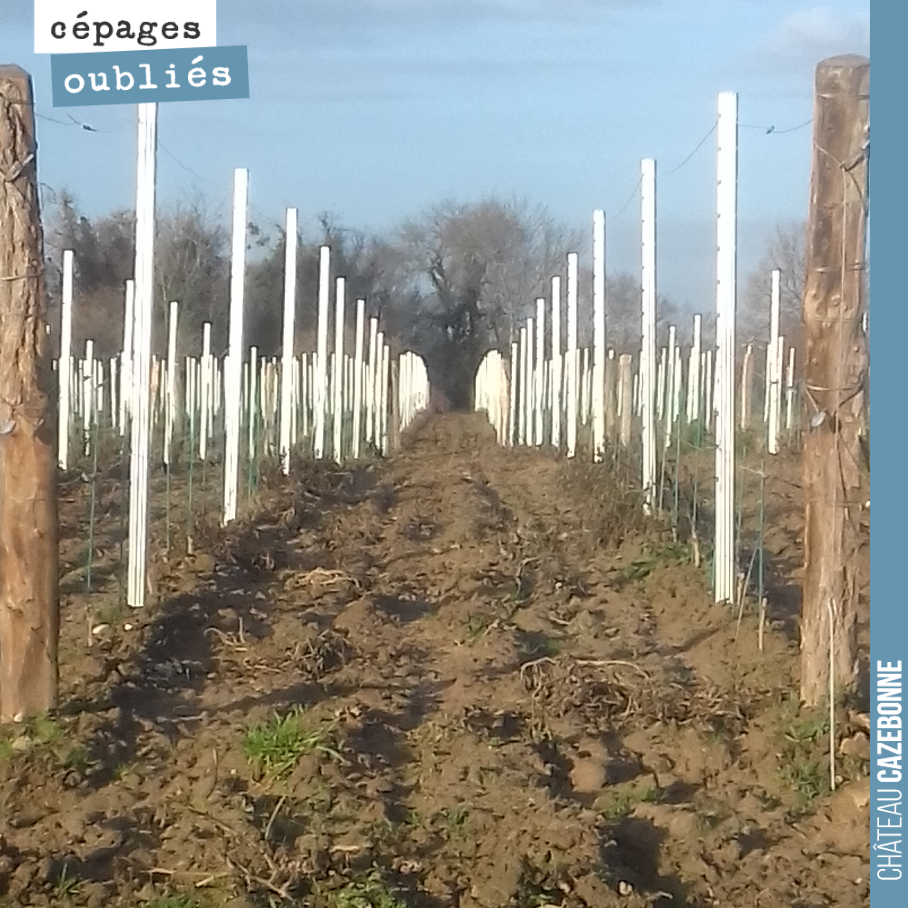
At Château Cazebonne, this philosophy of winegrowing craftsmanship takes on its full meaning and is combined with a unique preservation approach. We are resolutely committed to replanting the historic grape varieties of Bordeaux, those varieties that had been forgotten or abandoned over time. As the book "Bordeaux, une histoire de cépages" by Jean-Baptiste Duquesne, published by Éditions BBD, so aptly points out, the history of our vineyard is intrinsically linked to the diversity and richness of its original grape varieties.
This long-term work, a true agronomic and oenological challenge, is a powerful act of preserving a unique viticultural heritage, a way to rediscover the soul of the wines of yesteryear and to explore new expressions of our terroir. This fascinating mission is made possible thanks to the unwavering support of a community of enlightened enthusiasts. Your commitment and your appreciation of our wines allow us to continue this adventure and breathe new life into grape varieties that have so much to offer to the typicity of Bordeaux wines.
If you wish to discover the fruit of this labour and passion, you can find our cuvées for sale in the Cazebonne boutique.
To deepen your knowledge of the fascinating history of Bordeaux grape varieties and understand the importance of this approach, we also invite you to receive the digital version of the book "Bordeaux, une histoire de cépages", directly by email by visiting our website.
The annual cycle of the vine is punctuated by a series of manual tasks, each having a decisive impact on the future quality of the wine. These actions, inherited from a long winemaking tradition, are the very essence of the winegrower's trade, adapting their intervention to the specificities of each parcel and each vintage.
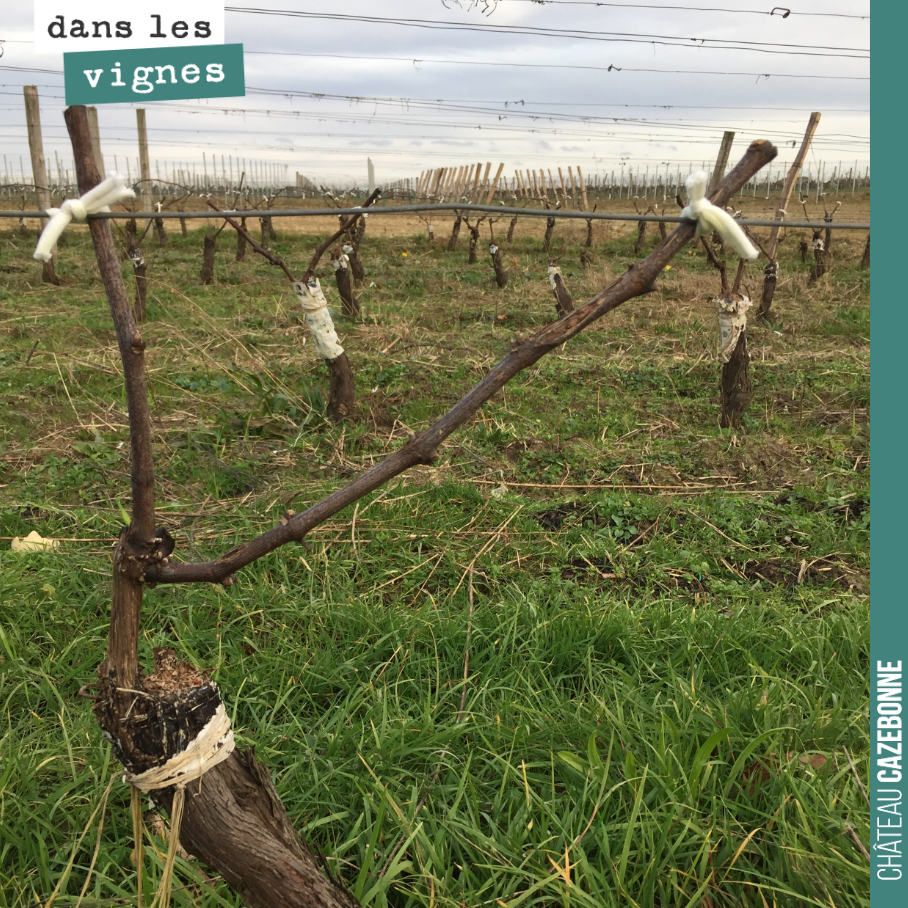
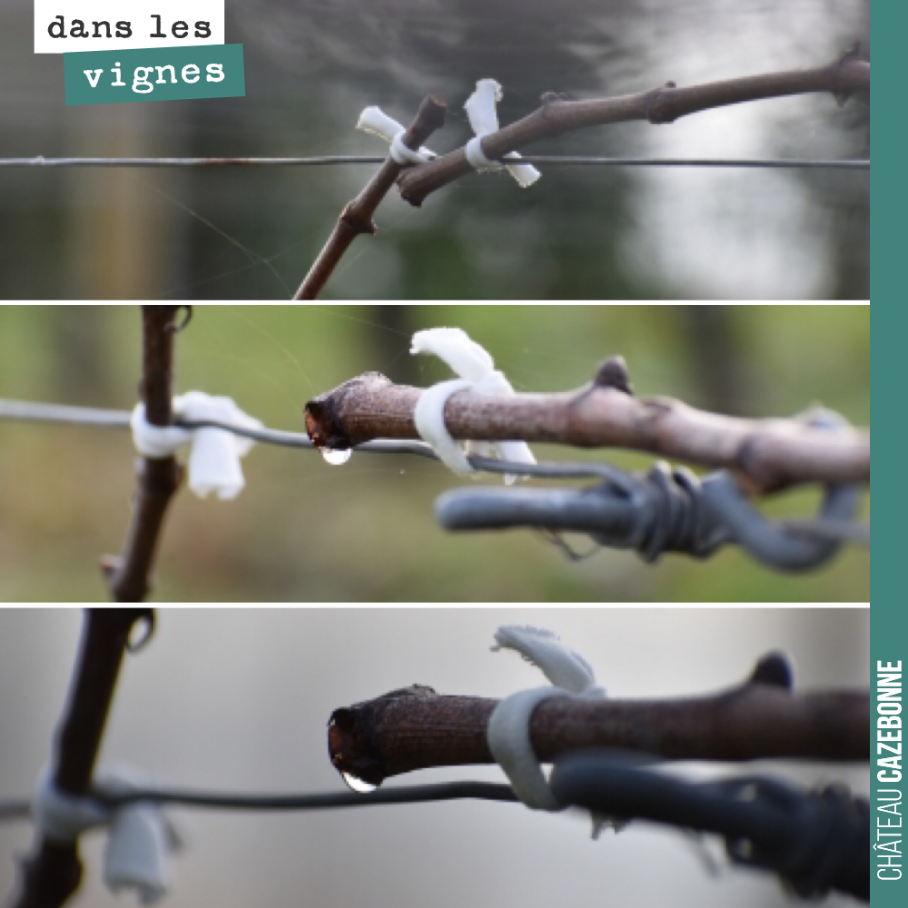
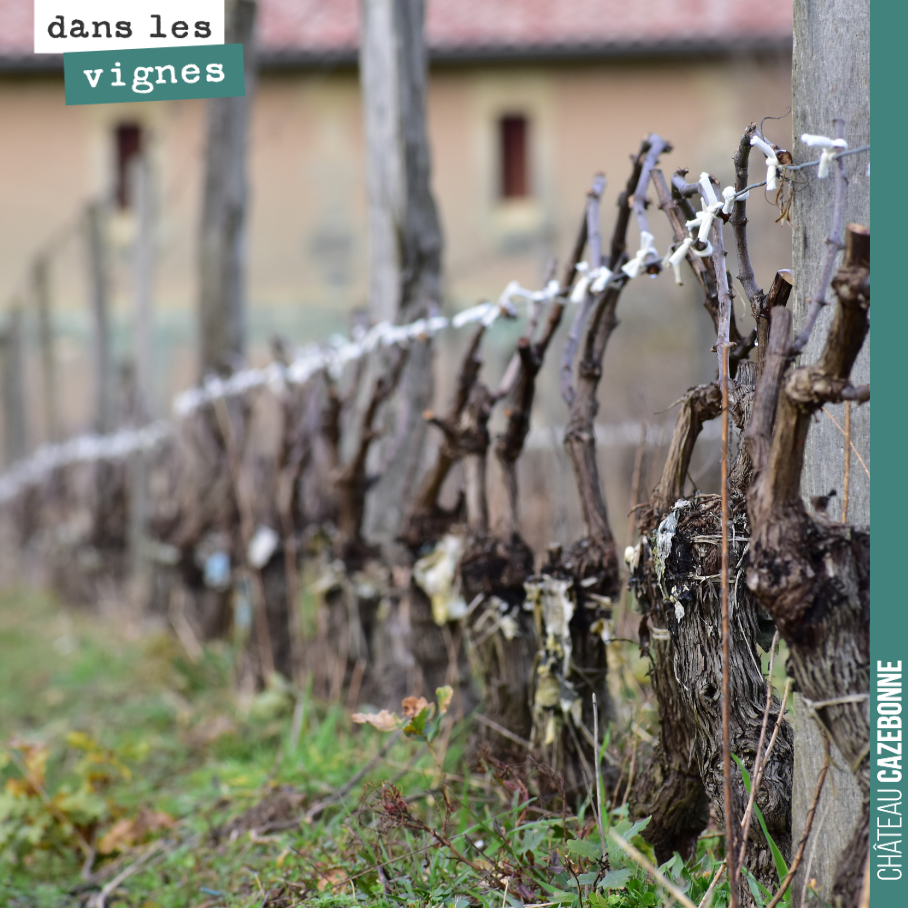
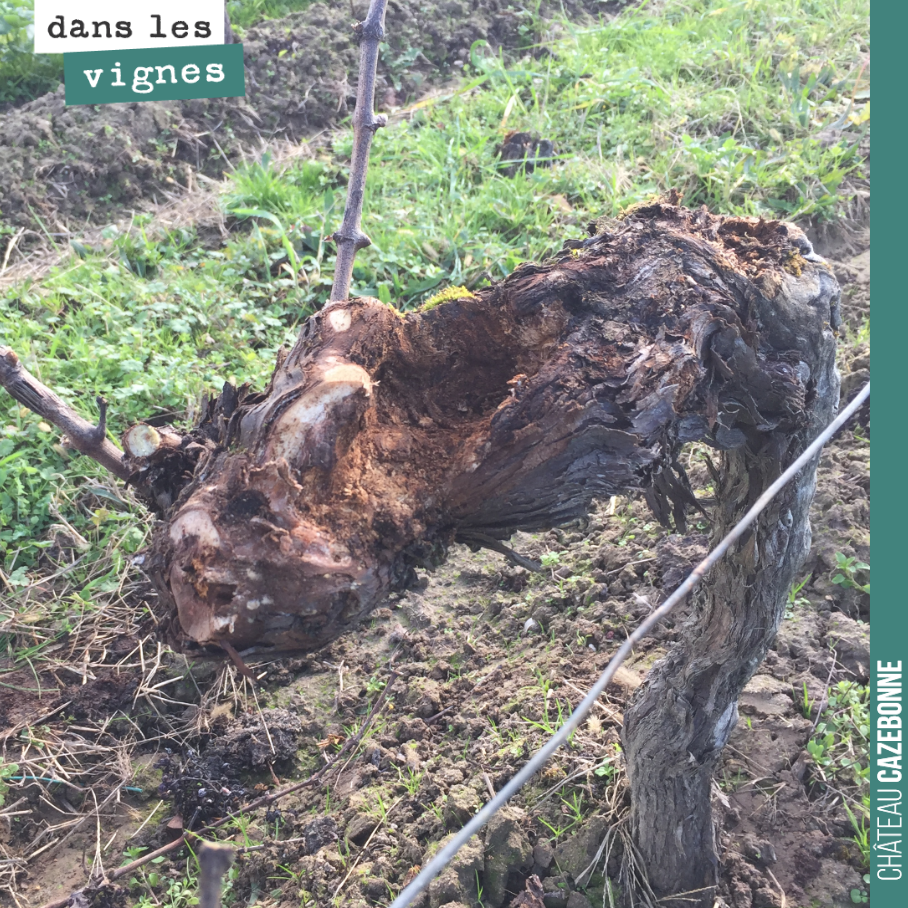
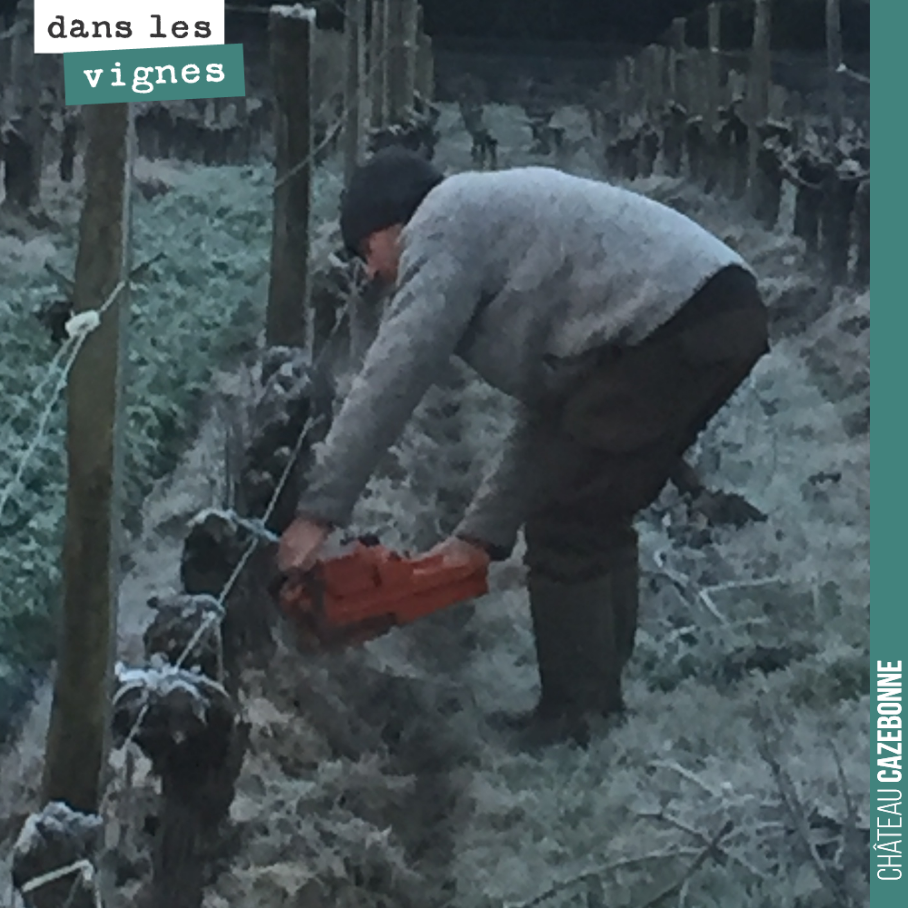
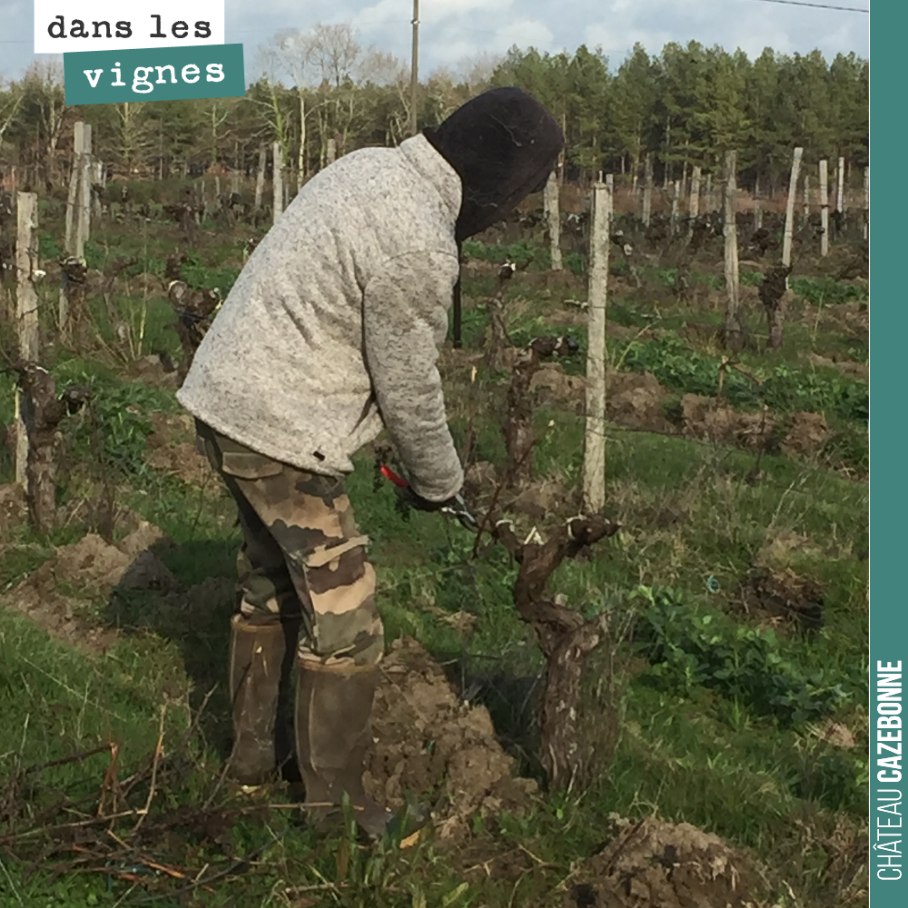
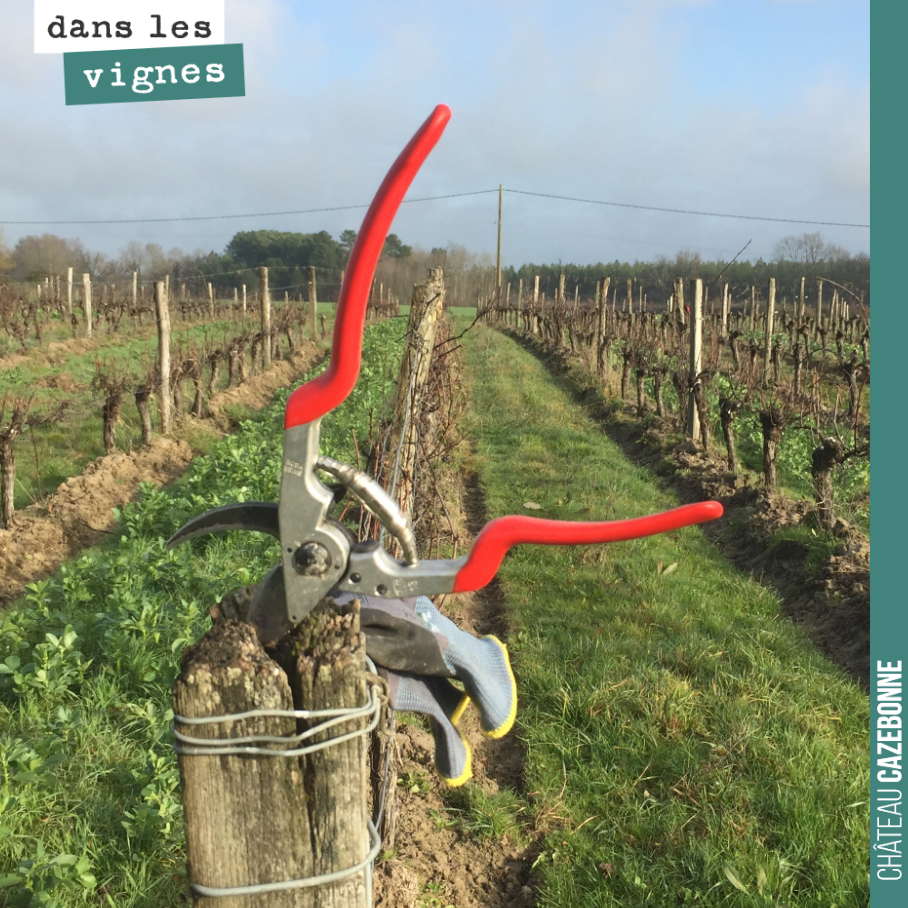
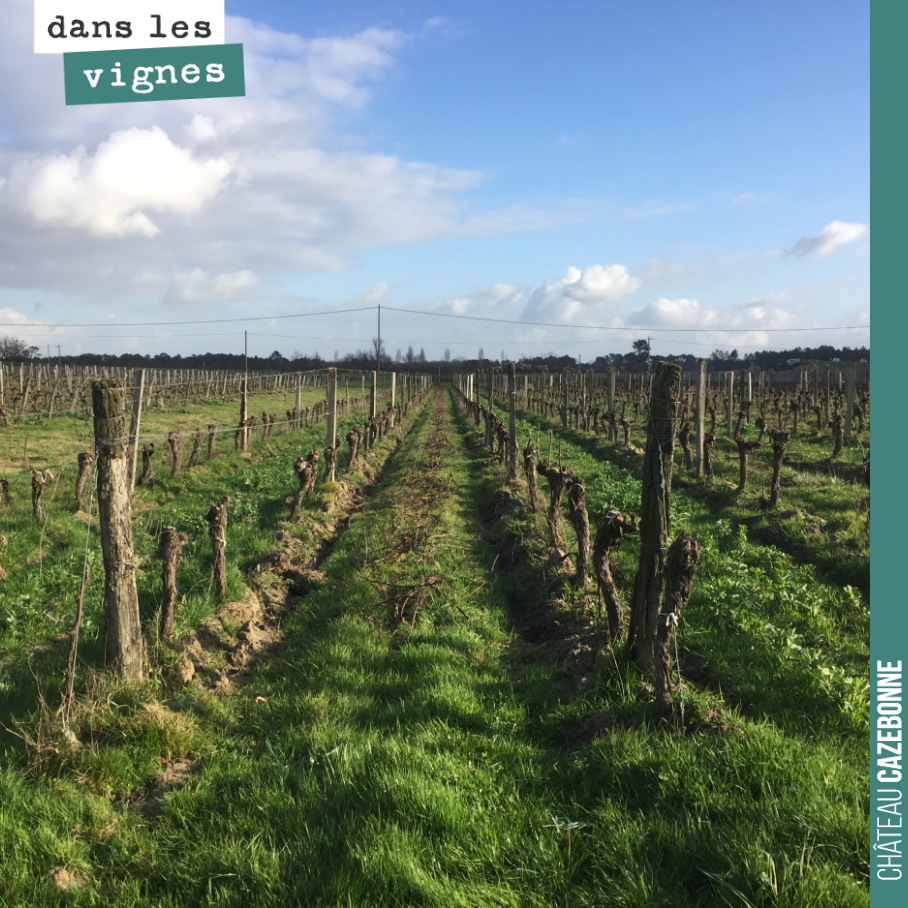
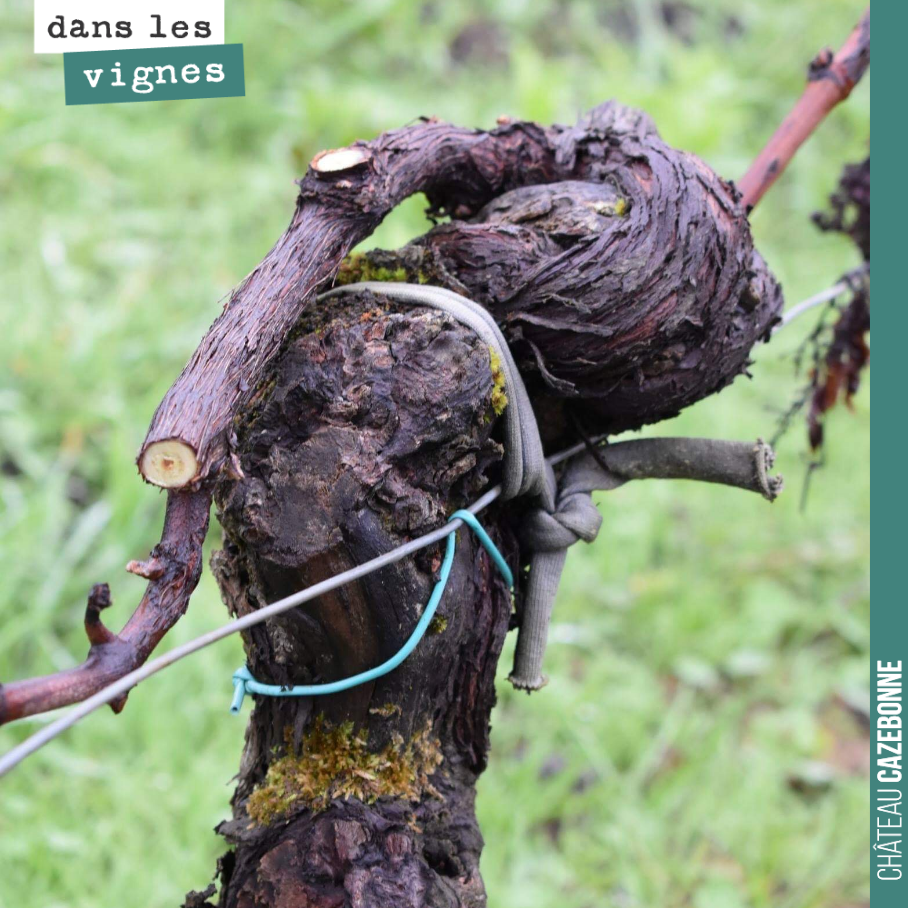
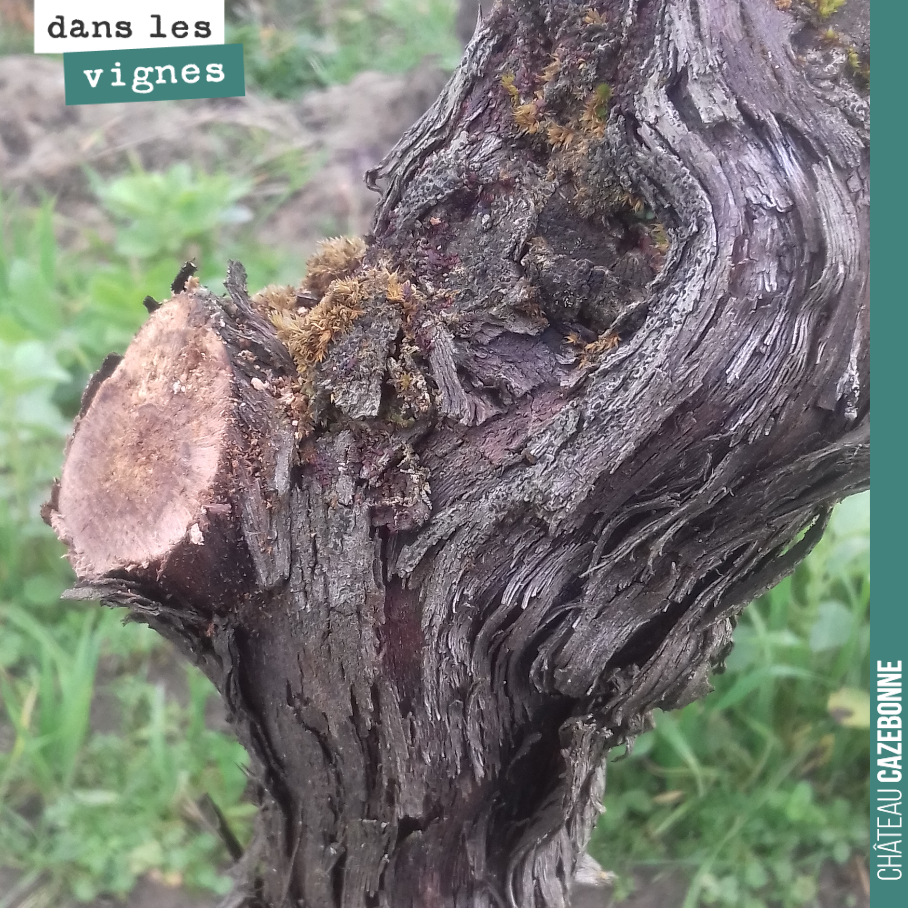
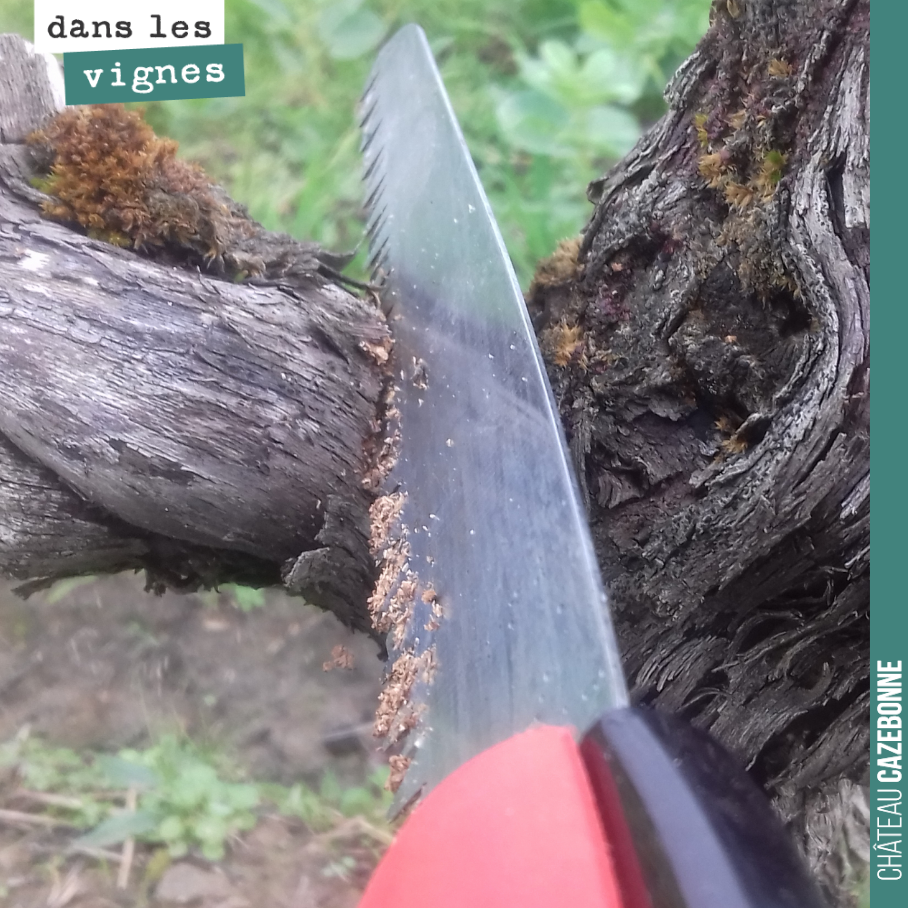
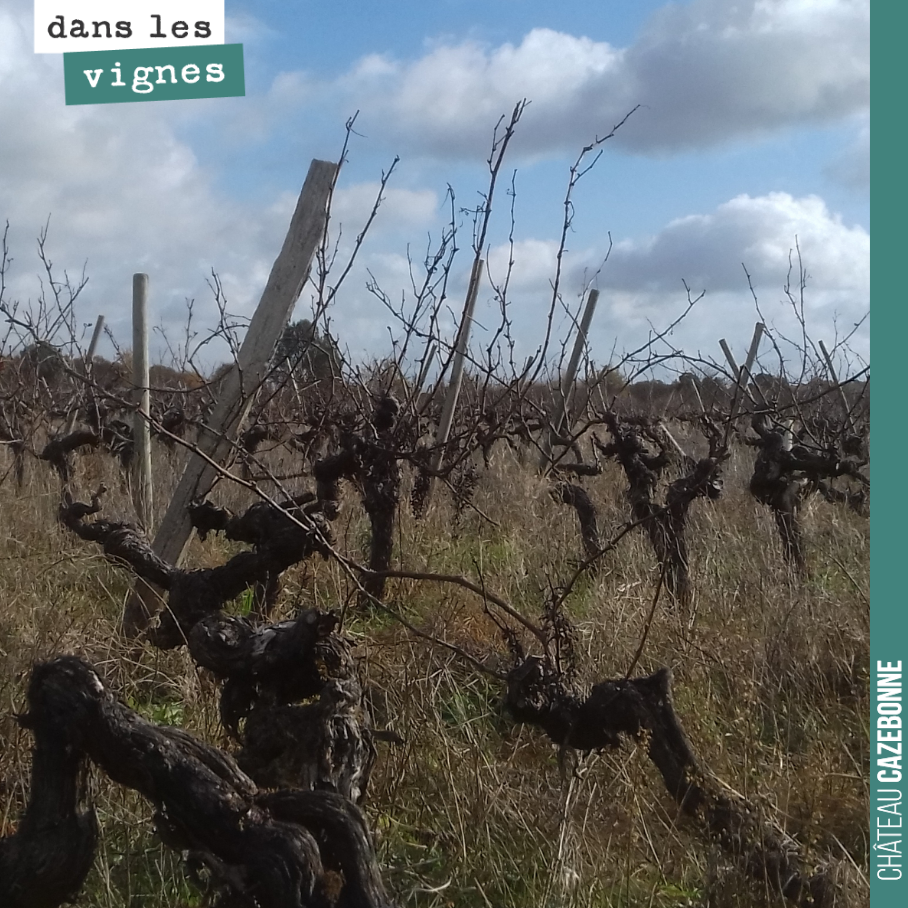
Vine pruning is the first job of the year. It consists of regulating the growth of the vine by removing some of the previous year's canes. Its main objective is to control the yield, balance the plant's vigour, and encourage a harmonious distribution of the future buds. Good pruning is essential for the longevity of the vine and to guarantee the quality of the grapes.
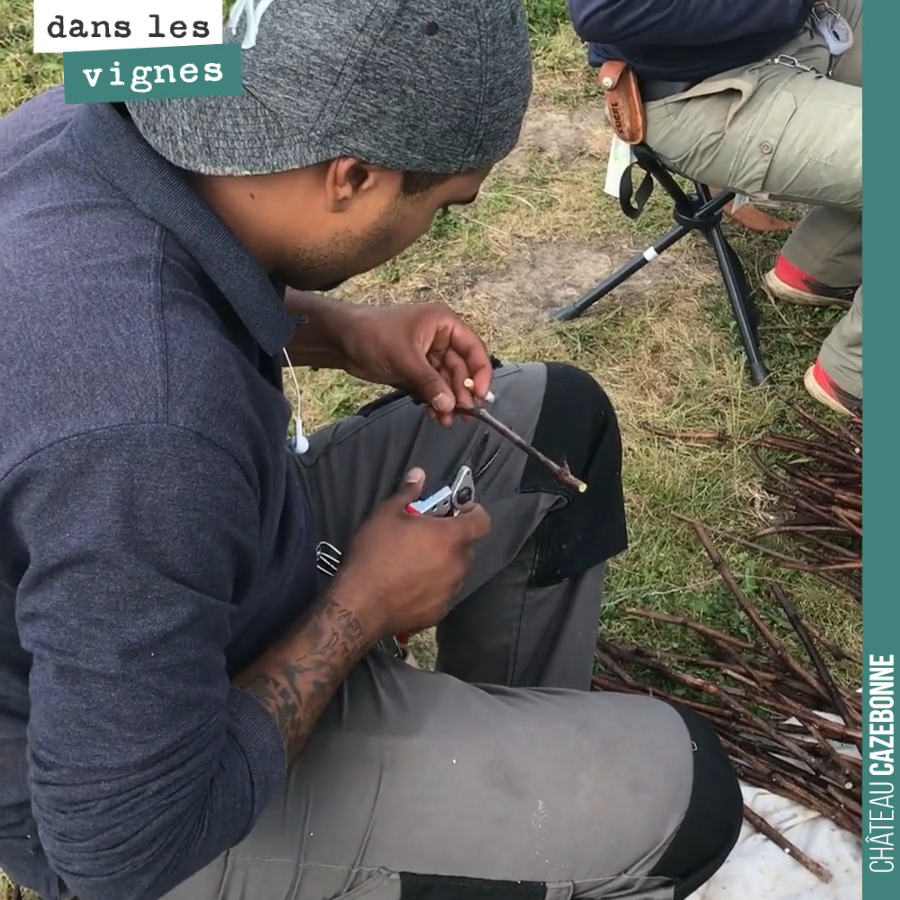
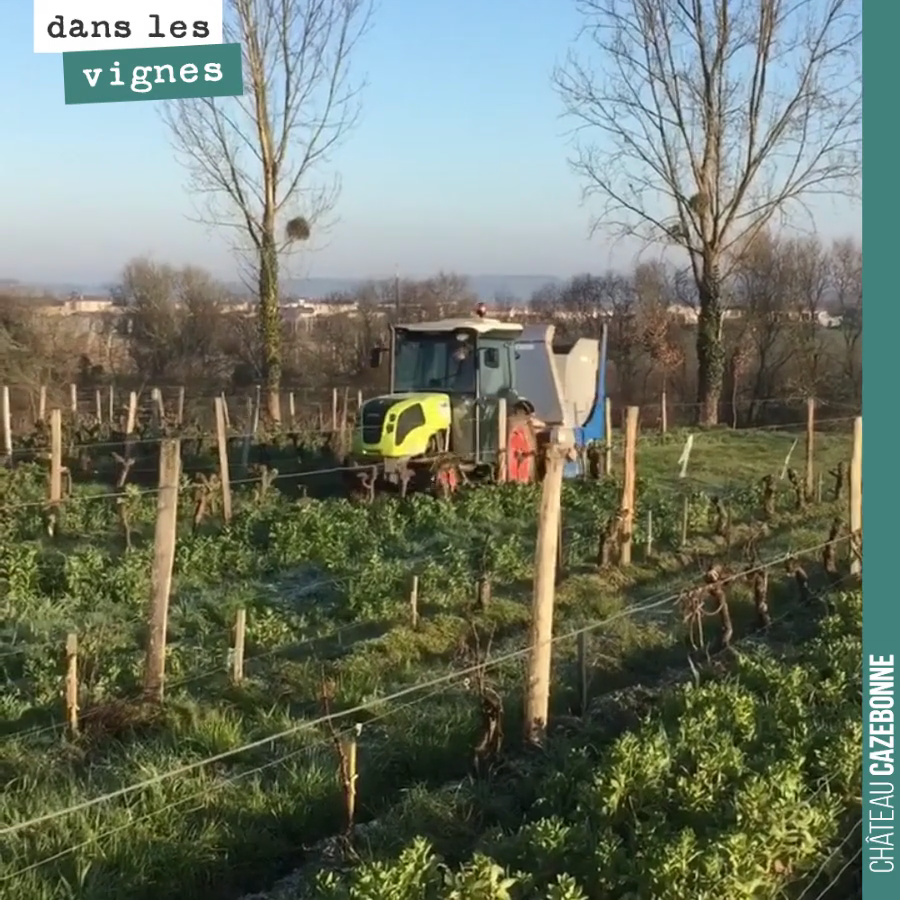
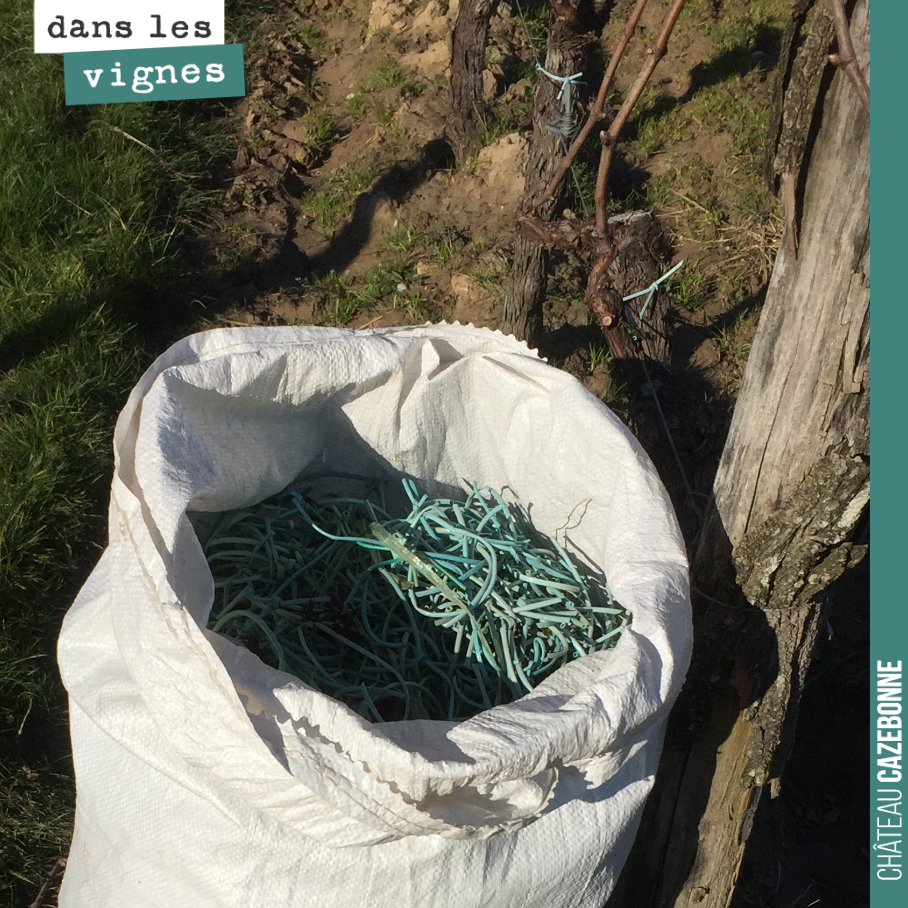
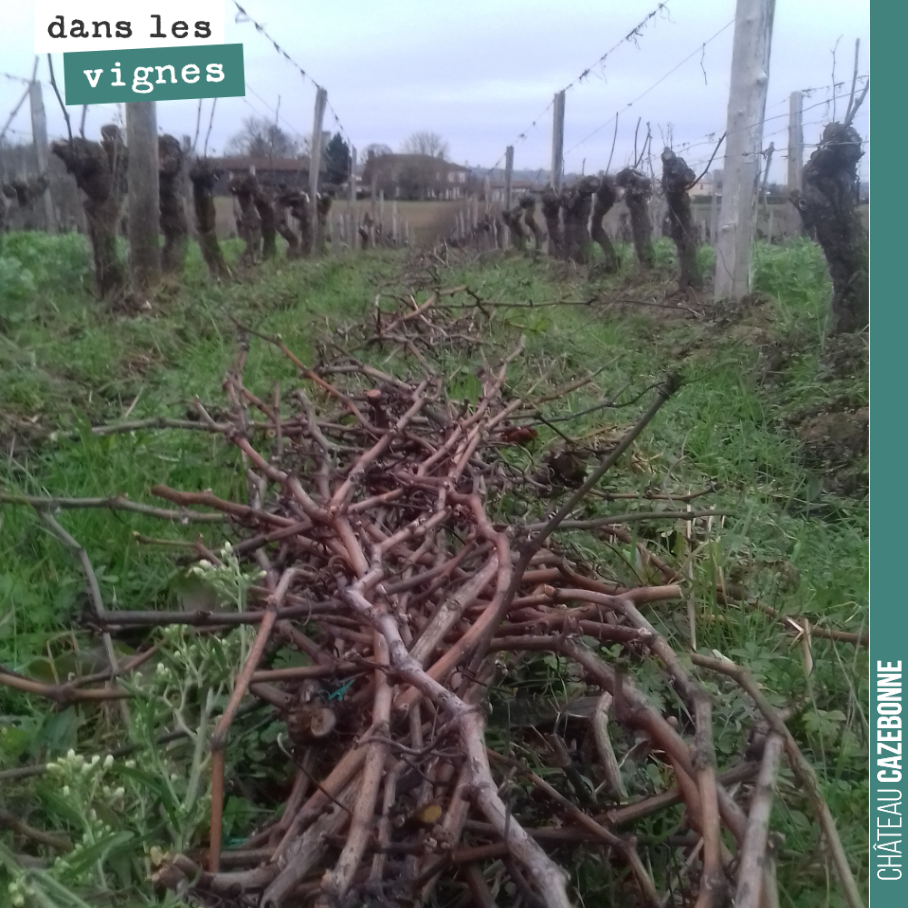
Carried out during winter dormancy, generally from December to March, before bud burst. At Cazebonne, we mainly practice spur pruning (taille à cot), where only two buds are kept on each spur, but we also explore other methods depending on the grape varieties and their vigour. Once pruned, the canes are collected and can be crushed to enrich the soil's humus.
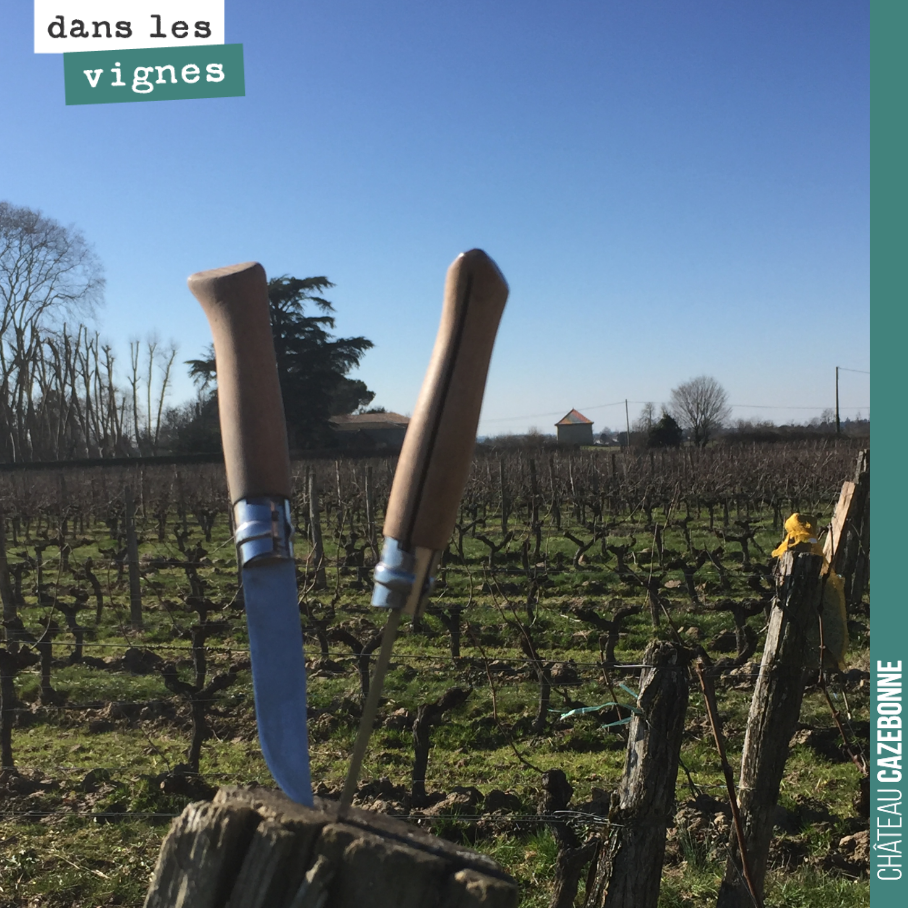
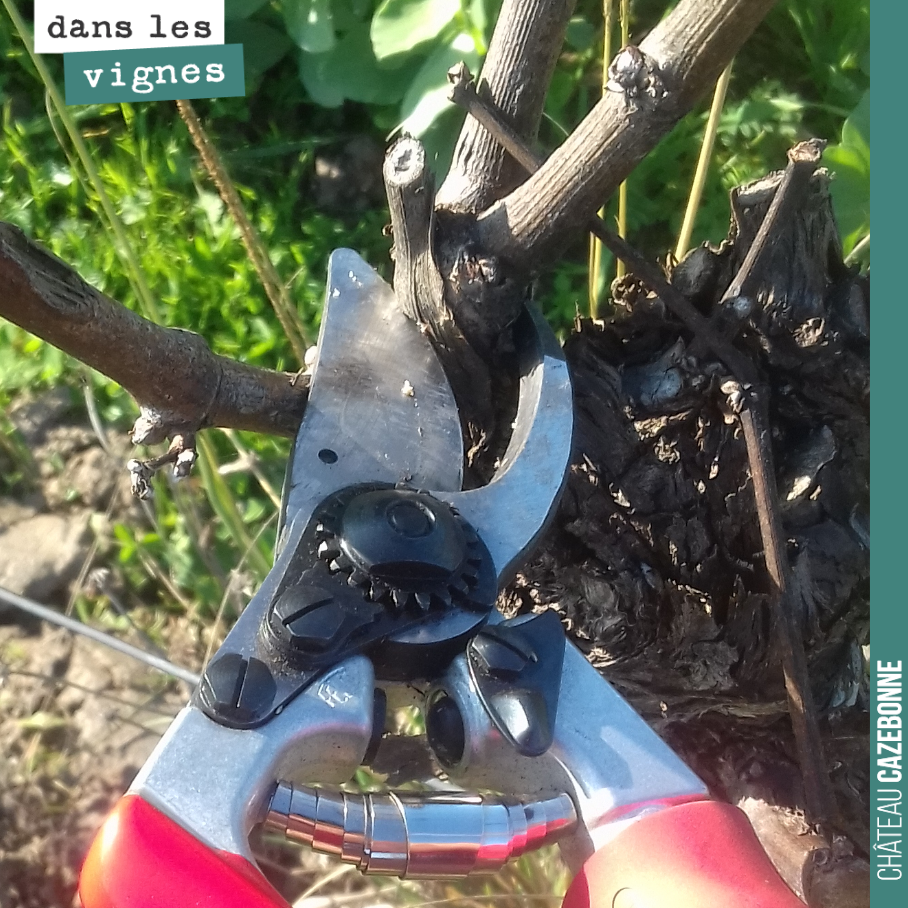
Manual secateurs are the main tool, often supplemented by electric secateurs to reduce physical strain. At Château Cazebonne, we favour pruning methods that respect the sap flow to limit wood diseases such as esca.
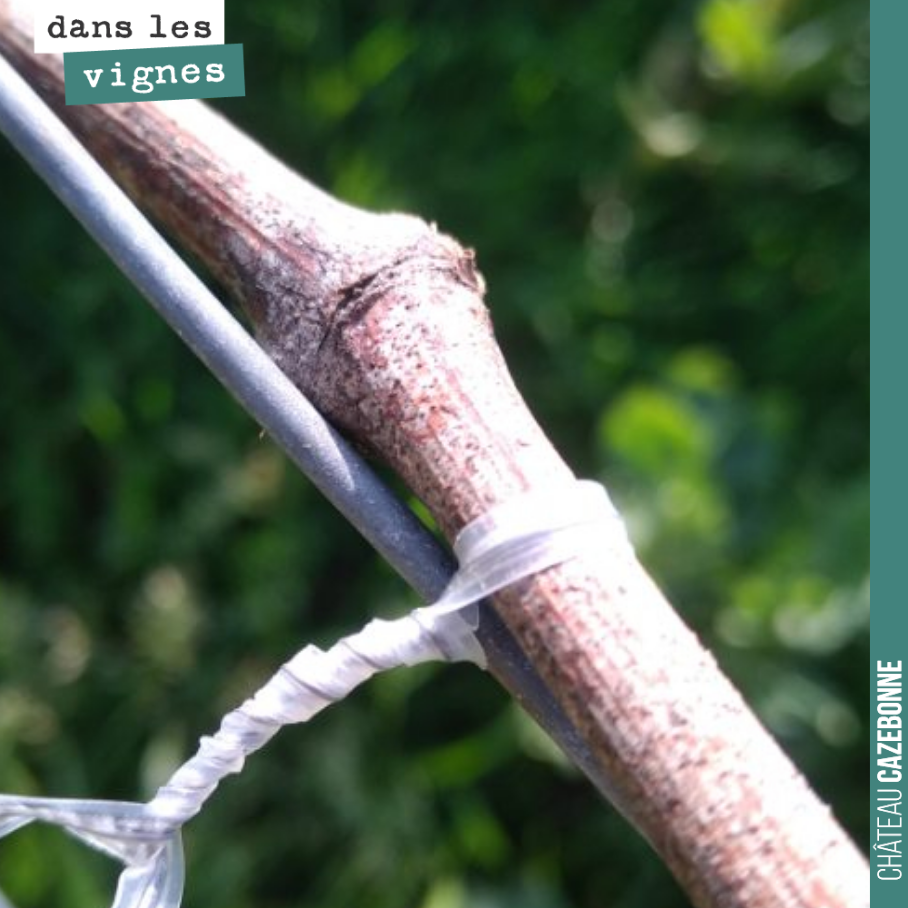
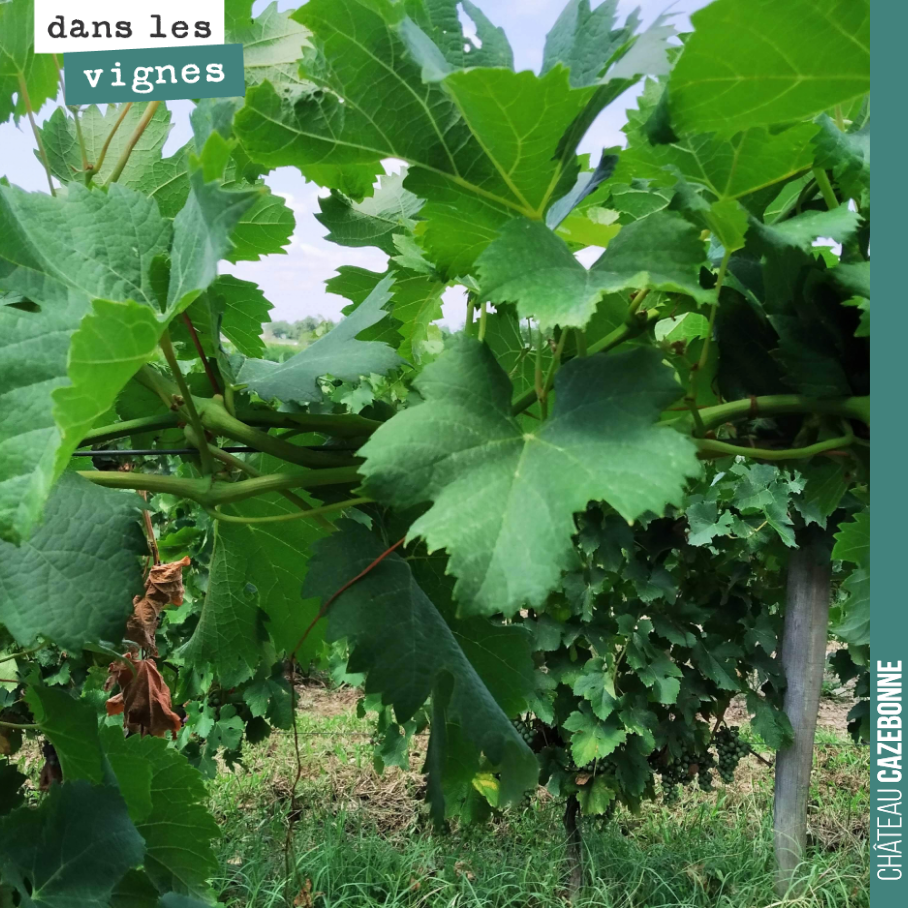
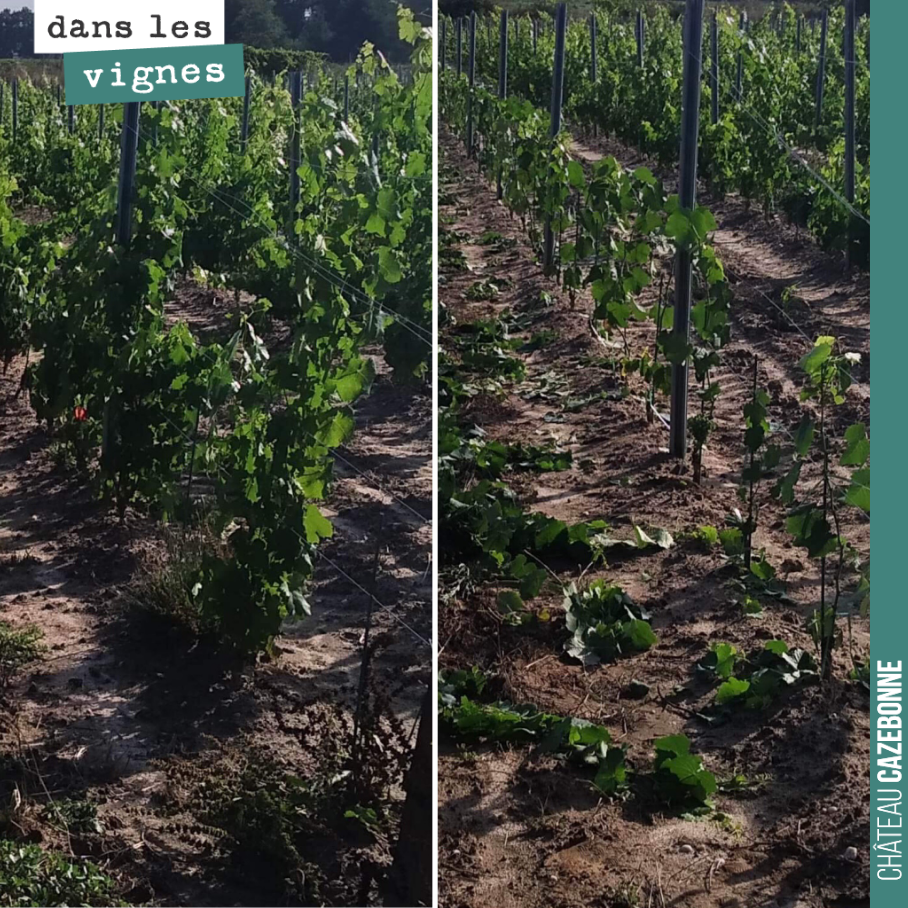
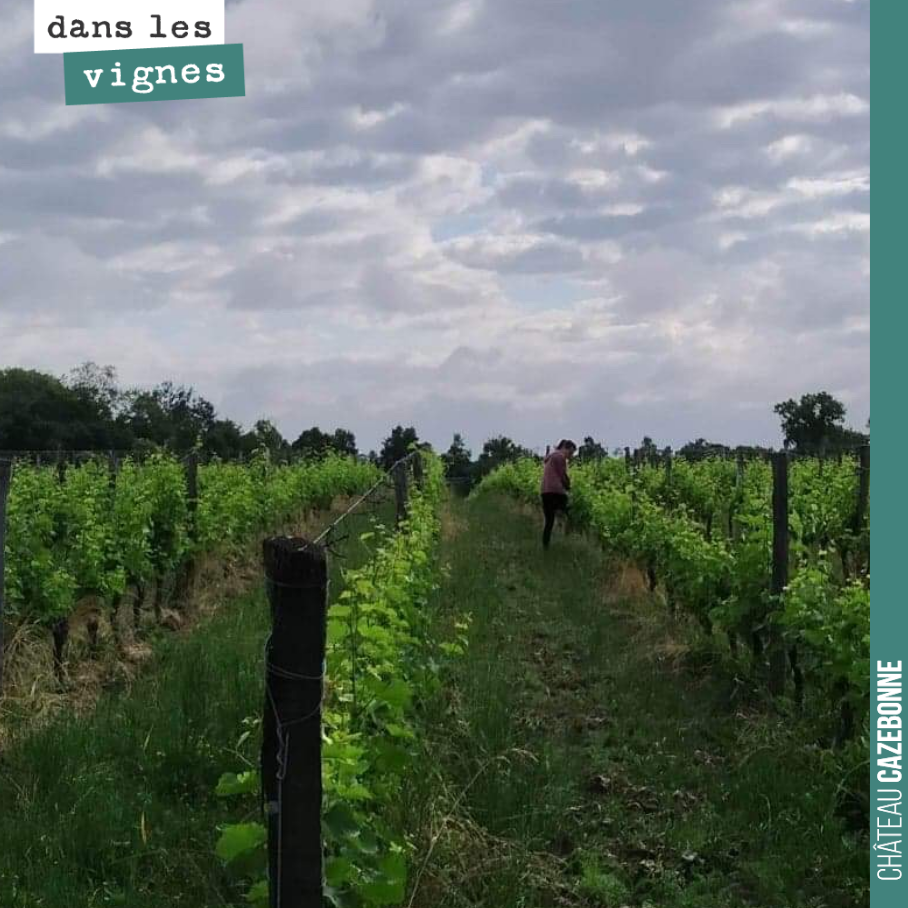
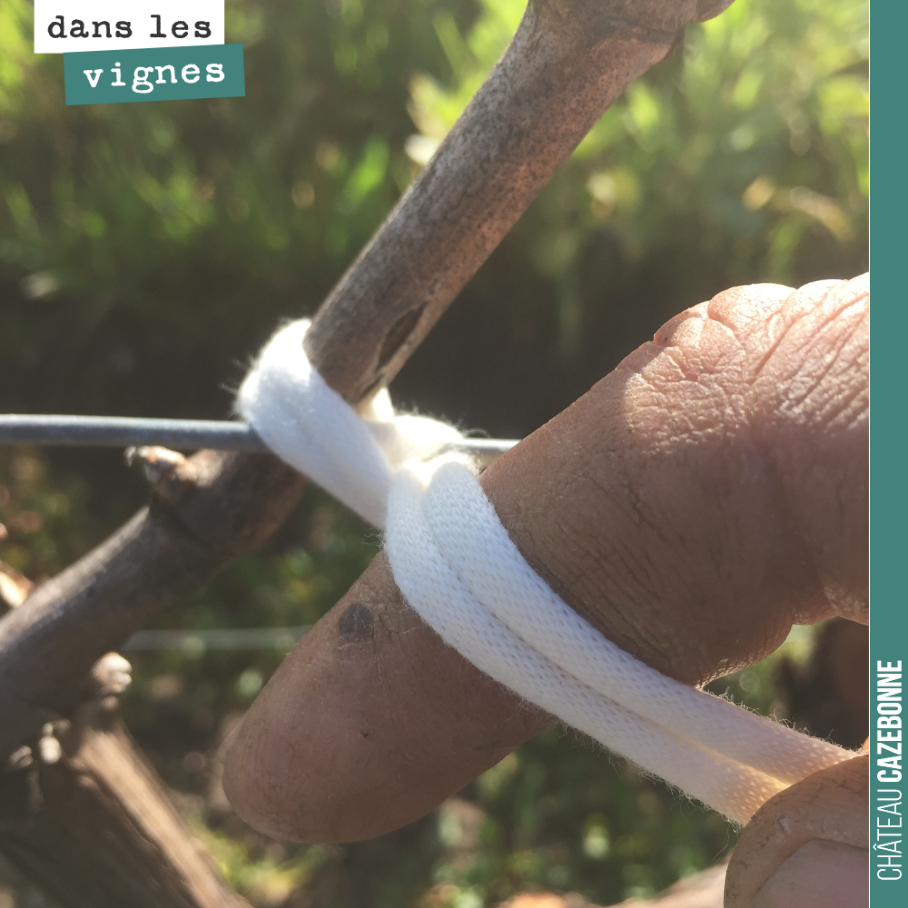
Vine suckering is the removal of watershoots, those sterile shoots that develop on the trunk or perennial wood. It allows the sap to be concentrated towards the fruiting shoots and improves the aeration of the vine. Vine lifting, on the other hand, consists of straightening and holding the vine shoots vertically between the trellis wires. This work is crucial for optimising sunlight and aeration for the leaves and future bunches, thus limiting the development of diseases.
These operations take place in the spring, from May to July. Suckering is manual work that requires a trained eye to avoid removing productive shoots. Lifting is carried out in several passes as the vine grows.
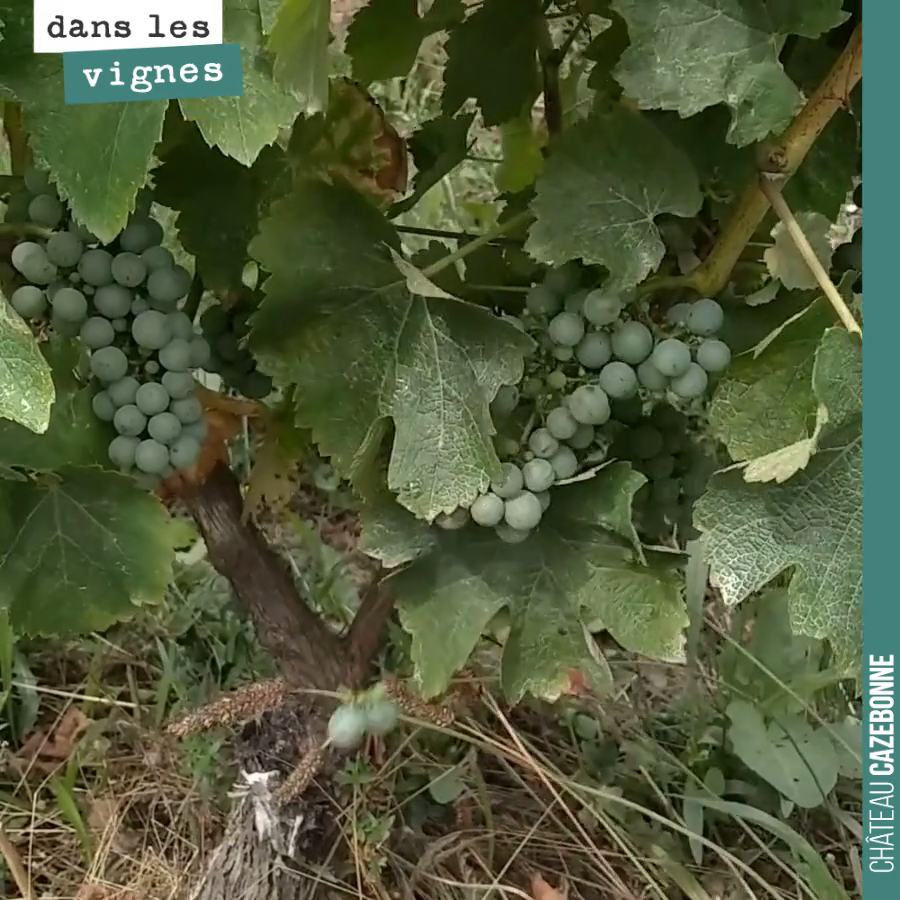
Vine leaf pulling consists of removing a few leaves around the bunches to encourage their exposure to the sun and air. This allows for better ripening, a reduction in humidity conducive to botrytis, and better penetration of treatments. Trimming is the cutting of the ends of the shoots. It aims to limit vegetative growth, force the vine to devote its energy to ripening the grapes, and facilitate the passage of machinery.
Leaf pulling is practised before veraison, generally in June-July. It must be carried out with discernment so as not to expose the bunches to sunburn. Trimming extends from the beginning of summer until the harvest, depending on the vigour of the vine. These tasks, often mechanised using trimming machines, can also be completed by hand for greater precision on specific parcels.
At Château Cazebonne, our philosophy is part of a global approach to agroecology in viticulture. We favour manual interventions and environmentally friendly practices to maintain a living soil and rich biodiversity. The complexity of this work, from biodynamic preparations 500 and 501 to co-planting to diversify our plant heritage, contributes to the specificity of our wines. As highlighted in "Bordeaux, une histoire de cépages" by Jean-Baptiste Duquesne, the attention paid to the vineyard is a reflection of the terroir's identity.
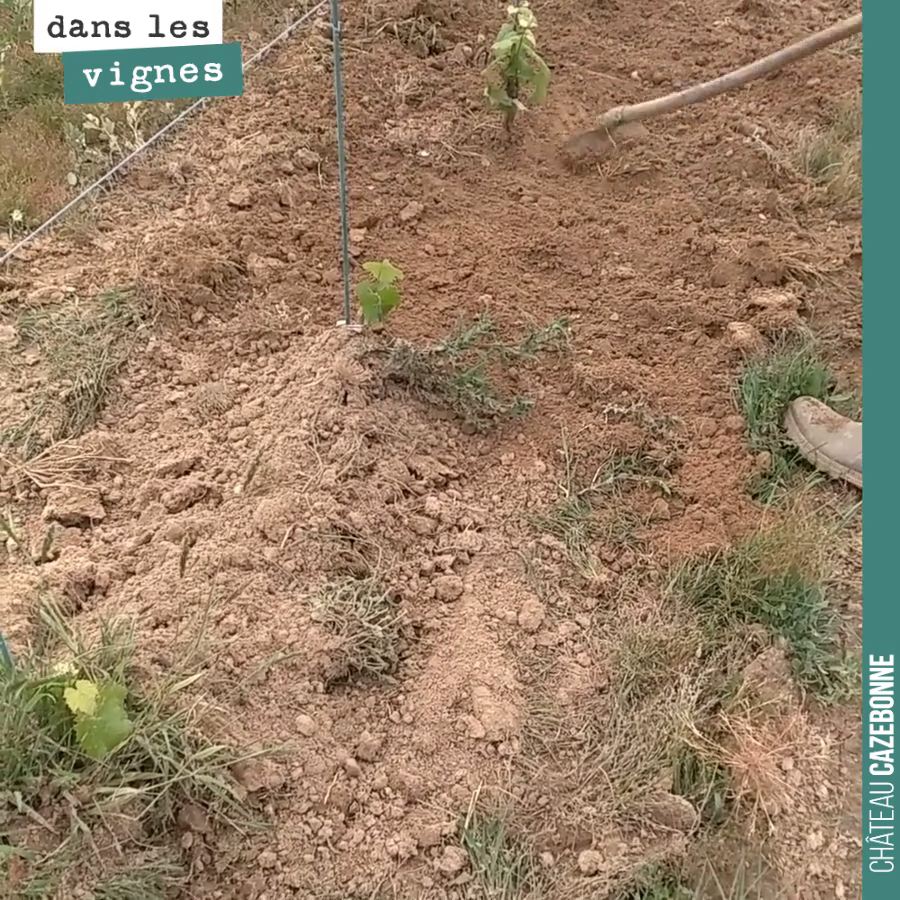
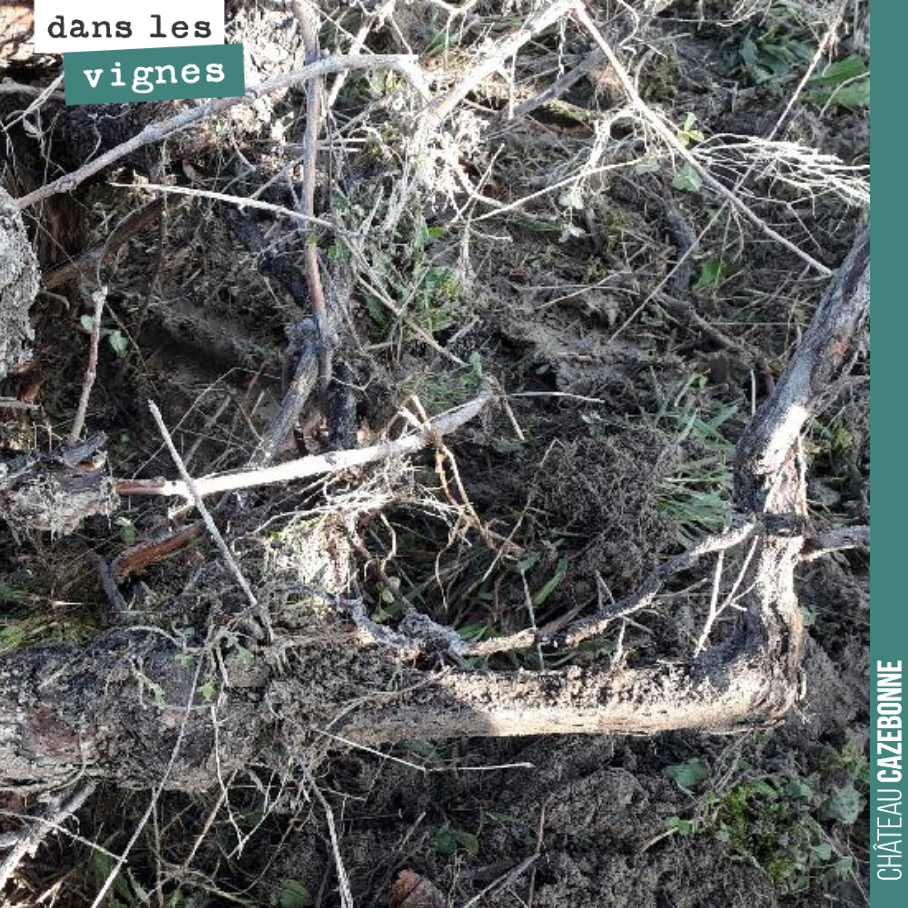
Our commitment to replanting the forgotten grape varieties of Bordeaux is not just an act of preservation; it is also an open-air laboratory where the craftsmanship of the winegrower takes on its full meaning. This daily work, such as omega grafting or vine layering (mandronnage), made possible by the support of demanding wine lovers, gives rise to cuvées that express all the richness of our terroir. If you would like to know more about this fascinating history, do not hesitate to download our book on ancient grape varieties. To test your knowledge, also discover our oenological quizzes, and of course, to savour the fruit of this hard work, explore our wines online.
Sources
Our suggestions
-5%on your 1st order with code BIENVENUE
The essential6 bottles — Graves red 2022
The best price of the cellar: €12 per bottle delivered.
The everyday red: generous and straight to the point.
I want it Our recommendation92/100 RVF
6 bottles — Graves red 2022, 92/100 RVF
Rated 92/100 by La Revue du vin de France: a solid 10-year ageing potential.
Our Graves for ageing, the finest gateway to the estate.
I want it Go further
12 bottles — the whole range
12 bottles, the whole range tasted: the best discovery-to-price ratio.
The complete tour of the estate, in a single case.
I want it
11 August 2022
07 April 2022

05 April 2022
30 March 2022
27 December 2021
03 July 2021
28 June 2021
21 June 2021
16 June 2021
02 June 2021
05 May 2021
06 April 2021
12 March 2021
06 March 2021
17 February 2021
16 February 2021
14 November 2020
22 April 2020
12 November 2019
23 October 2019
12 August 2019
12 August 2019
03 August 2019
11 July 2019
25 June 2019
02 June 2019
07 May 2019
02 May 2019
08 April 2019
12 March 2019
06 March 2019
05 March 2019
25 February 2019
22 February 2019
22 February 2019
21 February 2019
18 February 2019
17 February 2019
14 February 2019
04 February 2019
03 February 2019
22 January 2019
21 January 2019
17 January 2019
15 January 2019
14 January 2019
14 January 2019
13 January 2019
12 January 2019
28 December 2018
27 December 2018
26 December 2018
26 December 2018
24 December 2018
22 December 2018
22 December 2018
21 December 2018
19 December 2018
17 December 2018
16 December 2018
15 December 2018
15 December 2018
12 December 2018
07 December 2018
02 December 2018
01 December 2018
01 December 2018
28 November 2018
23 November 2018
21 November 2018
05 November 2018
31 October 2018
30 October 2018
29 October 2018
19 October 2018
18 October 2018
30 September 2018
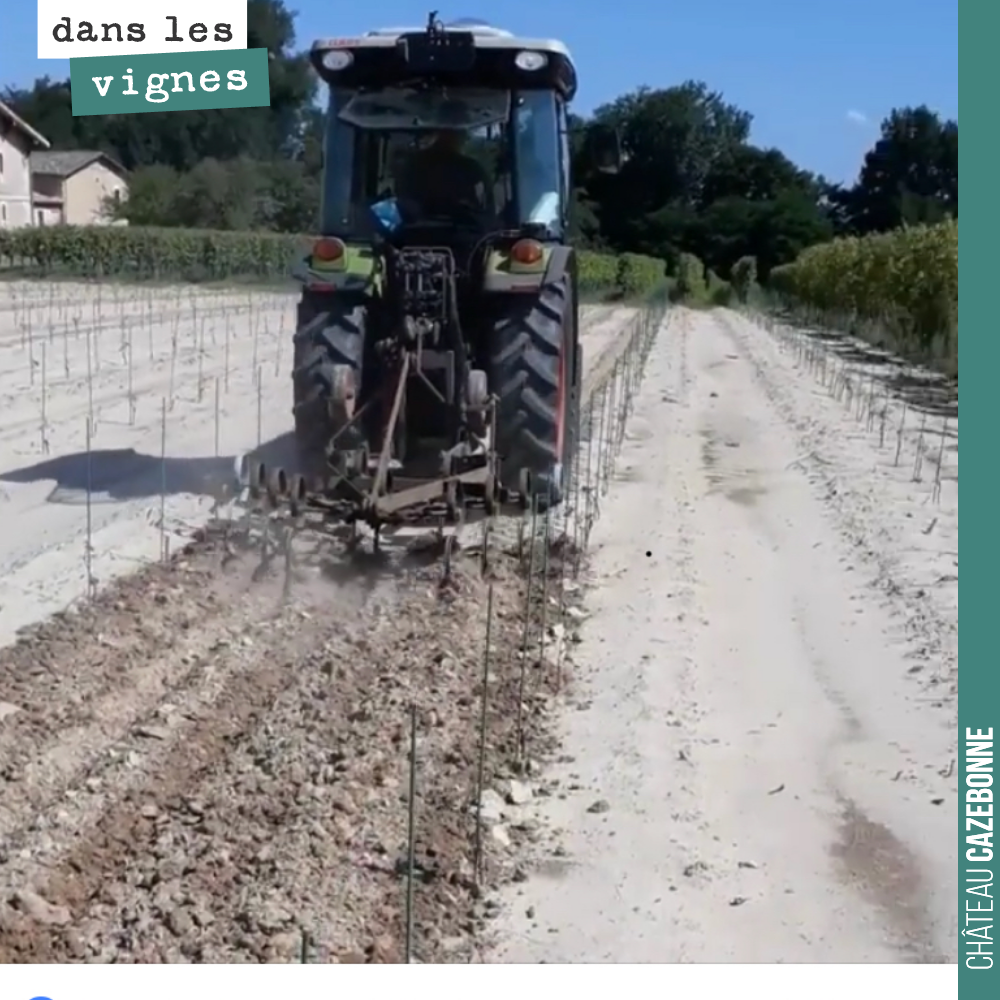
23 July 2018
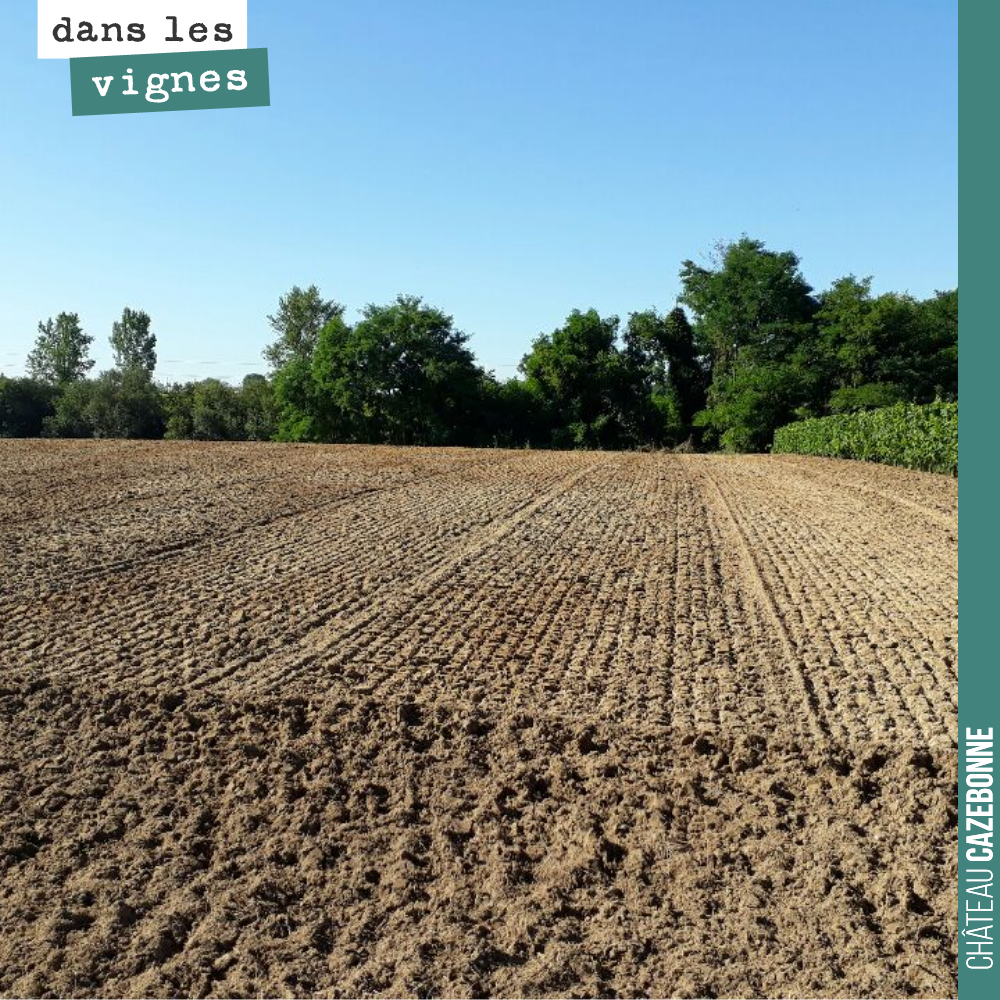
10 July 2018
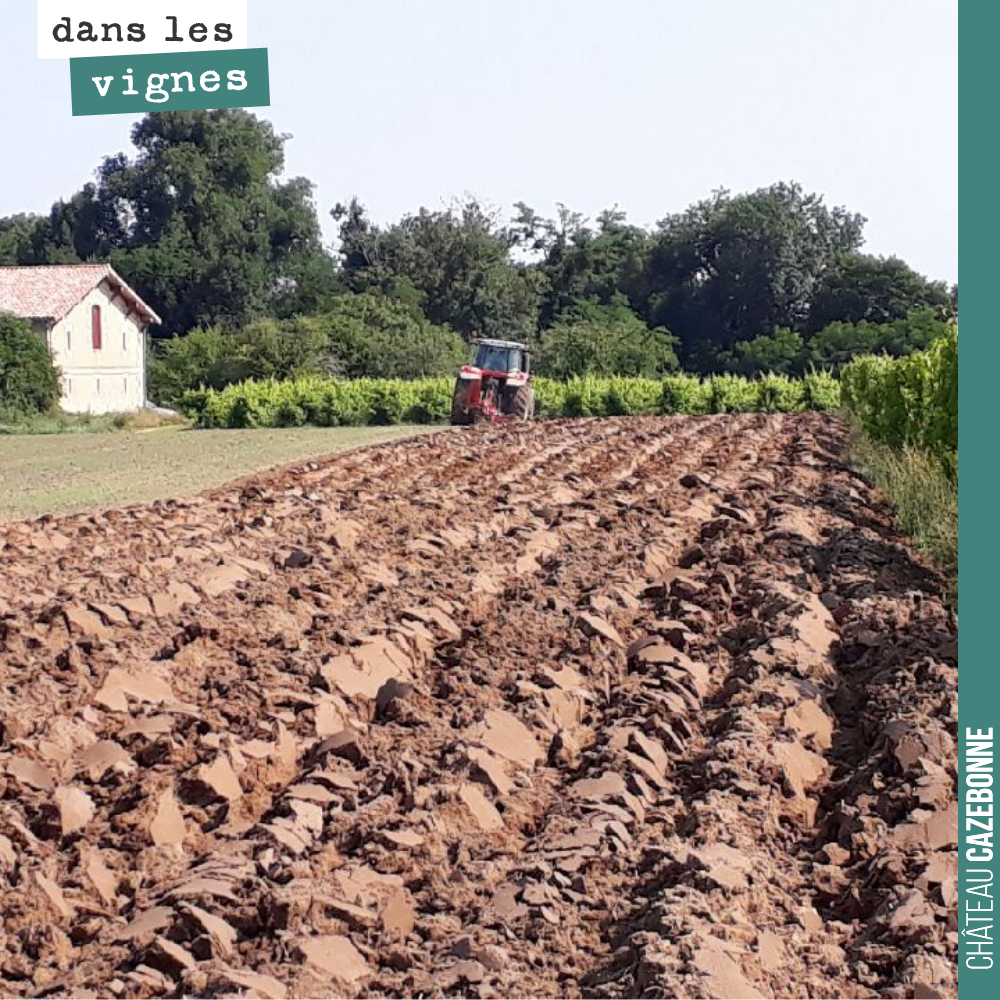
09 July 2018
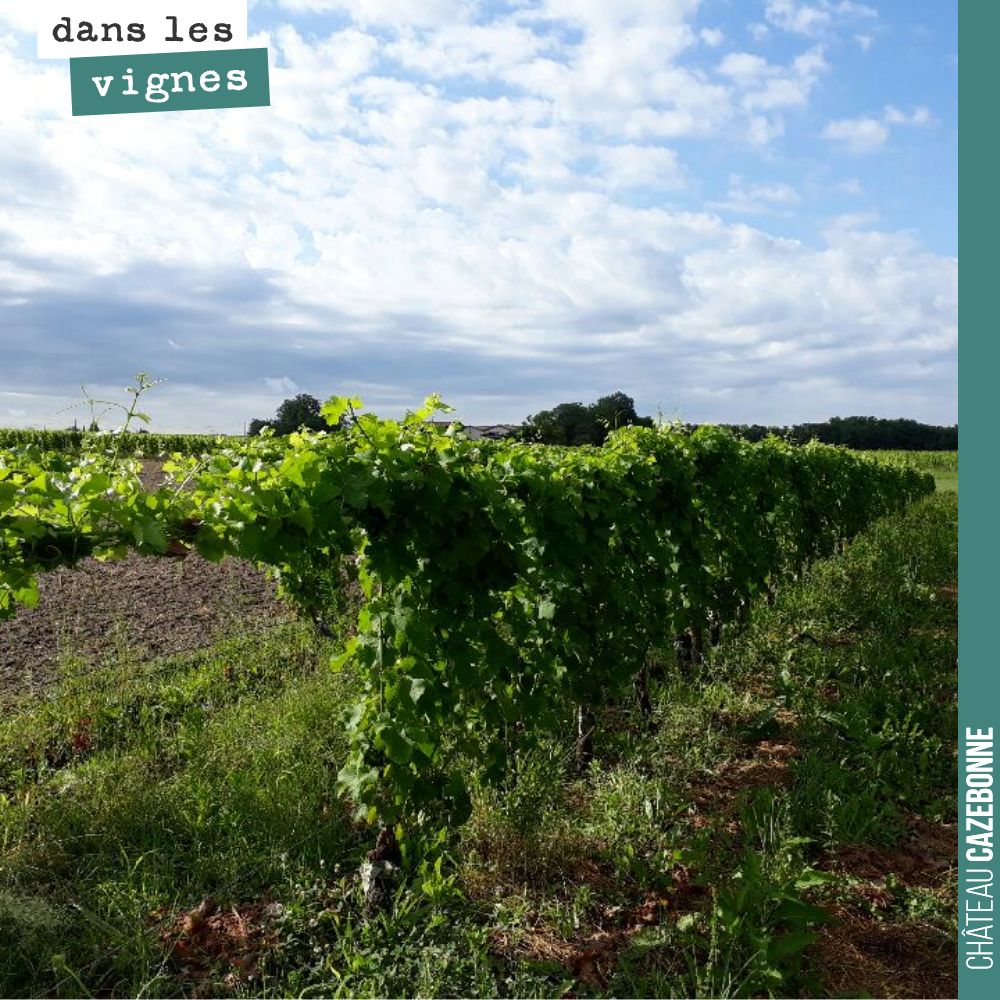
02 July 2018
The cellar, forgotten grape varieties and our cuvées, twice a month. 5% off your first order with the code BIENVENUE.