
 The essential
6 × Entre Amis red
6 bottles — Graves red 2022
The best price of the cellar: €12 per bottle delivered.
The everyday red: generous and straight to the point.
I want it44-53 M
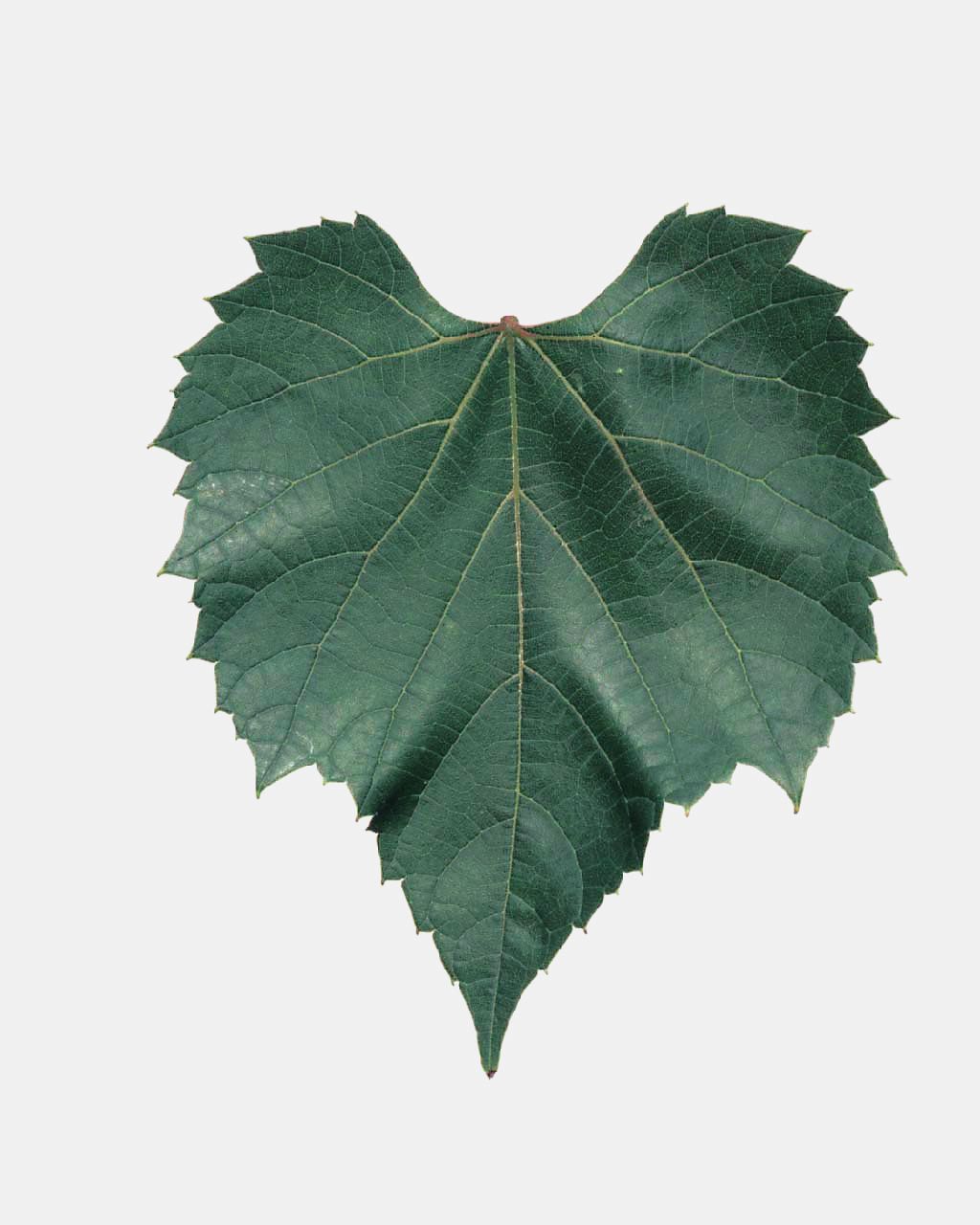
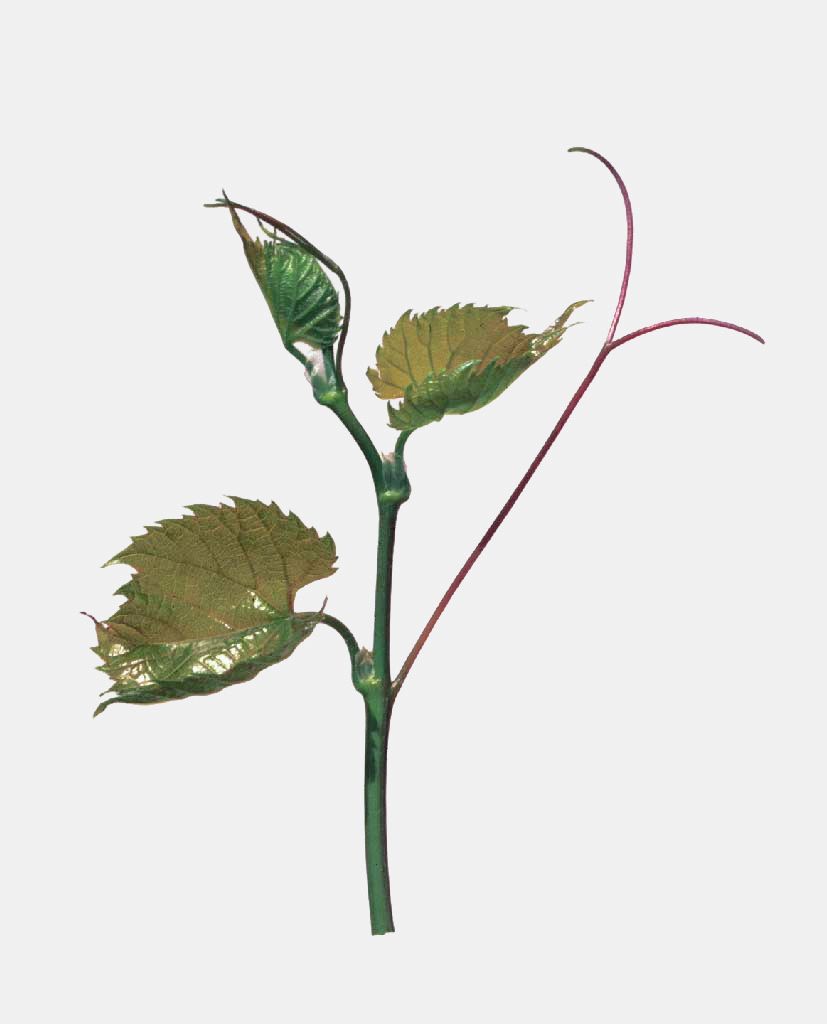
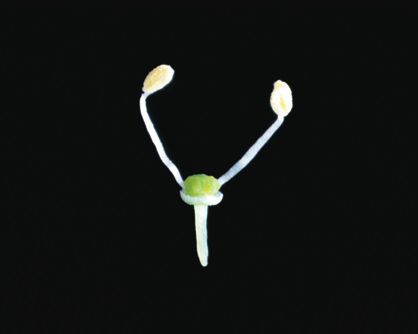
The 44-53 M rootstock, more commonly known as 44-53 Malègue, originates from a complex cross developed in the post-phylloxera era. It was bred to provide a solution tailored to vineyard needs, particularly regarding phylloxera resistance and adaptation to diverse soil types. This hybrid combines traits from different Vitis species, imparting controlled vigour to the scion and good tolerance to certain pedoclimatic constraints, making it an appealing choice for many winegrowers. Its ability to moderate vigour is especially valued for yield management and wine quality.
| Characteristic | Description |
|---|---|
| Parentage / Cross | Vitis berlandieri x Vitis riparia |
| Species of origin | Vitis berlandieri / Vitis riparia |
| Breeder and date | Malègue, before 1898 |
| Phylloxera resistance | Good |
| Conferred vigour | Moderate |
| Tolerance to active lime | Low (IPC 20, up to 9% active lime) |
| Drought tolerance | Moderate to good |
| Tolerance to waterlogging / asphyxia | Moderate |
| Effect on scion ripening | Neutral to slight delay |
| Status / Registration | Official French Catalogue |
The 44-53 Malègue rootstock shows moderate tolerance to active lime, with a chlorosis power index (IPC) of 20, meaning it can tolerate up to 9% active lime without risk of iron chlorosis. This characteristic is crucial for vineyards planted on limestone soils. It also demonstrates good drought adaptability, a quality increasingly sought after in the face of climate change. Its tolerance to waterlogging and asphyxia is moderate, making it less suitable for very heavy or hydromorphic soils, but it performs well in well-drained gravelly and clay soils. To learn more about the importance of living soils and viticultural geology, feel free to explore our dedicated articles.
44-53 Malègue imparts moderate vigour to the scion, which is an advantage for controlling vegetative growth and promoting greater berry concentration. Its impact on scion ripening is generally neutral, with a slight delay possible depending on conditions. It provides good regulation of water and nitrogen uptake, contributing to an optimal balance for the vine. This influence helps target qualitative rather than quantitative yields, essential for crafting characterful wines. Grafting is a key stage in the vine's life cycle, and the choice of rootstock is decisive.
The 44-53 Malègue rootstock displays good grafting affinity with most grape varieties grown in Bordeaux, offering reliable compatibility when establishing new parcels. For vineyard management, its moderate vigour accommodates suitable planting densities and facilitates pruning. Viticultural practices such as vine pruning are essential to optimise its potential.
Despite its qualities, 44-53 Malègue has vulnerabilities that must be considered. Its low active lime tolerance (IPC 20) makes it susceptible to iron chlorosis in excessively calcareous soils. It is also sensitive to nematodes and may potentially induce coulure in certain grape varieties, depending on the terroir and climatic conditions. Careful management and a thorough understanding of the soil are required to make the most of this rootstock.
In the context of climate change and increasingly frequent periods of drought, 44-53 Malègue's moderate-to-good tolerance to such conditions represents a clear advantage. Although it does not significantly shift ripening times, its ability to maintain balanced production under water-limiting conditions makes it a relevant option for adapting Bordeaux vineyards. Furthermore, other rootstocks, such as the 1447 P rootstock (1447 Paulsen), are also being studied for their capacity to withstand these pressures. Exploring resistant grape varieties in Bordeaux is another promising avenue.
This rootstock is not used at the estate.
Château Cazebonne is committed to preserving and enhancing Bordeaux's ampelographic heritage by replanting forgotten grape varieties—work made possible by the support of wine lovers. To learn more about this approach, feel free to download our book “Bordeaux, une histoire de cépages”, test your knowledge with our wine quizzes, or discover our exceptional wines directly in our online shop.
Sources
Our suggestions
-5%on your 1st order with code BIENVENUE
The essential6 bottles — Graves red 2022
The best price of the cellar: €12 per bottle delivered.
The everyday red: generous and straight to the point.
I want it Our recommendation92/100 RVF
6 bottles — Graves red 2022, 92/100 RVF
Rated 92/100 by La Revue du vin de France: a solid 10-year ageing potential.
Our Graves for ageing, the finest gateway to the estate.
I want it Go further
12 bottles — the whole range
12 bottles, the whole range tasted: the best discovery-to-price ratio.
The complete tour of the estate, in a single case.
I want itThe cellar, forgotten grape varieties and our cuvées, twice a month. 5% off your first order with the code BIENVENUE.