
 The essential
6 × Entre Amis red
6 bottles — Graves red 2022
The best price of the cellar: €12 per bottle delivered.
The everyday red: generous and straight to the point.
I want it41 B MGt
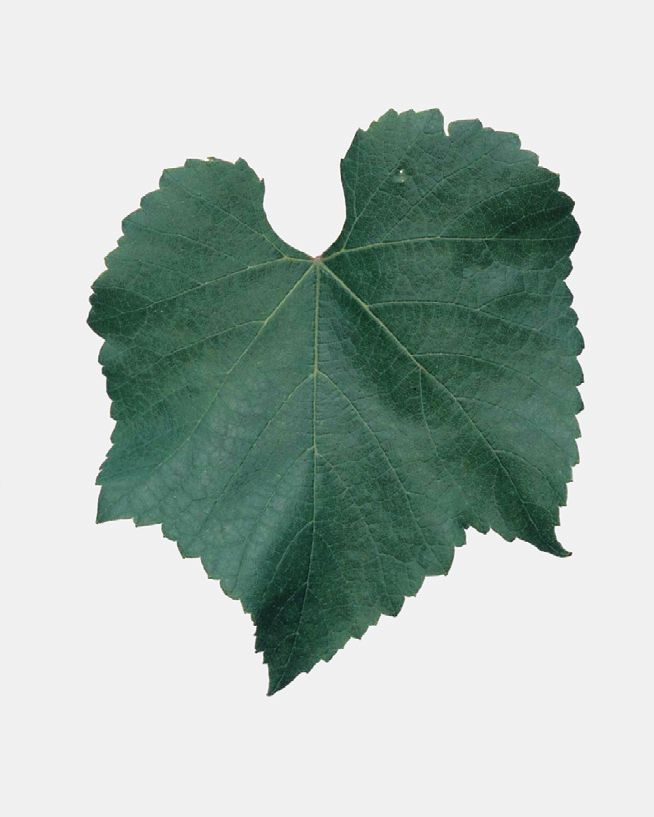
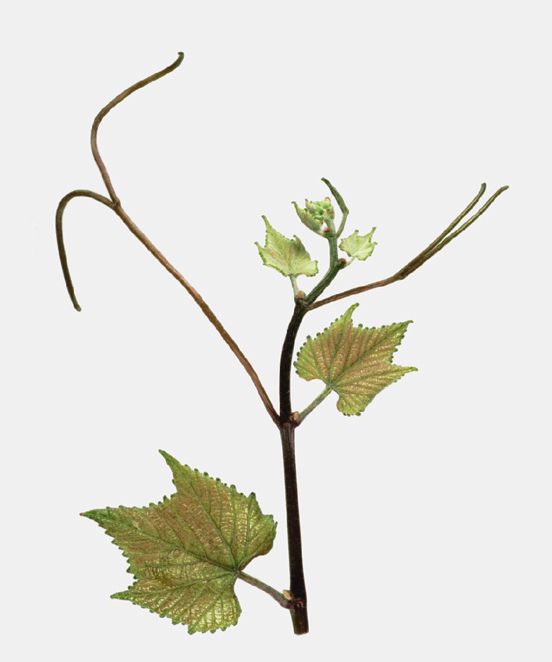
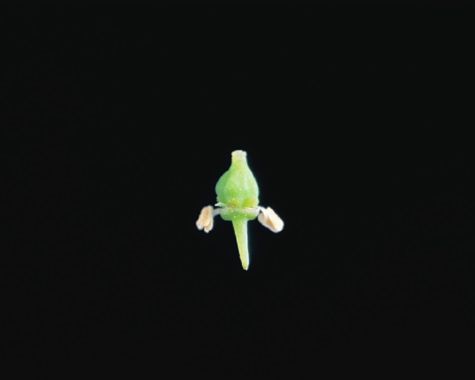
The 41 B Millardet et de Grasset rootstock, more commonly known as 41 B MGt, represents a historic and still highly relevant solution to viticultural challenges, particularly adaptation to limestone-rich soils. Resulting from a judicious cross, it established itself as a cornerstone of post-phylloxera reconstruction and continues to offer significant advantages for modern viticulture, especially in regions with limestone-dominated terroirs.
The 41 B MGt rootstock is the result of research conducted by Millardet and de Grasset, two iconic figures in French viticulture following the phylloxera crisis. Created at a time when the survival of the vineyard was at stake, it is the result of a cross between Vitis vinifera Chasselas and Vitis berlandieri. This combination aimed to unite the good grafting affinity of Chasselas with the limestone and phylloxera resistance of Berlandieri. Its development was part of a major effort to find long-term solutions against the devastating pest that was ravaging European vineyards.
The 420 A MGt rootstock (420 A Millardet et de Grasset)ot>
| Characteristic | Description |
|---|---|
| Parents / Cross | Chasselas x Vitis berlandieri |
| Original species | Vitis vinifera / Vitis berlandieri |
| Breeder and date | Millardet et de Grasset |
| Phylloxera resistance | Very good |
| Conferred vigour | Medium / high |
| Tolerance to active limestone | Up to 60% active limestone (IPC 40) |
| Drought tolerance | Very good |
| Tolerance to humidity / asphyxiation | Medium (sensitive to compact, wet soils) |
| Effect on scion ripening | Advances ripening |
| Status / Registration | Official French catalogue |
41 B MGt is particularly valued for its very high tolerance to active limestone, capable of adapting to soils containing up to 60% active limestone with a Chlorosis Power Index (CPI/IPC) of 40. This characteristic makes it indispensable in wine regions with highly calcareous subsoils. It also exhibits very good drought resistance, which is a valuable asset in the context of increasingly hot summers. On the other hand, it shows moderate tolerance to wetness and compact soils, being susceptible to root asphyxiation under such conditions. Its ability to thrive in gravelly or clay soils depends on their drainage.
This rootstock confers medium to high vigour to the scion, promoting sound vegetative growth. It has the distinctive trait of advancing grape ripening, which can be an advantage for certain varieties and in specific climatic conditions. In terms of water and nitrogen uptake, 41 B MGt maintains balance, thereby contributing to the quality of the grapes and, ultimately, the wines. Its impact on yield is generally well-balanced, avoiding excess, which helps maintain optimal quality.
41 B MGt exhibits good affinity with most Bordeaux grape varieties, ensuring a solid and durable union. For optimal management, moderate planting densities are recommended; its vigour accommodates various pruning systems, although moderate pruning is often favoured to control yields. Particular attention should be paid to irrigation on very dry and shallow soils, despite its natural drought tolerance.
Although high-performing, 41 B MGt is not without vulnerabilities. Its primary weakness lies in its sensitivity to excess moisture and waterlogged soils. Despite its strong tolerance to limestone, iron chlorosis can appear in extreme cases or under nutritional imbalances. It also shows moderate susceptibility to nematodes and fanleaf degeneration (court-noué), occasionally requiring heightened vigilance in affected parcels.
With ongoing climate change, the drought resistance of 41 B MGt is a major asset for Bordeaux viticulture. Its ability to advance scion ripening can be advantageous, allowing harvests before late-season heat peaks. These traits make it a relevant choice for winegrowers seeking to adapt their vineyards to changing climate conditions while preserving high production quality.
At Château Cazebonne, we do not use this rootstock because limestone is scarce on our estate.
We are committed to replanting forgotten grape varieties and exploring viticultural solutions suited to future challenges. In this context, we might consider robust rootstocks such as the 140 Ru (140 Ruggeri) rootstock, or the 5 BB (Kober 5 BB) rootstock. Alternatively, the SO 4 (Sélection Oppenheim 4) rootstock also offers interesting characteristics. This work is made possible thanks to the support of wine enthusiasts who discover our cuvées and choose to buy our wines online. To learn more about the fascinating history of the grape varieties that shaped our region, feel free to download our book "Bordeaux, une histoire de cépages" and test your knowledge with our wine quizzes. You can also read our article on the 101-14 MGt (Millardet et de Grasset) rootstock.
Sources
Our suggestions
-5%on your 1st order with code BIENVENUE
The essential6 bottles — Graves red 2022
The best price of the cellar: €12 per bottle delivered.
The everyday red: generous and straight to the point.
I want it Our recommendation92/100 RVF
6 bottles — Graves red 2022, 92/100 RVF
Rated 92/100 by La Revue du vin de France: a solid 10-year ageing potential.
Our Graves for ageing, the finest gateway to the estate.
I want it Go further
12 bottles — the whole range
12 bottles, the whole range tasted: the best discovery-to-price ratio.
The complete tour of the estate, in a single case.
I want itThe cellar, forgotten grape varieties and our cuvées, twice a month. 5% off your first order with the code BIENVENUE.