
 The essential
6 × Entre Amis red
6 bottles — Graves red 2022
The best price of the cellar: €12 per bottle delivered.
The everyday red: generous and straight to the point.
I want itRupestris du Lot
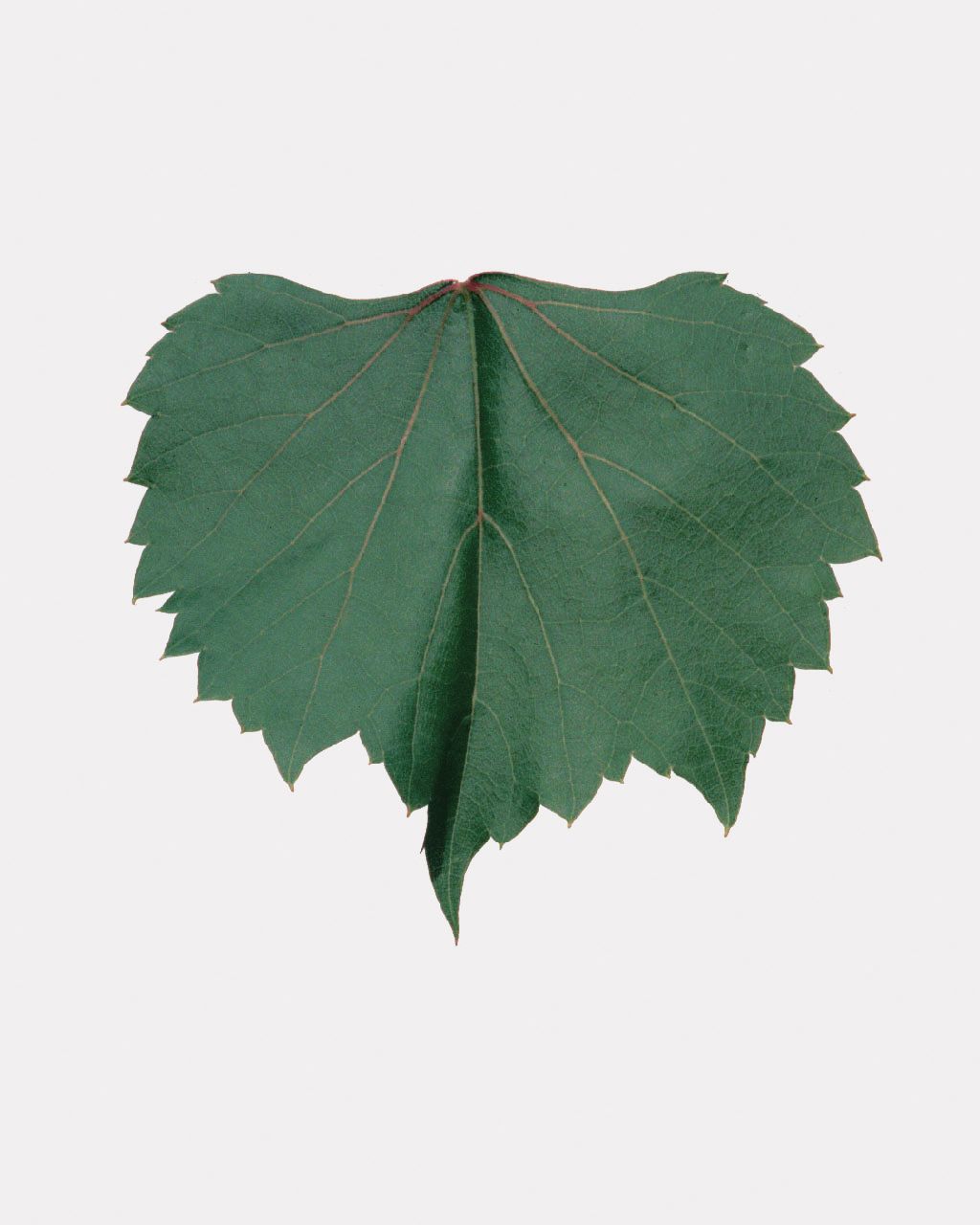
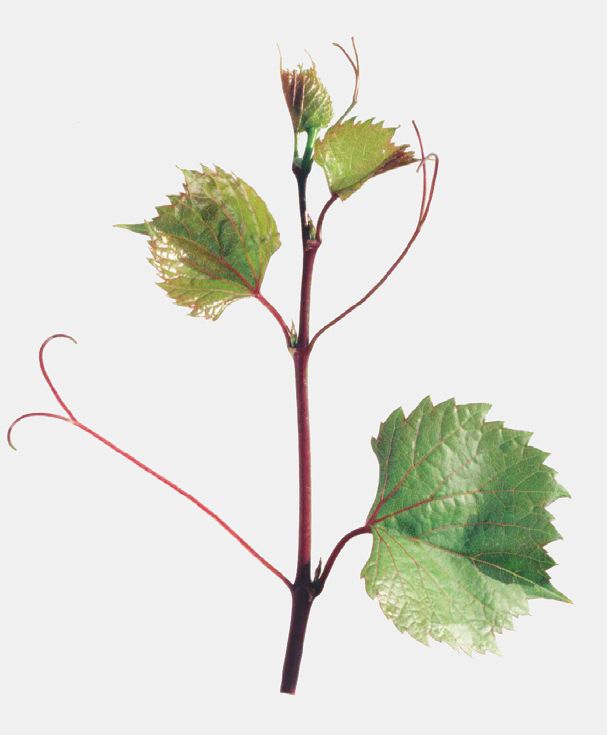
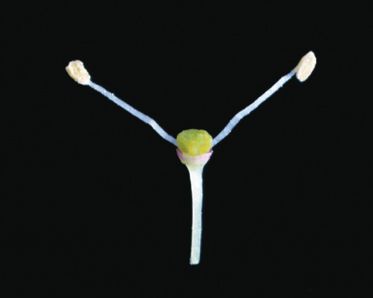
The Rupestris du Lot rootstock is derived from a variety of Vitis rupestris, a wild American species. It was selected during the post-phylloxera period, at a time when viticulture was seeking robust solutions to reconstitute vineyards devastated by the pest. Although sharing characteristics with other Rupestris selections, this rootstock exhibits distinct features that make it well-suited to specific conditions. It is particularly renowned for its vigour and its ability to thrive in arid environments.
Vitis rupestris, or rock grape, is a wild vine native to North American prairies. It grows in soils that are often very dry and stony, which forged its hardiness and its ability to develop a deep root system. Rupestris du Lot is a specific variety of this species. Its value came to prominence in the wake of the phylloxera crisis, when winegrowers and ampelographers turned to resistant American species to graft European grape varieties onto. While other Rupestris forms, such as Rupestris Martin, were extensively studied for their viticultural adaptation, Rupestris du Lot was identified for its unique properties that set it apart within the species.
| Characteristic | Description |
|---|---|
| Parentage / cross | — |
| Species of origin | Vitis rupestris |
| Breeder and date | — |
| Phylloxera resistance | Very high |
| Conferred vigour | High |
| Active lime tolerance | Low |
| Drought tolerance | Very good |
| Tolerance to waterlogging / asphyxiation | Low |
| Effect on scion ripening | Advances ripening |
| Status / registration | Official French catalogue |
Rupestris du Lot thrives in dry, gravelly soils where its deep roots can access the necessary water. This characteristic is particularly valuable in regions prone to prolonged periods of drought. However, it is less tolerant of calcareous and wet soils, which can lead to iron chlorosis if active lime levels are too high, or root asphyxiation in cases of waterlogging. Shallow soils, where its roots cannot anchor deeply enough, can also limit its potential, even though it is capable of growing through very thick layers of gravel.
This rootstock is known to confer significant vigour to the scion. It also tends to advance the ripening of grafted varieties, which can be an asset in certain regions or for late-ripening varieties. Its efficient root system ensures a reliable water supply, contributing to balanced vine development. Its impact on yield and quality is generally positive under suitable conditions, fostering a fine expression of terroir.
Despite its strengths, Rupestris du Lot has certain vulnerabilities. Its low tolerance to active lime can cause iron chlorosis in limestone-rich soils. It is also susceptible to root asphyxiation in damp soils. Its deep rooting habit makes it vulnerable in shallow soils or those with an impermeable subsoil, where it may suffer from drought much like the 140 Ru (140 Ruggeri) rootstock, which is less suited to such constraints.
In the context of climate change, Rupestris du Lot is of clear interest, particularly for its excellent drought tolerance. Its capacity to advance scion ripening can be advantageous for maintaining phenolic balance in hotter vintages. However, its low tolerance to excess moisture remains a limiting factor in areas where rainfall is substantial or unpredictable, unlike the 99 R (99 Richter) rootstock, which is often better suited to such mixed conditions.
Château Cazebonne is actively committed to preserving and experimenting with various rootstocks and heritage Bordeaux grape varieties—a fascinating venture you can explore further by downloading our book on the history of Bordeaux grape varieties. To test your knowledge and discover more about the world of wine, feel free to try our wine quizzes. And to support our approach and taste the fruits of our dedication, explore our authentic, distinctive wines available in our online shop.
Sources
Our suggestions
-5%on your 1st order with code BIENVENUE
The essential6 bottles — Graves red 2022
The best price of the cellar: €12 per bottle delivered.
The everyday red: generous and straight to the point.
I want it Our recommendation92/100 RVF
6 bottles — Graves red 2022, 92/100 RVF
Rated 92/100 by La Revue du vin de France: a solid 10-year ageing potential.
Our Graves for ageing, the finest gateway to the estate.
I want it Go further
12 bottles — the whole range
12 bottles, the whole range tasted: the best discovery-to-price ratio.
The complete tour of the estate, in a single case.
I want itThe cellar, forgotten grape varieties and our cuvées, twice a month. 5% off your first order with the code BIENVENUE.