
 The essential
6 × Entre Amis red
6 bottles — Graves red 2022
The best price of the cellar: €12 per bottle delivered.
The everyday red: generous and straight to the point.
I want itVialla
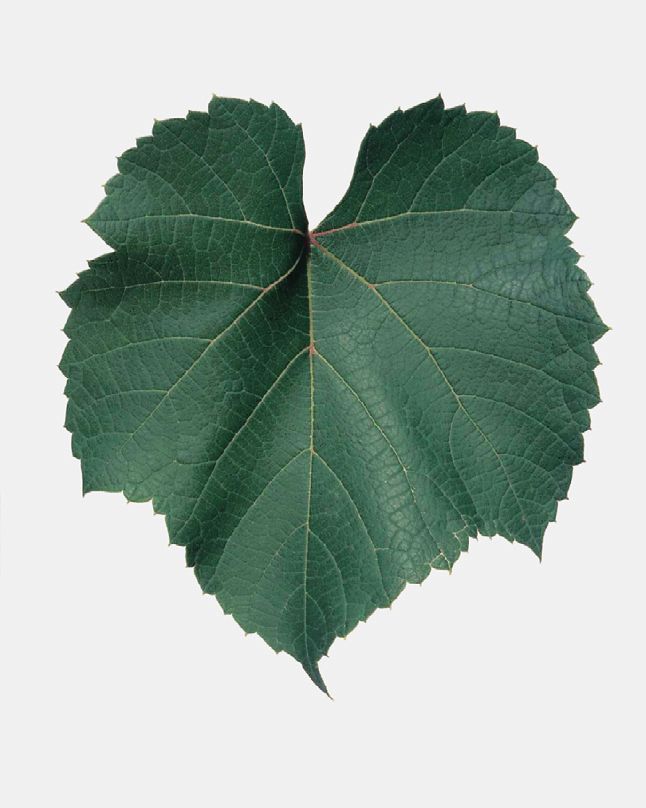
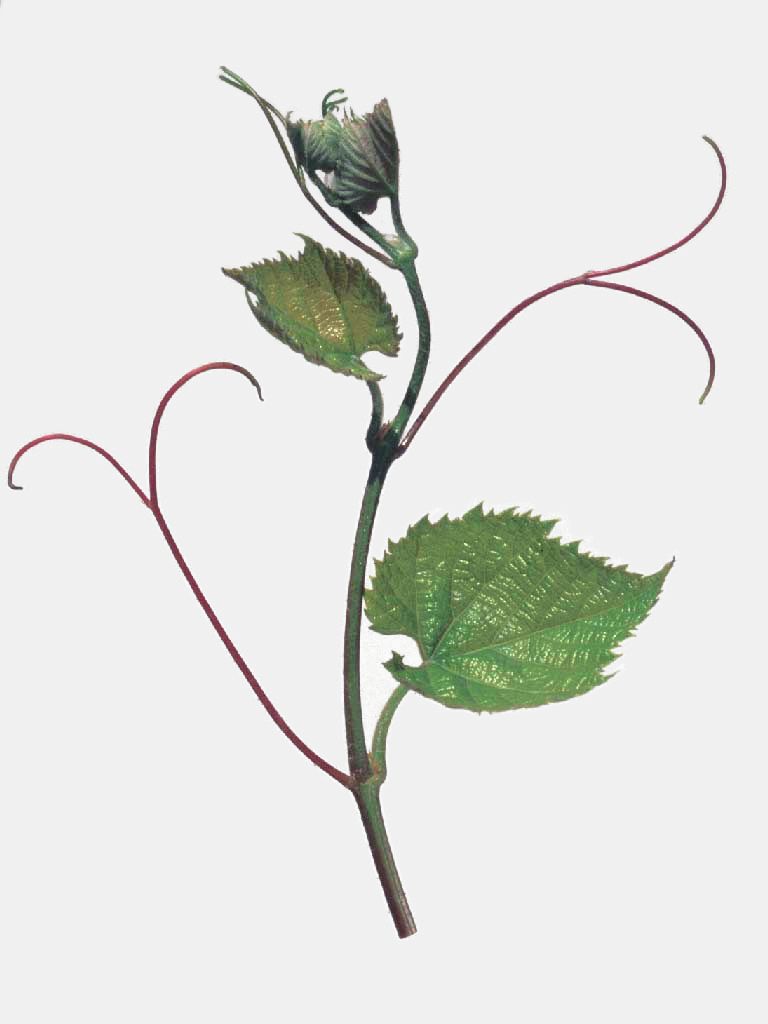
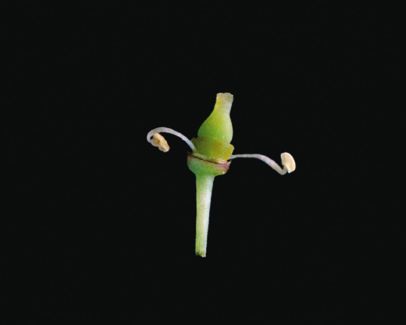
The Vialla rootstock is a foundational variety in post-phylloxera viticulture, renowned for its vigour and its adaptation to specific soil types. Its history is intimately linked to the reconstruction efforts of the French vineyard following the phylloxera disaster of the 19th century. Its ability to confer robust growth to the scion and its tolerance to moisture made it a sought-after choice for many winegrowers.
The Vialla rootstock is the result of a cross between two American varieties: Clinton and Isabelle. These two hybrids, although banned from vineyards for wine production due to their 'foxy' character, played a crucial role in the development of phylloxera-resistant rootstocks. Bred in the context of the phylloxera crisis, Vialla was developed to offer a robust solution to winegrowers seeking to rebuild their vineyards. Its vigour, both on its own roots and when grafted, was quickly noticed, establishing it as a promising candidate of the era (Viticulture, p. 343).
| Characteristic | Description |
|---|---|
| Parents / cross | Clinton x Isabelle |
| Species of origin | — |
| Breeder and date | — |
| Resistance to phylloxera | Good, but fails in shallow soils (Viticulture, p. 344) |
| Conferred vigour | High |
| Tolerance to active lime | — |
| Drought tolerance | — |
| Tolerance to waterlogging / asphyxiation | Excellent for wet and waterlogged low-lying ground (Viticulture, p. 343) |
| Effect on scion ripening | — |
| Status / registration | — |
Vialla displays a clear preference for specific soils. It excels particularly in sandy-clay, stony, non-compact, deep, and cool soils. It notably showed very good performance in the granitic and porphyritic soils of regions such as Beaujolais and the Lyonnais, particularly at the foot of slopes where it finds the required depth (Viticulture, p. 344). Conversely, its resistance to phylloxera is compromised in shallow hillside soils, where it succumbs if the rocky subsoil fails to provide adequate rooting depth. Its capacity to thrive in moist and even waterlogged soils makes it an appealing choice for these conditions.
Vialla is known to impart substantial vigour to scions. This vigour is an asset for grape varieties whose growth may naturally be moderate. For instance, it proved far superior to the Riparia Gloire de Montpellier rootstock for Gamay vines, providing them with a vegetative development often lacking on other rootstocks (Viticulture, p. 345). This robustness can positively influence yield, but it must be carefully managed to prevent excessive vigour, which could compromise grape quality and ripening. Managing the water and nitrogen supply to the scion is facilitated by a rootstock resilient to hydric constraints, a key trait of Vialla in humid areas.
The Vialla rootstock is distinguished by its high affinity with numerous scions, particularly Bordeaux red varieties. It roots easily from cuttings and offers a high take rate in bench grafting, reaching 60 to 80% (Viticulture, p. 344). This good compatibility is crucial for planting success and vine longevity. In terms of vineyard management, the vigour it confers requires particular attention to pruning and trellising to control vegetative growth and optimise the balance between canopy and crop load. An appropriate planting density can also help regulate this vigour.
Despite its strengths, Vialla presents sensitivities that limit its use. As mentioned previously, its phylloxera resistance depends heavily on soil depth: it succumbs in shallow hillside soils (Viticulture, p. 344). It is not specifically noted for its tolerance to active lime, which can lead to a risk of iron chlorosis in calcareous terroirs. Furthermore, its vigour, if left unchecked, can occasionally lead to excessive vegetative growth, potentially detrimental to fruit quality and prone to inducing coulure.
In the context of climate change, Vialla presents mixed interest. Its high tolerance to damp conditions and cool soils could be an advantage in regions where rainfall remains high or where wet pockets are common. However, the lack of documentation regarding its drought tolerance is a drawback for its adaptation to increasingly frequent heatwaves. The vigour it imparts could, if managed properly, help certain varieties maintain balanced growth under stressful conditions, but excess vigour can also increase water demand—a major challenge during periods of drought. Further studies on its response to water stress would be necessary to fully evaluate its future potential, much like the 5 BB rootstock (Kober 5 BB), Rupestris du Lot rootstock, 1103 P rootstock (1103 Paulsen), or RSB 1 rootstock (Rességuier Sélection Birolleau 1).
Château Cazebonne is dedicated to replanting historical Bordeaux grape varieties, a meticulous undertaking made possible by the support of wine enthusiasts. To deepen your knowledge of the fascinating history of Bordeaux grape varieties, we invite you to download our book "Bordeaux, une histoire de cépages". If you would like to test your knowledge in an entertaining way, feel free to take part in our wine quizzes. Finally, to discover the fruits of our labour and support our approach, we invite you to browse our online wine selection.
Sources
Our suggestions
-5%on your 1st order with code BIENVENUE
The essential6 bottles — Graves red 2022
The best price of the cellar: €12 per bottle delivered.
The everyday red: generous and straight to the point.
I want it Our recommendation92/100 RVF
6 bottles — Graves red 2022, 92/100 RVF
Rated 92/100 by La Revue du vin de France: a solid 10-year ageing potential.
Our Graves for ageing, the finest gateway to the estate.
I want it Go further
12 bottles — the whole range
12 bottles, the whole range tasted: the best discovery-to-price ratio.
The complete tour of the estate, in a single case.
I want itThe cellar, forgotten grape varieties and our cuvées, twice a month. 5% off your first order with the code BIENVENUE.