
Gascon
The Gascon grape variety, a typicity preserved through time
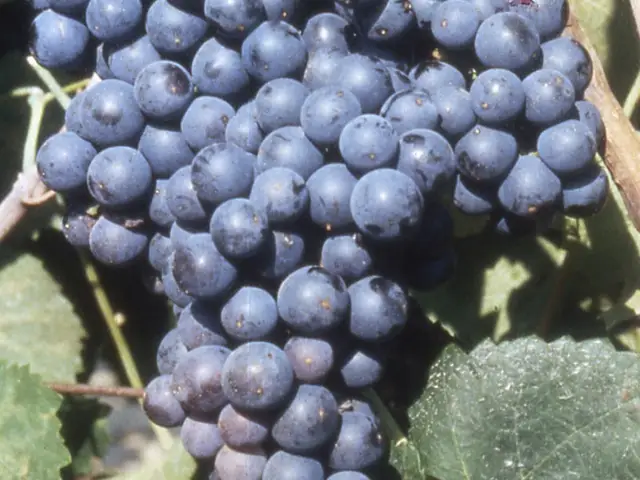
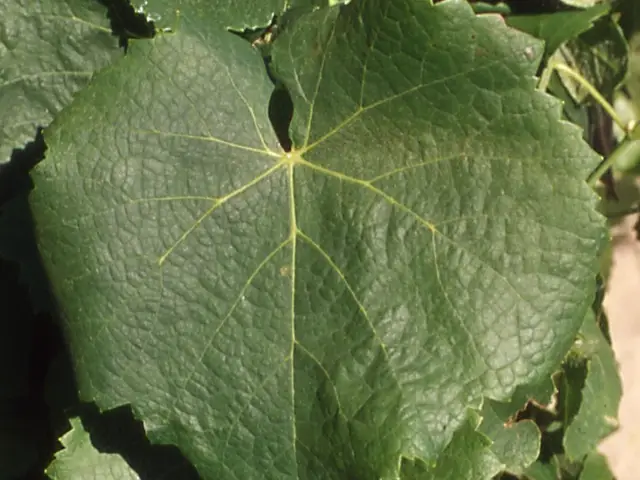
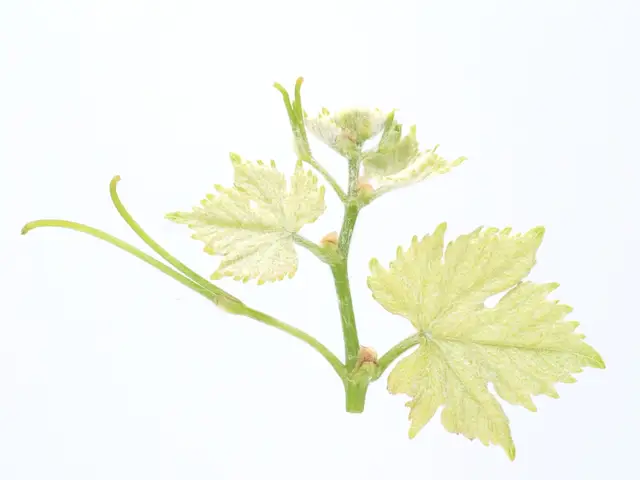
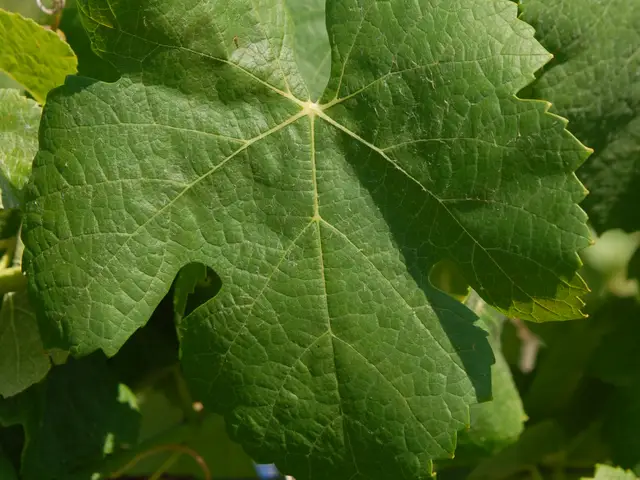
At the heart of our initiative to rediscover Bordeaux's forgotten grape varieties, Gascon holds a special place. This variety, also known by the intriguing name of Franc noir de l'Yonne, was once far more widespread than one might imagine today. It belongs to those "birds of passage" spoken of by Olivier Yobrégat, exogenous varieties that left their mark on the Bordeaux vineyard before fading over time.
In Gironde, Gascon was also known by the names Arribet or Larrivet, bearing witness to its local presence. Traces of its Bordeaux past have not been completely erased: vine stocks were miraculously rediscovered near Cocumont in the 1950s and are now carefully preserved in a vine conservatory. These discoveries provide tangible proof of a past viticultural diversity that we strive to revive at Château Cazebonne.
Ampelographic profile
| Characteristic | Description |
|---|---|
| Budburst | Mid-season |
| Ripening | Period II, relatively late |
| Vigour | Good |
| Growth habit | Erect to semi-erect |
| Downy mildew susceptibility | Moderate |
| Powdery mildew susceptibility | Moderate |
| Winemaking potential | Deeply coloured, high-acid wines with moderate alcohol, providing structure and vivacity. |
A rich past and distinct typicity
The history of Gascon is fascinating. Prior to the devastating phylloxera crisis, it was widely cultivated in Yonne, where it reached its peak. Its historical cradle is believed to be the Orléanais, a region that saw vast surface areas planted with this grape variety. Its presence across these distinct wine regions testifies to its adaptability and agronomic value for the winegrowers of yesteryear. It is listed in the official catalogue of vine varieties.
Gascon is characterised by mid-season budburst and a mid-to-late ripening period (Period II). These traits give it a certain resilience against climatic hazards. When vinified, Gascon is renowned for producing wines with an intense colour, refreshing acidity, and generally moderate alcohol levels. These characteristics undoubtedly gave it an essential blending role in balancing the wines of the era, bringing structure and freshness. In terms of ripening, it shares similarities with varieties such as Folle Blanche or Gros Cabernet.
At Château Cazebonne, we are committed to replanting these grape varieties in Bordeaux that had disappeared from our landscapes, such as Gascon. This work of remembrance and perseverance is only made possible thanks to the invaluable support of the many enthusiasts who have embraced our wines and share our passion for rediscovering Bordeaux's viticultural heritage. To explore the fruits of this endeavour and taste our cuvées crafted from these rediscovered varieties, we invite you to visit the Cazebonne online shop. To deepen your knowledge of this fascinating history, Jean-Baptiste Duquesne has published the book “Bordeaux, une histoire de cépages”, of which you can receive the digital version by email. After this insightful read, test your knowledge of all Bordeaux grape varieties with our wine quizzes.
Sources
- Bordeaux, une histoire de cépages — Jean-Baptiste Duquesne, Éditions BBD — p. 161
- PlantGrape — Collectif, IFV, INRAE, Montpellier SupAgro
- Plantgrape — fiche « Gascon » — INRAE / IFV / Institut Agro Montpellier
News from the estate
The cellar, forgotten grape varieties and our cuvées, twice a month. 5% off your first order with the code BIENVENUE.