08 June 2023
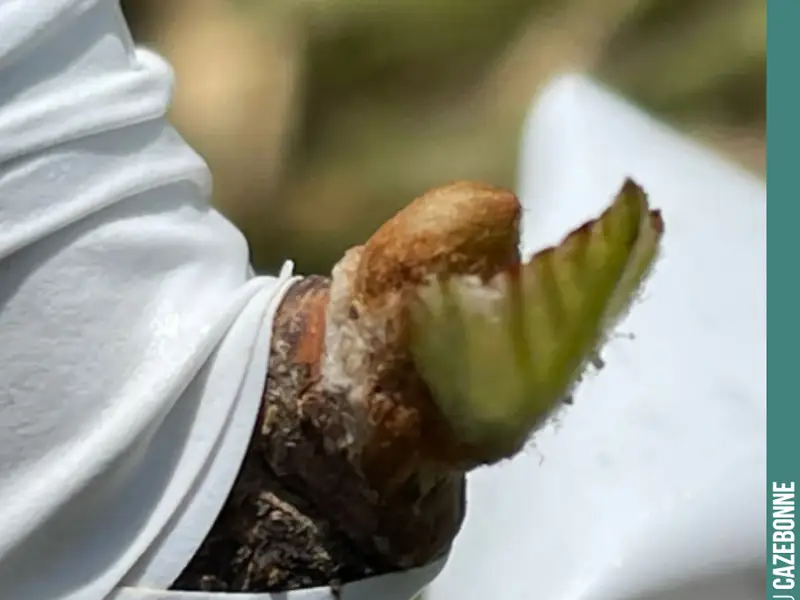
Top-grafting Mancin onto 101-14 rootstock……A cool terroir perfectly suited to this high-quality rootstock that is 101-14.
By Jean-Baptiste Duquesne

Mancin
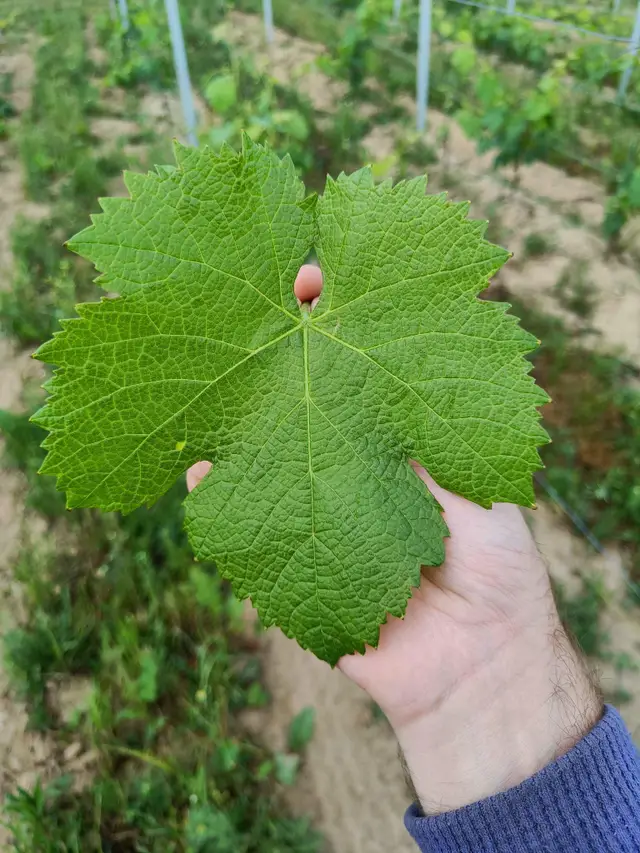
Mancin, also known as Moussin or Tarnei, is an ancient grape variety deeply rooted in Bordeaux's winemaking history. Despite its antiquity, its inherent qualities are more relevant than ever. Historically, its earliest mentions, dating back to the 18th century by the Abbé Bellet, testify to its longstanding presence in the Gironde, particularly in the palus soils.
This grape variety, often described as "coulant du Bas-Médoc" by Jean-Baptiste de Secondat in 1785, was initially perceived as difficult, not always ripening well. However, a better understanding of its behaviour and adapted vineyard management now reveal its potential, especially its capacity to adapt to changing climatic conditions.
| Characteristic | Description |
|---|---|
| Budburst | Early to medium (4 days after Chasselas) |
| Flowering | Early |
| Véraison | Medium to late |
| Ripening | Fairly late (3 and a half weeks after Chasselas), second epoch |
| Vigour | High |
| Growth habit | Erect, suited to long pruning |
| Downy mildew sensitivity | Good resistance but can be susceptible on the bunches |
| Powdery mildew sensitivity | Low |
| Botrytis sensitivity | High due to the compactness of its bunches |
| Black rot sensitivity | Low |
| Aromatic profile | Deeply coloured, fresh wine, aromas of red fruits, floral notes (violet, rose, peony), good acidity |
| Winemaking potential | Produces well-coloured, fruity red wines, with good tannic structure and an agreeable freshness. Can be interesting in a blend to provide acidity and colour. |
Mancin is a grape variety with strong potential, notably thanks to its resistance to certain diseases such as powdery mildew and black rot. Its vigour and erect growth habit make it a relatively easy vine to train. However, its high sensitivity to botrytis requires special attention to canopy management and bunch compactness, which can be prone to rot in wet weather.
From an oenological perspective, Mancin produces pleasantly coloured red wines, offering a beautiful aromatic palette dominated by red fruits and floral notes. Its good acidity lends a welcome freshness on the palate, which is particularly relevant in the context of global warming. It can thus bring a touch of vitality and balance when blended with other Bordeaux grape varieties.
Château Cazebonne is committed to rediscovering and promoting these forgotten grape varieties. This work, which we share in our book "Bordeaux, une histoire de cépages", is made possible thanks to the support of enthusiasts who embrace our wines and can also test their knowledge via our oenological quizzes. We invite you to discover the diversity of our production in our online shop.
Sources
08 June 2023
By Jean-Baptiste Duquesne
23 September 2022
By Jean-Baptiste Duquesne
23 May 2021
By Jean-Baptiste Duquesne
The cellar, forgotten grape varieties and our cuvées, twice a month. 5% off your first order with the code BIENVENUE.