11 July 2024
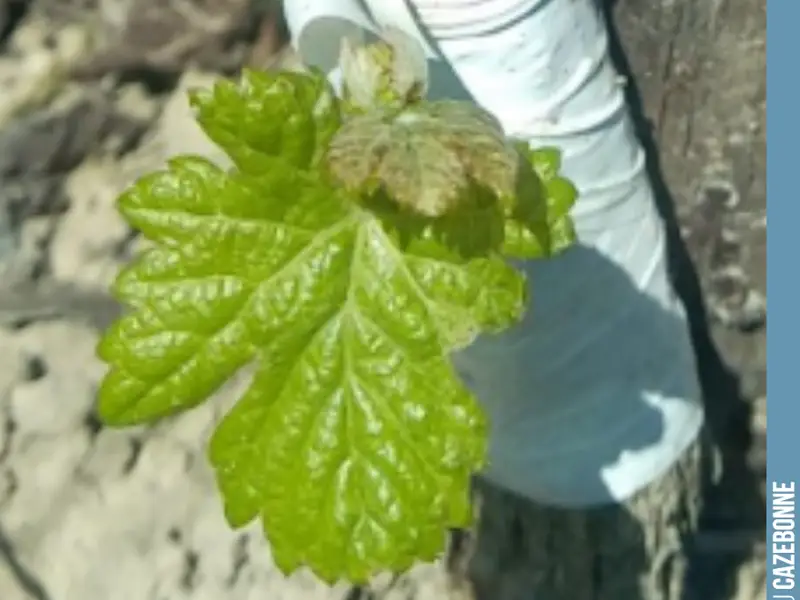
Our work on the heritage of Bordeaux's forgotten grape varieties continues……Top-grafting this year of a few vines of Pardotte, Cabernet-goudable and Cabernet-Malbec.
By Jean-Baptiste Duquesne

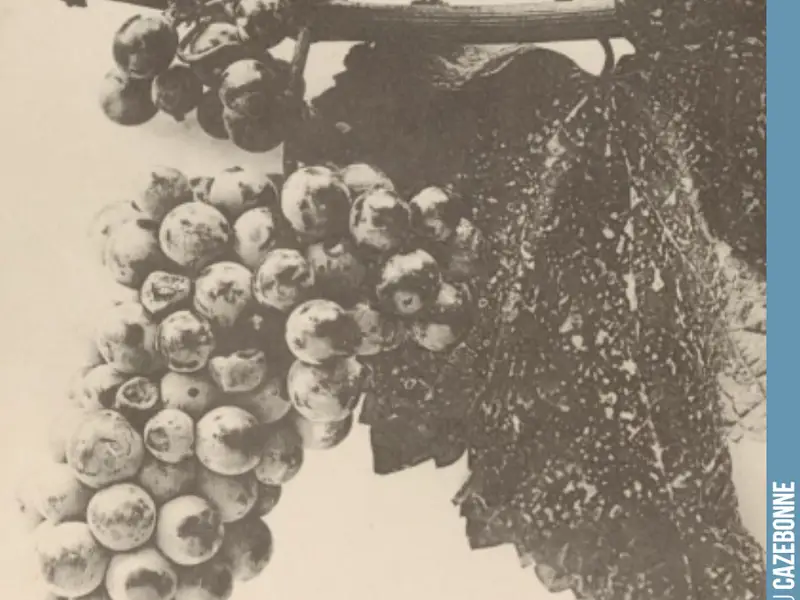
Pardotte
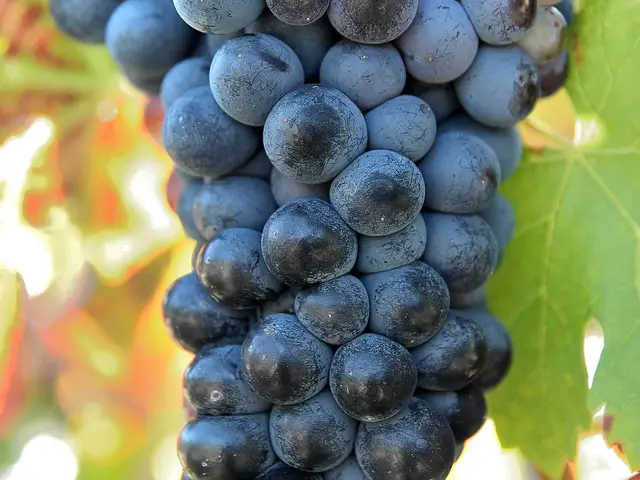
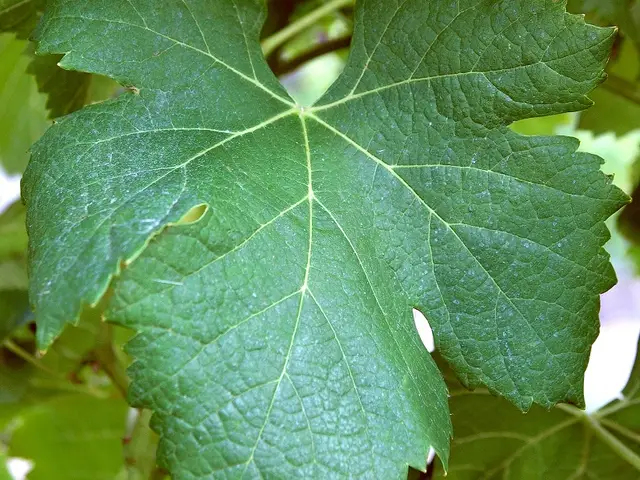
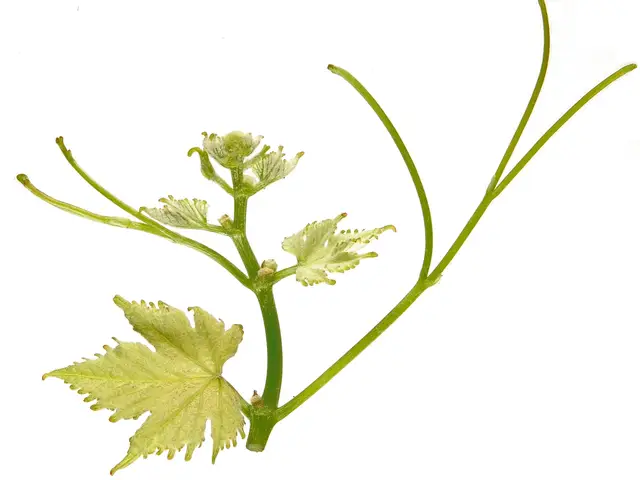
Pardotte is much more than just a grape variety; it is a true window into Bordeaux's viticultural history, a testament to the richness and diversity that characterised the Gironde vineyards before their standardisation. Its history begins as early as 1736, when Abbé Bellet mentioned it in his writings. In 1785, Jean-Baptiste de Secondat confirmed its presence in our vines, although he already classified it as a grape variety of average quality. Inventories by Dupré de Saint-Maur in 1784 also attest to its cultivation in Bazas, under the names Grande Parde and Petite Parde.
Over the centuries, Pardotte has taken on multiple identities, a sign of its wide distribution and local variations. While the name "Pardotte" was common around Cadillac and Langon, it was also found under the name "Parde" or "Petite Parde" in the Blanquefort and Graves regions. It sometimes borrowed the name "Sauvignon rouge" in Saint-Macaire or "Gros Machouquet" in Ambès and Montferrand, even though the latter name, according to Jean Bisson in 1957, could cause confusion with the Castets grape variety. In 1878, the famous work by Féret mentioned it under the name "Pignon", describing it then as an ordinary grape variety. Despite a mixed reception from winegrowers like Comte Odart, G. Bord confirmed its persistence in the Bordeaux region in 1932 as a secondary grape variety, proving its resilience and ancestral utility. In 1935, Pardotte was officially authorised as a secondary grape variety in the Bordeaux appellation decrees, thereby recognising its historical place.
| Characteristic | Description |
|---|---|
| Budburst | Comparable to that of Cabernet Franc. |
| Flowering | About a week after Merlot. |
| Maturity | Late second epoch, slightly before Cabernet Sauvignon. Requires short pruning due to its high productivity in order to avoid an excessive crop load and facilitate ripening. |
| Vigour | Vigorous and productive. |
| Resistance to coulure | Good. |
| Susceptibility to downy mildew | Relatively resistant. |
| Susceptibility to powdery mildew | More susceptible. |
| Winemaking potential | Wines are generally light-bodied and light in colour, but can acquire finesse with ageing. Probably used to lighten overly structured wines. |
Its hardiness and productivity made it a significant asset for winegrowers of yesteryear. Jean Bisson specifies that it could account for up to a quarter of the red plantings in the Graves, Réolais, Bas-Médoc, Premières Côtes, and potentially the Bourgeais-Blayais. It is a vigorous and generous grape variety, highly resistant to coulure. It features a budburst comparable to that of Cabernet Franc and flowering that occurs about a week after Merlot. To obtain a healthy and ripe harvest, short pruning is essential, as an excessive crop load can make it harder to ripen, being a late second epoch variety, slightly before Cabernet Sauvignon. Although relatively resistant to downy mildew, it proves more susceptible to powdery mildew.
Wines made from Pardotte are generally light-bodied with a light colour, but they possess an unsuspected ability to acquire finesse with age. It is highly likely that this grape variety was used in the past to lighten the wines of the Bas-Médoc, which were often perceived as too structured and hard in their youth. Remarkably, Château Haut-Bailly long preserved a few century-old Pardotte vines, bearing witness to its historical presence. Today, Château Cazebonne, alongside Liber Pater, is committed to the revival of this forgotten grape variety, replanting it to offer it a new future in the Bordeaux wine landscape, thus joining the trend of winegrowers replanting forgotten grape varieties, such as the Gros verdot grape or the Mérille grape.
Our post of 23 January 2021, "Do you know Pardotte?", recalled how harsh early writers were about this grape variety. Jean-Baptiste de Secondat confirmed its presence in our vineyards in 1785, "even if he classified this grape variety as poor"; Count Odart "did not hold it in high regard either, but mentioned it", and Féret, in 1878, saw Pignon as no more than an ordinary grape variety. As for the name Gros Machouquet, used in Ambès and Montferrand, Jean Bisson pointed out in 1957 that it was almost certainly Castets.
And yet the "light-bodied, lightly coloured" wines made from Pardotte are "capable of gaining finesse with age". One question remains open, as that post stressed: "The genetic parentage of this grape variety remains unknown." The variety has been replanted by Liber Pater as well as by Château Cazebonne.
This restoration work on historical grape varieties, led with passion by Château Cazebonne, is made possible by the invaluable support of the many wine lovers who have embraced our wines and share our vision of a return to the roots of taste. To deepen your knowledge, the book "Bordeaux, une histoire de cépages" is available for download, while our oenological quizzes will allow you to test your expertise. Finally, to explore the culmination of this approach and taste our cuvées made from these rediscovered grape varieties, we invite you to visit our online shop.
Sources
11 July 2024
By Jean-Baptiste Duquesne

08 June 2021
By Jean-Baptiste Duquesne
23 January 2021
By Jean-Baptiste Duquesne
The cellar, forgotten grape varieties and our cuvées, twice a month. 5% off your first order with the code BIENVENUE.