
 The essential92/100 RVF
Comme en 1900 red 2022
Vin de France — heritage grapes, 92/100 RVF
The pre-phylloxera Bordeaux blend, revived at the estate.
Castets, Mancin, Pardotte: the Bordeaux before Bordeaux.
I want itModest grape varieties
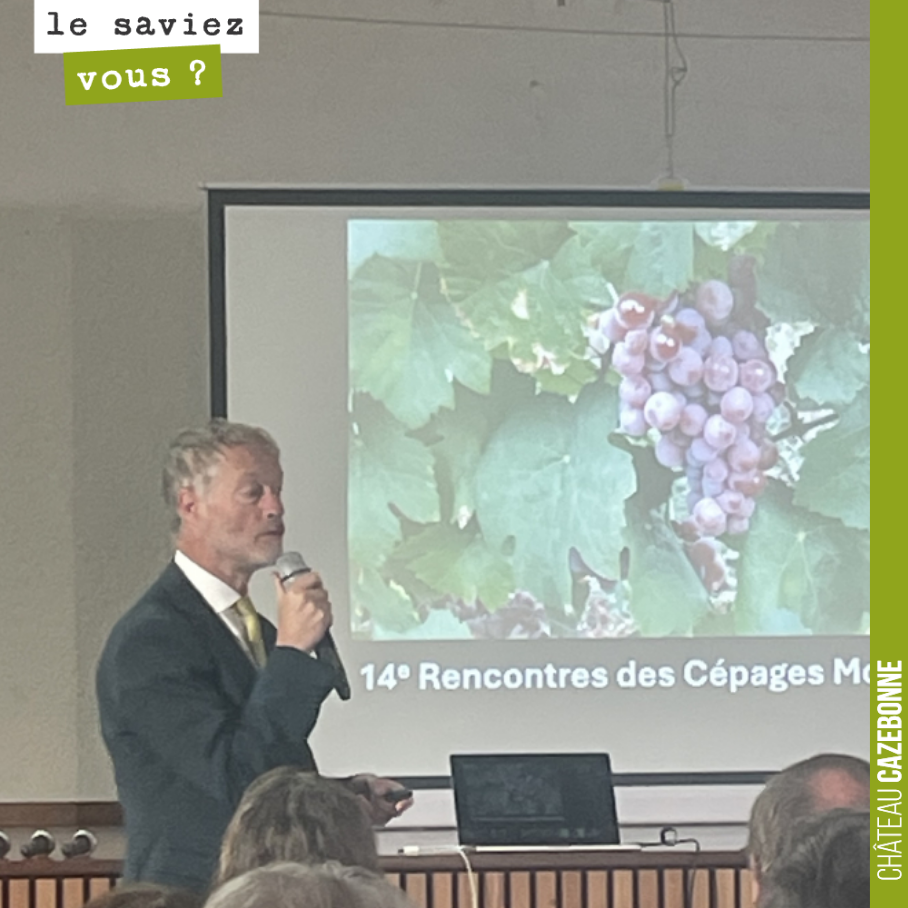
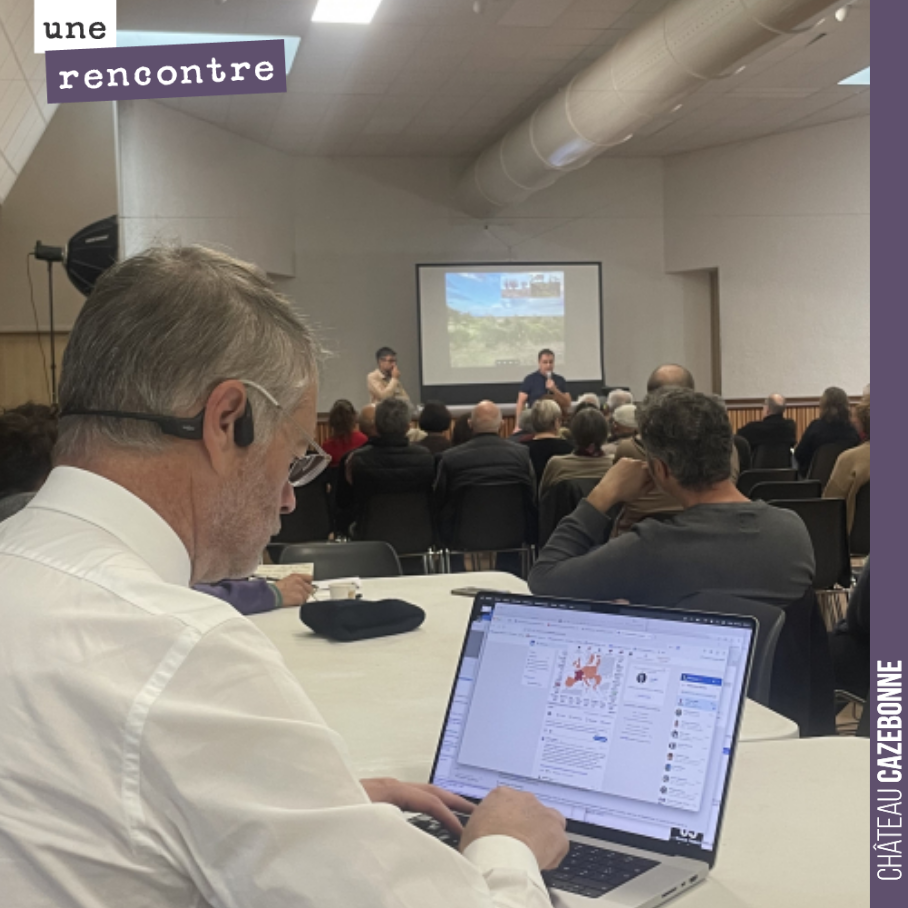
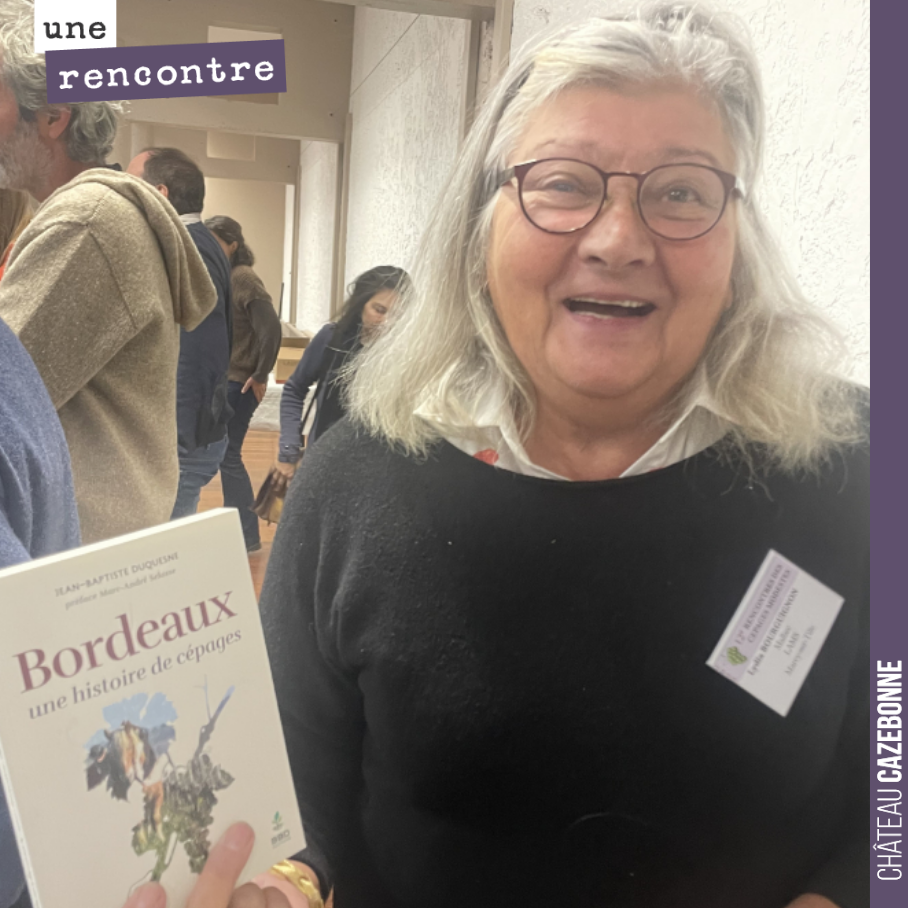
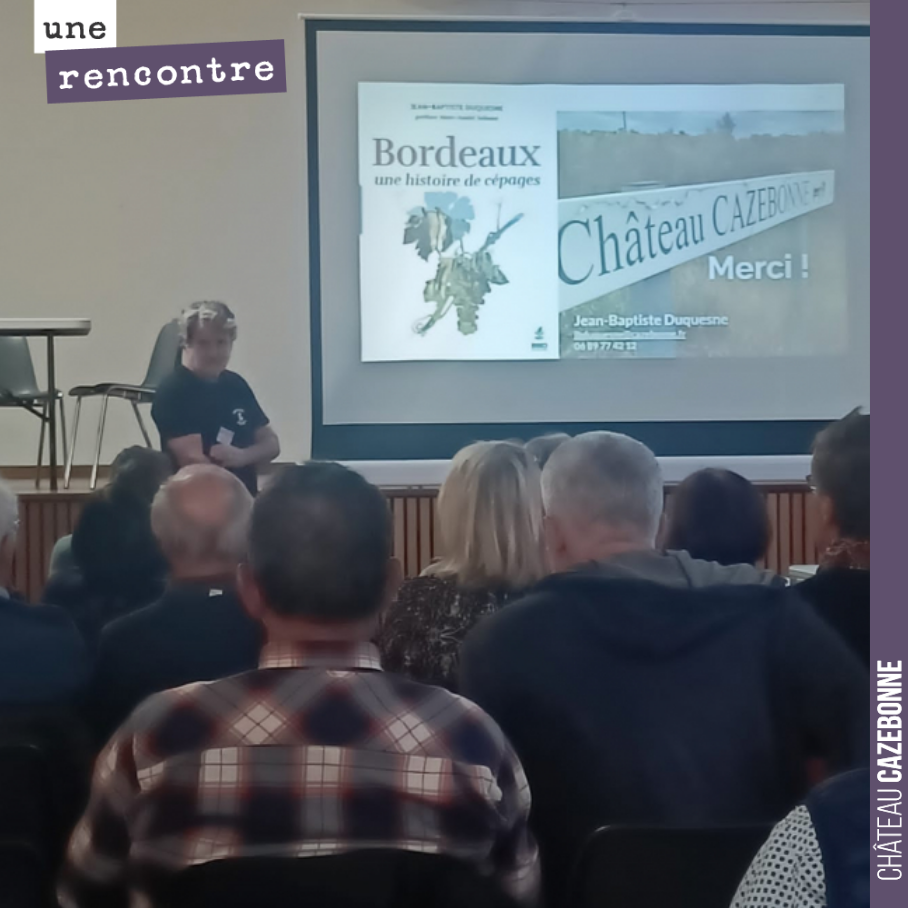
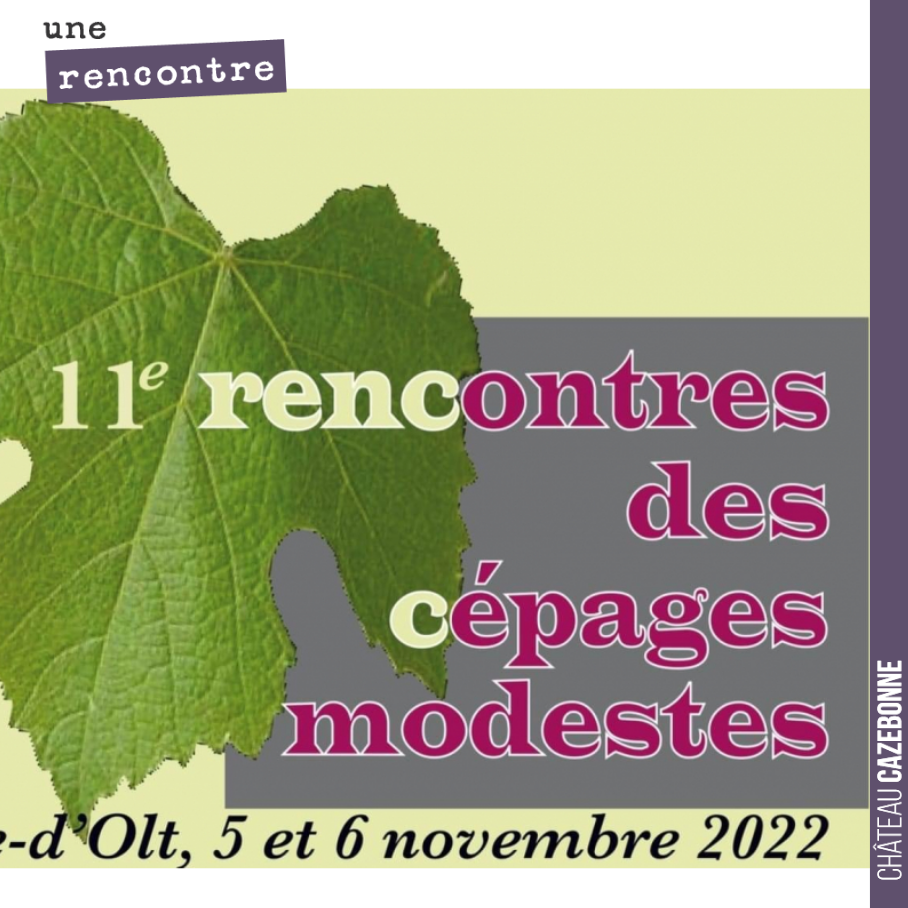
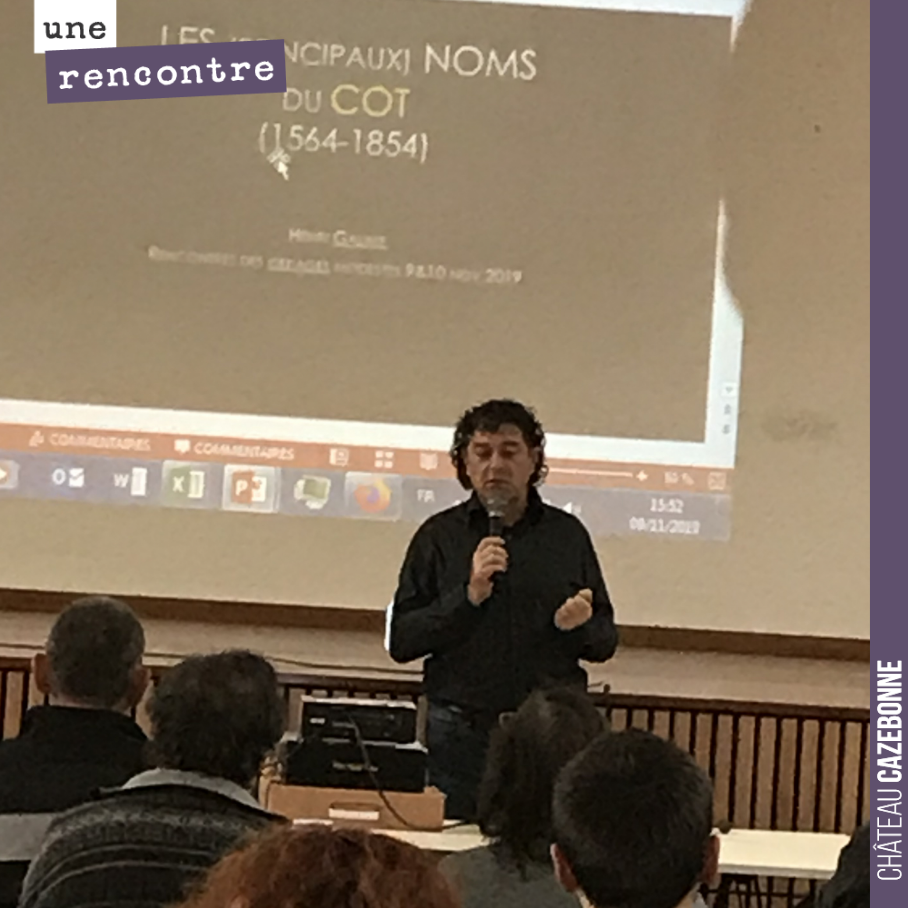
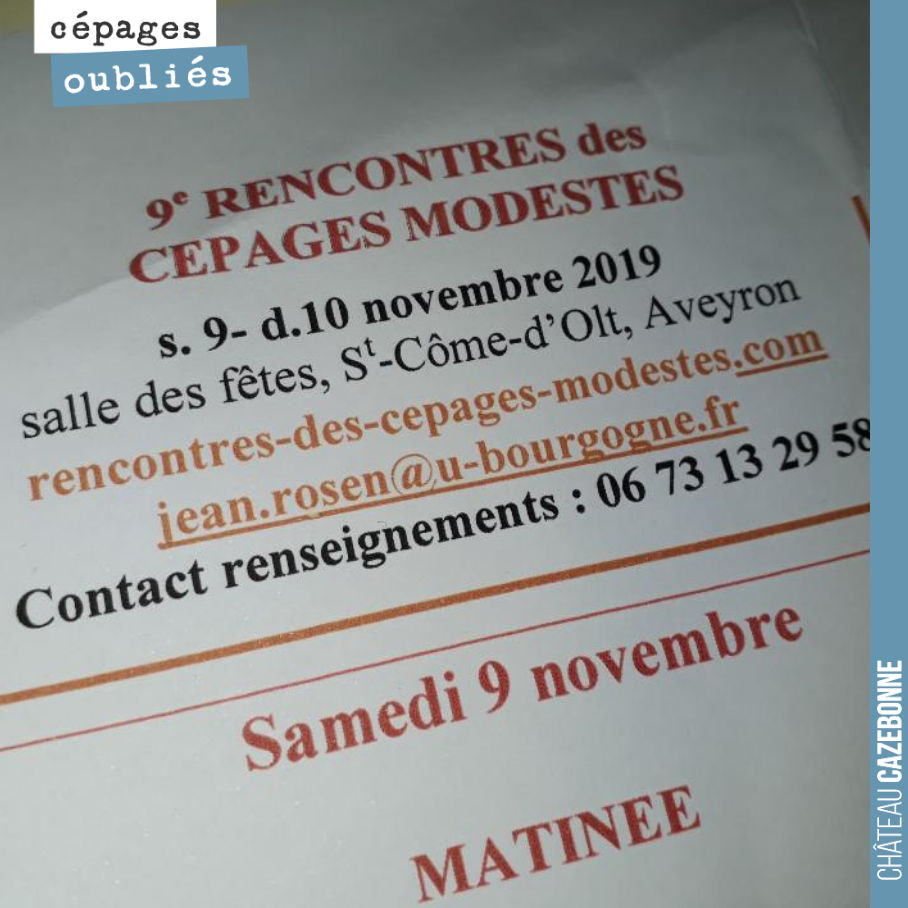
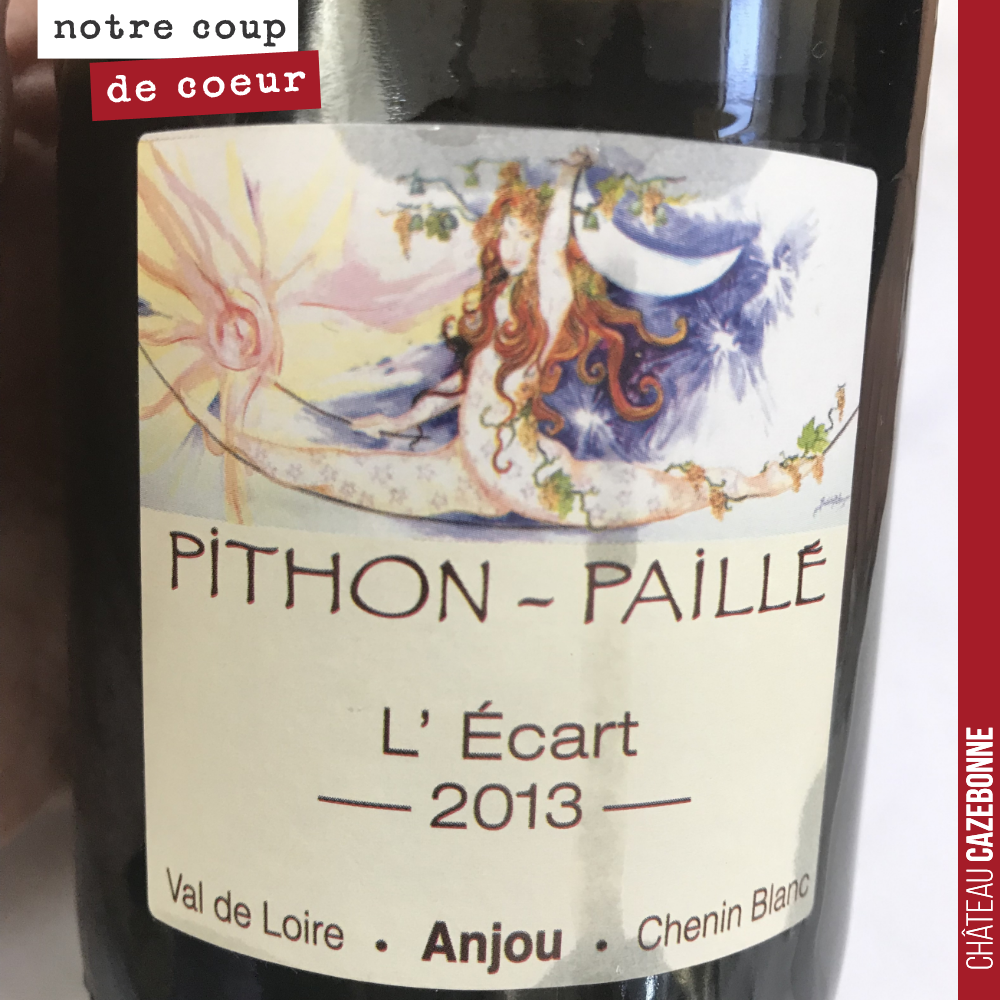
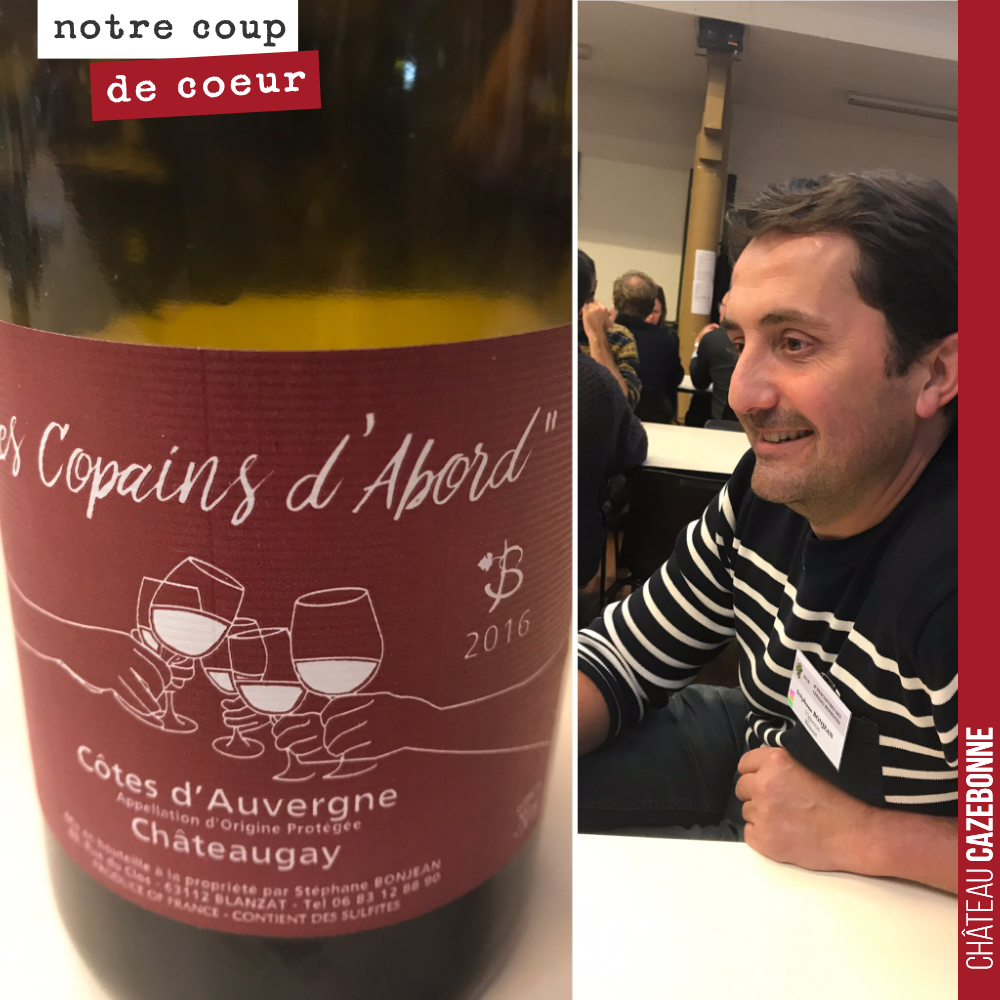
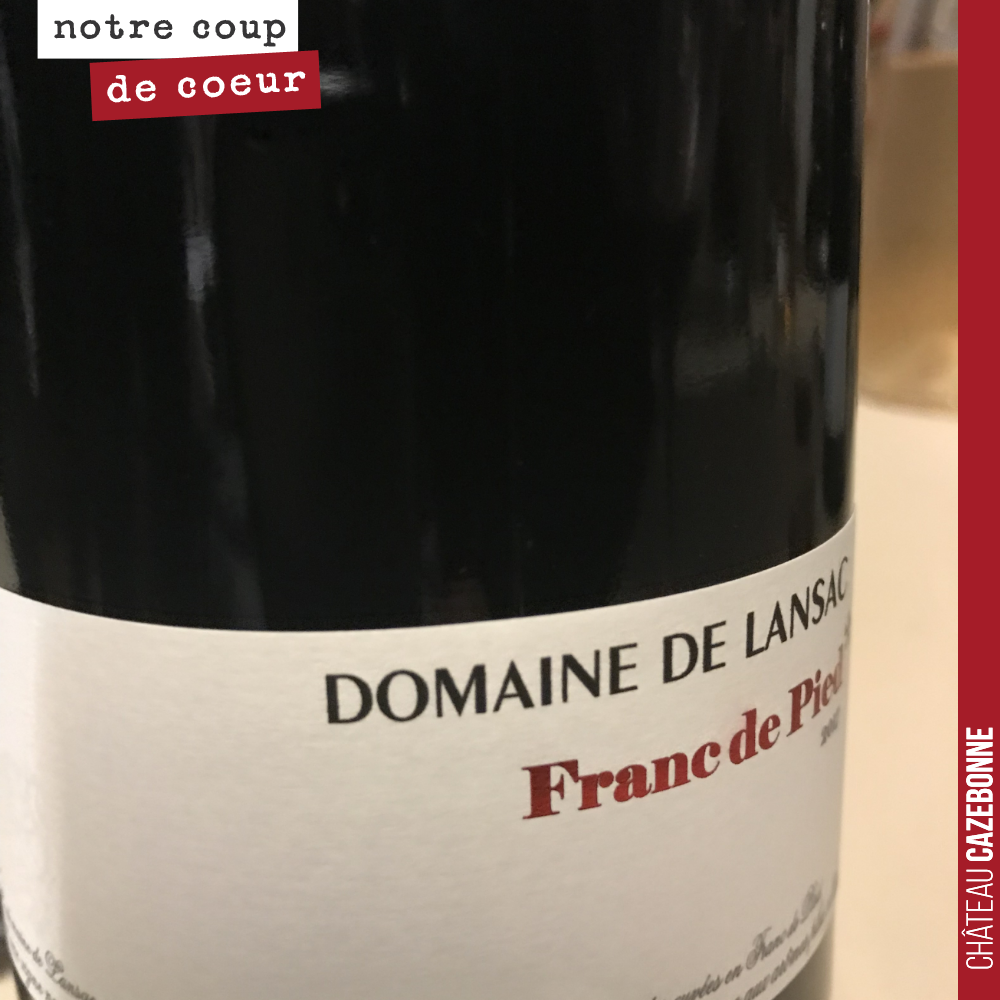
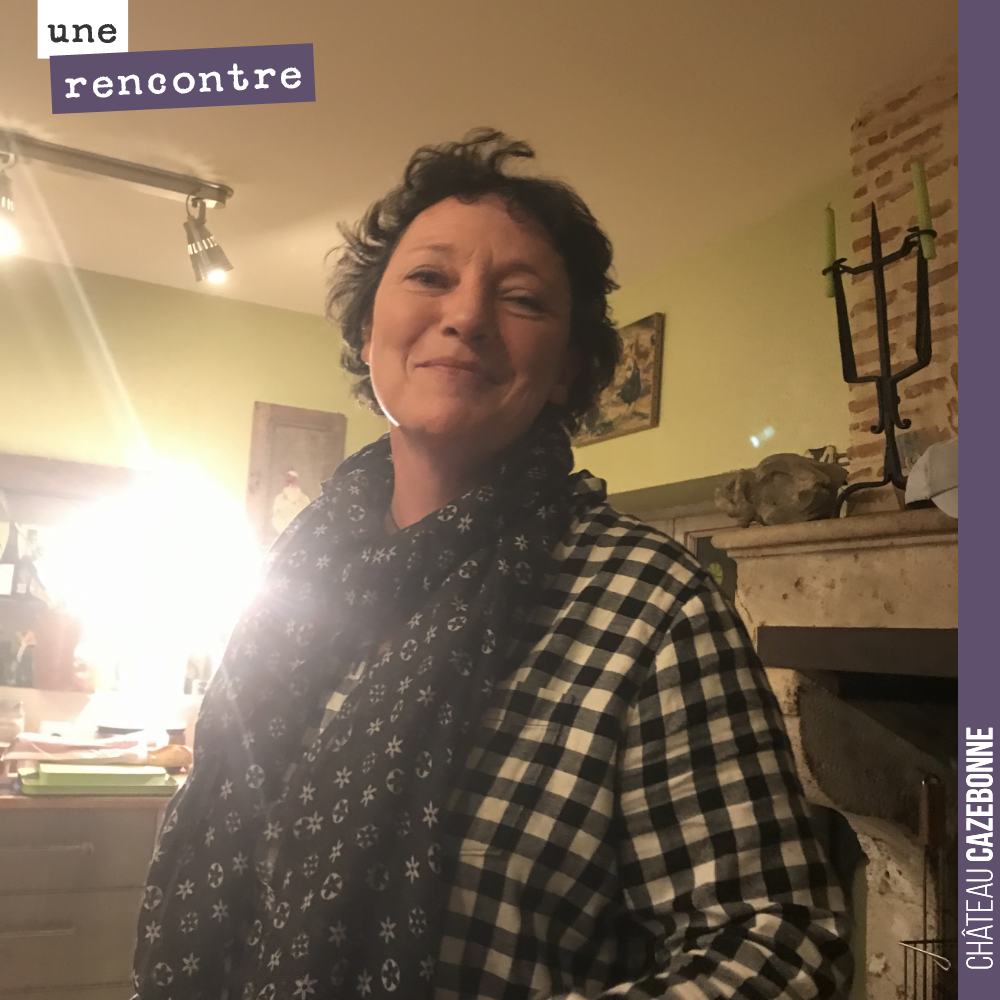
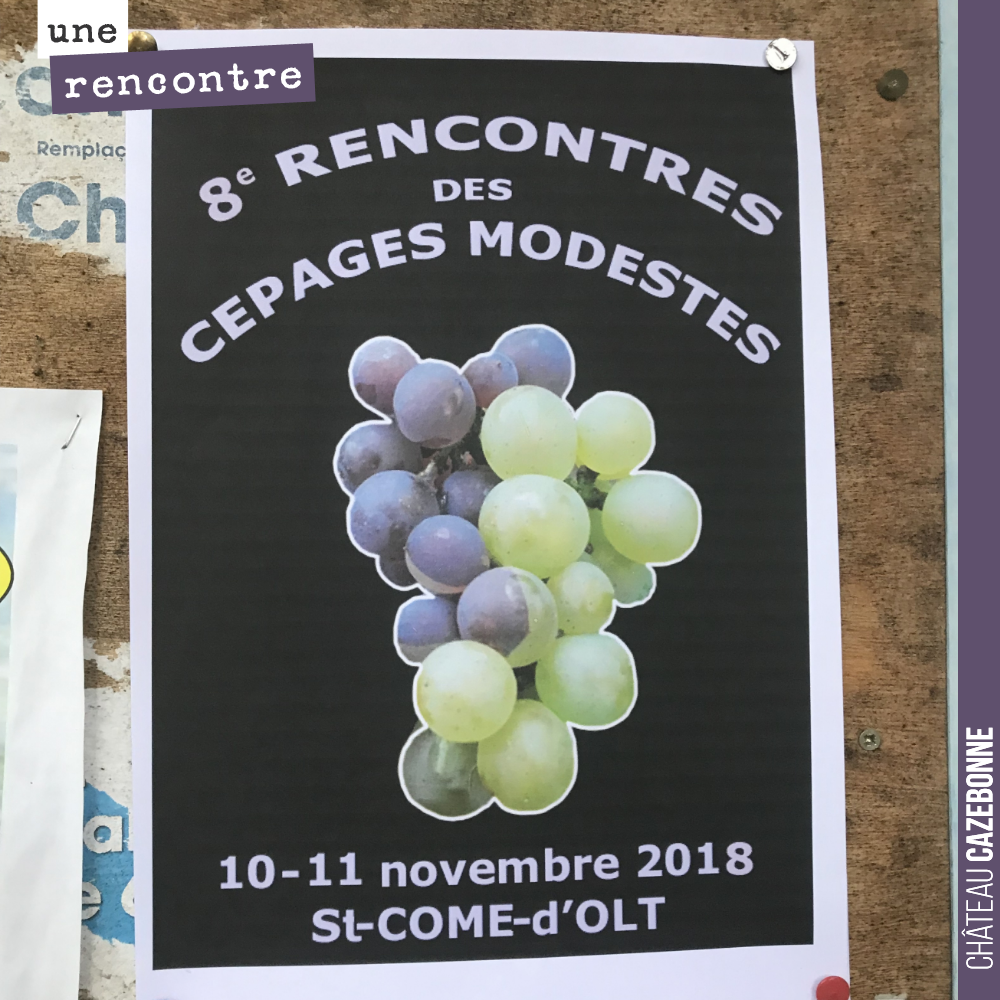
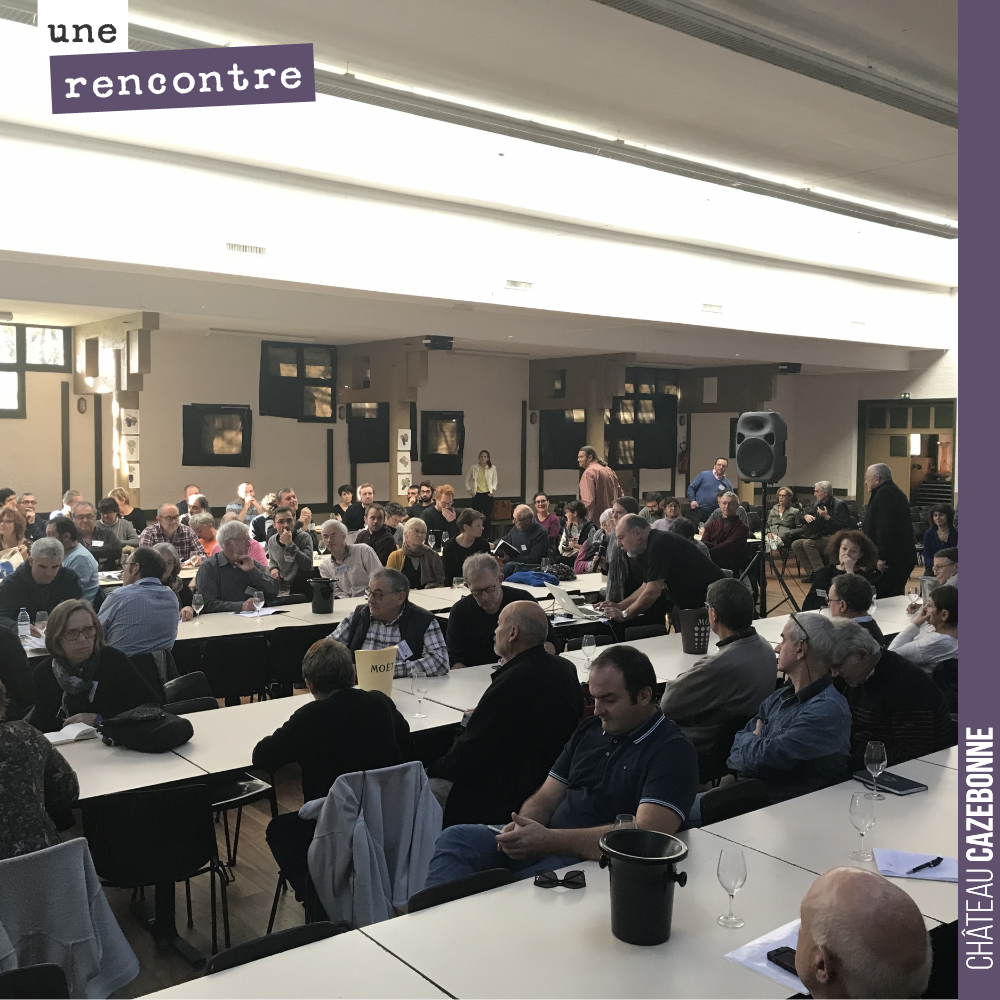
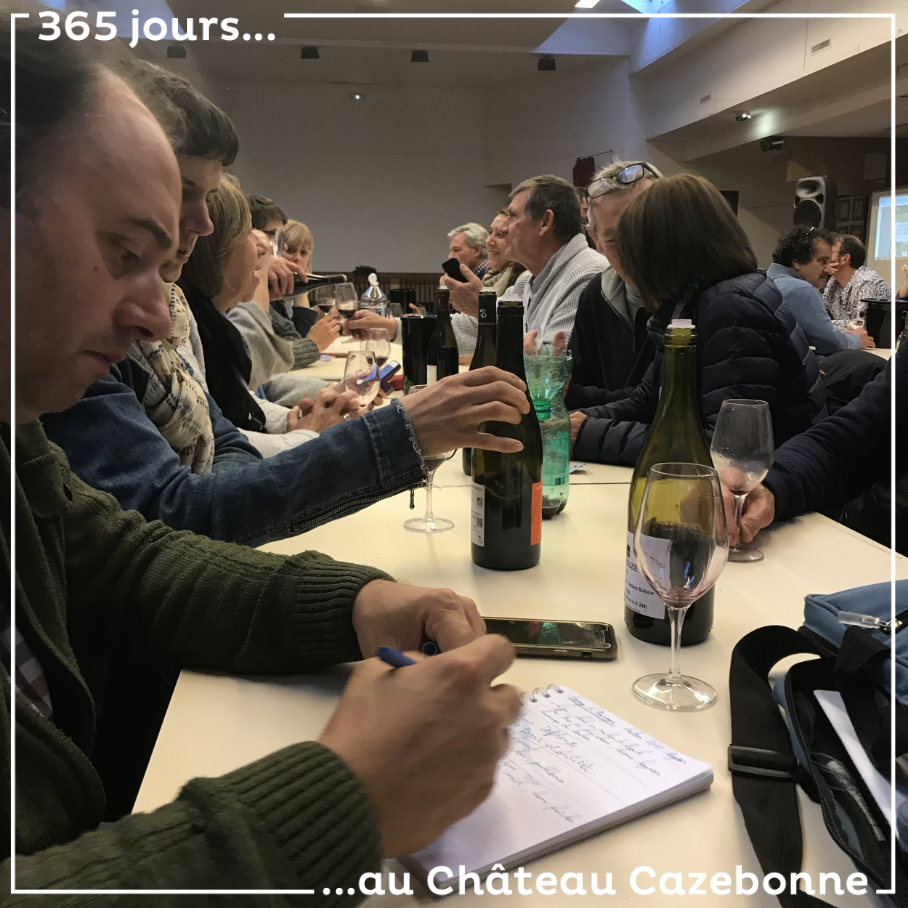
Every year, for Château Cazebonne and all lovers of unique viticulture, it is an unmissable event: the modest grape varieties gatherings. We take the road to Aveyron, a department whose terroir conceals viticultural treasures and traditions, for a time rich in exchange and sharing. This event is much more than a simple gathering; it is a true celebration of viticultural biodiversity, a vibrant tribute to these so-called "forgotten" or "modest" grape varieties, whose history and potential Jean-Baptiste Duquesne explores so well in his book "Bordeaux, une histoire de cépages" published by Éditions BBD.
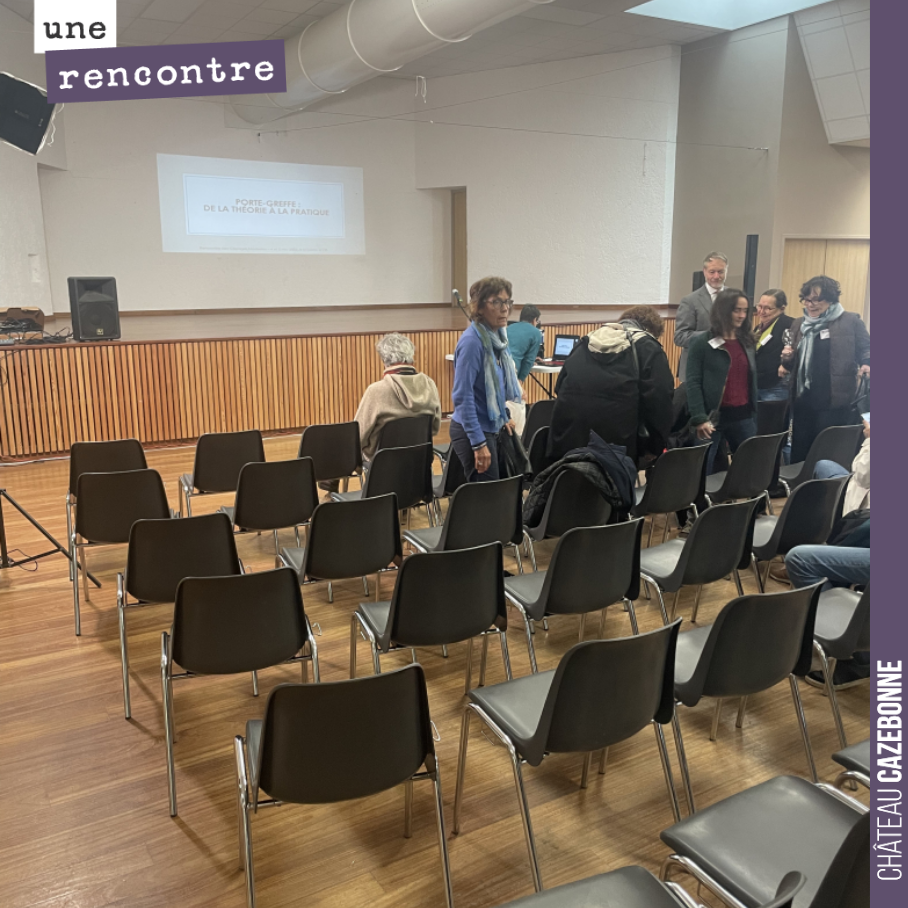
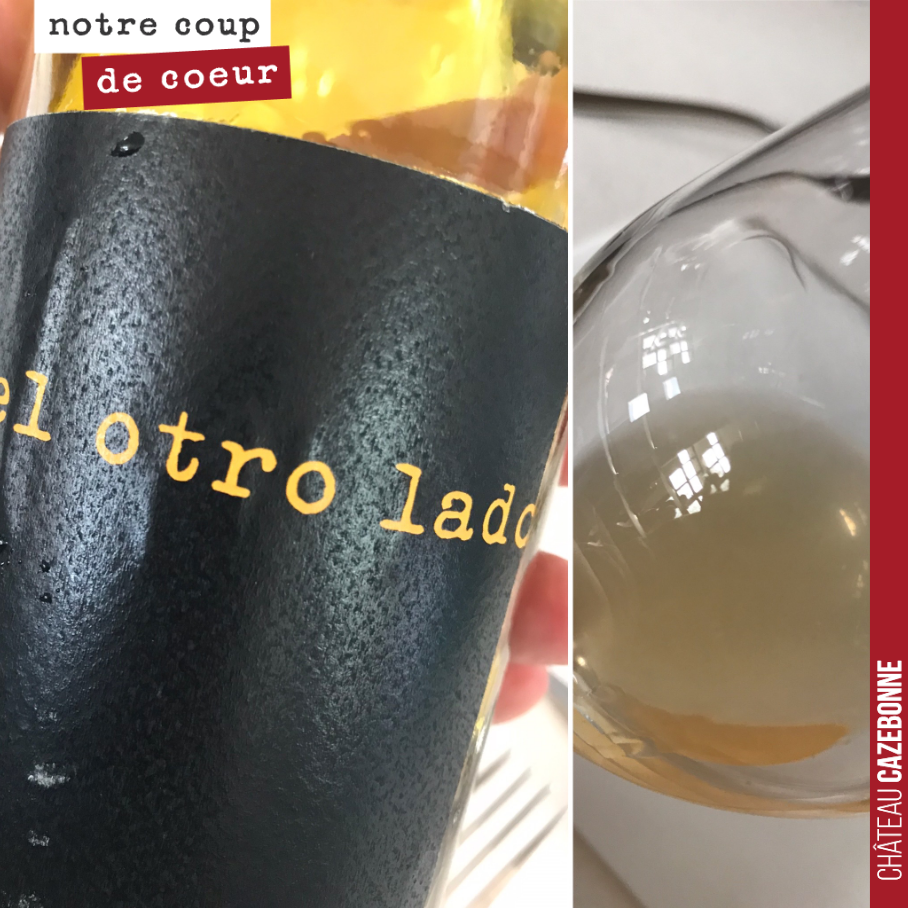
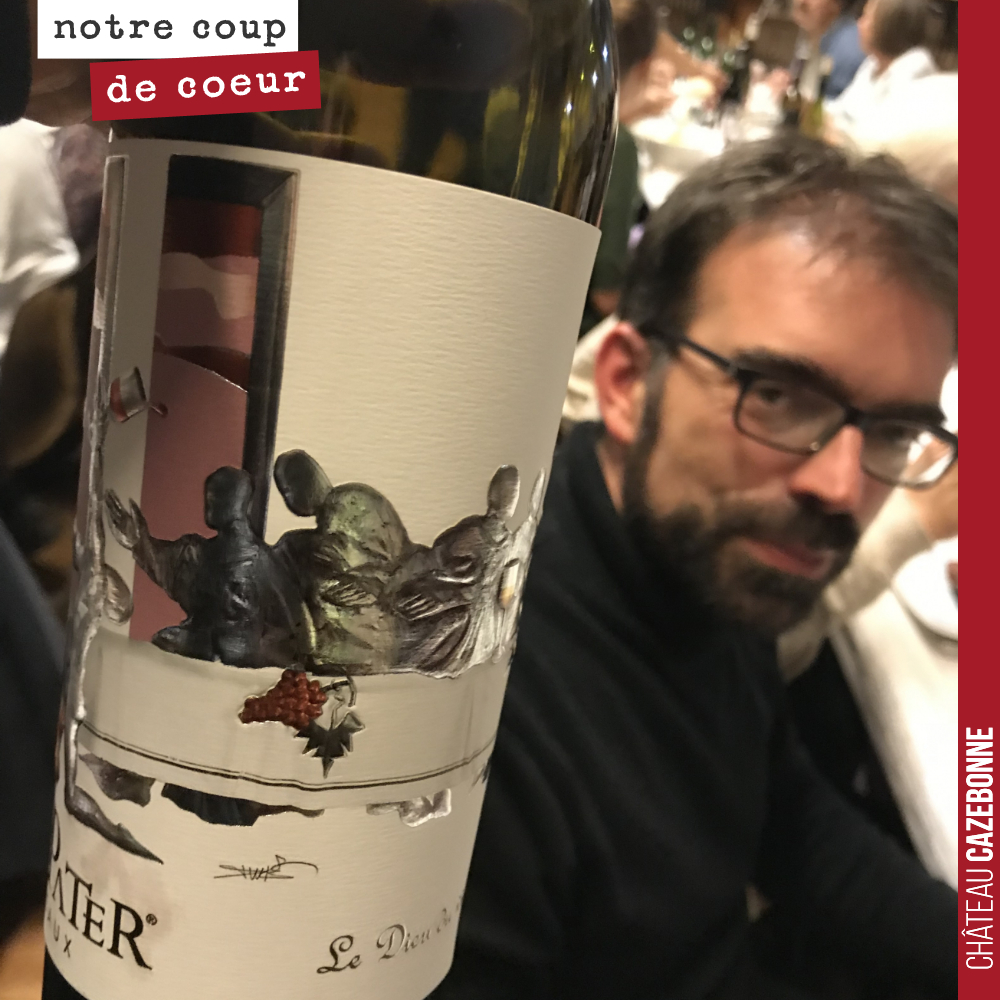
Passionate winegrowers, curious researchers, and enlightened enthusiasts from all over France meet there. Everyone brings their experience, their knowledge, but above all their passion for these vines which, for a long time, were relegated to the background by the great stars of French grape varieties. These gatherings are an opportunity to taste wines with unsuspected aromatic and taste profiles, to rediscover ancestral flavours, and to understand the agronomic and cultural importance of this diversity. They allow for the building of connections, exchanging on adapted cultivation techniques, climate challenges, and the future prospects for these grape varieties that have so much to offer. Conserving and promoting this ampelographic wealth is a major challenge, not only for the diversity of tastes, but also for adapting viticulture to future changes.
These "modest grape varieties gatherings" reflect a collective awareness of the importance of preserving and promoting a sometimes neglected viticultural heritage. This approach is in line with the goals of winegrowers replanting forgotten grape varieties or those exploring grape varieties from elsewhere to adapt to climate change. Discussions there are often animated by the experiences of those who, as at Cazebonne, dare to reintroduce grape varieties like Fer Servadou or Castets, which were once present in the Bordeaux vineyard. This vineyard revitalisation movement is also demonstrated by initiatives aimed at promoting biodiversity in the plots, considering that every element, from the soil to the plants, contributes to the balance and richness of the terroir.
These exchanges not only enrich knowledge about grape varieties, but also allow viticultural practices to be rethought, particularly the use of disease-resistant grape varieties, thus reducing environmental impact. It is a comprehensive approach that integrates agroecology into viticulture, and inspires those in the wine world to embrace innovative and environmentally friendly solutions.
At Château Cazebonne, this philosophy is not just an ideal, it is a daily reality. We have embarked on a long-term endeavour to replant in Bordeaux those grape varieties that had almost disappeared from our viticultural landscapes, such as Fer Servadou or Castets. This bold approach is part of the rediscovery of Bordeaux's rich ampelographic heritage, and finds deep resonance in historical research on our region's ancient grape plantings. The meticulous work, from plant selection to plot experimentation, is only possible thanks to the unwavering support of the many enthusiasts who have adopted our wines. Their curiosity, their loyalty, and their commitment alongside us are the driving force behind this rebirth. It is for them that we strive to reveal the potential of these grape varieties, to express the richness of our terroir in a new and authentic way, offering a vision that is both respectful of the past and resolutely looking towards the future.
Château Cazebonne is proud to participate in this movement for the rebirth of the forgotten grape varieties of Bordeaux, a work made possible thanks to the support of the enthusiasts who follow us and adopt our wines. We invite you to learn more about this fascinating history by downloading the digital version of the book "Bordeaux, une histoire de cépages" by Jean-Baptiste Duquesne, to test your knowledge with our oenological quizzes, and of course, to discover our cuvées born of this passion in our online shop. It is in this spirit of promoting viticultural heritage that the work of Pierre Galet, the father of modern ampelography, takes on its full meaning, shedding light on the origins and identity of the grape varieties that shape our wines, such as the Prunelas grape variety.
Sources
Our suggestions
-5%on your 1st order with code BIENVENUE
The essential92/100 RVFVin de France — heritage grapes, 92/100 RVF
The pre-phylloxera Bordeaux blend, revived at the estate.
Castets, Mancin, Pardotte: the Bordeaux before Bordeaux.
I want it Our recommendation
IGP Atlantique — rare grape variety
A forgotten grape brought back: dense colour, wild fruit.
For the curious about lost grape varieties.
I want it Go further
12 bottles — the whole range
12 bottles, the whole range tasted: the best discovery-to-price ratio.
The complete tour of the estate, in a single case.
I want it11 September 2026
Do you know why our vineyard has seen its grape variety diversity shrink over the centuries? Crises, regulations, agronomic choices... so many factors have shaped this viticultural landscape as we know it today. Yet current challenges are prompting us to rediscover and preserve these heritage varieties
By Jean-Baptiste
08 November 2025
10 November 2024
04 November 2023
04 November 2023
05 November 2022
04 November 2022
13 November 2019
12 November 2019
11 November 2019
11 November 2019
10 November 2019
14 November 2018
14 November 2018
13 November 2018
13 November 2018
12 November 2018
11 November 2018
11 November 2018
11 November 2018
11 November 2018
11 November 2018
10 November 2018
10 November 2018
10 November 2018
10 November 2018
The cellar, forgotten grape varieties and our cuvées, twice a month. 5% off your first order with the code BIENVENUE.