
 The essential
6 × Entre Amis red
6 bottles — Graves red 2022
The best price of the cellar: €12 per bottle delivered.
The everyday red: generous and straight to the point.
I want it196-17 Cl
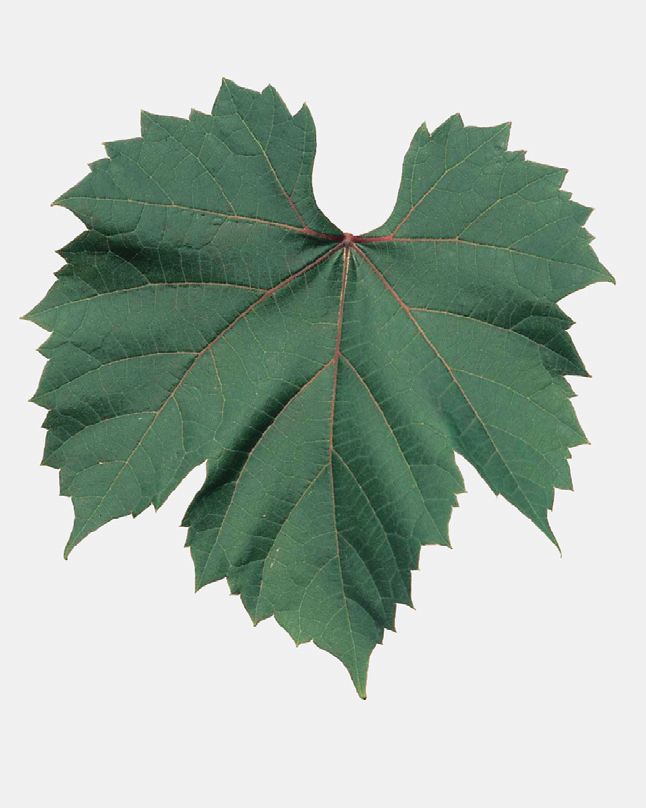
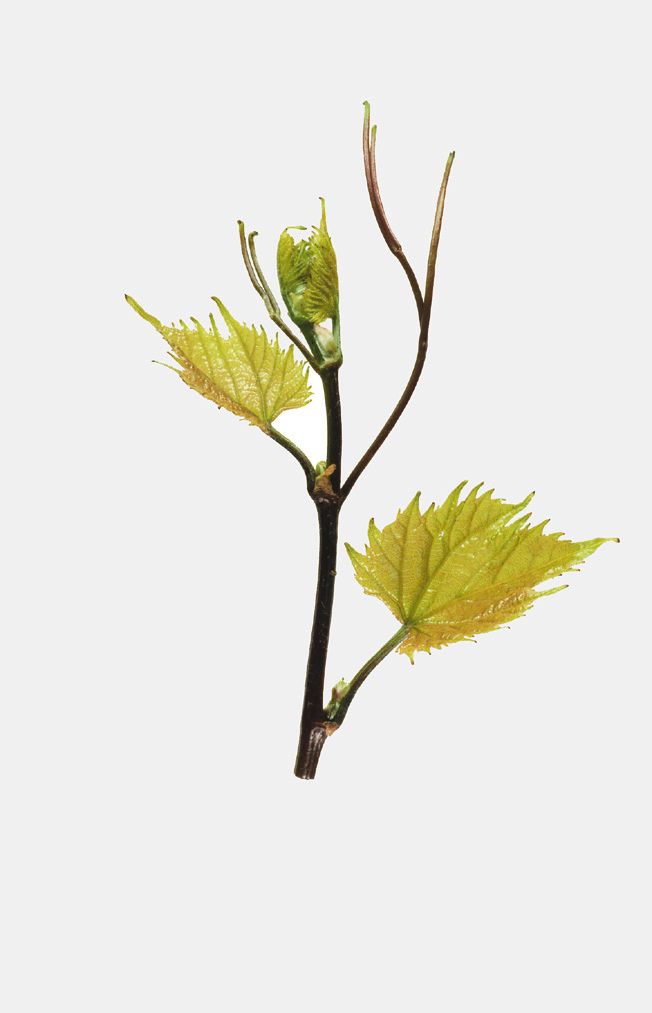
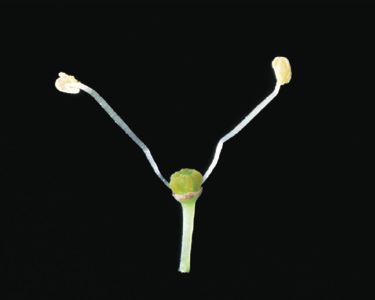
The 196-17 Cl rootstock, also known as 196-17 Castel, is a major viticultural solution resulting from ampelographic research. Its creation took place in the post-phylloxera context, a period of great upheaval that led to the hybridisation of various American vine species in order to find phylloxera-resistant rootstocks. Its profile is particularly noteworthy for its tolerance to active lime and its ability to withstand drought conditions, both essential characteristics in many vineyards.
The 196-17 Cl rootstock is the result of a cross between the 4010 Cl rootstock (4010 Castel) and another parent not specified in the summary records. It was developed by Mr Castel. This selection and hybridisation work was crucial following the phylloxera crisis to ensure the survival of European vineyards. Breeders of the era sought varieties capable of resisting this devastating insect while ensuring good adaptation to different viticultural terroirs. To learn more about the history of rootstocks, you can consult our dedicated articles.
| Characteristic | Description |
|---|---|
| Parents / Cross | 4010 Castel |
| Originating species | Vitis riparia / Vitis rupestris / Vitis berlandieri |
| Breeder and date | Mr Castel |
| Phylloxera resistance | — |
| Conferred vigour | — |
| Tolerance to active lime | — |
| Drought tolerance | — |
| Tolerance to humidity / waterlogging | — |
| Effect on scion ripening | — |
| Status / Registration | — |
196-17 Cl is recognised for its adaptation to specific soil types. It demonstrates good tolerance to soils with a significant active lime content, which is a major asset in certain winegrowing regions. Its resilience in the face of drought makes it a relevant choice in contexts where water availability is limited, particularly in light of climate change. However, it is important to note that its performance may vary according to precise pedoclimatic conditions, such as soil texture (gravelly, clayey) or acidity levels. Other rootstocks such as 41 B Millardet et de Grasset are also renowned for their lime tolerance.
The choice of a rootstock such as 196-17 Cl directly influences the scion—the vine variety cultivated for its fruit. It has the capacity to modulate vine vigour, an essential factor in balancing grape yields and vegetative growth. Although specific data regarding its precise effect on scion ripening earliness or nitrogen uptake are less detailed, rootstocks in general play a crucial role in berry yield and quality. A successful graft is the foundation of a healthy and productive vine.
The grafting affinity of 196-17 Cl is generally good with traditional Bordeaux grape varieties. For optimal vineyard management, it is important to adjust planting density, pruning methods, and canopy management practices according to the characteristics conferred by the rootstock. Planting guidelines must take into account the expected vigour and the water requirements of the scion to ensure good establishment and balanced vine development. For advice on planting, do not hesitate to consult our experts.
Like any rootstock, 196-17 Cl exhibits certain susceptibilities and limitations. A high tolerance to lime does not mean total immunity to iron chlorosis on excessively calcareous soils or under iron deficiency conditions. Likewise, its resistance to soil-borne diseases such as nematodes or fanleaf virus (court-noué) must be verified, as these pathologies can severely impact the vine. Excessive vigour or induced coulure are other aspects to monitor, as they can affect yield and quality. Vines can be susceptible to numerous diseases, hence the importance of choosing the right rootstock.
With its reputation for drought tolerance and its adaptation to calcareous soils, 196-17 Cl stands out as an interesting rootstock in the context of global warming. These characteristics give it a potential role in helping Bordeaux vineyards adapt to future climatic conditions, marked by hotter summers and more severe dry spells. It can contribute to maintaining stable, high-quality production even under increased water stress, and potentially foster a slight delay in ripening, which is valuable during heatwaves. The 216-3 Cl rootstock (216-3 Castel) is another option for addressing climate challenges.
Given the low proportion of limestone on our estate, this rootstock has not been trialled here.
At Château Cazebonne, we are committed to preserving Bordeaux's viticultural heritage and testing solutions tailored to tomorrow's challenges. This work, which includes researching and replanting forgotten grape varieties, is documented in our book “Bordeaux, une histoire de cépages”. We invite wine enthusiasts to test their knowledge with our wine quizzes and discover the diversity of our wines online in our shop, where every bottle tells part of this story.
Sources
Our suggestions
-5%on your 1st order with code BIENVENUE
The essential6 bottles — Graves red 2022
The best price of the cellar: €12 per bottle delivered.
The everyday red: generous and straight to the point.
I want it Our recommendation92/100 RVF
6 bottles — Graves red 2022, 92/100 RVF
Rated 92/100 by La Revue du vin de France: a solid 10-year ageing potential.
Our Graves for ageing, the finest gateway to the estate.
I want it Go further
12 bottles — the whole range
12 bottles, the whole range tasted: the best discovery-to-price ratio.
The complete tour of the estate, in a single case.
I want itThe cellar, forgotten grape varieties and our cuvées, twice a month. 5% off your first order with the code BIENVENUE.