
 The essential
6 × Entre Amis red
6 bottles — Graves red 2022
The best price of the cellar: €12 per bottle delivered.
The everyday red: generous and straight to the point.
I want itBC 2
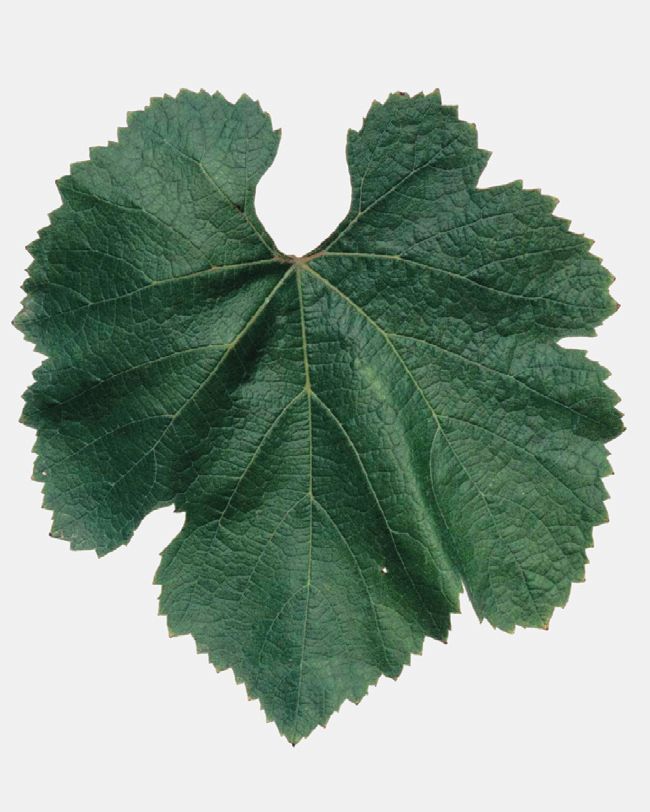
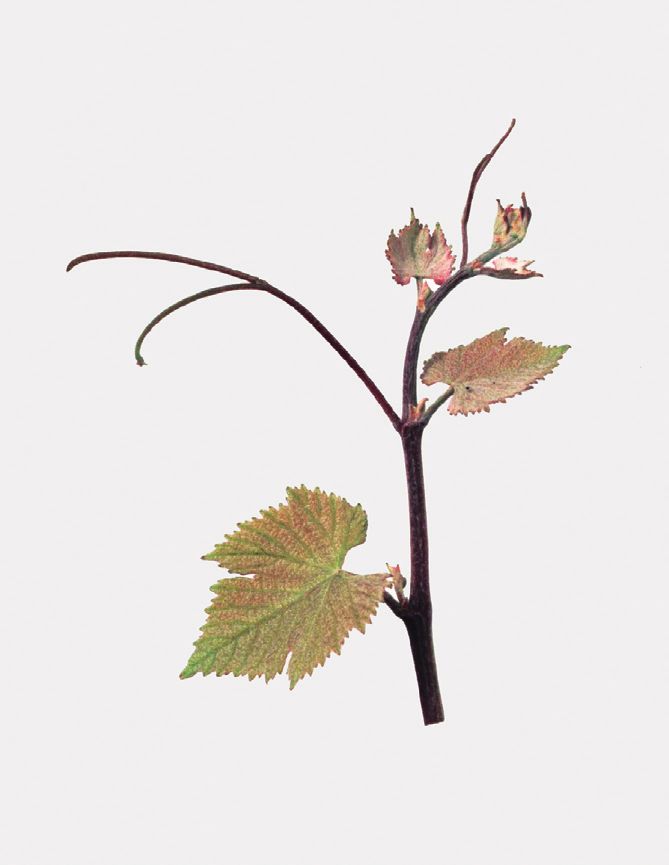
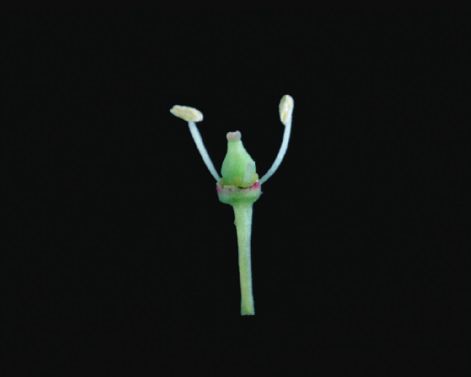
The BC 2 rootstock, or Berlandieri - Colombard 2, is an essential vine variety in modern viticulture, particularly when addressing the challenges posed by phylloxera and soil adaptation. Produced from skilful crossings, it was selected for its advantageous properties, notably its vigour and its ability to adapt to diverse soil conditions.
The BC 2 rootstock originated during the post-phylloxera period, a pivotal era when global viticulture sought solutions to protect vineyards. This rootstock is the result of a cross between a Vitis berlandieri strain and a Vitis vinifera variety, Colombard. The aim was to combine the phylloxera resistance of the American species with favourable agronomic characteristics for the scion. Although the details of the specific breeder and the exact date of its creation are not always clearly documented, it forms part of the selection efforts that characterised the late 19th and early 20th centuries, aimed at developing rootstocks suited to specific winegrowing terroirs.
| Characteristic | Description |
|---|---|
| Parents / cross | Berlandieri x Colombard |
| Species of origin | Vitis berlandieri / Vitis vinifera |
| Breeder and date | — |
| Phylloxera resistance | Good |
| Conferred vigour | High |
| Active lime tolerance | Good (up to 40% active lime and IPC 20) |
| Drought tolerance | Good |
| Moisture / waterlogging tolerance | Sensitive to excessive moisture |
| Effect on scion ripening | — |
| Status / registration | French official catalogue |
The BC 2 rootstock is distinguished by its good adaptation to calcareous soils, withstanding up to 40% active lime with an IPC of 20. This tolerance is a major asset, particularly in regions where chalky soils predominate. It also shows good drought resistance, making it a relevant choice in more arid climates or those subject to water stress episodes. However, it is important to note its sensitivity to excessive moisture and root asphyxia, making it less suitable for very heavy or poorly drained soils. Its vine stock confers notable vigour, resulting in a thick trunk and long canes, which can influence planting density and canopy management.
In terms of scion behaviour, BC 2 transmits significant vigour. This can be beneficial for lower-vigour grape varieties or in poor soil conditions. This vigour can influence yield, generally by promoting higher yields, but requires careful management so as not to compromise quality. The supply of water and nitrogen to the scion is efficient, contributing to healthy growth. The precise effect on early or late ripening is not clearly documented for this specific rootstock, but vigour can sometimes indirectly influence the vegetative cycle.
Despite its strengths, the BC 2 rootstock presents several sensitivities. Its lime tolerance, although good, can reach its limits in cases of severe iron chlorosis, especially if other stress factors are present. Its sensitivity to moisture makes it vulnerable to root asphyxiation in compacted or waterlogged soils. Although highly resistant to phylloxera, like most American rootstocks, its susceptibility to nematodes or fanleaf virus is not specifically highlighted, but remains a general viticultural concern.
In the face of climate change, BC 2 represents an interesting option for Bordeaux vineyards. Its good drought tolerance makes it a prime candidate for regions where heatwaves and water deficits are increasingly frequent. The vigour it imparts can help the scion better withstand harsher conditions. However, its sensitivity to excessive moisture could prove to be a drawback in scenarios involving intense rainfall or saturated soils.
This rootstock has not been tested at Cazebonne.
At Château Cazebonne, we are committed to exploring and preserving the richness of the Bordeaux vineyard by replanting ancient grape varieties and studying the rootstocks best suited to our terroir and future challenges. This work is made possible thanks to the dedication of enthusiasts who support our approach by choosing our wines, while also being able to expand their knowledge with our book on the history of Bordeaux grape varieties. Feel free to test your knowledge or discover our cuvées, which reflect our passion and respect for the vine. To further explore rootstocks, we invite you to discover the Fercal rootstock and the 333 EM rootstock (333 École de Montpellier), other key components in viticulture. For a broader perspective on rootstocks, we also invite you to explore the SO 4 rootstock (Selection Oppenheim 4) and familiarise yourself with the Nemadex Alain Bouquet rootstock and the Gravesac rootstock.
Sources
Our suggestions
-5%on your 1st order with code BIENVENUE
The essential6 bottles — Graves red 2022
The best price of the cellar: €12 per bottle delivered.
The everyday red: generous and straight to the point.
I want it Our recommendation92/100 RVF
6 bottles — Graves red 2022, 92/100 RVF
Rated 92/100 by La Revue du vin de France: a solid 10-year ageing potential.
Our Graves for ageing, the finest gateway to the estate.
I want it Go further
12 bottles — the whole range
12 bottles, the whole range tasted: the best discovery-to-price ratio.
The complete tour of the estate, in a single case.
I want itThe cellar, forgotten grape varieties and our cuvées, twice a month. 5% off your first order with the code BIENVENUE.