
 The essential
6 × Entre Amis red
6 bottles — Graves red 2022
The best price of the cellar: €12 per bottle delivered.
The everyday red: generous and straight to the point.
I want it216-3 Cl
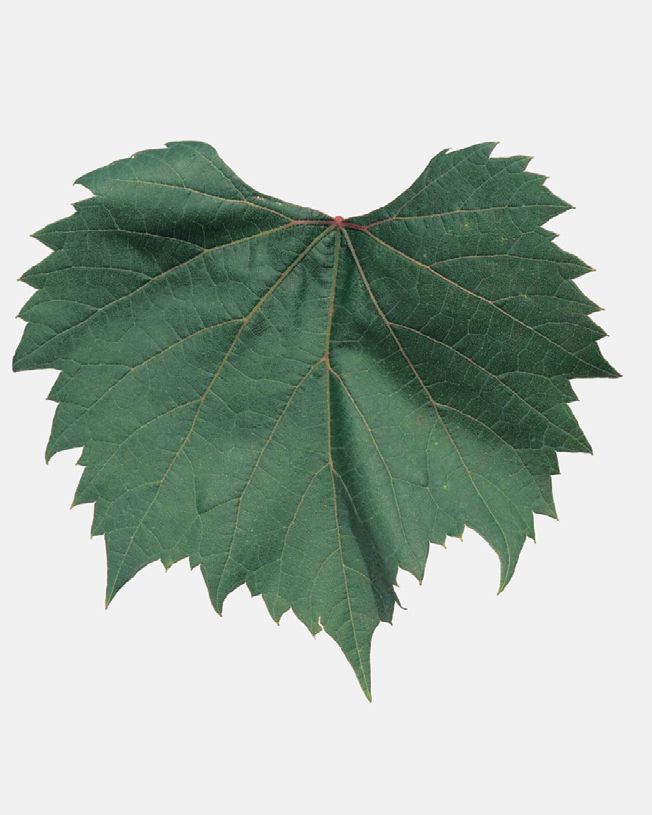
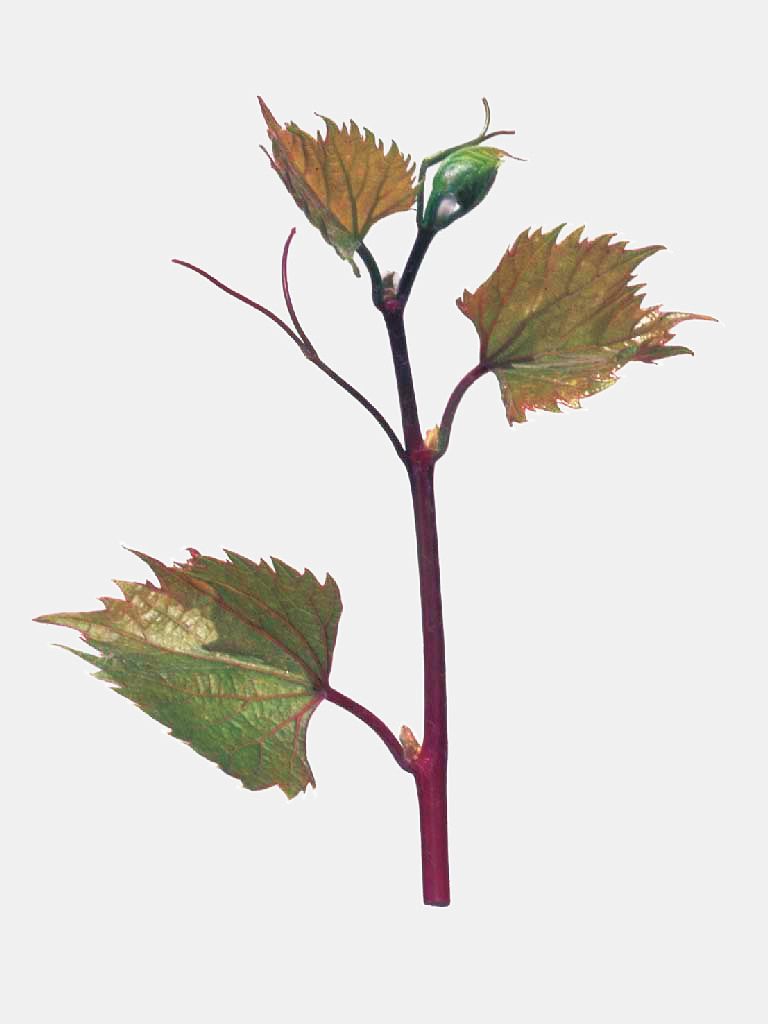
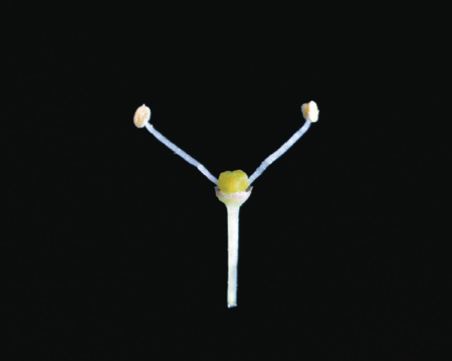
The 216-3 Cl rootstock, also known as 216-3 Castel, represents a compelling solution for modern viticulture. Originating from post-phylloxera research, it was developed to provide vines with resistance against this devastating pest while adapting to diverse soil and climatic conditions. Its use allows growers to manage vine vigour and influence crop quality.
216-3 Castel is the result of a breeding programme conducted by the Castel brothers. This rootstock was obtained by crossing 196-17 Castel with the 1616 C rootstock (1616 Couderc). This parentage endows it with robustness inherited from its ancestors, designed to meet the challenges posed by phylloxera and varied soil conditions—a paramount concern for winegrowers following the 19th-century phylloxera crisis.
| Characteristic | Description |
|---|---|
| Parents / cross | 196-17 Castel x 1616 Couderc |
| Parent species | Vitis riparia / rupestris / berlandieri |
| Breeder and date | Castel, late 19th / early 20th century |
| Resistance to phylloxera | Good |
| Conferred vigour | Moderate |
| Active lime tolerance | Low to moderate (approx. 25% CPI, 9% active limestone) |
| Drought tolerance | Moderate |
| Moisture / asphyxiation tolerance | Moderate to good |
| Effect on scion ripening | Neutral to slight delay |
| Status / registration | Official French catalogue |
216-3 Cl demonstrates valuable adaptability to different soil types. It tolerates moderate levels of active lime, making it suitable for terroirs where other rootstocks would be susceptible to iron chlorosis. Its resistance to moisture and root asphyxiation is also noteworthy, allowing it to be planted in more compact soils or those prone to temporary waterlogging. It exhibits good tolerance to acidic soils, but is less suited to highly saline or gravelly soils. For effective management of living soils, it is essential to consider the specific features of each plot.
This rootstock confers moderate vigour on the scion, ensuring balanced vegetative growth and yield regulation. Its influence on ripening is generally neutral or may cause a slight delay, which can be an asset in the context of climate change to prevent over-hasty ripening. It fosters good water and nitrogen uptake, thereby contributing to the optimal expression of the qualitative potential of the grafted grape varieties. General vineyard work is also influenced by this choice.
216-3 Cl exhibits good grafting affinity with most varieties grown in Bordeaux, notably Merlot, Cabernet Franc, and Cabernet Sauvignon. Its moderate vigour is appreciated for maintaining optimal planting density and facilitating vine pruning. It fits seamlessly into a planting strategy focused on quality production.
Although it offers many advantages, 216-3 Cl is not without its vulnerabilities. Its lime tolerance, while moderate, can be exceeded on terroirs with very high active limestone levels, where risks of iron chlorosis may emerge. Nematodes and fanleaf virus also warrant monitoring; although its resistance is generally sound, vigilance remains essential depending on the vine diseases present in the vineyard block.
Faced with the challenges of global warming, the 216-3 Cl rootstock represents a pertinent option. Its ability to provide controlled vigour and a slight ripening delay can help preserve freshness and balance in Bordeaux wines, especially for disease-resistant grape varieties in Bordeaux. Its moderate drought tolerance is an asset, although other rootstocks perform better in situations of extreme water stress.
We have not trialled this rootstock on the estate.
Château Cazebonne is actively committed to replanting heritage grape varieties and trialling solutions tailored to tomorrow's challenges. This meticulous work is made possible thanks to the support of wine enthusiasts who enjoy our wines, available to purchase in our online boutique. To deepen your knowledge of the fascinating history of Bordeaux grape varieties, feel free to download our book. You can also test your knowledge and learn more about oenology through our wine quizzes.
Sources
Our suggestions
-5%on your 1st order with code BIENVENUE
The essential6 bottles — Graves red 2022
The best price of the cellar: €12 per bottle delivered.
The everyday red: generous and straight to the point.
I want it Our recommendation92/100 RVF
6 bottles — Graves red 2022, 92/100 RVF
Rated 92/100 by La Revue du vin de France: a solid 10-year ageing potential.
Our Graves for ageing, the finest gateway to the estate.
I want it Go further
12 bottles — the whole range
12 bottles, the whole range tasted: the best discovery-to-price ratio.
The complete tour of the estate, in a single case.
I want itThe cellar, forgotten grape varieties and our cuvées, twice a month. 5% off your first order with the code BIENVENUE.