
 The essential
6 × Entre Amis red
6 bottles — Graves red 2022
The best price of the cellar: €12 per bottle delivered.
The everyday red: generous and straight to the point.
I want it161-49 C
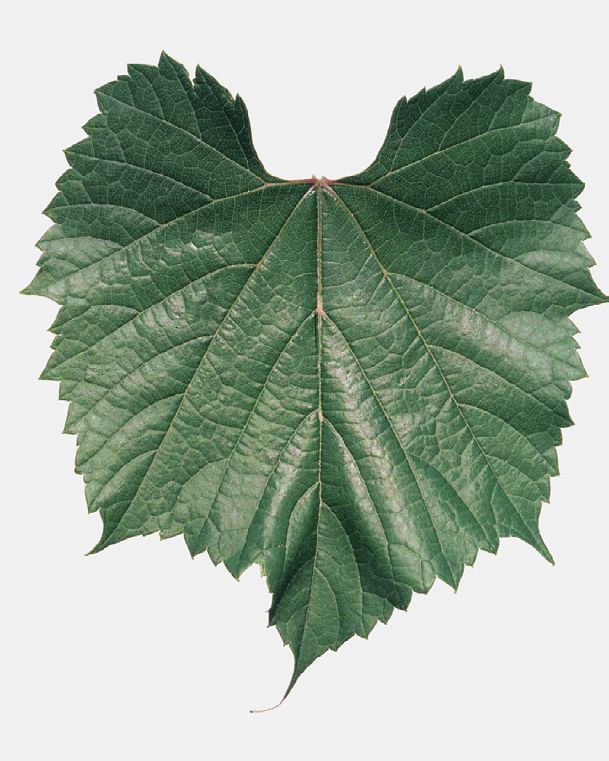
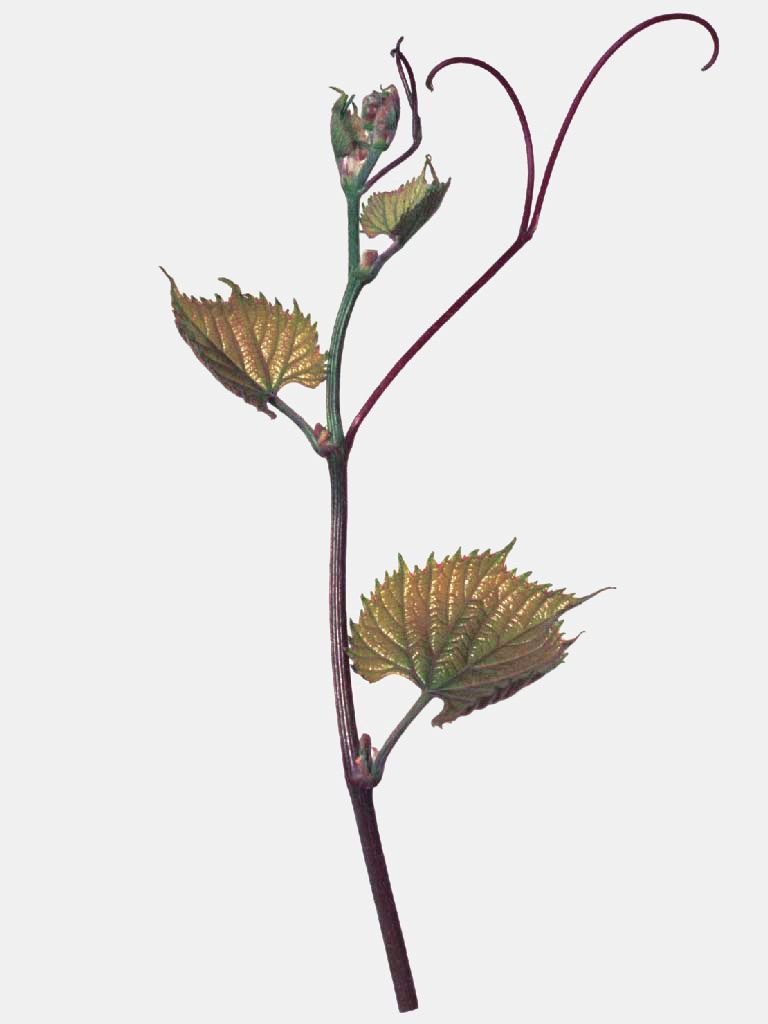

The 161-49 C rootstock, or 161-49 Couderc, represents a historic and still highly relevant solution for viticulture, particularly in response to the challenges posed by phylloxera. Its agronomic profile makes it valuable for adapting vineyards to diverse soil and climatic conditions.
The 161-49 C rootstock was bred by the ampelographer Georges Couderc during the phylloxera crisis that devastated French vineyards in the late 19th century. Originating from a cross between Vitis riparia and Vitis berlandieri, it was selected for its resistance to root-feeding phylloxera, providing a solid and reliable foundation for grafted scions. This parental cross aimed to combine the resistance of Vitis riparia with the limestone tolerance of Vitis berlandieri.
| Characteristic | Description |
|---|---|
| Parents / cross | Vitis riparia x Vitis berlandieri |
| Parent species | Vitis riparia / Vitis berlandieri |
| Breeder and date | Couderc, late 19th century |
| Phylloxera resistance | Very good |
| Conferred vigour | Moderate |
| Active lime tolerance | 20% active lime, IPC 30 |
| Drought tolerance | Good |
| Tolerance to waterlogging / asphyxiation | Moderate |
| Effect on scion ripening | Neutral |
| Status / registration | Official French catalogue |
161-49 C shows good adaptation to a variety of soils. Its tolerance to active lime reaches approximately 20%, with a chlorosis risk index (IPC) of 30, making it well suited to calcareous soils, although precautions should be taken in very high limestone concentrations. It stands out for its good drought tolerance, a valuable asset in wine regions subject to prolonged summer dry spells and the pressures of climate change. Its resistance to waterlogging and soil asphyxiation is moderate, making it less ideal for poorly drained or hydromorphic soils.
This rootstock imparts moderate vigour to the scion, encouraging a healthy balance between vegetative growth and crop yield. It has a largely neutral effect on grape ripening, allowing the natural vegetative cycle of the varieties to be preserved. 161-49 C ensures a balanced supply of water and nitrogen, contributing to good berry quality and regular yields. It is also an attractive option for parcels where vigour control is desired.
161-49 C demonstrates good grafting affinity with most Bordeaux grape varieties. It is often recommended for medium to high planting densities. Regarding vine training, it allows flexibility in pruning methods and adapts well to both conventional viticultural practices and more sustainable approaches. Its deep root system contributes to sound vine anchorage and better soil exploration.
Although robust, 161-49 C is not without limitations. Its tolerance to lime, while good, can be challenged in heavily calcareous soils, where a risk of iron chlorosis remains. Its susceptibility to nematodes and fanleaf virus requires monitoring, warranting a preliminary soil analysis prior to planting. It is also important to manage vigour to avoid any imbalances likely to lead to coulure (poor fruit set).
The strong drought tolerance of the 161-49 C rootstock makes it a pertinent option for adapting Bordeaux vineyards to climate change. Its ability to maintain stable production under water stress is a major advantage for winegrowers seeking to secure their yields. Its neutral effect on ripening helps retain aromatic profiles and wine freshness, even in warmer conditions.
We have not trialled this rootstock on our estate.
The choice of rootstock is one of the key pillars of sustainable viticulture, alongside the 1616 C rootstock (1616 Couderc), the 3309 C rootstock (3309 Couderc), or the 5 C rootstock (Teleki 5 C).
Château Cazebonne is dedicated to championing grape varieties and rootstocks suited to our terroir and future challenges. We explore agronomic solutions that make it possible to produce authentic wines whilst respecting the environment. If you would like to discover more about our approach and the forgotten grape varieties of Bordeaux, please feel free to download our book « Bordeaux, une histoire de cépages ». To test your knowledge and delve into the world of wine, take part in our wine quizzes. Finally, to support our work and taste the fruits of our labour, we invite you to visit our online shop and discover our wines.
Sources
Our suggestions
-5%on your 1st order with code BIENVENUE
The essential6 bottles — Graves red 2022
The best price of the cellar: €12 per bottle delivered.
The everyday red: generous and straight to the point.
I want it Our recommendation92/100 RVF
6 bottles — Graves red 2022, 92/100 RVF
Rated 92/100 by La Revue du vin de France: a solid 10-year ageing potential.
Our Graves for ageing, the finest gateway to the estate.
I want it Go further
12 bottles — the whole range
12 bottles, the whole range tasted: the best discovery-to-price ratio.
The complete tour of the estate, in a single case.
I want itThe cellar, forgotten grape varieties and our cuvées, twice a month. 5% off your first order with the code BIENVENUE.