
 The essential
6 × Entre Amis red
6 bottles — Graves red 2022
The best price of the cellar: €12 per bottle delivered.
The everyday red: generous and straight to the point.
I want itWeed
At Château Cazebonne, the vitality of our organic vines relies on a fundamental principle: the richness of our soils. And at the heart of this richness, we honour adventives, those often misunderstood plants that are oh-so-essential to the balance of our Bordeaux terroirs. Far from being mere competitors for the vine, they act as true sentinels for the health of our plots.
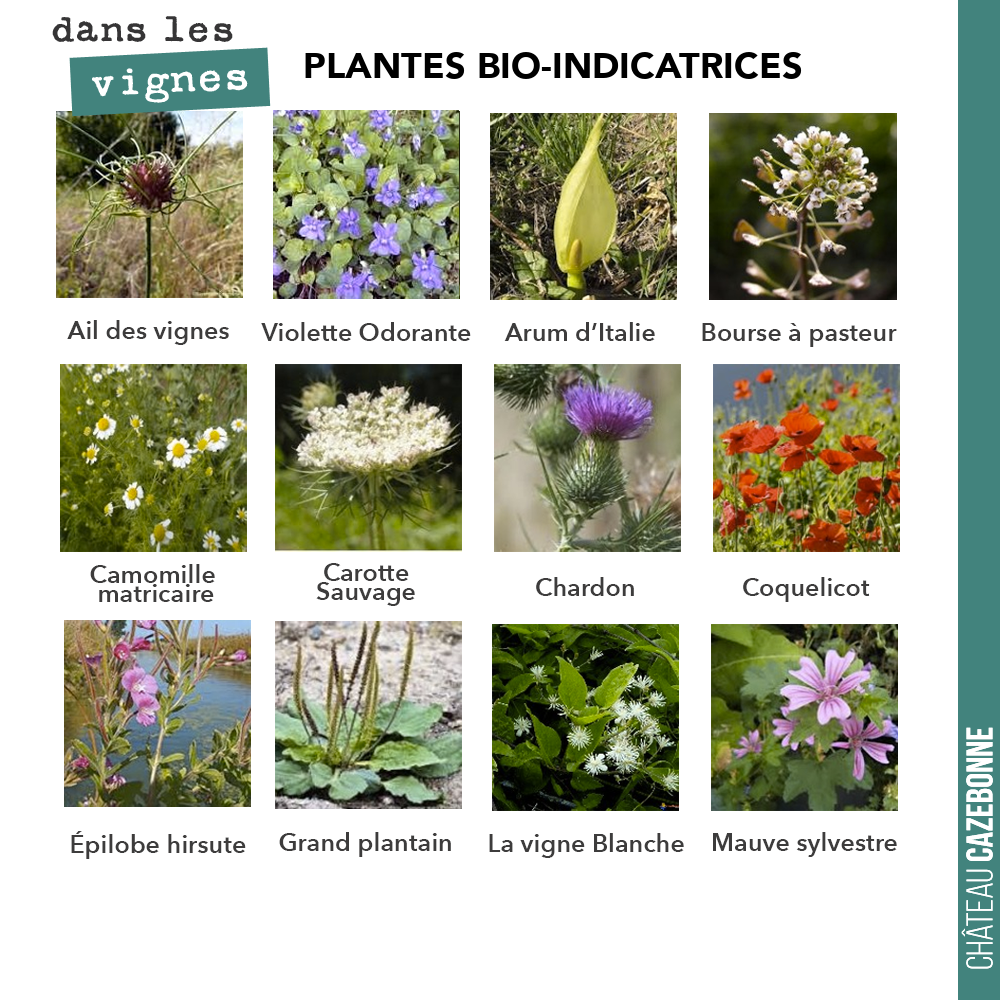
Every adventive plant carpeting our rows is a mine of information for us winegrowers. Their presence and typology are valuable indicators of the composition, structure, and fertility of our soils. Certain species thrive on compact terrain, while others reveal a deficiency or excess of certain nutrients. Observing this flora informs us about the pH, microbial life, or even the drainage capacity. It is an ongoing dialogue with the earth, an expertise refined over seasons and generations. By deciphering this botanical language, we adjust our cultivation practices for perfect synergy between the vine and its environment.
Beyond their role as indicators, adventives are true architects of our soils. Their complex root systems aerate, decompact, and deeply structure the earth, thereby facilitating the penetration of water and air. This mechanical action is crucial for the subterranean microfauna and microflora, which find a favourable environment for their development there. This vegetative network also acts as a natural bulwark against erosion, which is particularly valuable on slopes, and provides a protective cover for young vine shoots during frosts. Finally, when crushed and reincorporated into the soil, they become an essential source of organic matter, a green manure that sustainably nourishes our vines. As Jean-Baptiste Duquesne highlights in his book "Bordeaux, une histoire de cépages", soils and their microbial and plant life are the invisible yet essential foundations of a great terroir.
This biodiversity-respecting approach is the pillar of our philosophy. At Château Cazebonne, we are convinced that by cultivating the full expression of our living soils, we succeed in giving life to wines endowed with a unique authenticity. It is with this same perspective that we are committed to replanting ancestral grape varieties in Bordeaux that had disappeared from our viticultural landscapes, those forgotten treasures that bear witness to our region's history. Varieties such as Castets, Mancin, or Saint-Macaire, long neglected, are thus finding their place once again in our plots, offering flavours and aromas of rare typicality. According to Jean-Baptiste Duquesne, these varieties provide answers to the challenges of global warming and pesticide reduction (Source 6).
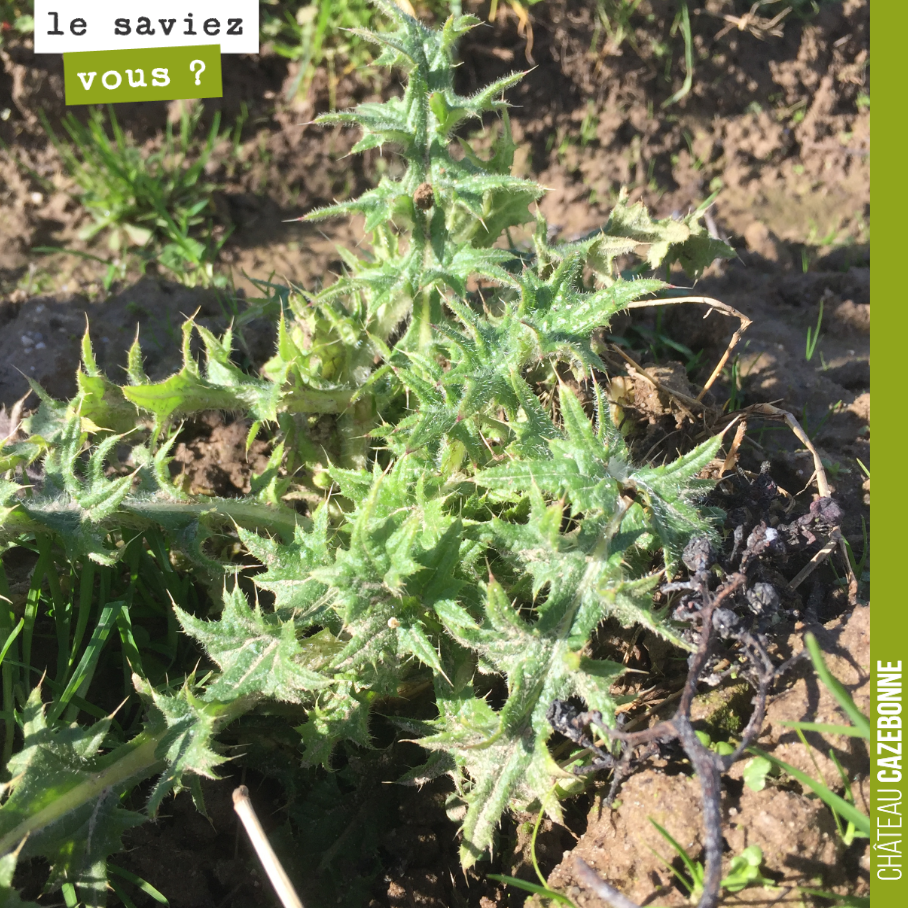
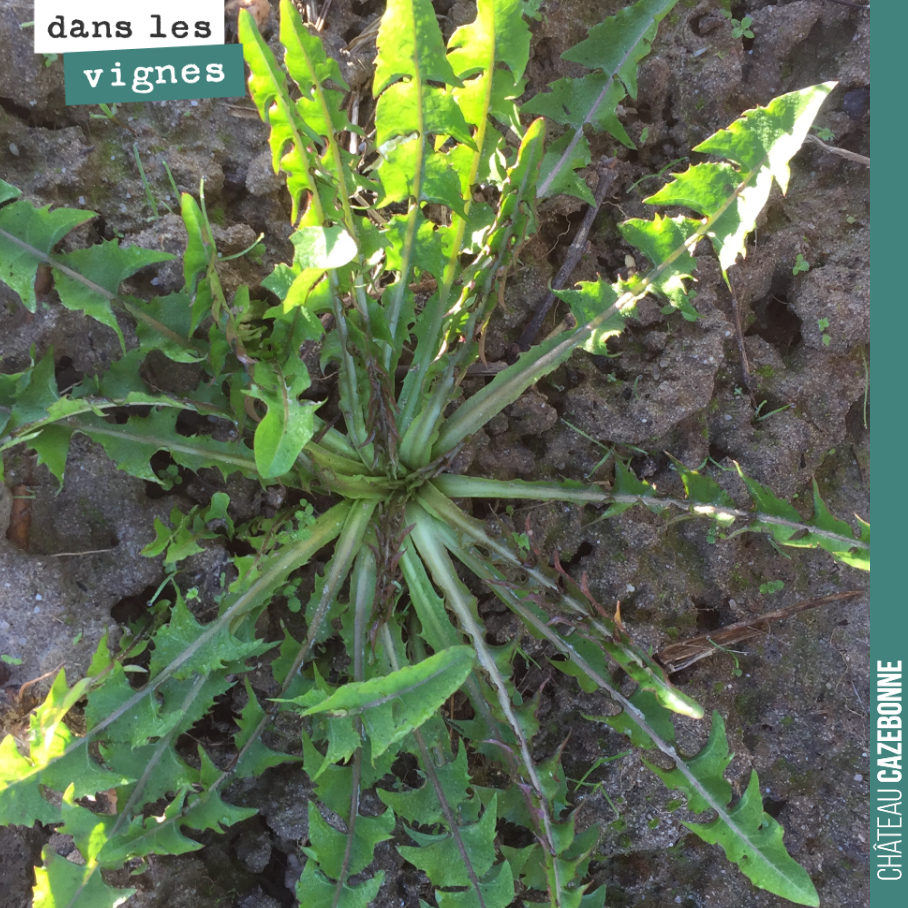
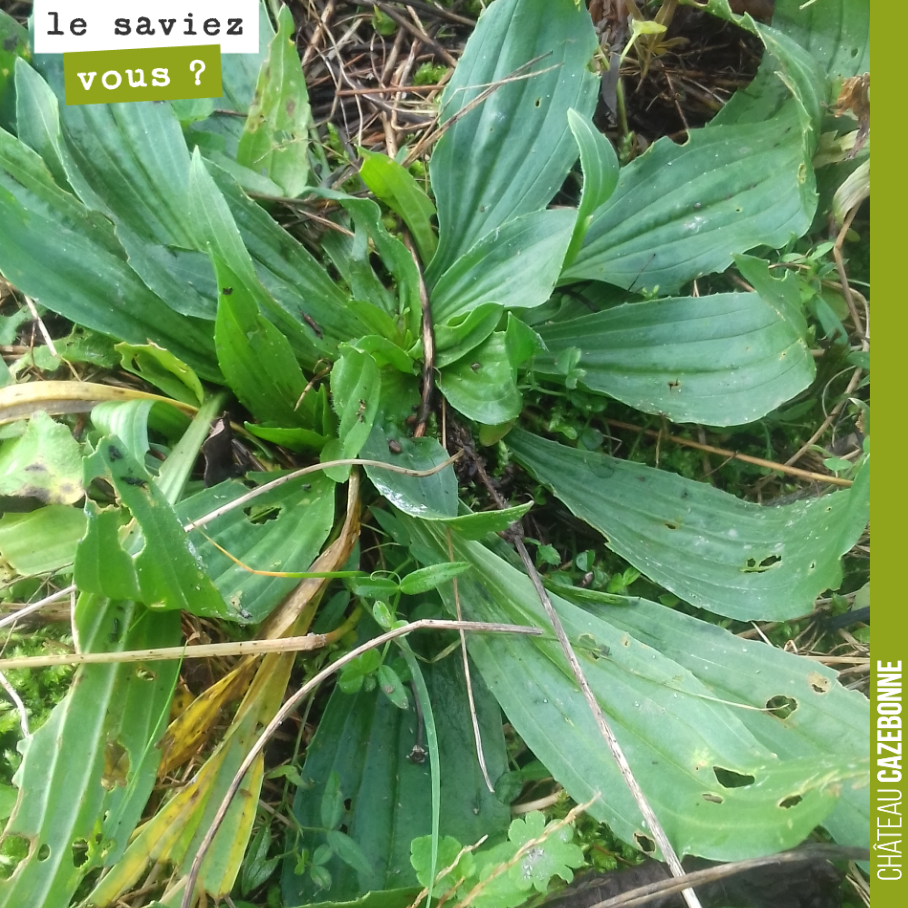
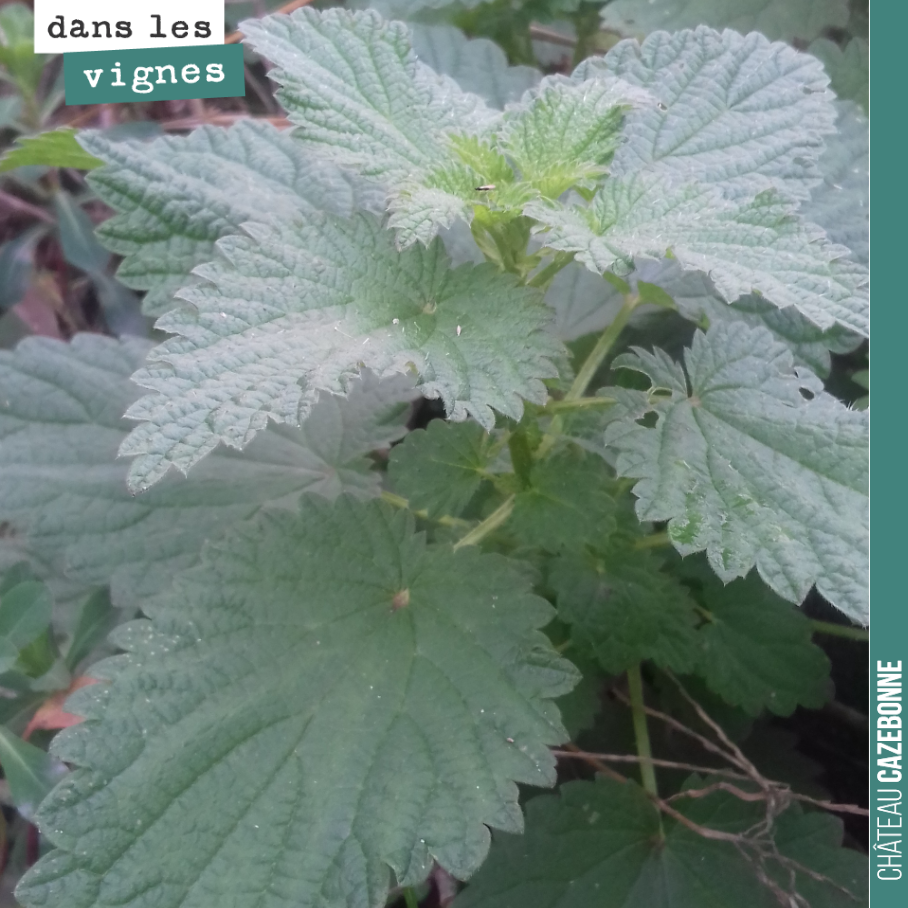
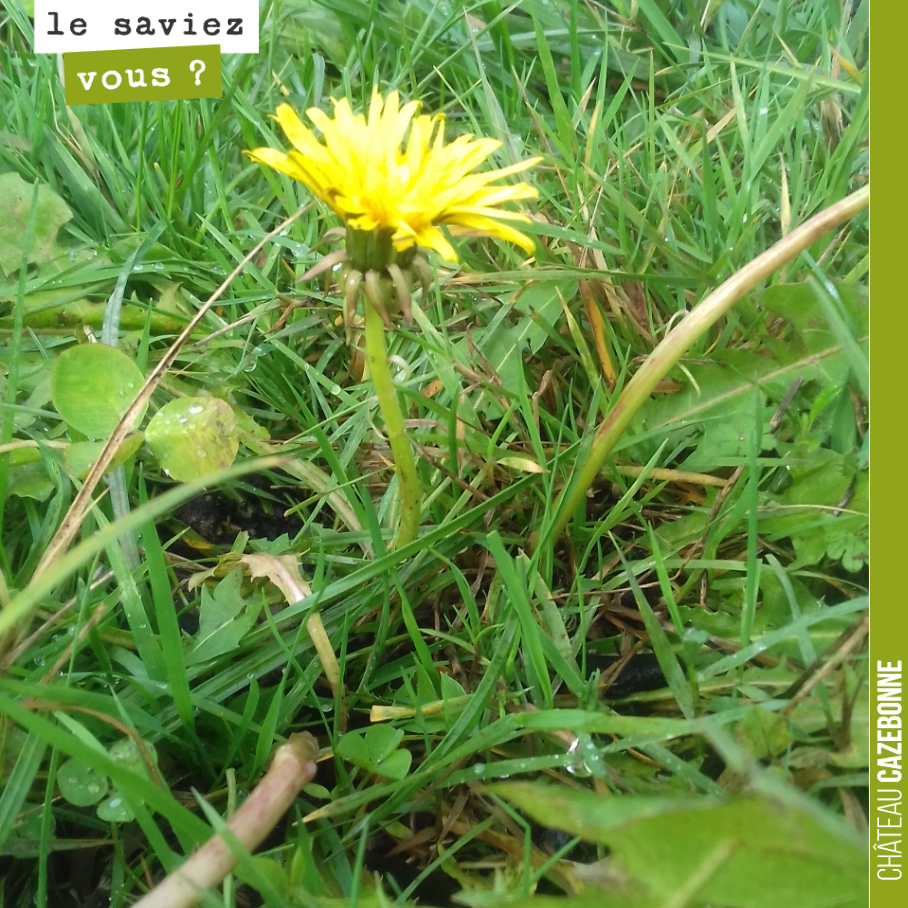
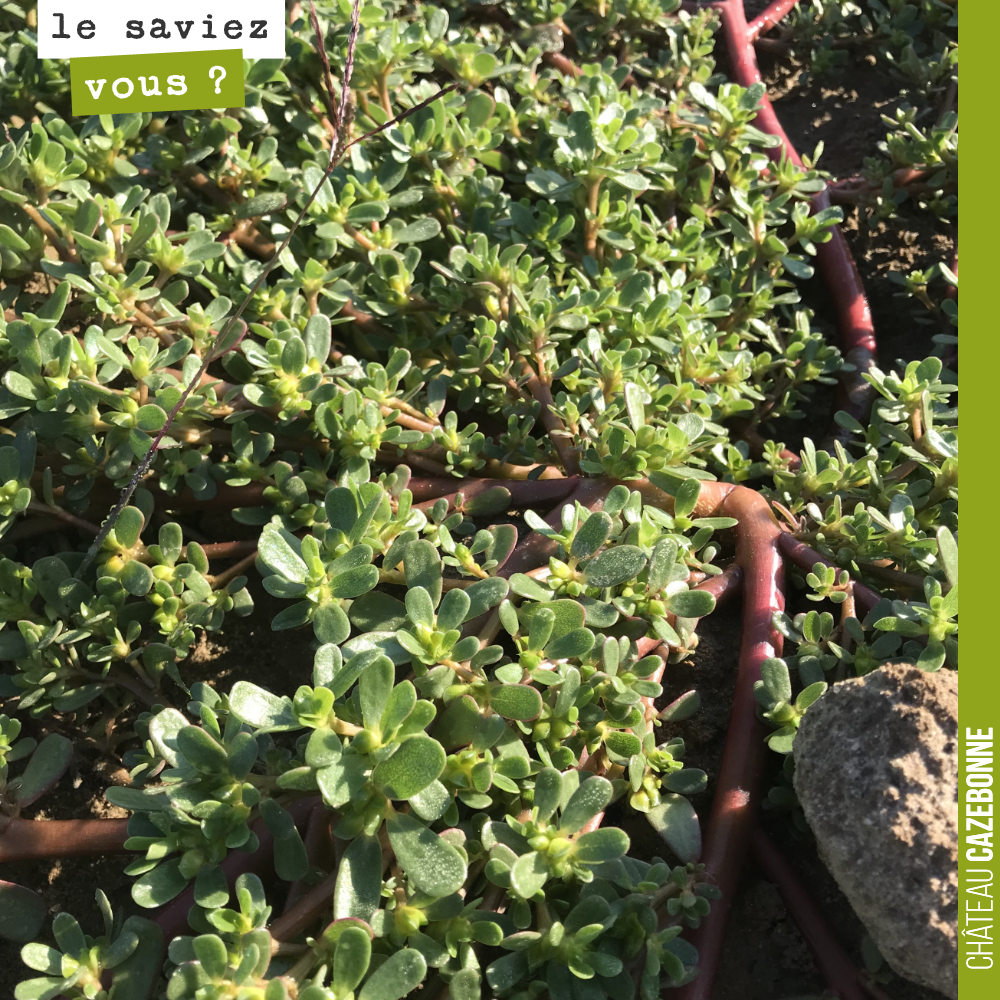
Adventives, also called "weeds" by misnomer, refer to all plant species that grow spontaneously within a crop without having been intentionally sown there. They belong to various botanical families, from grasses to dicotyledons. Each species has its own life cycle. Some, like the dandelion flower (Taraxacum officinale), are perennials and show great resilience, whilst others, such as redroot pigweed (Amaranthus retroflexus), are fast-reproducing annuals. At Cazebonne, we mainly observe species that tolerate clay-limestone soils, typical of our terroir. They proliferate notably on grassed rows or after undervine ploughing.
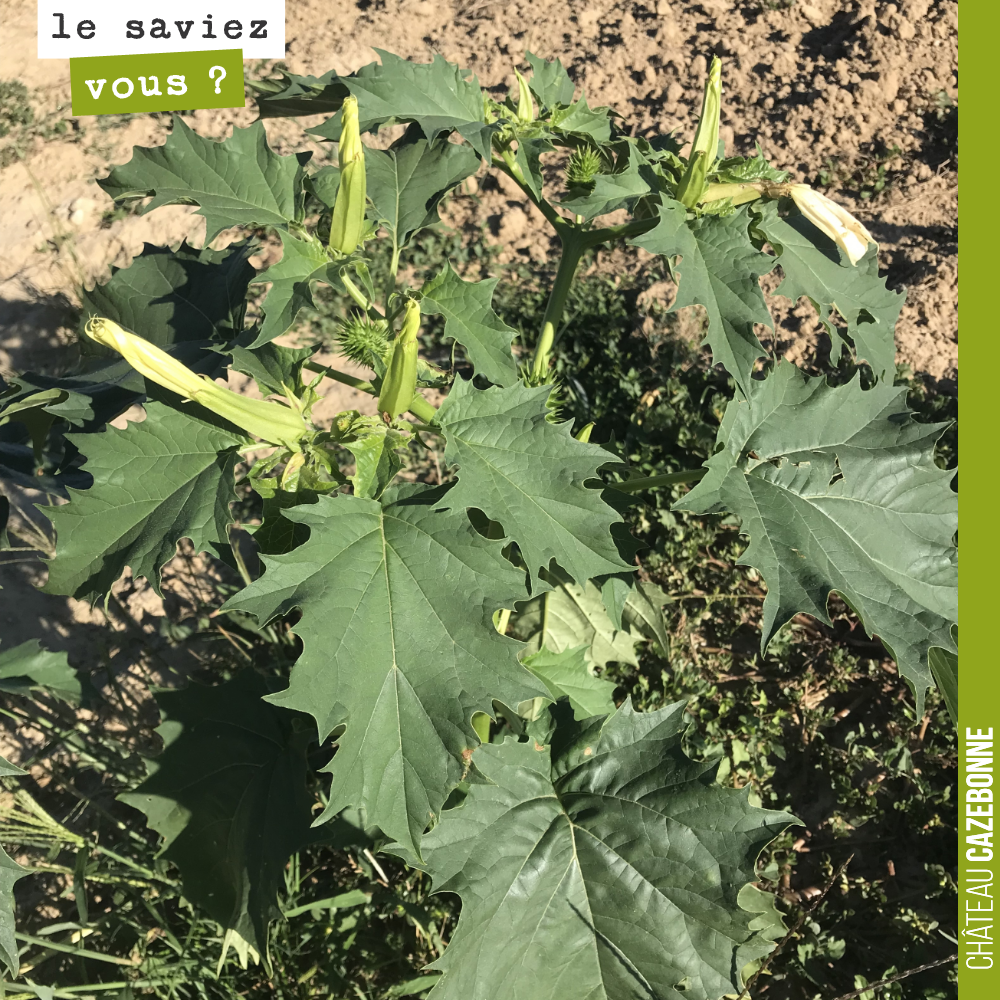
Their ecological role is multiple and fundamental. They improve soil structure, prevent erosion by keeping the earth in place, and bring biodiversity. By creating a favourable microclimate, they also shelter auxiliary fauna precious to the vine, such as pollinating insects and pest predators. Their interaction with the vine is largely beneficial. Adventives compete with the vine for water and nutrients, which can moderate its vigour and encourage a better concentration in the berries, a useful phenomenon on very fertile soils. Furthermore, their deep root system contributes to the creation of humus and the provision of minerals for the vine, acting as a natural compost. To find out more, consult our article on the thistle, on the datura, on the spurge or on the chamomile.
This pioneering work and this passion for singularity are only possible thanks to the support of the numerous enthusiasts who have adopted our wines, thereby actively participating in the rebirth of this Bordeaux viticultural heritage. If you wish to learn more about the history of Bordeaux grape varieties, do not hesitate to download the digital version of the book "Bordeaux, une histoire de cépages" written by Jean-Baptiste Duquesne. To test your knowledge and continue learning about oenology, take part in our oenological quizzes, then discover our cuvées and live the Château Cazebonne experience by visiting our online shop.
Sources
Our suggestions
-5%on your 1st order with code BIENVENUE
The essential6 bottles — Graves red 2022
The best price of the cellar: €12 per bottle delivered.
The everyday red: generous and straight to the point.
I want it Our recommendation92/100 RVF
6 bottles — Graves red 2022, 92/100 RVF
Rated 92/100 by La Revue du vin de France: a solid 10-year ageing potential.
Our Graves for ageing, the finest gateway to the estate.
I want it Go further
12 bottles — the whole range
12 bottles, the whole range tasted: the best discovery-to-price ratio.
The complete tour of the estate, in a single case.
I want it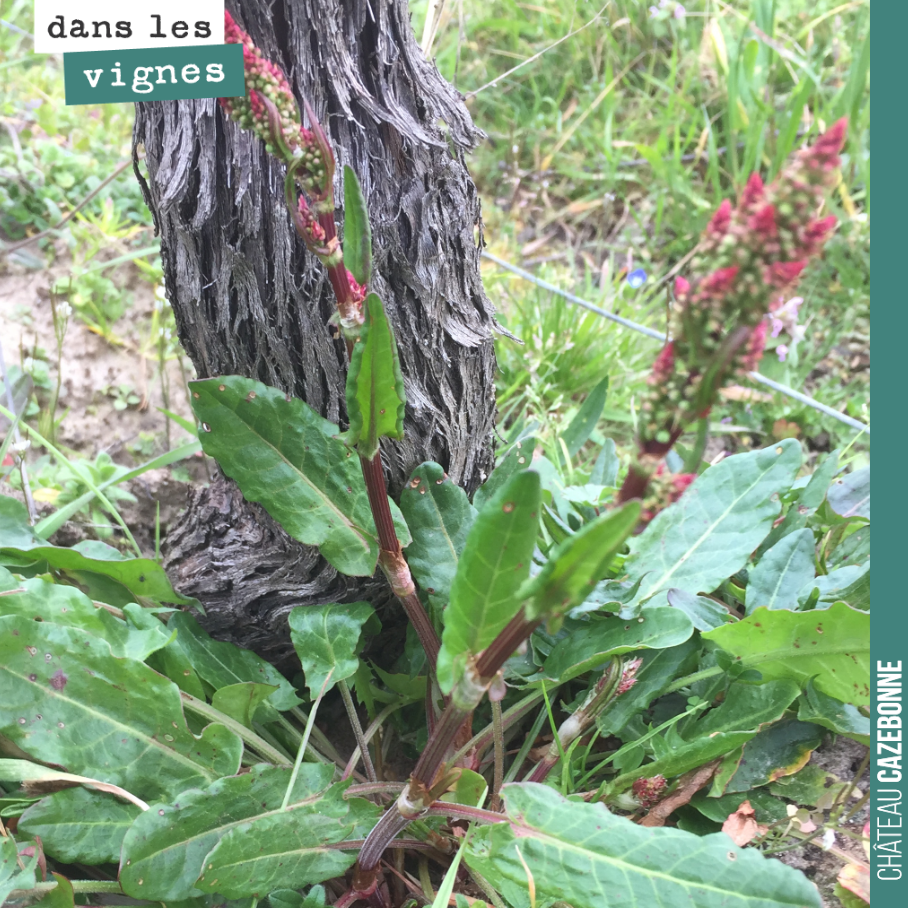
11 March 2019
02 February 2019
19 January 2019
17 January 2019
09 December 2018
07 December 2018
05 December 2018
31 October 2018
27 October 2018
09 September 2018
31 May 2018
The cellar, forgotten grape varieties and our cuvées, twice a month. 5% off your first order with the code BIENVENUE.