
 The essential
6 × Entre Amis red
6 bottles — Graves red 2022
The best price of the cellar: €12 per bottle delivered.
The everyday red: generous and straight to the point.
I want itDandelion Flower
The dandelion, or Taraxacum officinale, is much more than a simple yellow flower in our vineyards. This perennial herbaceous plant from the Asteraceae family, with its characteristic rosette of jagged leaves and its bright corolla that opens with the sun and closes at dusk, is a familiar presence. Often perceived as a "weed" in conventional farming, the dandelion is for us, at Château Cazebonne, an invaluable indicator of the good balance of our soils in organic agriculture.
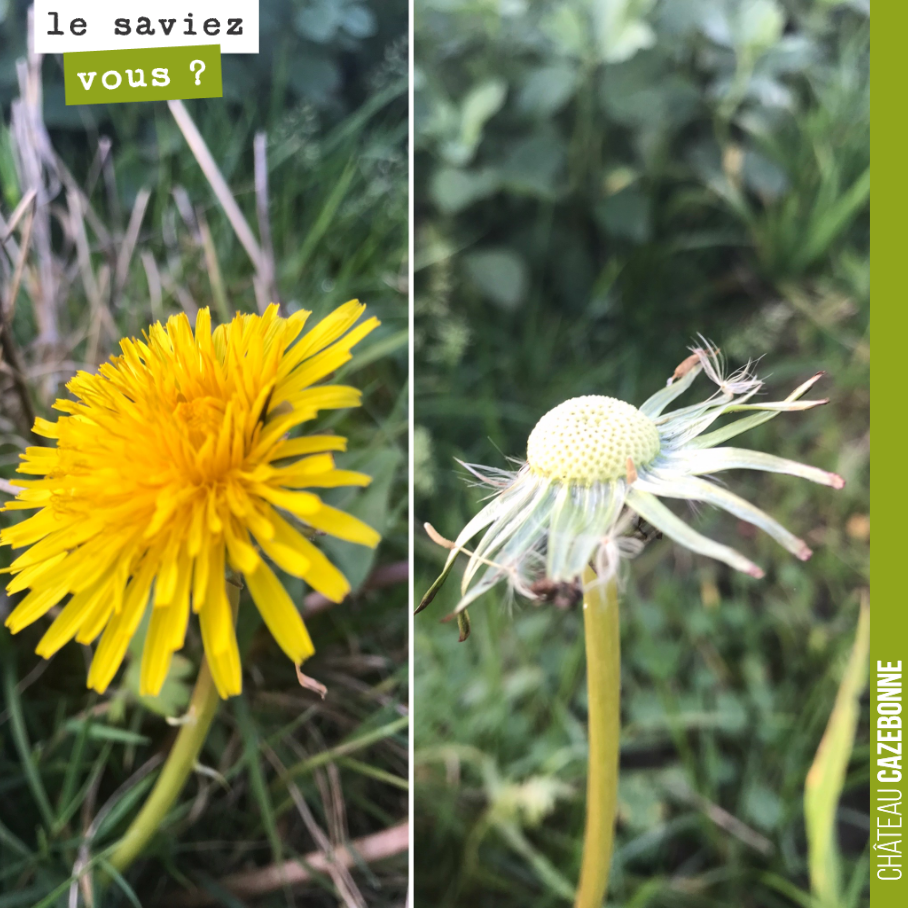
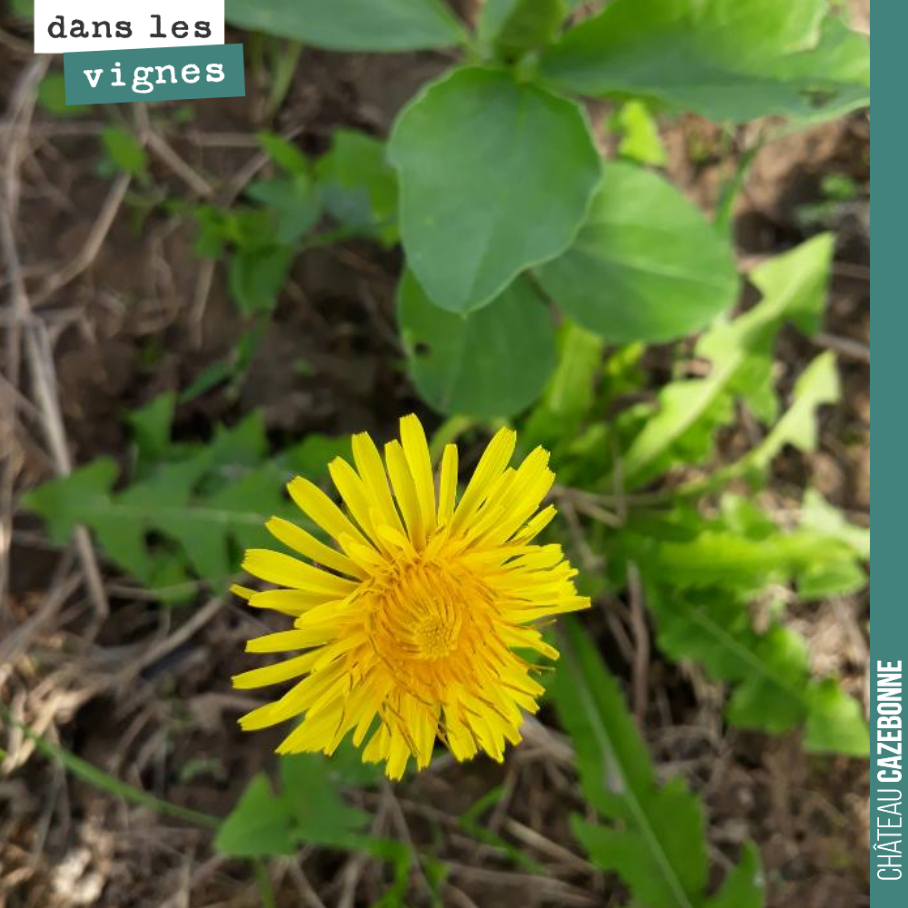
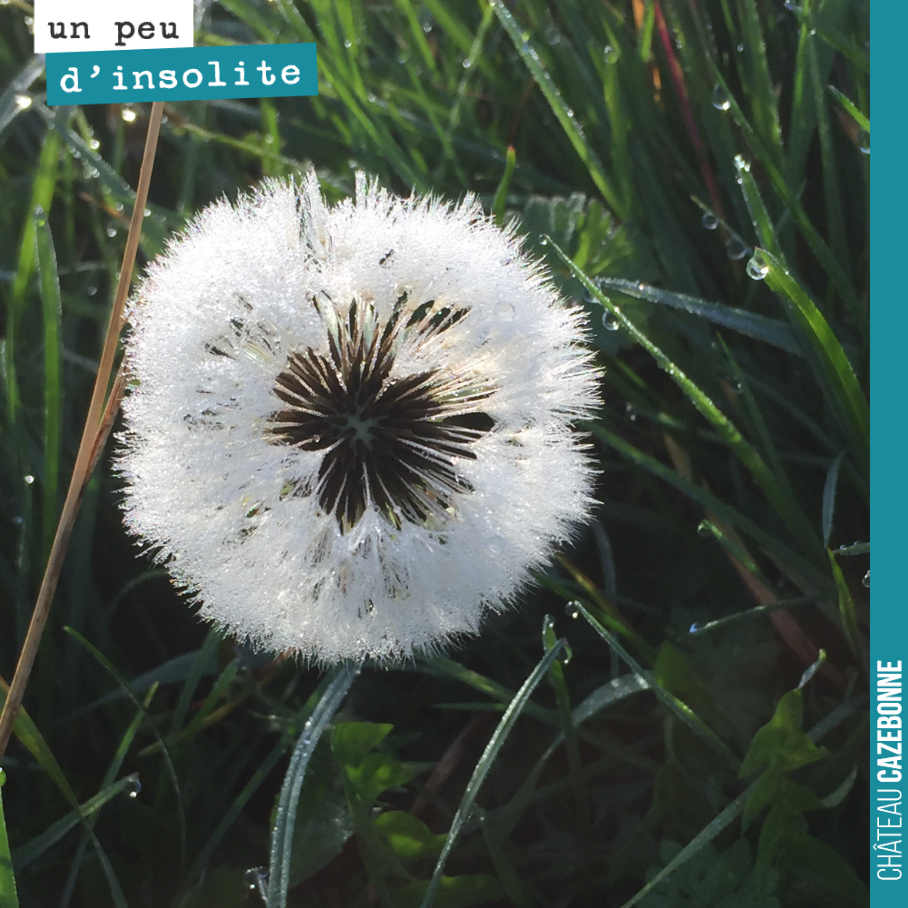
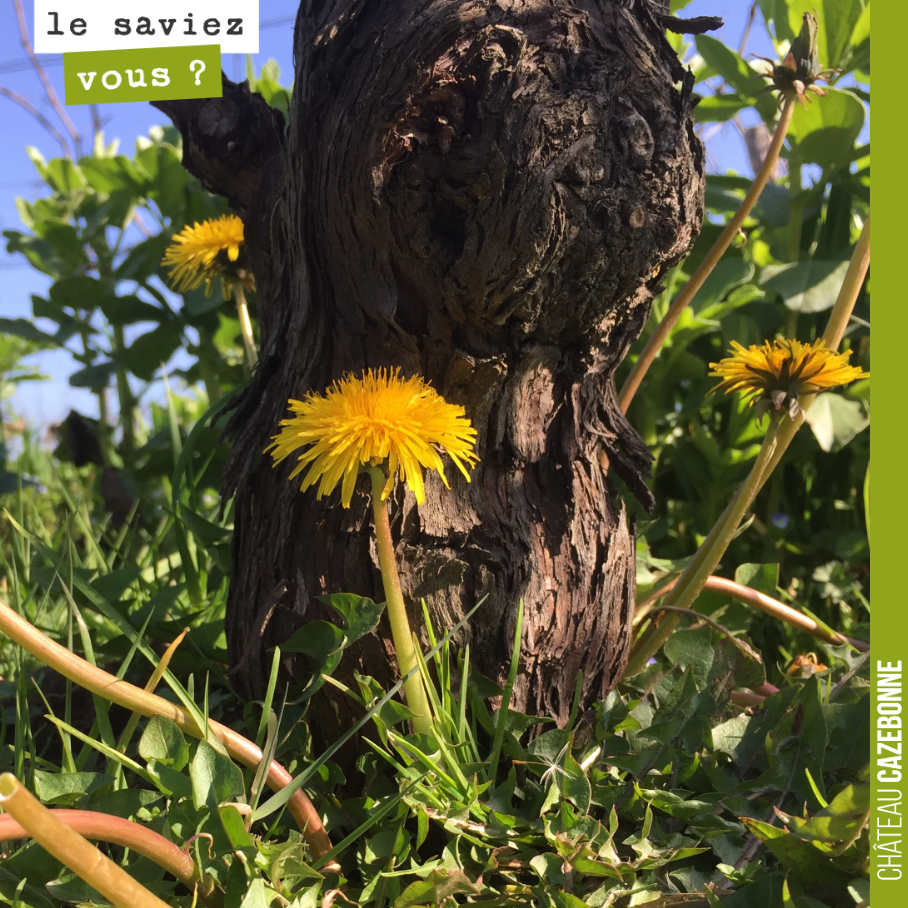
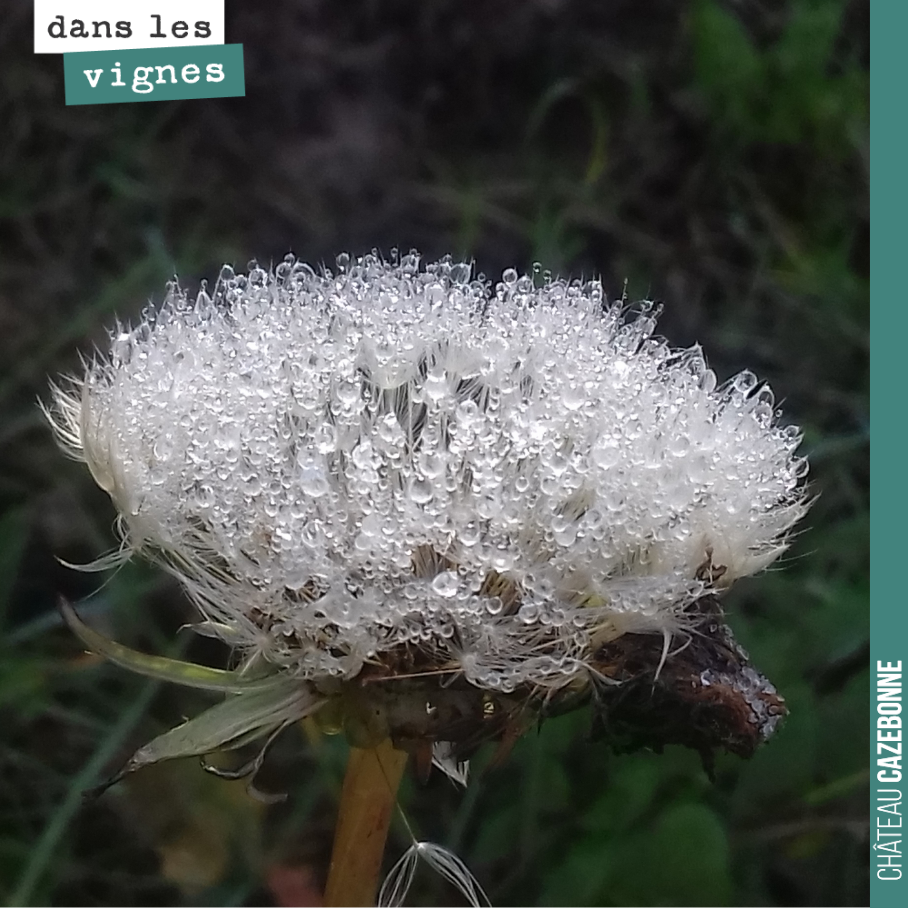
In our vineyards, the dandelion is distinguished by its modest height, generally reaching 10 to 30 centimetres, and its bright yellow floral capitula, composed of thousands of tiny ligules. Sat atop a hollow stem, they transform into a feathery sphere of seeds (the pappus) after flowering, which are easily dispersed by the wind. Its life cycle makes it particularly visible in spring, from the first milder days, and it can flower sporadically until autumn, colonising bare or sparsely covered soils.
The dandelion is fond of well-drained soils rich in organic matter, making it an excellent indicator of the living soils at Cazebonne. It is found in the inter-rows, at the edges of the plots, or in adjacent meadows, where the earth is not intensively tilled. Its presence in large numbers is often a sign of good fertility and an ecological balance where native flora can thrive.
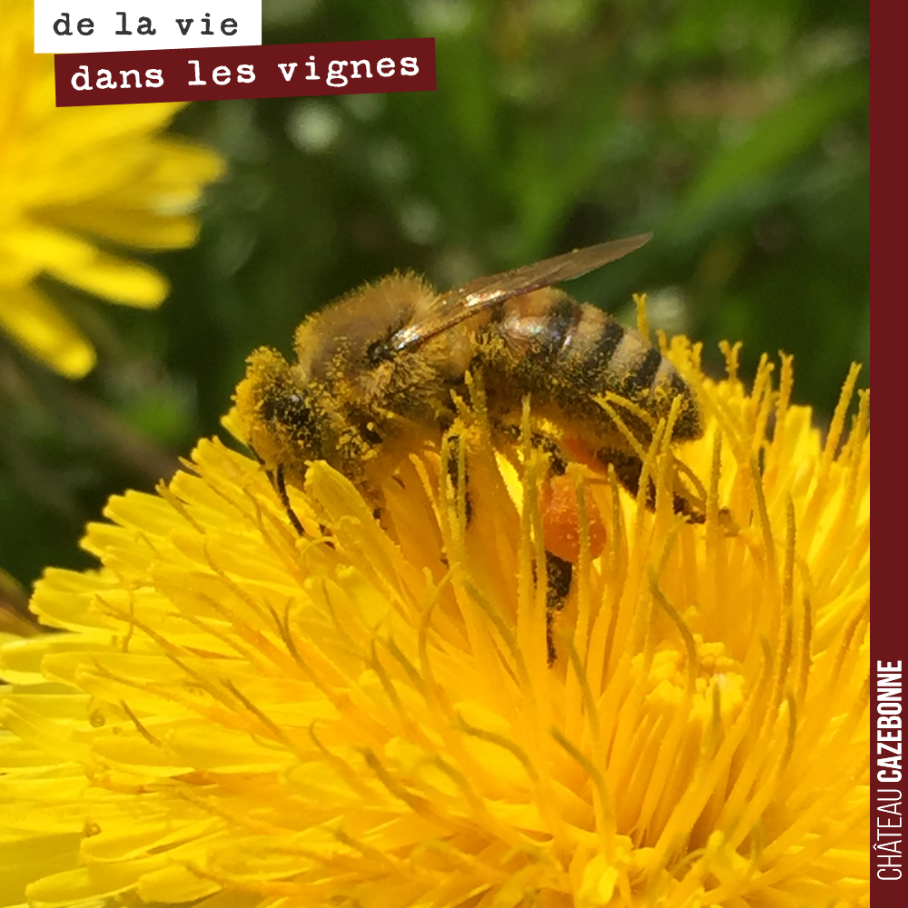
The presence of the dandelion is a strong signal: it indicates healthy soil, rich in organic matter and well-structured. Its deep taproots are true natural ploughs, aerating the soil and facilitating the penetration of water and nutrients. They also help to bring essential mineral elements for the vines to the surface. Furthermore, its early flowering provides an important source of nectar and pollen for the first pollinating insects of the season, thereby promoting biodiversity within our plots. It is also one of the earliest resources for bees and bumblebees beginning their activity.
The dandelion is particularly beneficial for the vine. Its roots loosen the soil deep down, improving its structure and allowing for better aeration and optimal water infiltration. It acts as a nutrient "pump", drawing essential minerals from the subsoil that thus become accessible to the shallow roots of the vine. Far from being a "weed" to be eradicated, it actively participates in the health of the terroir and the resilience of the viticultural ecosystem. Its role is therefore primarily beneficial for the harmonious development of the vine.
At Château Cazebonne, the attention we pay to every plant, including the humble dandelion, reflects our commitment to respectful and mindful viticulture. It is this same philosophy that guides our work to rehabilitate the forgotten and extinct grape varieties of Bordeaux, such as Castets, Mancin, or Saint-Macaire. In line with this approach, our category on yarrow also explores medicinal plants and their role in the viticultural ecosystem. These forgotten varieties, also discussed by Jean-Baptiste Duquesne in his book "Bordeaux, une histoire de cépages", are markers of the deep identity of our terroir and past viticultural wealth. The presence of dandelions in our inter-rows is a common observation in spring. We allow it to express itself fully, as we directly observe its positive impact on the vitality of our soils and the presence of diverse auxiliary fauna. We firmly believe that rich biodiversity is the key to a healthy vineyard and an authentic wine. Just like the daffodil, this plant symbolises the vitality of our ecosystems.
It is thanks to the support of many wine lovers that we can continue this work of preservation and rediscovery, inseparable from our quest for an authentic expression of the Cazebonne terroir. To dive deeper into the history of Bordeaux grape varieties, we invite you to download the digital version of the book "Bordeaux, une histoire de cépages". You can also test your knowledge with our oenological quizzes, or simply discover our wines, which are the fruit of this committed philosophy, by visiting our online shop.
Sources
Our suggestions
-5%on your 1st order with code BIENVENUE
The essential6 bottles — Graves red 2022
The best price of the cellar: €12 per bottle delivered.
The everyday red: generous and straight to the point.
I want it Our recommendation92/100 RVF
6 bottles — Graves red 2022, 92/100 RVF
Rated 92/100 by La Revue du vin de France: a solid 10-year ageing potential.
Our Graves for ageing, the finest gateway to the estate.
I want it Go further
12 bottles — the whole range
12 bottles, the whole range tasted: the best discovery-to-price ratio.
The complete tour of the estate, in a single case.
I want it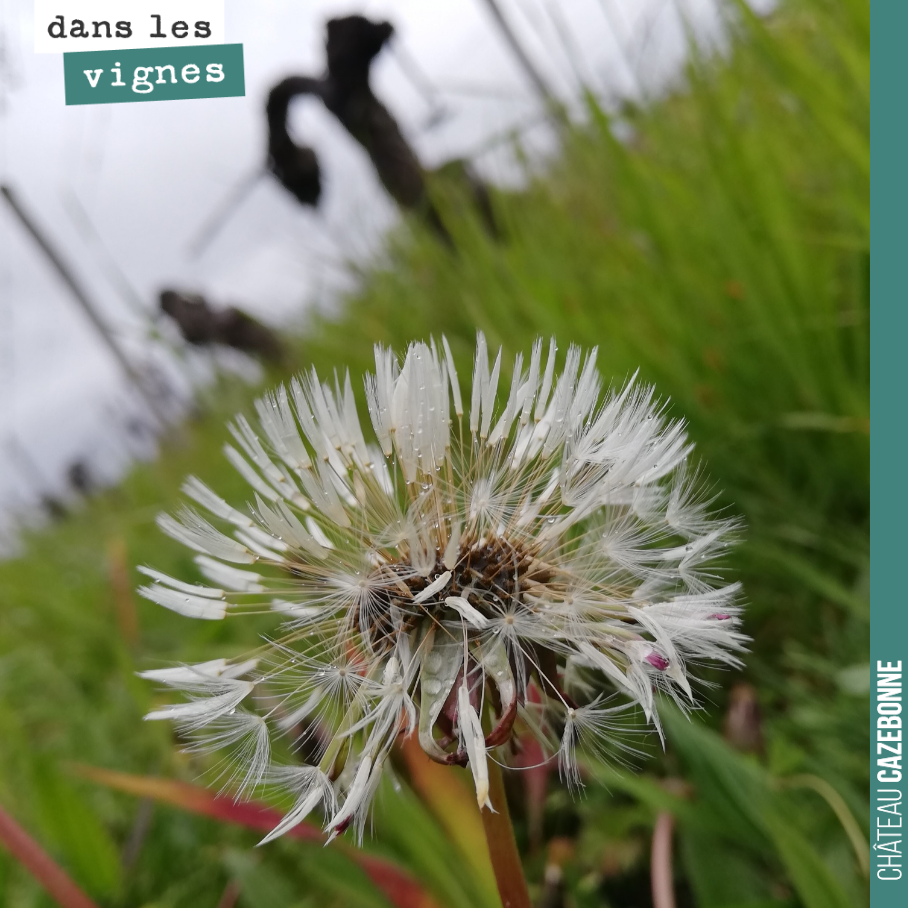
05 April 2020

13 March 2020
31 December 2019
02 November 2019
23 March 2019
18 March 2019
26 February 2019

12 February 2019
08 December 2018
The cellar, forgotten grape varieties and our cuvées, twice a month. 5% off your first order with the code BIENVENUE.