
 The essential
6 × Entre Amis red
6 bottles — Graves red 2022
The best price of the cellar: €12 per bottle delivered.
The everyday red: generous and straight to the point.
I want itAutumn
In the ceaseless ballet of the seasons that animate the vine, autumn holds a special place. While spring dazzles us with the vitality of its young shoots and summer with the opulence of its foliage, it is indeed autumn that orchestrates the richest and most melancholic symphony of colours. From the last mild days of summer to the shivering beginnings of winter, the vine leaves transform, passing from the deep green of sunny days to flamboyant shades of ochre, orange, golden yellow, and scarlet red.
This phenomenon, which winegrowers call "rougissement", is not just a visual enchantment. It is the visible sign of an essential biological transition for the vine. The chlorophyll, which gives the leaves their green colour and participates in photosynthesis, breaks down, revealing other carotenoid and anthocyanin pigments. This process marks the retreat of the sap towards the trunk and roots, where it will store the reserves necessary for its winter dormancy and spring renewal. Each grape variety reveals its own nuances, a characteristic that can be found in detailed works such as "Bordeaux, une histoire de cépages" by Jean-Baptiste Duquesne. Thus, a plot of Cabernet Franc will be adorned in intense red, while Merlot may lean towards coppery tones, creating a living canvas that invites contemplation and unhurriedness.
Autumn in the vineyards is not limited to the beauty of the colours; it is also synonymous with crucial activities for the winegrower. After the harvest, usually between late August and October depending on the grape varieties and terroirs, the vine enters a phase of preparation for winter. The leaf fall, caused by yellowing and reddening, indicates that the plant has completed its production cycle and is preparing for vegetative dormancy. It is at this moment that nutritional reserves are accumulated in the roots and trunk, ensuring the vine's survival during the cold months and guaranteeing a good start for the following spring.
A successful autumn is characterised by favourable weather conditions. Sunny days and cool nights, without early and intense frosts, allow the vine leaves to fade gradually, optimising the transfer of sugars to the framework. It is also the period when the soils rest and replenish their water reserves, often thanks to the first autumnal rains. These conditions contribute to the proper "aoûtement" of the wood, that is to say the lignification of the shoots, an essential process for the vine's resistance to cold and preparation for winter pruning.
At Château Cazebonne, we cultivate this deep connection with the immutable rhythm of the seasons in the vineyards. The careful observation of these metamorphoses is at the heart of our philosophy, a respect for the terroir and its history that fuels a strong commitment: replanting ancient and indigenous grape varieties in Bordeaux, ampelographic treasures that had disappeared from our landscapes. This meticulous work of enhancing the viticultural heritage is a fascinating quest, made possible by the invaluable support of all the wine lovers who have adopted our wines and share our vision. Soil preparation and the attention paid to biodynamics in autumn are key steps for us.
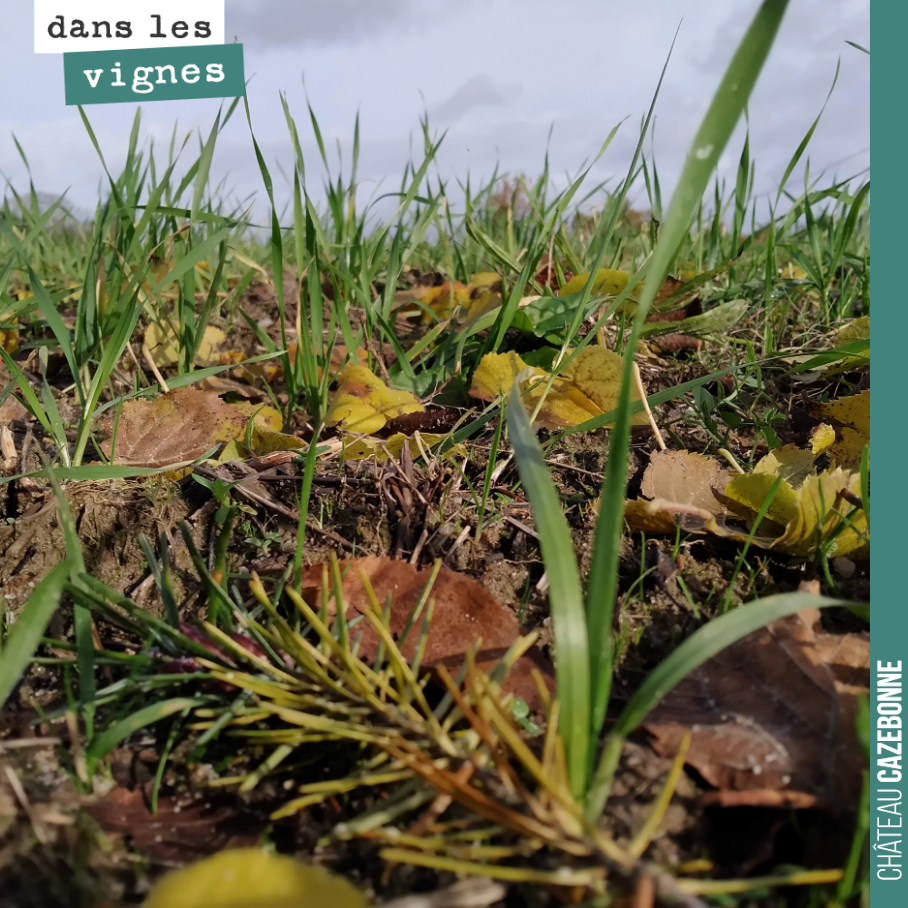
Contrary to popular belief, autumn is not a period of slumber for the winegrower, but rather a phase of active transition and anticipation. Though the fruit is harvested, the work shifts towards the maintenance of the plant and the soil. The crushing of vine shoots or the establishment of cover crops participate in improving the structure and fertility of the soil for the seasons to come. These sustainable practices aim to strengthen the vine's resilience and guarantee the authentic expression of the terroir vintage after vintage.
At Château Cazebonne, we are convinced that the richness of our Bordeaux terroir also lies in the diversity of its grapes of yesteryear. This is why we carry out meticulous work to replant and promote varieties that have fallen into oblivion, a commitment made possible thanks to the support of wine lovers who have chosen to adopt our wines. To deepen your knowledge of the fascinating history of Bordeaux grape varieties, do not hesitate to download the digital version of our book "Bordeaux, une histoire de cépages" or test your knowledge with our oenological quizzes. And to discover the fruit of this labour and appreciate wines that tell a forgotten story, discover our cuvées available for sale.
Sources
Our suggestions
-5%on your 1st order with code BIENVENUE
The essential6 bottles — Graves red 2022
The best price of the cellar: €12 per bottle delivered.
The everyday red: generous and straight to the point.
I want it Our recommendation92/100 RVF
6 bottles — Graves red 2022, 92/100 RVF
Rated 92/100 by La Revue du vin de France: a solid 10-year ageing potential.
Our Graves for ageing, the finest gateway to the estate.
I want it Go further
12 bottles — the whole range
12 bottles, the whole range tasted: the best discovery-to-price ratio.
The complete tour of the estate, in a single case.
I want it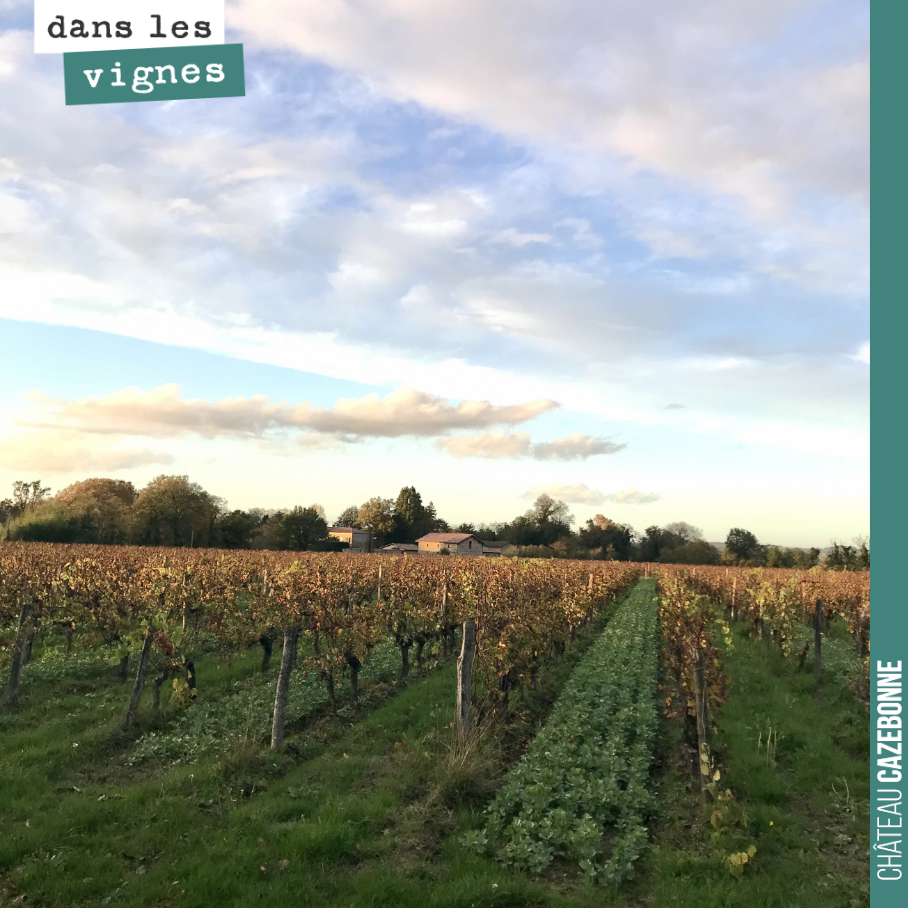
07 November 2020
09 December 2019
09 December 2018

06 December 2018
01 December 2018
29 November 2018
22 October 2018
21 October 2018
The cellar, forgotten grape varieties and our cuvées, twice a month. 5% off your first order with the code BIENVENUE.