
 The essential92/100 RVF
Comme en 1900 red 2022
Vin de France — heritage grapes, 92/100 RVF
The pre-phylloxera Bordeaux blend, revived at the estate.
Castets, Mancin, Pardotte: the Bordeaux before Bordeaux.
I want itMerlot
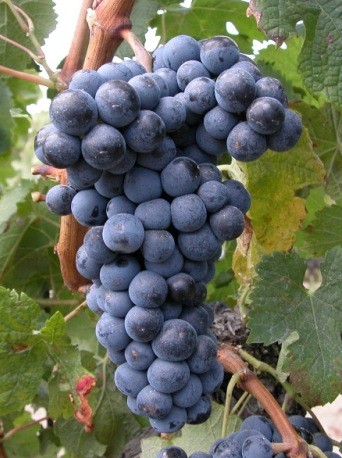
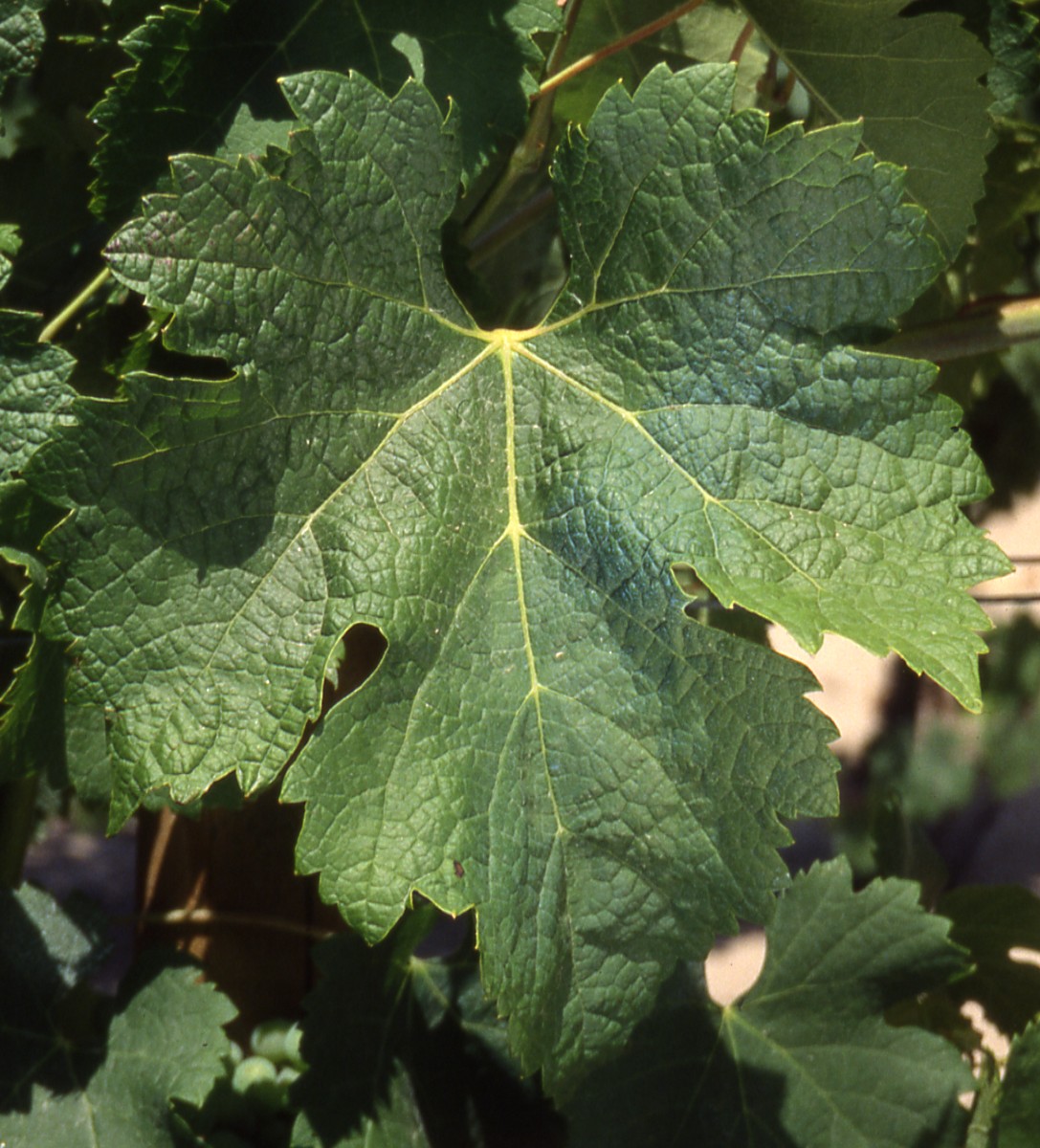
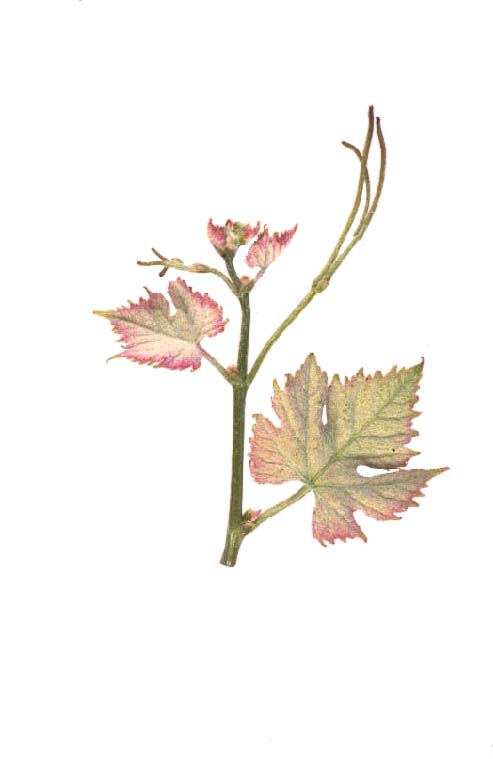
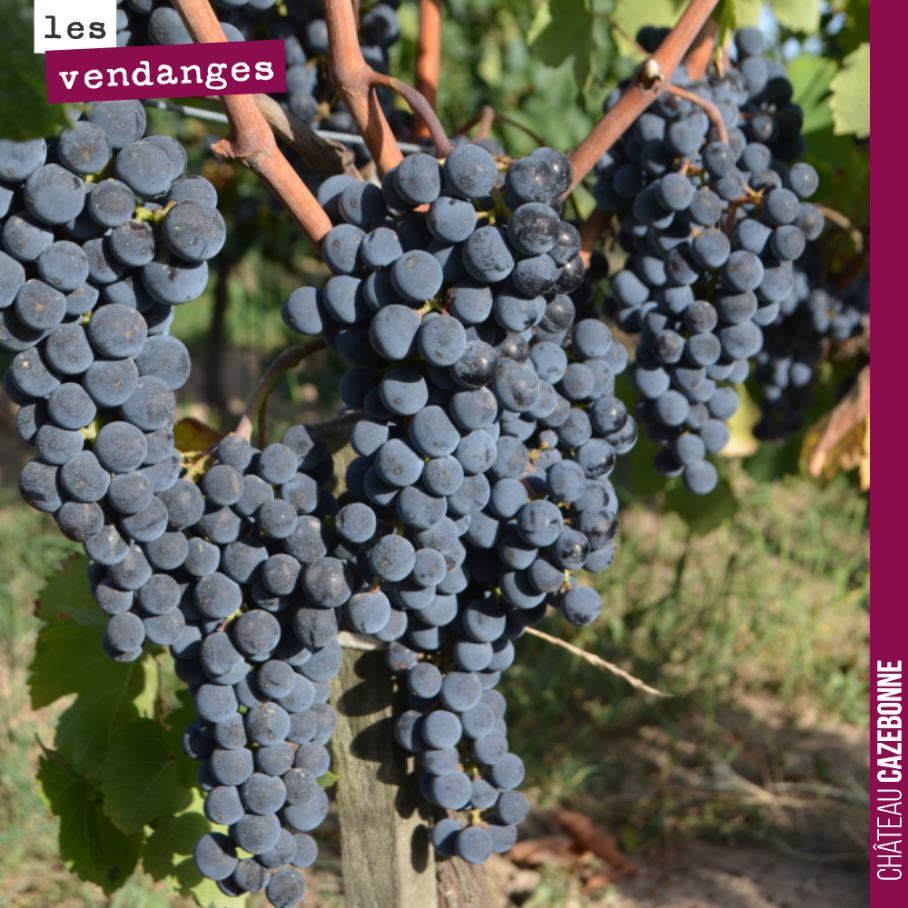
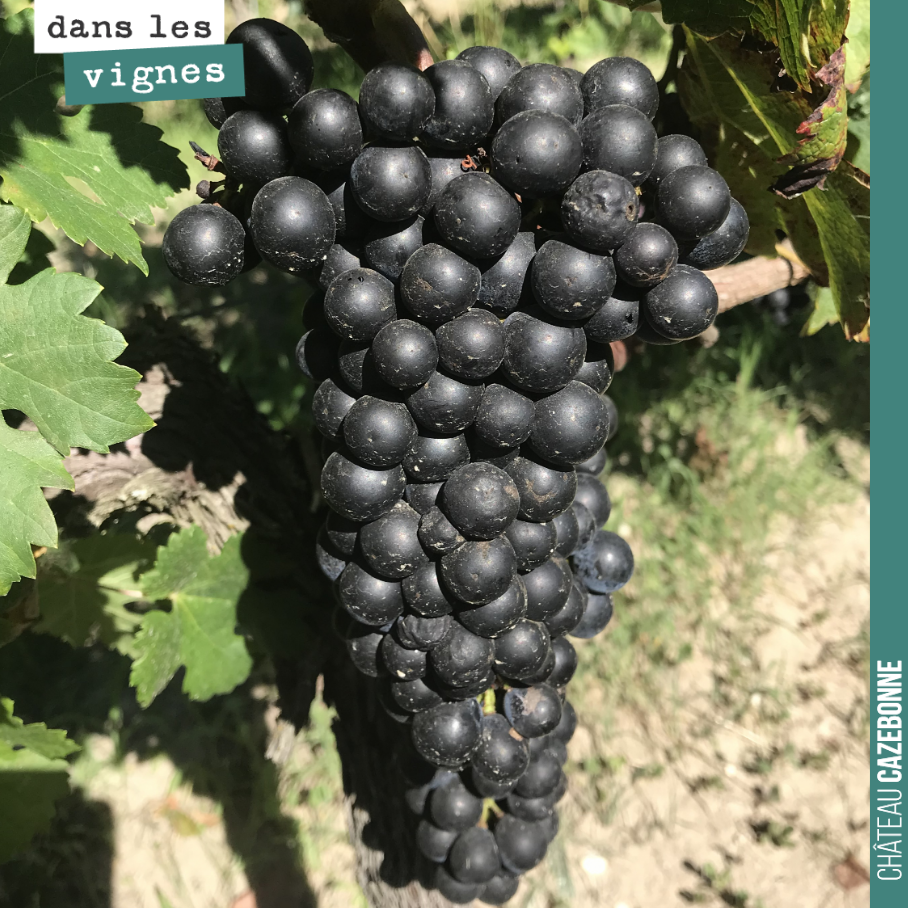
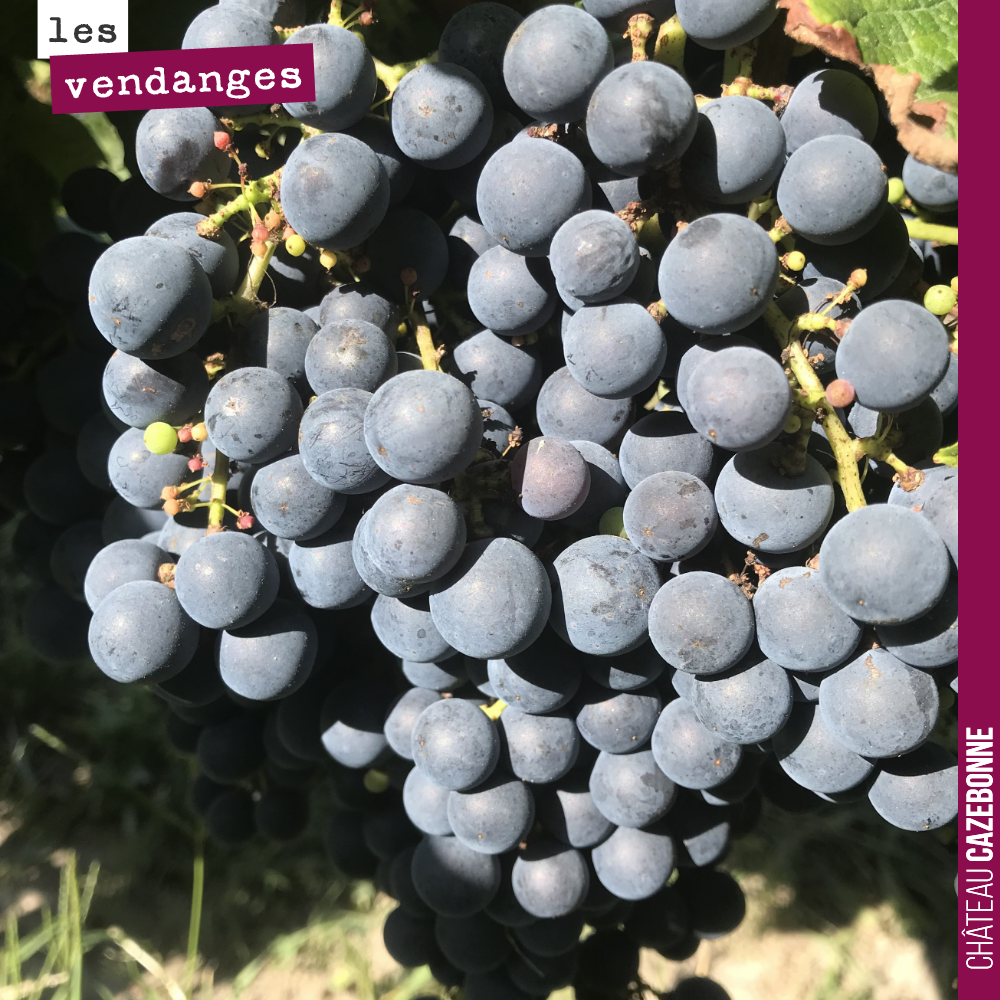
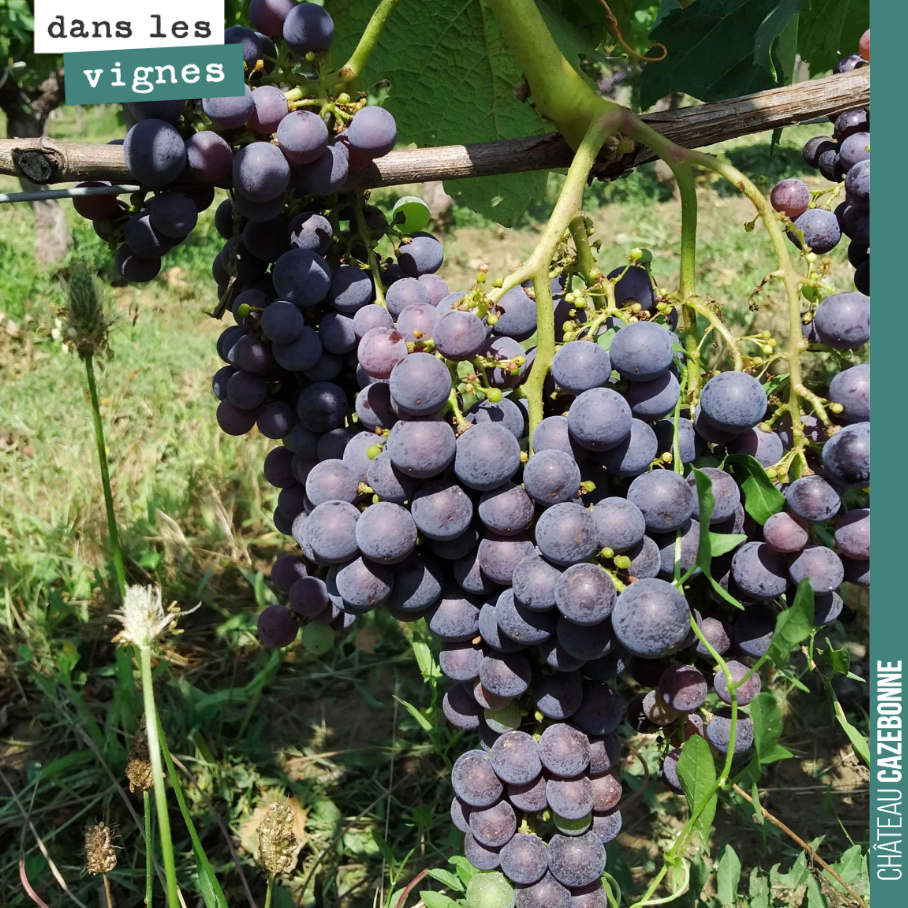
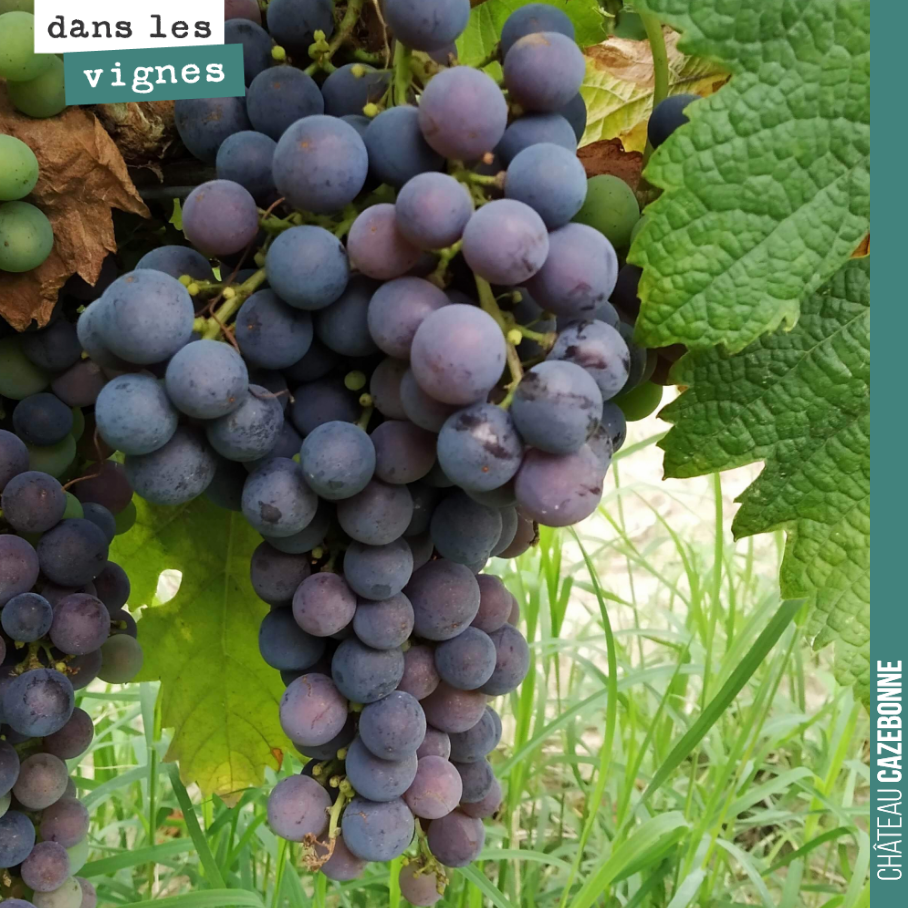
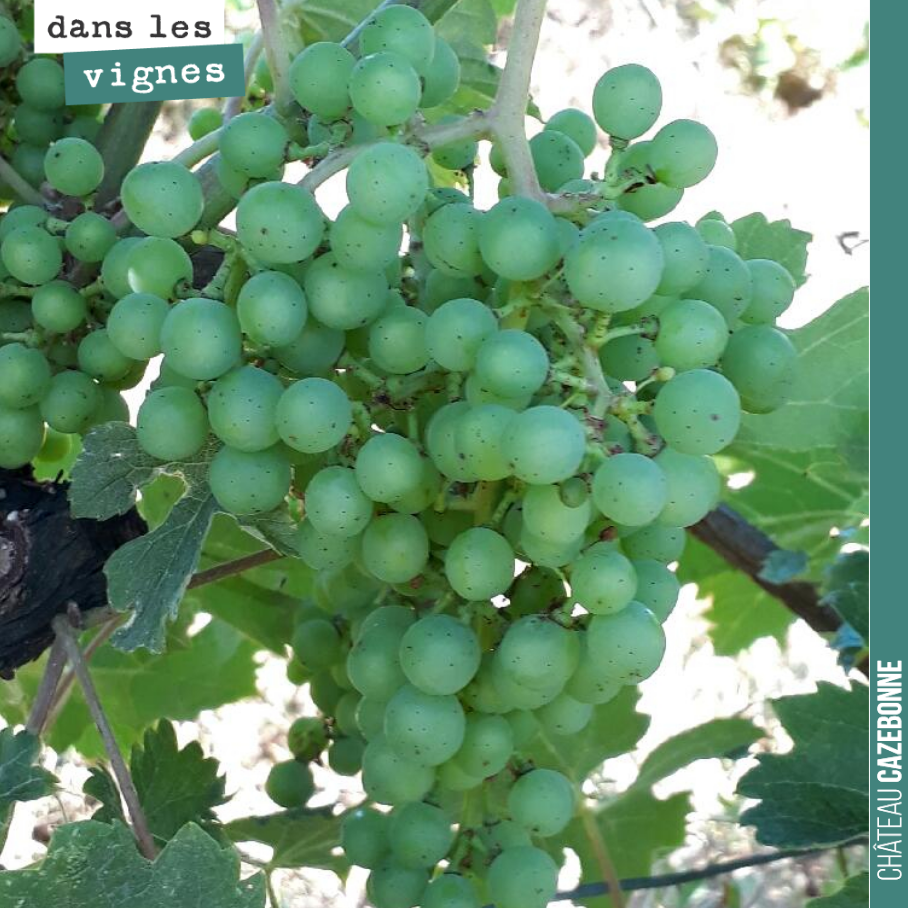
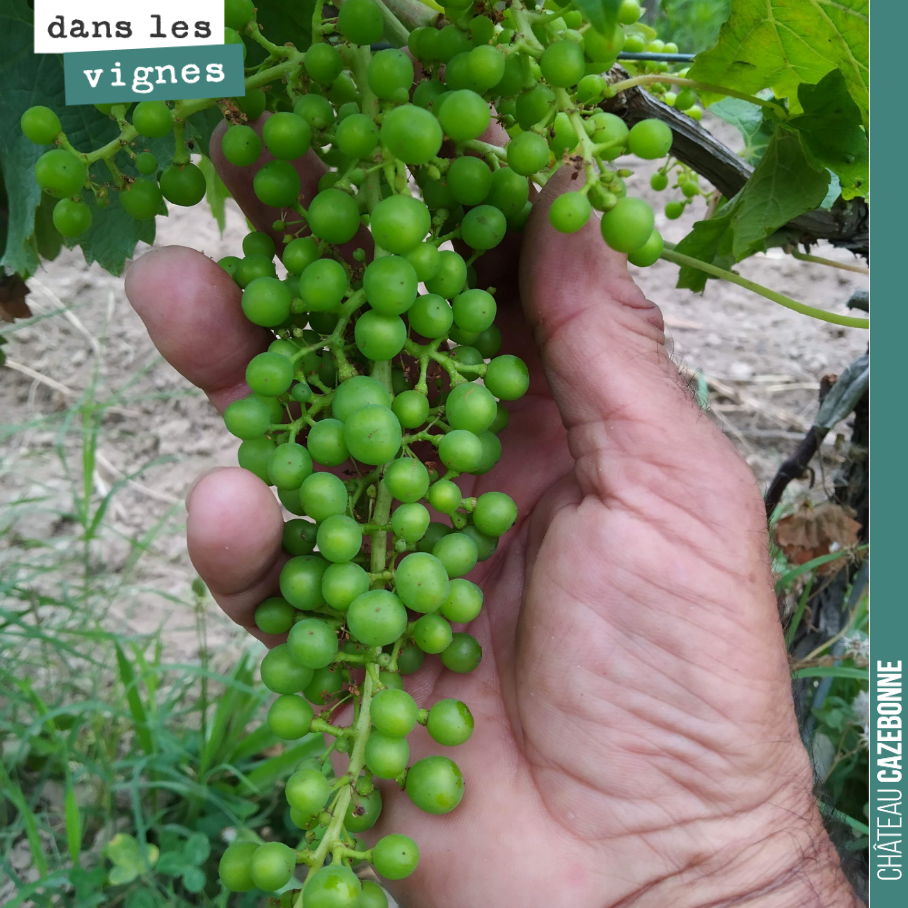
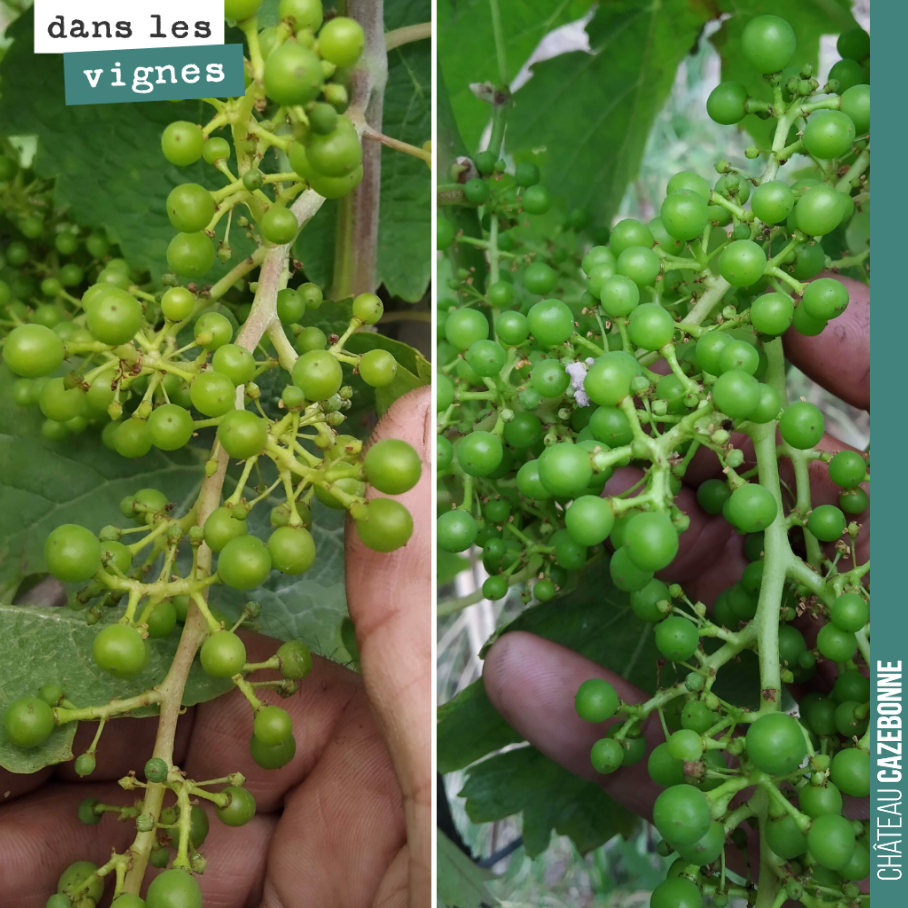
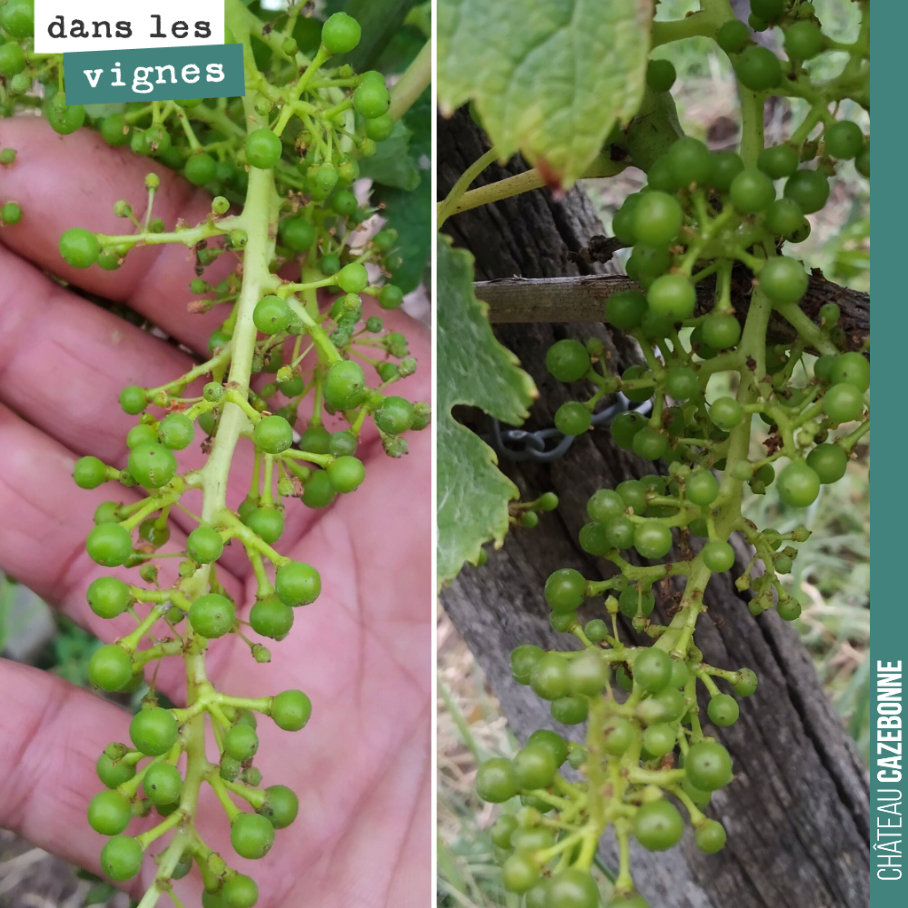
Merlot is an emblematic grape variety of the Bordeaux vineyards, particularly renowned for its generosity and roundness. It dominates the plantings of the Rive Droite, where it finds the ideal conditions to flourish in the clay terroirs of the Libournais. It stands out for its ability to thrive in sometimes damp and cool conditions, as highlighted in the book "Bordeaux, une histoire de cépages".
This grape variety, while rewarding, is nonetheless demanding. Although it favours clay-limestone or clay soils for optimal water retention, it is less comfortable on arid soils or during droughts. Its early bud break makes it susceptible to spring frosts, and it is vulnerable to coulure and diseases such as mildew.
| Characteristic | Description |
|---|---|
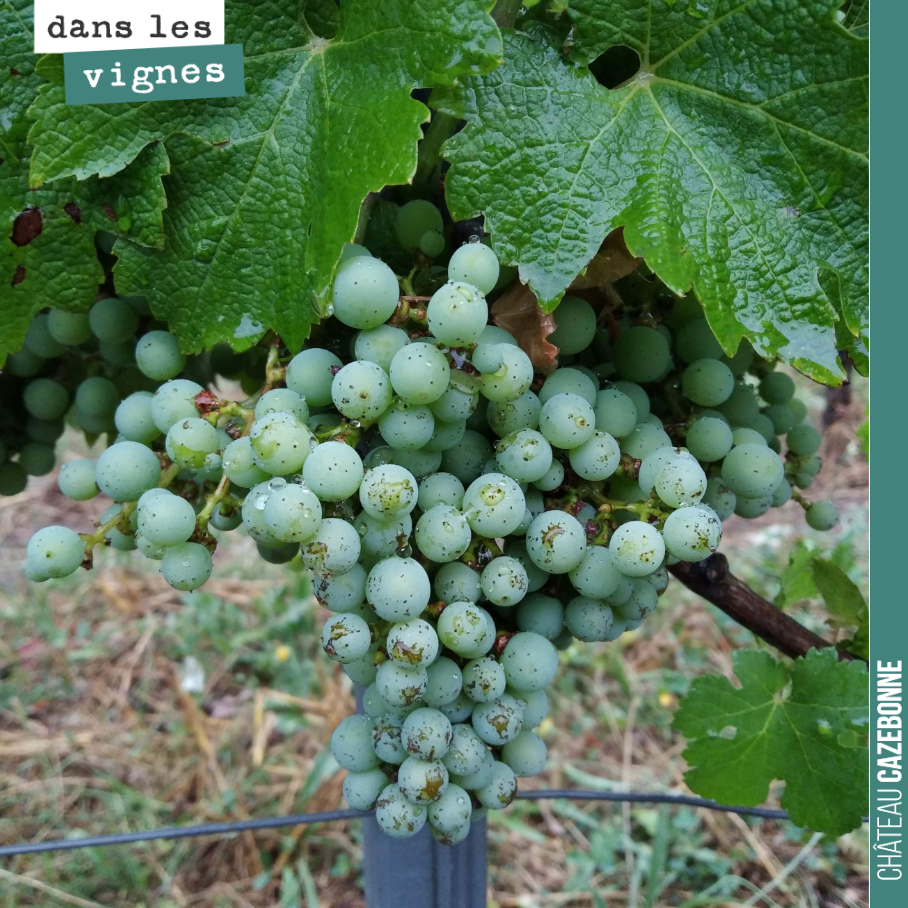
| Bud break | Early (2 days after Chasselas) |
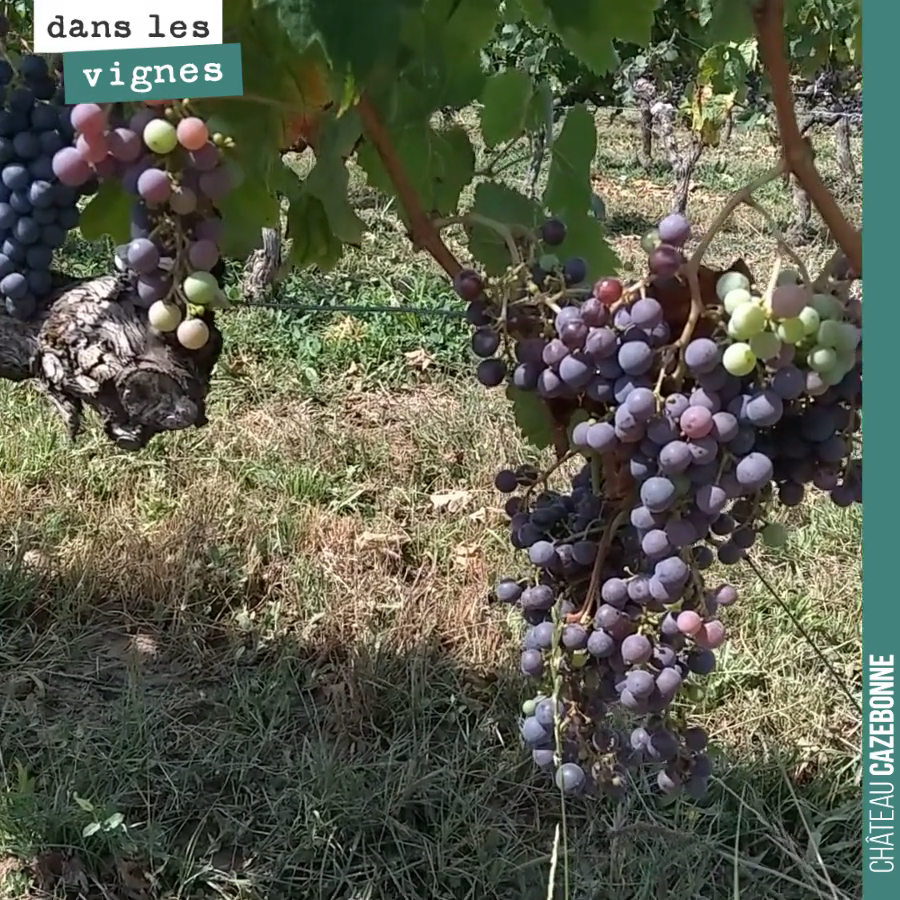
| Ripening | Late (2nd period, 2 and a half weeks after Chasselas) |
| Vigour | High |
| Growth habit | Semi-erect |
| Mildew susceptibility | Susceptible, particularly on inflorescences and bunches |
| Powdery mildew susceptibility | Moderately susceptible |
| Botrytis susceptibility | Moderately susceptible |
| Black rot susceptibility | Moderately susceptible |
| Leafhopper susceptibility | Susceptible |
| Aromatic profile | Ripe red fruits (cherry, plum), notes of undergrowth, vanilla, cocoa (after ageing) |
| Winemaking potential | Round, structured wines, supple tannins, good colour, suited to oak ageing. Good ageing potential. |
Contrary to what one might think, Merlot has not always been the dominant grape variety in Bordeaux. Before the phylloxera crisis, it was considered a secondary grape variety, like many others. However, the appearance of phylloxera and the widespread use of grafting profoundly changed the plantings, allowing Merlot to gain in importance. It was officially selected as one of the principal grape varieties when the AOCs were created in 1935, while other interesting grape varieties, such as Mérille, were relegated to the rank of secondary varieties (source 2). Merlot is known to form an excellent blend with Malbec, Cabernet-Sauvignon and Cabernet franc. To find out more about the different expressions of this grape variety, notably the Merlot blanc grape, you can read our article on Magdeleine noire des Charentes: the forgotten mother of Merlot and Malbec.
Wines made from Merlot are distinguished by their enveloping roundness, their aromatic richness and their intense colour. They offer supple tannins and a beautiful structure, making them well-suited to oak ageing, which gives them additional complexity. This fleshy and silky texture, combined with its versatility in blends or as a single varietal, explains its international success. Its suppleness makes it an enjoyable wine from its youth, but it also possesses good ageing potential.
At Château Cazebonne, our commitment to the richness and diversity of Bordeaux grape varieties drives us to go beyond traditions. In addition to showcasing emblematic grape varieties such as Merlot, we are dedicated to the revival of almost-forgotten Bordeaux varieties that once made our terroirs famous. This pioneering work of replanting, researching and vinifying these lost grape varieties is made possible by the invaluable support of wine lovers who share our vision of a viticulture that respects its history, is rooted in tradition, and is resolutely looking towards the future. To explore these aspects further, you can receive the digital version of the book "Bordeaux, une histoire de cépages" or test your knowledge with our oenological quizzes. You can also discover the unique expression of our terroirs and our grape varieties, whether traditional or rediscovered, through our cuvées in the Cazebonne shop.
Sources
Our suggestions
-5%on your 1st order with code BIENVENUE
The essential92/100 RVFVin de France — heritage grapes, 92/100 RVF
The pre-phylloxera Bordeaux blend, revived at the estate.
Castets, Mancin, Pardotte: the Bordeaux before Bordeaux.
I want it Our recommendation
IGP Atlantique — rare grape variety
A forgotten grape brought back: dense colour, wild fruit.
For the curious about lost grape varieties.
I want it Go further
12 bottles — the whole range
12 bottles, the whole range tasted: the best discovery-to-price ratio.
The complete tour of the estate, in a single case.
I want it
06 September 2026
By Jean-Baptiste
13 April 2024
10 January 2023
19 September 2022
13 September 2022

18 June 2022
02 May 2021
02 April 2021
28 March 2021
26 January 2021
02 October 2020
15 September 2020
11 September 2020
08 September 2020
05 September 2020

14 August 2020
23 June 2020
23 April 2020
18 October 2019
11 October 2019
04 October 2019
25 September 2019
21 September 2019
18 September 2019
11 September 2019
22 August 2019
20 August 2019
18 August 2019
16 August 2019
14 August 2019
30 July 2019
14 July 2019
04 July 2019
29 June 2019
22 June 2019
18 May 2019
24 April 2019
19 April 2019
17 August 2018
21 June 2018
14 June 2018
07 June 2018
02 June 2018
The cellar, forgotten grape varieties and our cuvées, twice a month. 5% off your first order with the code BIENVENUE.