
 The essential
6 × Entre Amis red
6 bottles — Graves red 2022
The best price of the cellar: €12 per bottle delivered.
The everyday red: generous and straight to the point.
I want itWinter
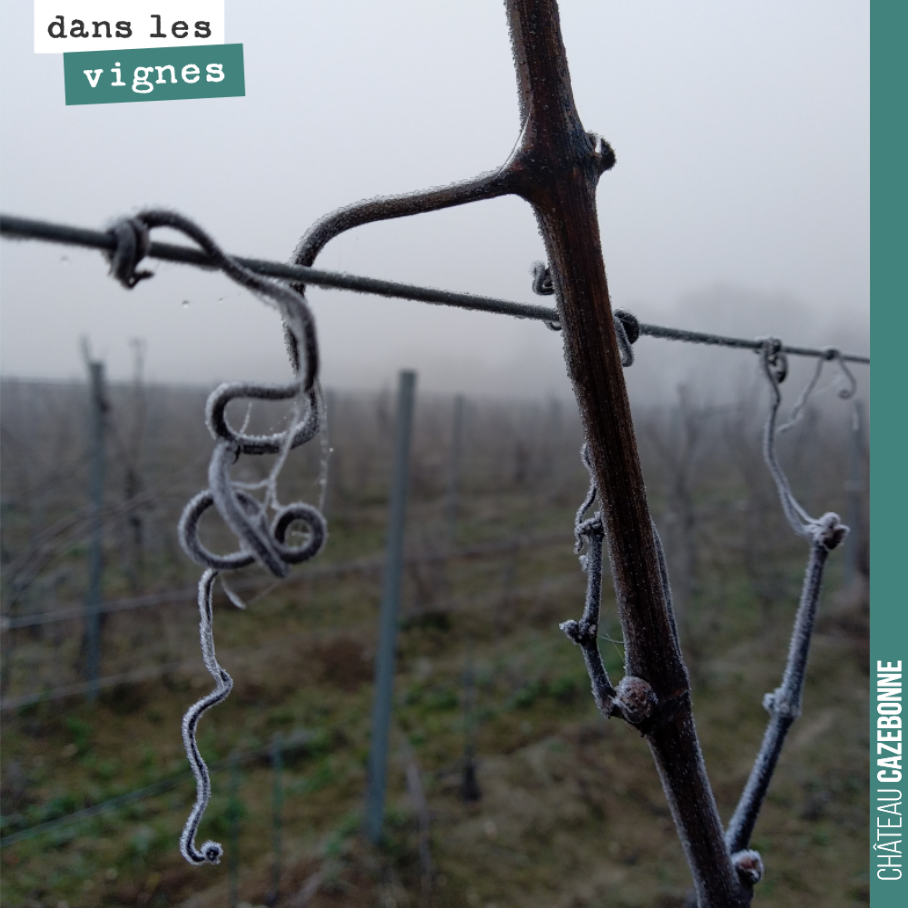
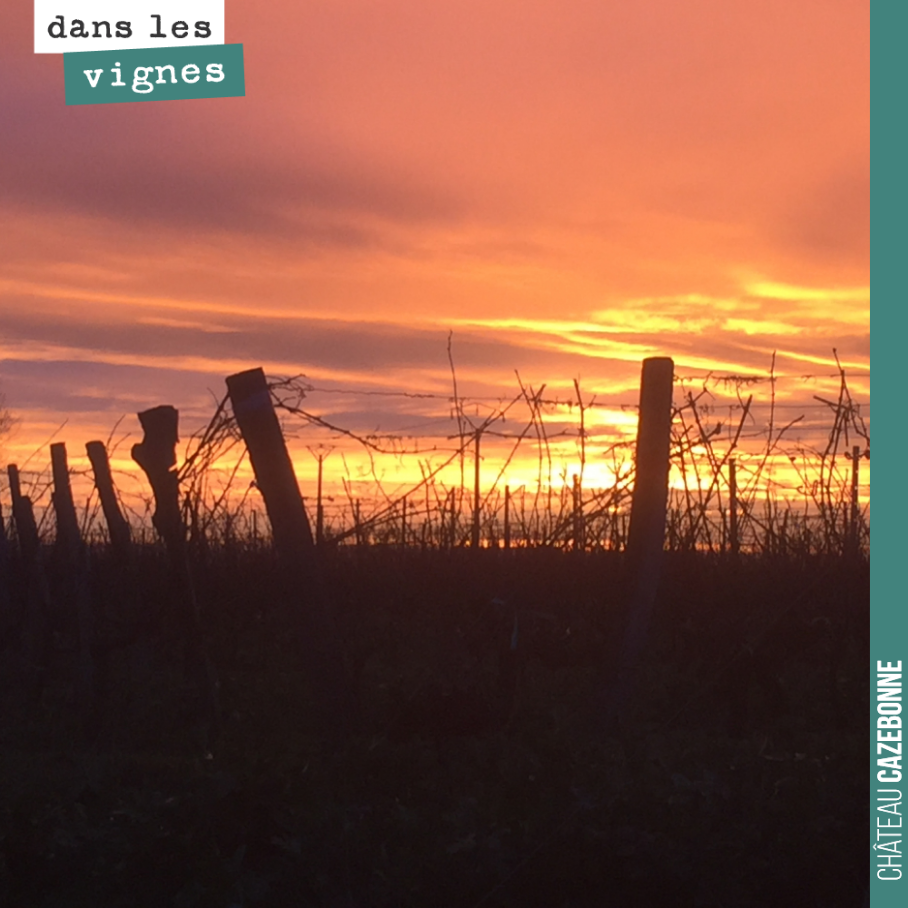
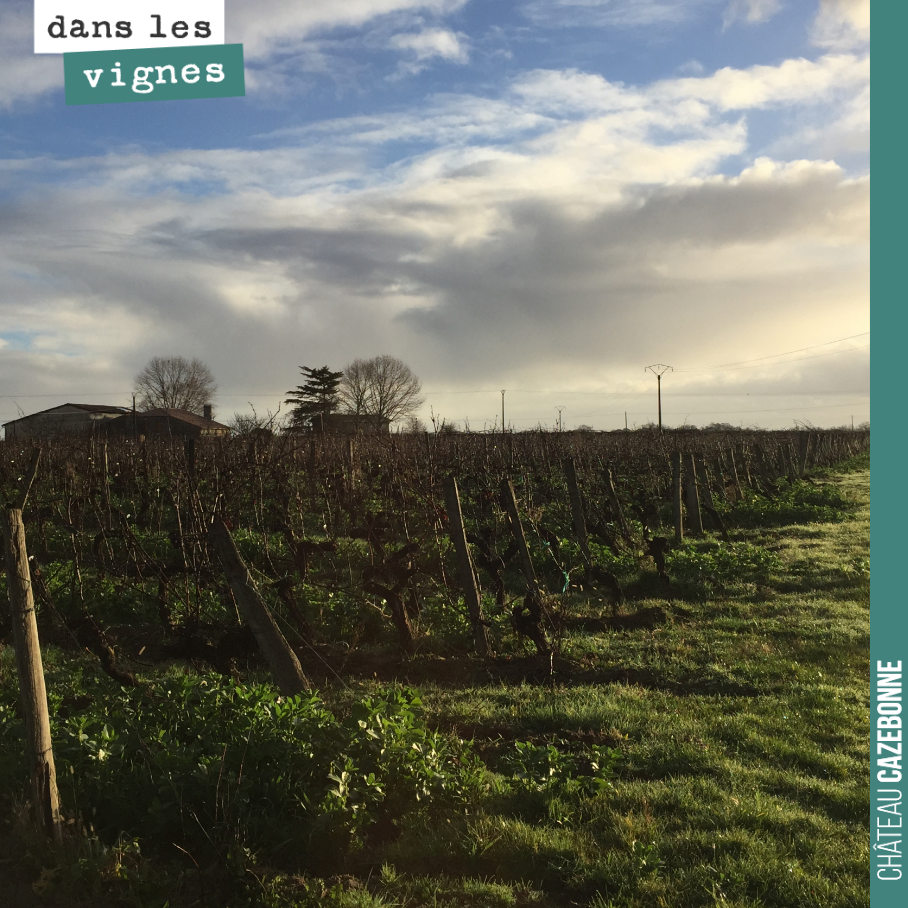
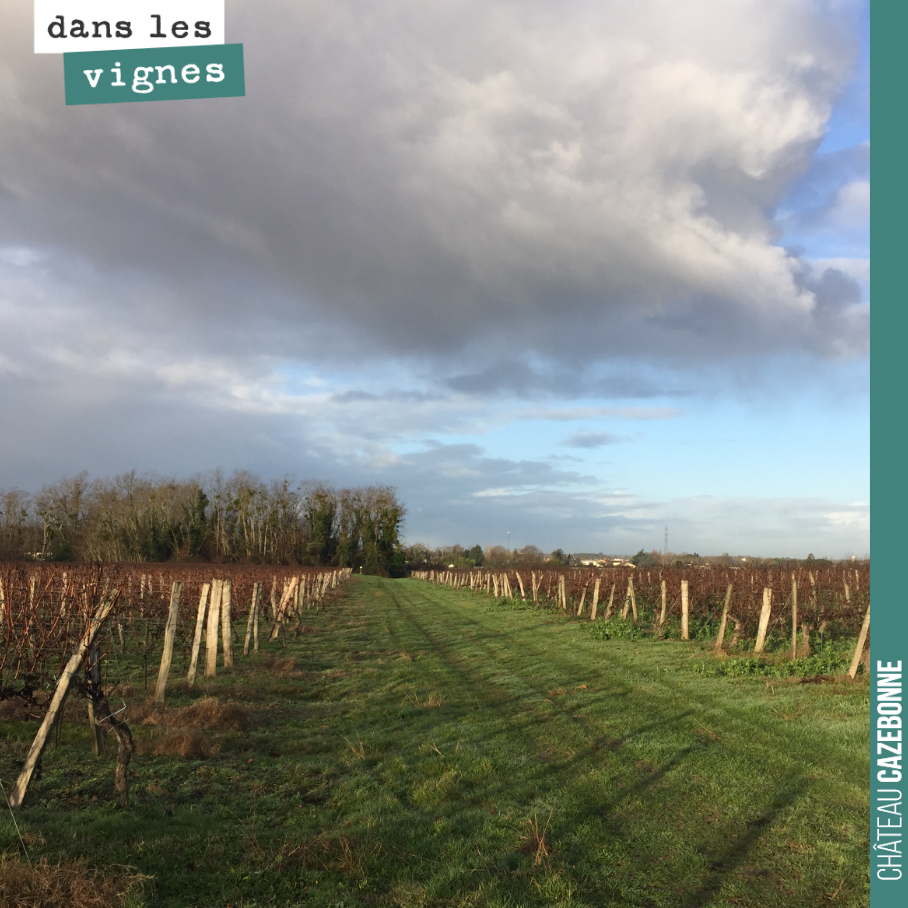
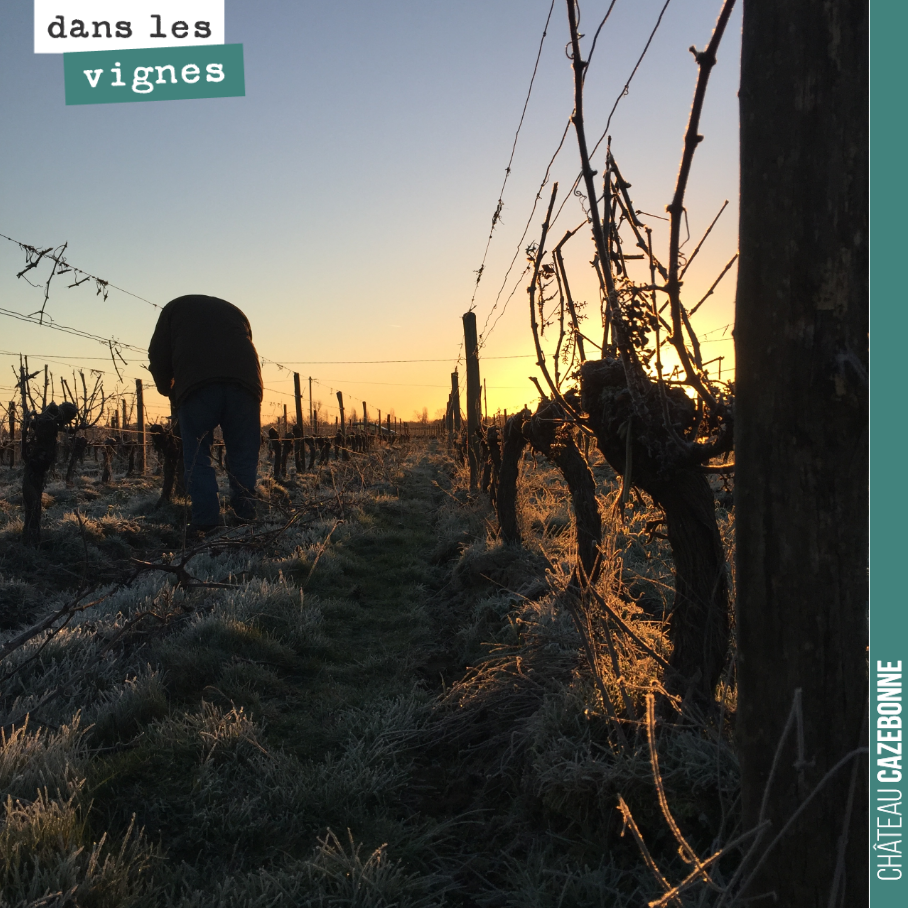
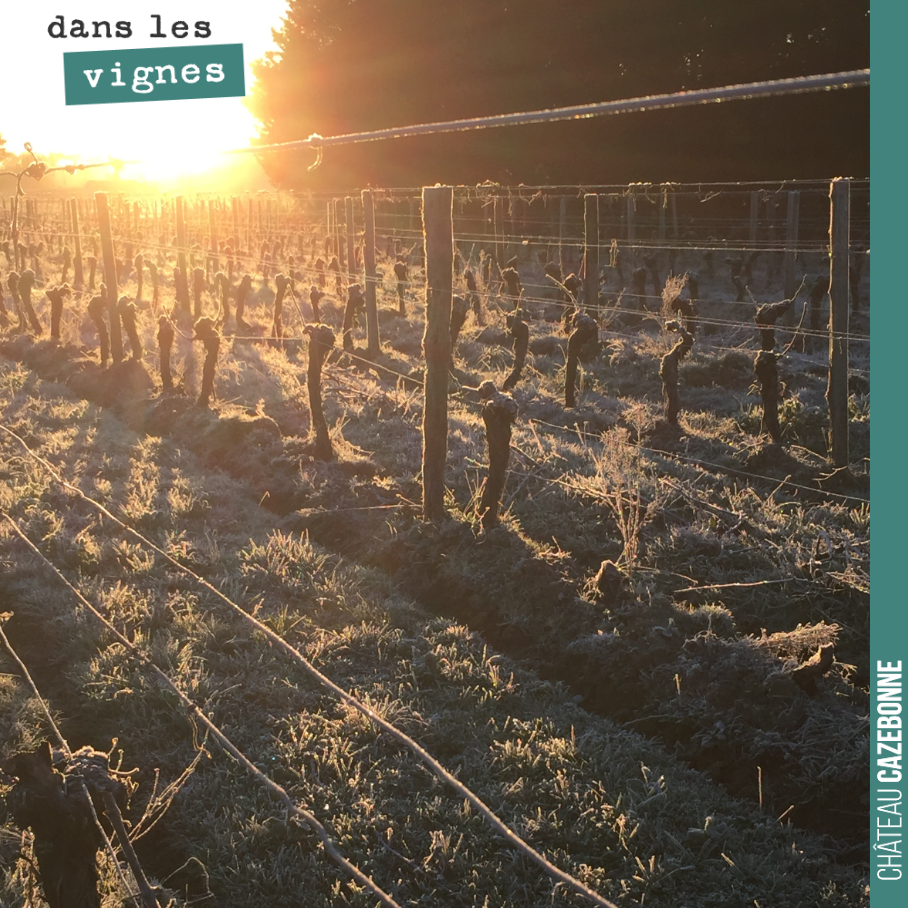
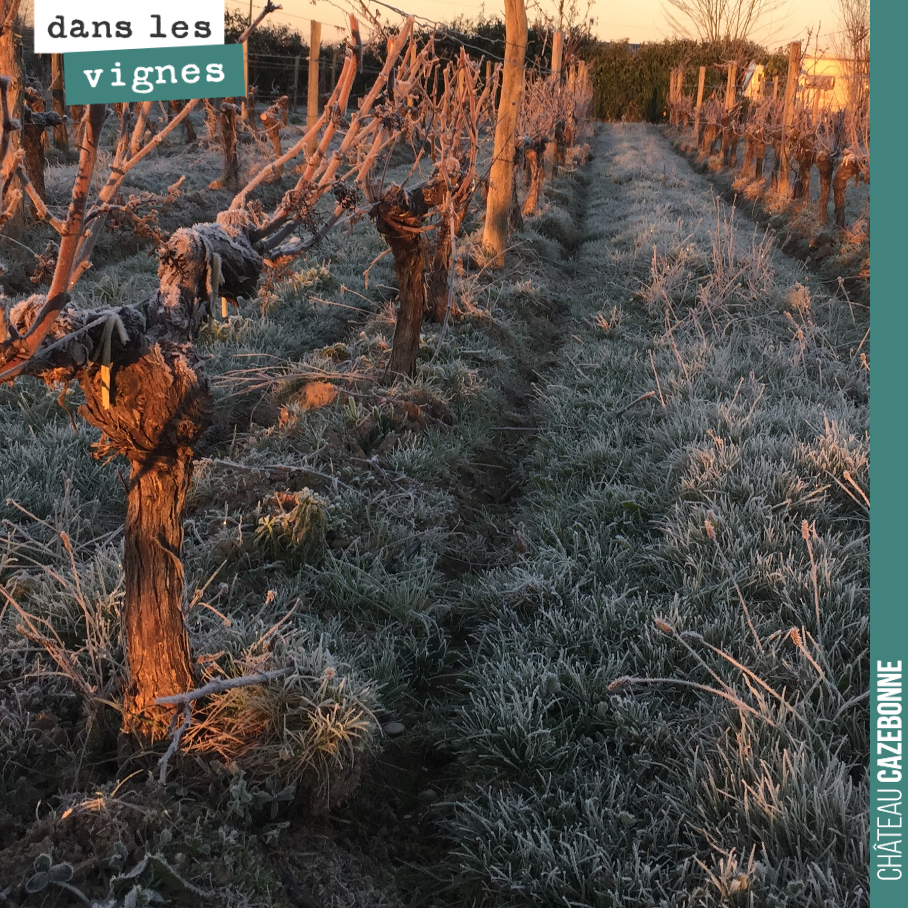
Winter, far from being a mere season of inactivity, is a crucial period for the vine and the winegrower. As the landscape is adorned in grey hues and temperatures drop, the vine enters a dormancy phase. Stripped of its foliage, it seems to withdraw from the world, but this apparent tranquillity hides an energy concentrated in its roots, silently preparing for the spring awakening.
It is during these cold months that one of the winegrower's most essential and technical tasks is carried out: pruning. Much more than a simple cutting of vine shoots, pruning is an ancestral art that shapes the future of the vintage. Every snip of the secateurs is a strategic decision, influencing the quantity of grapes the vine will produce and, above all, their quality. A good pruner knows how to balance vigour and fertility, ensuring an optimal distribution of sap to guarantee healthy, concentrated bunches. It is a job that demands experience, observation, and a profound knowledge of each vine stock, its history, and its potential—a wisdom passed down from generation to generation, just like the one that allowed the emblematic grape varieties of Bordeaux to be selected and preserved over the centuries.
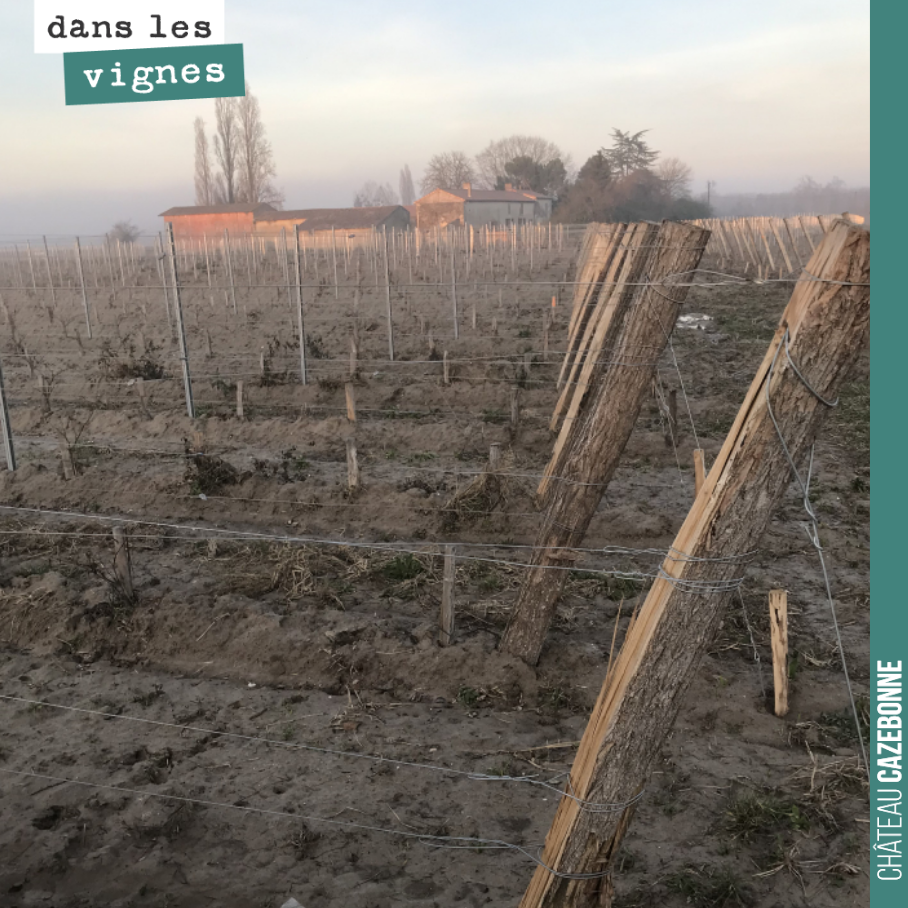
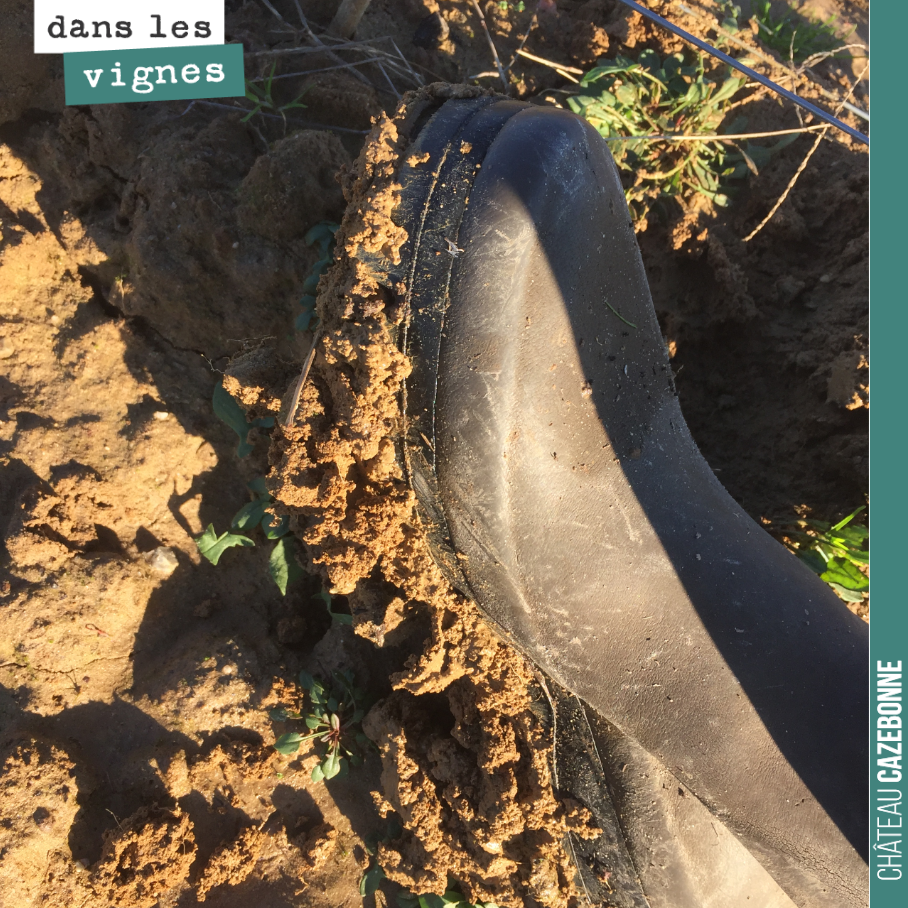
Besides pruning, winter is also the time for soil preparation. The resting of the earth is just as important as that of the vine. It is the opportunity to carry out deep ploughing, add organic amendments to enrich the soil, and look after its structure. This meticulous work is a promise for future harvests and for the vitality of the terroir. At Château Cazebonne, we take advantage of this season to plant our young vines, carefully anticipating their future development. It is a long-term investment, a renewed trust in the earth's ability to give birth to exceptional wines.
At Château Cazebonne, our approach to winter is fully in line with our philosophy of renaissance. We rely on the knowledge and heritage of a sometimes forgotten winegrowing past, as evidenced by the research into the grape varieties of yesteryear recounted in the book "Bordeaux, une histoire de cépages" by Jean-Baptiste Duquesne, published by Éditions BBD. It is thanks to this deep understanding of the cycles and the desire to showcase the Bordeaux winemaking wealth that we are replanting historic grape varieties, once considered lost, thereby contributing to the biodiversity of our terroir. This fascinating and demanding work is made possible by the trust and support of the many enthusiasts who have adopted our wines, actively participating in the safeguarding and rediscovery of these ampelographic treasures.
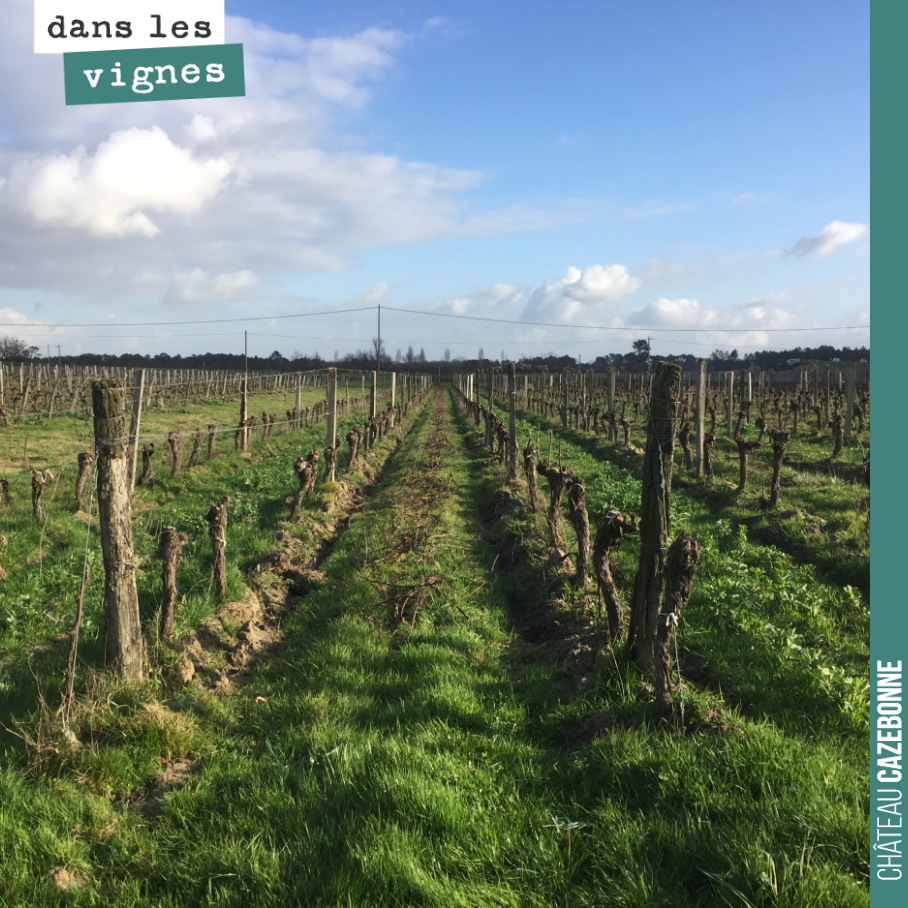
Winter marks the vine's entry into its vegetative dormancy period. After the harvest and the falling of leaves in autumn, the vine's sap travels back down into the roots, where it stores the reserves necessary for its spring awakening. This resting phase is crucial for the longevity and vitality of the vine stock, allowing it to replenish its strength and prepare for the next vegetative cycle.
Scientifically, winter dormancy is an adaptation to unfavourable climatic conditions, notably the cold. The vine reduces its metabolism and enters a state of lethargy. This process is regulated by plant hormones and is essential for its survival. Without this resting period, the vine would exhaust itself and its ability to produce quality grapes would be compromised. It is also during winter that the nutritional reserves accumulated in the roots are optimised for the future growth of the buds.
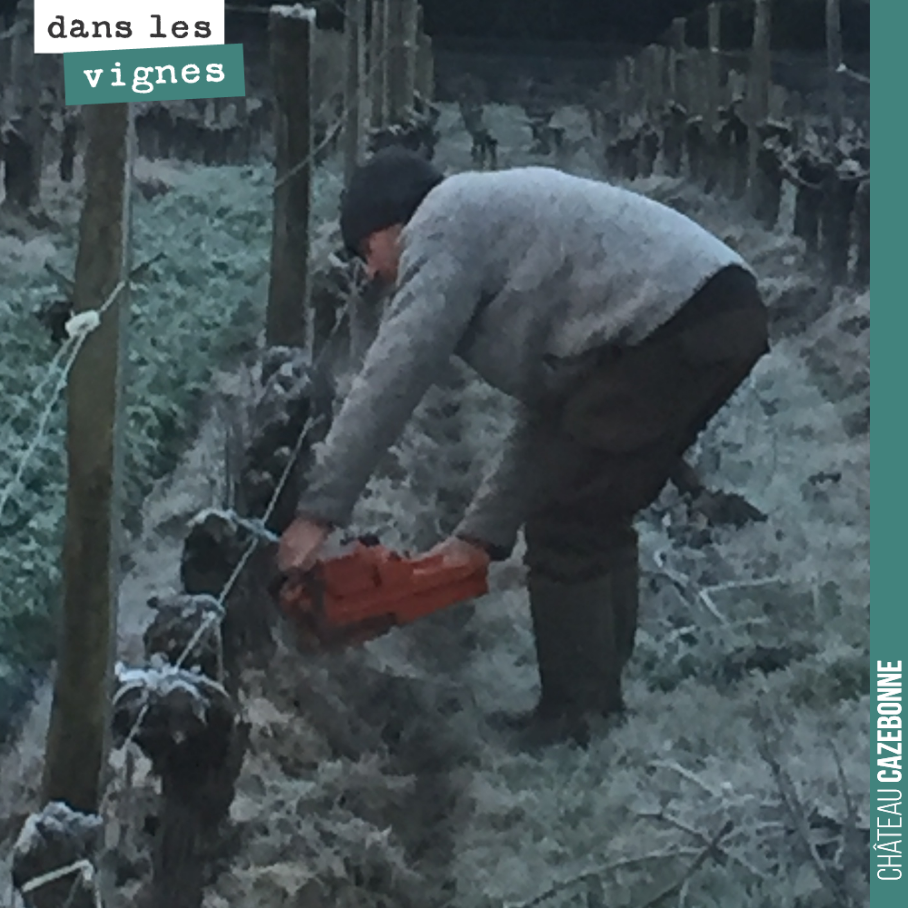
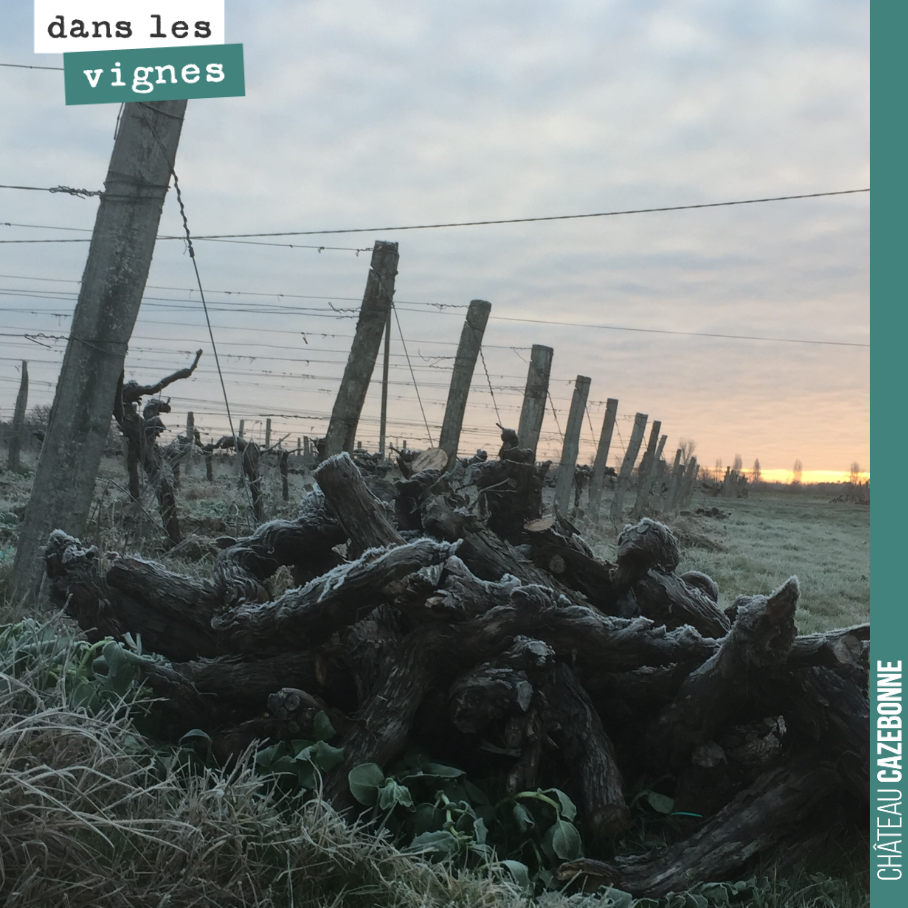
Although the vine appears asleep, winter is a season of intense activity for the winegrower. The most important tasks are pruning the vine, pulling out the canes, and shredding the vine shoots. These operations are fundamental to balance the vine, control its yield, and guarantee the quality of the future vintage. It is also during this period that un-earthing or earthing up the vines takes place, maintaining the soils.
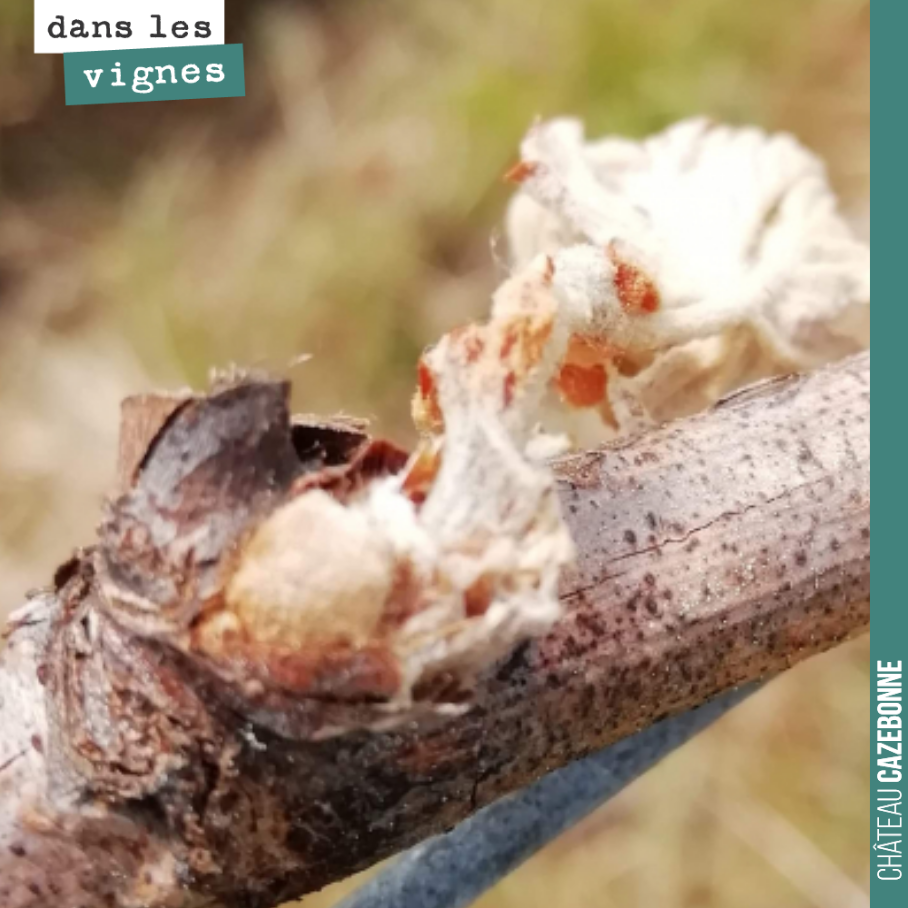
One of the most poetic and observable signs of the end of winter is the "weeping" of the vine, generally in late winter, just before bud burst. After pruning, and as temperatures rise, the sap, bursting with sugars and nutrients, rises from the roots and flows out through the pruning cuts. This natural phenomenon signals the reactivation of the root system and the imminent awakening of the vine.
At Château Cazebonne, winter is a key period for planting vines. We take advantage of this season to put our young plants into the ground, especially those of lost Bordeaux grape varieties, thereby contributing to the richness and biodiversity of our vineyard. It is the opportunity to carry out meticulous soil work, adding organic amendments that nourish the humus and microbial life of the soil. These practices, inspired by the biodynamic approach, are essential for our terroir and the quality of our wines.
The idea that winter is a season of inactivity for the vine is a common misconception. Admittedly, vegetative growth is halted, but it is a phase of intense and silent preparation. The winegrower is, for their part, particularly active, carrying out fundamental work that will directly influence the quality and quantity of the future harvest. Far from being downtime, winter is an essential regeneration period, where the promises of the coming vintage take shape.
Château Cazebonne is committed to exploring and promoting Bordeaux's ampelographic heritage, replanting these grape varieties that had disappeared, a work made possible thanks to the support of wine enthusiasts who have adopted our wines. To deepen your knowledge on the fascinating history of these varieties, we invite you to receive the digital version of the book "Bordeaux, une histoire de cépages" or to test your knowledge with our oenological quizzes, then to discover our wines online in our boutique.
Sources
Our suggestions
-5%on your 1st order with code BIENVENUE
The essential6 bottles — Graves red 2022
The best price of the cellar: €12 per bottle delivered.
The everyday red: generous and straight to the point.
I want it Our recommendation92/100 RVF
6 bottles — Graves red 2022, 92/100 RVF
Rated 92/100 by La Revue du vin de France: a solid 10-year ageing potential.
Our Graves for ageing, the finest gateway to the estate.
I want it Go further
12 bottles — the whole range
12 bottles, the whole range tasted: the best discovery-to-price ratio.
The complete tour of the estate, in a single case.
I want it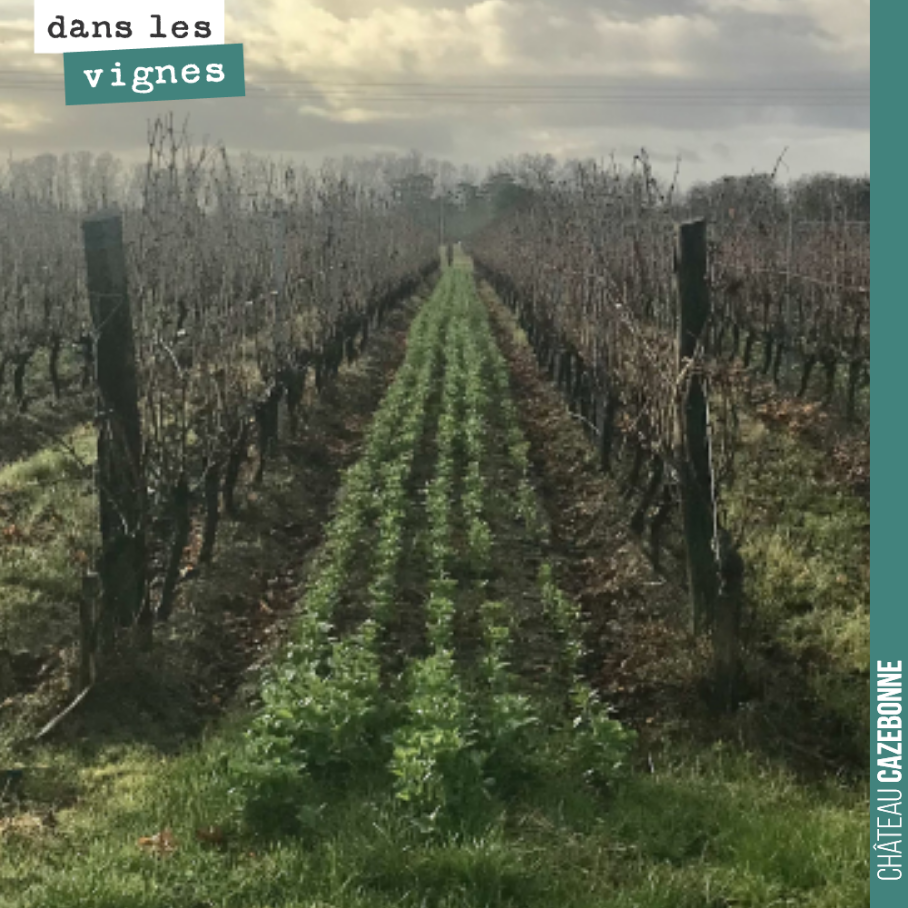
17 December 2022
24 December 2021
18 December 2021
22 April 2021
20 April 2021
06 April 2021
05 February 2021
28 January 2021
12 January 2021
10 January 2021
09 January 2021
05 January 2021
30 November 2020
26 November 2020
22 March 2020
31 January 2019

29 January 2019
27 January 2019
23 January 2019
21 January 2019
21 January 2019
17 January 2019
17 January 2019
16 January 2019
14 January 2019
13 January 2019
12 January 2019
12 January 2019
09 January 2019
07 January 2019
07 January 2019
05 January 2019

05 January 2019

01 January 2019

24 December 2018

21 November 2018
The cellar, forgotten grape varieties and our cuvées, twice a month. 5% off your first order with the code BIENVENUE.