
 The essential
6 × Entre Amis red
6 bottles — Graves red 2022
The best price of the cellar: €12 per bottle delivered.
The everyday red: generous and straight to the point.
I want itSO 4
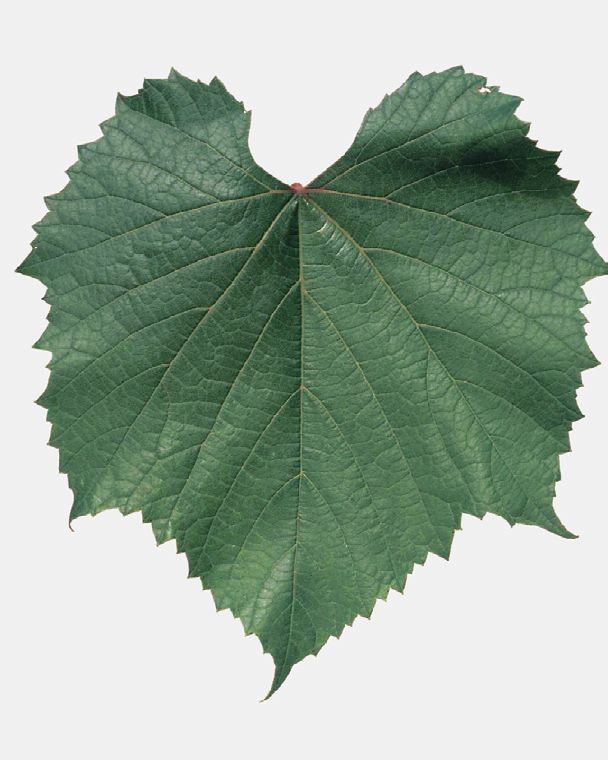
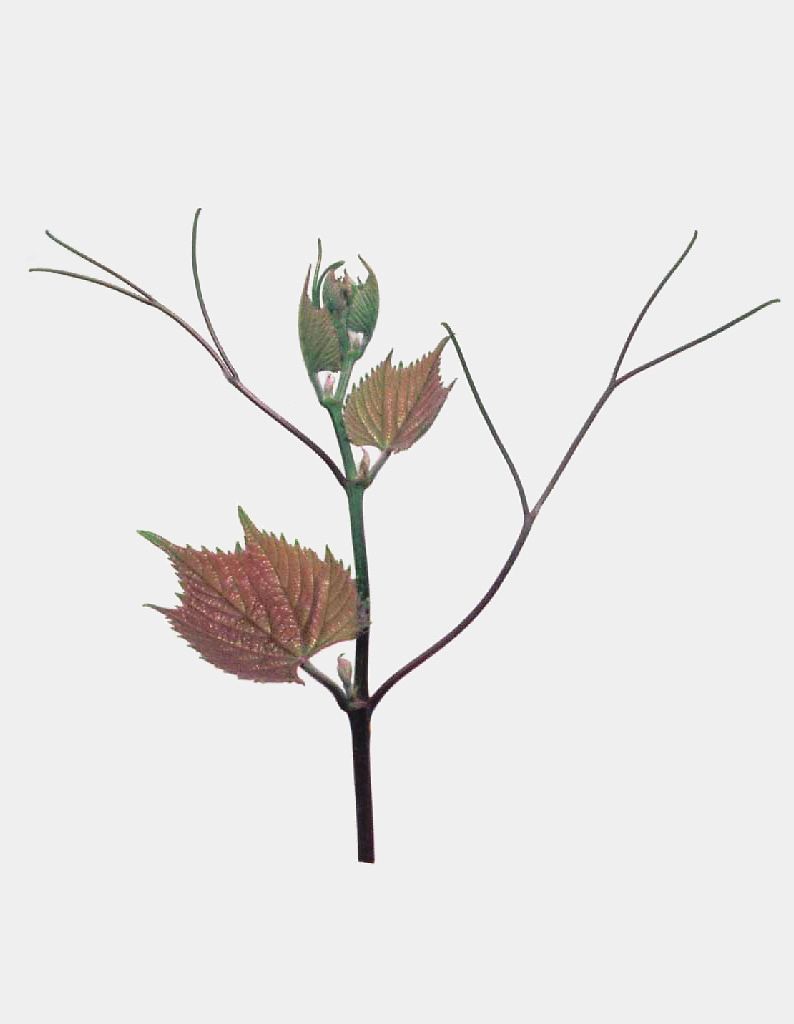
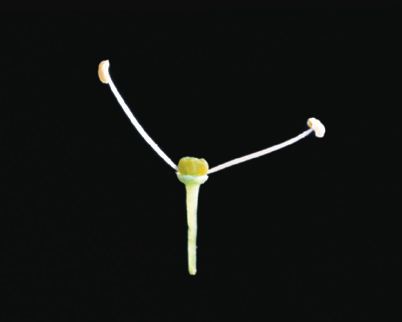
The SO 4 rootstock, or Sélection Oppenheim 4, is a benchmark in modern viticulture, particularly valued for its adaptive qualities. Its development was crucial in the post-phylloxera context, offering winegrowers a robust solution for reconstituting vineyards. It is the result of a cross between two American species, Vitis riparia and Vitis berlandieri, selected for its vigour and resistance.
SO 4 finds its roots in the late 19th-century need to find rootstocks resistant to phylloxera. It was obtained from a cross between Vitis riparia and Vitis berlandieri, two American species that provided complementary characteristics. This hybridisation combined the good grafting affinity of Riparia with the limestone and drought tolerance of Berlandieri, although SO 4 shows a preference for cooler soils. The breeding of this rootstock by the Geilweilerhof institute in Siebeldingen, Germany, marked an important milestone in stabilising and sustaining European vineyards.
| Characteristic | Description |
|---|---|
| Parents / cross | Vitis riparia x Vitis berlandieri |
| Species of origin | Vitis riparia / Vitis berlandieri |
| Breeder and date | Geilweilerhof, Siebeldingen, Germany / Unknown (early 20th century) |
| Resistance to phylloxera | Good |
| Conferred vigour | Medium to high |
| Active lime tolerance | IPC 20, up to 9% active lime tolerated |
| Drought tolerance | Medium |
| Tolerance to excess moisture / waterlogging | Medium |
| Effect on scion ripening | Slightly advances ripening |
| Official status / listing | Official French catalogue, listed before 1958 |
The SO 4 rootstock is particularly well suited to deep, fertile, and relatively cool soils. Its tolerance to active lime is moderate, with a Chlorosis Index (IPC) of around 20 and an ability to withstand up to 9% active lime. It exhibits moderate drought tolerance, making it less suitable for arid climates. Its resistance to moisture and root asphyxiation is also average, requiring well-drained soils. It is more sensitive to acidic and saline soils.
SO 4 confers medium to high vigour to the scion, encouraging healthy vegetative growth. It has the particular ability to slightly advance grape ripening, which can be an asset in regions with shorter growing seasons. This rootstock promotes balanced water and nitrogen uptake, which can positively influence berry yield and quality. It is often chosen for low-vigour grape varieties to boost their growth.
SO 4 shows excellent affinity with most grape varieties grown in Bordeaux, ensuring successful graft take and long-term vineyard longevity. Its vigour often requires short pruning to regulate yields and maintain grape quality. When planting, it is advisable to take its vigour into account to adjust planting density, avoiding excessive competition between vines.
Despite its strengths, SO 4 has certain sensitivities. It can show signs of iron chlorosis on overly calcareous soils. Its relative vigour sometimes makes it susceptible to coulure (shatter) and millerandage (hen and chicken), particularly with certain highly fruitful grape varieties. It offers no specific resistance to nematodes and fanleaf virus (court-noué), which must be factored in when selecting rootstocks for high-risk parcels.
In the context of climate change, SO 4 can be an interesting option in areas experiencing moderate temperature increases, thanks to its ability to slightly advance ripening. However, its moderate drought tolerance restricts its use in situations of severe water stress. For long-term adaptation strategies, other more drought-resistant rootstocks may be preferred, but SO 4 remains relevant for maintaining vine vigour in cooler soils and for blends requiring early ripening.
At Château Cazebonne, we place great importance on rootstock selection to ensure the longevity and genuine expression of our terroir. The use of SO 4 is considered for some of our plots with deep, cool soils, where its vigour and ability to advance maturity can benefit our grape varieties. This choice is part of our rigorous selection approach, aimed at optimising vine balance and grape quality. For more limestone-rich soils, we might consider the 5 BB (Kober 5 BB) rootstock or the 5 C (Teleki 5 C) rootstock.
Rootstock selection is fundamental for Château Cazebonne, as we are dedicated to replanting forgotten Bordeaux grape varieties and restoring vineyard biodiversity. This meticulous work is made possible thanks to the support of wine enthusiasts who, like you, embrace our wines and take an interest in the history and future of Bordeaux viticulture. To learn more about our philosophy, feel free to download our book on heritage grape varieties, test your wine knowledge with our quizzes, or discover our wines online.
Sources
Our suggestions
-5%on your 1st order with code BIENVENUE
The essential6 bottles — Graves red 2022
The best price of the cellar: €12 per bottle delivered.
The everyday red: generous and straight to the point.
I want it Our recommendation92/100 RVF
6 bottles — Graves red 2022, 92/100 RVF
Rated 92/100 by La Revue du vin de France: a solid 10-year ageing potential.
Our Graves for ageing, the finest gateway to the estate.
I want it Go further
12 bottles — the whole range
12 bottles, the whole range tasted: the best discovery-to-price ratio.
The complete tour of the estate, in a single case.
I want itThe cellar, forgotten grape varieties and our cuvées, twice a month. 5% off your first order with the code BIENVENUE.