
 The essential
6 × Entre Amis red
6 bottles — Graves red 2022
The best price of the cellar: €12 per bottle delivered.
The everyday red: generous and straight to the point.
I want itFercal
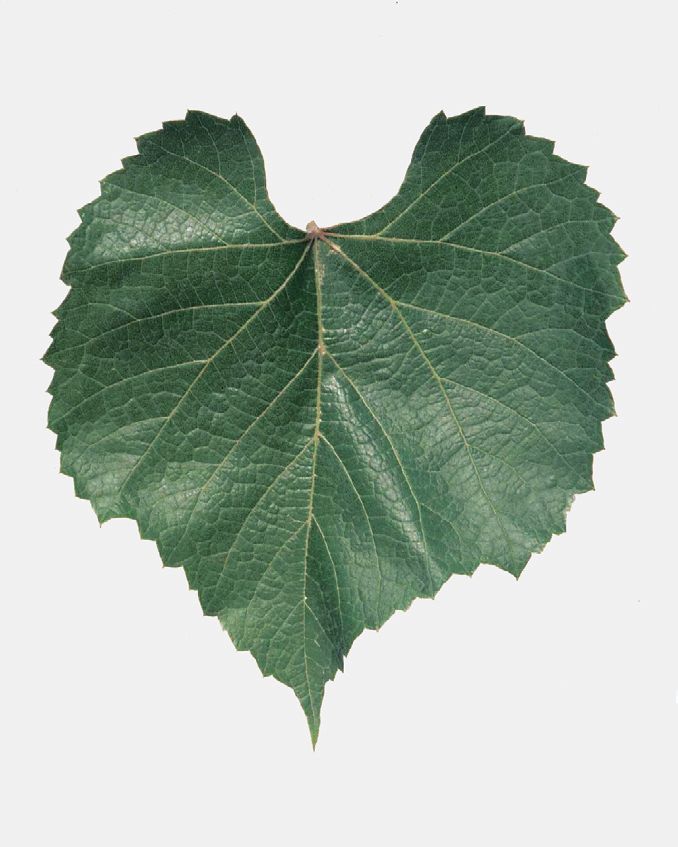
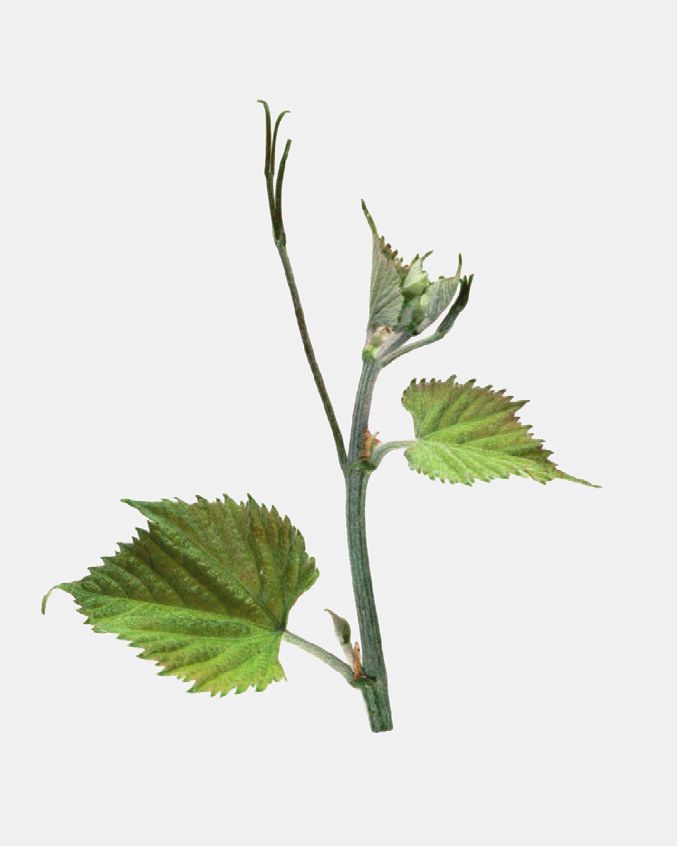
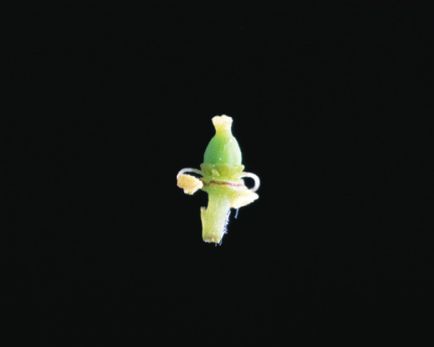
The Fercal rootstock is a French creation resulting from a complex cross. Its breeding took place in the post-phylloxera era, when finding rootstocks resistant to this devastating pest and well-adapted to the diverse soil and climatic conditions of European vineyards was of paramount importance. Fercal was specifically bred for its ability to thrive in the most challenging soils, especially those high in limestone.
| Characteristic | Description |
|---|---|
| Parents / cross | Berlandieri Rességuier n°2 x Richter 31 |
| Origin species | Vitis berlandieri / Vitis rupestris |
| Breeder and date | INRA, 1958 (registered in the official catalogue in 1974) |
| Phylloxera resistance | Good root and leaf-gall resistance |
| Vigour conferred | High |
| Active limestone tolerance | Very high (CPI > 60) |
| Drought tolerance | Medium to good |
| Tolerance to waterlogging / root asphyxia | Low |
| Effect on scion ripening | Delay |
| Status / registration | French official catalogue, 1974 |
Fercal is particularly renowned for its exceptional tolerance to active limestone (active lime), making it essential in many vineyards. Its high Chlorosis Power Index (CPI), exceeding 60, allows it to effectively prevent iron chlorosis, a physiological disorder frequently observed on calcareous soils. It also exhibits good adaptability to dry soils; however, its tolerance to excess moisture and root asphyxia is relatively low. It is therefore best suited to well-drained soils.
This rootstock imparts high vigour to grafted grape varieties, which can be an advantage on poor soils or terroirs where natural vigour is moderate. It tends to delay scion ripening, a characteristic that must be factored in when selecting plots and varieties. Its influence on yield is generally positive while maintaining satisfactory quality, especially for red wines.
Fercal displays good graft affinity with most Bordeaux varieties and other cultivars. Given the vigour it imparts, it is often advisable to adapt pruning and canopy management techniques to prevent excessive vegetative growth, especially in fertile soils. Its use may require particular attention to planting density to optimise vine balance.
Despite its undeniable strengths on limestone soils, Fercal has a few limitations. Its low tolerance to soil moisture makes it susceptible to root asphyxia, potentially exacerbated by heavy rainfall or poorly drained soils. Furthermore, its high vigour can sometimes require rigorous vineyard management to avoid coulure (poor fruit set) and ensure a balanced crop.
In the context of climate change and increasingly frequent dry periods, Fercal offers medium to good drought resistance, which is a valuable asset. Its delay in scion ripening can be beneficial in regions where global warming causes grapes to mature too quickly, helping to preserve freshness and balance in the wines. Its ability to turn calcareous soils—often marginal for other rootstocks—into productive vineyard land makes it a relevant choice for modern viticultural agroecology.
The choice of rootstocks is a key agronomic decision at Château Cazebonne, aligning with our commitment to respecting terroir and adapting to climate challenges. Fercal is not among the rootstocks we have planted on the estate.
The in-depth work carried out by Château Cazebonne to replant and revive Bordeaux's forgotten grape varieties, alongside our analysis of rootstock behaviour, is documented in our book "Bordeaux, une histoire de cépages", which we invite you to download to further your knowledge. You will also find insights into the Gravesac rootstock and the RSB 1 (Rességuier Sélection Birolleau 1) rootstock. If you wish to test your knowledge, feel free to take part in our wine quizzes. Finally, to discover the fruits of our labour and the quality of our wines, visit our online boutique.
Sources
Our suggestions
-5%on your 1st order with code BIENVENUE
The essential6 bottles — Graves red 2022
The best price of the cellar: €12 per bottle delivered.
The everyday red: generous and straight to the point.
I want it Our recommendation92/100 RVF
6 bottles — Graves red 2022, 92/100 RVF
Rated 92/100 by La Revue du vin de France: a solid 10-year ageing potential.
Our Graves for ageing, the finest gateway to the estate.
I want it Go further
12 bottles — the whole range
12 bottles, the whole range tasted: the best discovery-to-price ratio.
The complete tour of the estate, in a single case.
I want itThe cellar, forgotten grape varieties and our cuvées, twice a month. 5% off your first order with the code BIENVENUE.