
 The essential
6 × Entre Amis red
6 bottles — Graves red 2022
The best price of the cellar: €12 per bottle delivered.
The everyday red: generous and straight to the point.
I want itGravesac
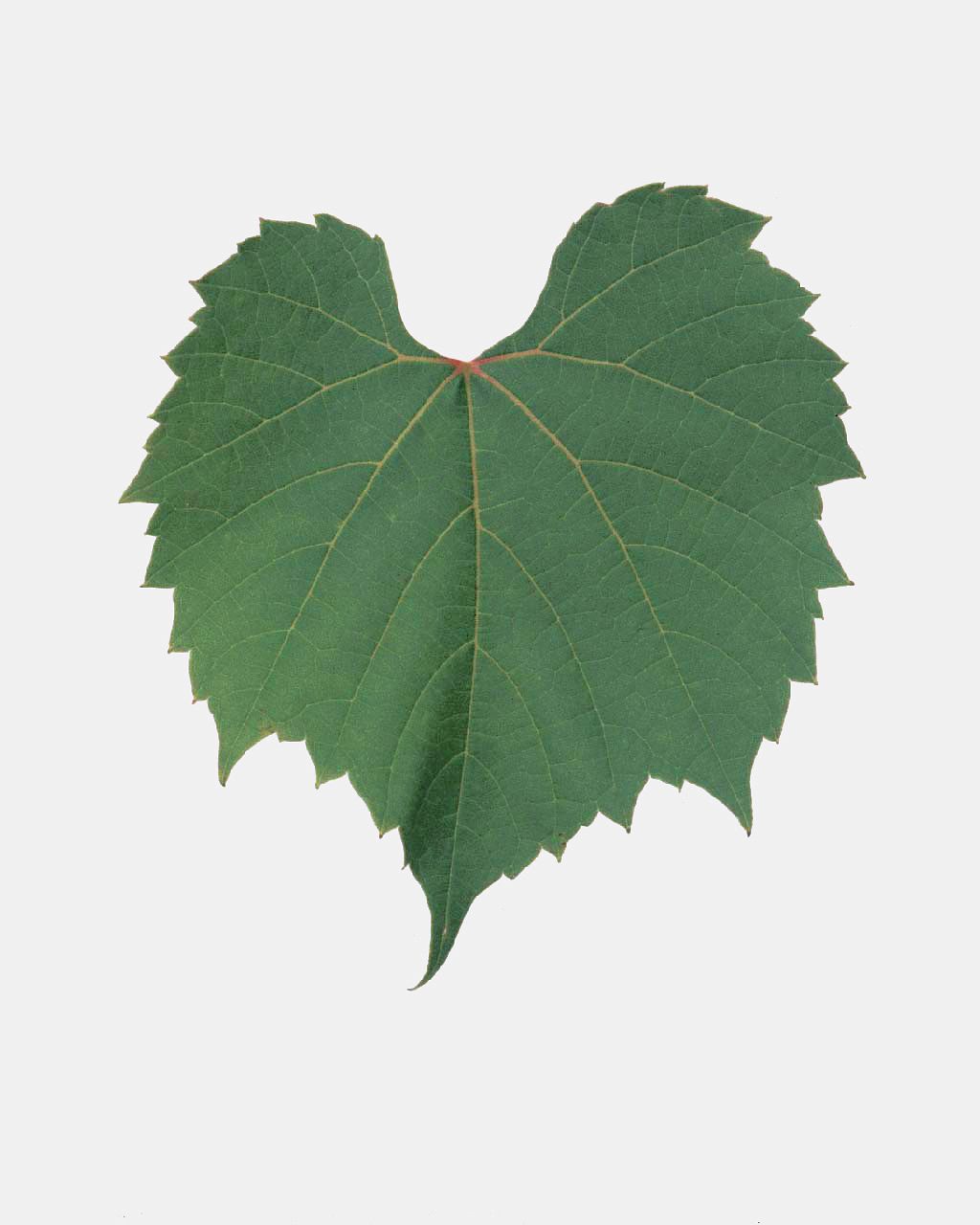
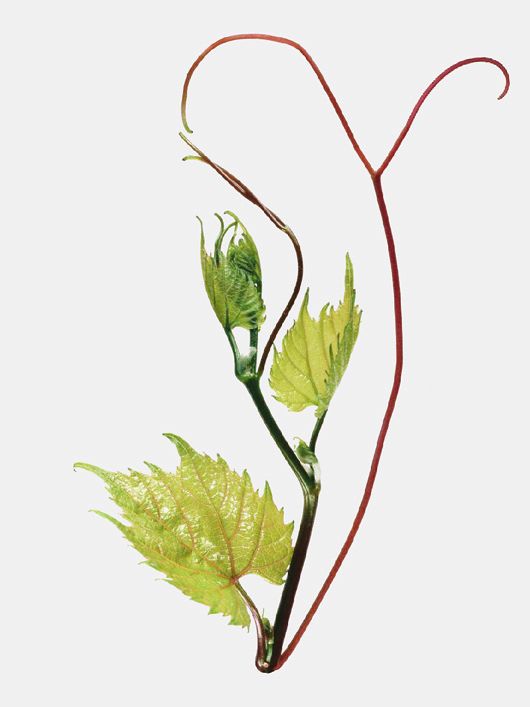
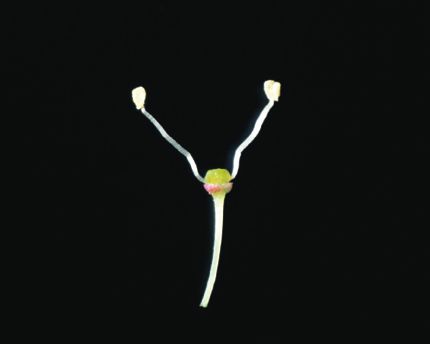
The Gravesac rootstock is a variety developed to offer a tailored solution for specific soil and climate conditions, notably in response to the challenges faced by modern viticulture. Its history is closely linked to research efforts aimed at optimising the relationship between rootstock and scion, with a view to vineyard sustainability and the quality of the wines produced.
Gravesac is a rootstock that finds its origins in the cross of two American Vitis species. It was created in France at the INRA Bordeaux research station by Alain Bouquet and Jean-Claude Audeguin in 1989. This development followed on from post-phylloxera research, aiming to create rootstocks resistant to phylloxera while offering other advantageous agronomic traits. The context of its creation addressed the need to improve vine adaptation to limestone soils and ensure better drought resistance—concerns that remain highly relevant today.
| Characteristic | Description |
|---|---|
| Parents / Cross | Berlandieri Rességuier n° 2 x Vitis vinifera |
| Species of origin | Vitis berlandieri / Vitis vinifera |
| Breeder and date | A. Bouquet and J.C. Audeguin (INRA Bordeaux), 1989 |
| Phylloxera resistance | Very high |
| Conferred vigour | Medium to high |
| Active lime tolerance | High IPC (> 50), very high tolerance (up to 40% active lime) |
| Drought tolerance | Good |
| Moisture / asphyxia tolerance | Medium |
| Effect on scion ripening | Neutral to slightly late |
| Status / Registration | French Official Catalogue, 2002 |
The Gravesac rootstock is distinguished by its excellent adaptation to soils rich in active lime, with a high Chlorosis Risk Index (IPC), allowing successful cultivation even with high lime contents. It also demonstrates good drought tolerance, which is a major asset in wine regions subject to water stress. Its tolerance to excess moisture and root asphyxiation is medium, making it less suitable for excessively wet or compacted soils. It can therefore be a judicious choice for the gravelly limestone terroirs of Bordeaux, as well as for certain well-drained clay parcels. Its robustness against active lime helps prevent iron chlorosis problems.
Gravesac confers medium to high vigour to the scion, which can be advantageous for grape varieties requiring a degree of vegetative growth. Its effect on scion ripening is generally neutral to slightly late, which must be taken into account when selecting grape varieties and planning the harvest calendar. It provides a regular supply of water and nitrogen, contributing to well-balanced vine development. In terms of yield and quality, it delivers consistent production and high-quality grapes, notably by promoting the concentration of aromas and polyphenols—essential criteria for crafting fine red wines and white wines.
This rootstock demonstrates good graft affinity with most Bordeaux grape varieties, whether Cabernet Sauvignon, Merlot, or Cabernet Franc. In terms of training and canopy management, its medium to high vigour requires careful attention to planting density and pruning methods, such as cordon or goblet training, to regulate yield and maintain vegetative balance. Thorough soil preparation prior to planting is recommended to optimise rooting.
Although highly resistant to iron chlorosis and phylloxera, Gravesac exhibits moderate tolerance to excess moisture, which can leave it vulnerable in waterlogged conditions or poorly drained soils. Vigour must also be carefully managed, as excess growth can lead to coulure or uneven ripening if the crop load is not properly regulated. Its resistance to nematodes varies according to the strain, occasionally requiring specific precautions.
With climate change and the increasing frequency of drought periods, Gravesac's good tolerance to these conditions makes it a rootstock of great interest for Bordeaux vineyards. Its ability to maintain a sound water balance opens up adaptation strategies for the coming decades. Its neutral to slightly late effect on ripening can also help manage heatwaves and preserve aromatic freshness in the wines. This is an important factor in the search for resilient grape varieties and rootstocks, such as the RSB 1 rootstock (Rességuier Sélection Birolleau 1) or the Rupestris du Lot rootstock.
At Château Cazebonne, we continuously evaluate the rootstocks best suited to our terroirs and the grape varieties we cultivate, including the historic Bordeaux varieties that we are replanting. Gravesac, with its specific attributes, could be considered for certain parcels where soil and climatic conditions match its strengths, supporting our agronomic and oenological decisions by prioritising vine balance and resilience. We have chosen this rootstock for our Conservatory parcel: all the varieties there are grafted onto Gravesac alone, enabling us to better compare the phenology of these heritage grape varieties.
In summary, the Gravesac rootstock exemplifies the ongoing search for balance between tradition and innovation in the world of viticulture. At Château Cazebonne, we are dedicated to replanting and championing the historic grape varieties of Bordeaux—an exciting endeavour made possible by the support of wine enthusiasts who discover and enjoy our wines. To learn more about our approach, you can download our book on the history of Bordeaux grape varieties or test your knowledge with our wine quizzes, before visiting our shop to discover our wines online.
Sources
Our suggestions
-5%on your 1st order with code BIENVENUE
The essential6 bottles — Graves red 2022
The best price of the cellar: €12 per bottle delivered.
The everyday red: generous and straight to the point.
I want it Our recommendation92/100 RVF
6 bottles — Graves red 2022, 92/100 RVF
Rated 92/100 by La Revue du vin de France: a solid 10-year ageing potential.
Our Graves for ageing, the finest gateway to the estate.
I want it Go further
12 bottles — the whole range
12 bottles, the whole range tasted: the best discovery-to-price ratio.
The complete tour of the estate, in a single case.
I want itThe cellar, forgotten grape varieties and our cuvées, twice a month. 5% off your first order with the code BIENVENUE.