
 The essential
6 × Entre Amis red
6 bottles — Graves red 2022
The best price of the cellar: €12 per bottle delivered.
The everyday red: generous and straight to the point.
I want itCaterpillar
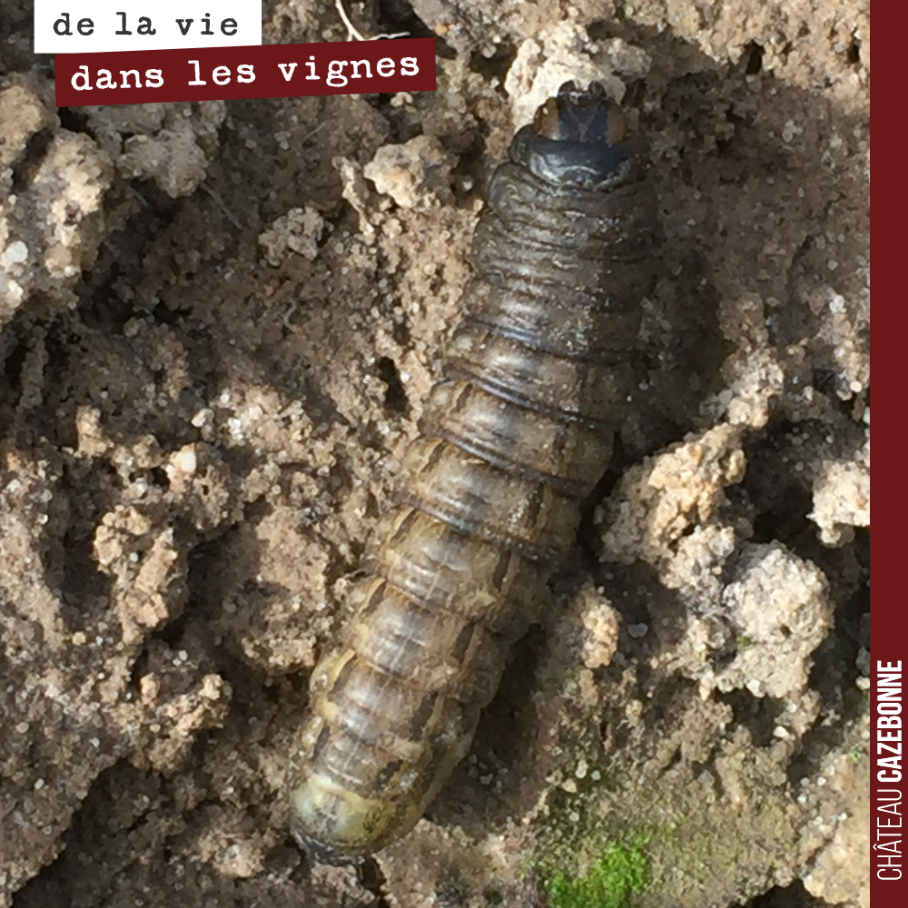
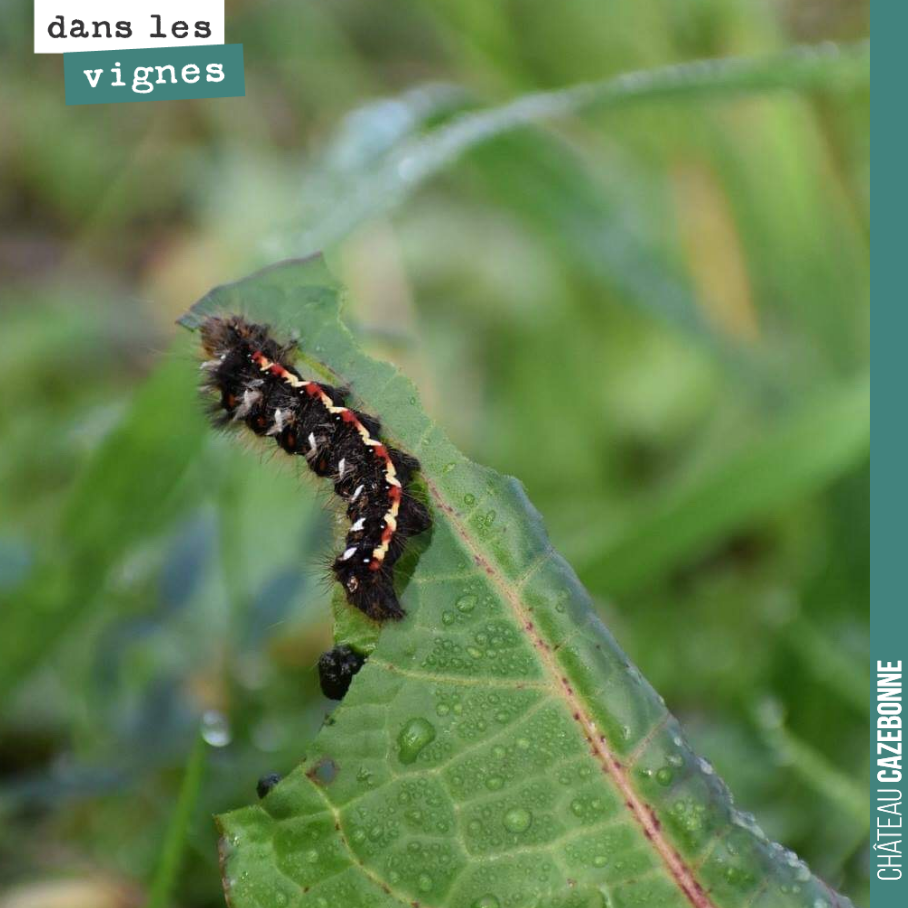
At Château Cazebonne, we observe the fauna inhabiting our vines with a watchful eye. Among them, caterpillars (Lepidoptera, in the larval stage), often perceived as mere pests, are actually essential components of the ecosystem. They come in various sizes and colours, ranging from foliage green to darker shades, sometimes adorned with patterns or hairs, characteristic of their species. The presence of caterpillars on our plots, notably those of the European grapevine moth (Lobesia botrana) or the large yellow underwing (Noctua pronuba), is an indicator of the richness of our biodiversity. These larvae generally measure from a few millimetres to several centimetres.
The life cycle of caterpillars in the vineyard is closely linked to the seasons. After the hatching of the eggs, often deposited on the leaves or bunches, the larvae develop during spring and summer, periods of high vegetative activity for the plants. They pass through several larval stages, called instars, before pupating, that is to say, transforming into a chrysalis. It is during their larval phase that they feed actively. At Château Cazebonne, their favoured habitat is right at the heart of the vine stocks, where the lush vegetation offers them refuge and food, as well as in the adjacent hedges and grassed areas which constitute precious living environments.
The ecological role of caterpillars is fundamental. Beyond their direct impact on the vine, they constitute a crucial food source for many birds, beneficial insects such as certain parasitoid wasps, and other small animals present in our plots. This essential link in the food chain contributes to the natural regulation of populations and the balance of the ecosystem. Their consumption by predators such as the tit or the robin, which nest within our agroecological developments, naturally limits their proliferation, thus avoiding significant damage.
The interaction of caterpillars with the vine can be beneficial or occasionally harmful. While certain species, such as grape berry moths, can attack young buds, tender leaves, or developing berries, causing localised damage, other species are harmless to the vine or are so well regulated that they pose no significant problem. At Château Cazebonne, thanks to our agroecological approach and the preservation of biodiversity, the damage caused by caterpillars is generally contained. We observe in practice at Cazebonne that the balance between caterpillars and their natural predators is maintained, testifying to the good health of our living soils and the resilience of our vineyard in the face of natural challenges. To find out how ants also play a crucial role in this balance, and to discover aphids, we invite you to consult our dedicated articles. Jean-Baptiste Duquesne, in "Bordeaux, une histoire de cépages", highlights the importance of environmentally friendly practices for the resilience of terroirs.
As a restorer of Bordeaux's biodiversity, Château Cazebonne is committed to reintroducing forgotten grape varieties, thus enriching our region's plant heritage. This long-term work, essential for the resilience of our vineyard against climatic and health hazards, is made possible thanks to the invaluable support of the many enthusiasts who have adopted our wines and share our vision of authentic and respectful viticulture. To delve deeper into these fascinating themes, we invite you to download the digital version of "Bordeaux, une histoire de cépages" via our page dedicated to the book on the history of Bordeaux grape varieties, test your wine knowledge with our oenological quizzes, and discover the expression of our terroirs through our selection of wines available online.
Sources
Our suggestions
-5%on your 1st order with code BIENVENUE
The essential6 bottles — Graves red 2022
The best price of the cellar: €12 per bottle delivered.
The everyday red: generous and straight to the point.
I want it Our recommendation92/100 RVF
6 bottles — Graves red 2022, 92/100 RVF
Rated 92/100 by La Revue du vin de France: a solid 10-year ageing potential.
Our Graves for ageing, the finest gateway to the estate.
I want it Go further
12 bottles — the whole range
12 bottles, the whole range tasted: the best discovery-to-price ratio.
The complete tour of the estate, in a single case.
I want it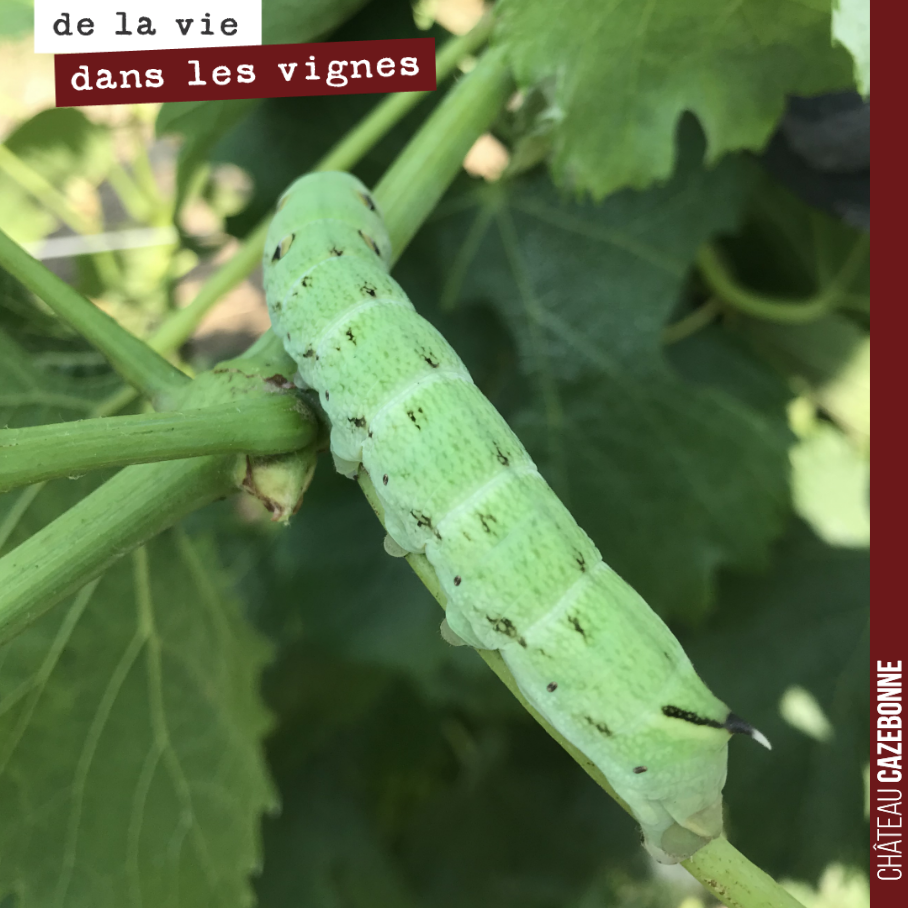
05 July 2019
08 March 2019
03 December 2018
The cellar, forgotten grape varieties and our cuvées, twice a month. 5% off your first order with the code BIENVENUE.