
 The essential
6 × Entre Amis red
6 bottles — Graves red 2022
The best price of the cellar: €12 per bottle delivered.
The everyday red: generous and straight to the point.
I want itAphids
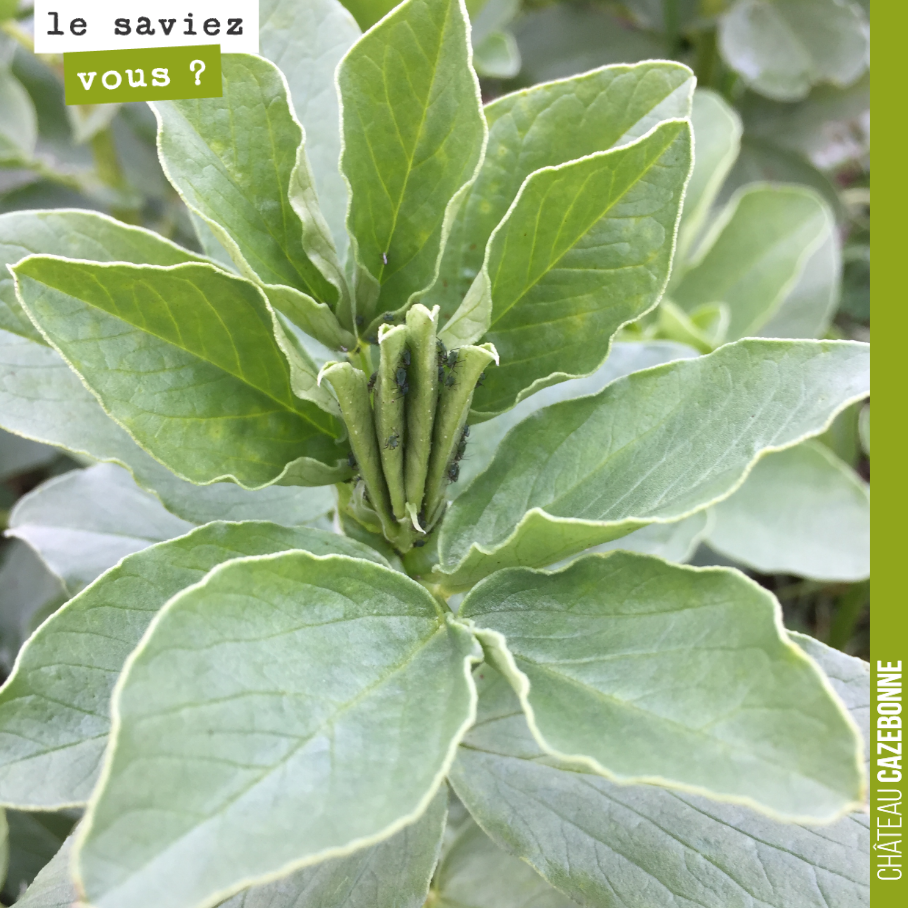
Aphids, those small and seemingly harmless insects, represent a constant challenge to the health of our vines. Their diet, which consists of sucking plant sap, can lead to a series of complications: stunted growth, deformation of young shoots and leaves, and a significant decrease in grape production. Furthermore, they secrete honeydew, a sugary substance that encourages the development of sooty mould, a black fungus that hinders photosynthesis.
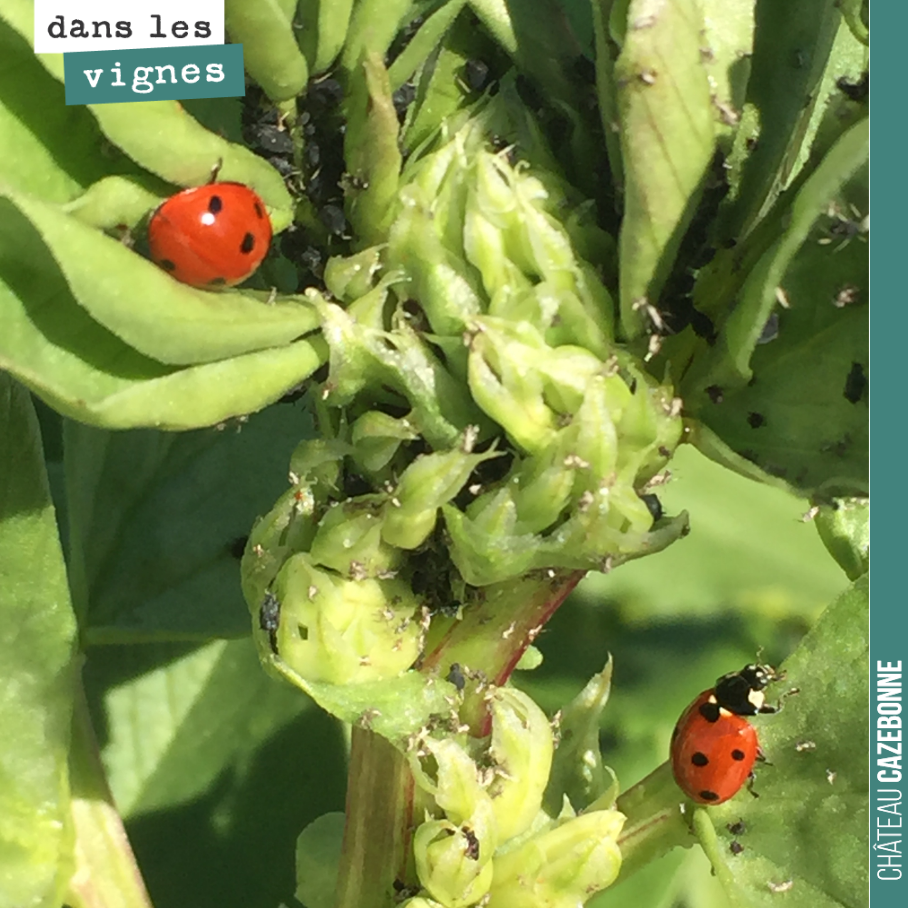
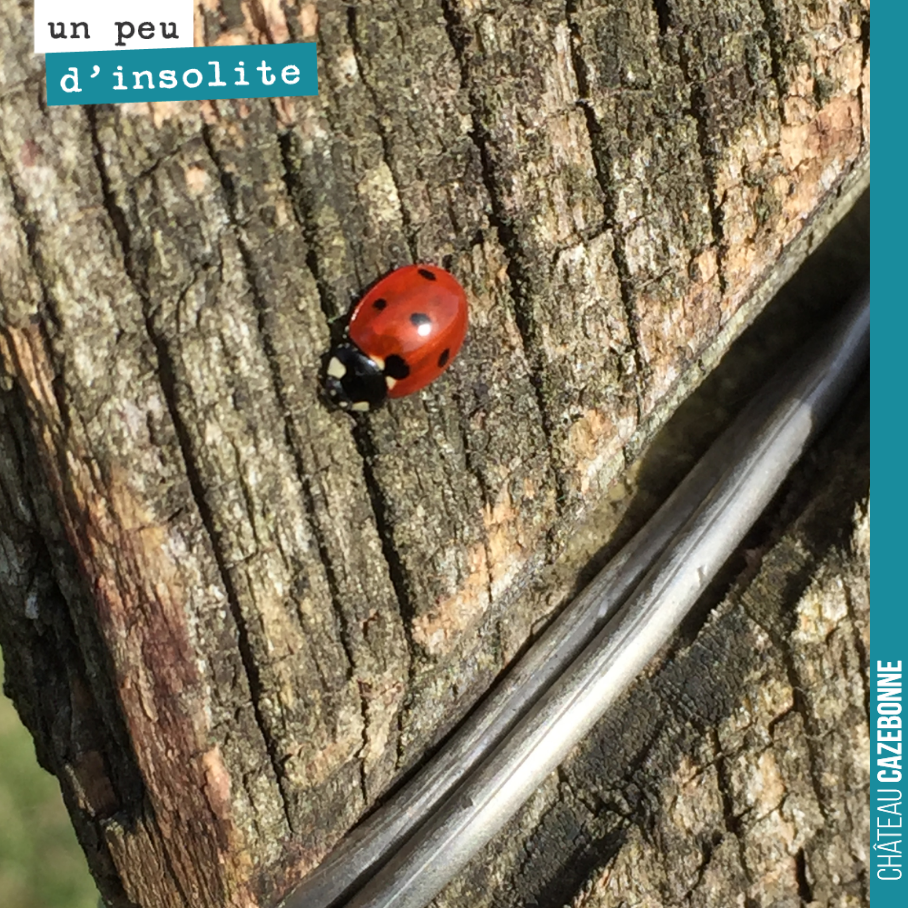
At Château Cazebonne, our approach to aphid management is part of a viticultural philosophy that respects natural balance. Rather than resorting to radical solutions, we favour the stimulation of biodiversity. This is where our natural allies come into play. Ladybirds, in particular, are true heroines of the vineyard. Both their larvae and adults are fierce aphid predators, capable of consuming hundreds of individuals a day. Encouraging their presence is therefore a key strategy for keeping aphid populations at a tolerable level.
Our approach is also based on a deep understanding of the viticultural ecosystem. The book "Bordeaux, une histoire de cépages" by Jean-Baptiste Duquesne, an invaluable read for any passionate winegrower, highlights the importance of fauna-flora interactions and how farming practices can influence these delicate balances. By planting flowering hedges, establishing grass strips and limiting chemical inputs, we create an environment conducive to the establishment and multiplication of beneficial organisms, those "useful" insects that help us naturally protect our vines.
This meticulous work to preserve the health of our vines and restore a living heritage is what drives us at Château Cazebonne. We are committed to replanting in Bordeaux the old grape varieties that had disappeared, bringing the history of our terroir back to life. This ambitious project is made possible thanks to the unwavering support of the many wine lovers who have adopted our wines and share our vision of authentic and respectful viticulture.
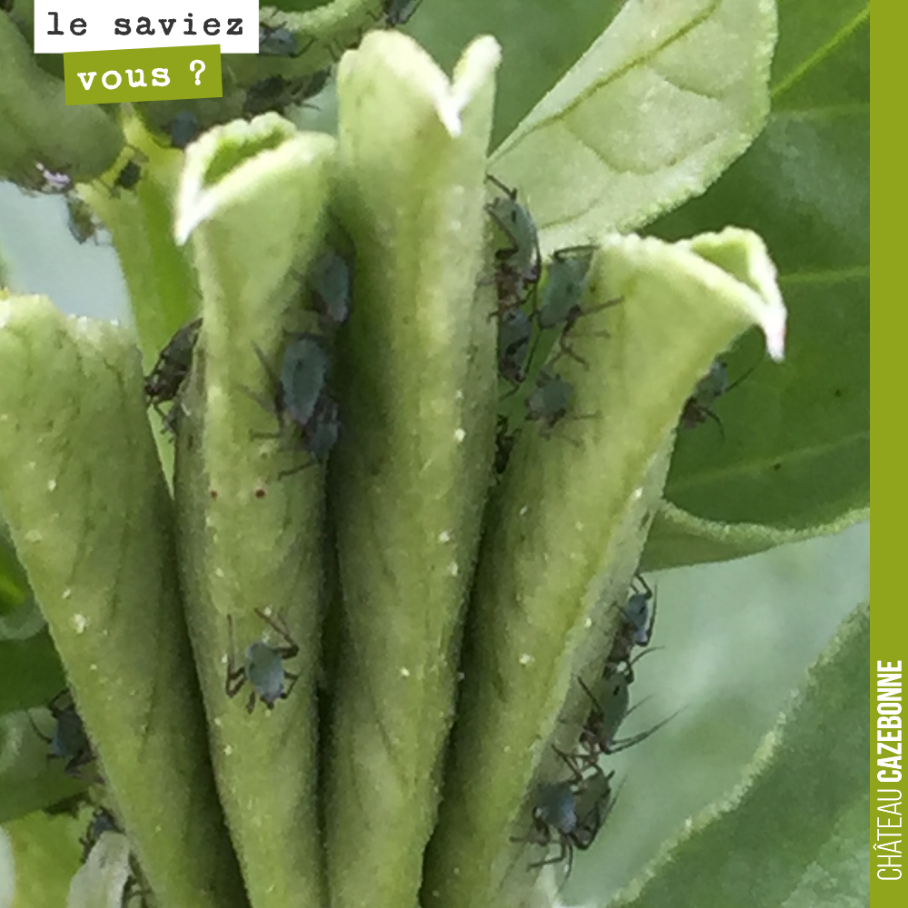
Aphids, insects of the Sternorrhyncha suborder, are characterised by their small size (usually 1 to 4 mm) and soft bodies. They are often green, black, yellow or pink in colour, forming dense colonies on the underside of leaves and young shoots. Some aphids possess cornicles, two small tubules on the abdomen, which are characteristic of many aphid species.
The aphid lifecycle is complex, often alternating between asexual (parthenogenesis) and sexual reproduction. In spring, foundress females hatch and reproduce very rapidly without mating, giving birth to generations of viviparous females. These colonies grow, and when the population density increases or conditions deteriorate, winged aphids appear, allowing them to disperse to new plants. In autumn, sexual male and female individuals are produced, they mate, and the females lay winter eggs that overwinter on the host plants. In the vineyard, this seasonality results in an increased presence from spring to summer, with population peaks that can coincide with the flowering and fruit set periods of the vine.
At Château Cazebonne, we observe aphids mainly on young shoots, buds and the underside of leaves, the areas where sap is most easily accessible. Their ecological role is twofold. Although harmful to crops, they serve as a food source for many predators such as ladybirds, hoverflies and lacewings. They are also viral vectors for various plants, thus contributing to the natural regulation and selection of plant species. To delve deeper into the subject or discover the fascinating life of ants, our allies or competitors in the vineyard, check out our journal dedicated to insects.
The interaction of aphids with the vine is primarily harmful. By sucking the sap, they weaken the plant, reduce its vigour and can cause stunted growth or deformities. The honeydew they secrete encourages sooty mould, a fungus that forms a black film on the leaves, decreasing photosynthesis. Jean-Baptiste Duquesne, in his book, discusses the historical challenges associated with vine pests, highlighting control attempts that have not always been very successful (Source 2). In organic viticulture, and particularly at Cazebonne, this threat is managed through the active promotion of biodiversity. By encouraging beneficial organisms, such as ladybirds and other predatory insects, we create an environment where aphid populations are naturally controlled, thereby avoiding the use of chemical treatments and fostering a virtuous balance for our vine and its ecosystem.
At Château Cazebonne, we are committed to replanting in Bordeaux the old grape varieties that had disappeared, bringing the history of our terroir back to life. This ambitious project is made possible thanks to the unwavering support of the many wine lovers who have adopted our wines and share our vision of authentic and respectful viticulture. If you are curious to know more about these ancestral varieties and the winemaking history of Bordeaux, we invite you to download the digital version of our book "Bordeaux, une histoire de cépages". Please also feel free to test your oenological knowledge with our quizzes or to discover the expression of our terroirs and our philosophy through our wines online.
Sources
Our suggestions
-5%on your 1st order with code BIENVENUE
The essential6 bottles — Graves red 2022
The best price of the cellar: €12 per bottle delivered.
The everyday red: generous and straight to the point.
I want it Our recommendation92/100 RVF
6 bottles — Graves red 2022, 92/100 RVF
Rated 92/100 by La Revue du vin de France: a solid 10-year ageing potential.
Our Graves for ageing, the finest gateway to the estate.
I want it Go further
12 bottles — the whole range
12 bottles, the whole range tasted: the best discovery-to-price ratio.
The complete tour of the estate, in a single case.
I want it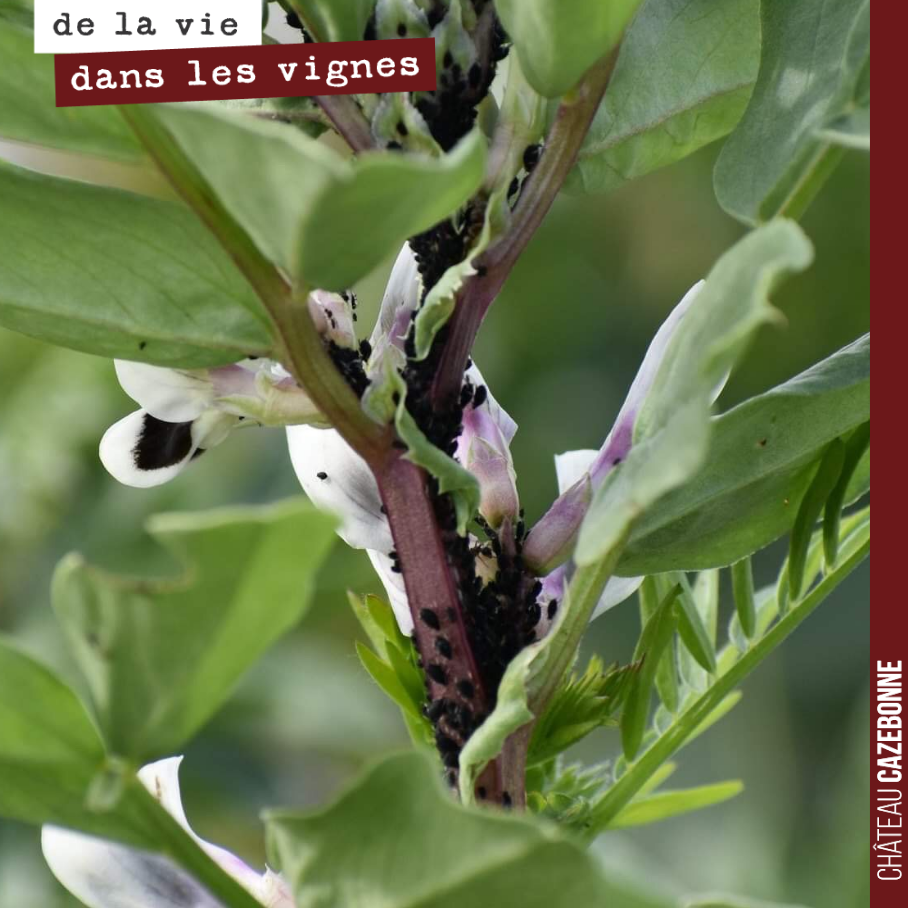
14 May 2019
28 February 2019
16 February 2019
10 February 2019
10 February 2019
The cellar, forgotten grape varieties and our cuvées, twice a month. 5% off your first order with the code BIENVENUE.