
 The essential92/100 RVF
Comme en 1900 red 2022
Vin de France — heritage grapes, 92/100 RVF
The pre-phylloxera Bordeaux blend, revived at the estate.
Castets, Mancin, Pardotte: the Bordeaux before Bordeaux.
I want itColombard
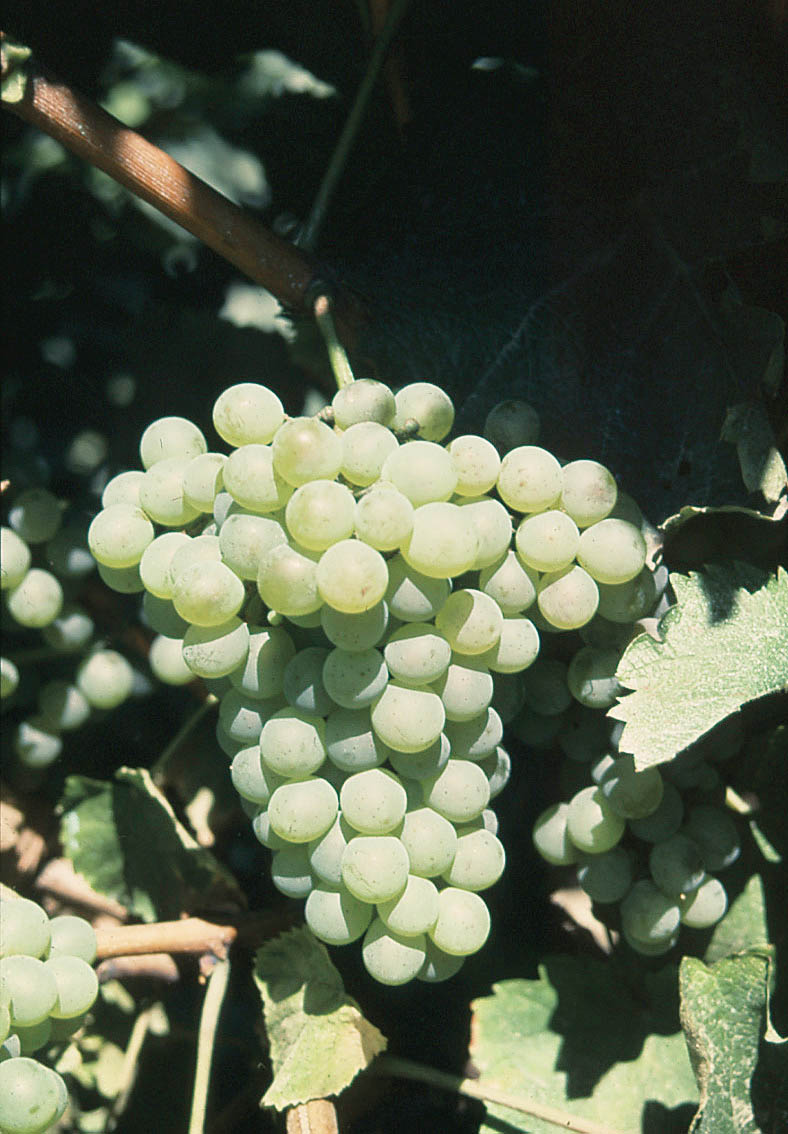
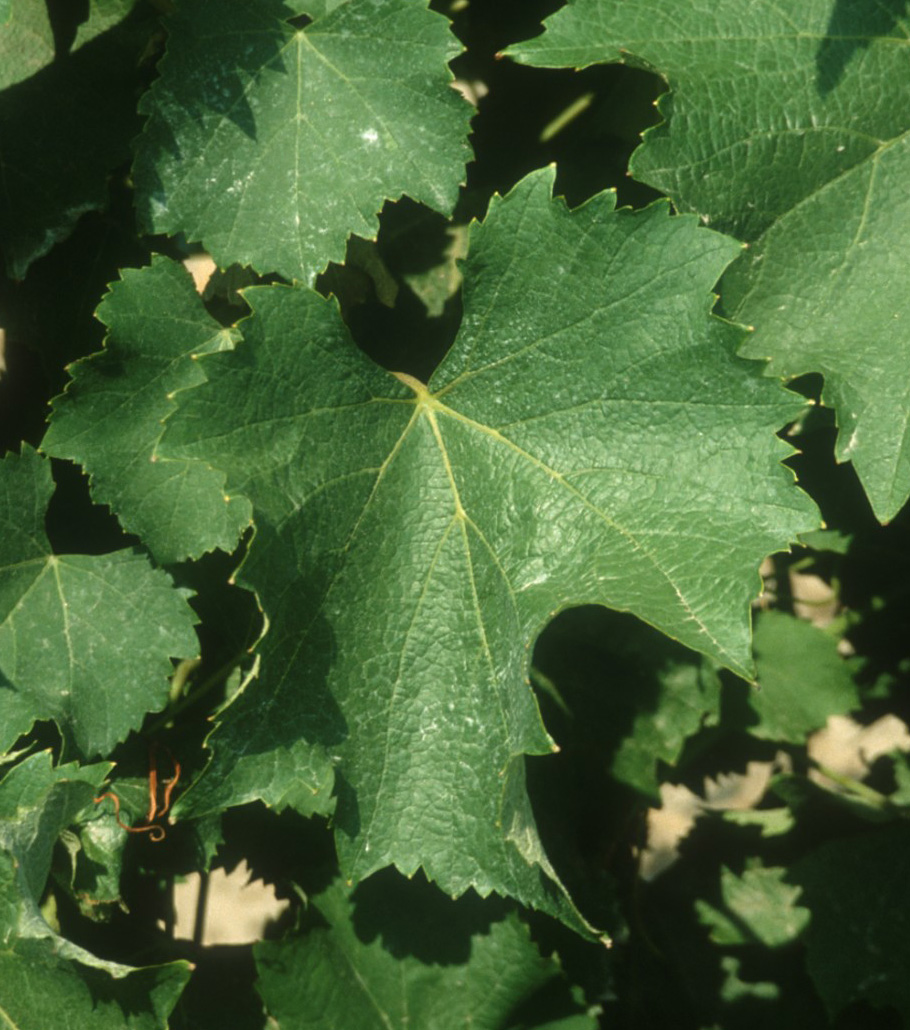
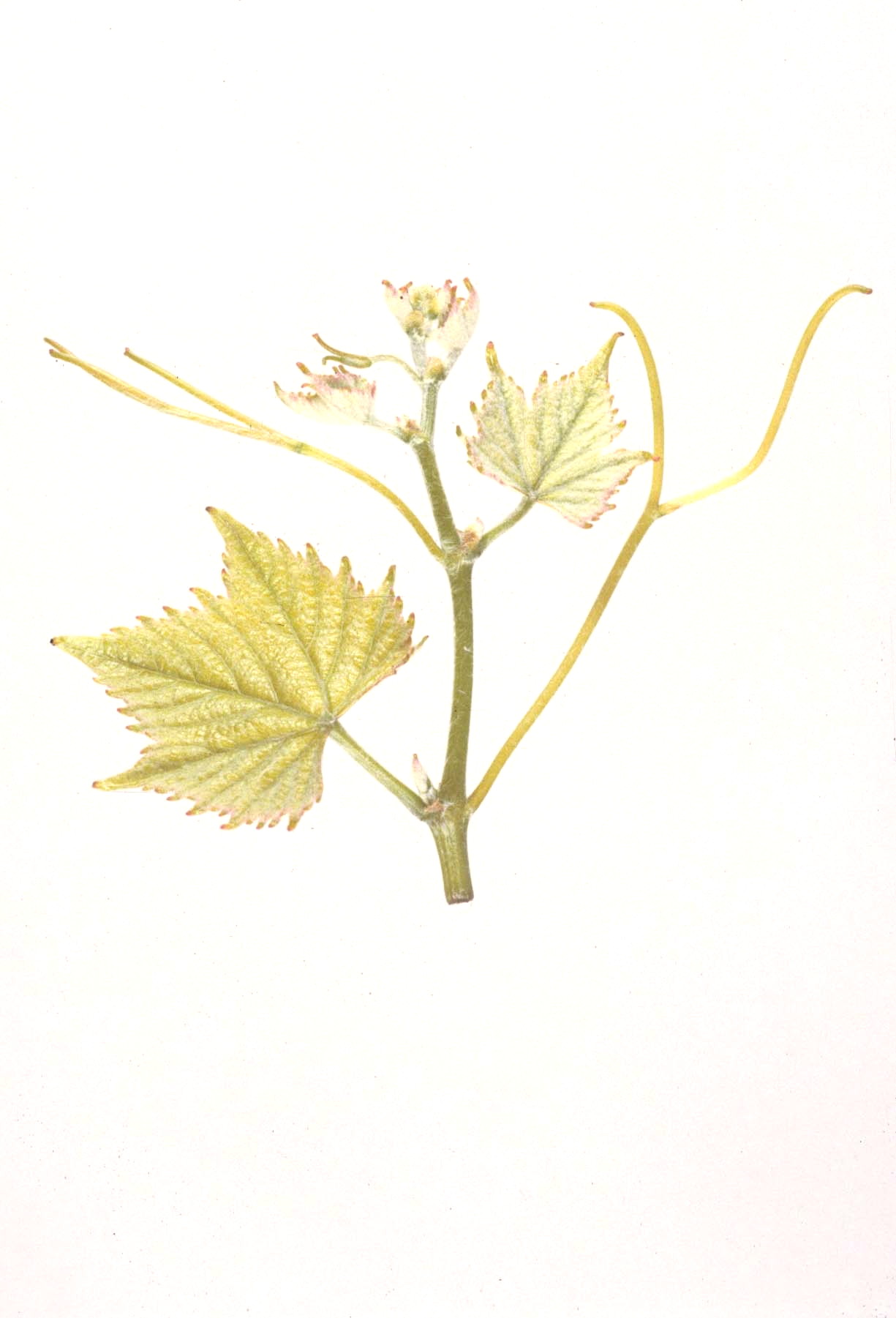
Colombard, often perceived as an unassuming white grape variety, boasts a rich and complex viticultural history. Known under various local names such as Cubzadais, Guenille, Queue verte, or Gros blanc doux, it is the result of an ancient natural crossing between two iconic grape varieties: Chenin and Gouais.
Its origins are deeply rooted in the Charentes wine region. Following the phylloxera crisis in Bordeaux, during the replanting of the vineyard, Colombard experienced significant growth in the Gironde. In 1956, it even rose to second place among the most widely planted white grape varieties in the Bordeaux region. This popularity was due to its ability to deliver yields comparable to Folle Blanche while producing high-quality wines.
Viala and Vermorel, in their Ampélographie, attest to its 'rehabilitation' after having been susceptible to powdery mildew and coulure at the end of the 19th century. Advances in American rootstocks and treatments against powdery mildew in the early 20th century made it possible to overcome these challenges, giving it a new lease of life and positioning it as a prime successor to Folle Blanche.
Despite its susceptibility to various diseases such as powdery mildew, downy mildew, and grey rot, as well as low tolerance to drought stress, Colombard has retained its presence in numerous Bordeaux appellations. It is notably found in the wines of Bordeaux, Entre-Deux-Mers, Blaye, Côtes de Blaye, and Côtes de Bourg, where it imparts freshness, vibrancy, and appeal to white wines.
| Characteristic | Description |
|---|---|
| Synonyms | Cubzadais, Guenille, Queue verte, Gros blanc doux |
| Budburst | Late, similar to Ugni blanc |
| Ripening | Epoch III, late |
| Vigour | Hardy and vigorous |
| Growth habit | N/A |
| Downy mildew susceptibility | Susceptible |
| Powdery mildew susceptibility | Susceptible |
| Botrytis susceptibility | Susceptible to grey rot, but relatively resistant to noble rot |
| Black rot susceptibility | N/A |
| Frost susceptibility | Susceptible to winter frost |
| Aromatic profile | Crisp and pleasant wines with fine vibrancy. Low aromatic intensity and low alcohol when yields are high. |
| Winemaking potential | Suitable for making dry white wines. Can be left on the vine without fear of noble rot under certain conditions. |
Originating from the Charentes, Colombard established itself in the Bordeaux vineyard after phylloxera, though it became one of Bordeaux’s forgotten grape varieties for many after the 1956 frosts reduced its plantings. Its inclusion in the list of secondary white grape varieties for the Bordeaux appellation in 1935, succeeding Blanc-Auba, bears witness to its growing importance at the time. The book “Bordeaux, une histoire de cépages” by Jean-Baptiste Duquesne sheds light on these historical movements and the reasons behind the disappearance or revival of certain grape varieties.
At Château Cazebonne, we are committed to preserving and promoting these grape varieties that have shaped the identity of our Bordeaux wines over the centuries. Colombard, with its rich history and intrinsic qualities, is one of those treasures we strive to bring back into the spotlight. This work of heritage preservation is supported by many wine enthusiasts who, by embracing our wines, share our passion for rediscovering the Bordeaux terroir. If you wish to learn more about this fascinating history, we invite you to download the digital version of the book "Bordeaux, une histoire de cépages". To test your knowledge, feel free to take part in our wine quizzes, and to discover our cuvées crafted from these rediscovered varieties, visit our online shop.
Sources
Our suggestions
-5%on your 1st order with code BIENVENUE
The essential92/100 RVFVin de France — heritage grapes, 92/100 RVF
The pre-phylloxera Bordeaux blend, revived at the estate.
Castets, Mancin, Pardotte: the Bordeaux before Bordeaux.
I want it Our recommendation
IGP Atlantique — rare grape variety
A forgotten grape brought back: dense colour, wild fruit.
For the curious about lost grape varieties.
I want it Go further
12 bottles — the whole range
12 bottles, the whole range tasted: the best discovery-to-price ratio.
The complete tour of the estate, in a single case.
I want itThe cellar, forgotten grape varieties and our cuvées, twice a month. 5% off your first order with the code BIENVENUE.