
 The essential
6 × Entre Amis red
6 bottles — Graves red 2022
The best price of the cellar: €12 per bottle delivered.
The everyday red: generous and straight to the point.
I want itDevatting
In the symphony of transformations that turn humble grapes into wine, drawing off (*l'écoulage*) is a crucial moment, marking the quintessence of winemaking. It is a delicate step, carried out with great precision at the end of fermentation, where the wine, freed from its skins and pips, is carefully separated from the solid matter in the vat.
At this stage, we isolate the "free-run wine" (*vin de goutte*), the noblest fraction, obtained purely by gravity. This fluid and elegant wine embodies the purity of the fruit and the subtlety of the aromas. It forms the backbone of our cuvées, a concentrate of terroir expression and the winemaker's meticulous care. It stands out for its finesse and a less tannic structure compared to press wine.
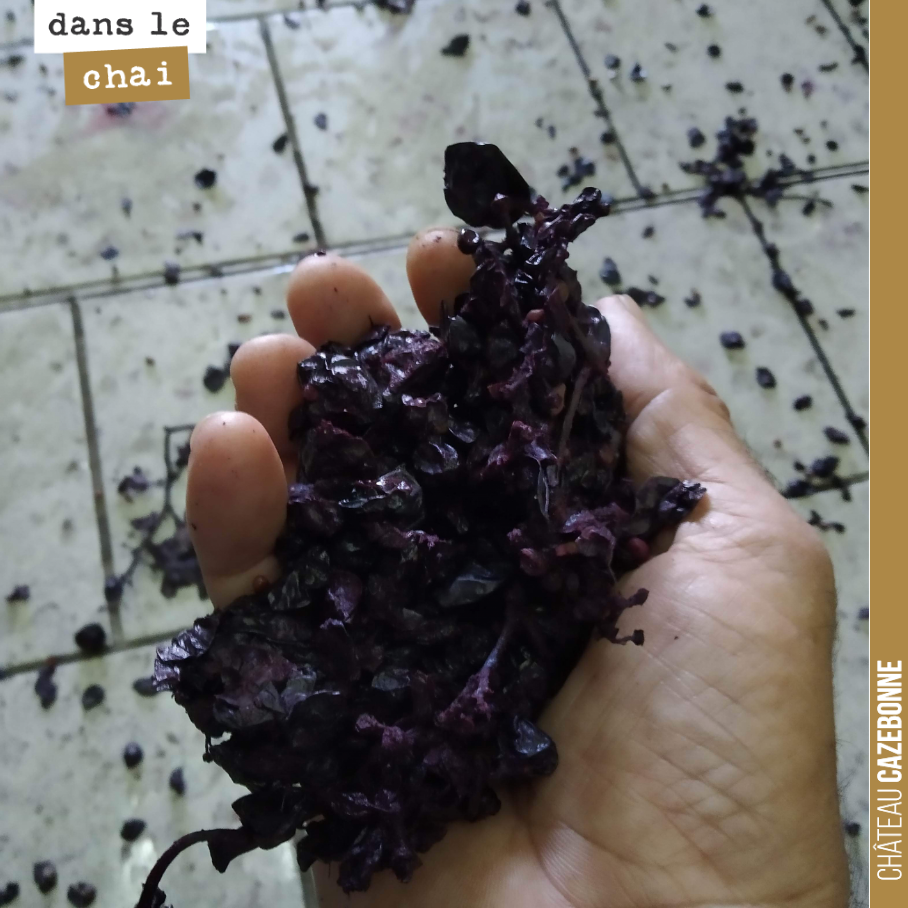
"Press wine" (*vin de presse*), on the other hand, is obtained by pressing the pomace (marc) – skins, seeds, and sometimes stems – after drawing off. Each extraction method plays its part, with press wine often contributing richness, structure, and complementary aromatic intensity. The art of blending will determine whether these two components will be combined, thereby sculpting the wine's final profile.
This attention to detail at every stage of vinification lies at the very heart of Château Cazebonne's philosophy. We believe in the richness and diversity of Bordeaux grape varieties, and we are committed to replanting these forgotten treasures—true witnesses to our region's viticultural history, as beautifully described by Jean-Baptiste Duquesne in his book "Bordeaux, une histoire de cépages". This work to showcase our heritage is made possible thanks to the dedication of numerous wine enthusiasts who, by tasting our wines, support our mission and bring this viticultural renaissance to life.
Drawing off is the operation of separating the must or wine from the solid parts (the pomace or marc) remaining in the vat after alcoholic fermentation. This process is essential to obtain clear wine and to preserve the balance of its aromas and structure. It generally takes place after the period of maceration and fermentation, once the yeasts have converted most of the grape sugars into alcohol.
The primary reason for drawing off is to collect the "free-run wine", which flows naturally by gravity from the bottom of the vat. This wine, often finer and more fruit-forward, comes directly from the maceration of the grapes without external pressure. Prompt separation limits the extraction of undesirable compounds that could be released by seeds and stems during prolonged contact after fermentation has ended. This step significantly influences vinification and the final profile of the wine, particularly tannin management. Obtaining high-quality free-run wine is essential before the blending stage.
Drawing off is carried out at the end of alcoholic fermentation, usually when the density of the must has reached a stable level indicating that sugar conversion is complete. The exact timing depends on the desired wine style and the grape varieties used. For red wines, this operation takes place after approximately 10 to 30 days of post-fermentation maceration, during which the wine remains in contact with the skins to extract colour, aromas, and tannins. It is a key milestone in the seasons of the vineyard and the winery.
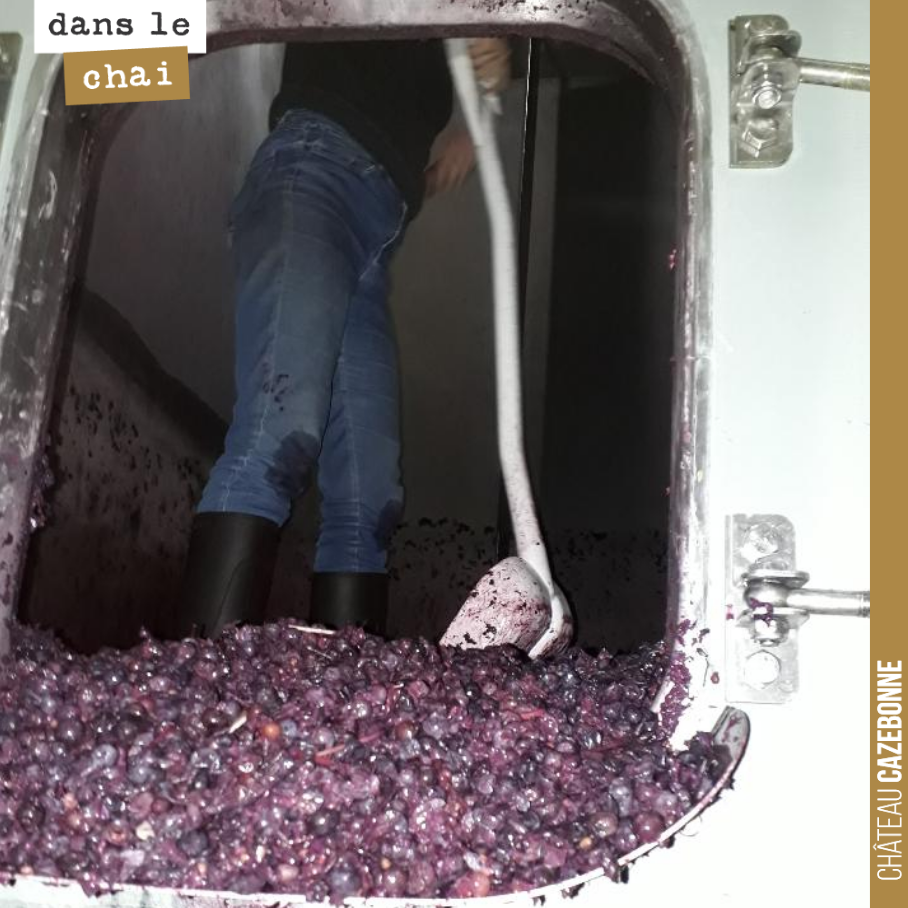
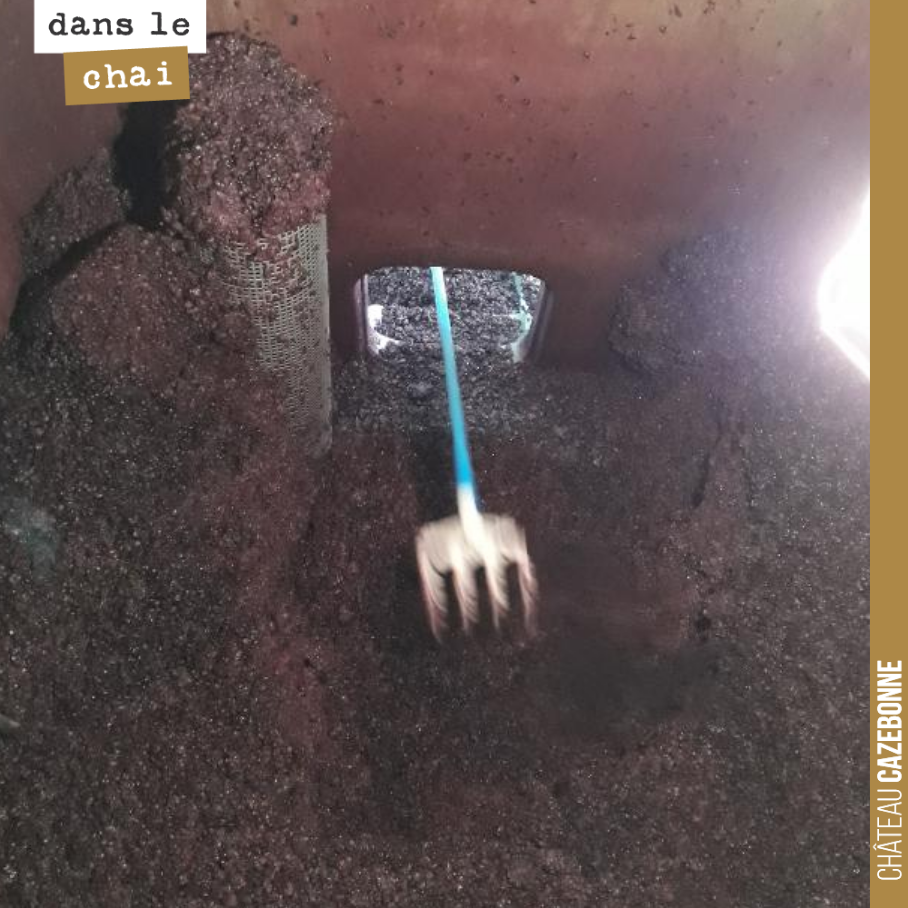
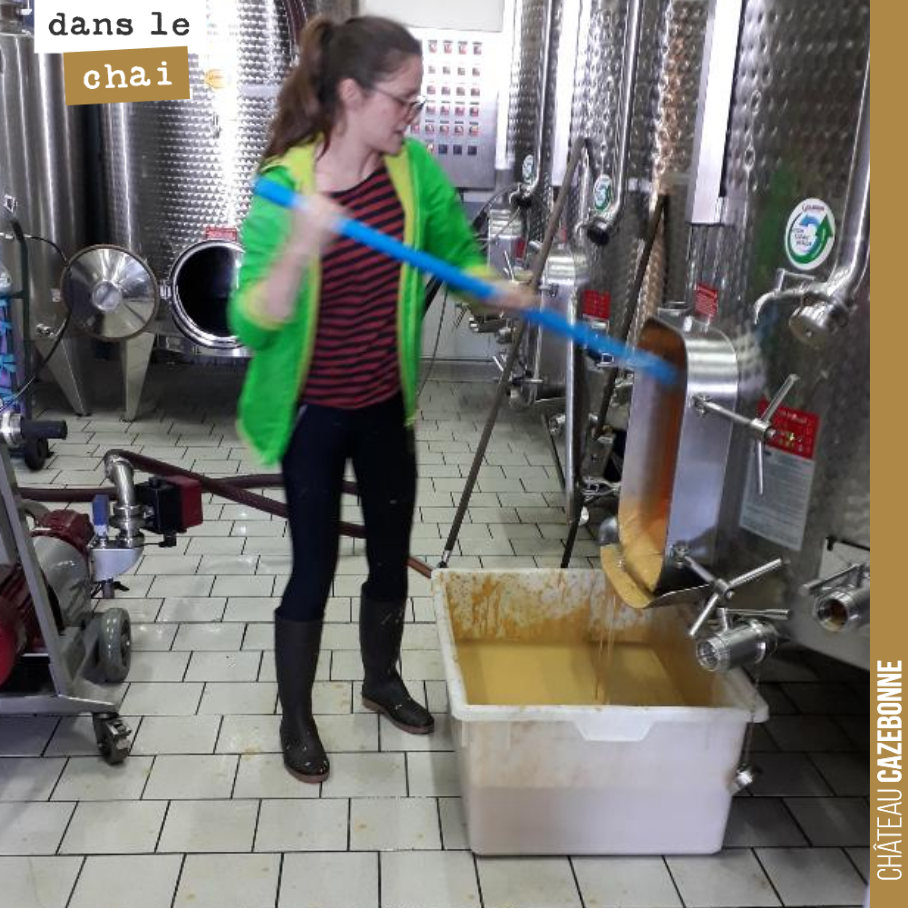
The vat is first emptied of its wine by simple gravity, often using a valve located at the bottom of the tank. The wine that drains out is called "free-run wine". This is the highest-quality and most delicate fraction, typically accounting for 70 to 80% of the total wine volume. It is then transferred to other vats or oak barrels for maturation.
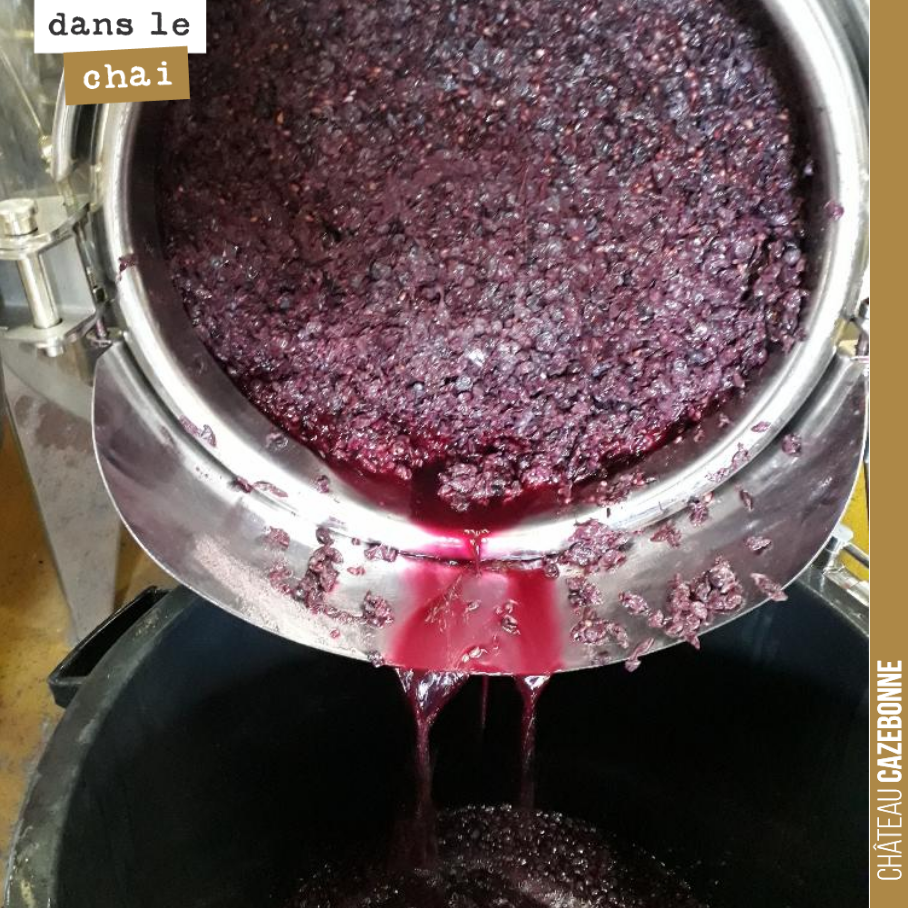
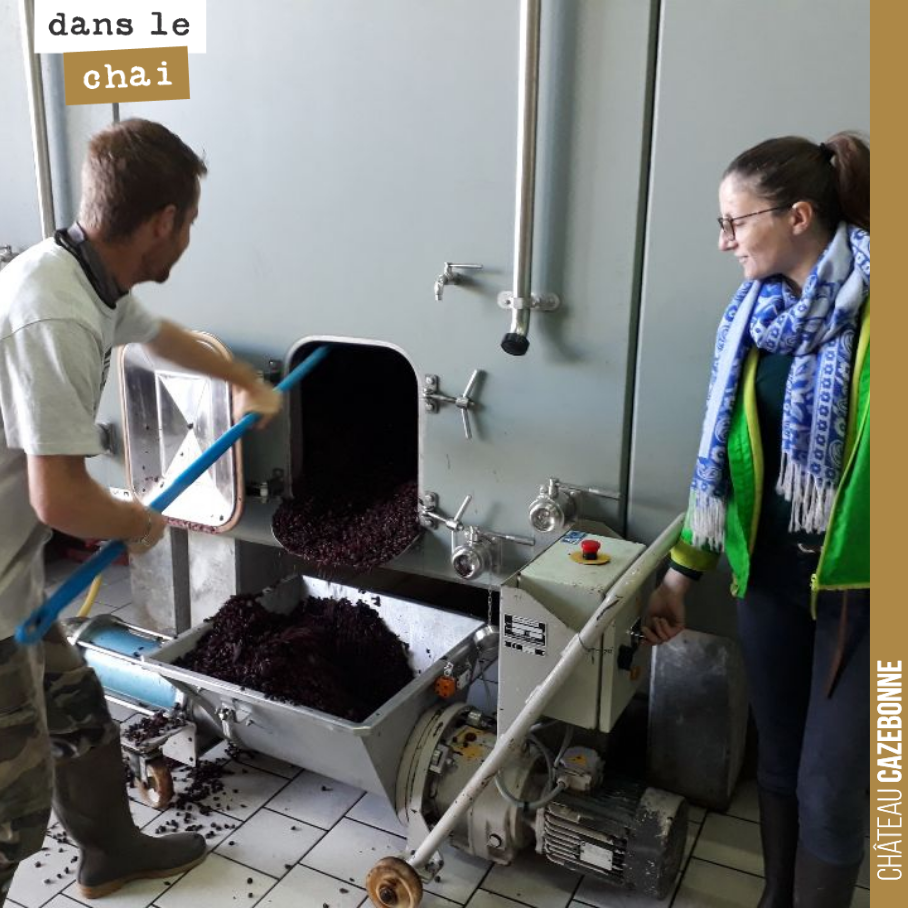
Once the free-run wine has been collected, the residual pomace, made up of skins, seeds, and potentially stems, is transferred to the press. The resulting liquid, known as "press wine", is richer in tannins and colour, with an often more robust aromatic profile. It can be blended with the free-run wine, depending on the characteristics desired for the final cuvée, or aged and used separately.
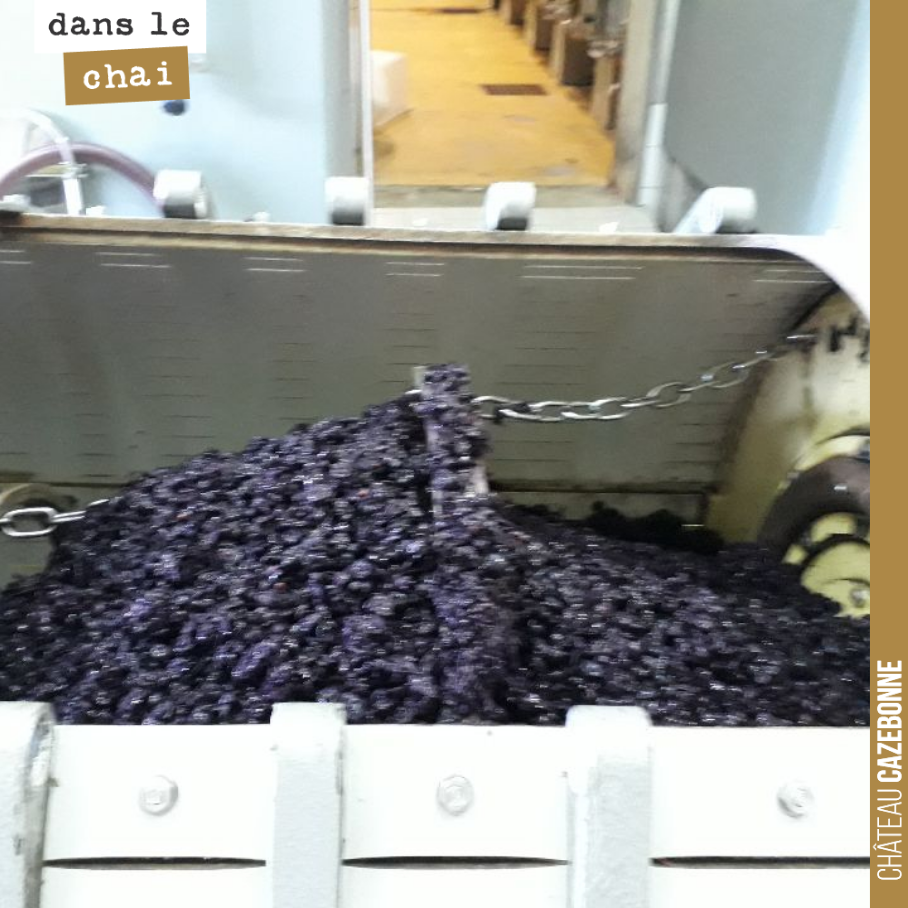
The necessary equipment mainly includes fermentation vats fitted with racking valves, wine transfer pumps, and a wine press to process the pomace after drawing off. Hoses and fittings are also essential to convey the wine and pomace hygienically and efficiently. The proper functioning of this winery equipment is paramount.
At Château Cazebonne, we pay special attention to drawing off, viewing it as a cornerstone of our philosophy to craft authentic Bordeaux wines. We favour gentle drawing off from the bottom of the vats to recover the free-run wine with minimal handling. The pomace is then pressed separately at low pressure to extract high-quality press wines, which may or may not be blended in, depending on the desired profile of our cuvées. This approach respects the expression of our historic Bordeaux grape varieties and the character of our terroir. Winery effluent management is another important practice in the lifecycle of wine.
The care taken at every stage of winemaking is central to Château Cazebonne's philosophy. We believe in the richness and diversity of Bordeaux varieties, and we are dedicated to replanting these lost treasures, genuine witnesses to our region's wine history. This heritage preservation work is made possible thanks to the support of many wine lovers who, by enjoying our wines, champion our project and bring this viticultural renaissance to life. To deepen your understanding of red winemaking, the digital edition of the book "Bordeaux, une histoire de cépages" is available as a free download, or you can test your knowledge with our wine quizzes. Feel free to explore our cuvées and support our journey by visiting our online boutique.
Our suggestions
-5%on your 1st order with code BIENVENUE
The essential6 bottles — Graves red 2022
The best price of the cellar: €12 per bottle delivered.
The everyday red: generous and straight to the point.
I want it Our recommendation92/100 RVF
6 bottles — Graves red 2022, 92/100 RVF
Rated 92/100 by La Revue du vin de France: a solid 10-year ageing potential.
Our Graves for ageing, the finest gateway to the estate.
I want it Go further
12 bottles — the whole range
12 bottles, the whole range tasted: the best discovery-to-price ratio.
The complete tour of the estate, in a single case.
I want it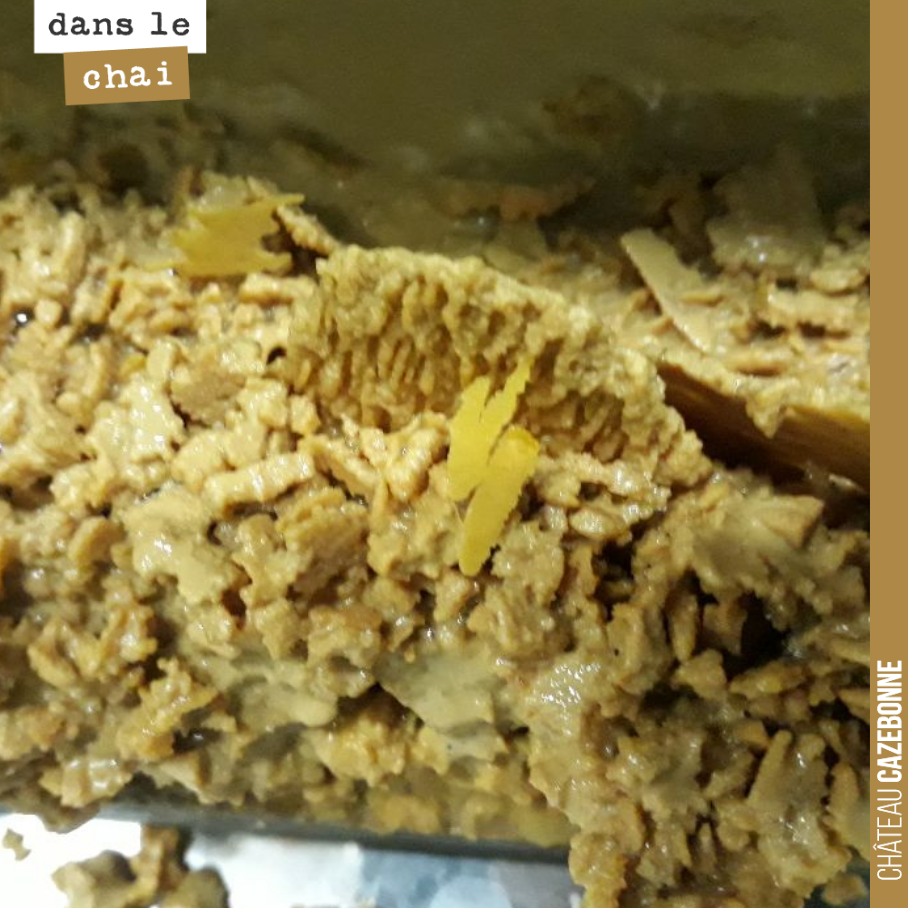
12 November 2019
25 October 2019
23 October 2019
21 October 2019
21 October 2019
19 October 2019
18 October 2019
18 October 2019
The cellar, forgotten grape varieties and our cuvées, twice a month. 5% off your first order with the code BIENVENUE.