
 The essential
6 × Entre Amis red
6 bottles — Graves red 2022
The best price of the cellar: €12 per bottle delivered.
The everyday red: generous and straight to the point.
I want itDe-suckering
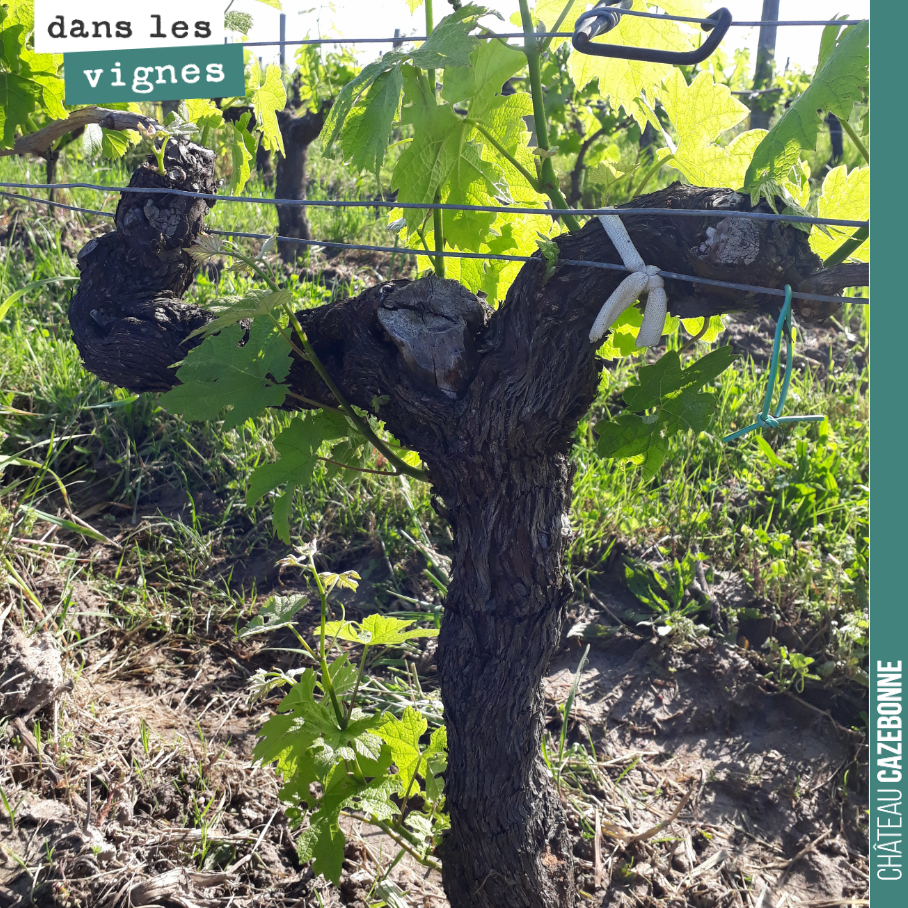
At the heart of vineyard work, suckering is a delicate and fundamental task, rooted in the quest for balance and quality. This manual operation consists of removing the "suckers", those young, non-fruit-bearing herbaceous shoots that emerge directly from the trunk, arms or framework of the vine. Appearing at the very beginning of the vegetative cycle, these vigorous shoots, though useless for grape production, directly compete with the canes bearing the future harvest.
The objective of suckering is multifaceted. By eliminating these undesirable shoots, the winegrower concentrates the plant's sap and energy towards the productive parts. This promotes better nourishment for the bunches, a more harmonious development of the fruiting process and, ultimately, an improvement in berry quality. Furthermore, well-executed suckering aerates the plant's structure, thereby reducing the risk of fungal diseases, such as downy mildew or powdery mildew, by ensuring better air circulation and a more uniform exposure to the sun. It is also an excellent way to control the vine's vigour and avoid overly dense foliage that could hinder grape maturity.
The timing of suckering is crucial and generally takes place when the suckers are still young and fragile, measuring between 5 and 15 centimetres, which facilitates their manual removal without injuring the vine. If done too early, it can provoke inflorescence, an excessive new growth. If too late, it unnecessarily weakens the vine. Several passes may be required, particularly for high-vigour grape varieties or those producing many suckers, such as Cabernet Sauvignon or Merlot, whilst others, like Petit Verdot, require fewer interventions.
At Château Cazebonne, we attach particular importance to every detail, and suckering is a perfect example of our commitment to precision viticulture. This meticulous manual work, carried out with patience and expertise, is all the more crucial for our historic grape varieties. As Jean-Baptiste Duquesne highlights in "Bordeaux, une histoire de cépages" published by Éditions BBD, an intimate knowledge of each variety is essential to adapt these practices to the specificities of the plant. By replanting these forgotten grape varieties, we are working to preserve a unique Bordeaux wine heritage, an endeavour made possible by the invaluable support and curiosity of wine enthusiasts.
The meticulous vineyard work at Château Cazebonne, including ancestral practices such as suckering, but also vine trimming, allows us to replant grape varieties in Bordeaux that had disappeared, thereby restoring an invaluable viticultural heritage. This work is made possible thanks to the support of enthusiasts who have embraced our wines, and to deepen your knowledge of the fascinating history of Bordeaux grape varieties, we invite you to download the digital version of the book "Bordeaux, une histoire de cépages". You can also test your oenological knowledge with our quizzes and, of course, discover the fruit of this passionate labour, all our vintages, directly on our online boutique.
Sources
Our suggestions
-5%on your 1st order with code BIENVENUE
The essential6 bottles — Graves red 2022
The best price of the cellar: €12 per bottle delivered.
The everyday red: generous and straight to the point.
I want it Our recommendation92/100 RVF
6 bottles — Graves red 2022, 92/100 RVF
Rated 92/100 by La Revue du vin de France: a solid 10-year ageing potential.
Our Graves for ageing, the finest gateway to the estate.
I want it Go further
12 bottles — the whole range
12 bottles, the whole range tasted: the best discovery-to-price ratio.
The complete tour of the estate, in a single case.
I want it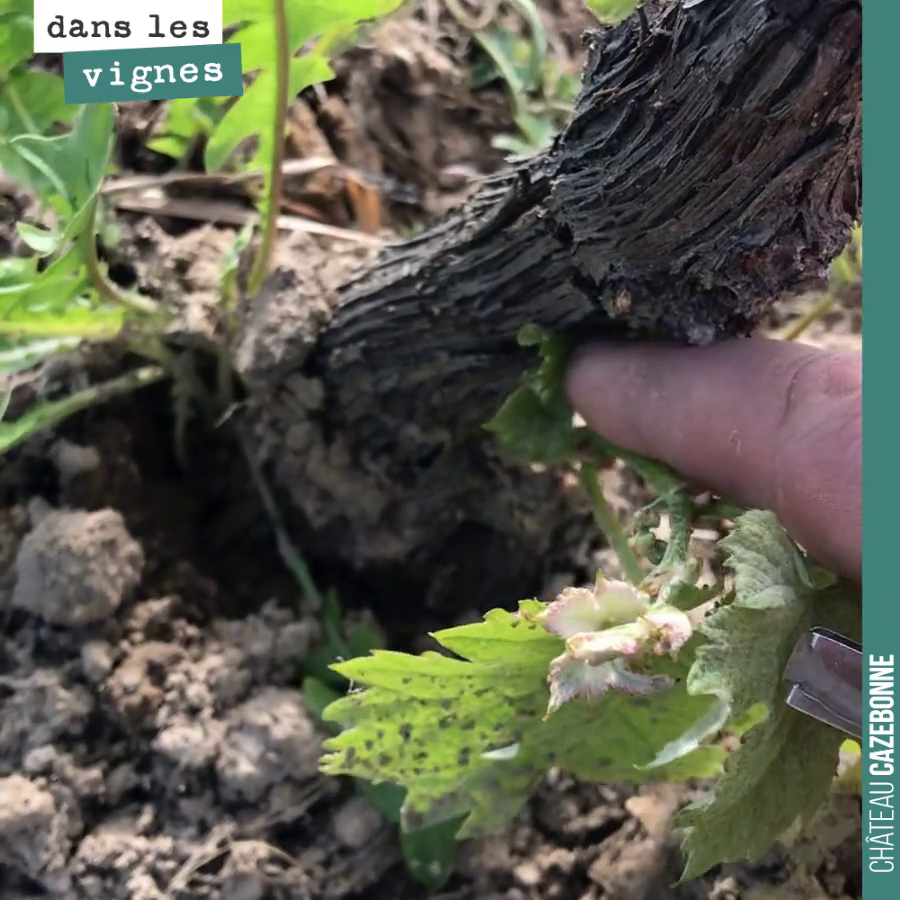
12 May 2021
07 May 2020
25 May 2019
31 October 2018
The cellar, forgotten grape varieties and our cuvées, twice a month. 5% off your first order with the code BIENVENUE.