
 The essential
6 × Entre Amis red
6 bottles — Graves red 2022
The best price of the cellar: €12 per bottle delivered.
The everyday red: generous and straight to the point.
I want itFlora
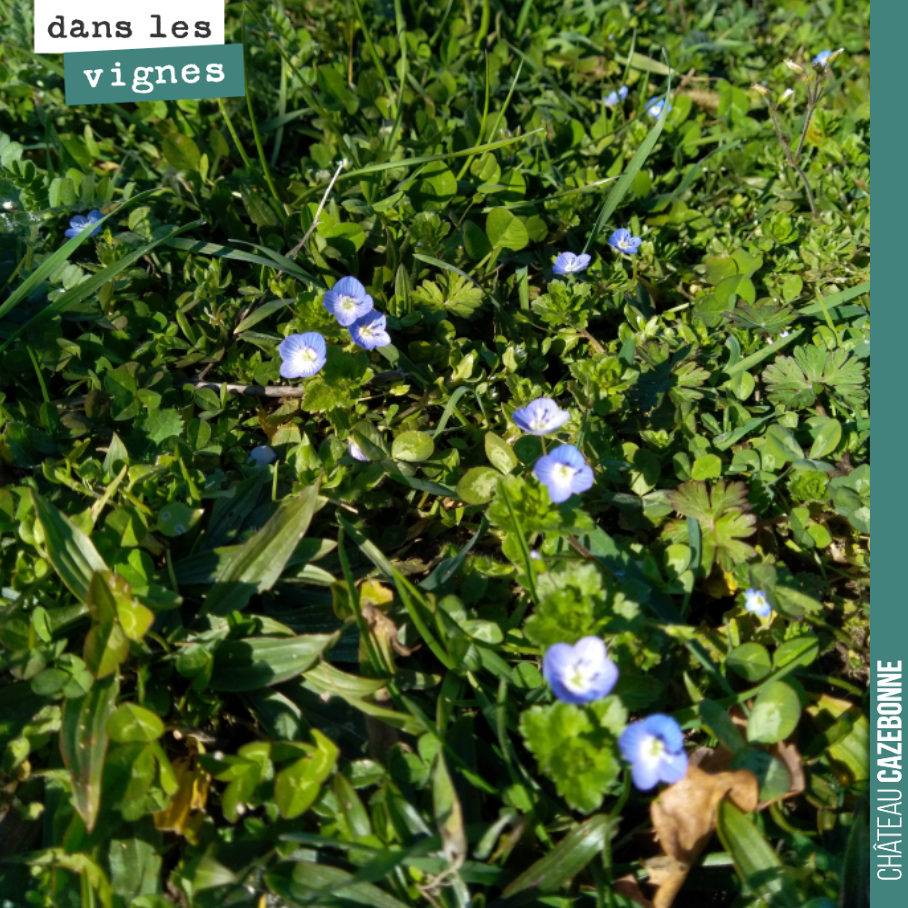
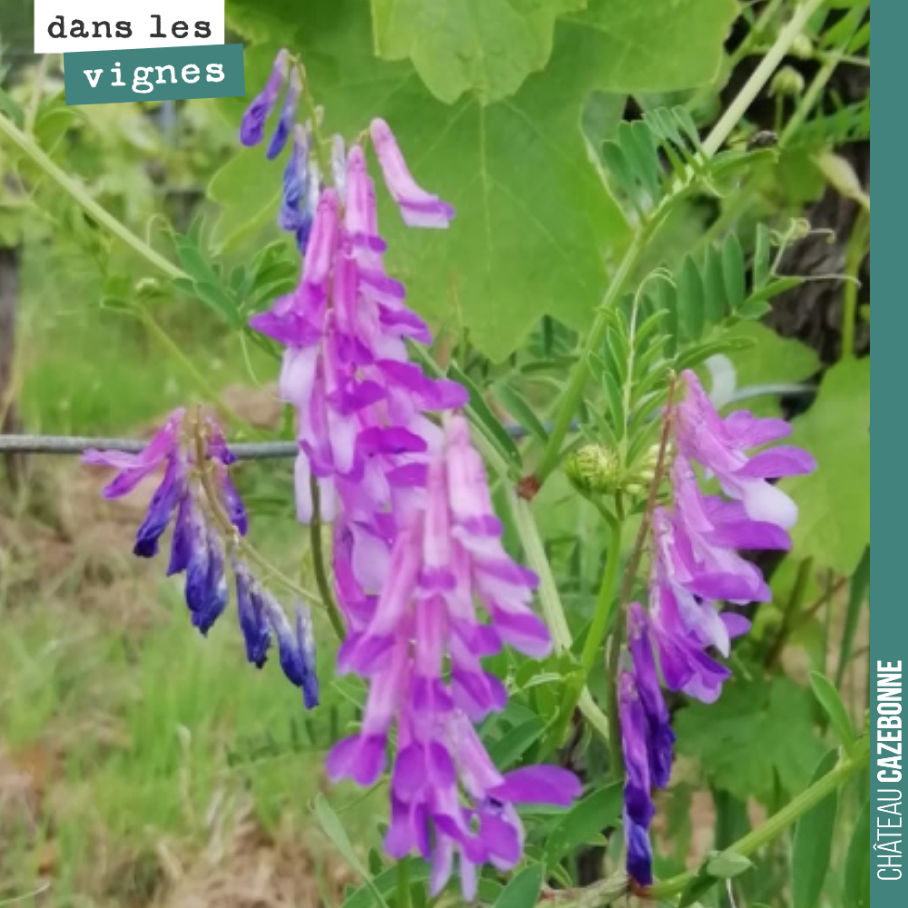
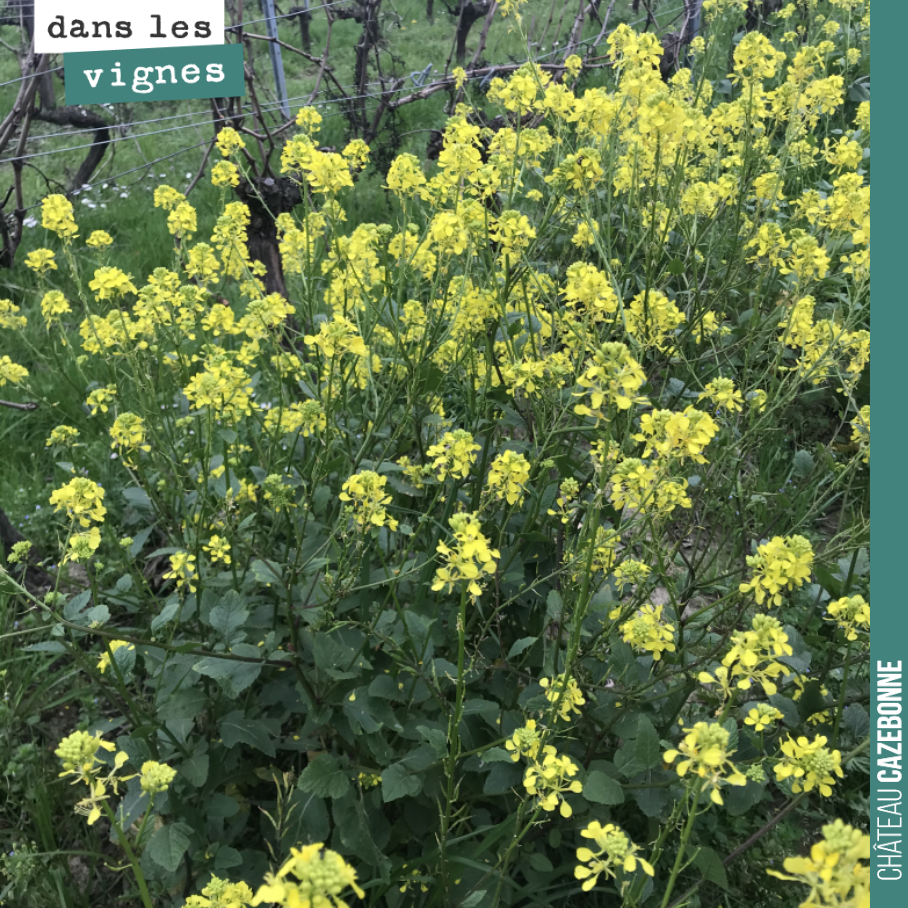
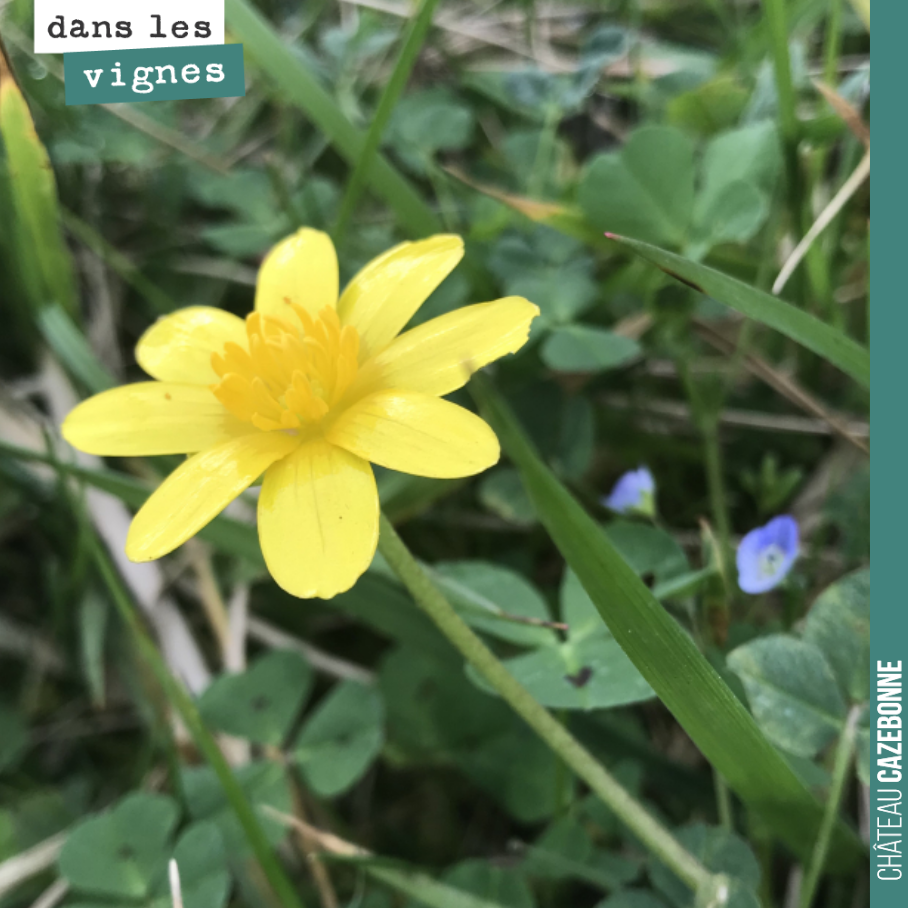
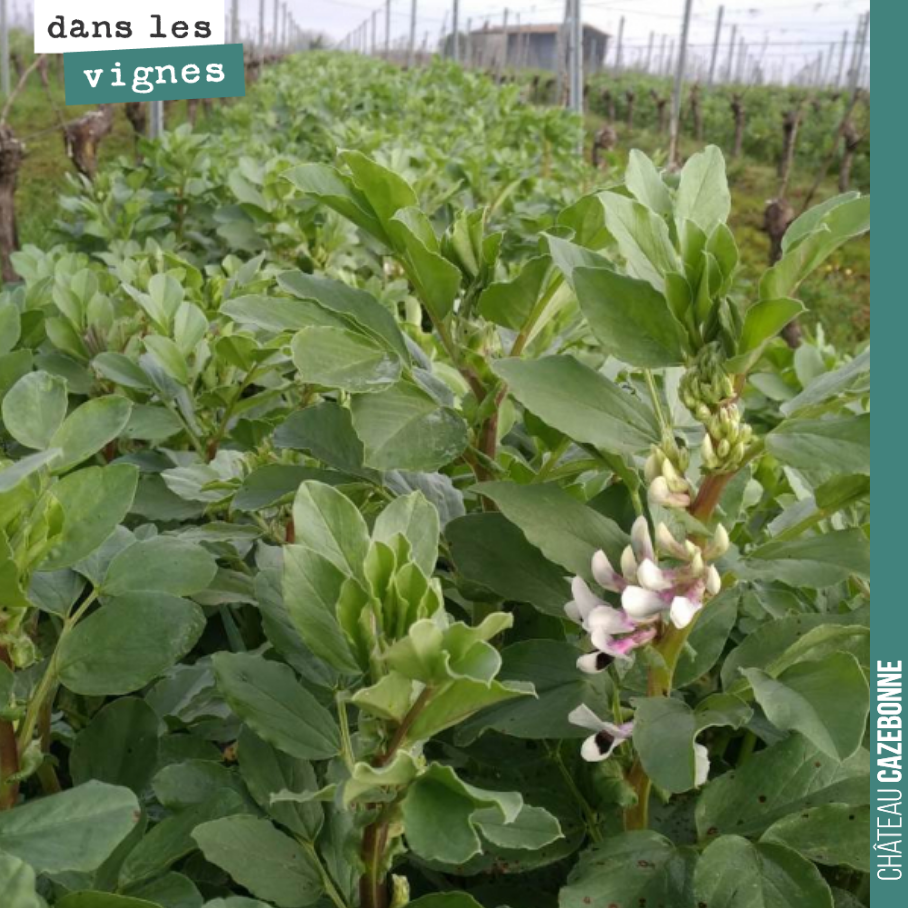
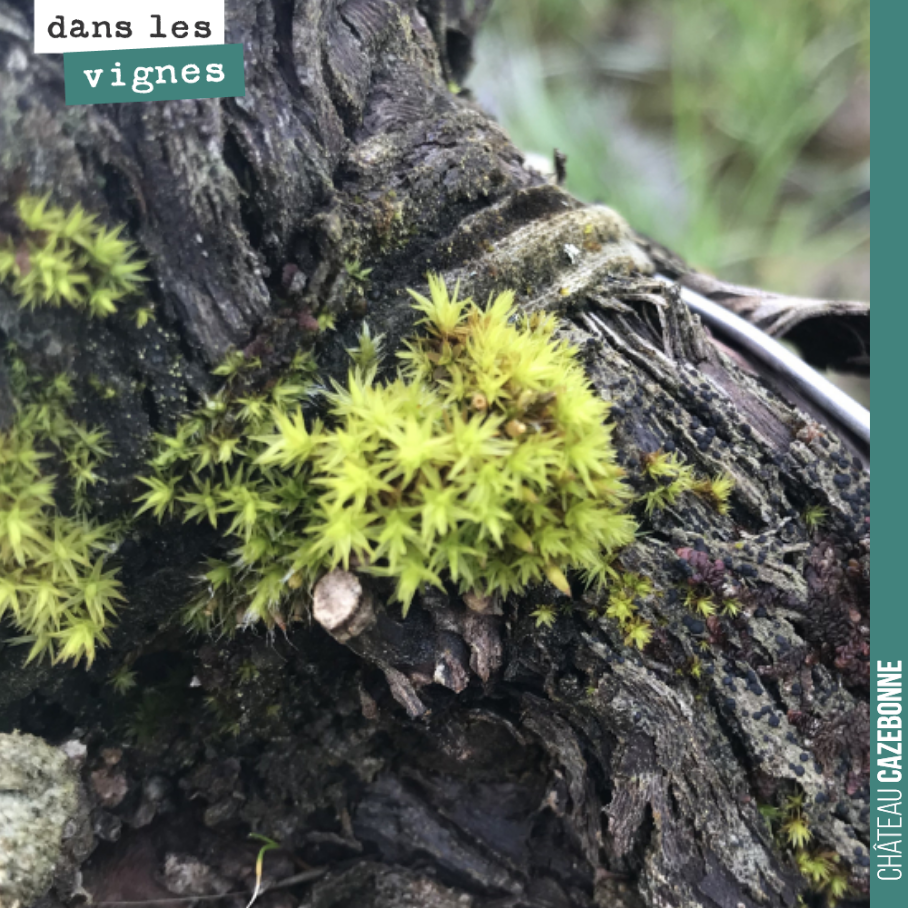
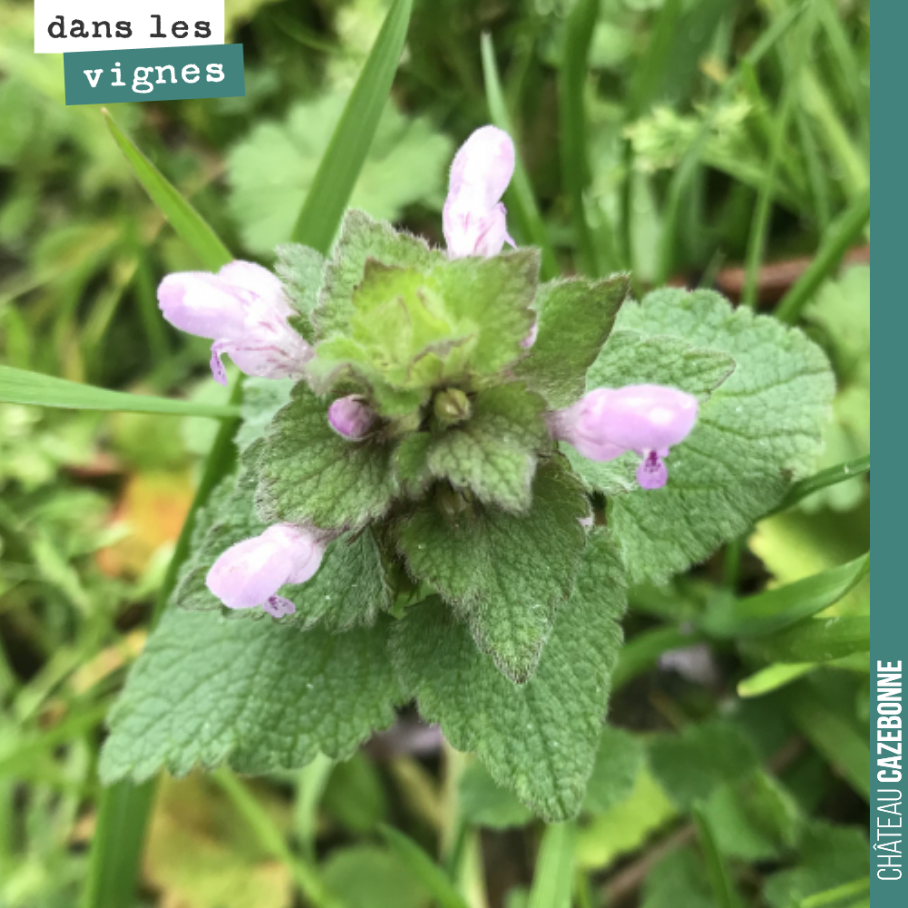
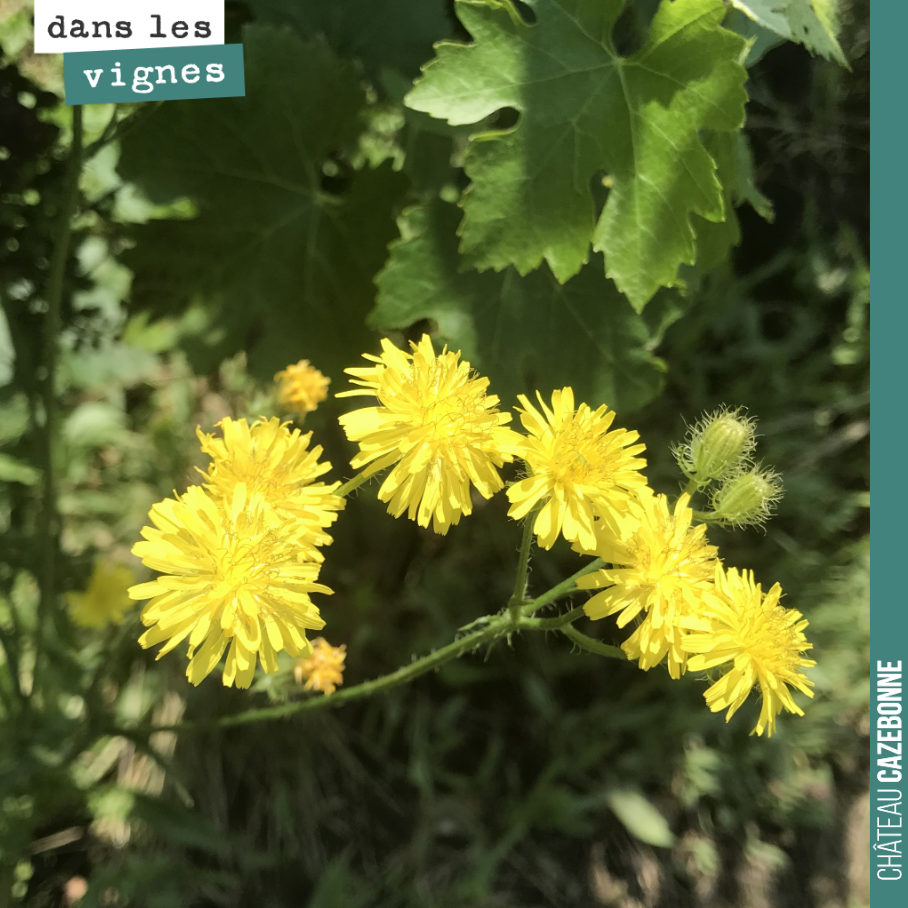
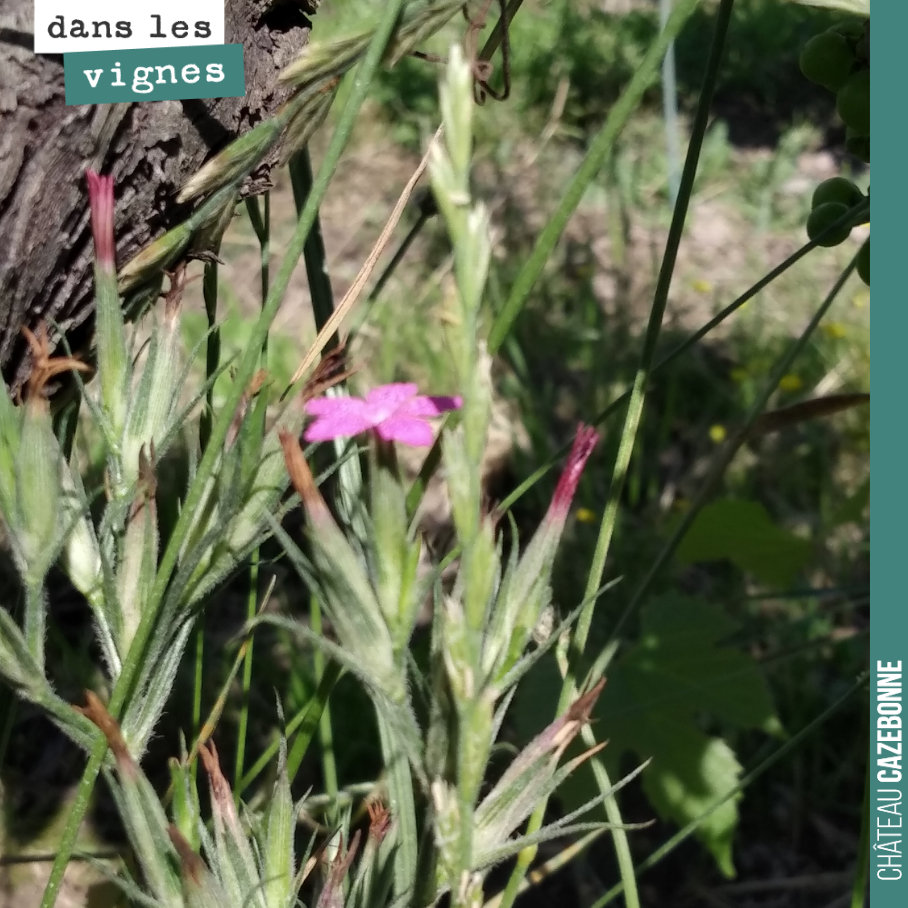
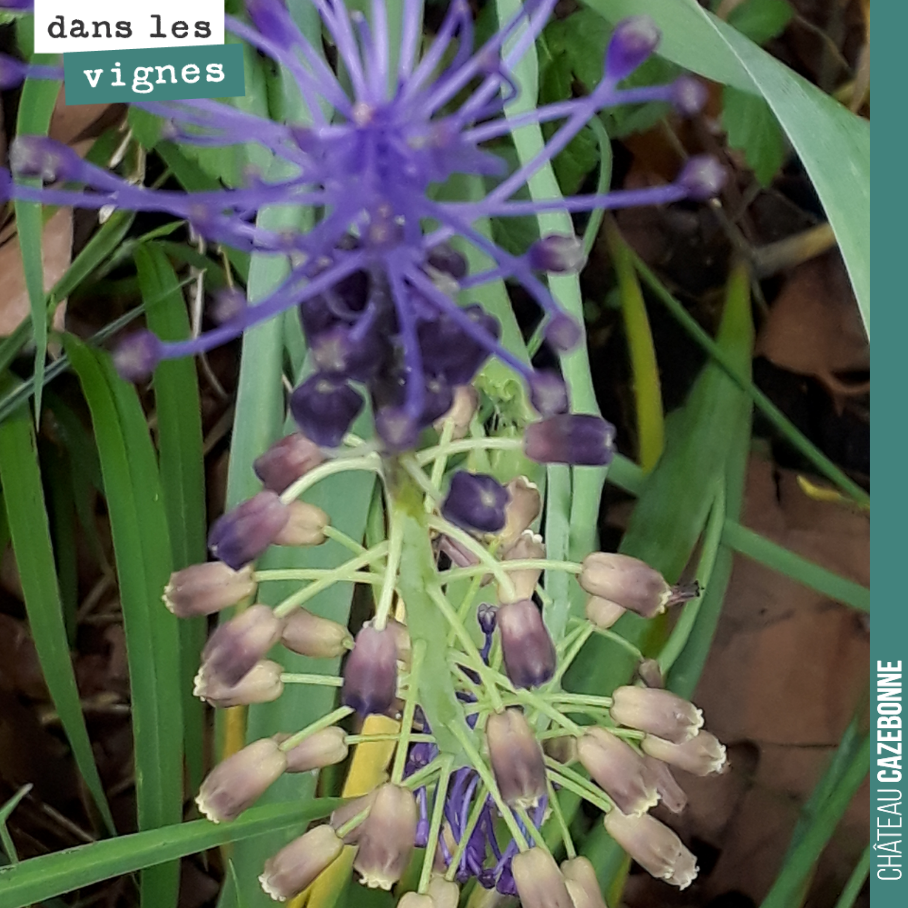
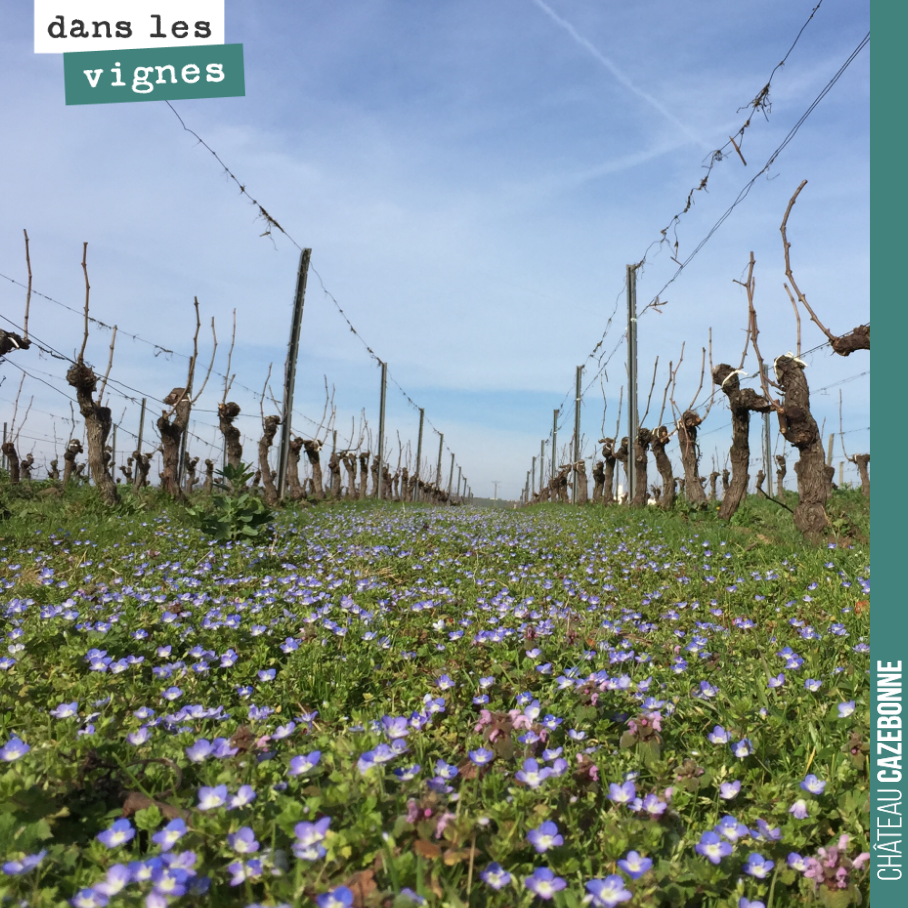
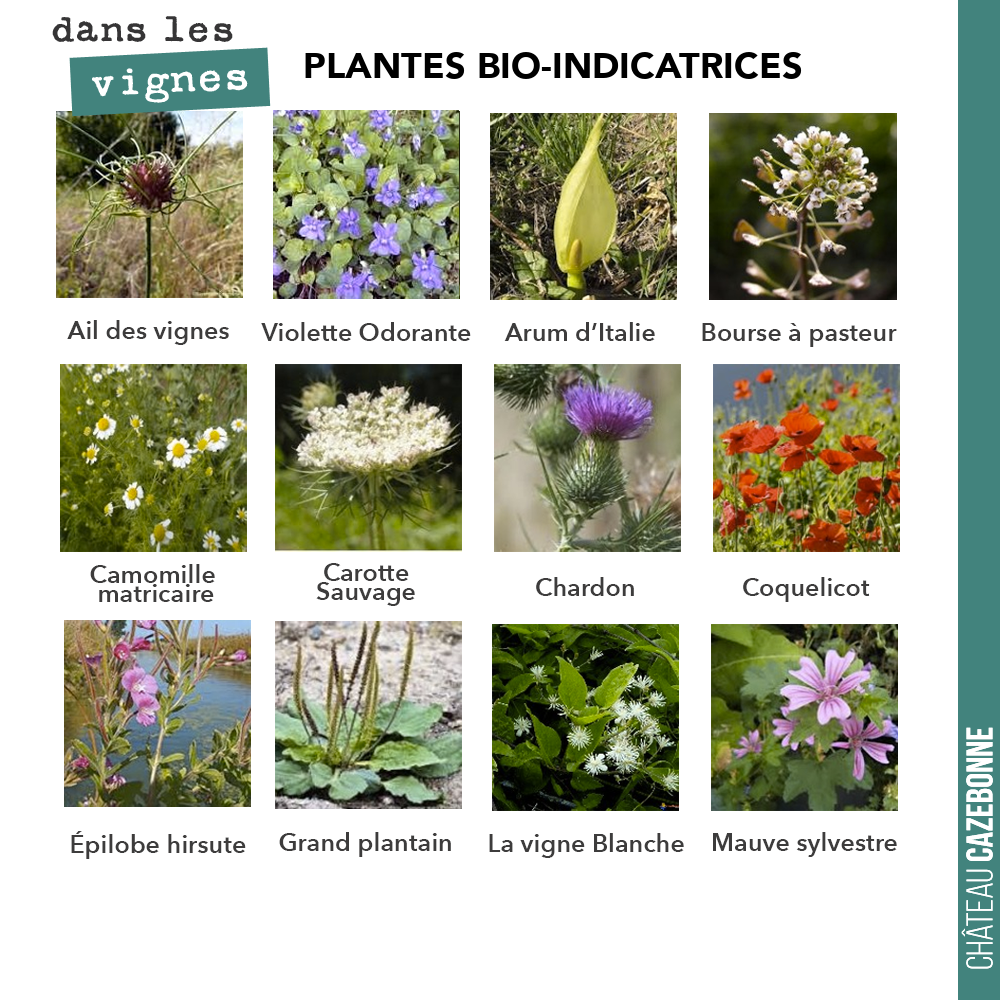
At Château Cazebonne, the vitality of our vines is not only measured by the quality of our grapes, but also by the abundant richness of the flora that inhabits them. To speak of living soils is inevitably to address the diversity and balance of this plant ecosystem that we cultivate with passion in organic farming. Far from being mere "weeds", these plants that flourish between our rows are precious indicators of the health of our terroirs, revealing the richness of their composition and the good management we apply to them.
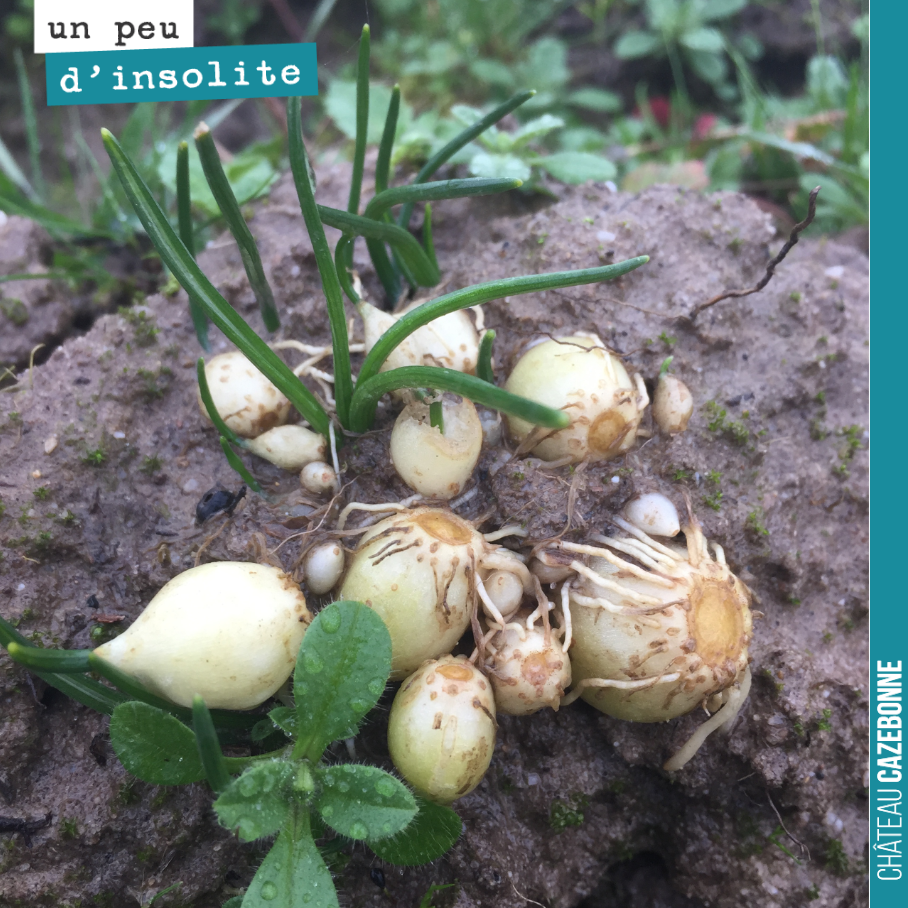
Observing the flora in our vineyards is a moment of continuous learning for us. Each new flower, each unknown blade of grass, is an invitation to research and discovery. We take the time to identify these species, to understand their role and their interaction with the soil and the vine. This in-depth knowledge of our plant biodiversity allows us to refine our practices, promote natural balances, and strengthen the resilience of our vineyards in the face of climate challenges. As Jean-Baptiste Duquesne points out in his book "Bordeaux, une histoire de cépages", soils and their microbial and plant life are the invisible but essential foundations of a great terroir, guaranteeing its unique expression.
The presence of varied flora is a pillar of our organic approach. It contributes to soil aeration through the work of its roots, to the humidification of the surface layers thanks to the shade cast by its foliage and the capture of rainwater, to the prevention of soil particle erosion, and to the addition of organic matter through its natural decomposition. Certain plants act as "soil engineers", improving its structure and fertility in a gentle and respectful manner. Others play an essential role in hosting auxiliary fauna, a precious ally in the natural fight against vine pests, thus limiting the need for external interventions.
In this plant mosaic, we sometimes find traces of the forgotten grape varieties that once made the Bordeaux vineyards so rich. Château Cazebonne is vigorously committed to replanting these historical grape varieties, such as Castets, Mancin, or Saint-Macaire, varieties that have fallen into oblivion but carry a history and a singular aromatic potential. By bringing them back to life, we are not just perpetuating a heritage; we are responding to a deep desire for diversity, authenticity, and singularity. This meticulous and fascinating work of preservation and rehabilitation is only possible thanks to the unwavering support of all the wine lovers who have embraced the unique flavours of our cuvées, thus helping to write a new chapter in Bordeaux's winemaking history.
Discover the unique expression of our terroirs and our rediscovered grape varieties by visiting the Cazebonne shop.
To find out more about the ancestral grape varieties of Bordeaux and our commitment, we also invite you to receive the digital version of the book "Bordeaux, une histoire de cépages", published by Éditions BBD and written by Jean-Baptiste Duquesne.
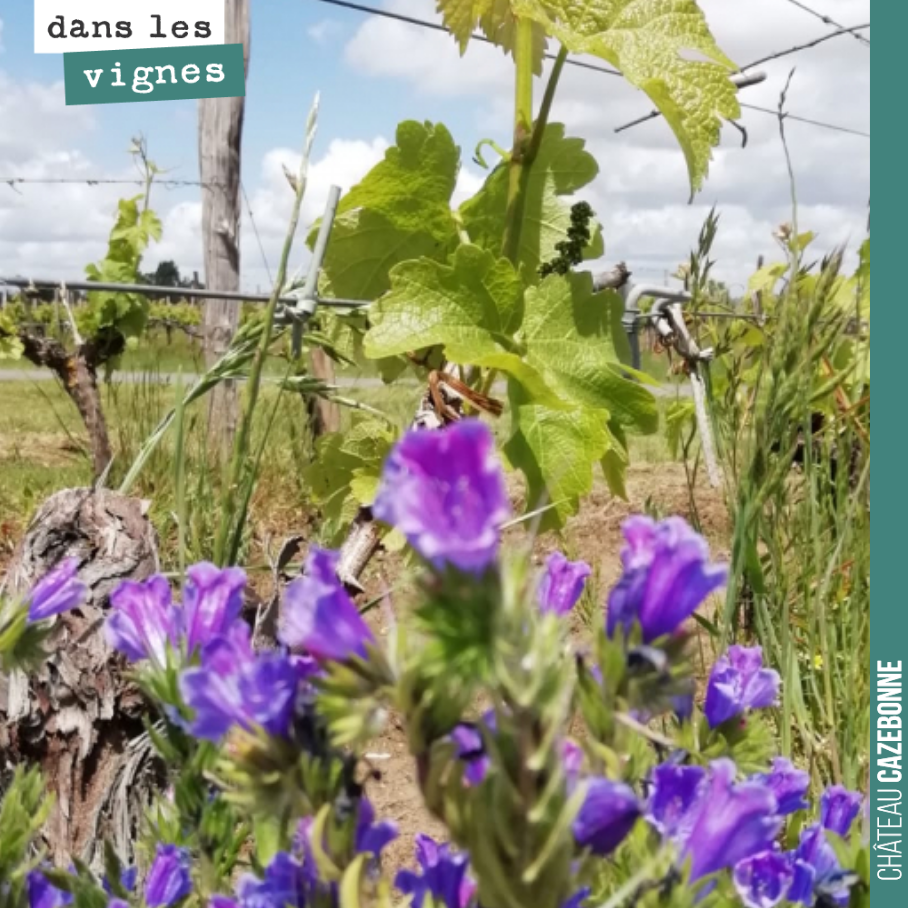
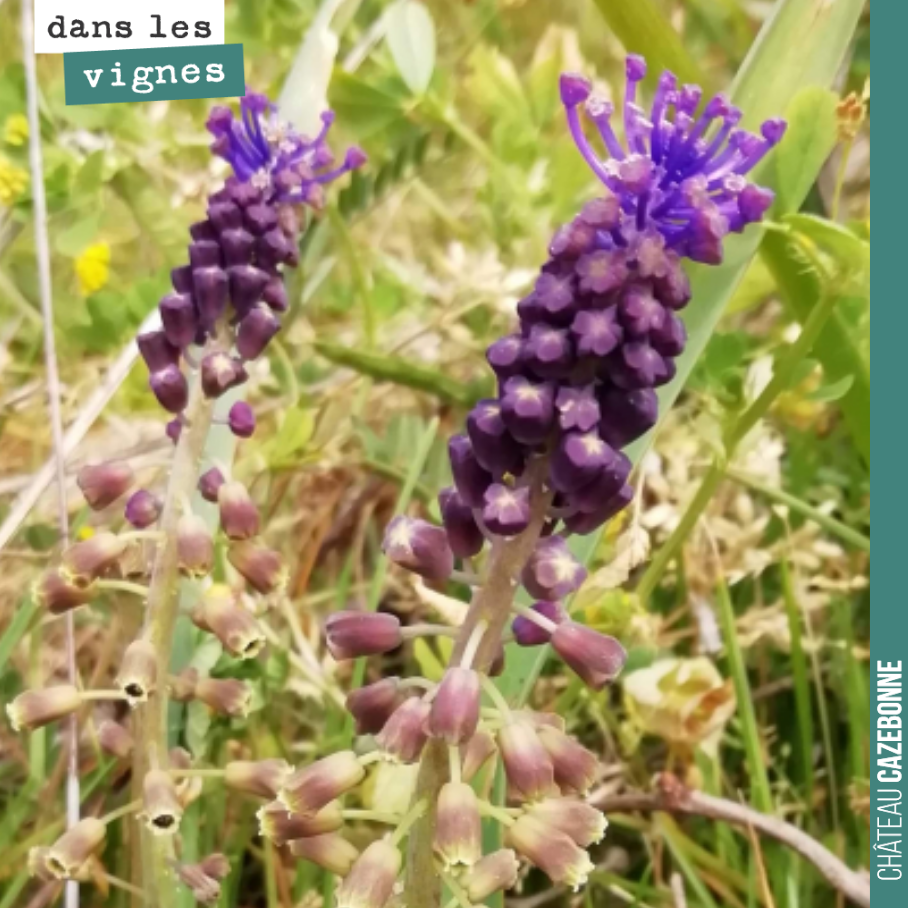
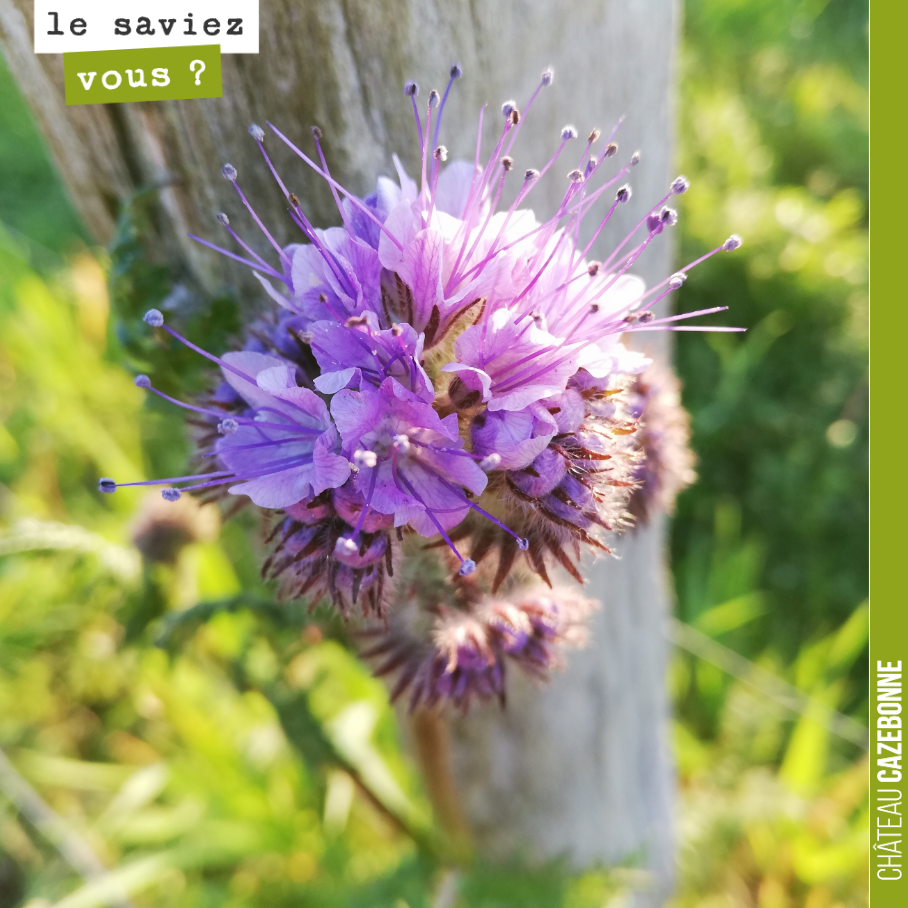
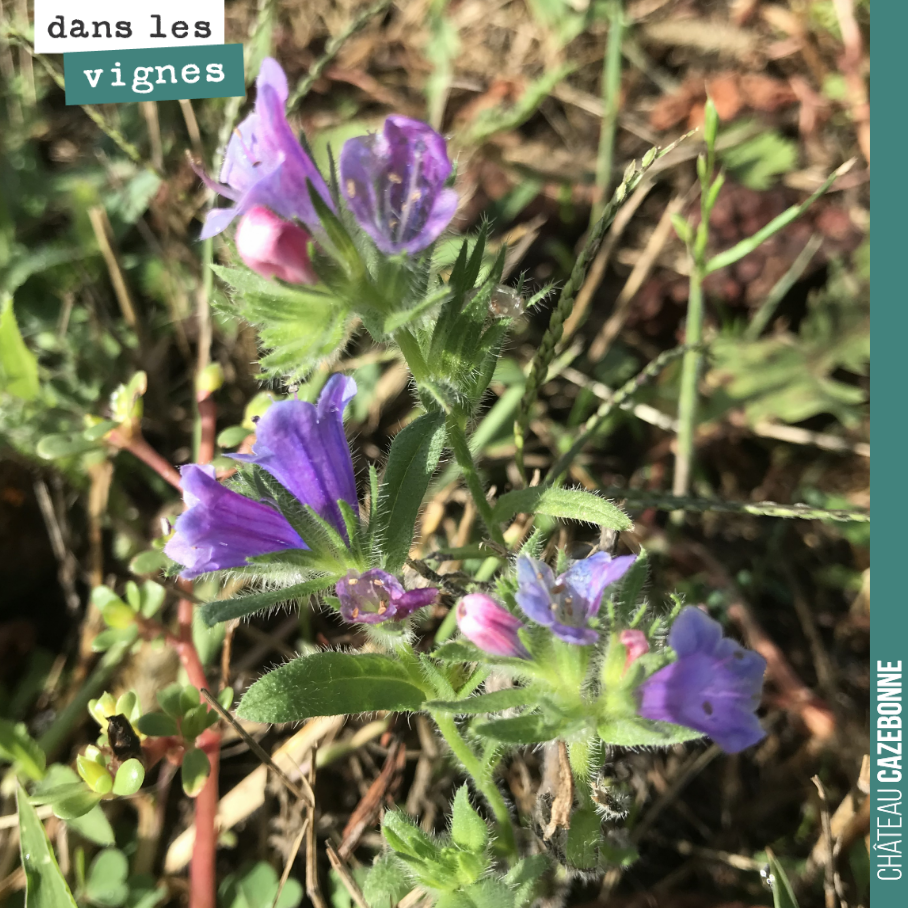
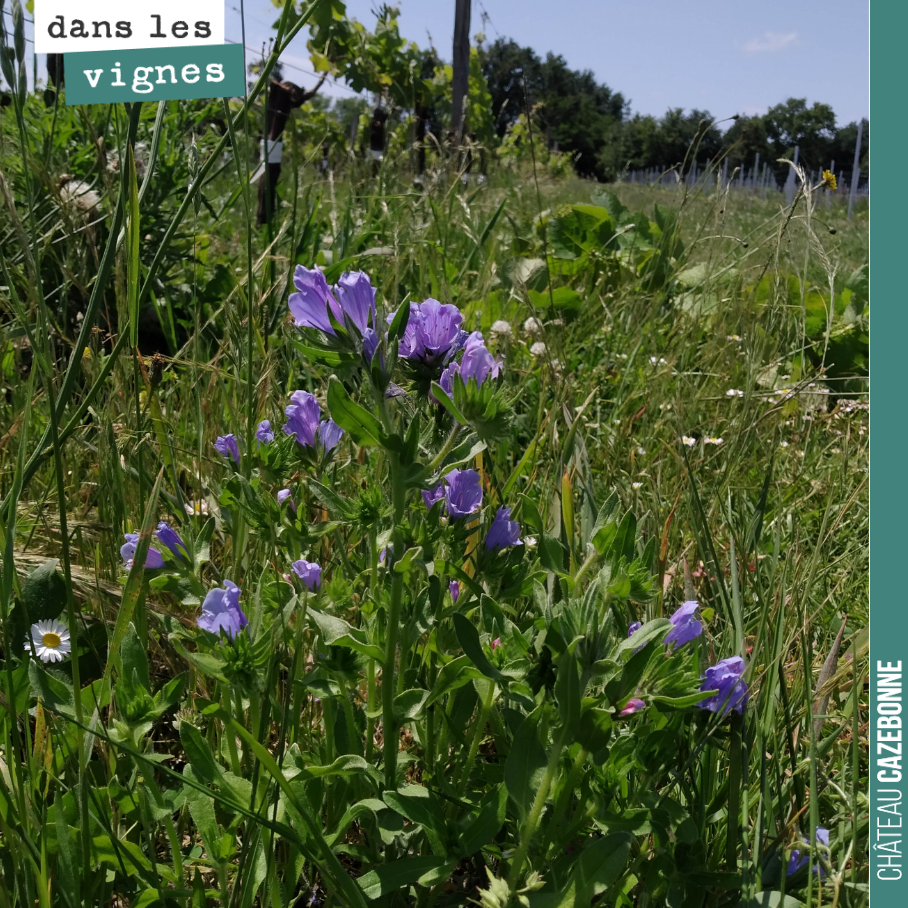
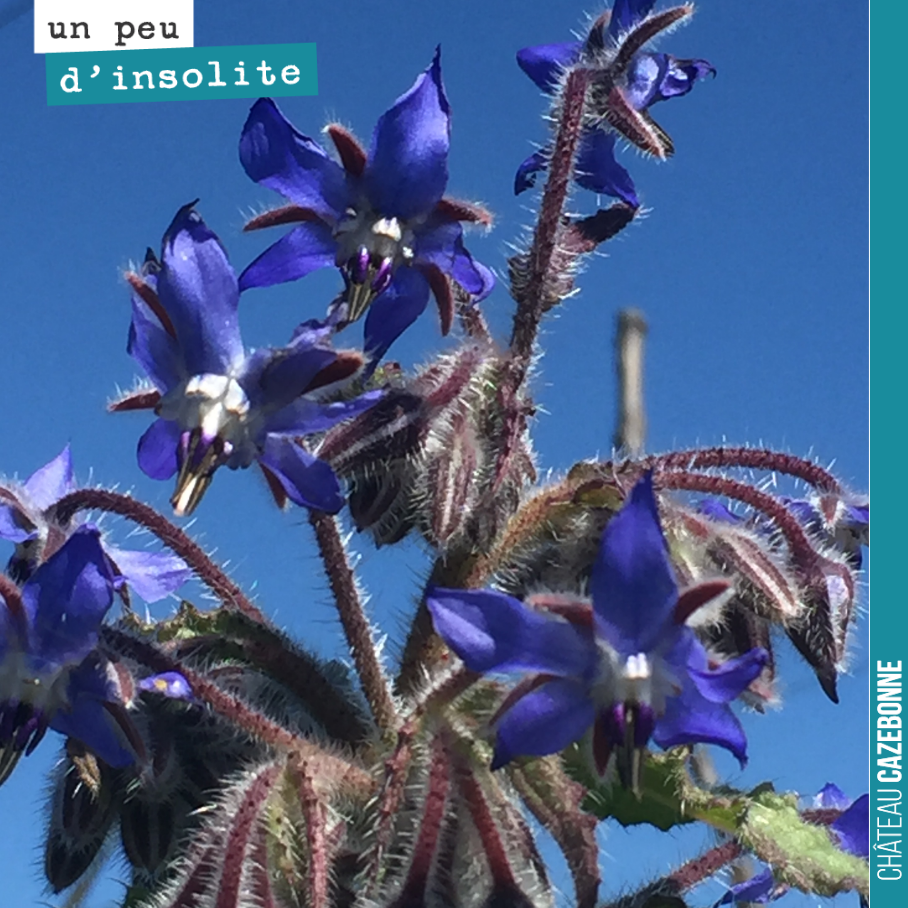
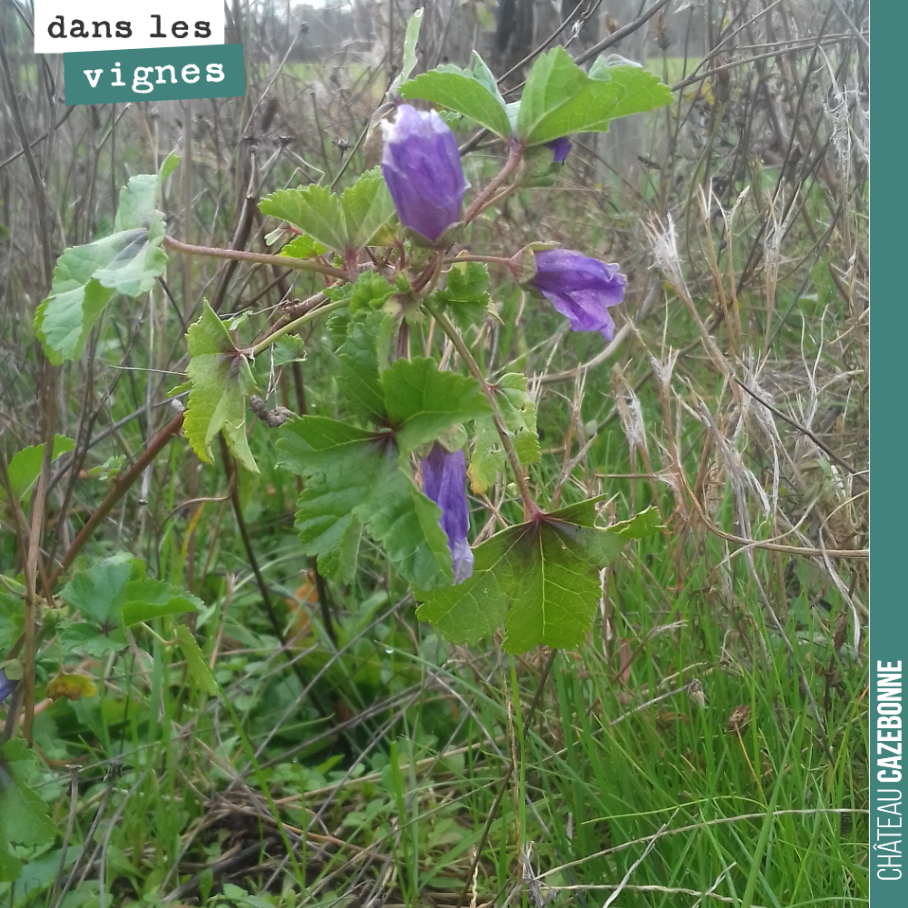
Purple viper's bugloss (Echium plantagineum) is an annual or biennial herbaceous plant of the Boraginaceae family. Easily identifiable by its bell-shaped flowers, it is adorned in magnificent shades ranging from intense purplish blue to pink, or even white, offering a striking visual spectacle in our plots. Reaching heights of up to 80 centimetres, it stands proudly thanks to its sturdy, hairy stems, garnished with rough, lanceolate leaves.
Its life cycle generally begins in autumn, when it forms a rosette of basal leaves. In spring, it develops its floral stems, blooming from May to September. This long flowering period makes it particularly precious for bees and other pollinating insects, ensuring a constant source of nectar and pollen in the vineyard.
At Château Cazebonne, purple viper's bugloss is frequently found between the rows and on the edges of the plots. Borage prefers well-drained, sometimes stony soils, and adapts to moderate drought conditions, making it a regular feature of our Graves soils. Observing it is an indicator of the good biological health of our terroir.
This plant plays a major ecological role. By covering the ground, it actively participates in regulating grass cover, reducing competition from other potentially less beneficial species. Its deep root system contributes to aerating and improving soil structure, thus promoting better water infiltration. Furthermore, its biomass enriches the soil with organic matter after its decomposition.
For the vine, purple viper's bugloss is a beneficial neighbour. By attracting a diversity of insects, it provides a nutritional source for crop auxiliaries that help regulate vine pests, without competing directly with the vine for water or nutrients. It also helps to maintain surface soil moisture in summer thanks to the shade it provides.
On our lands, we take care to preserve and encourage the presence of purple viper's bugloss. Its natural development fits perfectly into our agroecology practices, contributing to a rich and diversified biological balance. It is by respecting and integrating these natural elements that we cultivate the resilience of our vineyards.
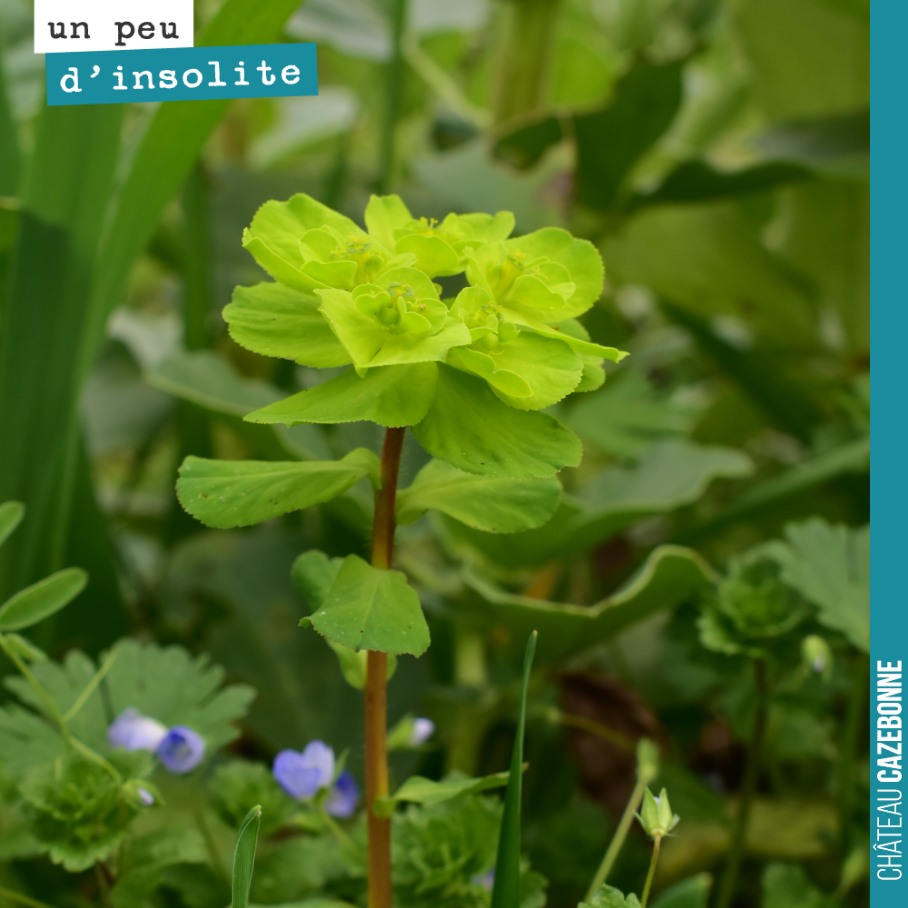
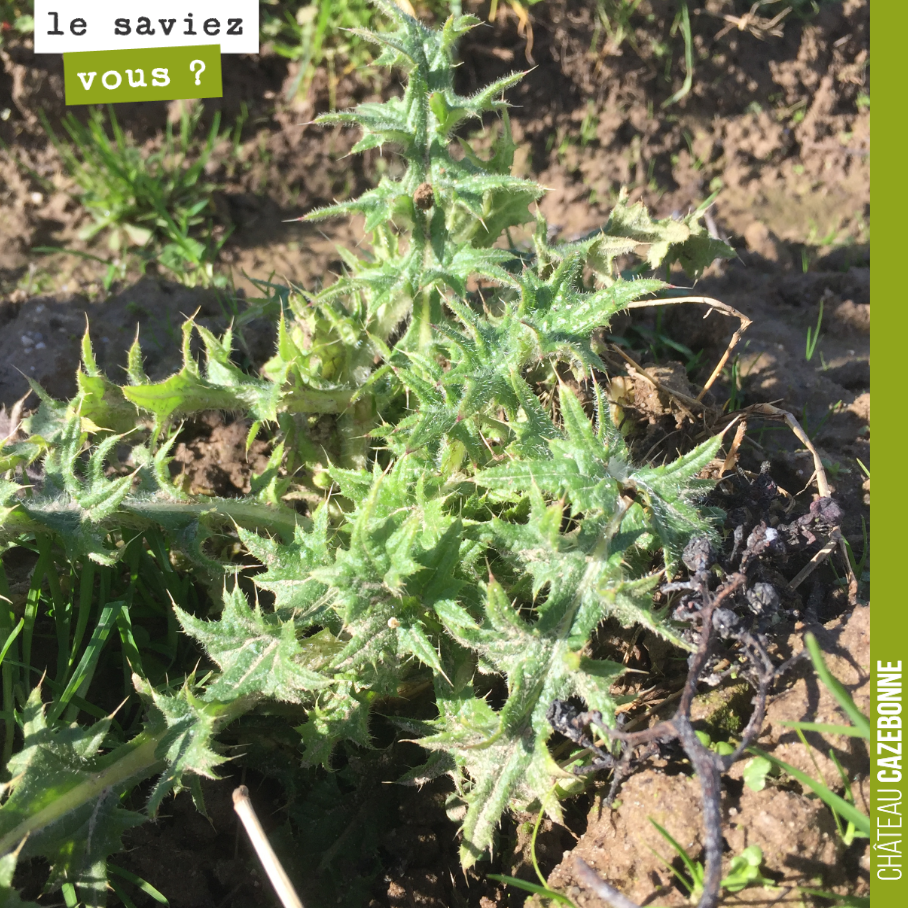
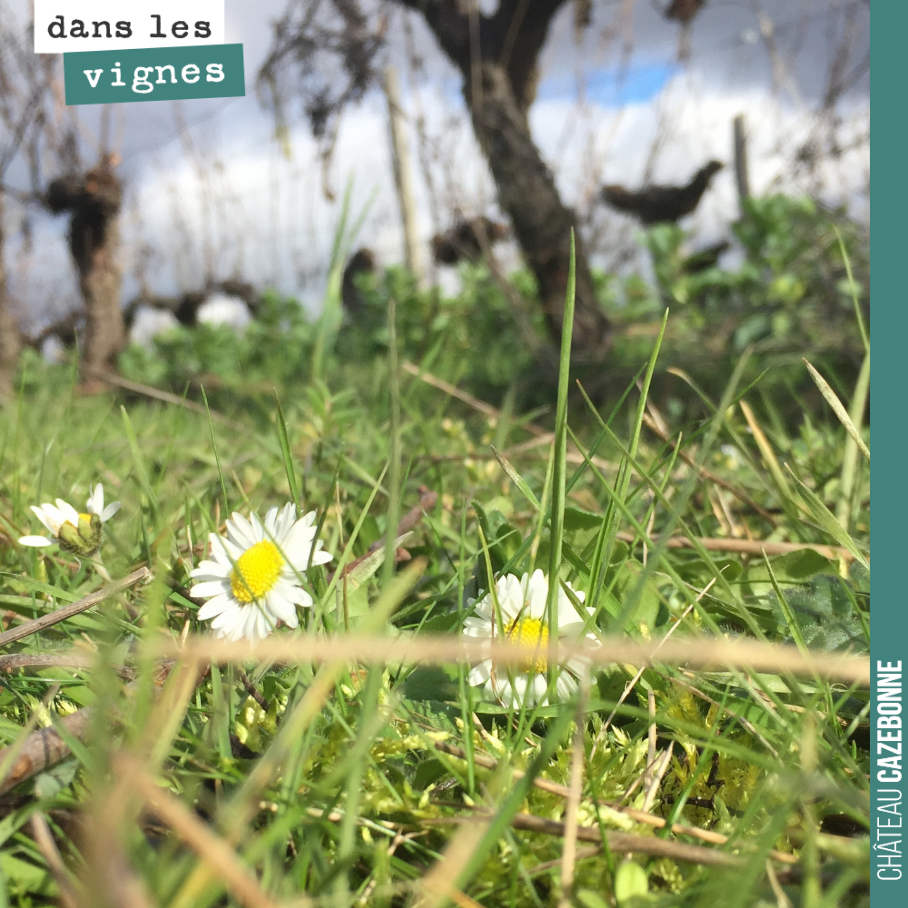
The revival of viticultural practices in Bordeaux, often spearheaded by estates like Château Cazebonne, involves an in-depth understanding of this plant biodiversity. Jean-Baptiste Duquesne, in his book "Bordeaux, une histoire de cépages", highlights the importance of a holistic approach for the future of Bordeaux wine, a vision we fully share. This commitment invites you to discover this heritage through the book that you can download, to test your knowledge with our oenological quizzes, and of course, to explore our wines available in our online shop, which are a testament to this philosophy. Discover also the virtues of the yarrow present on the estate, as well as those of chamomile. And for a more prickly exploration, learn more about thistle or spurge.
Sources
Our suggestions
-5%on your 1st order with code BIENVENUE
The essential6 bottles — Graves red 2022
The best price of the cellar: €12 per bottle delivered.
The everyday red: generous and straight to the point.
I want it Our recommendation92/100 RVF
6 bottles — Graves red 2022, 92/100 RVF
Rated 92/100 by La Revue du vin de France: a solid 10-year ageing potential.
Our Graves for ageing, the finest gateway to the estate.
I want it Go further
12 bottles — the whole range
12 bottles, the whole range tasted: the best discovery-to-price ratio.
The complete tour of the estate, in a single case.
I want it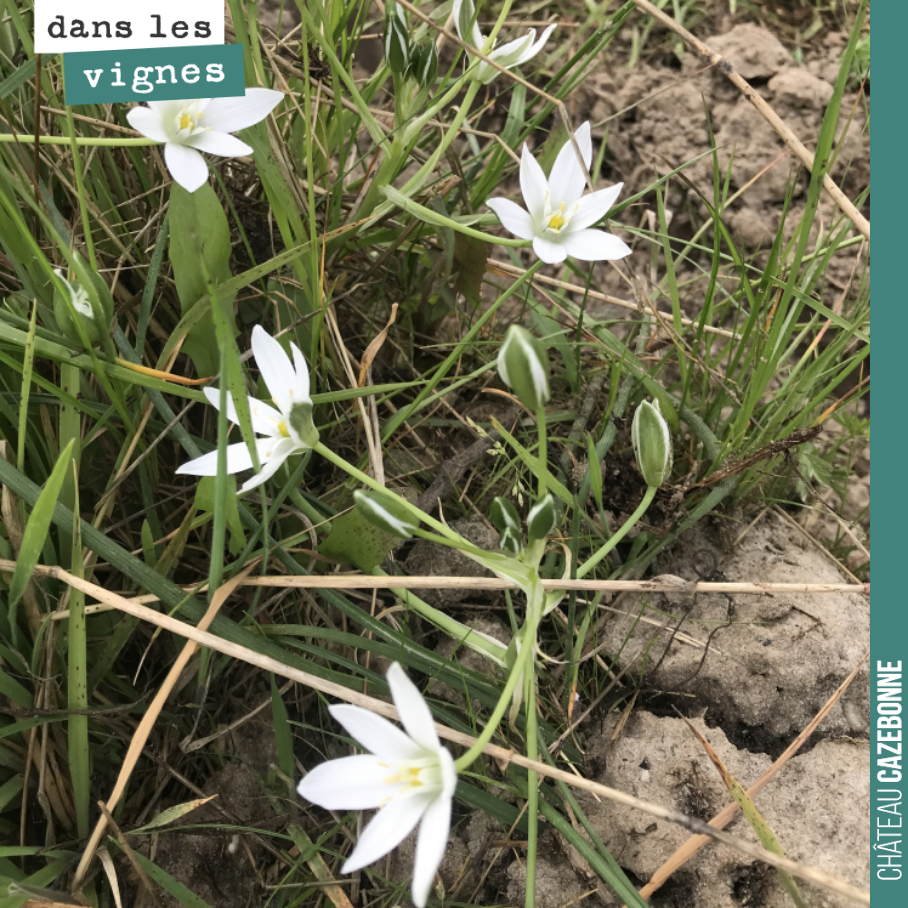
16 April 2022
10 February 2022

12 October 2021
06 June 2021
21 May 2021
20 May 2021
06 May 2021
01 May 2021
22 April 2021
20 April 2021
15 April 2021
04 March 2021
03 March 2021
02 March 2021
01 March 2021
24 February 2021
12 February 2021
10 February 2021
28 June 2020
24 June 2020
03 June 2020

27 April 2020

25 April 2020
25 April 2020
24 April 2020
20 April 2020
10 April 2020
07 April 2020
31 December 2019
02 December 2019
07 October 2019
04 October 2019
25 August 2019
05 August 2019
18 July 2019
17 July 2019
16 July 2019

14 July 2019
03 July 2019
28 June 2019
27 June 2019
21 June 2019
20 June 2019
19 June 2019
04 June 2019
27 May 2019
26 May 2019
24 May 2019
22 May 2019
11 May 2019
04 May 2019
27 April 2019
26 April 2019
21 April 2019
15 April 2019
06 April 2019
05 April 2019
04 April 2019
31 March 2019
28 March 2019
23 March 2019
18 March 2019
14 March 2019
11 March 2019
11 March 2019
10 March 2019

10 March 2019
09 March 2019

08 March 2019
06 March 2019
05 March 2019
04 March 2019
03 March 2019

02 March 2019

01 March 2019
26 February 2019
24 February 2019
23 February 2019
14 February 2019

12 February 2019
12 February 2019
11 February 2019
02 February 2019
02 February 2019
01 February 2019
31 January 2019
31 January 2019
21 January 2019
18 January 2019
06 January 2019
30 December 2018
17 December 2018
09 December 2018
07 December 2018

06 December 2018
29 November 2018
22 October 2018
13 September 2018
31 May 2018
The cellar, forgotten grape varieties and our cuvées, twice a month. 5% off your first order with the code BIENVENUE.