
 The essential
6 × Entre Amis red
6 bottles — Graves red 2022
The best price of the cellar: €12 per bottle delivered.
The everyday red: generous and straight to the point.
I want itAgeing
Wine ageing is the period that follows alcoholic fermentation and, for red wines and certain whites, malolactic fermentation. During this phase, the wine rests in various vessels before being bottled. The main objective is to stabilise the wine, refine its aromas, soften its tannins (for reds) and develop its complexity. The types of ageing vary considerably depending on traditions, the winemaker's objectives and the characteristics of the wine. At Château Cazebonne, we use a variety of vessels: oak barrels, amphorae, concrete eggs and stainless steel vats in particular.
Ageing plays a predominant role in sculpting the final profile of a wine. For red wines, it helps to soften the tannins, integrate the flavours and add complex notes derived from the vessel. Ageing in oak barrels, for example, will impart woody, spicy (vanilla, clove) and roasted notes, while promoting micro-oxygenation that will stabilise the colour and refine the structure. For white wines, ageing, often in barrels or concrete eggs, can confer more roundness, fatness and tertiary aromas (brioche, hazelnut). Ageing on lees, which is common for whites, nourishes the wine, bringing creaminess and aromatic complexity. Neutral vessels such as stainless steel vats or amphorae further preserve the purity of the fruit and the direct expression of the terroir, thereby offering precise and ethereal wines.
Racking is a key stage of ageing, consisting of separating the clear wine from its lees (deposits of yeast and other solid particles) accumulated at the bottom of the vessel. This operation is carried out with care to avoid excessively oxygenating the wine and reincorporating the lees, which could alter its clarity and taste. The frequency of racking depends on the desired style of wine and the vessel. Regular racking removes the coarsest lees and clarifies the wine, whereas prolonged ageing on fine lees may be sought to enrich the wine in texture and aromas. Precise control of racking is crucial to maintain the delicate balance between aromatic purity and structural complexity.
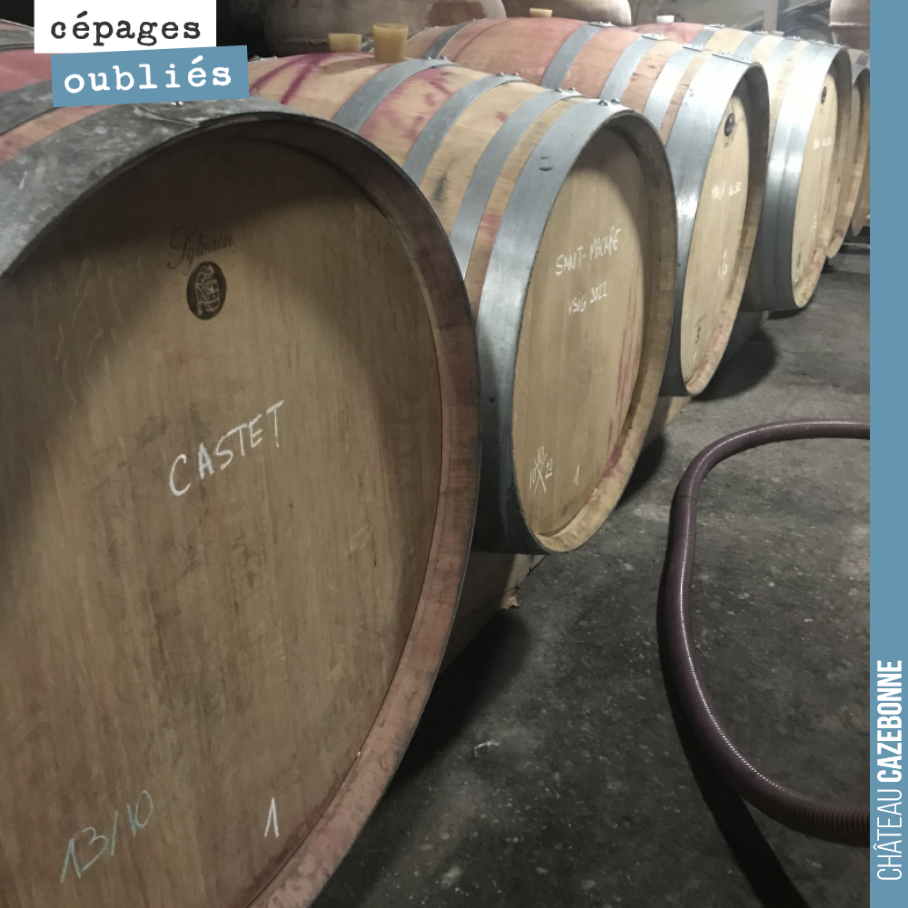
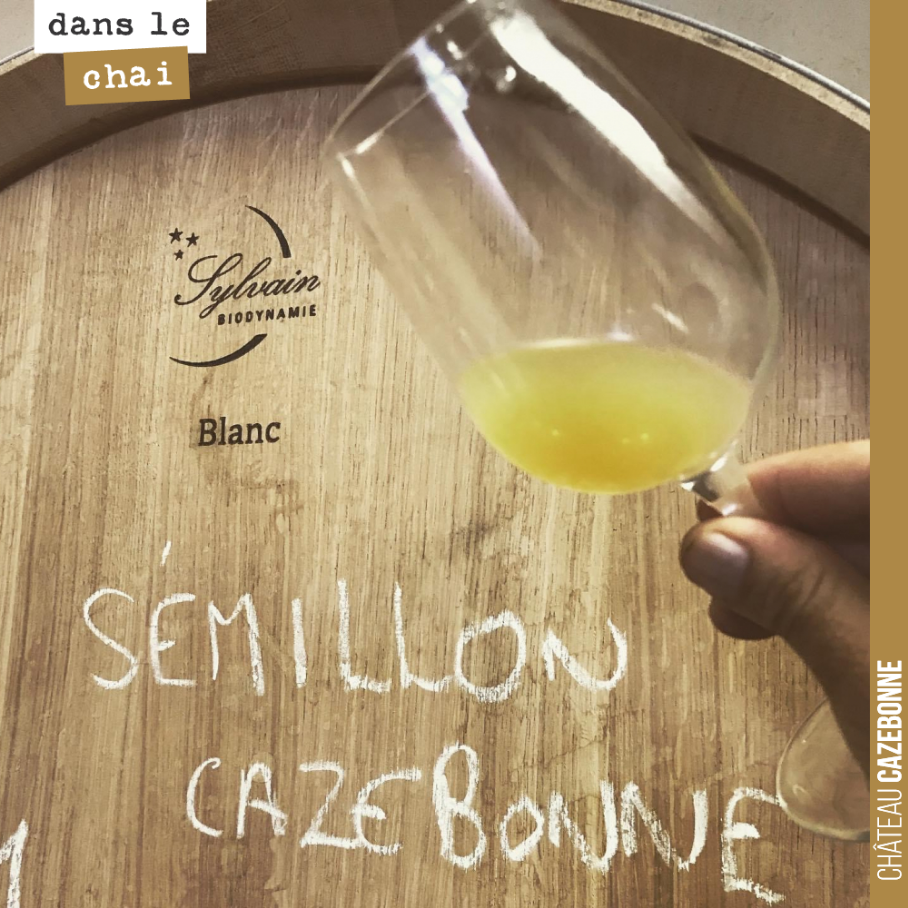
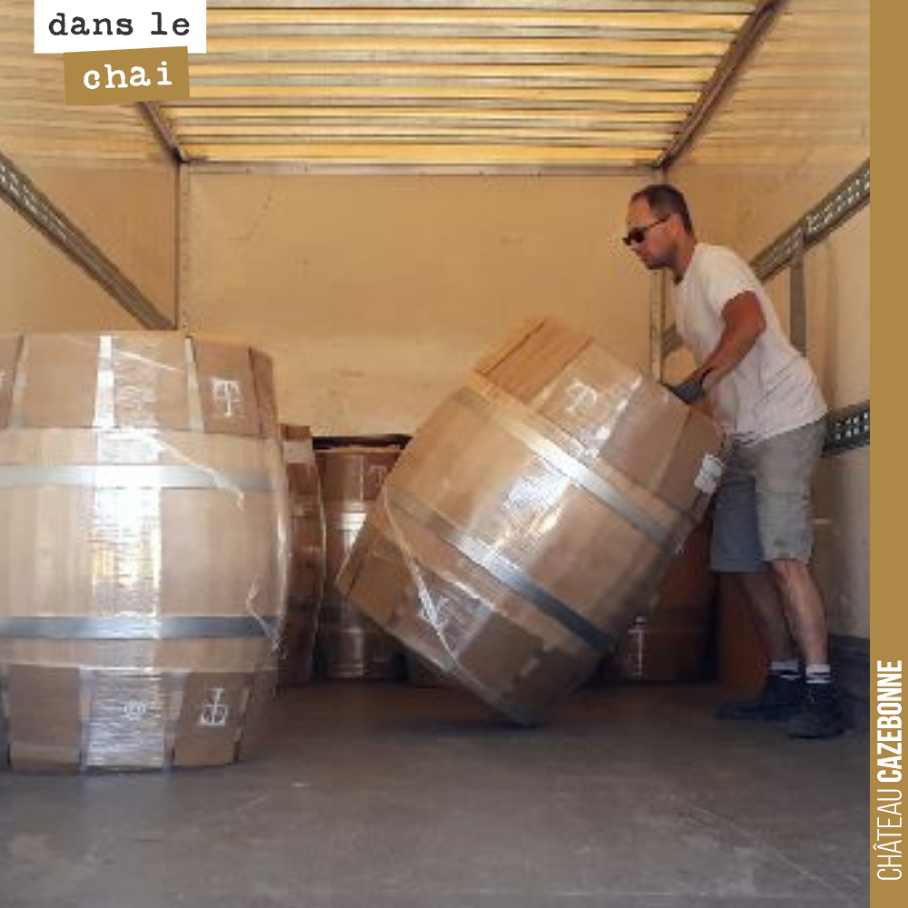
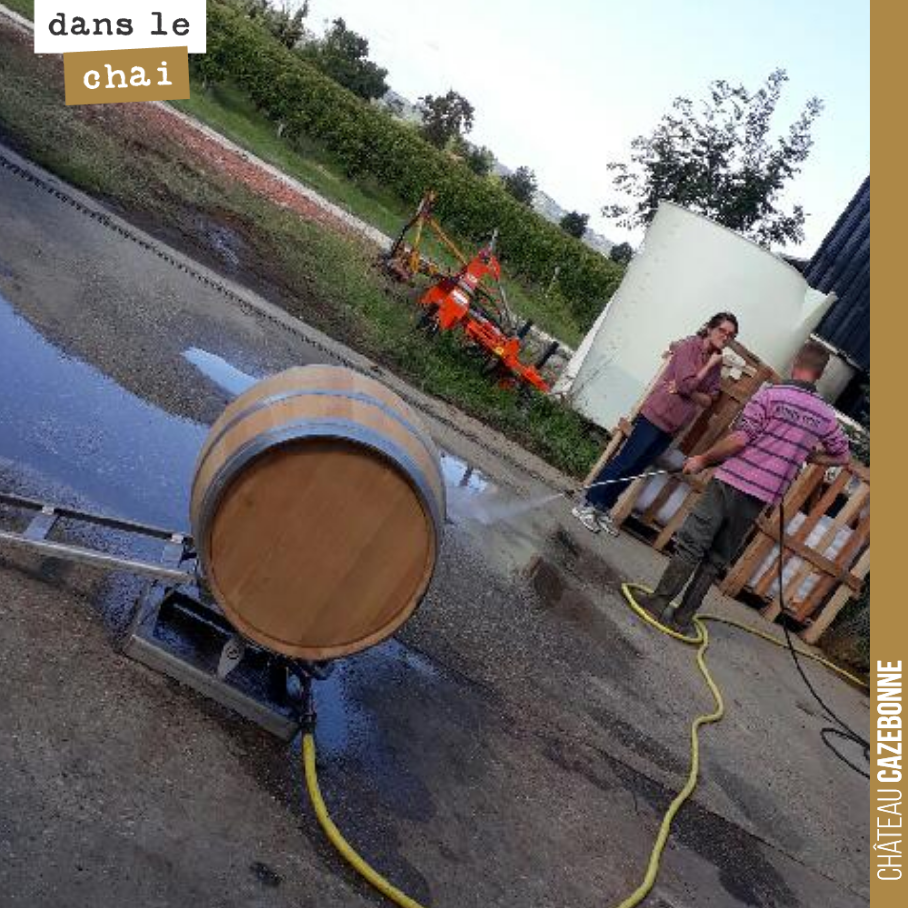
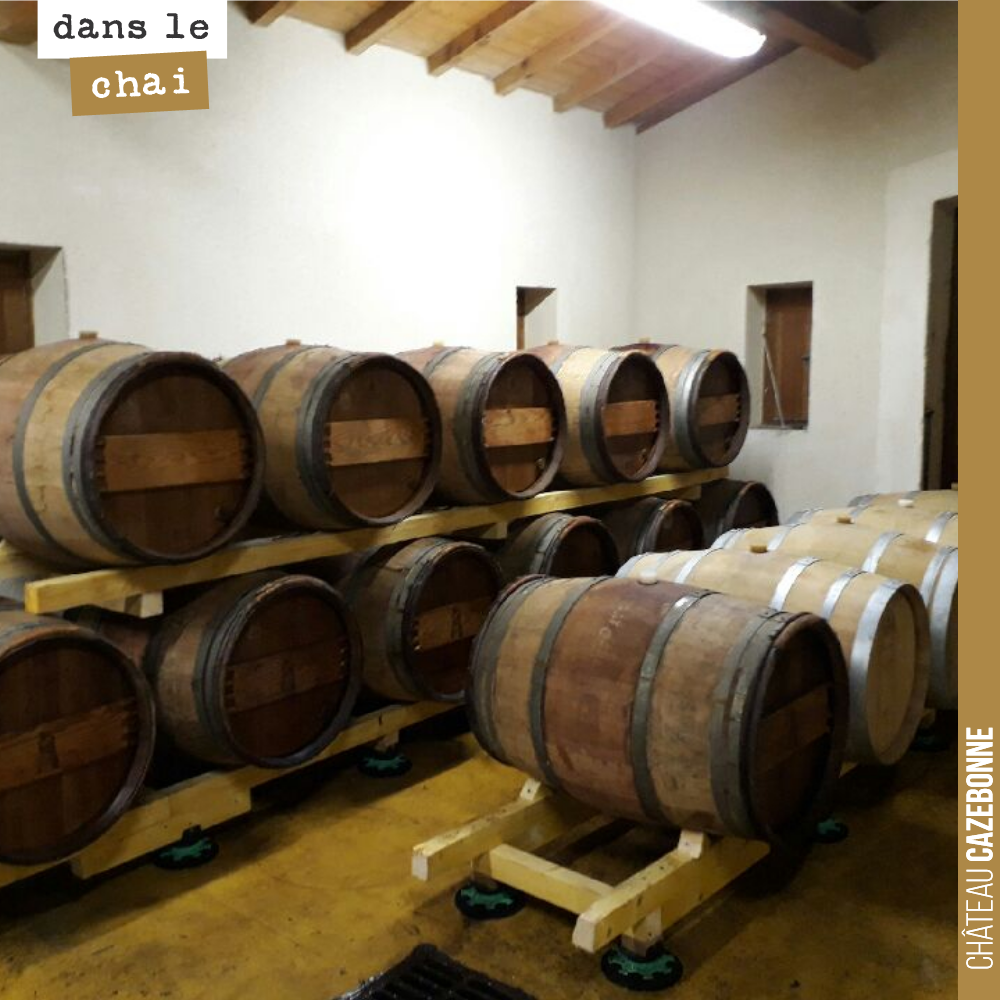
Barrel ageing: Oak barrels, traditionally used in Bordeaux, promote a slow and controlled micro-oxygenation. This interaction between the wine and oxygen, filtered by the wood, allows the development of complex aromas (vanilla, spices, toast) and the softening of tannins (find out more about barrel ageing). The choice of oak type (French, American), its toast level and its age greatly influences the profile of the wine.
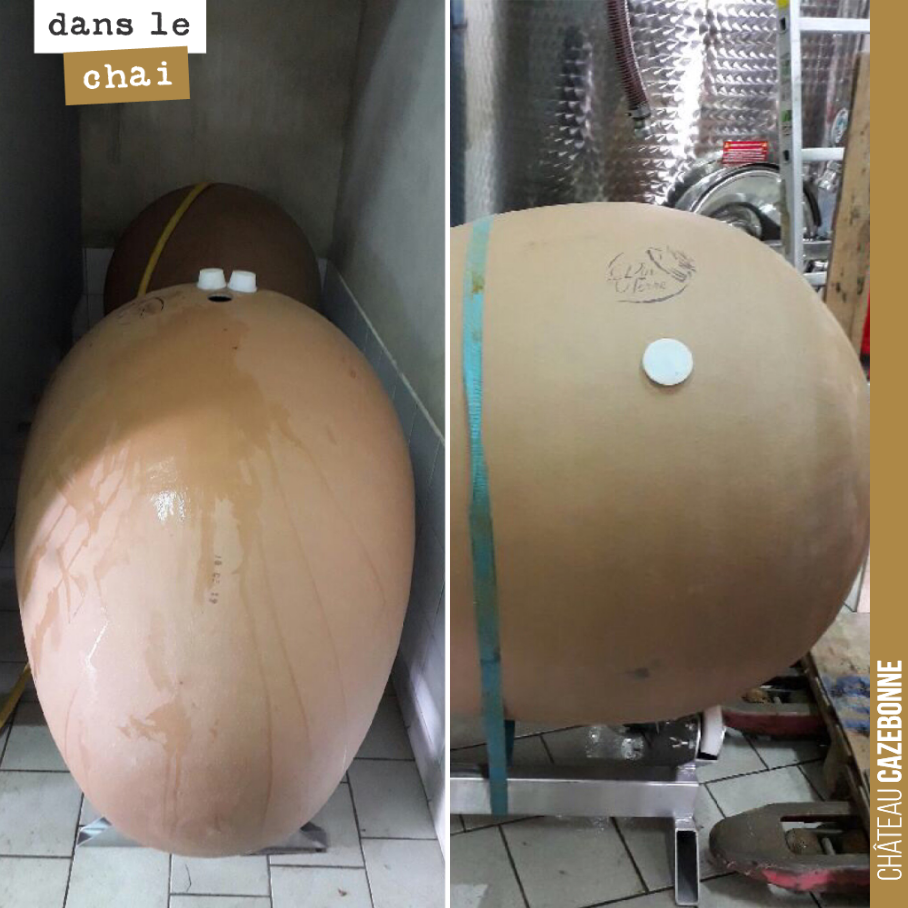
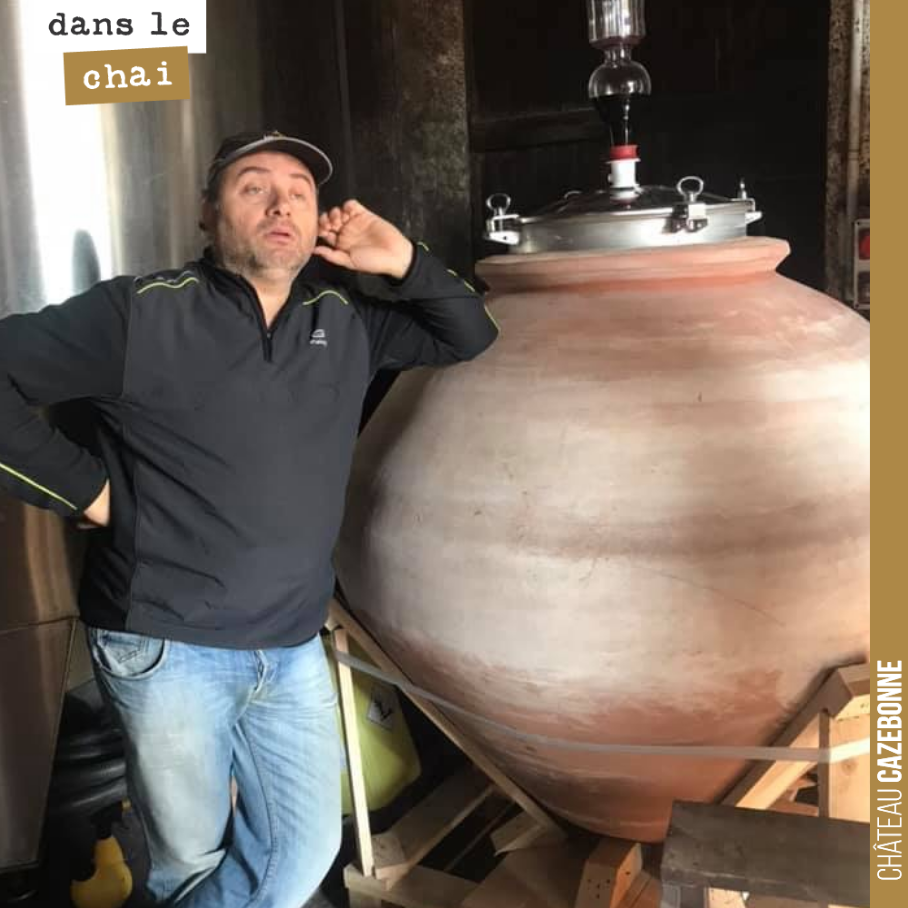
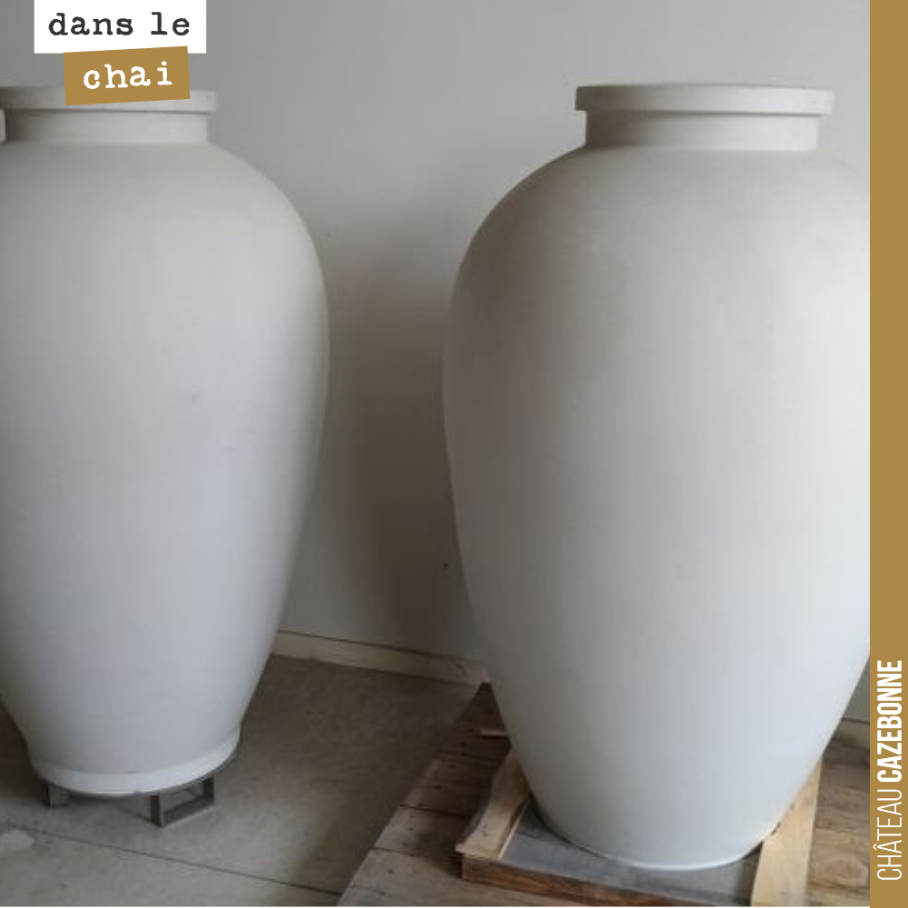
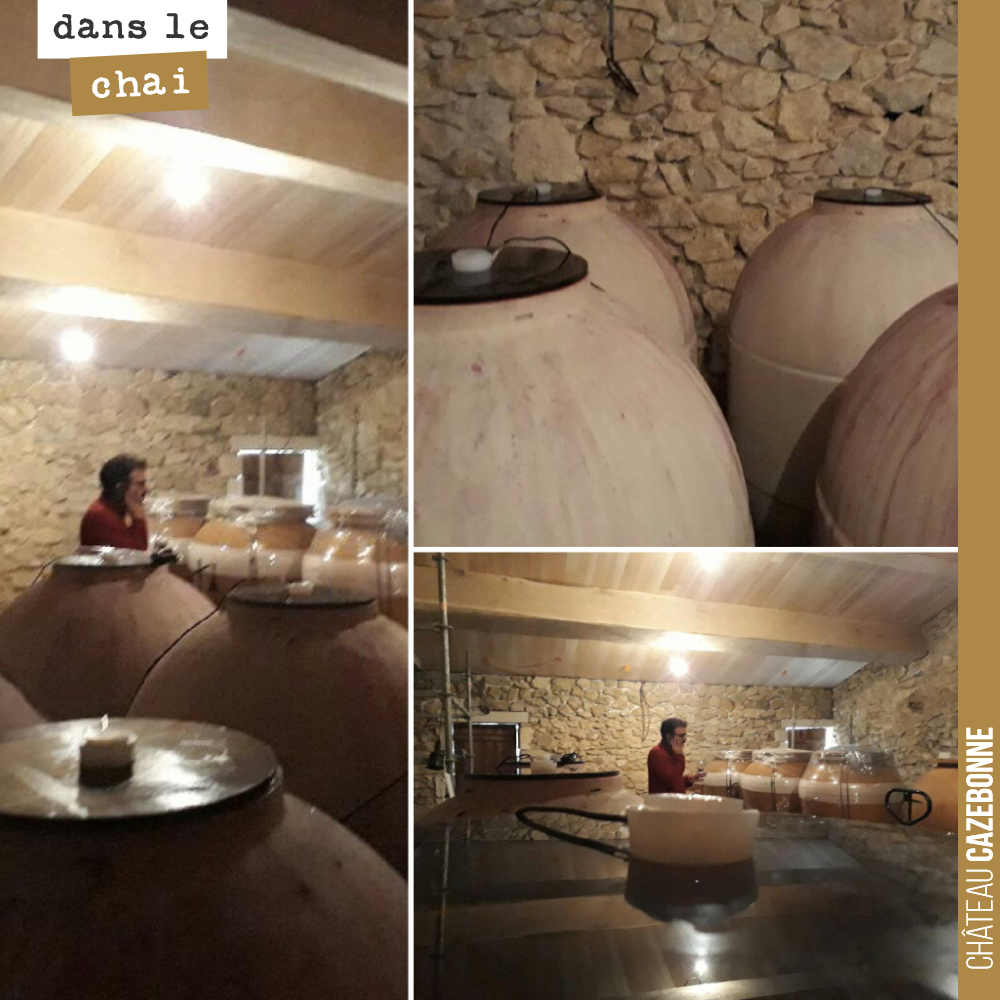
Amphora ageing: Amphorae, a legacy from Antiquity, offer a gentle micro-oxygenation but without the aromatic contributions of wood. They preserve the freshness of the fruit and the mineral expression of the terroir, whilst providing a silky texture thanks to a natural circulation of the wine due to the porous clay.
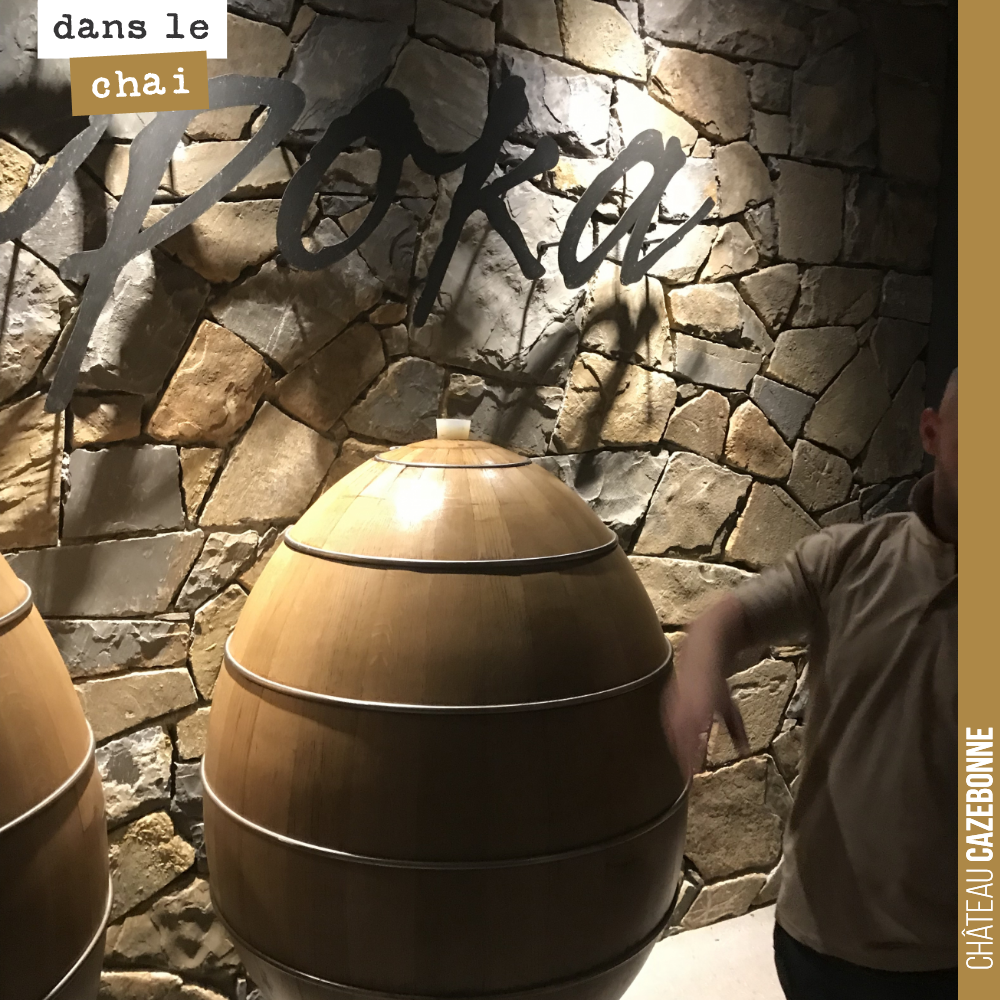
Concrete vat ageing: Concrete vats, especially the egg-shaped ones (egg ageing), allow a perpetual movement of the wine, promoting contact with the fine lees and the development of a full texture. They offer stable thermal insulation and highly limited micro-oxygenation, respecting the original fruit.
Stainless steel vat ageing: Neutral par excellence, the stainless steel vat is favoured to preserve the aromatic purity, freshness and vivacity of the wines, particularly the whites. The absence of exchanges with the outside ensures a direct expression of the grape variety and the terroir.
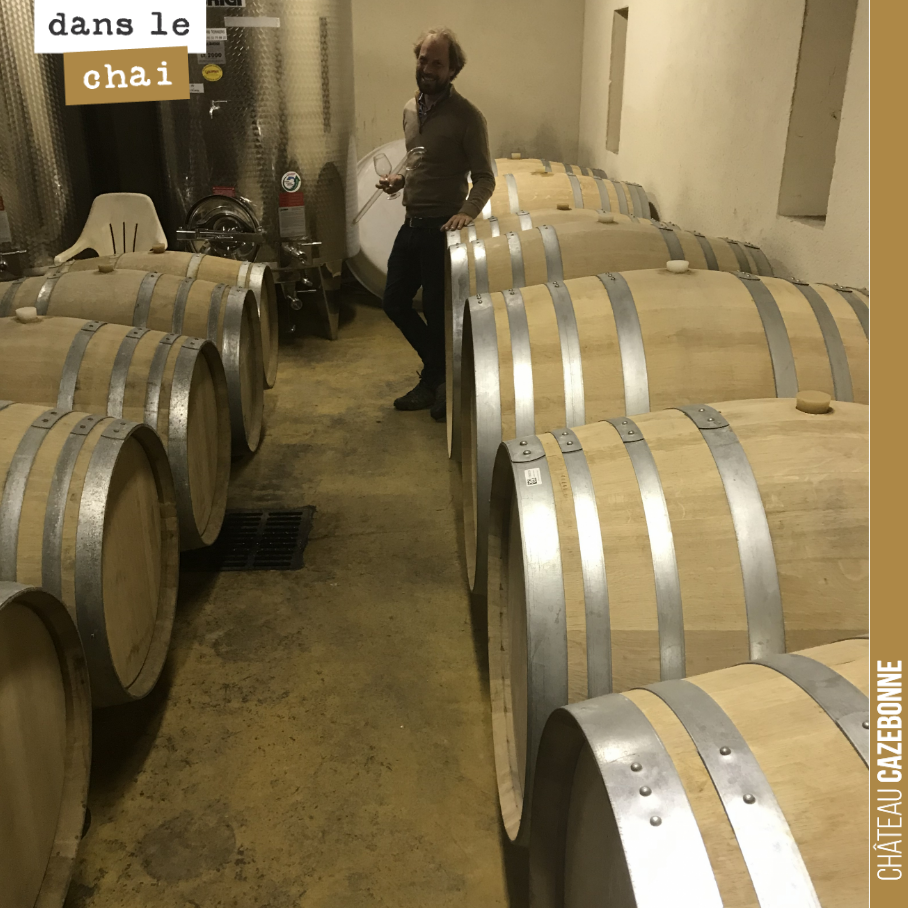
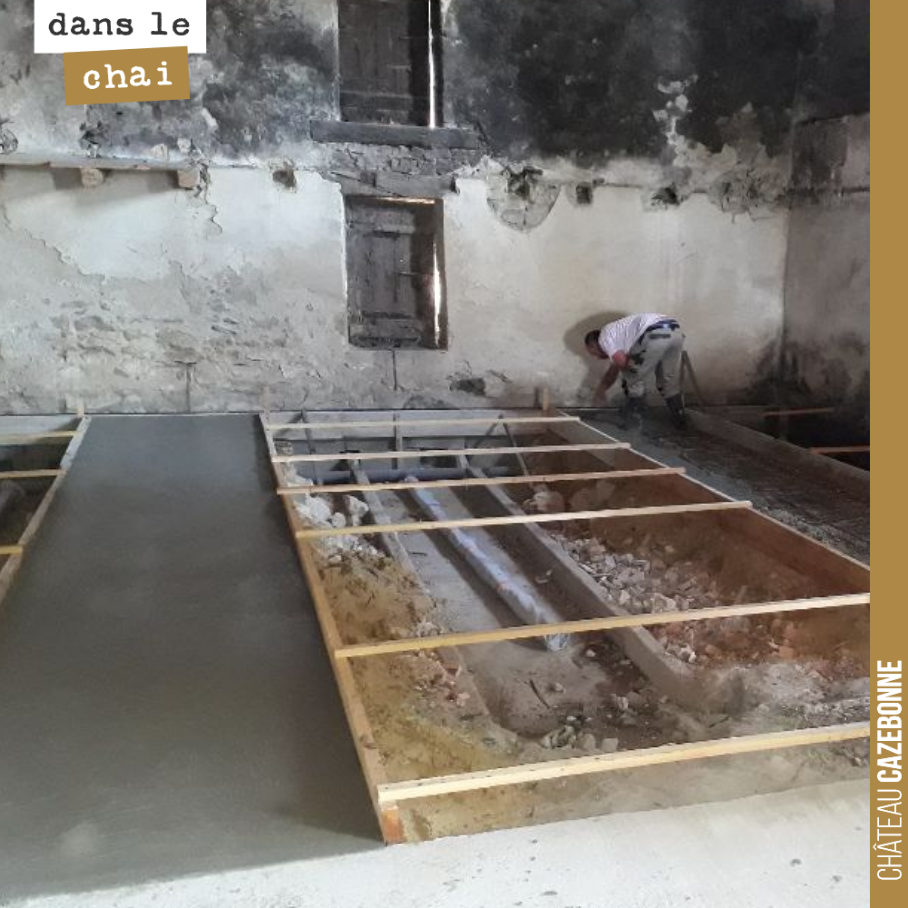
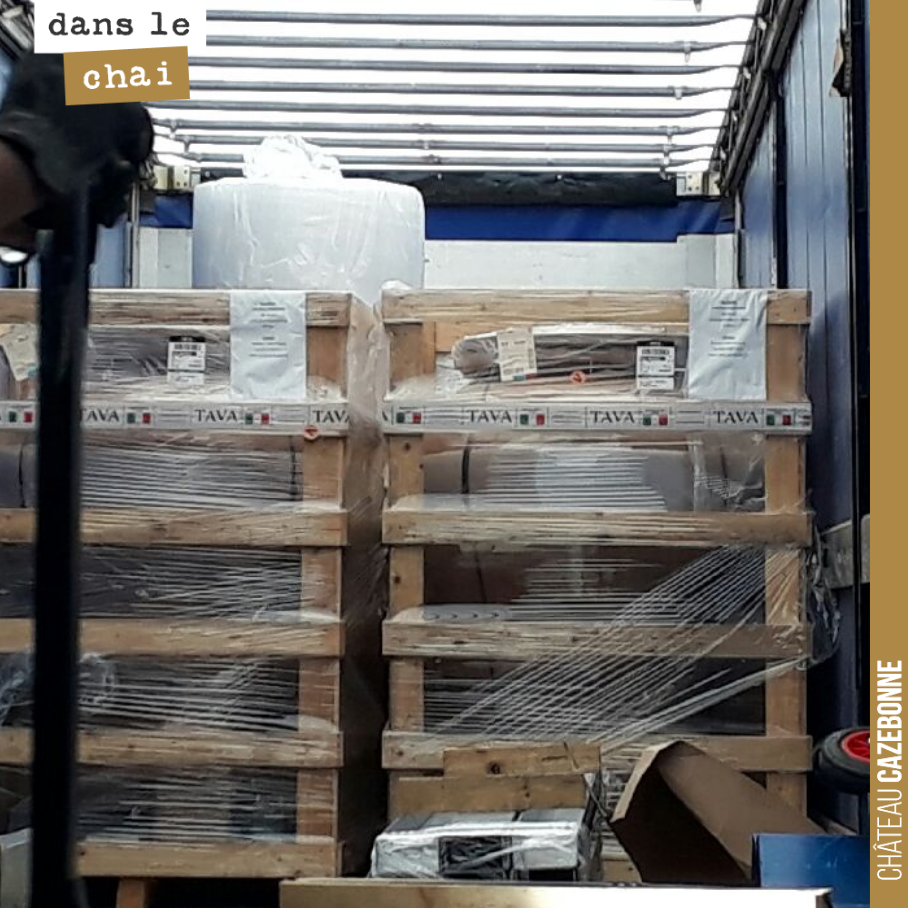
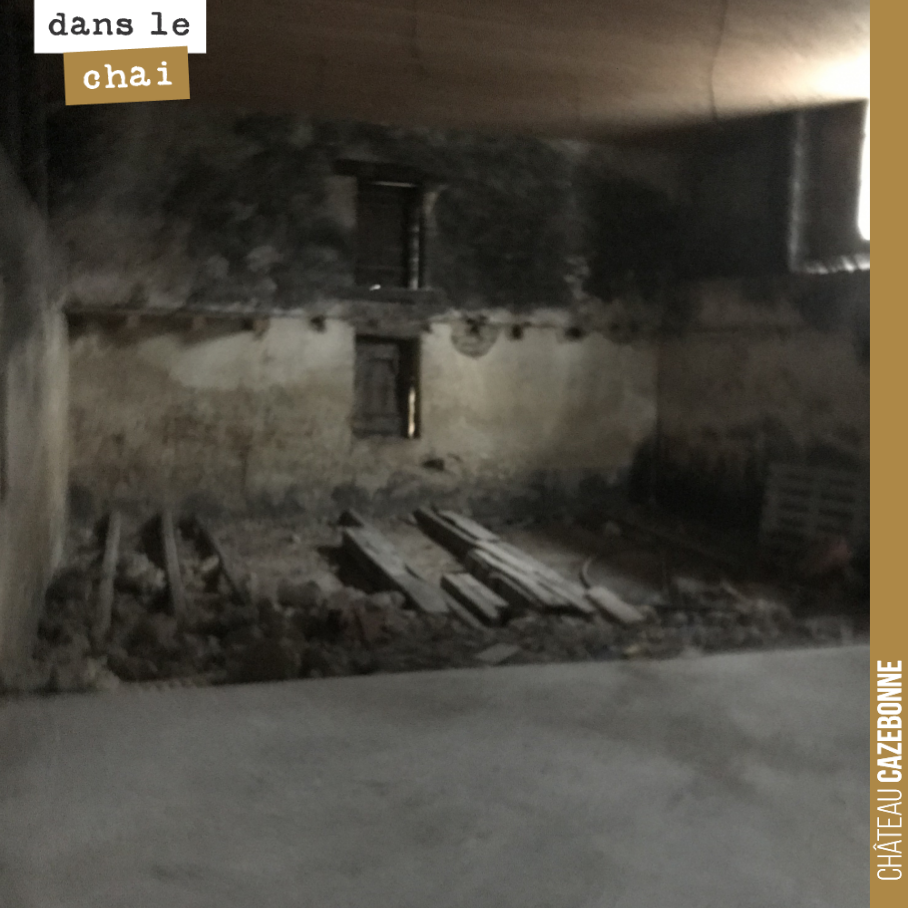
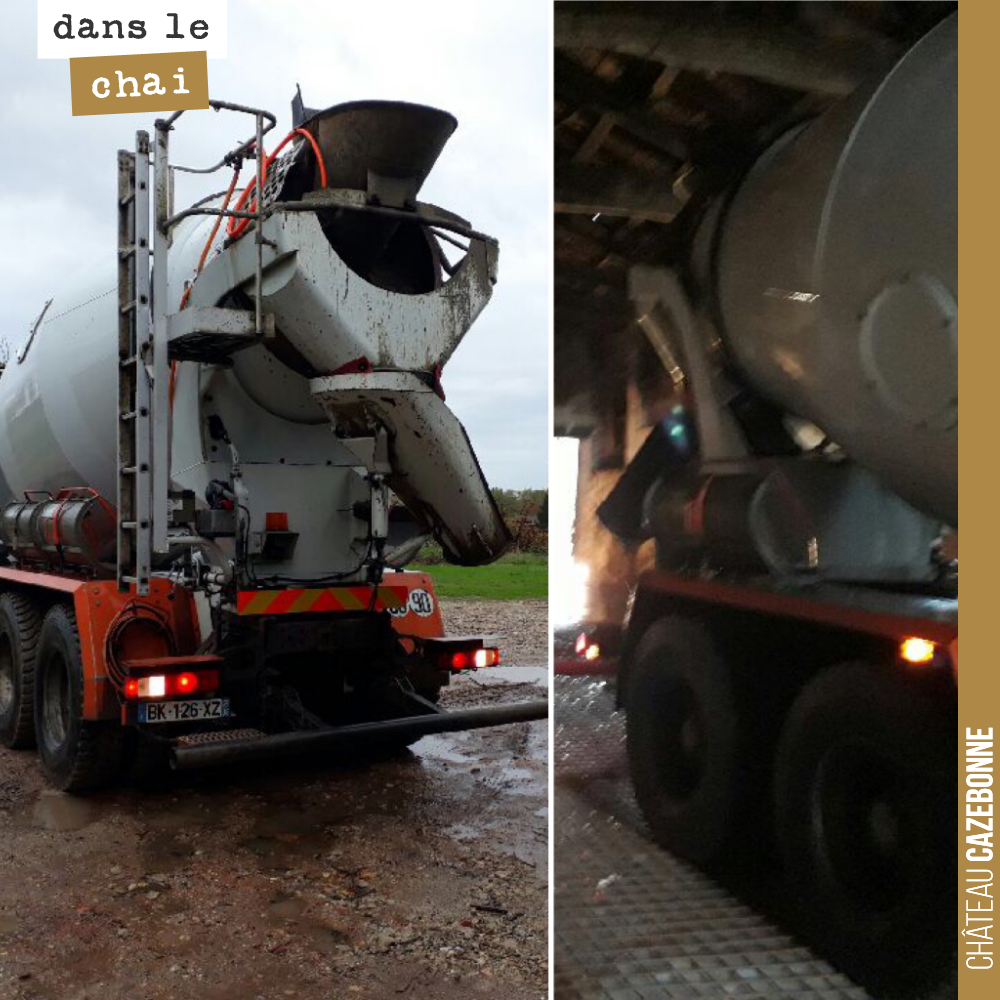
At Château Cazebonne, our new ageing cellar, inaugurated for the 2019 vintage, is a perfect illustration of this quest for precision. We meticulously select the appropriate vessel for each cuvée, depending on the grape variety, the vintage and the style of wine we wish to craft. Oak barrels host our red cuvées destined for longer ageing, granting them complexity and ageing potential. Our amphorae and concrete eggs are used for our wines that require a pure expression of the fruit and a refined texture, revealing the sap of our ancient grape varieties. This diversity of tools allows us to sculpt unique wines, reflections of our terroir and our philosophy.
At Château Cazebonne, we are proud of this demanding approach that drives us to replant forgotten grape varieties in Bordeaux, thereby contributing to the richness and diversity of the Bordeaux vineyard. This pioneering work is made possible by the unwavering support of the many wine enthusiasts who have embraced our wines and share our vision. To find out more about the fascinating history of the grape varieties that have shaped our region, we invite you to download the digital version of the book "Bordeaux, une histoire de cépages". Test your knowledge and learn more about oenology and our estate via our oenology quizzes, and to discover all our cuvées, do not hesitate to visit our online shop.
Our suggestions
-5%on your 1st order with code BIENVENUE
The essential6 bottles — Graves red 2022
The best price of the cellar: €12 per bottle delivered.
The everyday red: generous and straight to the point.
I want it Our recommendation92/100 RVF
6 bottles — Graves red 2022, 92/100 RVF
Rated 92/100 by La Revue du vin de France: a solid 10-year ageing potential.
Our Graves for ageing, the finest gateway to the estate.
I want it Go further
12 bottles — the whole range
12 bottles, the whole range tasted: the best discovery-to-price ratio.
The complete tour of the estate, in a single case.
I want it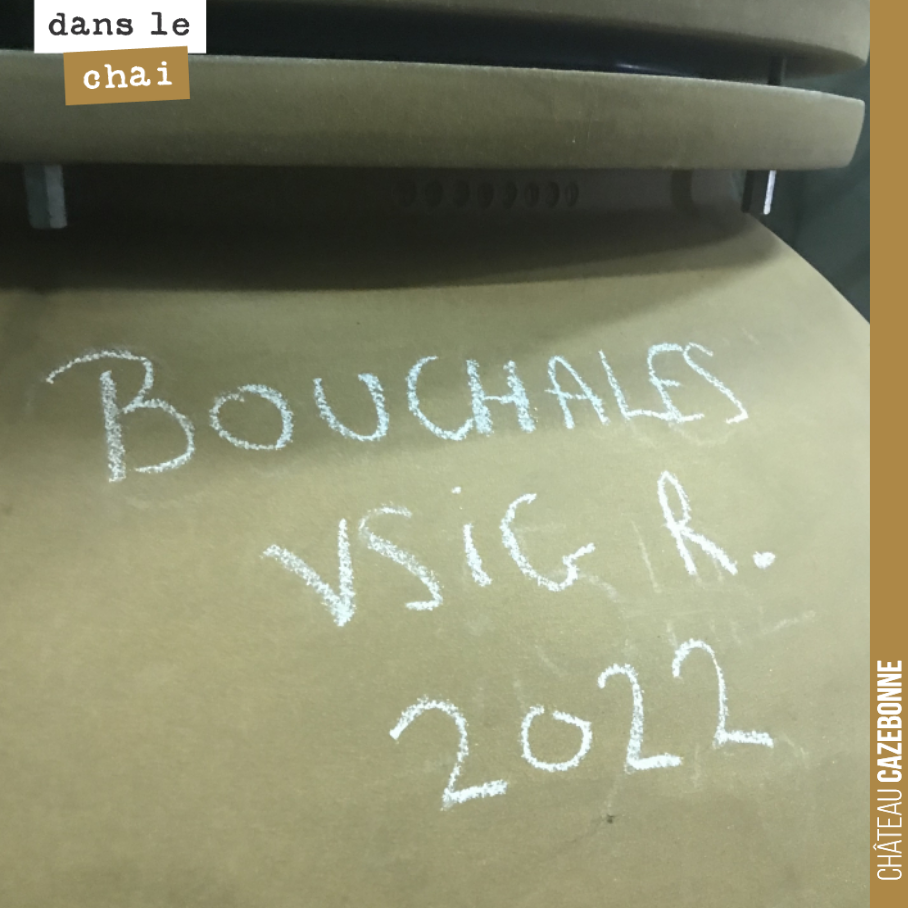
13 January 2023
18 October 2022
14 October 2021
08 October 2020
15 June 2020
15 May 2020
29 April 2020

09 February 2020
28 September 2019
23 September 2019
14 September 2019
14 September 2019
12 September 2019
09 September 2019
20 January 2019
07 January 2019
08 November 2018
08 November 2018
21 August 2018
02 August 2018
23 June 2018
The cellar, forgotten grape varieties and our cuvées, twice a month. 5% off your first order with the code BIENVENUE.