
 The essential
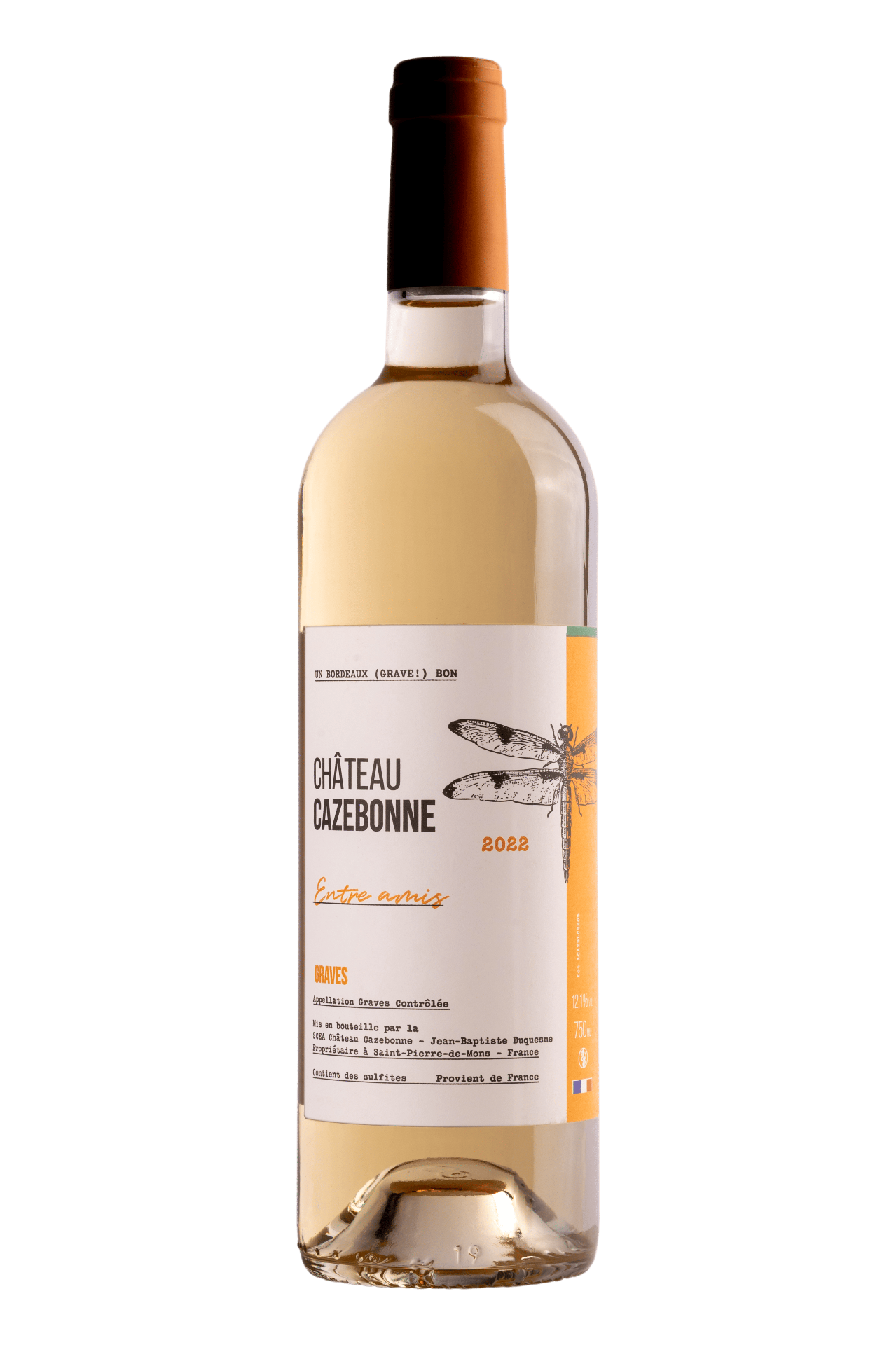
Entre Amis white 2024
Graves white 2024
Crisp and saline: the easy aperitif, at a gentle price.
The estate's thirst-quenching white, open it without thinking.
I want itFolle blanche
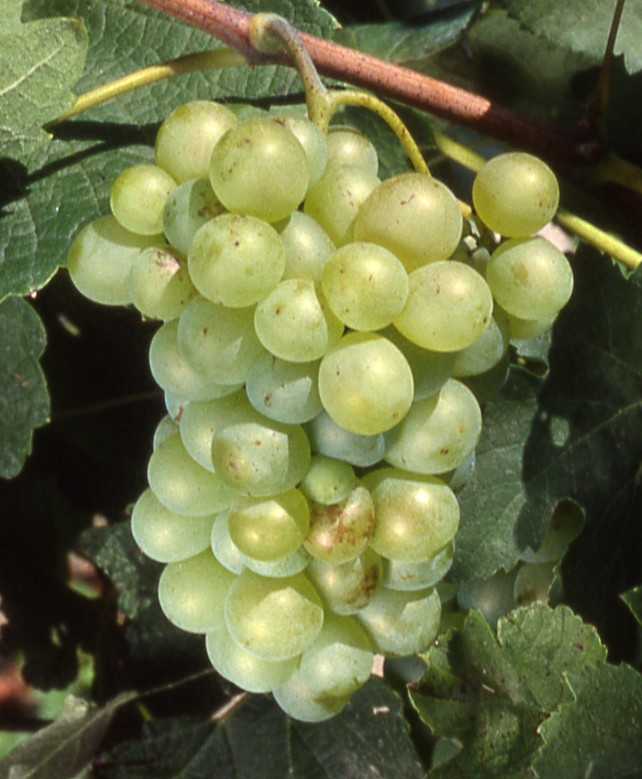
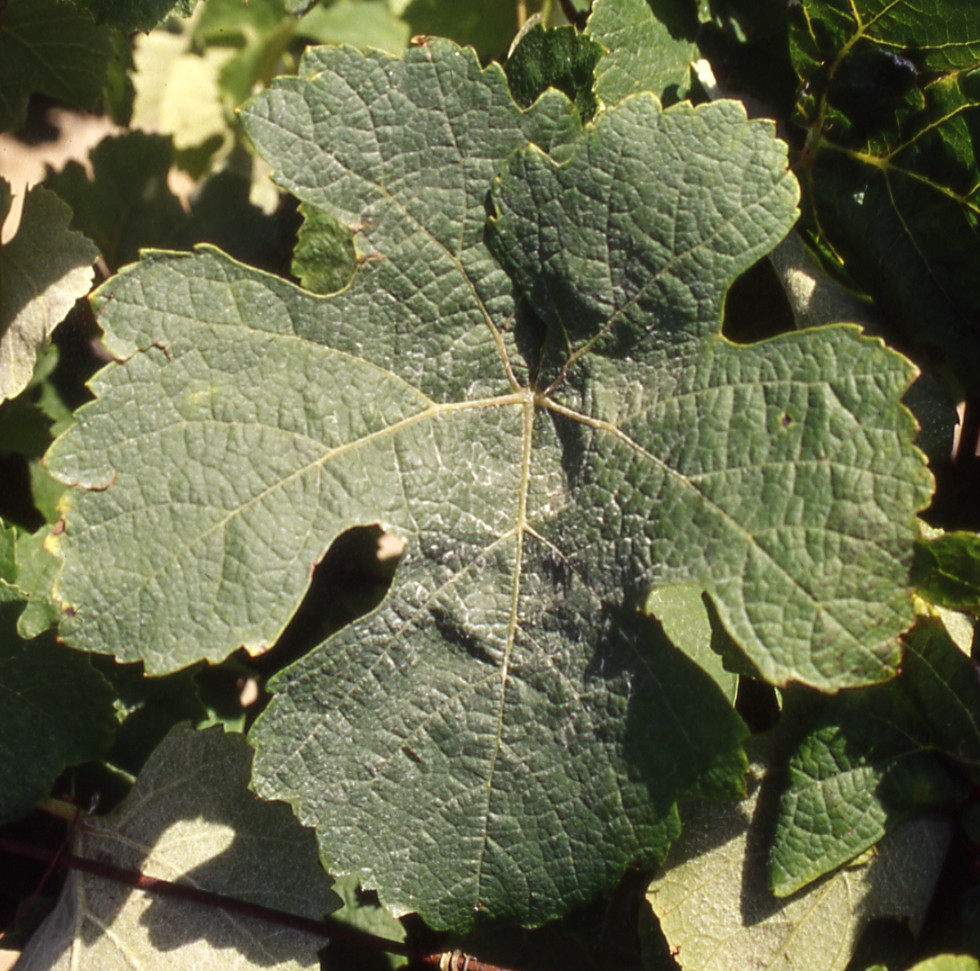
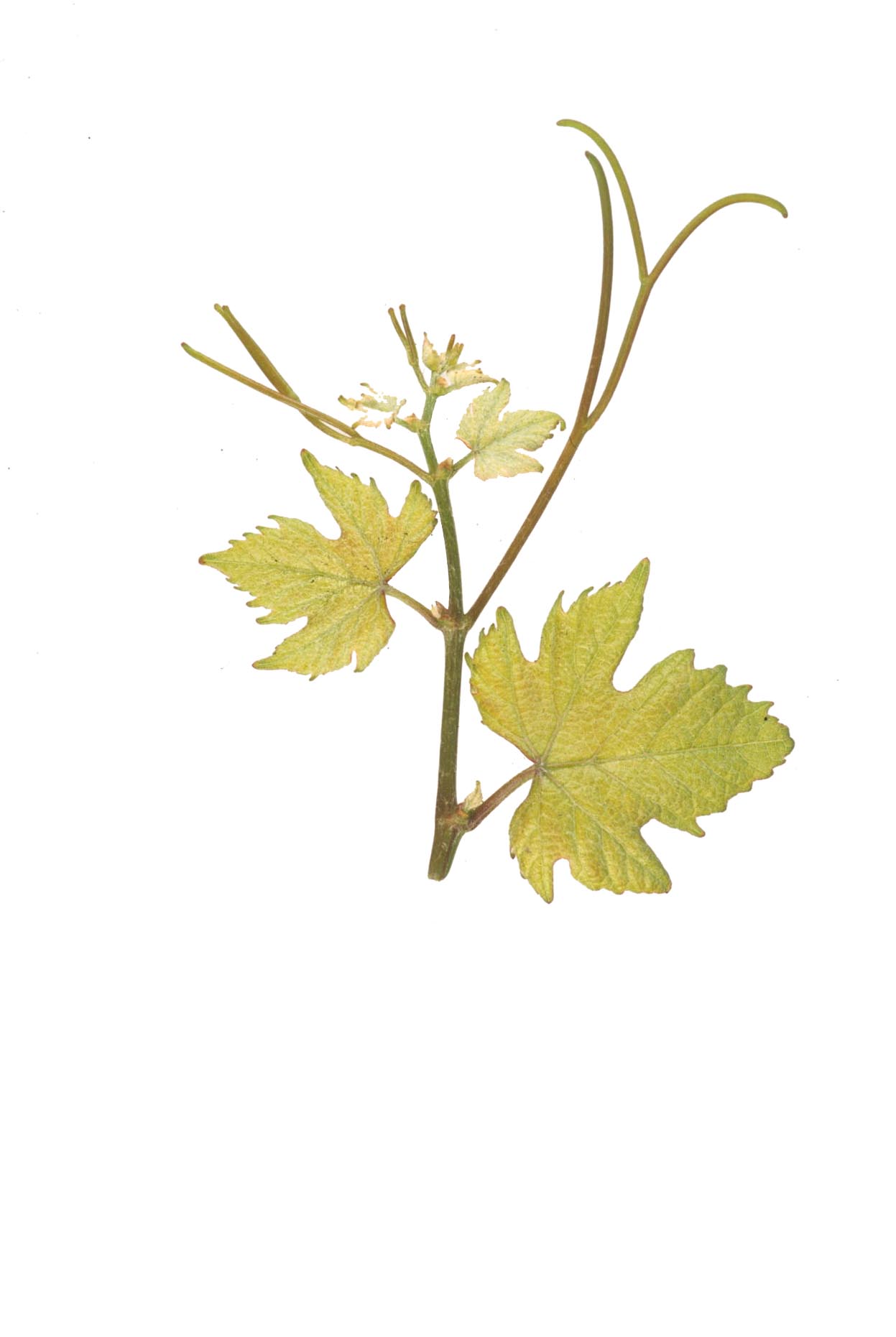
Among the viticultural treasures that Château Cazebonne is striving to revive is Folle Blanche, a grape variety once ubiquitous but now largely forgotten. Its eventful history is one of a meteoric rise followed by a slow decline, emblematic of the evolution of Bordeaux vineyards over the centuries.
Folle Blanche travelled across terroirs under multiple identities: Enrageat, Rebauche, Piquepout, and Gros Plant in the Pays Nantais. As early as 1784, the inventories of Dupré de Saint-Maur mentioned it under the name of Folle Blanche in the Subdélégation de Libourne and Enrageat in Bazas. It was not until 1832 that A. Jullien clearly established the link between these different names, recognising Folle Blanche, Enrageat, and Piquepout as synonyms for the same grape variety.
At the dawn of the 19th century, Folle Blanche enjoyed unprecedented popularity. In 1868, Auguste Petit-Lafitte even classified it in the "First Division" of white grape varieties, while Féret, a little later, relegated it to the rank of a secondary variety, whilst acknowledging its high productivity. Indeed, its resistance to powdery mildew (oidium) was a major asset at a time when phytosanitary treatments were costly and hard to come by. It became a lifeline for less affluent vineyards, accounting for nearly 90% of white plantings in the Entre-Deux-Mers at the end of the 19th century. This remarkable resilience allowed many winegrowers to survive in the face of disease, unfortunately widening the gap between "rich" and "poor" wine regions.
However, this very same productivity, heightened after grafting, ultimately proved detrimental. Folle Blanche was gradually supplanted by grape varieties deemed of higher quality or better suited to market demand, such as the Ugni Blanc grape variety (known as "Saint-Émilion" in Bordeaux) and Colombard. Although its parentage with the Gouais grape makes it a noble ancestor, its early budbreak and early ripening (first or second period), combined with the acidic nature of its wines—ideal for distillation—could not halt its steep decline during the 20th century. It thus gave way to Colombard, Ugni Blanc, and the Merlot Blanc grape variety, not to mention Sauvignonasse.
| Characteristic | Description |
|---|---|
| Budbreak | Early (1 day after Chasselas) |
| Ripening | First or second period (a week and a half after Chasselas) |
| Vigour | Vigorous |
| Yield | Very high-yielding |
| Susceptibility to downy mildew | Low susceptibility |
| Susceptibility to powdery mildew | Good resistance |
| Susceptibility to botrytis | Susceptible to grey rot late in the season |
| Susceptibility to black rot | Moderate resistance |
| Winemaking potential | Produces acidic wines with low alcohol content, ideal for distillation (brandies/eaux-de-vie). As a single-varietal wine, it can produce lively, crisp dry whites. |
Folle Blanche is an ancient grape variety with well-documented roots in viticultural history. It descends directly from Gouais, a common parent to many European grape varieties, attesting to its antiquity and importance in the viticultural gene pool. Its presence is recorded in the inventories of Dupré de Saint-Maur from the late 18th century under various local names. The variety was particularly prized for its productivity and relative resistance to fungal diseases at a time when vineyards were defenceless against powdery mildew, as recounted by J.B. Duquesne. This enabled it to dominate the white vineyard plantings of Entre-Deux-Mers prior to phylloxera and the rise of varieties such as Ugni Blanc and Colombard, which were better suited to the volumes demanded by the modern wine market.
At Château Cazebonne, we are committed to restoring Folle Blanche to its rightful place in the Bordeaux wine landscape. By replanting this forgotten grape variety, we are helping to restore the diversity and richness of our heritage. This meticulous work is made possible thanks to the invaluable support of the many wine enthusiasts who have embraced our wines and share our passion for rediscovery. To explore the fruits of this approach and taste our cuvées crafted from these rediscovered varieties, we invite you to visit the Cazebonne shop. If you would like to learn more about this fascinating viticultural history, feel free to download our book "Bordeaux, une histoire de cépages". To test your knowledge on grape varieties and oenology, take our quizzes and become an expert on Bordeaux wine.
Sources
Our suggestions
-5%on your 1st order with code BIENVENUE
The essentialGraves white 2024
Crisp and saline: the easy aperitif, at a gentle price.
The estate's thirst-quenching white, open it without thinking.
I want it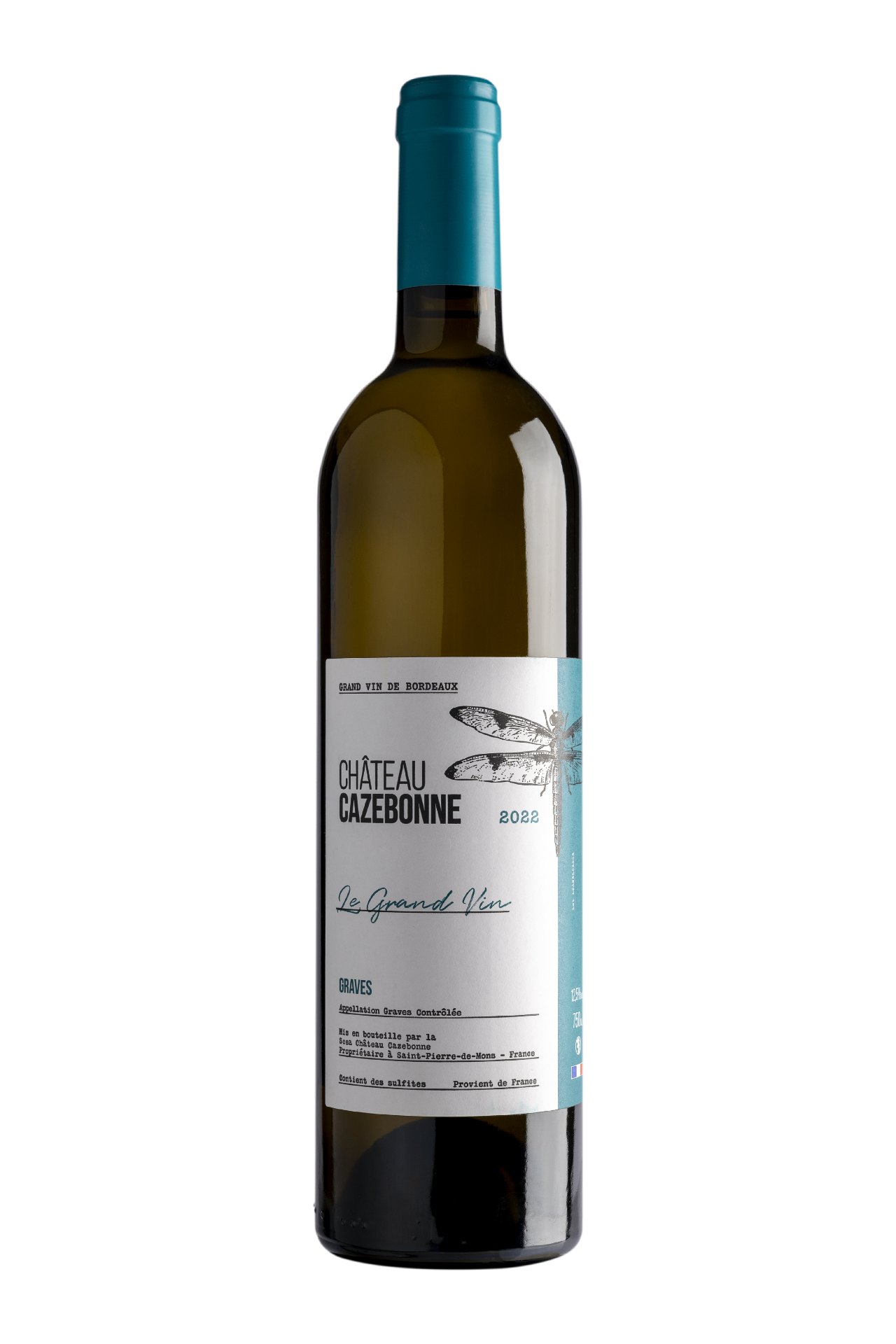 Our recommendation92/100 RVF
Graves white 2022, 92/100 RVF
Rated 92/100 by La Revue du vin de France: old-vine Sémillon.
The great Graves white: taut and deep.
I want it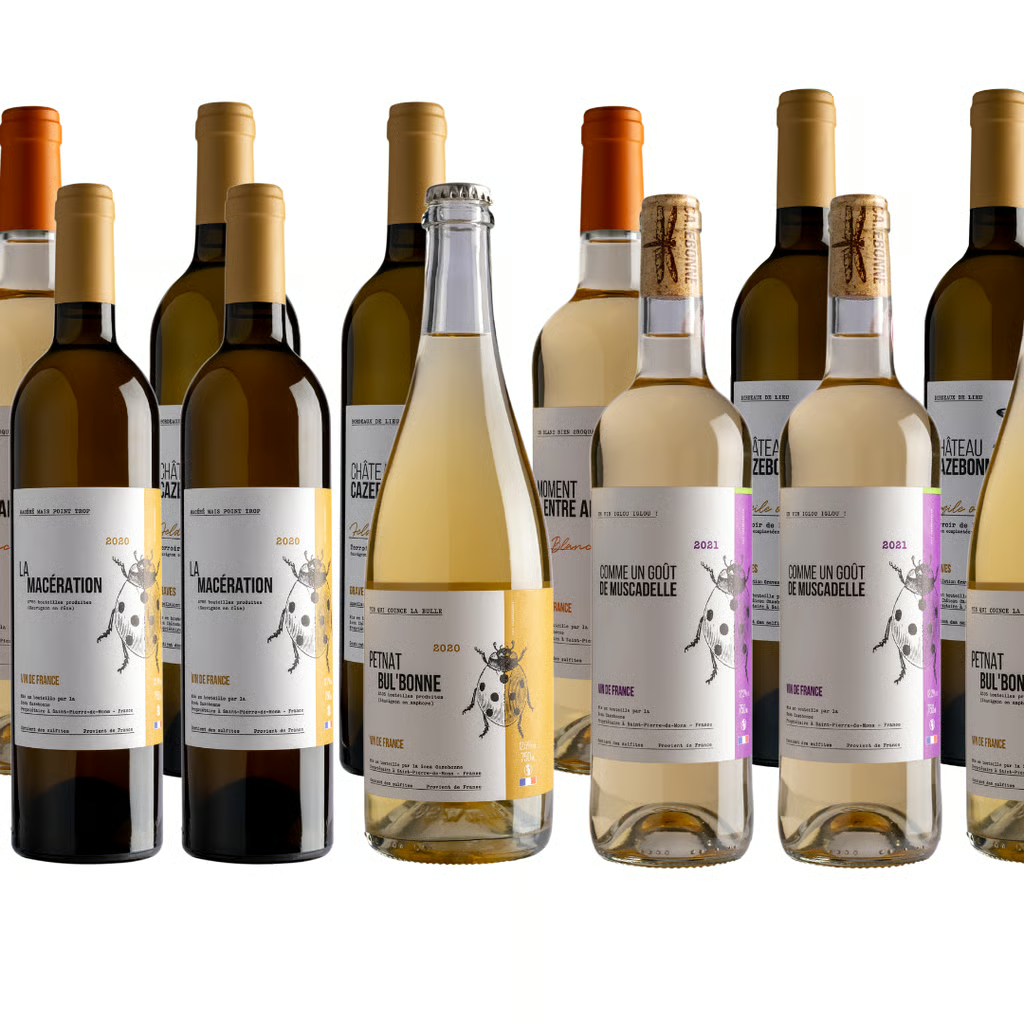 Go further
12 bottles — plot selection
All our organic whites together: the complete plot-by-plot flight.
To explore Sémillon in all its forms.
I want itThe cellar, forgotten grape varieties and our cuvées, twice a month. 5% off your first order with the code BIENVENUE.