
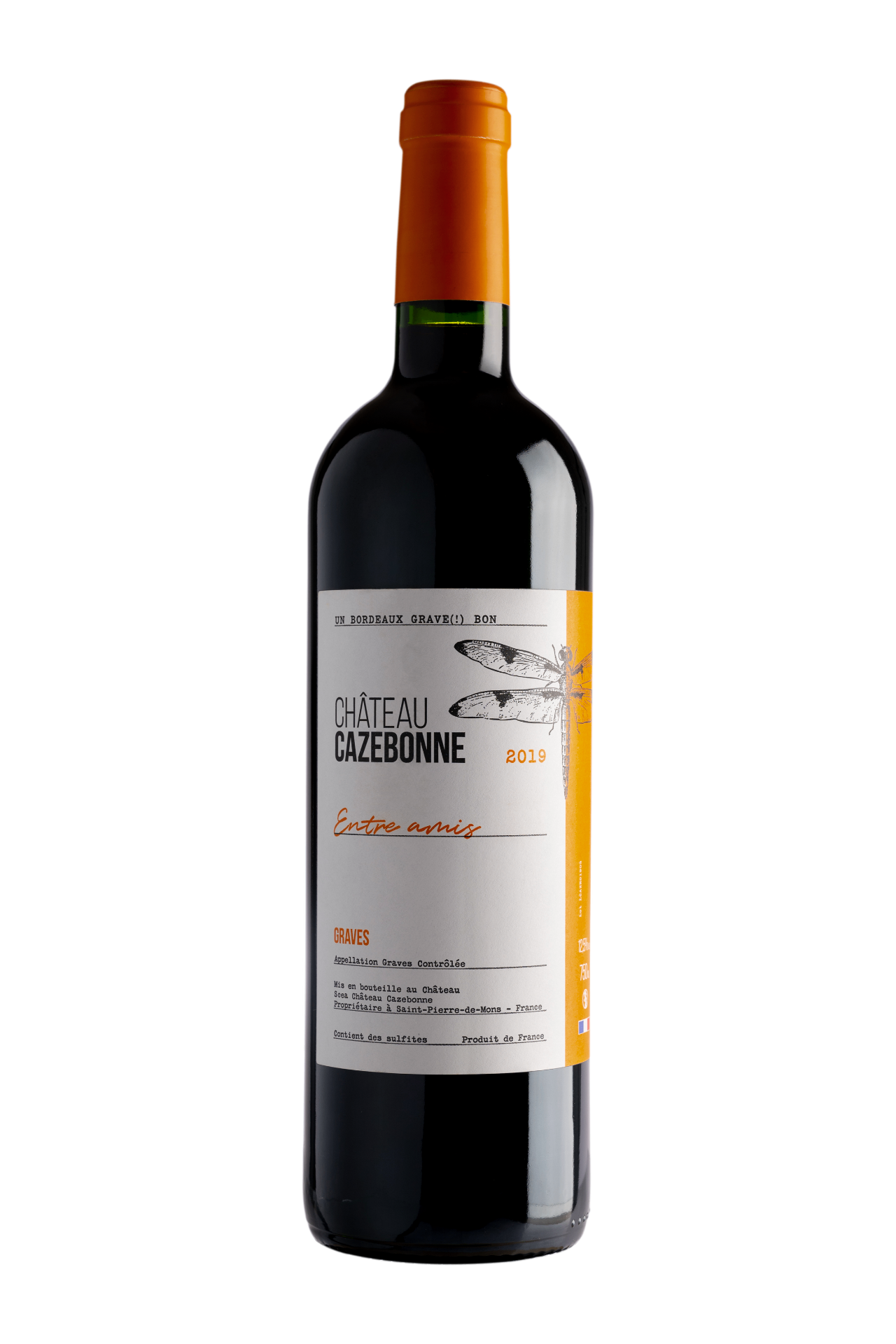
 The essential
6 × Entre Amis red
6 bottles — Graves red 2022
The best price of the cellar: €12 per bottle delivered.
The everyday red: generous and straight to the point.
I want it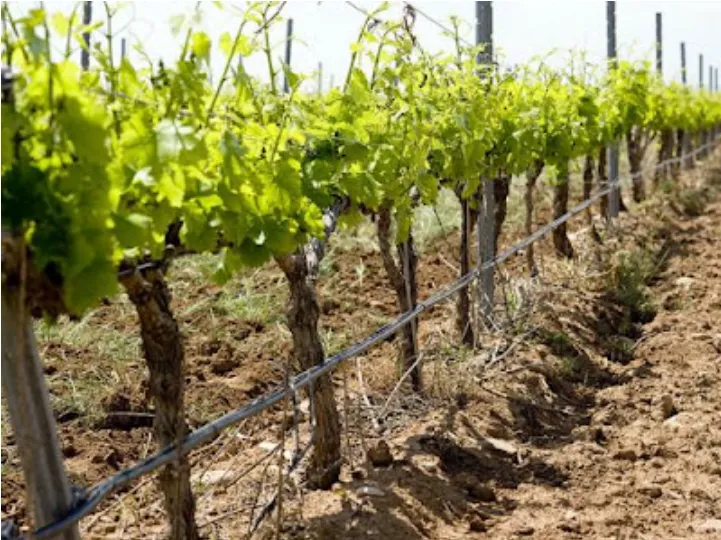
For a long time, irrigating vines in Bordeaux was considered almost sacrilegious. The Bordeaux vineyard, by its nature and history, developed around a sufficient rainfall regime, where soil water reserves guaranteed a natural water supply. Cultural practices favoured deep rooting, making vines inherently resilient to moderate drought episodes. The very idea of watering the vine was perceived as an artificial intervention that could alter the typicity of the wines and compromise the authenticity of the terroir. In this tradition, the vine was self-sufficient, and irrigation was technically deemed unnecessary.
The repeated heatwaves and drought episodes observed in recent years have profoundly altered this perception. Where the vine once found its balance, water stress has become a threatening reality. We are witnessing blocked ripening, shrivelled berries, and even the complete cessation of vegetative growth. Yields, as well as quality, are severely impacted. The challenge is no longer merely about optimising production, but about guaranteeing the plots' very ability to produce wine of consistent quality, making irrigation an option under serious consideration for the vineyard's survival.
Faced with these challenges, regulations have evolved. Vine irrigation is now permitted in certain appellations, such as Graves, under very strict conditions. It can only be implemented upon a justified and regulated derogation request, respecting precise timeframes. Rigorous monitoring is required. This authorisation often distinguishes young plantings, whose establishment is more fragile, from producing vines, where intervention is reserved for situations of severe water stress. It is an emergency measure, not a systematic farming method.
It is crucial to understand that vine irrigation in Bordeaux is conceived as an emergency tool, aimed at preventing severe hydraulic failure, and not at boosting yields. Routine irrigation carries numerous risks: shallow root development making the vine more dependent, dilution of juices affecting aromatic and flavour concentration, and a loss of terroir expression. The aim is to maintain physiological balance, not to turn Bordeaux viticulture into a water-intensive crop. This approach is, moreover, entirely consistent with reflections on global warming in the vineyard and agroecology in viticulture.
To better grasp the reality of the vine's water needs, a comparison is useful. It is estimated that one millimetre of rain in the vineyards equates to 10 m³ per hectare. Thus, 10 mm represents 100 m³/ha, which is equivalent to roughly 20 litres per vine for a planting density of 5,000 vines/ha. Maize at peak flowering can require 35 to 50 mm per week, or 350 to 500 m³/ha/week. By contrast, a vine facing water distress would require one to three interventions, each delivering 10 to 30 mm, representing a much lower total volume. The order of magnitude is therefore radically different, using 10 to 20 times less water for emergency vine irrigation.
| Crop | Peak weekly requirement | Volume per hectare | Total input over a crisis season |
|---|---|---|---|
| Maize (during flowering) | 35 to 50 mm | 350 to 500 m³/ha | Estimated at several thousand m³/ha |
| Vine (emergency irrigation) | 10 to 30 mm (per intervention) | 100 to 300 m³/ha (per intervention) | Less than 1,000 m³/ha (1 to 3 interventions) |
An emergency irrigation setup for vines is generally understated. It consists of a drip line per row, with drippers delivering 1.6 to 2 litres per hour spaced 0.75 to 1 metre apart. To optimise management, control is operated in sectors of around 1 hectare, thus requiring an inlet flow rate of only 8 to 10 m³/hour. Installation costs range from €2,000 to €4,000/ha, which can drop to €1,200 to €2,500/ha if pressurised water is already available at the edge of the plot. This measure is an option for planting vines or supporting young vines, ensuring their proper establishment.
The possibility of supplementary irrigation does not evade questioning the choice of our historical rootstocks in Bordeaux. The drought tolerance of rootstocks will become an essential criterion (favouring 110R, 140 Ru, or 1103 Paulsen). Our traditional rootstocks (101-14, 3309 C, or 420 A) clearly struggle during these repeated heatwave periods.
Ultimately, the ability to deliver measured, targeted hydration in times of crisis is an essential condition for the economic viability of our vineyards. The Left Bank and its sandy and Graves soils are particularly affected.
Irrigation, alongside the judicious selection of grape varieties and rootstocks, will be pathways not to be overlooked in adapting our vineyards.
At Château Cazebonne, we are committed to replanting Bordeaux's ancient, forgotten grape varieties, a valuable undertaking made possible through the support of wine lovers who enjoy our wines. To learn more about the fascinating history of Bordeaux grape varieties, please feel free to download our book. Test your knowledge and discover more about the world of wine by taking our wine quizzes, and of course, explore our full range by discovering our wines online.
Sources
Our suggestions
-5%on your 1st order with code BIENVENUE
The essential6 bottles — Graves red 2022
The best price of the cellar: €12 per bottle delivered.
The everyday red: generous and straight to the point.
I want it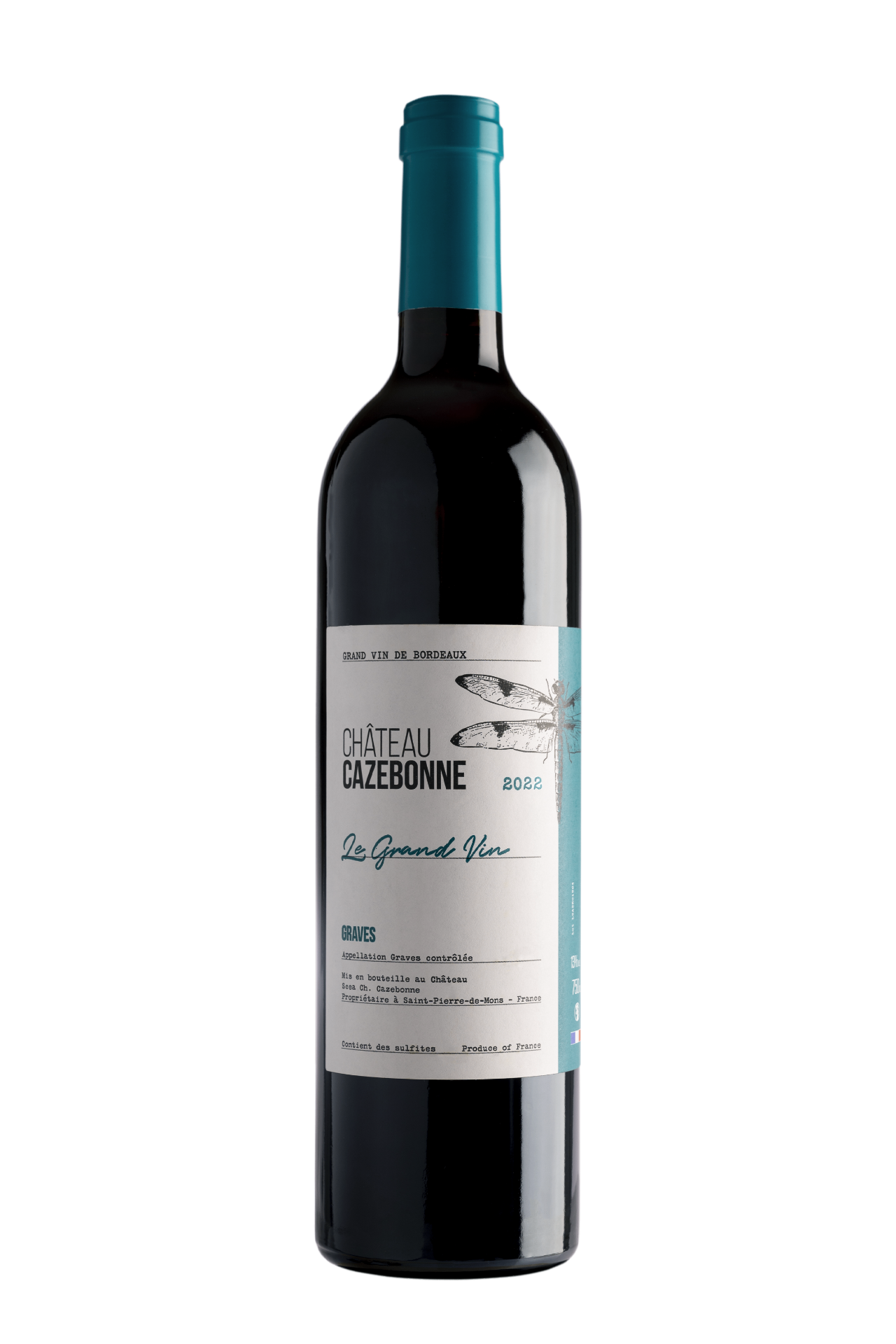 Our recommendation92/100 RVF
6 bottles — Graves red 2022, 92/100 RVF
Rated 92/100 by La Revue du vin de France: a solid 10-year ageing potential.
Our Graves for ageing, the finest gateway to the estate.
I want it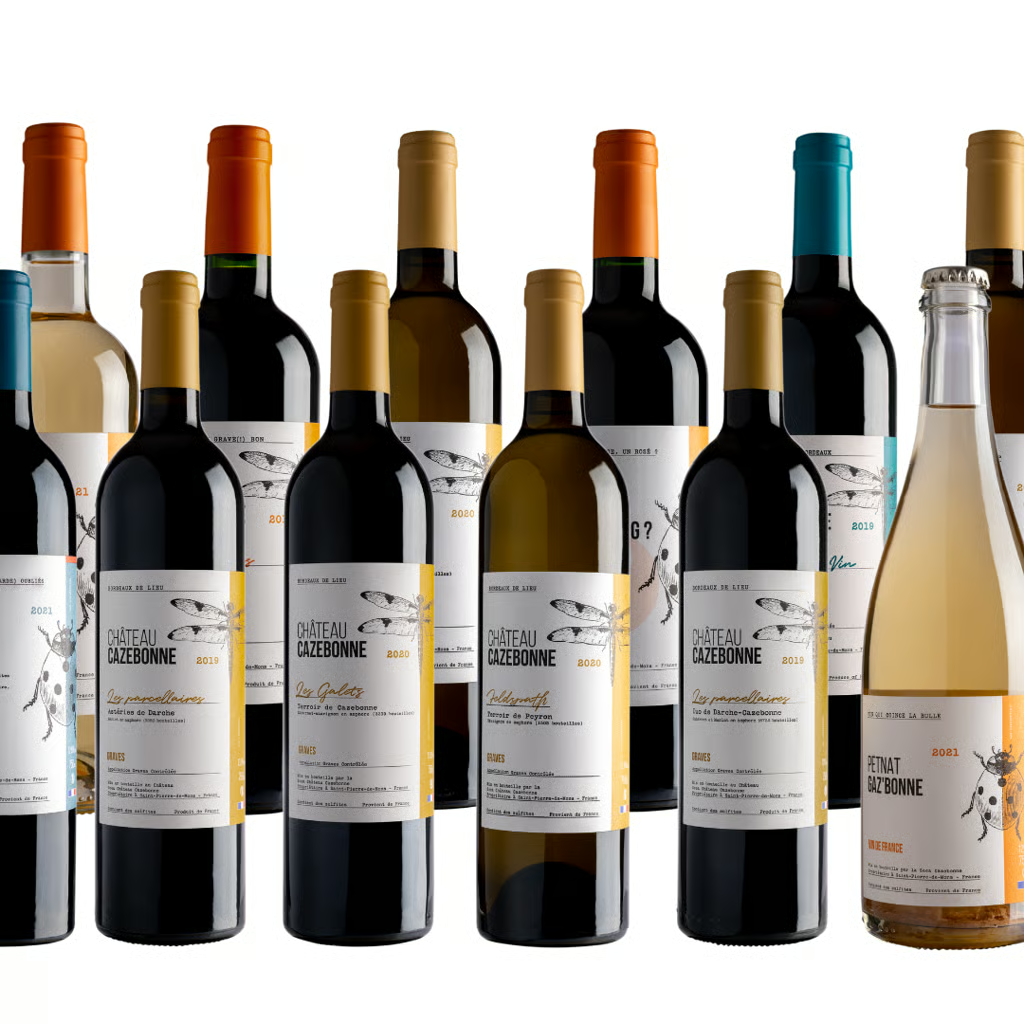 Go further
12 bottles — the whole range
12 bottles, the whole range tasted: the best discovery-to-price ratio.
The complete tour of the estate, in a single case.
I want it09 September 2026
Faced with increasingly hot and dry summers, one question keeps coming up: should we irrigate vines in Bordeaux? Just a few months ago, I was against it. Yet what we experienced this summer has shaken my convictions. The very survival of our estates is at stake. So I looked deeper into the subject
By Jean-Baptiste