
 The essential
6 × Entre Amis red
6 bottles — Graves red 2022
The best price of the cellar: €12 per bottle delivered.
The everyday red: generous and straight to the point.
I want itMandronner
Vine training (mandronnage) is a fundamental viticultural practice that is often relatively unknown to the general public. This technical term refers to all the operations carried out during the first few years of a young vine's life, the objective of which is to shape and structure it so that it can ultimately produce quality grapes and be sustainable. It is a crucial step in ensuring the longevity and productivity of the plot.
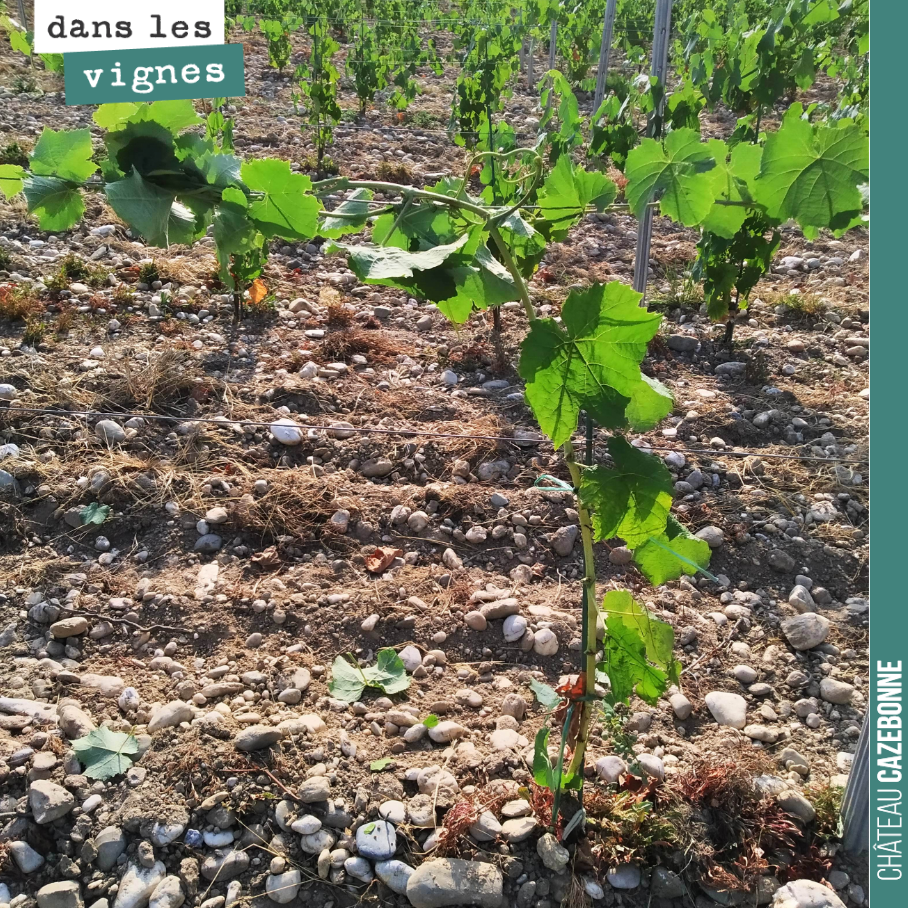
In concrete terms, training involves selecting and directing the shoots, removing those that are poorly positioned or overly vigorous, in order to create a balanced and robust framework. This "education" of the young plant begins in the very first year after planting. Every choice, every cut, has a direct and lasting impact on the vigour of the vine, its resistance to disease, and, ultimately, the quality of the future wine. It is truly the work of a sculptor, where the winegrower anticipates future growth and gives the vine its ideal shape.
This training is all the more important for grape varieties such as those we are replanting at Château Cazebonne. Indeed, certain ancient varieties, which are sometimes more fragile or more exuberant in their youth, require special attention to ensure they are properly established and enter into production harmoniously. As Jean-Baptiste Duquesne explains in his book "Bordeaux, une histoire de cépages" (Éditions BBD), the shaping of the vine, linked to the choice of rootstock and the training system, is intrinsically linked to the future expression of the terroir and the intrinsic qualities of each grape variety.
At Château Cazebonne, this meticulous approach to vine training is part of our overall commitment to reviving the historic grape varieties of Bordeaux. This demanding yet fascinating work of replanting and nurturing forgotten varieties is only possible thanks to the unwavering support of a community of enlightened enthusiasts. Your commitment and your appreciation of our wines allow us to continue this adventure and breathe new life into grape varieties that have so much to offer to the typicity of Bordeaux wines.
If you would like to discover the fruit of this labour and passion, you can find our cuvées for sale in the Cazebonne online shop.
To deepen your knowledge of the fascinating history of Bordeaux grape varieties and understand the importance of this approach, we also invite you to receive the digital version of the book "Bordeaux, une histoire de cépages", sent directly via email by visiting our website.
Vine training, from the Latin word mandare (to entrust, to order), is an essential viticultural operation that sculpts the shape of the young vine plant from its very first years. More than just a simple cut, it is a formative technique that aims to build the future framework of the vine. The goal is not to produce grapes immediately, but to lay the foundations for a robust, balanced, and sustainable plant.
The main objective of vine training is to guarantee the longevity and productivity of the vine. A well-formed framework ensures better sap circulation, promotes a balanced distribution of the fruit load, and improves resistance to diseases and climatic stress. In the long term, this practice directly influences the quality of the grapes and, consequently, the characteristics of the future wine. It also allows old vines to retain their vigour.
Vine training begins in the very first year the young vine is planted and continues for the first three to five years of its life. Interventions mainly take place during the vegetative period, ideally in spring and early summer, when the young shoots are still supple and easy to direct. Each intervention is carefully thought out to support the natural growth of the vine. It is complementary to other practices such as root dipping of the plants.
Vine training involves a series of precise actions. It all begins with the careful observation of the young plant. The winegrower selects the most promising shoots, those that will form the future arms of the vine, and removes suckers and poorly positioned shoots. The aim is to guide the growth to create an architecture that is open to the sun and wind, thus optimising aeration and exposure. The retained shoots are then tied or pinched to encourage their development in the desired direction. This meticulous work is essential for the proper formation of the vine.
For vine training, the winegrower primarily uses sharp secateurs, essential for clean cuts that avoid damaging the vine. Biodegradable ties or clips are also used to keep the shoots in their desired growing position. The cleanliness of the tools is paramount to prevent the spread of diseases. As the plants and the young rootstock are fragile, careful attention is required. To learn more about pruning practices, discover vine maintenance (sécaillage), a technique that ensures the good health and productivity of the vine.
At Château Cazebonne, vine training is at the heart of our philosophy of sustainable viticulture and respect for the terroir. Whether working on our historic Bordeaux grape varieties or new plantings of resistant varieties, we pay special attention to every young vine. This meticulous work is fundamental for the successful establishment of our forgotten Bordeaux grape varieties and for their harmonious integration into our ecosystem. By doing so, we anticipate the future needs of the plant so that it can fully express its potential and contribute to the typicity of our wines.
At Château Cazebonne, we are proud to perpetuate these ancestral gestures and bear witness to them in every one of our bottles. Our commitment to resurrecting the grape varieties of yesteryear and cultivating our vines with passion is reflected in the quality of our wines, which you can discover in our online shop. For the curious and epicurean alike, deepen your knowledge of the history of Bordeaux grape varieties by downloading our book "Bordeaux, une histoire de cépages" and test your knowledge with our oenological quizzes, a fun way to share our passion. And to find out more about one of the essential practices in viticulture, feel free to discover how to tie the vine, a manual art that prepares for growth and fruiting.
Sources
Our suggestions
-5%on your 1st order with code BIENVENUE
The essential6 bottles — Graves red 2022
The best price of the cellar: €12 per bottle delivered.
The everyday red: generous and straight to the point.
I want it Our recommendation92/100 RVF
6 bottles — Graves red 2022, 92/100 RVF
Rated 92/100 by La Revue du vin de France: a solid 10-year ageing potential.
Our Graves for ageing, the finest gateway to the estate.
I want it Go further
12 bottles — the whole range
12 bottles, the whole range tasted: the best discovery-to-price ratio.
The complete tour of the estate, in a single case.
I want it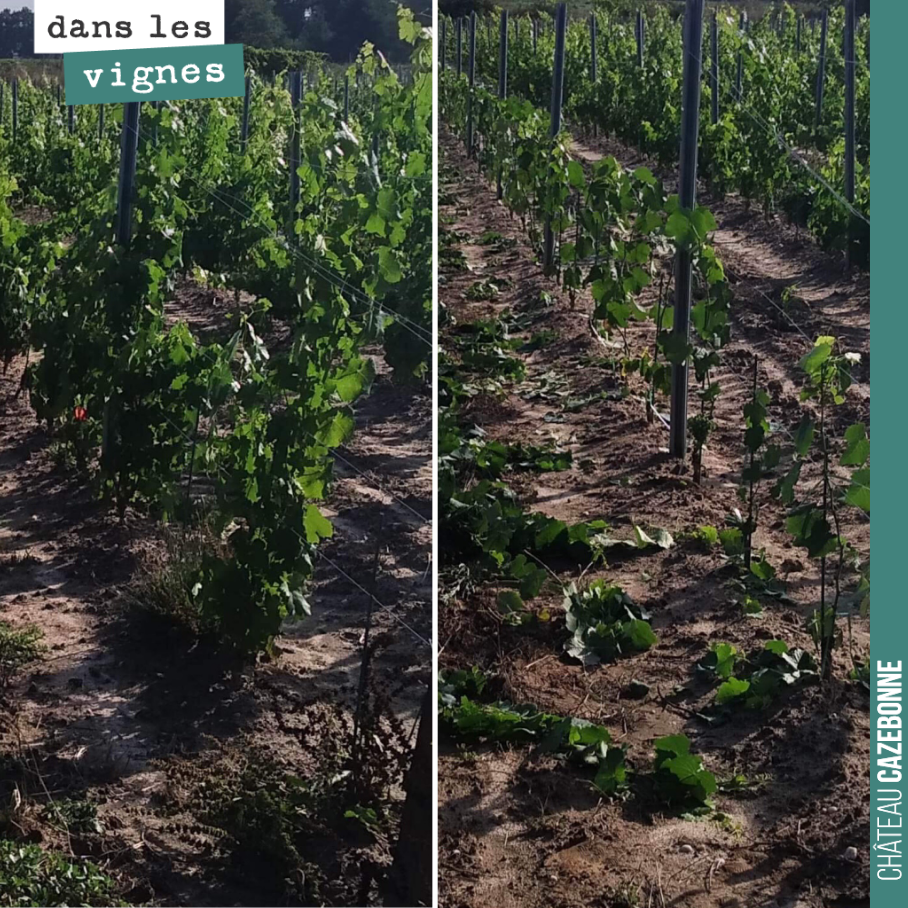
03 August 2019
27 July 2019
The cellar, forgotten grape varieties and our cuvées, twice a month. 5% off your first order with the code BIENVENUE.