
 The essential
6 × Entre Amis red
6 bottles — Graves red 2022
The best price of the cellar: €12 per bottle delivered.
The everyday red: generous and straight to the point.
I want itEgg Vat
At Château Cazebonne, our quest for excellence and our desire to most accurately express the uniqueness of our terroirs naturally led us to ageing in eggs. This ancestral technique, the first traces of which date back to the amphorae of Antiquity, has been reinvented and modernised to fully integrate into our winemaking philosophy. It is particularly for the crafting of our white wines, where purity, freshness, and minerality are essential, that this method reveals its full potential.
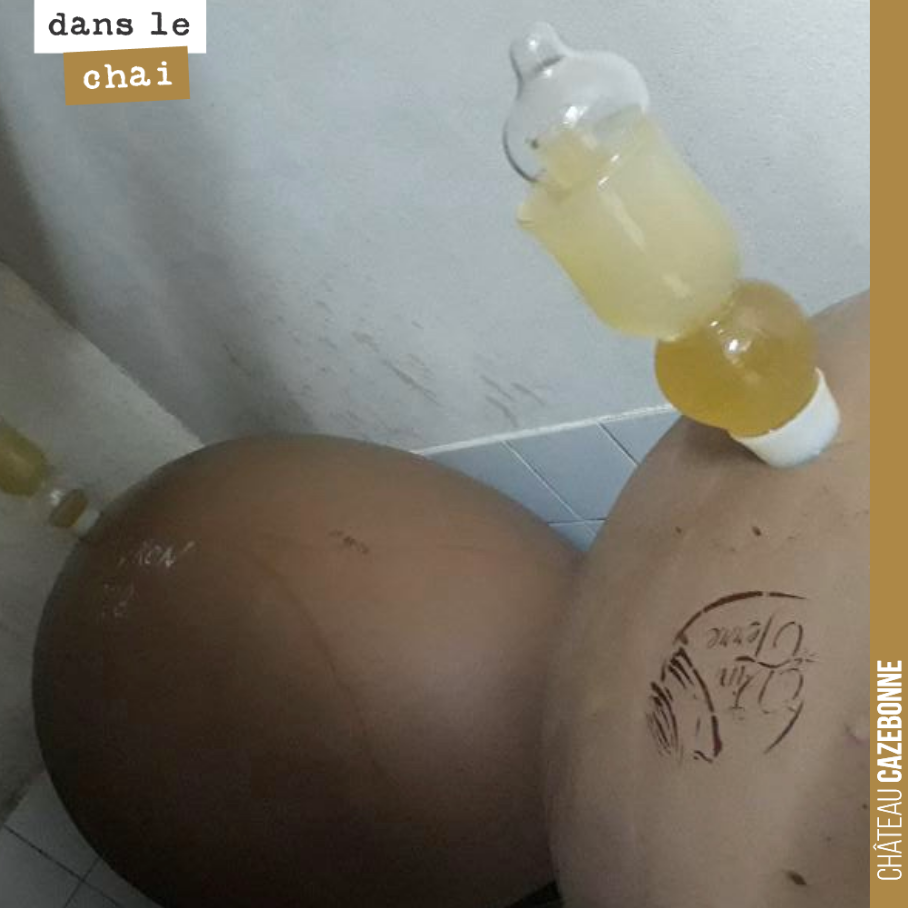
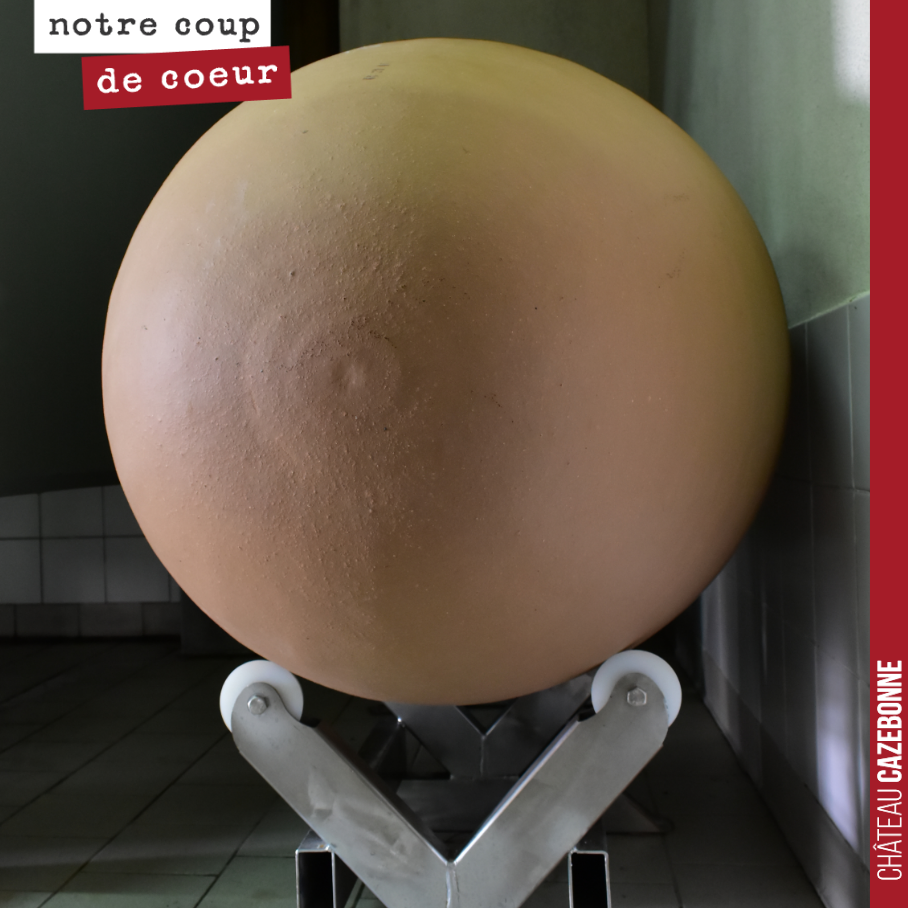
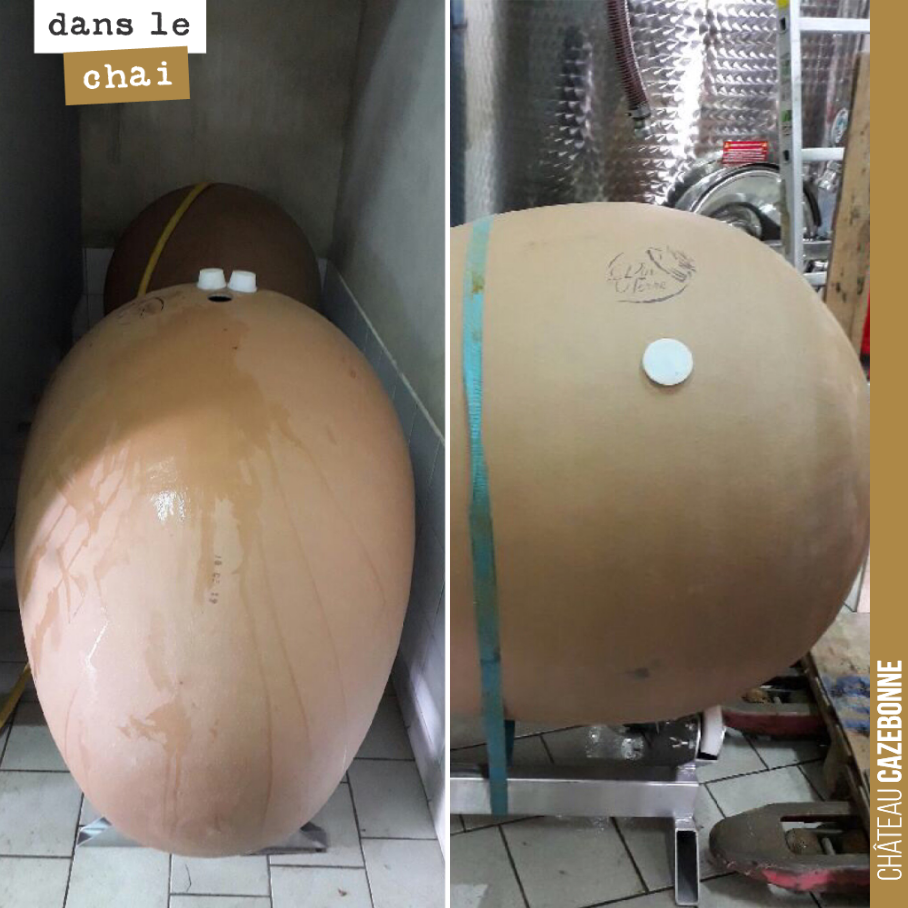
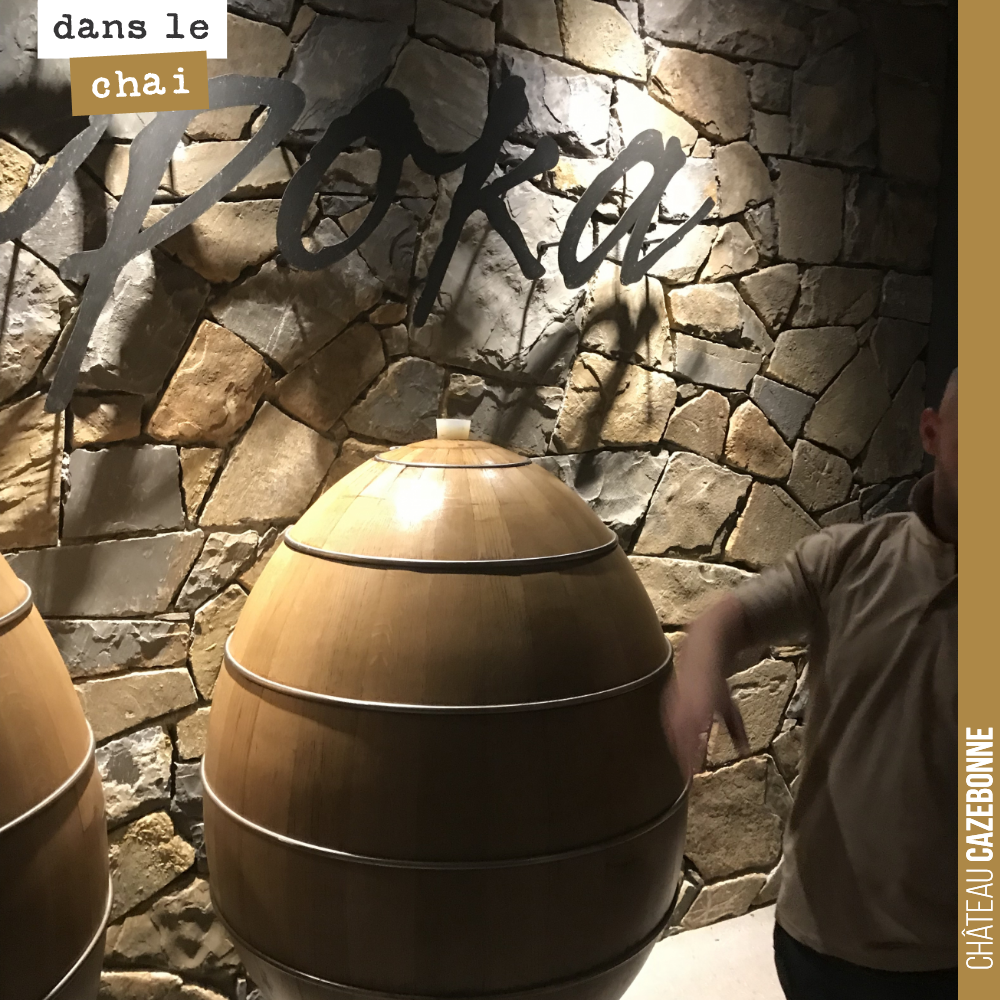
Our concrete eggs and our sandstone amphorae, ovoid in shape, are the symbols of this harmony between tradition and innovation. Take our Argile Ocre cuvée as an example, an exceptional white wine whose identity is magnified by meticulous ageing in these extraordinary vessels. The ovoid shape is not a mere aesthetic choice; it is the result of a deep understanding of the dynamic exchanges within the wine. It generates a perpetual and natural movement, a sort of constant micro-mixing, facilitated by convection currents. This delicate stirring keeps the fine lees in suspension, thereby enriching the wine's texture and amplifying its aromatic complexity without making it heavy, imparting volume and amplitude on the palate.
The specific porosity of the sandstone and concrete plays a crucial role by allowing gentle and controlled micro-oxygenation. Unlike wood, this subtle "breathing" preserves the brilliance of the fruit and the intrinsic identity of the grape variety, while ensuring the wine has natural stability and a harmonious potential for evolution. Furthermore, the thermal inertia of these materials guarantees a stable temperature, creating an ideal environment for slow ageing that respects the wine. As Jean-Baptiste Duquesne so rightly points out in his book "Bordeaux, une histoire de cépages", the history of wine is punctuated by experimentation and adaptation, and ageing in eggs perfectly follows this lineage of artisans of taste.
Thanks to ageing in eggs, we craft highly precise white wines characterised by a silky texture, remarkable length on the palate, and a vibrant aromatic expression. It is a true goldsmith's approach that allows us to sculpt authentic wines, faithful reflections of our Bordeaux terroir. This meticulous work is part of our commitment to replant forgotten grape varieties in Bordeaux, thereby contributing to the richness and diversity of the vineyard. This ambition is made possible by the unwavering support of the many enthusiasts who have adopted our wines and share our vision. Find all our cuvées for sale on the Cazebonne boutique.
To learn more about the fascinating history of the grape varieties that have sculpted our region, we invite you to receive the digital version of the book "Bordeaux, une histoire de cépages", published by Éditions BBD and written by Jean-Baptiste Duquesne. Request your copy by going to receive the digital version.
Ageing in eggs, whether carried out in an amphora or in an ovoid-shaped concrete vat, is a wine ageing method that aims to optimise the exchanges between the wine and its lees, while offering controlled micro-oxygenation. This technique is part of a quest for purity and fruit expression, minimising the influence of the vessel on the wine's aromatic profile. It represents an alternative to traditional methods such as ageing in barrels or in stainless steel vats, each having its own specificities.
The main oenological objective of ageing in eggs is to encourage the harmonious development of the wine. The ovoid shape of the vessels creates a natural convection movement, promoting the resuspension of fine lees (a phenomenon similar to bâtonnage). This process improves complexity, richness, and volume on the palate, while preserving the freshness and aromatic tension of the grape varieties.
Ageing in eggs generally takes place after alcoholic fermentation and, if applicable, malolactic fermentation. For white wines, it can last from a few months to a year, or even longer, depending on the desired style and the wine's potential. This period allows the wine to refine, gaining in complexity and stability before bottling. It complements the initial stages of winemaking, particularly for white wines.
After racking from the vat, the wine is transferred into the eggs. It is essential to ensure that the vessels are perfectly clean. The regular monitoring of the wine involves tastings to assess its evolution, as well as analyses to monitor its stability. It is during this phase that racking can be carried out if necessary.
The porosity of the materials (concrete or sandstone) allows for gentle micro-oxygenation, essential for the development of the wine without altering its primary aromas. The shape of the egg promotes a permanent and subtle stirring of the lees, which brings richness and texture.
The main materials used for ovoid vessels are concrete and sandstone. Concrete, inert and porous, allows for excellent temperature management and micro-oxygenation. Sandstone, on the other hand, offers similar properties while adding an aesthetic touch and a connection to more ancient practices (amphorae).
At Château Cazebonne, we have chosen ageing in eggs, particularly for our white wines such as our Argile Ocre cuvée, in order to prioritise the purity of the fruit, minerality, and texture. This method aligns perfectly with our commitment to sustainable and environmentally friendly viticulture, offering highly expressive wines that faithfully reflect our terroir.
At Château Cazebonne, we are committed to replanting grape varieties in Bordeaux that had disappeared, and this work is made possible thanks to the support of enthusiasts who have adopted our wines and share our vision of the New Bordeaux. To find out more about this unique approach, we invite you to receive the digital version of the book "Bordeaux, une histoire de cépages" by clicking here, to test your knowledge of the vineyards with our oenological quizzes, or to discover all our wines and cuvées available for purchase directly on our online boutique. Alternatively, you can check out the latest news concerning cellar equipment.
Sources
Our suggestions
-5%on your 1st order with code BIENVENUE
The essential6 bottles — Graves red 2022
The best price of the cellar: €12 per bottle delivered.
The everyday red: generous and straight to the point.
I want it Our recommendation92/100 RVF
6 bottles — Graves red 2022, 92/100 RVF
Rated 92/100 by La Revue du vin de France: a solid 10-year ageing potential.
Our Graves for ageing, the finest gateway to the estate.
I want it Go further
12 bottles — the whole range
12 bottles, the whole range tasted: the best discovery-to-price ratio.
The complete tour of the estate, in a single case.
I want it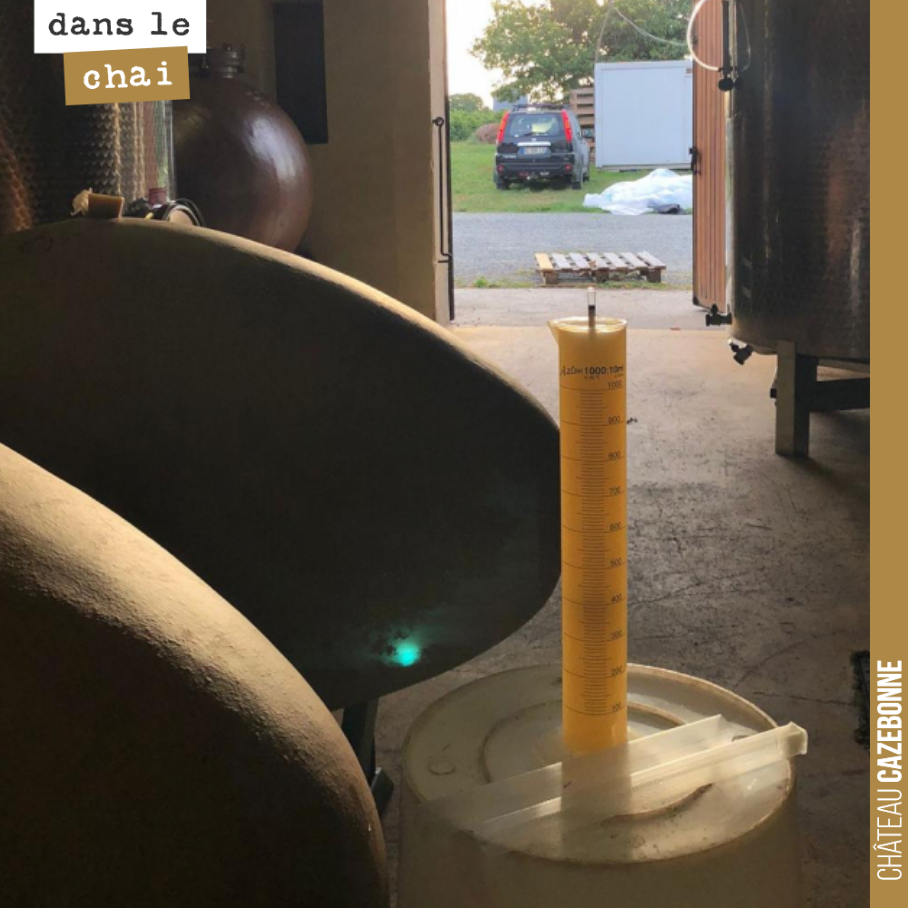
07 September 2022
03 November 2019
12 October 2019
12 September 2019
21 August 2018
The cellar, forgotten grape varieties and our cuvées, twice a month. 5% off your first order with the code BIENVENUE.