
 The essential
6 × Entre Amis red
6 bottles — Graves red 2022
The best price of the cellar: €12 per bottle delivered.
The everyday red: generous and straight to the point.
I want it5 BB
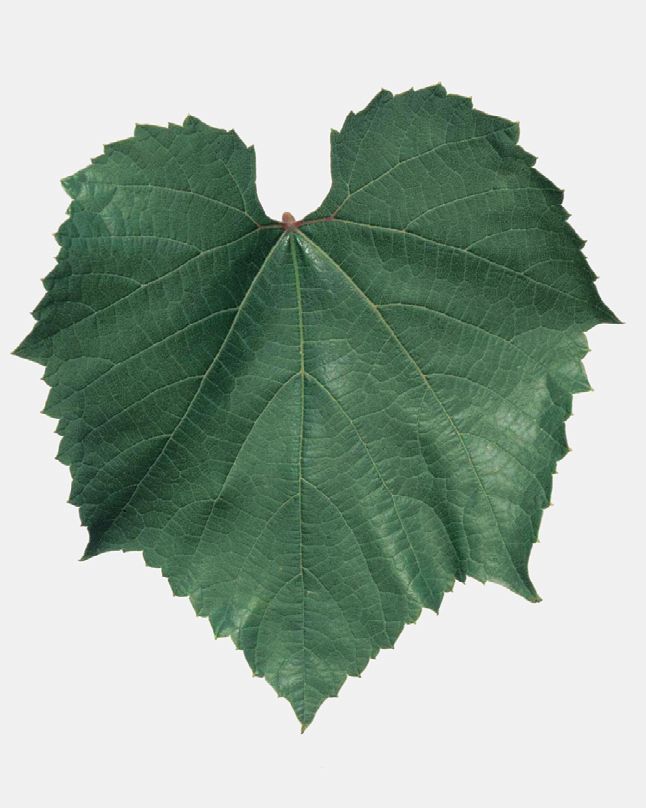
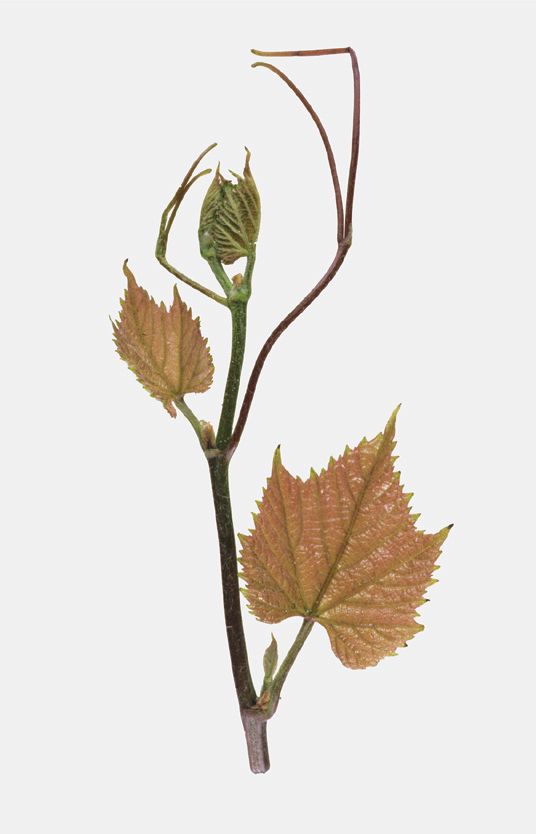
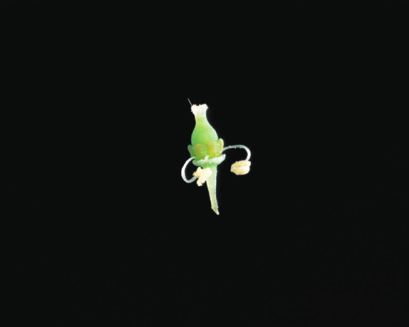
The 5 BB rootstock, also known as Kober 5 BB, is a cornerstone variety in global viticulture, valued for its vigour and adaptation to diverse soil conditions. Originating in the post-phylloxera era, it played a crucial role in the reconstruction of European vineyards.
The 5 BB rootstock, or Kober 5 BB, is the work of Austrian breeder Franz Kober. Created at the turn of the 20th century, specifically in 1904, it is a cross between two American vine species: Vitis berlandieri and Vitis riparia. This cross was part of the extensive research effort following the devastating phylloxera crisis that swept through European vineyards in the late 19th century. The objective was to combine the phylloxera resistance of American vines with good grafting compatibility and adaptation to calcareous soils.
| Characteristic | Description |
|---|---|
| Parents / cross | Vitis berlandieri x Vitis riparia |
| Origin species | Vitis berlandieri, Vitis riparia |
| Breeder and date | Franz Kober, 1904 |
| Phylloxera resistance | Very good |
| Conferred vigour | High |
| Active limestone tolerance | CPI 20, 9-11% active limestone |
| Drought tolerance | Moderate |
| Tolerance to wet conditions / root asphyxiation | Low |
| Effect on scion ripening | Neutral to slight delay |
| Status / registration | Official French catalogue, registered in 1969 |
The 5 BB rootstock shows good adaptation to soils, especially those that are moderately calcareous. It withstands a Chlorosis Power Index (CPI) of around 20, with a tolerance of up to 9–11% active limestone. It is well suited to deep, cool soils. However, its drought tolerance is moderate, and it is sensitive to excess moisture and root asphyxiation. It is rarely recommended for excessively acidic or saline soils. Its ability to thrive in cool soils makes it an attractive choice for certain wine regions.
Kober 5 BB is renowned for the high vigour it confers on the scion. This vigour can lead to generous yields, but requires attentive vineyard management to prevent detrimental effects on grape quality. Its influence on scion ripening is generally neutral, or may cause a slight delay depending on grape varieties and climatic conditions. It ensures a good supply of water and nitrogen, which promotes significant vegetative growth. This behaviour must be taken into account when choosing the grape variety and training system to optimise the balance between vigour, yield, and wine quality. You can explore other rootstocks, such as the 41 B MGt rootstock or the 3309 C rootstock, which can exhibit different characteristics.
The 5 BB rootstock shows good graft affinity with most cultivated grape varieties, including the major Bordeaux varieties. Its high vigour requires particular attention to planting density and canopy management techniques, such as trellising and training, to control excessive vegetative growth. An appropriate planting density helps regulate crop load and ensures optimal cluster exposure. Winegrowers can also explore techniques such as the omega graft to ensure sound compatibility.
Despite its strengths, Kober 5 BB presents certain vulnerabilities. Its limestone tolerance, while satisfactory, is not limitless, and it can show signs of iron chlorosis in excessively calcareous soils or under stressful conditions. Its low tolerance to root asphyxiation makes it unsuitable for heavy, compacted, or waterlogged soils. Excessive vigour can also cause coulure (shatter) in certain grape varieties if left unchecked. For more challenging soils, other rootstocks such as Fercal or the 125 AA rootstock (Kober 125 AA) might be considered.
In the context of climate change, Kober 5 BB offers mixed benefits. Its vigour and efficient water uptake can be an asset where maintaining crop levels is desirable despite moderate drought spells. However, its poor tolerance to severe drought and root asphyxiation can become a limiting factor in regions facing more frequent water deficits or intense rainfall events. Its neutral to slightly delaying effect on scion maturity can be an advantage for early-ripening grape varieties, helping to preserve freshness in the wines.
Château Cazebonne is actively committed to replanting forgotten grape varieties and experimenting with new rootstocks adapted to the contemporary challenges facing Bordeaux vineyards. This meticulous work is supported by extensive research and the support of those who choose to discover our wines online. To learn more about our approach and the viticultural history of the region, we invite you to download our book “Bordeaux, une histoire de cépages” or test your knowledge with our wine quizzes.
Sources
Our suggestions
-5%on your 1st order with code BIENVENUE
The essential6 bottles — Graves red 2022
The best price of the cellar: €12 per bottle delivered.
The everyday red: generous and straight to the point.
I want it Our recommendation92/100 RVF
6 bottles — Graves red 2022, 92/100 RVF
Rated 92/100 by La Revue du vin de France: a solid 10-year ageing potential.
Our Graves for ageing, the finest gateway to the estate.
I want it Go further
12 bottles — the whole range
12 bottles, the whole range tasted: the best discovery-to-price ratio.
The complete tour of the estate, in a single case.
I want itThe cellar, forgotten grape varieties and our cuvées, twice a month. 5% off your first order with the code BIENVENUE.