
 The essential
6 × Entre Amis red
6 bottles — Graves red 2022
The best price of the cellar: €12 per bottle delivered.
The everyday red: generous and straight to the point.
I want it1103 P
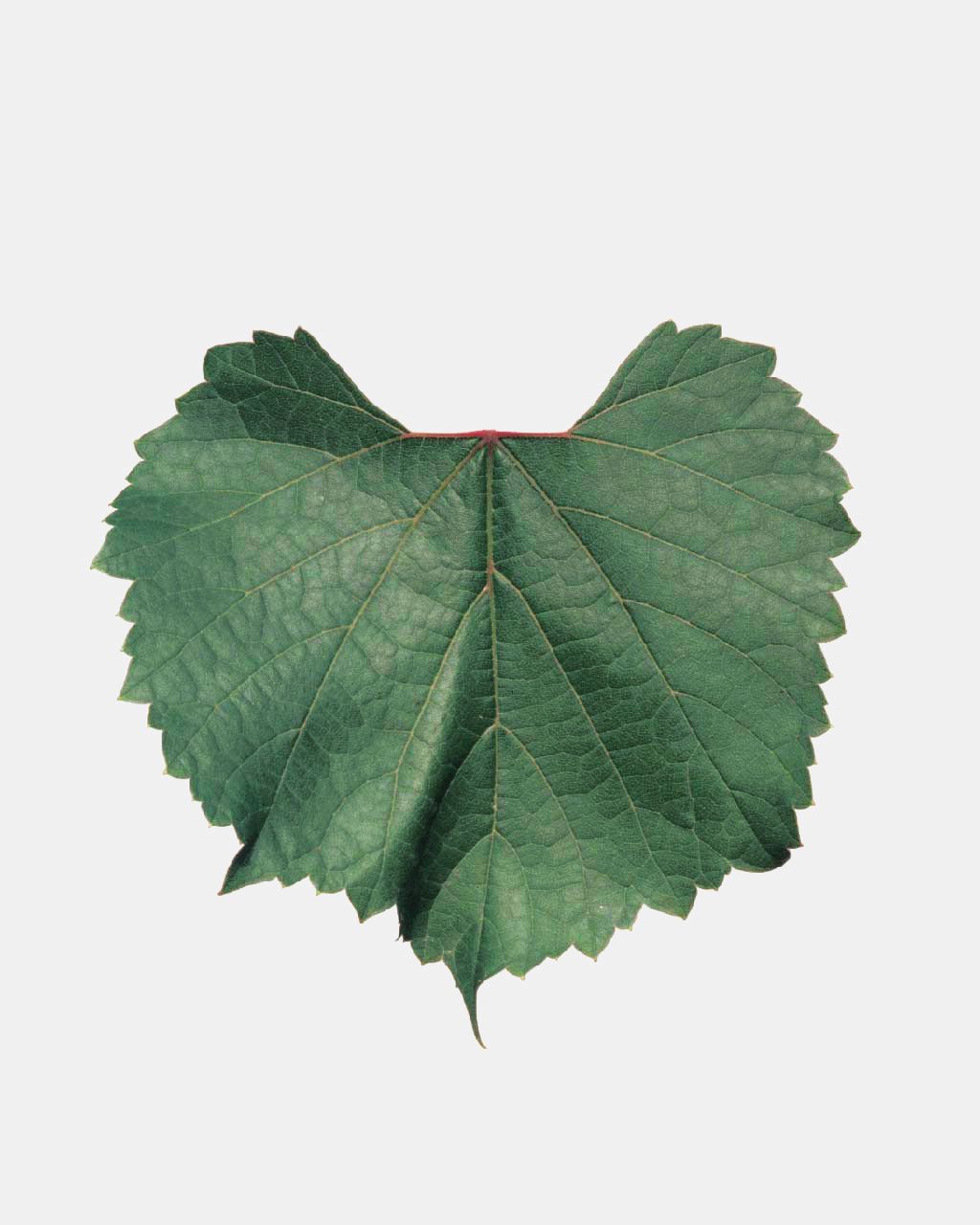
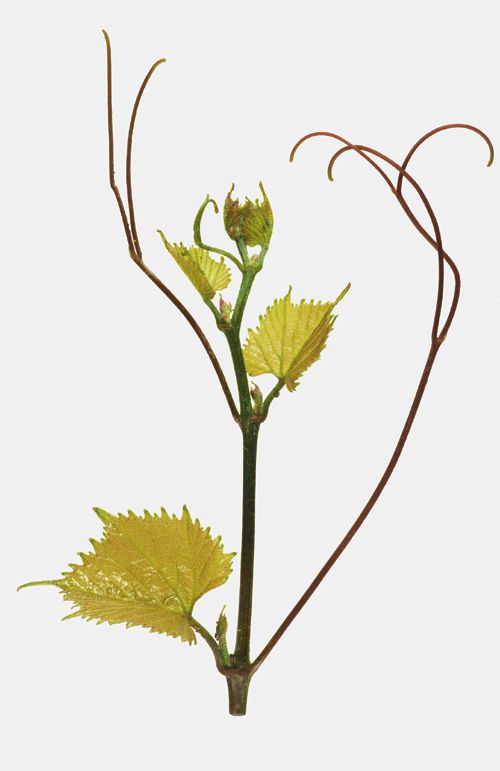

The 1103 Paulsen rootstock (1103 P) is a historic benchmark that remains widely used across global vineyards. Its development took place against the backdrop of the post-phylloxera era in the late 19th century—a pivotal time when viticulture had to reinvent itself following the massive devastation of European vineyards. It was bred in Italy by Paulsen as part of intensive research aimed at finding rootstocks suited to diverse soil and climate conditions, but above all resistant to the formidable phylloxera. It originates from a cross between two American Vitis species: Vitis berlandieri and Vitis rupestris, renowned for their complementary qualities in terms of resistance and adaptation to various terroirs.
| Characteristic | Description |
|---|---|
| Parents / Cross | Vitis berlandieri x Vitis rupestris |
| Original species | Vitis berlandieri / Vitis rupestris |
| Breeder and date | Paulsen, late 19th century |
| Phylloxera resistance | Very high |
| Vigour conferred | High |
| Active lime tolerance | Up to 17% active lime, CPI 40 |
| Drought tolerance | Very high |
| Tolerance to humidity / waterlogging | Moderate |
| Effect on scion ripening | Neutral to slightly delaying |
| Status / Registration | Official French Catalogue |
1103 P stands out for its excellent adaptation to a wide range of soils. It performs remarkably well in clay-limestone soils, withstanding high levels of active lime (up to 17% with a chlorosis power index of 40). This lime tolerance is a major asset for many wine regions. In addition, it displays outstanding drought resistance, making it invaluable in arid climates or during periods of water stress. Conversely, its tolerance to humidity and waterlogging is more moderate, making it less suitable for overly wet or heavy, compacted soils. Its good resistance to nematodes also makes it a wise choice for infested soils.
The 1103 P rootstock confers high vigour to the scion. This vigour can be an advantage in poor soils or for low-vigour grape varieties. It has a neutral to slightly delaying effect on scion ripening, which can be beneficial for preserving aromatic freshness and wine balance in warm regions. It ensures a good supply of water and nitrogen, thereby promoting yields while generally maintaining high crop quality when yields are controlled. Graft affinity is good with most grape varieties grown in Bordeaux.
Despite its many qualities, 1103 P presents certain sensitivities. Its moderate tolerance to humidity can restrict its use in heavily waterlogged soils where it could suffer from root asphyxiation. In soils with very high active lime content, although resistant, vigilance is required to prevent iron chlorosis, even with its high CPI. The substantial vigour conferred to the scion may require adapted pruning or yield management to prevent overproduction at the expense of quality.
Faced with the challenges posed by climate change, 1103 P is gaining renewed relevance. Its very high drought resistance makes it a premier choice for vineyards confronting more frequent and severe water stress episodes. Its neutral to slightly delaying effect on ripening can help maintain a proper acidity/sugar balance in the berries, delaying harvest slightly and avoiding premature ripening. This is why it is viewed as a promising solution for adapting vineyards in Bordeaux and beyond. We regularly use it for interplanting and replacing missing vines across our parcels.
Another historic rootstock, such as the 125 AA rootstock (Kober 125 AA), could also be relevant in certain contexts. The 5 BB rootstock (Kober 5 BB) is another option for specific terroirs. Finally, the SO 4 rootstock (Selection Oppenheim 4) is a solution worth considering for specific terroirs, just like the 5 C rootstock (Teleki 5 C).
At Château Cazebonne, we are committed to preserving and championing the rich heritage of Bordeaux viticulture, notably by exploring rootstocks suited to current challenges. Our approach, supported by wine lovers who purchase our wines in our online shop, enables us to continue this research and development work. To discover more about the history of grape varieties and the vine, feel free to download our book. And to test your knowledge, why not try our wine quizzes?
Sources
Our suggestions
-5%on your 1st order with code BIENVENUE
The essential6 bottles — Graves red 2022
The best price of the cellar: €12 per bottle delivered.
The everyday red: generous and straight to the point.
I want it Our recommendation92/100 RVF
6 bottles — Graves red 2022, 92/100 RVF
Rated 92/100 by La Revue du vin de France: a solid 10-year ageing potential.
Our Graves for ageing, the finest gateway to the estate.
I want it Go further
12 bottles — the whole range
12 bottles, the whole range tasted: the best discovery-to-price ratio.
The complete tour of the estate, in a single case.
I want itThe cellar, forgotten grape varieties and our cuvées, twice a month. 5% off your first order with the code BIENVENUE.