
 The essential
6 × Entre Amis red
6 bottles — Graves red 2022
The best price of the cellar: €12 per bottle delivered.
The everyday red: generous and straight to the point.
I want itFlies
The fly, belonging to the order Diptera, is much more than a mere insect in the viticultural landscape. This order includes a multitude of species whose interactions with the ecosystem are complex and varied. Their roles range from pollination to the decomposition of organic matter, directly influencing the biodiversity of the vineyard terroirs.
Flies display a great diversity of shapes and sizes. Generally, they are characterised by a pair of membranous wings and a pair of halteres used for balance during flight. Their colour varies considerably, from shiny black to metallic green, including striped liveries mimicking wasps, as is the case for hoverflies. Their life cycle is often rapid, with larval stages that can be aquatic, terrestrial, or develop within living or dead organisms. The complete metamorphosis (egg, larva, pupa, adult) allows them to occupy numerous ecological niches.
At Château Cazebonne, the fly can be observed in various micro-habitats. Plot borders, rich in weeds and flowers, are privileged foraging grounds for pollinating species such as hoverflies. Biodynamic compost heaps and dead wood areas constitute essential habitats for detritivorous species, which contribute to the formation of humus. Tree trunks and hedgerows also provide refuges and breeding sites.
The ecological role of flies is manifold. Hoverflies, for example, are valuable pollinators, and their larvae are formidable predators of aphids and other vineyard pests. This natural biocontrol action is crucial for the health of our vines and is fully in line with our biodynamic viticulture approach. Other species actively participate in the degradation of organic matter, from dead wood to fallen leaves, thereby enriching the living soil of the plots. However, some species can be harmful, such as the spotted-wing drosophila (Drosophila suzukii), which can cause damage to grape berries, especially those already compromised by other factors. Monitoring these populations is part of our daily routine to maintain a balance.
Despite the potentially negative aspects of certain species, the overall importance of Diptera for biodiversity and the balance of viticultural ecosystems is undeniable. At Château Cazebonne, our commitment goes beyond mere pest management. We strive to recreate an environment where every insect, including the fly, has its place and contributes to the complexity of our terroirs. This work helps to restore an entire ecosystem, where every link in the chain, from the smallest to the largest, finds its role.
This demanding and passionate work, guided by the principles of respectful viticulture, is made possible thanks to the unwavering support of the many enthusiasts who have adopted our wines and share our vision of sustainable viticulture inherently linked to the richness of its environment. Feel free to download our book on Bordeaux, une histoire de cépages to understand how we embarked on the path of reviving forgotten grape varieties. Test your knowledge and discover more about the world of wine by participating in our oenological quizzes, and of course, explore the Cazebonne shop to discover the expression of our terroirs.
Our suggestions
-5%on your 1st order with code BIENVENUE
The essential6 bottles — Graves red 2022
The best price of the cellar: €12 per bottle delivered.
The everyday red: generous and straight to the point.
I want it Our recommendation92/100 RVF
6 bottles — Graves red 2022, 92/100 RVF
Rated 92/100 by La Revue du vin de France: a solid 10-year ageing potential.
Our Graves for ageing, the finest gateway to the estate.
I want it Go further
12 bottles — the whole range
12 bottles, the whole range tasted: the best discovery-to-price ratio.
The complete tour of the estate, in a single case.
I want it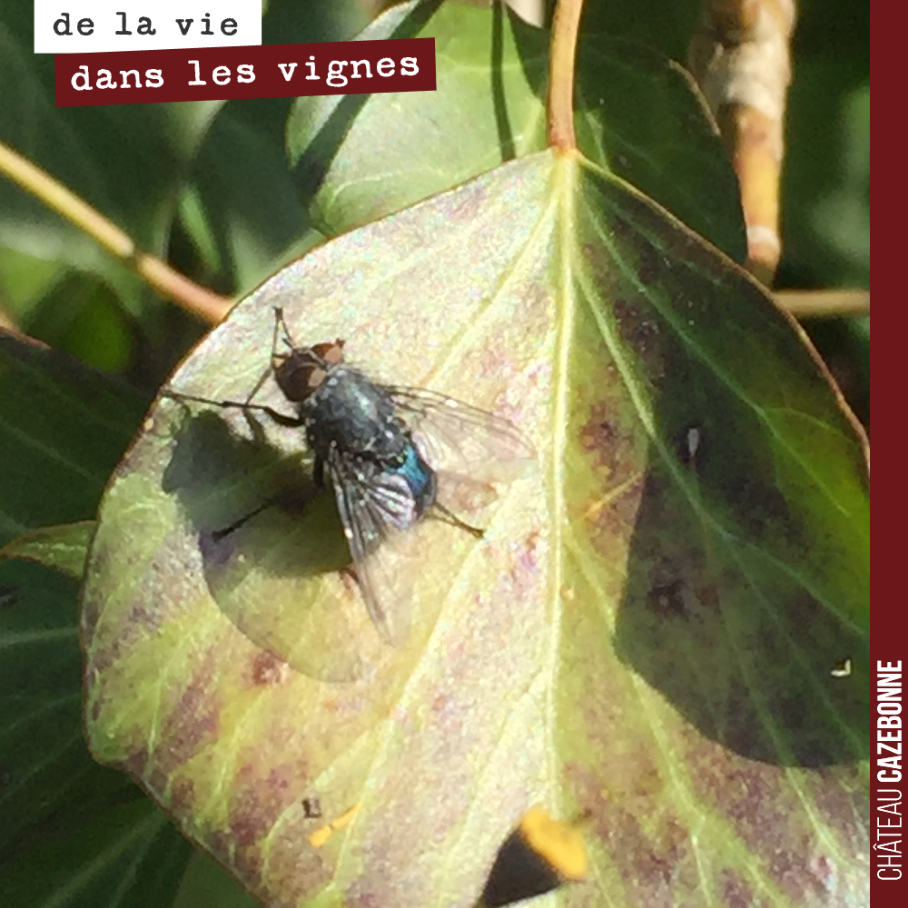
27 February 2019
The cellar, forgotten grape varieties and our cuvées, twice a month. 5% off your first order with the code BIENVENUE.