The essential
6 × Entre Amis red
6 bottles — Graves red 2022
The best price of the cellar: €12 per bottle delivered.
The everyday red: generous and straight to the point.
I want itSpur pruning
At the heart of the winegrower's craft, every action is dictated by respect for the plant and the goal of an excellent harvest. Among these actions, vine pruning holds a prominent place, and "spur pruning" is a particularly telling illustration of this. Less well-known than single or double Guyot pruning, it is nevertheless essential for ensuring the longevity and vitality of the vineyard, especially in the face of climatic hazards.
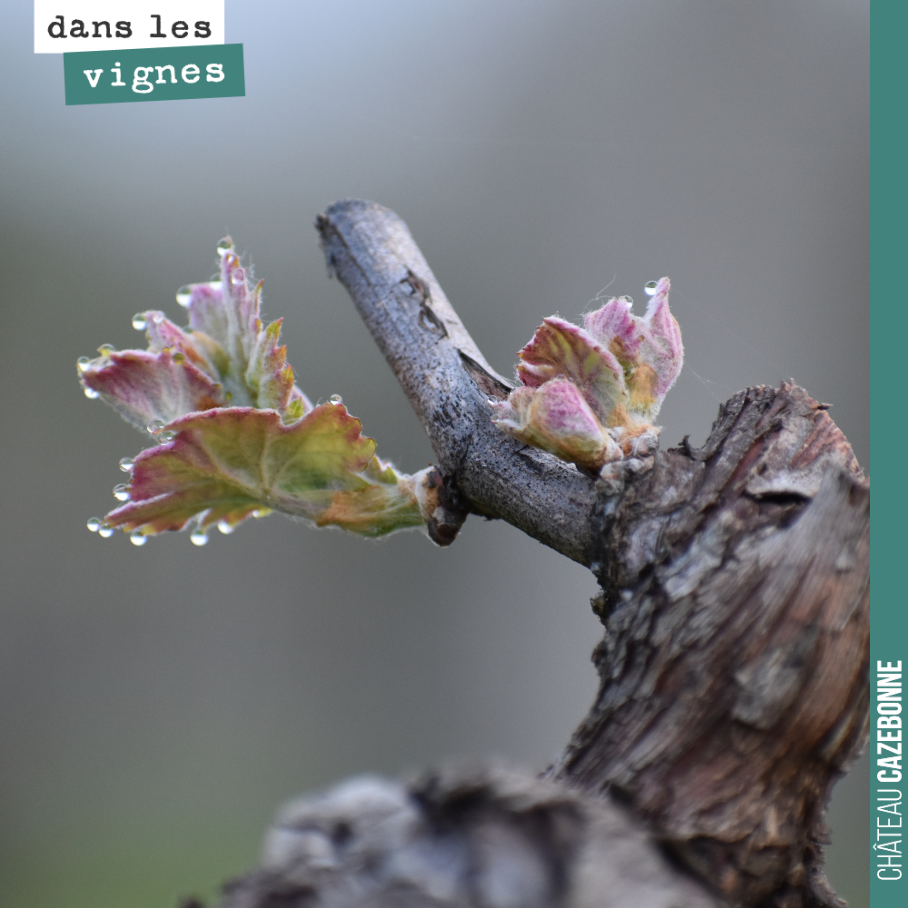
Spur pruning is a rescue intervention, an act of resilience. It becomes necessary when the vine lacks the desired vigour, often following a traumatic event such as spring frost or hail that severely damages the year's shoots. These meteorological phenomena can dramatically compromise the future harvest and durably weaken the vine stock. In these critical moments, the winegrower opts for a very short pruning, leaving only two buds per shoot, or "spur". This radical decision, which drastically limits the year's yield, aims to focus all the plant's energy on rebuilding its reserves and forming robust new shoots for the seasons to come. It is a short-term sacrifice for a long-term benefit, ensuring the survival and regeneration of the vine.
Spur pruning, also known as rejuvenation pruning or rescue pruning, is a severe pruning method applied to the vine. Its fundamental principle is to drastically reduce the number of fruit-bearing buds in order to force the plant to redirect its resources towards its perennial structure and the creation of new shoots. This action is far from insignificant and demonstrates the winegrower's profound knowledge of the plant.
The primary objective of spur pruning is the survival and regeneration of the vine. Faced with significant weakening of the vine stock due, for example, to particularly virulent hail or a late frost that destroyed a large portion of the fruit buds, spur pruning helps to restart vegetation. By sacrificing the year's harvest or reducing it heavily, the winegrower aims to preserve the plant capital for future years. It is also a strategy to combat premature ageing and certain diseases by stimulating healthy new growth.
Spur pruning is an intervention generally carried out at the end of winter or the beginning of spring, after assessing the damage suffered by the vine. The timing is crucial: it must take place before bud burst or very shortly after, so that the vine can focus its energy on new growth. It is often a rapid reaction to an unforeseen climatic event, but can also be planned as part of a rejuvenation programme for old vines.
Spur pruning consists of cutting the annual shoots very short, leaving only one or two buds (called "spurs" or "cots") per arm of the vine. The operation is meticulous:
This surgical approach requires great expertise and specific know-how to guarantee the effectiveness of the action.
The main tool remains the secateurs, often manual for optimal precision. Perfect sharpening and regular disinfection are essential to prevent the spread of diseases, notably the infamous esca. Spur pruning requires an experienced hand to identify the right buds and make clean cuts that will promote good healing.
At Château Cazebonne, this philosophy of resilience and adaptation is reflected in our commitment to replanting the historic grape varieties of Bordeaux. As highlighted in the book "Bordeaux, une histoire de cépages" by Jean-Baptiste Duquesne, published by Éditions BBD, the history of our vineyard is intrinsically linked to the diversity and richness of its original grape varieties, which are often more resistant to climatic challenges and offer a unique typicity to the wines.
This long-term undertaking, a true agronomic and oenological challenge, is a powerful act of preserving a unique viticultural heritage, a way to rediscover the soul of the wines of yesteryear. This exciting mission is made possible by the unwavering support of a community of enlightened enthusiasts. Your commitment and appreciation of our wines allow us to continue this adventure and breathe new life into grape varieties that have so much to offer to Bordeaux wines.
The effort deployed by Château Cazebonne to revive the forgotten grape varieties of Bordeaux illustrates our commitment to sustainable viticulture that respects its terroir. To delve deeper into these issues, we invite you to download our book on the history of Bordeaux grape varieties, to test your wine knowledge with our oenological quizzes, and of course, to find our various cuvées reflecting this passionate work directly on our online shop. Discover more about winter in the vineyards and its essential role in the annual cycle of the wine.
Sources
Our suggestions
-5%on your 1st order with code BIENVENUE
The essential6 bottles — Graves red 2022
The best price of the cellar: €12 per bottle delivered.
The everyday red: generous and straight to the point.
I want it Our recommendation92/100 RVF
6 bottles — Graves red 2022, 92/100 RVF
Rated 92/100 by La Revue du vin de France: a solid 10-year ageing potential.
Our Graves for ageing, the finest gateway to the estate.
I want it Go further
12 bottles — the whole range
12 bottles, the whole range tasted: the best discovery-to-price ratio.
The complete tour of the estate, in a single case.
I want itThe cellar, forgotten grape varieties and our cuvées, twice a month. 5% off your first order with the code BIENVENUE.