
 The essential
6 × Entre Amis red
6 bottles — Graves red 2022
The best price of the cellar: €12 per bottle delivered.
The everyday red: generous and straight to the point.
I want itDusting
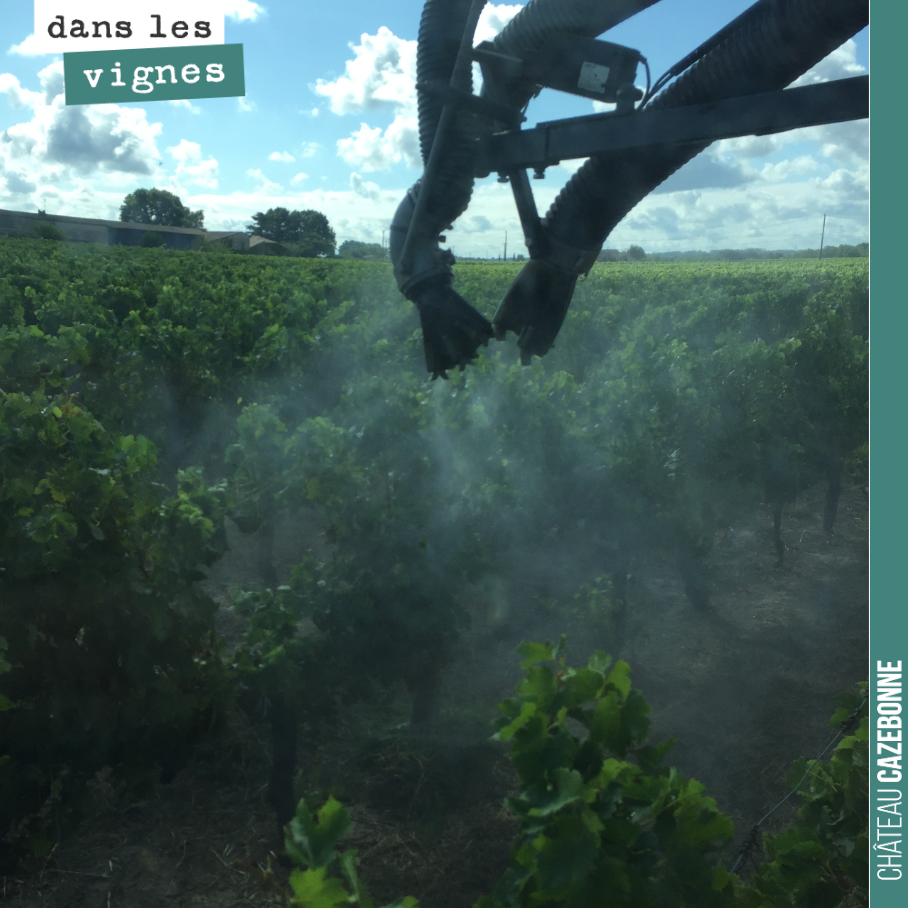
Vine dusting is an ancestral technique that involves depositing very fine mineral particles onto the vine's foliage. This method acts as a protective barrier for the plant, preventing or fighting against certain cryptogamic diseases and pests. It is an approach that favours natural resources and aligns with a philosophy of respect for the plant.
The main objective of dusting is the sanitary protection of the vine. Sulphur, for example, is widely used for its fungicidal properties, particularly against oïdium, a dreaded disease in viticulture. Clays, on the other hand, can form a physical barrier, hindering the settling of certain insect pests or reducing the development of diseases by drying up ambient moisture on the leaves. This practice aims to maintain the vineyard's balance and good health, which are essential for producing quality grapes.
Dusting is integrated into the vine's vegetative cycle. A first application can take place as early as bud break, when the young shoots are most vulnerable. Subsequently, regular dusting may be necessary, particularly during high-risk periods: after rains conducive to fungal development, or when pest pressure is high. The frequency and timing are adjusted according to field observations and weather conditions, guaranteeing optimal protection without excess.
The success of dusting relies on the fineness and homogeneity of the application. The powder must cover the foliage uniformly to maximise its effectiveness. Historically, manual dusting was often carried out early in the morning, with the morning dew helping the particles adhere to the leaves. Today, although mechanised, the principle remains the same: ensuring an optimal distribution of the active substance over the entire bunch and foliage. The goal is to form a protective film without hindering photosynthesis.
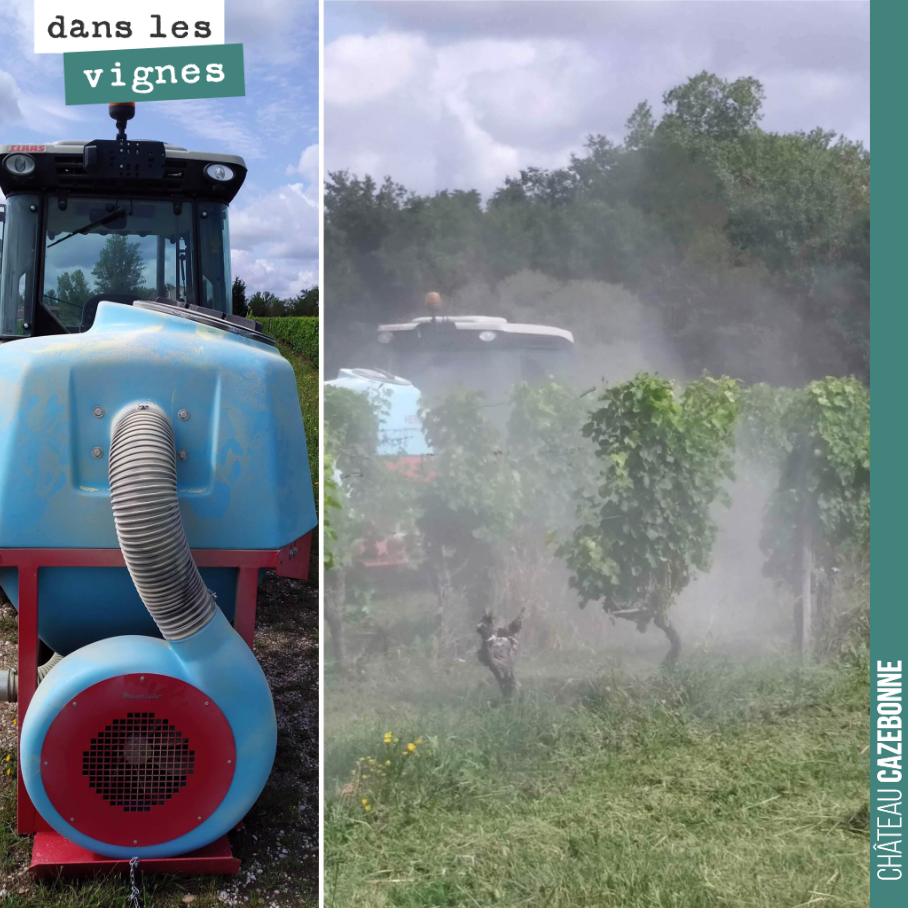
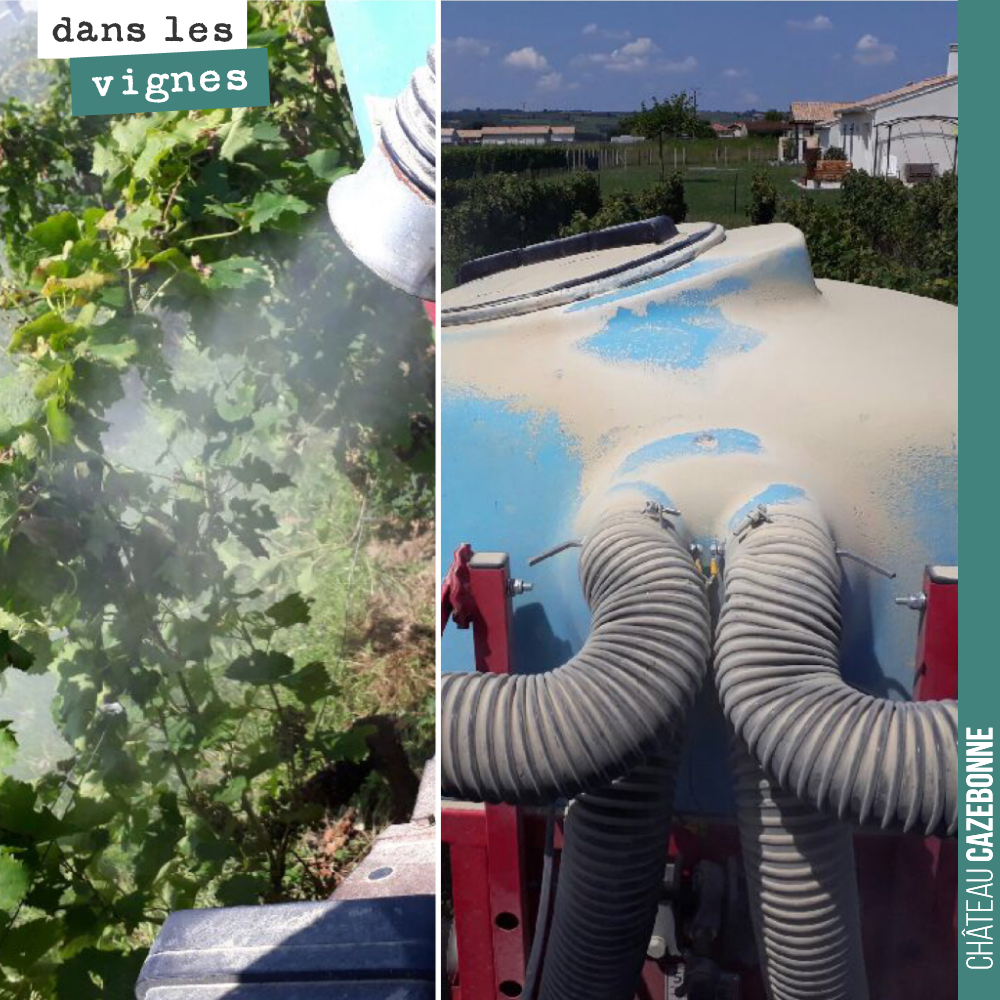
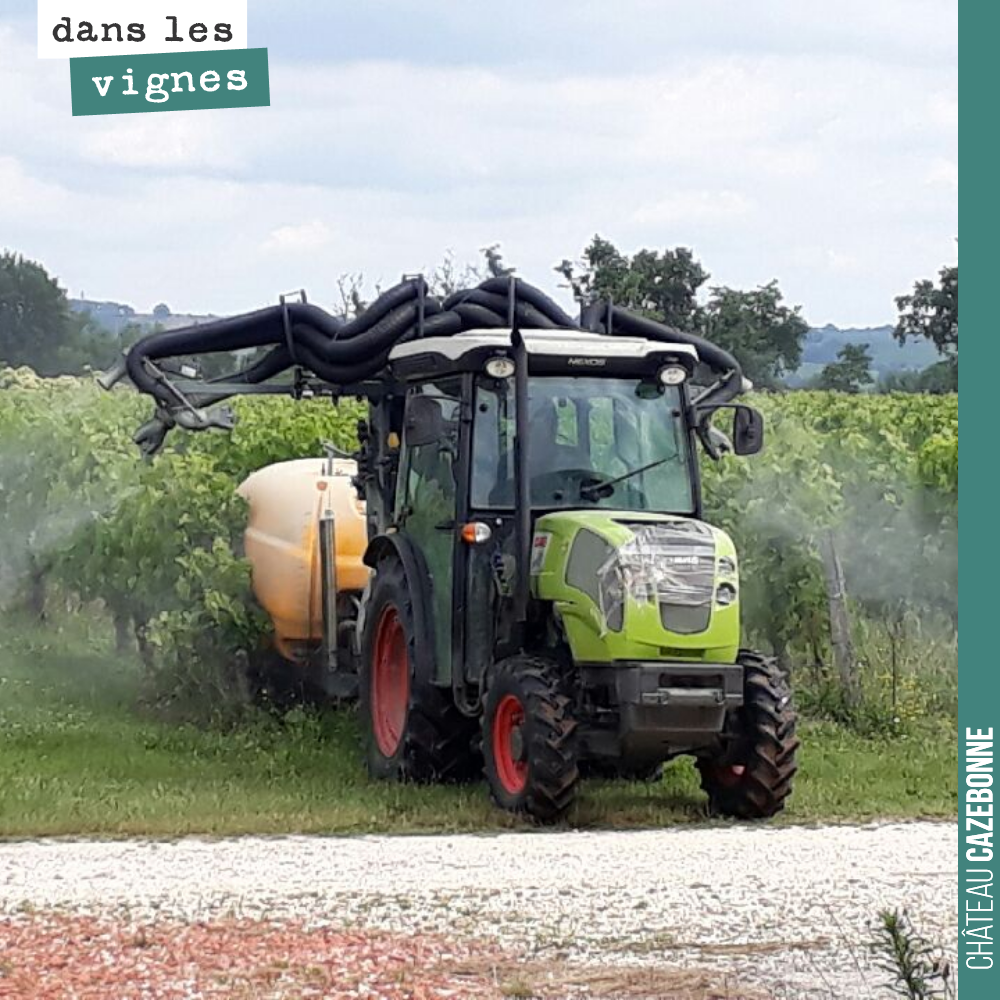
Sulphur is undoubtedly the most well-known and widely used powder in dusting, particularly in organic and biodynamic vineyards to combat oïdium. Dusters are used for this, whether they are manual, knapsack (for small parcels or targeted interventions), or tractor-mounted for large areas. In the past, the equipment was simple, often consisting of small hand-operated blowers. Today, more sophisticated devices allow for better yield and application quality. Find out more about the different technologies and the challenges related to their use, particularly how to properly manage the sprayer, an essential piece of equipment whose evolution reflects constant research into precision and efficiency.
Dusting, particularly with sulphur, is a flagship method of organic and biodynamic viticulture, offering an alternative to synthetic products. It represents an interesting compromise between efficiency and respect for the environment. At Château Cazebonne, we explore various integrated approaches for vine protection, such as agroecology in viticulture and fostering biodiversity. The objective is to minimise the impact on the vineyard's ecosystems while ensuring the sustainability of the crop, especially in the face of diseases like oïdium or mildew, for which organic treatments are favoured.
The practice of sulphur dusting experienced a considerable boom in the 19th century, particularly after the oïdium crisis. As Jean-Baptiste Duquesne recounts in his book "Bordeaux, une histoire de cépages", this period was marked by the search for solutions to protect the vineyard. Château Cazebonne follows in this lineage of winegrowers who, while using proven techniques, adapt and innovate. We are committed to a sustainable and environmentally friendly viticulture approach by replanting forgotten grape varieties that contribute to the resilience and typicity of our wines. For a better understanding of the challenges related to vineyard health, we invite you to consult our category dedicated to copper and the vine and to explore the role of sulphur in greater depth.
The work of Château Cazebonne, focused on the rediscovery and promotion of the historic grape varieties of Bordeaux, is a deep commitment to the viticultural heritage. It is thanks to the unwavering support of a community of enlightened enthusiasts that this approach, magnificently documented in the book "Bordeaux, une histoire de cépages" which we invite you to discover, takes on its full meaning. If you wish to deepen your knowledge or test your expertise, do not hesitate to take a look at our oenological quizzes. And to savour the fruits of this labour and passion, all our vintages are available for sale on our online shop.
Sources
Our suggestions
-5%on your 1st order with code BIENVENUE
The essential6 bottles — Graves red 2022
The best price of the cellar: €12 per bottle delivered.
The everyday red: generous and straight to the point.
I want it Our recommendation92/100 RVF
6 bottles — Graves red 2022, 92/100 RVF
Rated 92/100 by La Revue du vin de France: a solid 10-year ageing potential.
Our Graves for ageing, the finest gateway to the estate.
I want it Go further
12 bottles — the whole range
12 bottles, the whole range tasted: the best discovery-to-price ratio.
The complete tour of the estate, in a single case.
I want it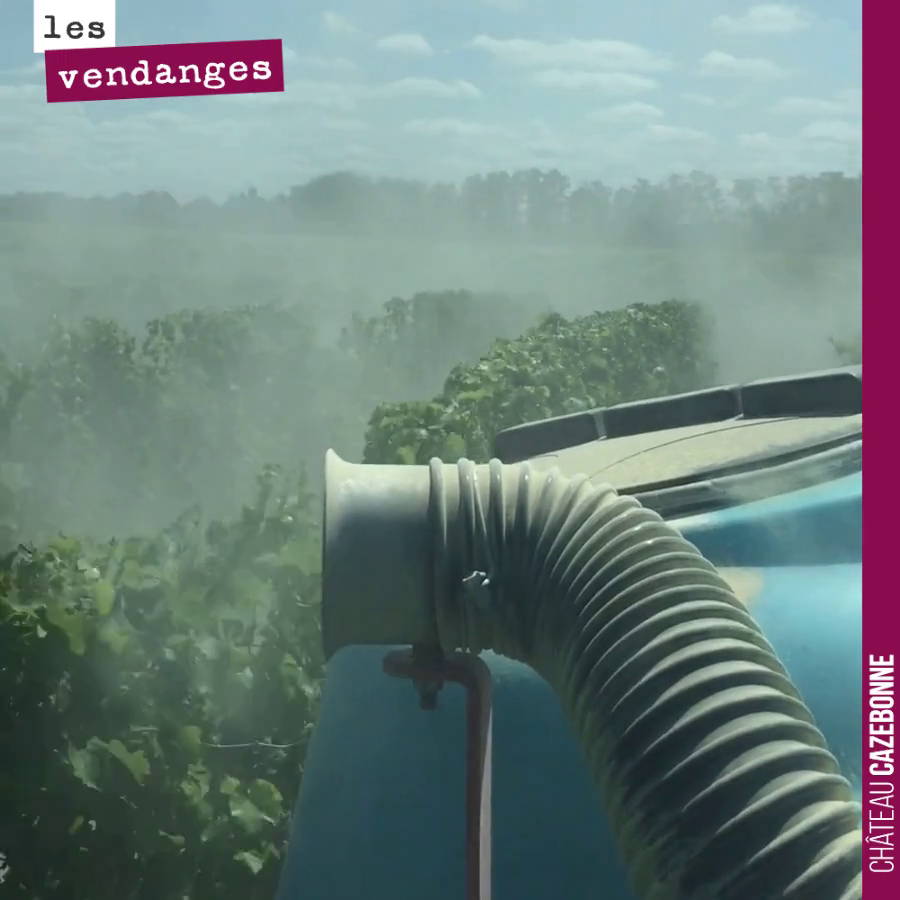
25 August 2020
15 August 2020
20 August 2019
19 July 2018
16 July 2018
The cellar, forgotten grape varieties and our cuvées, twice a month. 5% off your first order with the code BIENVENUE.