
 The essential
6 × Entre Amis red
6 bottles — Graves red 2022
The best price of the cellar: €12 per bottle delivered.
The everyday red: generous and straight to the point.
I want itPruning
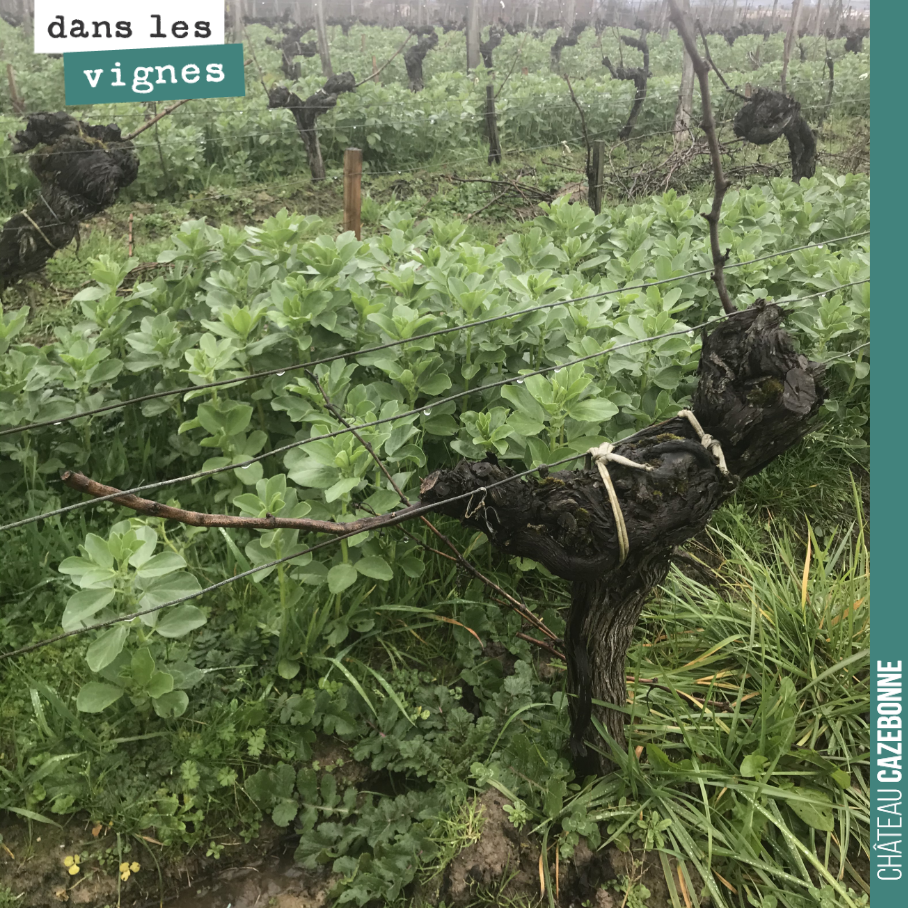
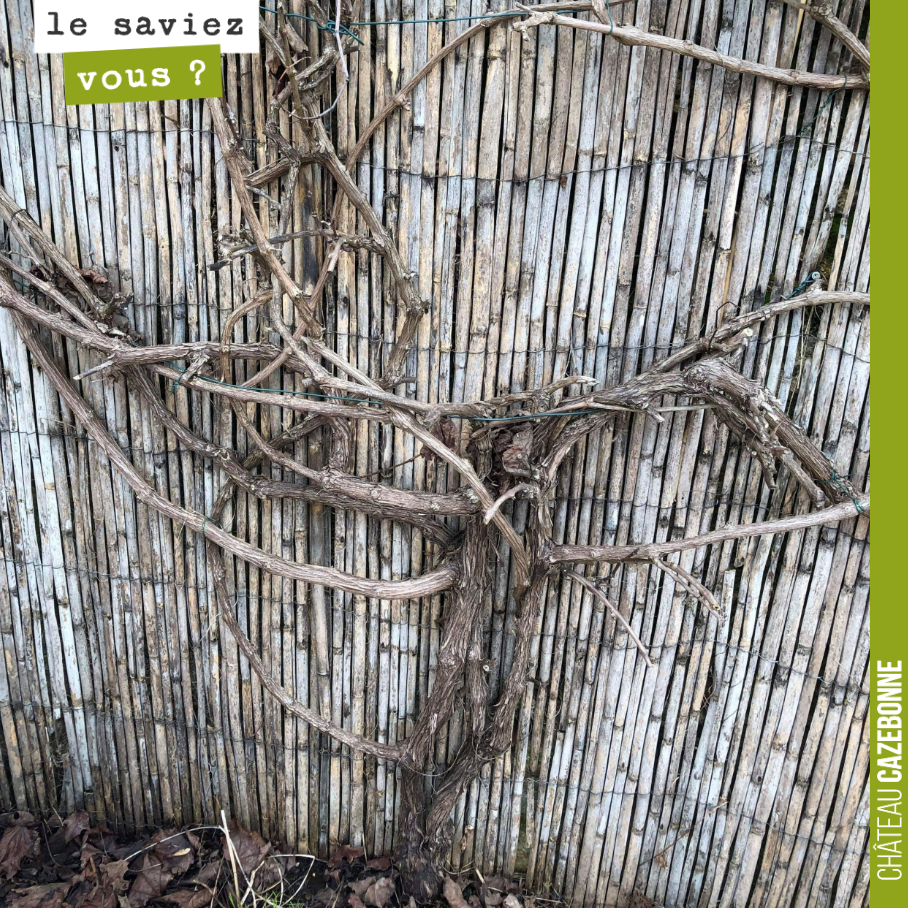
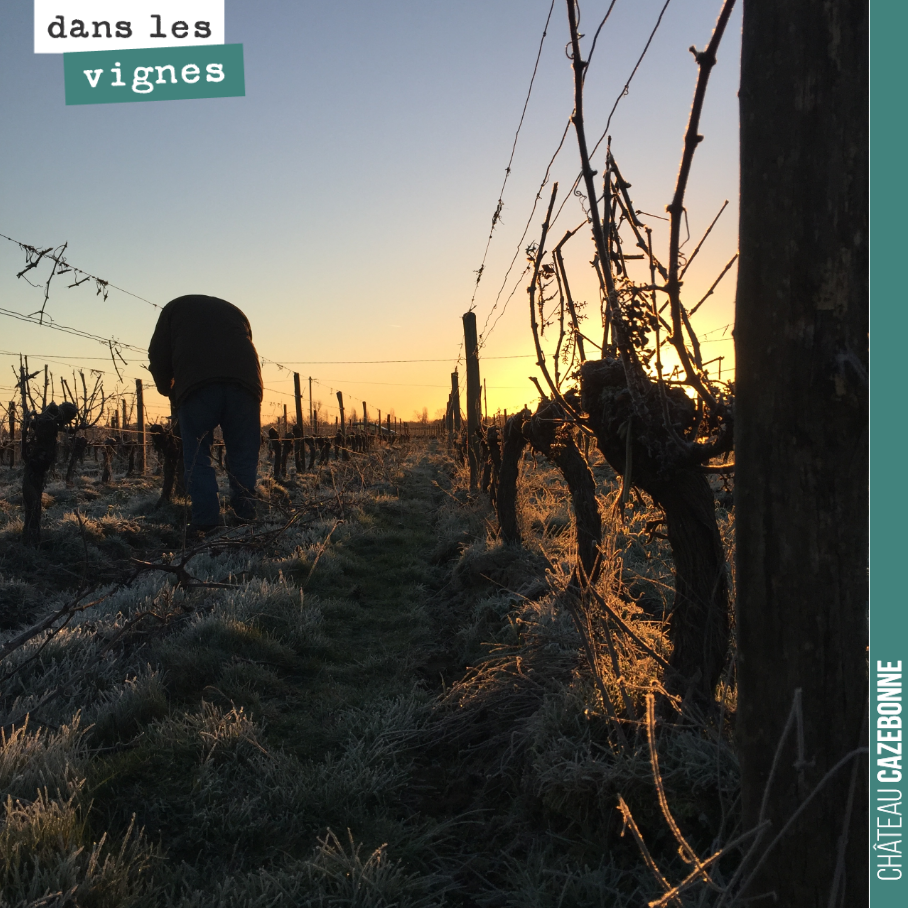
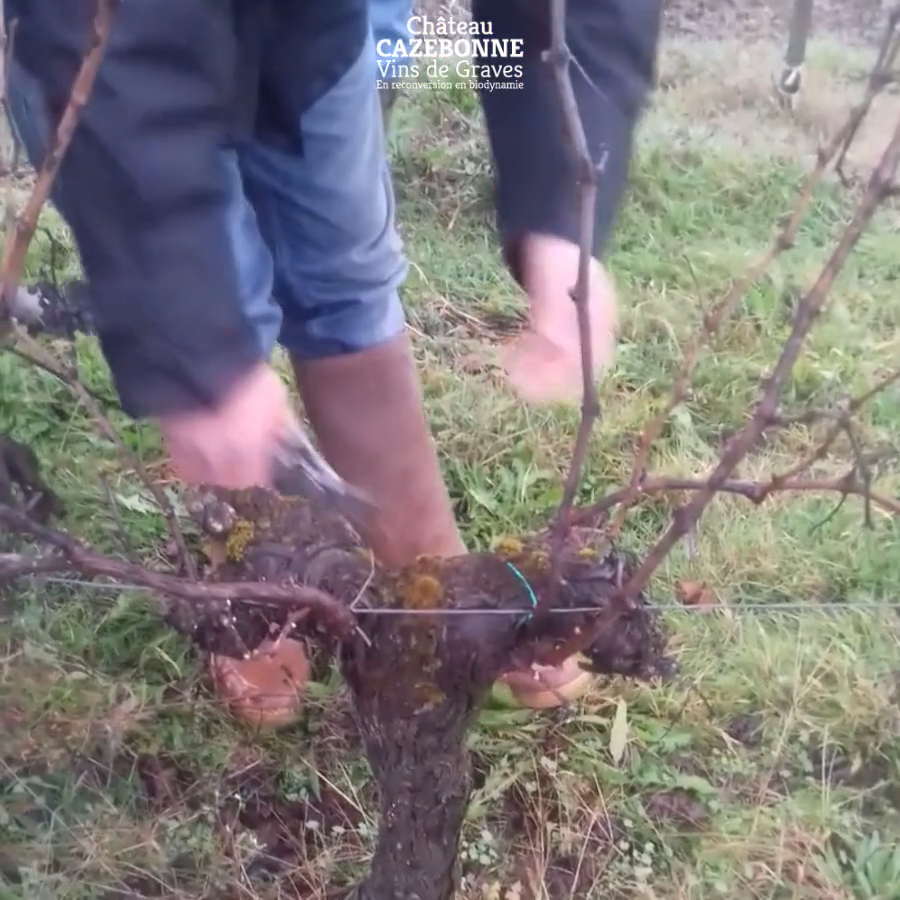
Vine pruning represents much more than a simple winter task; it is the foundational act for the coming vintage, a crucial decision made by the winegrower between December and March. Far from being trivial, it sculpts the plant and directly influences the quantity and quality of the future harvest. Each snip of the secateurs is carefully considered, as it determines which wood will bear fruit for the year. It involves choosing with discernment the most promising canes, those that will guarantee optimal balance and a better expression of the terroir.
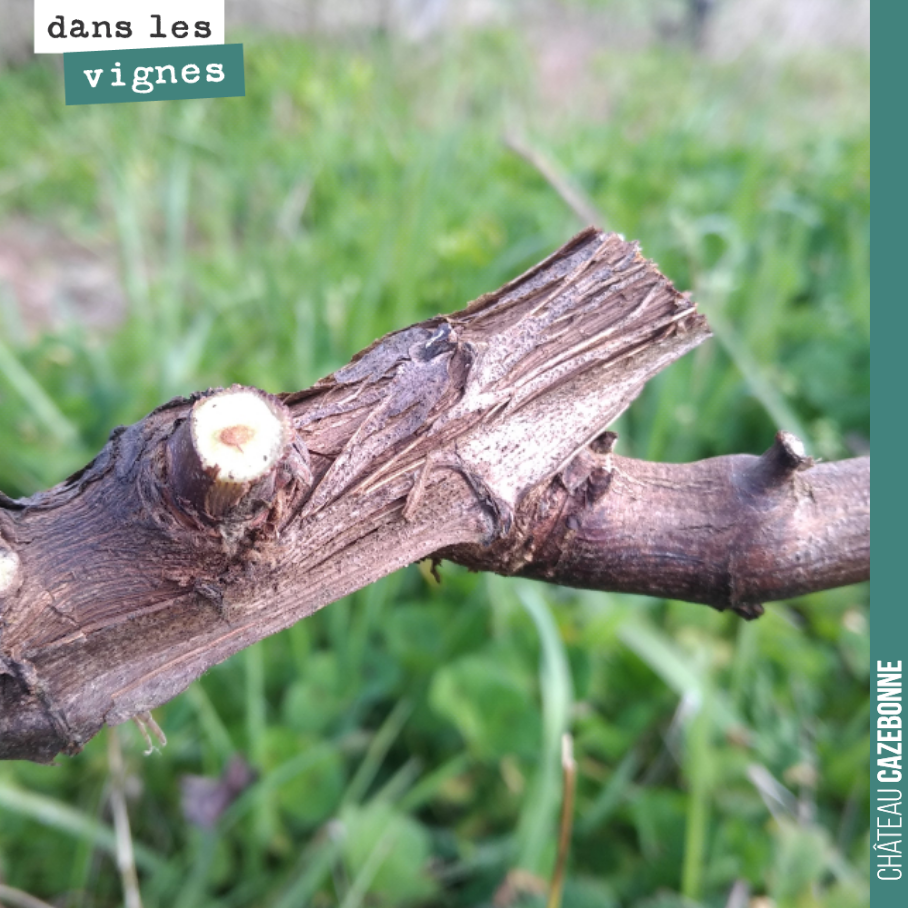
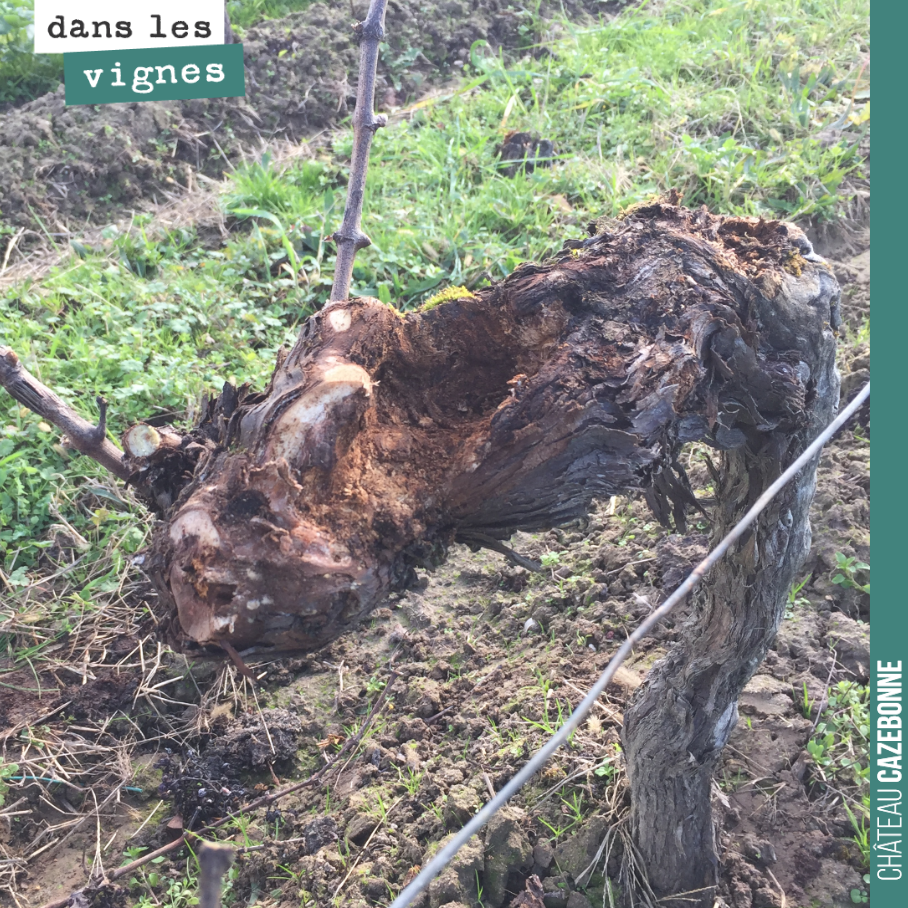
This stage is also an opportunity to restructure the vine stock, guiding it and keeping it healthy for years to come. The winegrower strives to preserve the "sap flows", those essential pathways for the proper circulation of sap within the plant. Respectful pruning minimises wounds, promotes the vine's longevity and contributes to its resistance against diseases. It is an ancestral art, passed down from generation to generation, combining botanical knowledge and intuition—a dance between man and nature to shape the wine even before the first leaves appear.
At Château Cazebonne, this philosophy of the winegrower's craft takes on its full meaning and is combined with a unique preservation approach. We are resolutely committed to replanting the historic grape varieties of Bordeaux, those varieties that had been forgotten or abandoned over time. As so aptly highlighted in the book "Bordeaux, une histoire de cépages" by Jean-Baptiste Duquesne, published by Éditions BBD, the history of our vineyard is intrinsically linked to the diversity and richness of its original grape varieties.
This long-term undertaking, a true agronomic and oenological challenge, is a powerful act of preserving a unique viticultural heritage, a way of rediscovering the soul of the wines of yesteryear and exploring new expressions of our terroir. This passionate mission is made possible thanks to the unwavering support of a community of enlightened enthusiasts. Your commitment and appreciation of our wines allow us to continue this adventure and bring back to life grape varieties that have so much to offer to the typicity of Bordeaux wines.
Vine pruning is an essential viticultural practice that consists of cutting away part of the woody vegetation of the vine during its period of vegetative dormancy. This manual task, which is highly technical, aims to control the plant's growth and optimise its future production. It is not merely about trimming, but about shaping the vine stock to guarantee its vitality and the balance between fruiting and vegetative development.
The primary objective of pruning is twofold: to control the yield and to improve the quality of the bunches. By reducing the number of buds that will develop, the winegrower ensures that the vine concentrates its energy on a more limited number of fruits, thus promoting better ripeness and richer aromatic expression. Good pruning also reduces the vegetative load, facilitating other interventions such as leaf thinning and preventing the development of diseases.
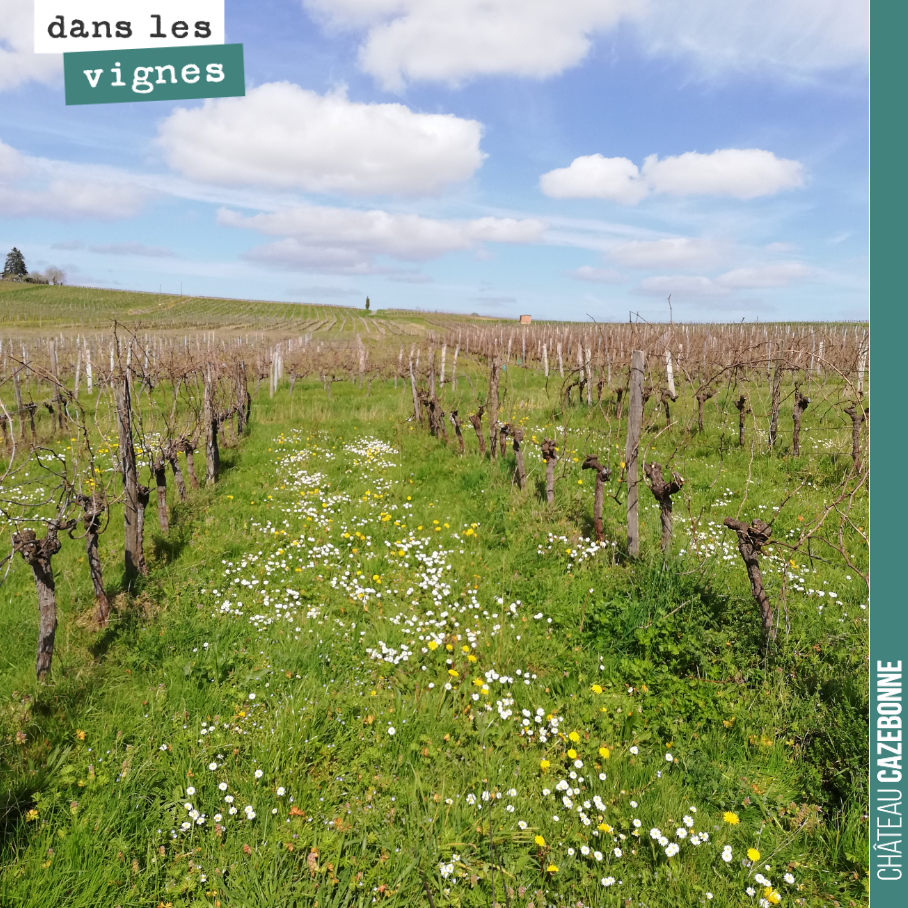
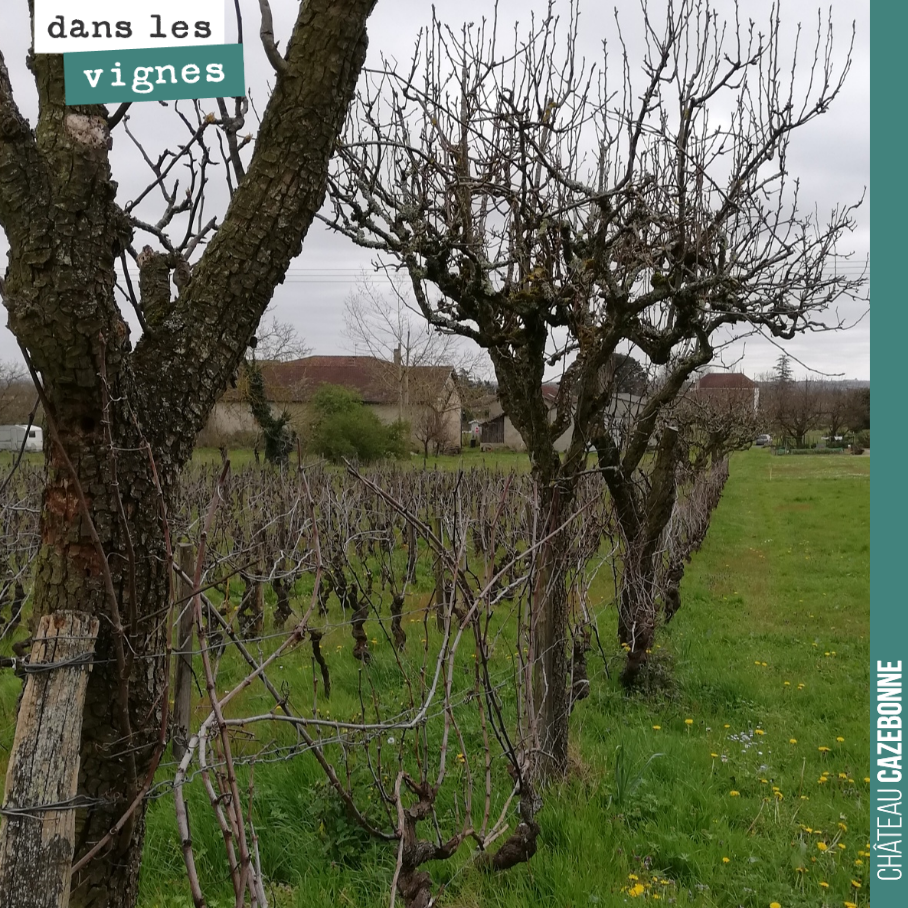
Pruning is traditionally carried out during the winter, when the vine is in vegetative dormancy, generally between late November and March. This period is chosen to minimise bleeding, meaning the flow of sap, which could weaken the plant. The end of winter is often preferred to avoid the risk of frost on the pruned buds. The process begins after the harvest and finishes before bud break.
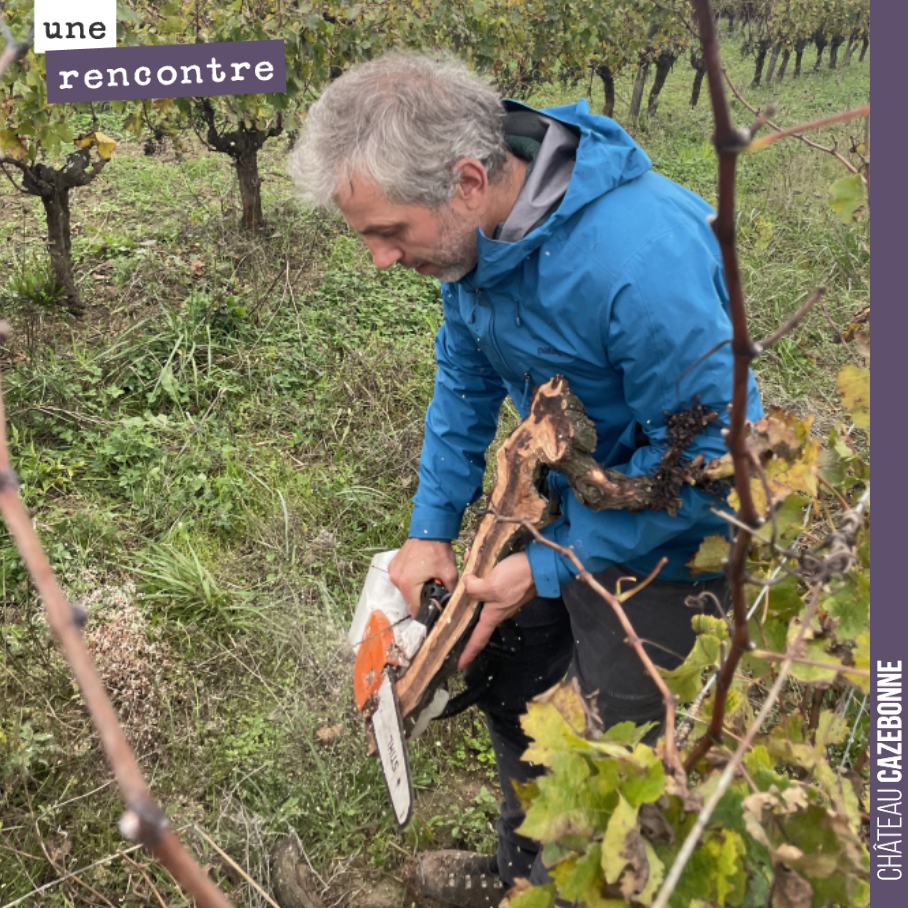
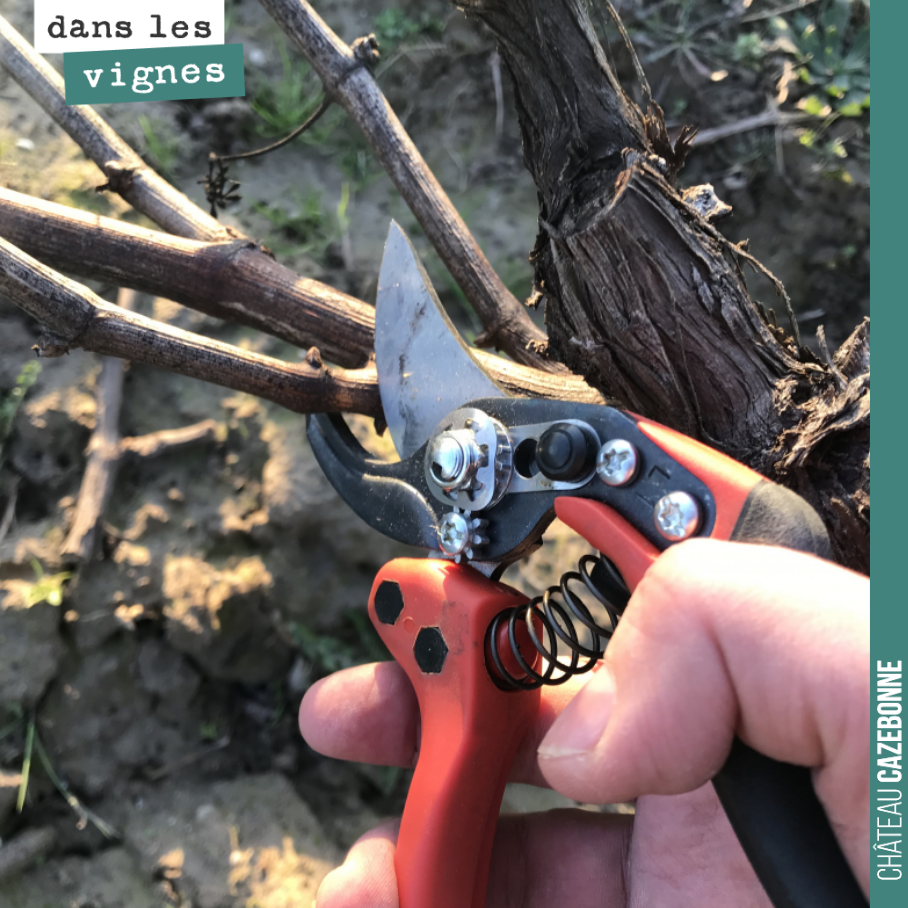
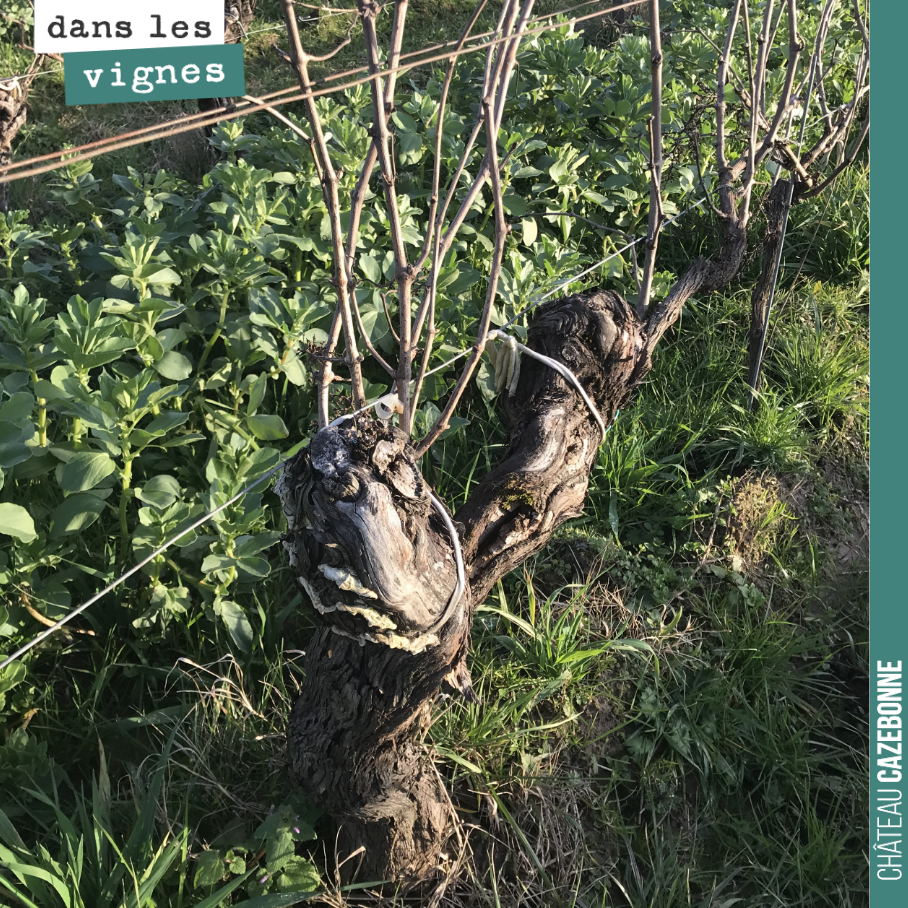
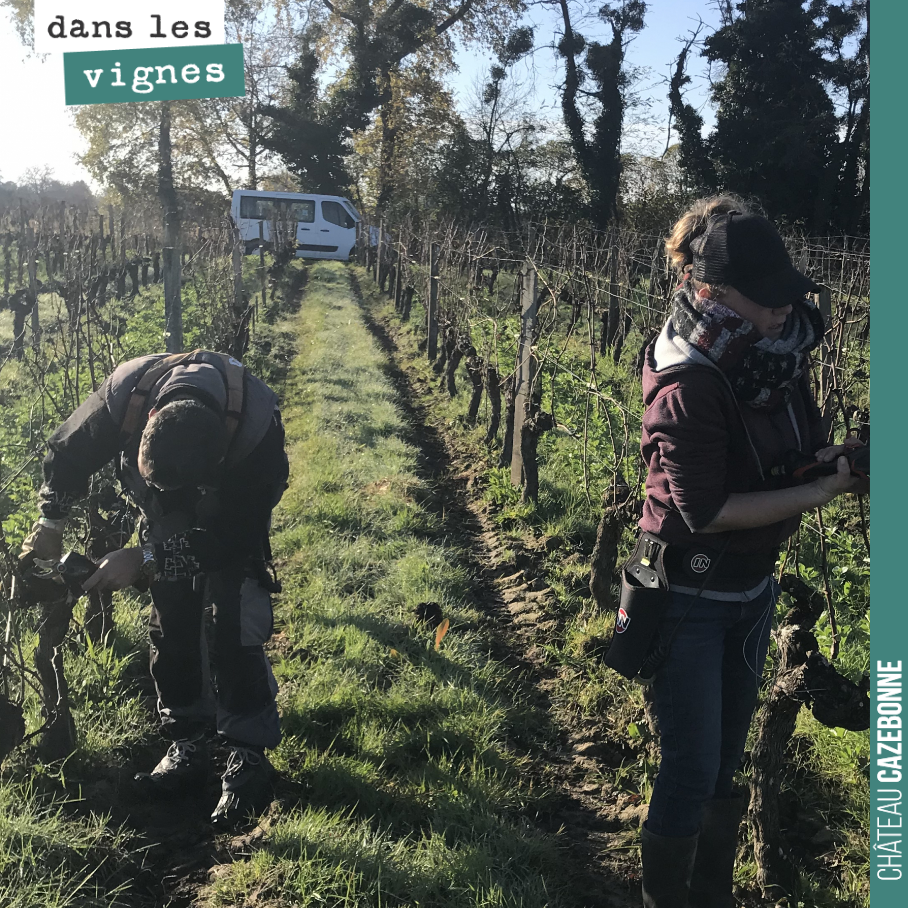
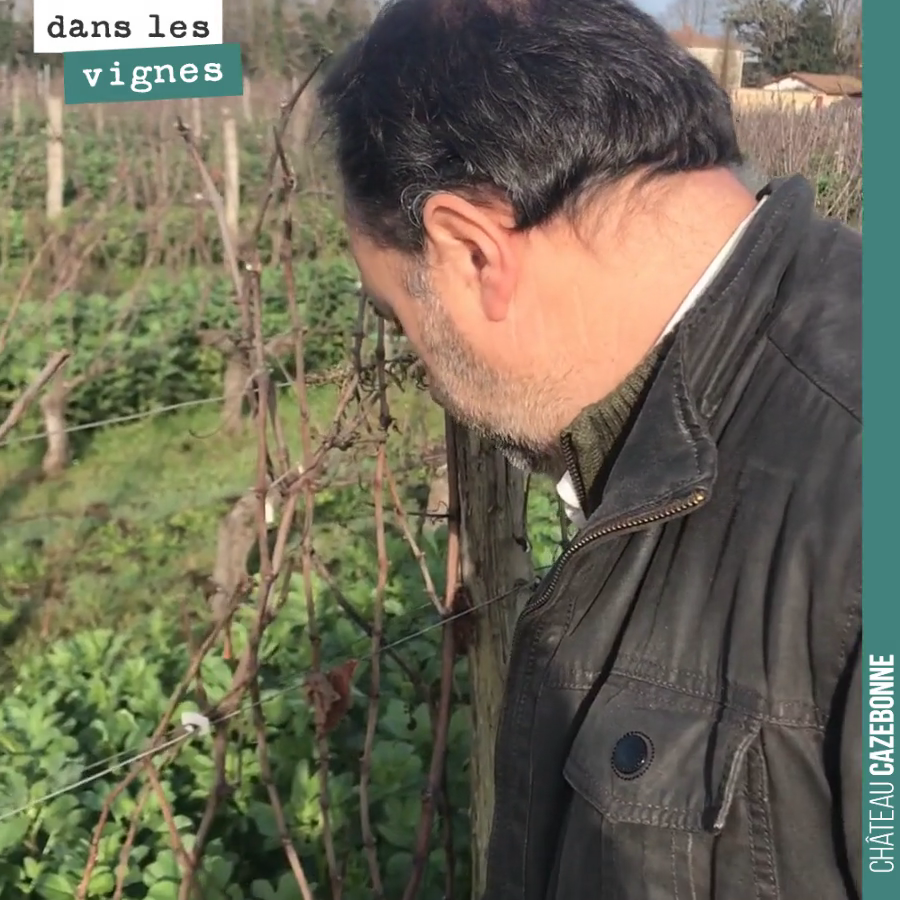
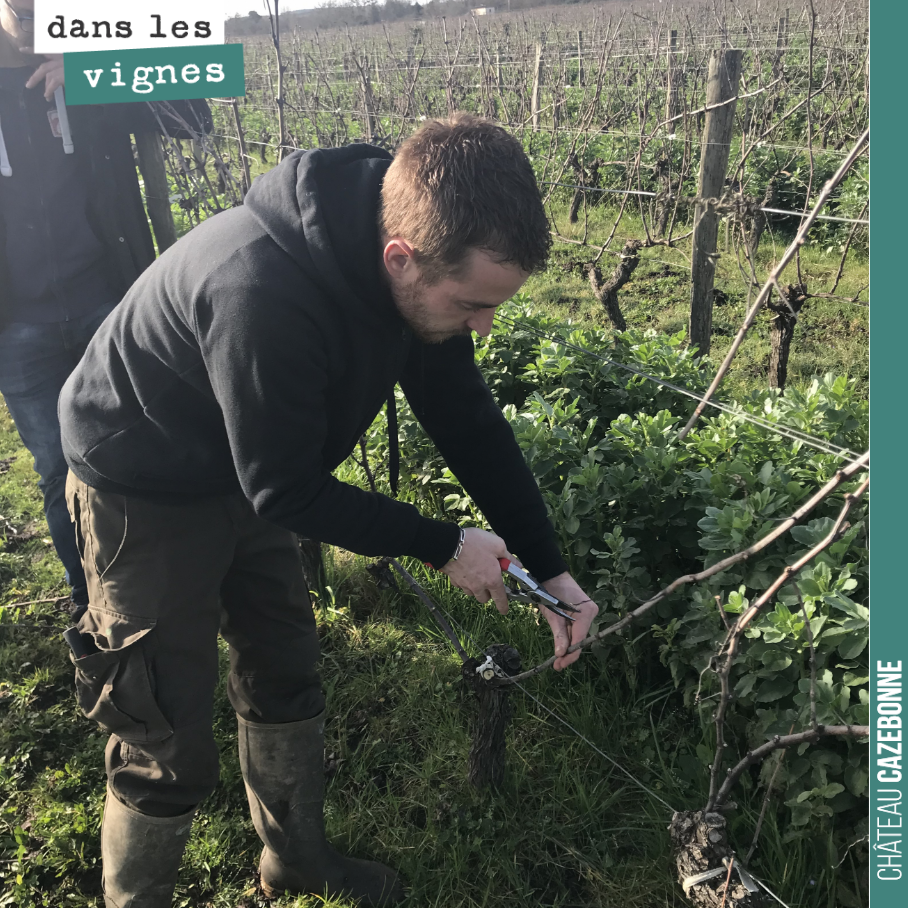
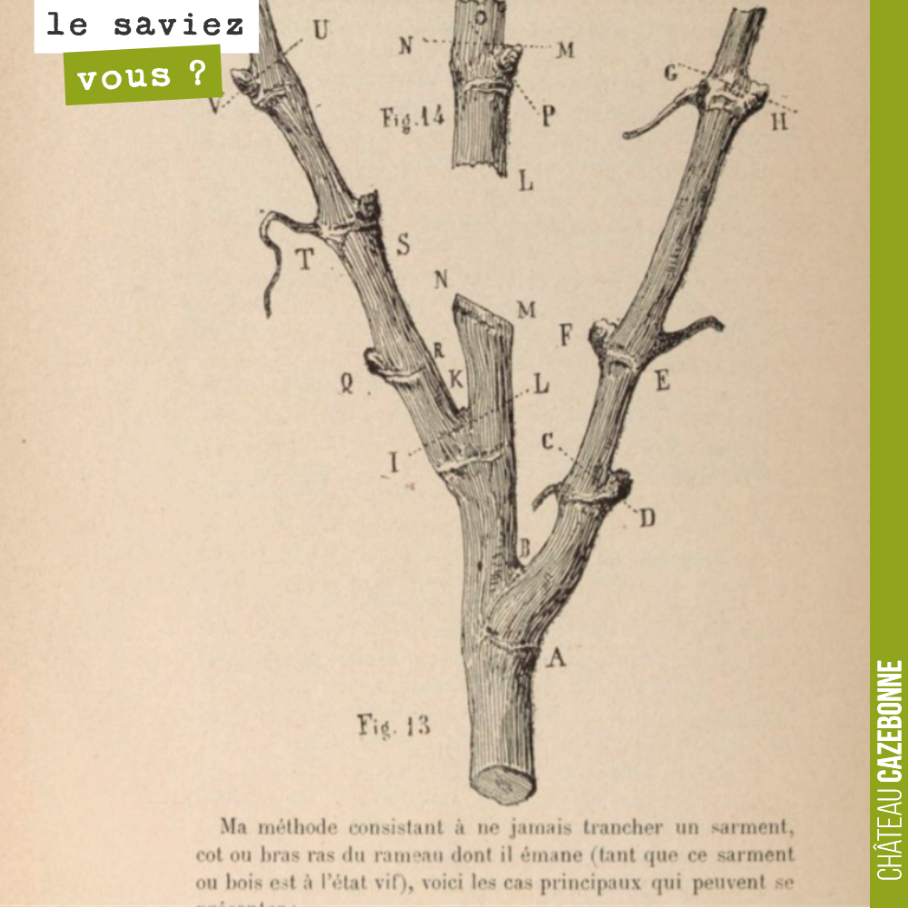
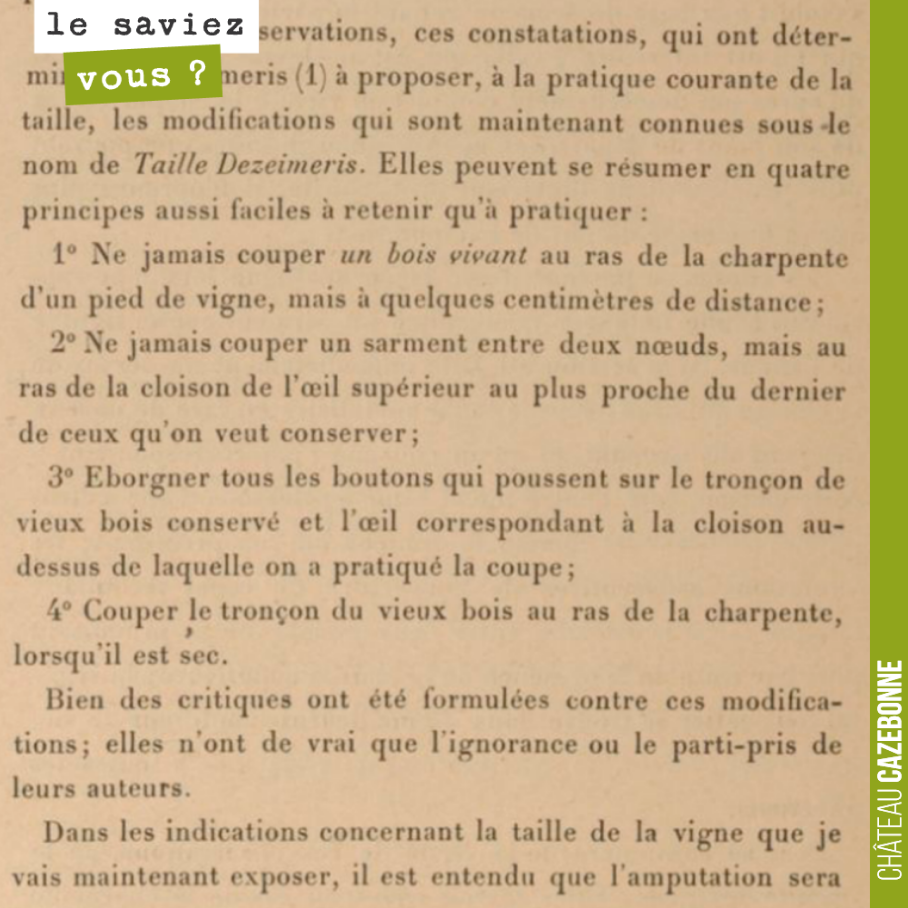
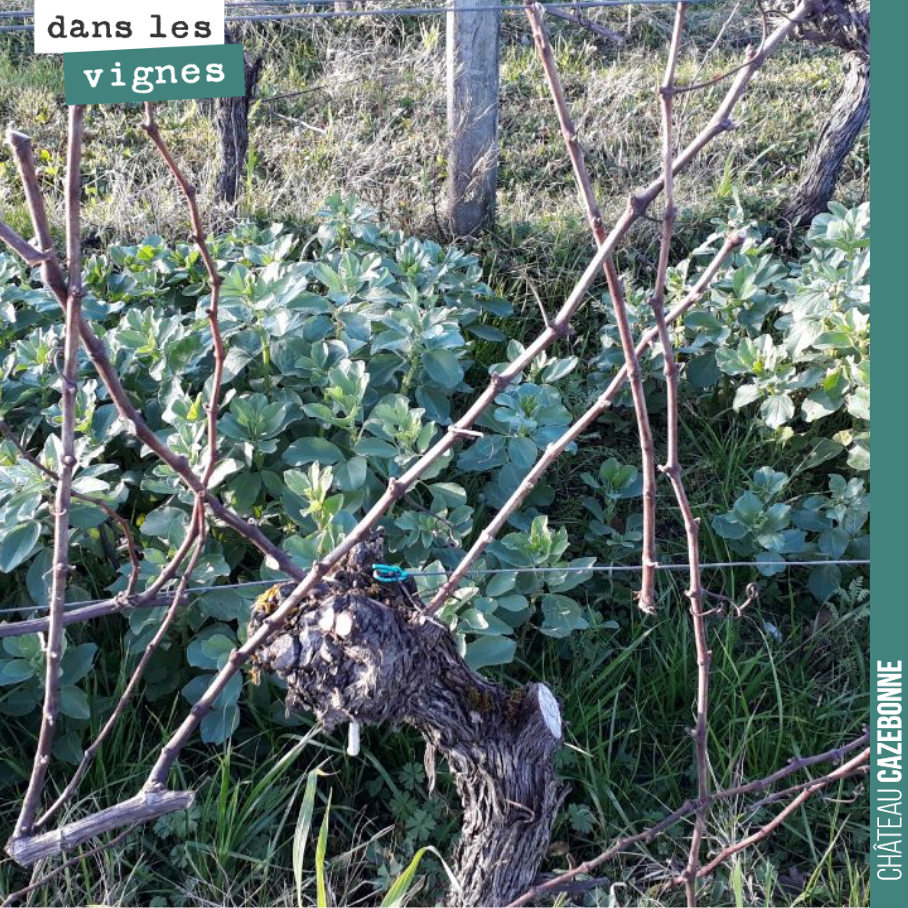
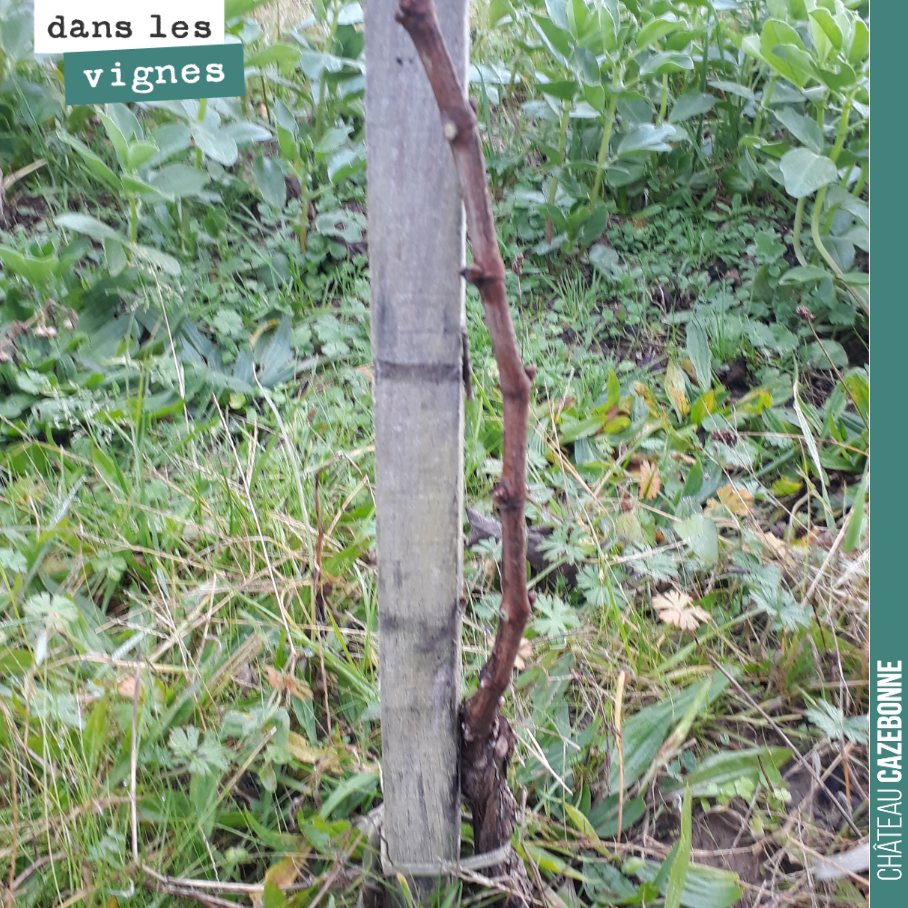
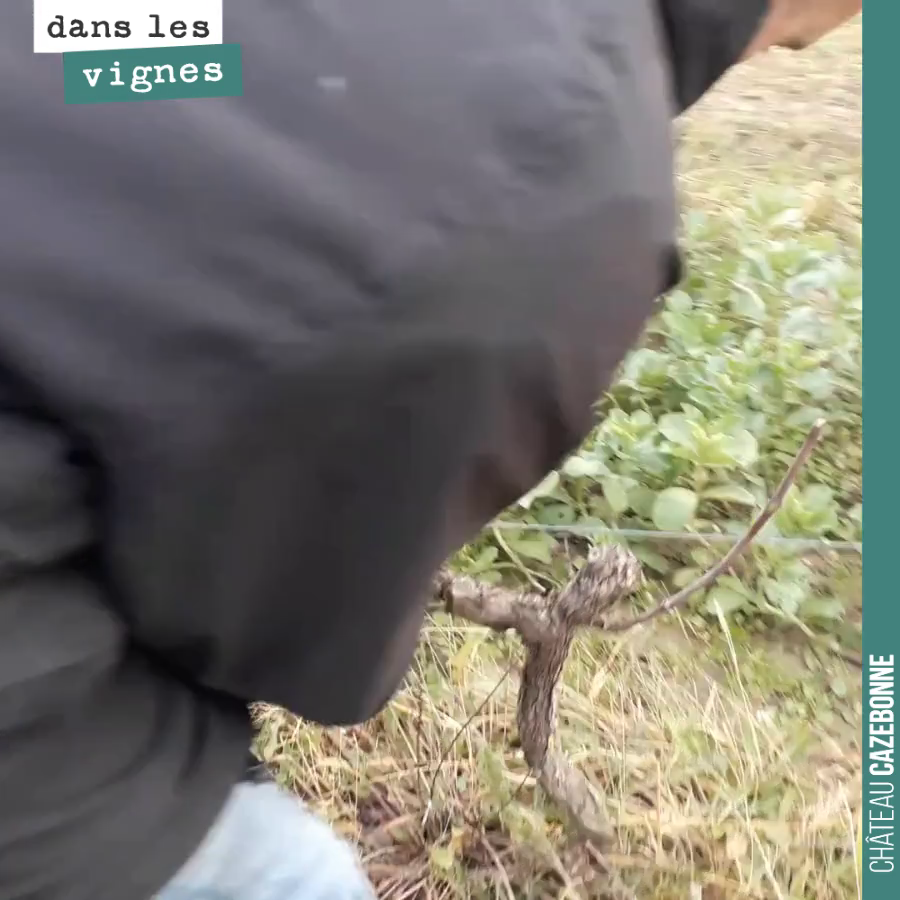
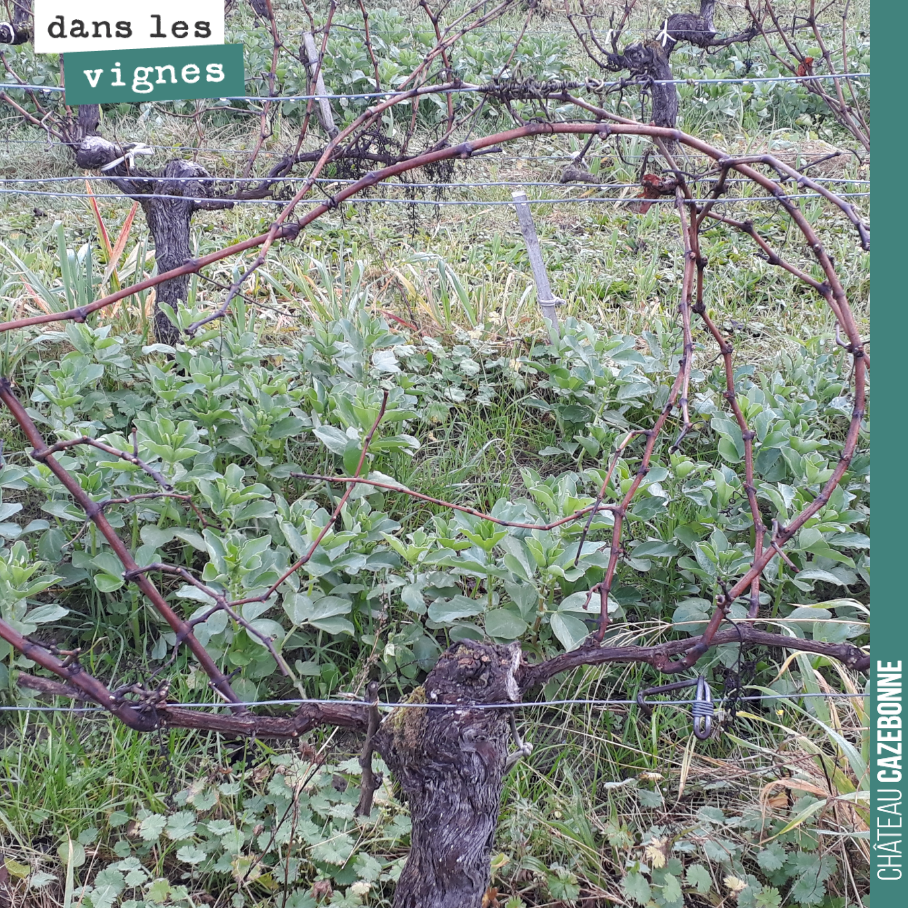
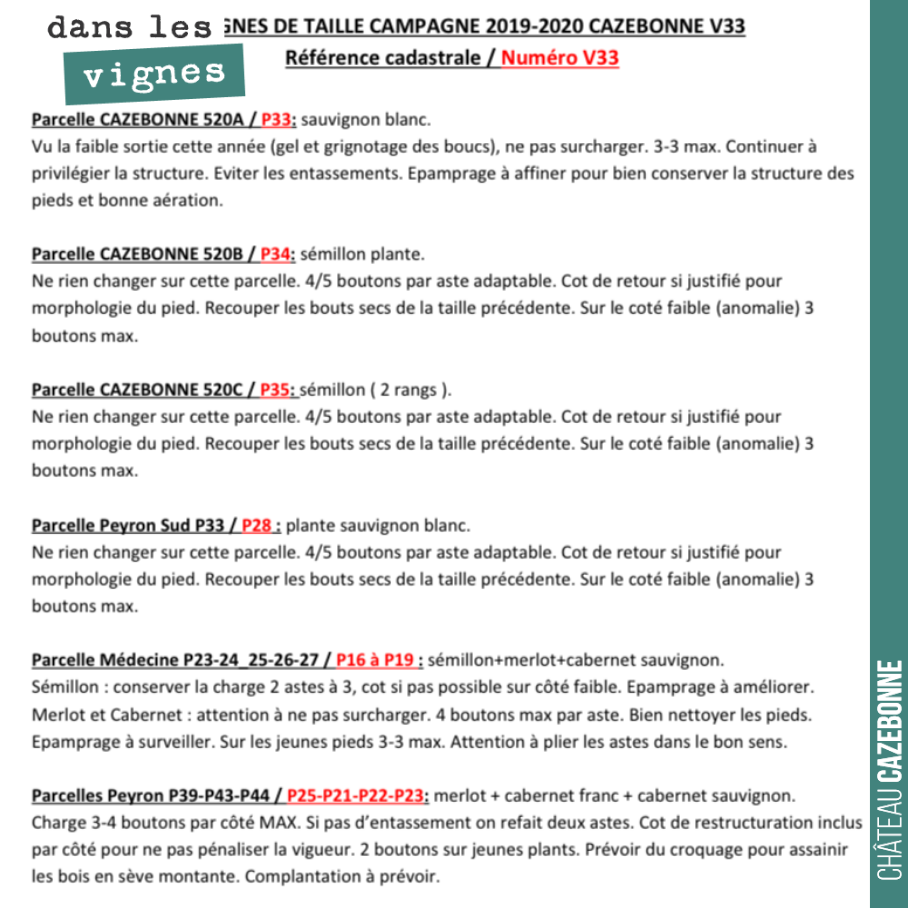
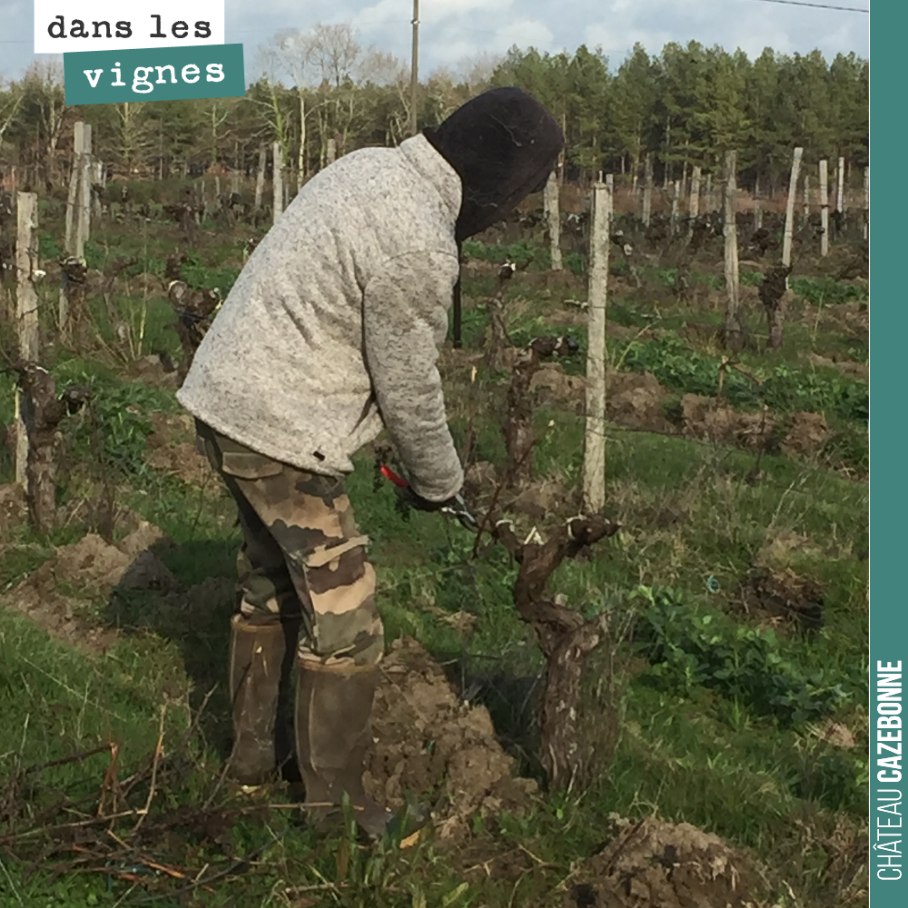
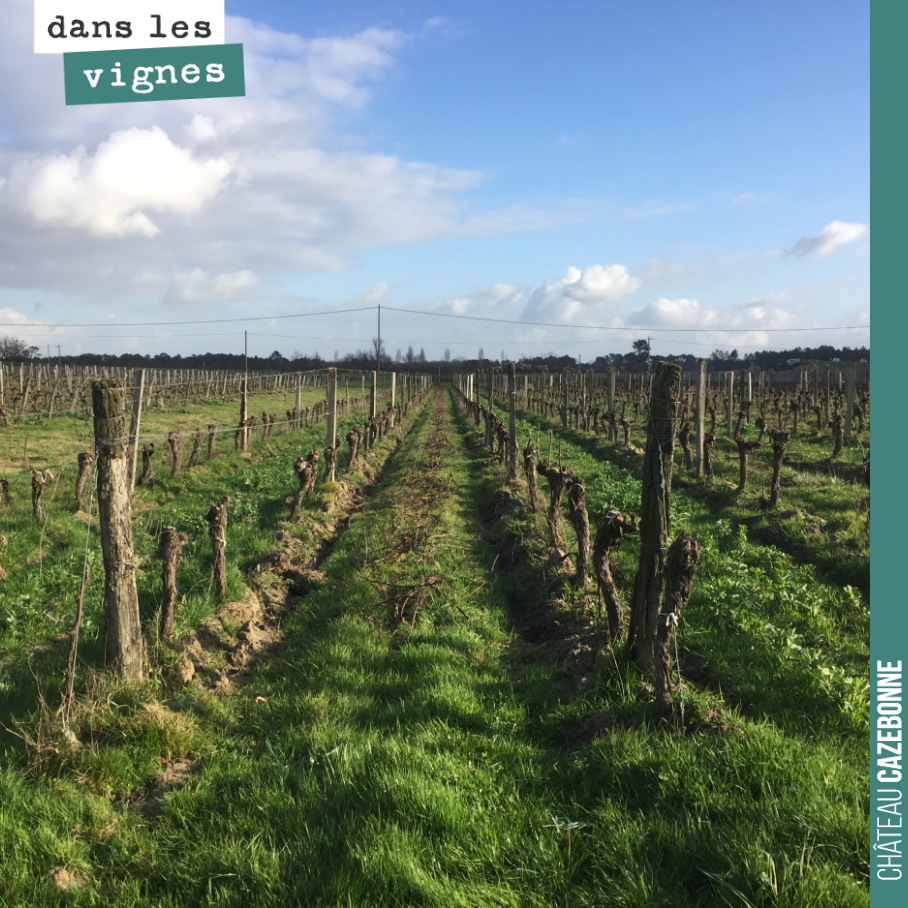
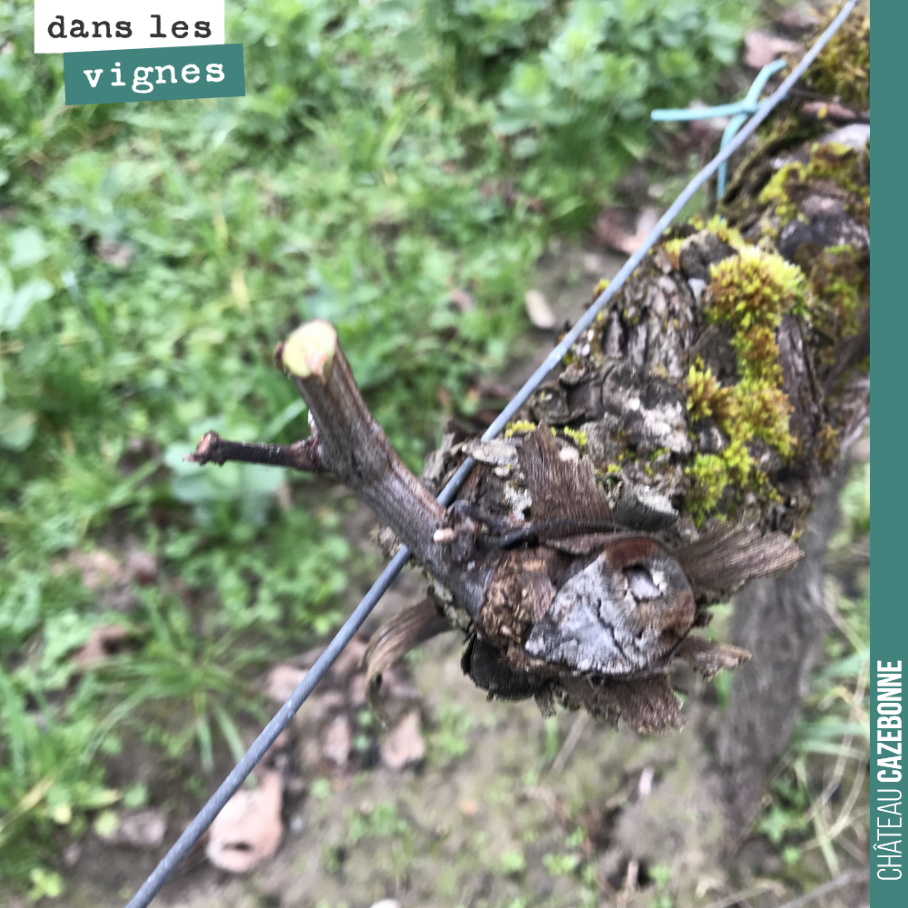
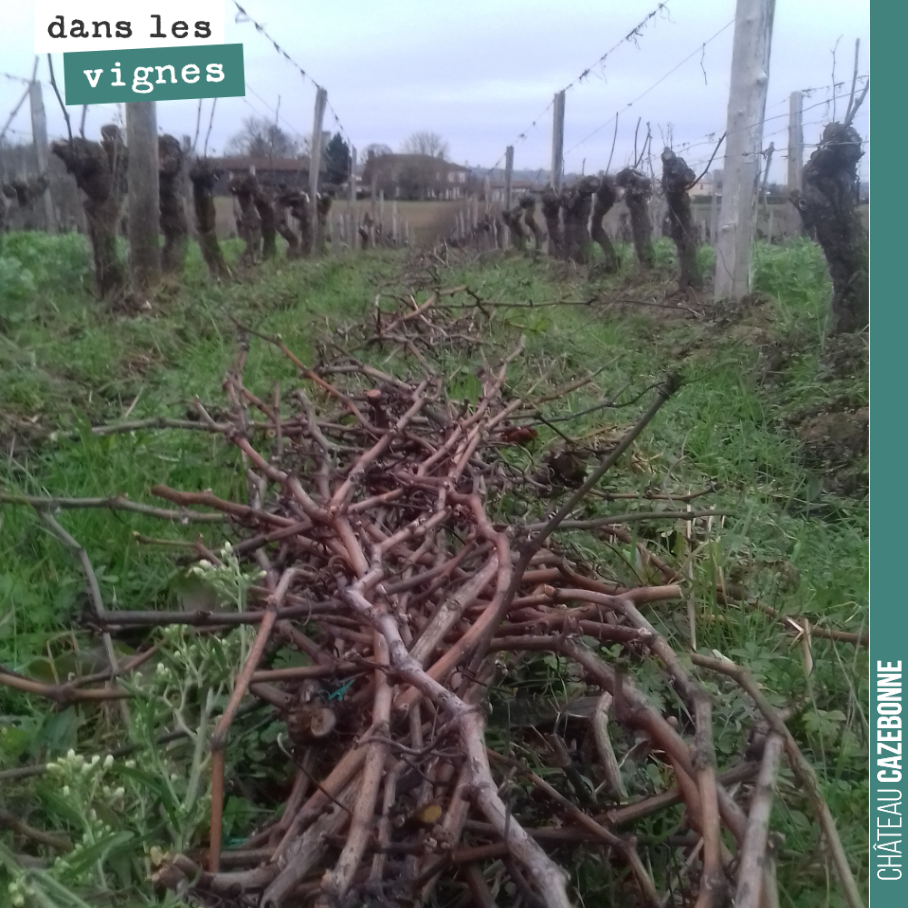
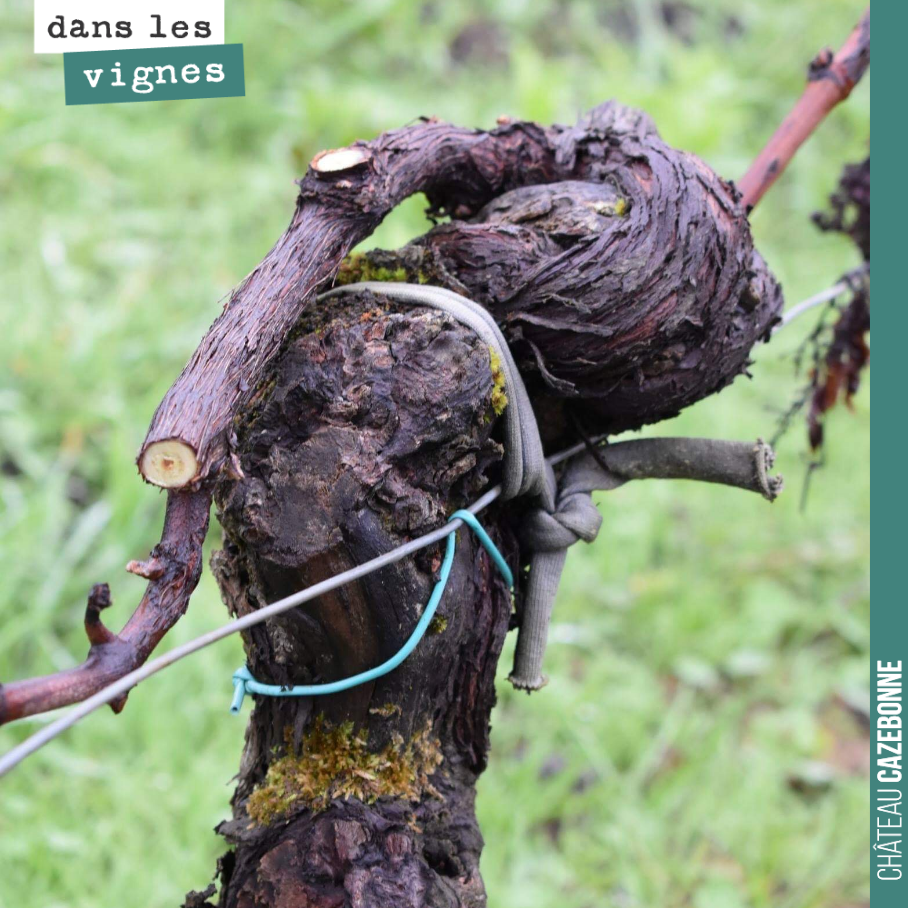
Pruning requires know-how and precision. It begins by identifying the previous year's fruiting wood, the canes, on which the future fruit-bearing buds will develop. The winegrower selects the baguettes (long canes) and the coursons (short spurs) to be kept, depending on the chosen pruning system (Single or Double Guyot, Cordon de Royat, Gobelet). Dead, diseased, or poorly positioned wood is removed. Each cut must be clean and made at a distance from the bud to avoid necrosis. Pulling out the brush (removing the cut canes) generally follows this step.
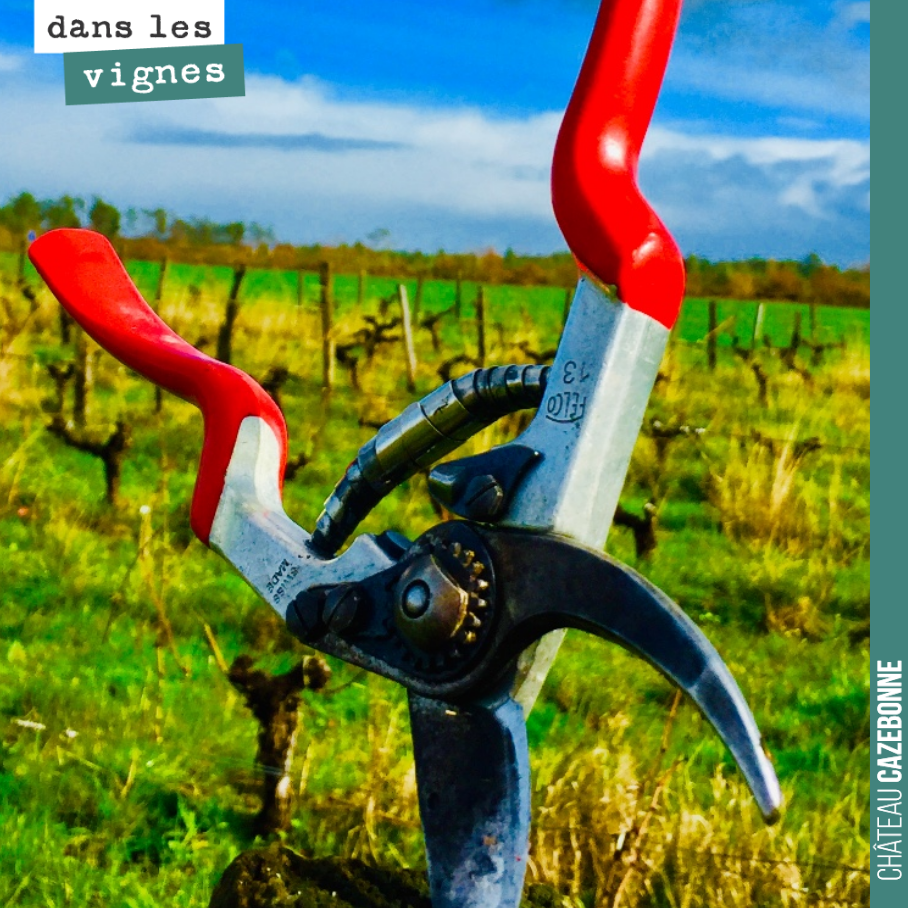
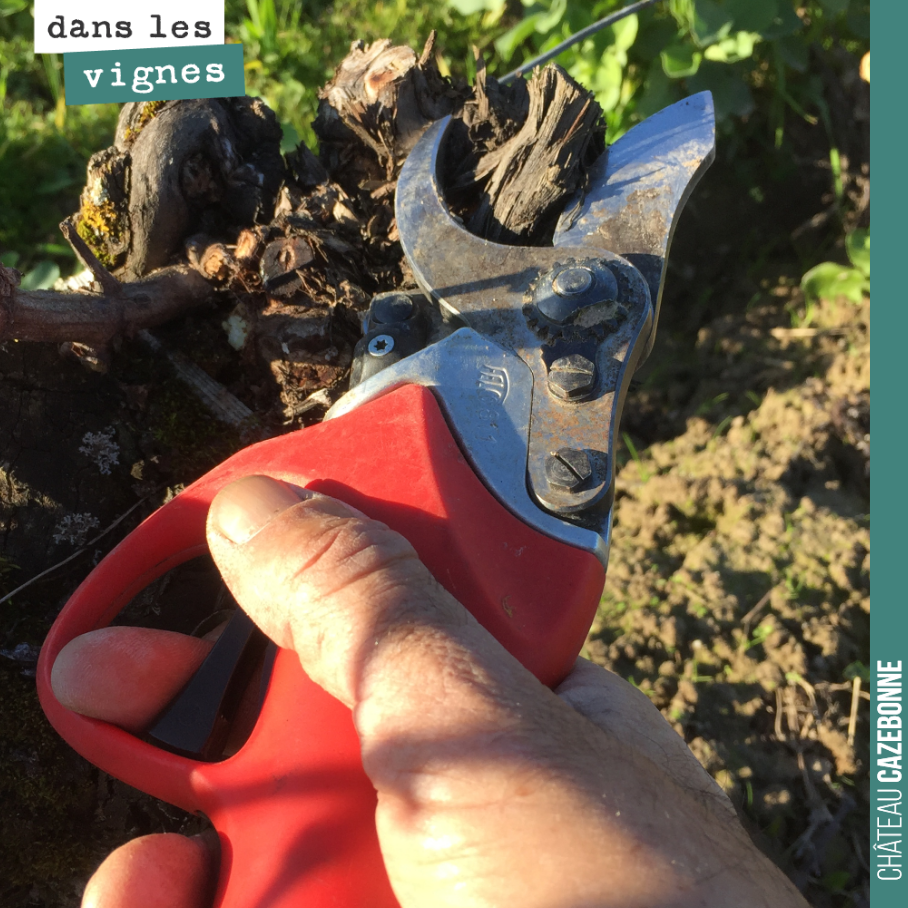
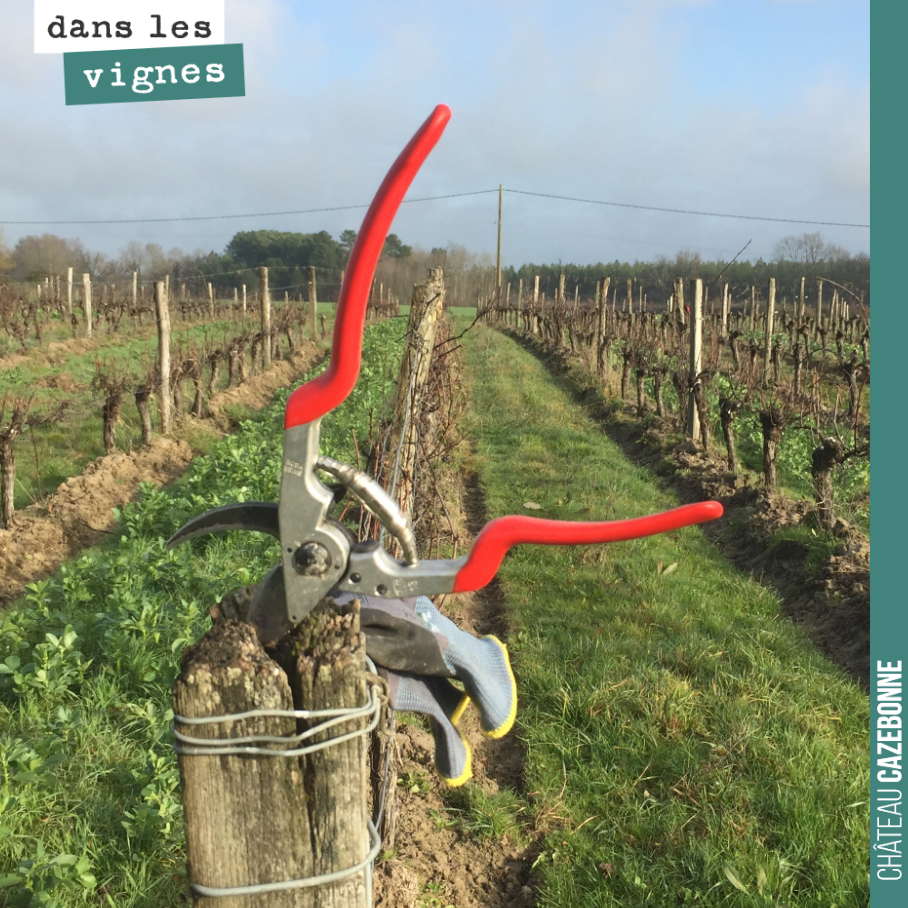
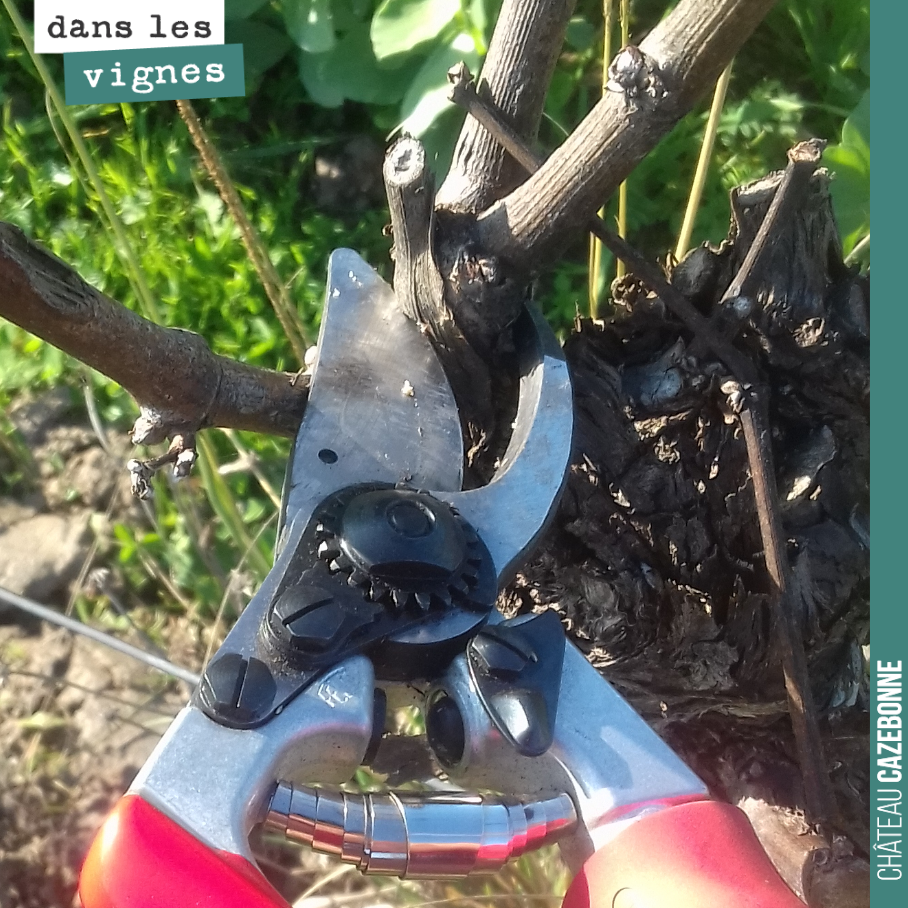
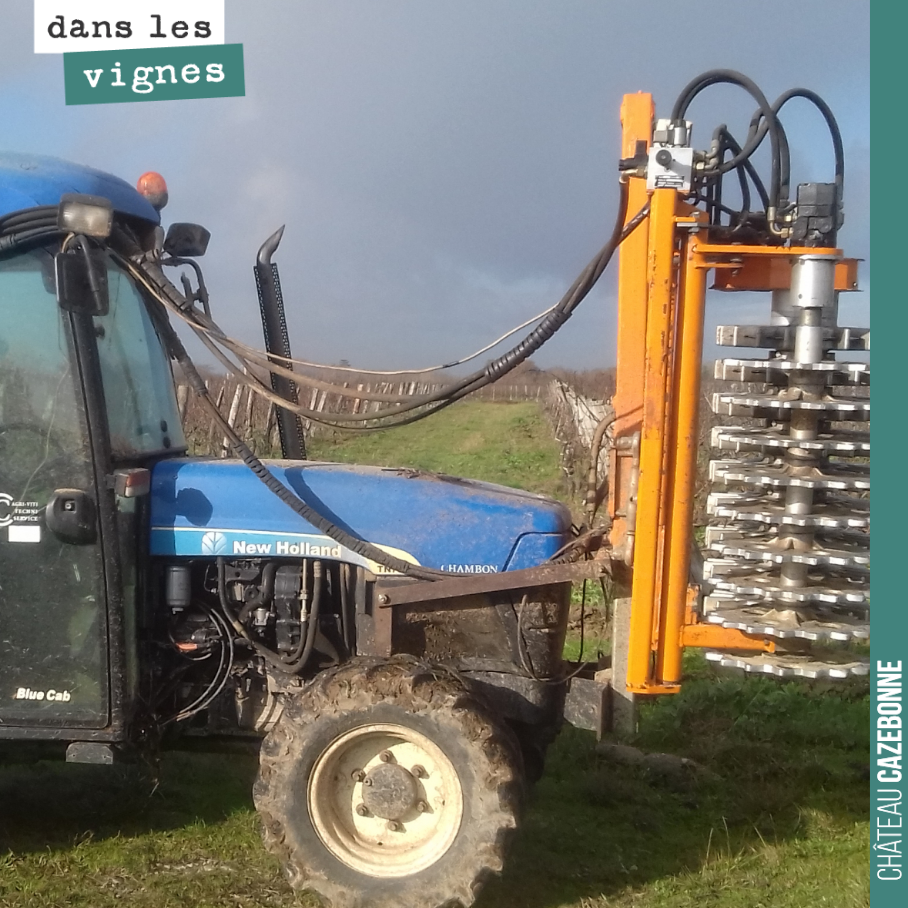
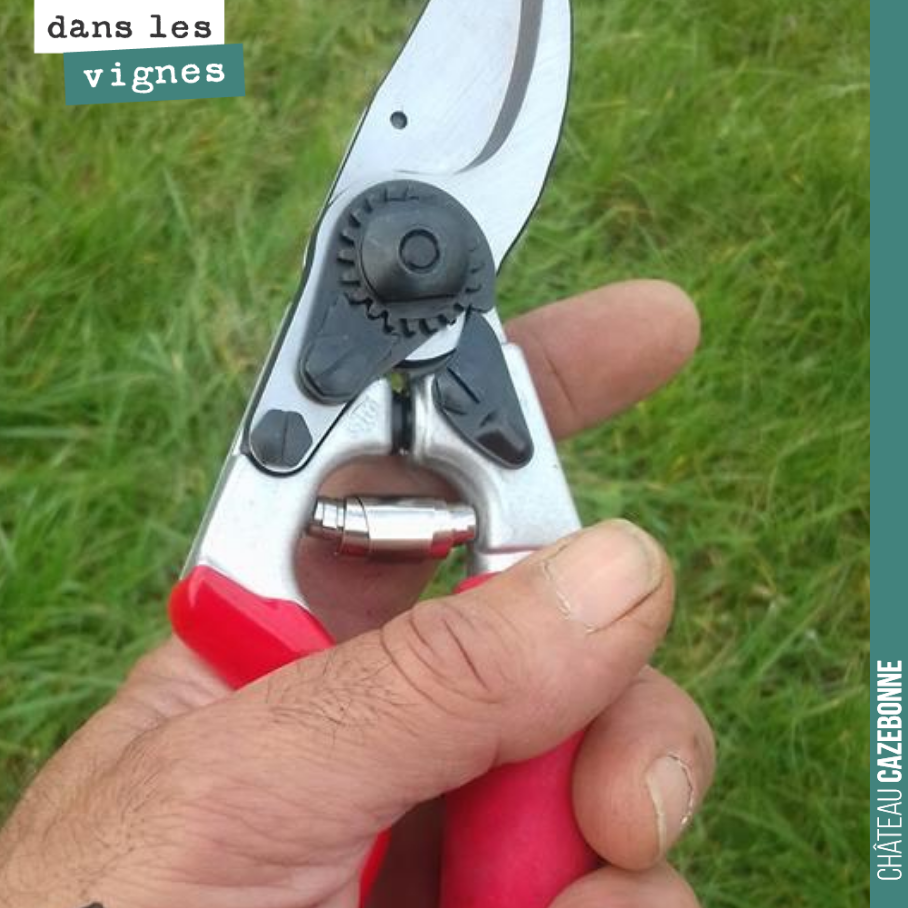
The pruner's main tool is the secateurs, often electric to protect the winegrowers' hands. Some also use a pruning saw for thicker sections or for restructuring old vine stocks. The maintenance of the equipment is crucial to guarantee a clean cut and avoid transmitting diseases.
The principles of pruning remain broadly the same in conventional, sustainable, or organic viticulture. However, the organic approach places a particular emphasis on respecting the "sap flows" and minimising wounds to promote the vine's longevity and natural resistance. Less severe pruning or taille à cot techniques are often favoured in agroecology to reduce plant stress and the risk of wood diseases such as esca.
At Château Cazebonne, pruning is a paramount winter task, guided by a desire to preserve and respect the plant, in line with our commitment to biodynamics. Our teams carry out meticulous pruning, predominantly using the Single or Double Guyot method, adapted to each vine stock and each grape variety, just like our old vines. We favour gentle techniques to limit wounds and promote the harmonious circulation of sap, thereby contributing to the good health and vitality of our Bordeaux vineyard. This artisanal work, the legacy of generations of winegrowers, allows us to optimally prepare the future harvest for wines of character and great purity. The following months will see other essential and manual tasks in vineyard maintenance, most notably the famous mandronnage of the vine.
At Château Cazebonne, we are committed to breathing new life into forgotten Bordeaux grape varieties. This work is made possible thanks to the support of the wine lovers who have adopted our wines and the relentless encouragement of our partners. We invite you to learn more about this fascinating history of grape varieties by downloading our book "Bordeaux, une histoire de cépages", to test your knowledge with our oenological quizzes, or to directly discover the expression of our terroir by visiting our online shop.
Sources
Our suggestions
-5%on your 1st order with code BIENVENUE
The essential6 bottles — Graves red 2022
The best price of the cellar: €12 per bottle delivered.
The everyday red: generous and straight to the point.
I want it Our recommendation92/100 RVF
6 bottles — Graves red 2022, 92/100 RVF
Rated 92/100 by La Revue du vin de France: a solid 10-year ageing potential.
Our Graves for ageing, the finest gateway to the estate.
I want it Go further
12 bottles — the whole range
12 bottles, the whole range tasted: the best discovery-to-price ratio.
The complete tour of the estate, in a single case.
I want it
02 June 2026
14 November 2023
06 January 2022
24 March 2021
28 January 2021
20 December 2020
02 December 2020
16 November 2020
16 March 2020
16 March 2020
01 March 2020
10 February 2020
08 February 2020
05 January 2020
04 January 2020
23 December 2019
16 December 2019
10 December 2019
10 December 2019
08 December 2019
24 March 2019

22 March 2019
28 January 2019
22 January 2019
20 January 2019
15 January 2019
14 January 2019
14 January 2019
09 January 2019
09 January 2019
07 January 2019
03 January 2019
28 December 2018
27 December 2018
19 December 2018
16 December 2018
15 December 2018
11 December 2018
01 December 2018
01 December 2018
27 November 2018
18 August 2018
The cellar, forgotten grape varieties and our cuvées, twice a month. 5% off your first order with the code BIENVENUE.