
 The essential92/100 RVF
Comme en 1900 red 2022
Vin de France — heritage grapes, 92/100 RVF
The pre-phylloxera Bordeaux blend, revived at the estate.
Castets, Mancin, Pardotte: the Bordeaux before Bordeaux.
I want itSyrah
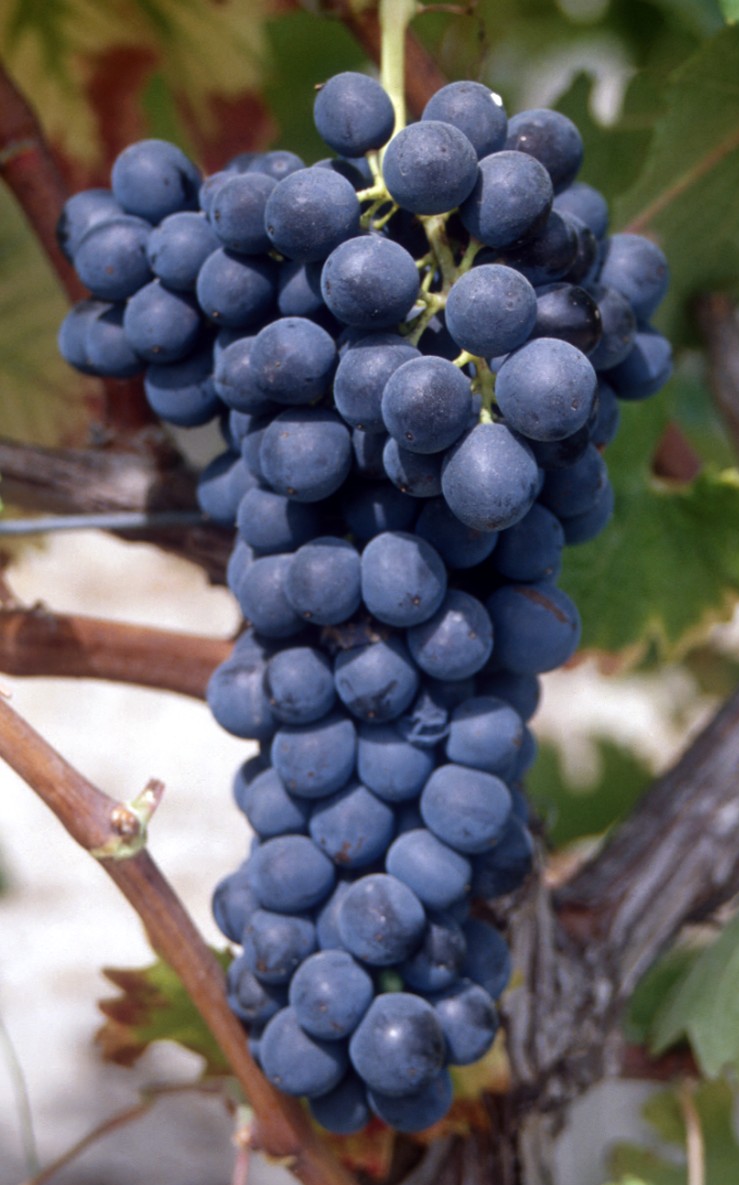
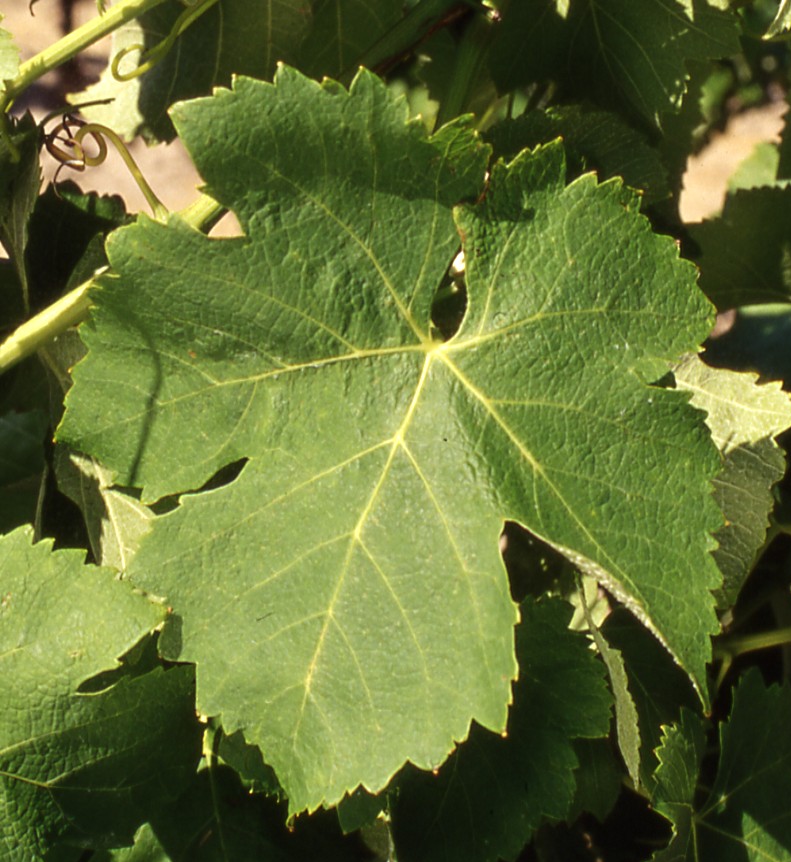
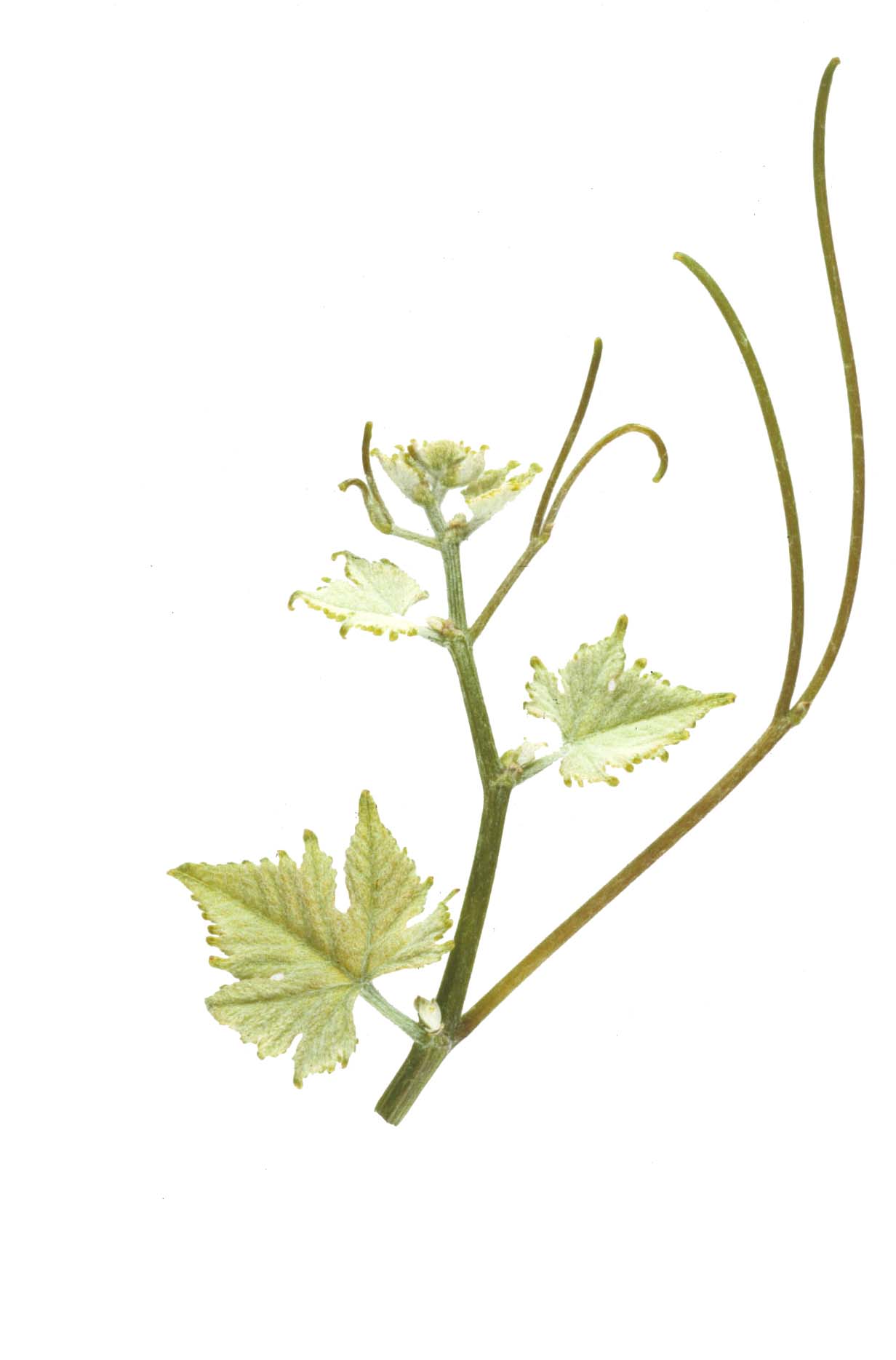
While Syrah is not native to the Gironde, its history in Bordeaux is nonetheless fascinating and deserves to be better known. We readily count it among the "forgotten grape varieties of Bordeaux" due to the enthusiasm it generated among certain local winemakers in the 19th century, before falling back into obscurity.
As early as 1892, Joseph Daurel highlighted the notable interest in this variety, reporting that "the good quality of the wine produced by this grape variety has prompted several estate owners to introduce it into their vineyards". This praise is corroborated by Cocks' famous guide, which recorded that Syrah, "a grape variety imported in fairly large quantities in recent years from the renowned vineyards of Hermitage", produced a "firm and very full-bodied wine. Excellent."
The account of Mr Dupuits, an estate owner in Gradignan in 1860, is particularly telling. In a contribution to L'Industrie, he stated: "I introduced it to the Gironde 22 years ago. It has unfailingly shown itself to be superior to every single grape variety in the department without exception, possessing the invaluable advantage of improving their produce and yielding on its own, unblended, a complete wine... A time will come when it will replace most grape varieties in the Gironde, to the great benefit of trade, the State, and above all, the grower." He praised its exceptional qualities: "rapidity in coming into fruit, weather hardiness, generous yields, superiority of the wine." Even Auguste Petit-Lafitte, in La vigne dans le bordelais (1868), ranked "Sirrha" as a "second division" grape variety, alongside varieties such as Mancin and Merlot.
Despite this acclaim, the planting of Syrah in Bordeaux remained limited. The phylloxera crisis at the end of the 19th century sounded the death knell for its development, as the vineyards were not replanted with this variety. Ironically, Bordeaux also had a long-standing tradition of "hermitaging" its wines, which involved blending Bordeaux wines with wines from the Rhône Valley (where Syrah is the star) to give them more body and structure.
| Characteristic | Description |
|---|---|
| Synonyms | Serine, Shiraz |
| Budburst | Late, around 5 days after Chasselas. |
| Flowering | Relatively late. |
| Véraison | Mid-late. |
| Ripening | Period II (20 days after Chasselas). |
| Vigour | Medium to high. |
| Growth habit | Erect. |
| Downy mildew susceptibility | Medium. |
| Powdery mildew susceptibility | Medium to high. |
| Botrytis susceptibility | Medium (compact bunches are more susceptible). |
| Black rot susceptibility | Medium. |
| Aromatic profile | Notes of blackcurrant, blackberry, raspberry, violet, black pepper, liquorice, smoke. |
| Winemaking potential | Deeply coloured wines, rich in tannins, well-suited to ageing. Great aromatic complexity. |
The history of Syrah in Bordeaux provides a telling example of the complex dynamics that have shaped the Gironde's vineyards. Before the phylloxera crisis, the choice of grape varieties was intimately linked to the specific terroir characteristics of each plot—a demanding approach, yet one that fostered remarkable biodiversity. Phylloxera and the widespread adoption of grafting fundamentally altered this balance, making it possible to plant certain grape varieties almost anywhere, but also leading to a homogenisation of grape plantings at the expense of less common varieties such as Syrah.
In the 19th century, when the Bordeaux vineyard covered 130,000 hectares, Syrah showed genuine promise for several growers, celebrated for the high quality of its wines. However, it never managed to establish itself permanently against traditional varieties. The post-phylloxera era saw Merlot and Cabernet Sauvignon rise to dominance. This evolution reflects the broader story of forgotten grape varieties and the difficulty of preserving them in the face of sanitary crises or economic priorities. Yet, as Jean-Baptiste Duquesne points out, phylloxera was a true "game changer", wielding an influence over vineyard diversity that is often underestimated.
At Château Cazebonne, our approach goes beyond mere historical interest. We are committed to reviving this forgotten viticultural heritage by replanting these varieties that once shaped Bordeaux's history. This work of preservation and perseverance is made possible thanks to the invaluable support of the many wine enthusiasts who have embraced our wines and share our passion. If exploring ancient grape varieties inspires you, you can download a digital version of the book "Bordeaux, une histoire de cépages" to deepen your knowledge. Feel free as well to test your understanding with our wine quizzes, and of course, to discover the fruition of this endeavour and taste our cuvées crafted from these rediscovered varieties, we invite you to read Cinsaut: a Mediterranean grape passing through Bordeaux? and discover our journey in bringing these grape varieties back to life.
Sources
Our suggestions
-5%on your 1st order with code BIENVENUE
The essential92/100 RVFVin de France — heritage grapes, 92/100 RVF
The pre-phylloxera Bordeaux blend, revived at the estate.
Castets, Mancin, Pardotte: the Bordeaux before Bordeaux.
I want it Our recommendation
IGP Atlantique — rare grape variety
A forgotten grape brought back: dense colour, wild fruit.
For the curious about lost grape varieties.
I want it Go further
12 bottles — the whole range
12 bottles, the whole range tasted: the best discovery-to-price ratio.
The complete tour of the estate, in a single case.
I want itThe cellar, forgotten grape varieties and our cuvées, twice a month. 5% off your first order with the code BIENVENUE.