
 The essential
6 × Entre Amis red
6 bottles — Graves red 2022
The best price of the cellar: €12 per bottle delivered.
The everyday red: generous and straight to the point.
I want itBottling
Pulling the canes is a crucial viticultural operation that follows vine pruning. This step involves detaching and removing the cut canes from the trellis wires, on which they developed and clung during the previous vegetative cycle. This action, which may seem simple, is actually of great importance to the health and future development of the vine. It frees the plant from the "burden" of dead wood and prepares it for renewal.
The main objective of pulling the canes is to eliminate the woody parts that will no longer bear fruit and that could hinder the growth of new buds. By ridding the vine of these cumbersome canes, better aeration and optimal exposure for future shoots are promoted. This practice also reduces the risk of disease by removing dead wood that could act as a vector or shelter for pathogens. It is a cleaning and clearing task that allows the vine to focus its energy solely on the fertile shoots to come, thus ensuring a better yield and better grape quality, fundamental objectives for an estate like Château Cazebonne.
Pulling the canes is generally carried out during the vine's period of vegetative rest, after winter pruning and before the budbreak of the buds. In Bordeaux, this often corresponds to the months of January, February, and March. It is essential not to wait for vegetation to resume, as the young shoots would then be fragile and risk being damaged or broken during the operation. This is a time when winter gives way to spring, and the viticultural landscapes, like those of Château Cazebonne, gradually transform, heralding renewal.
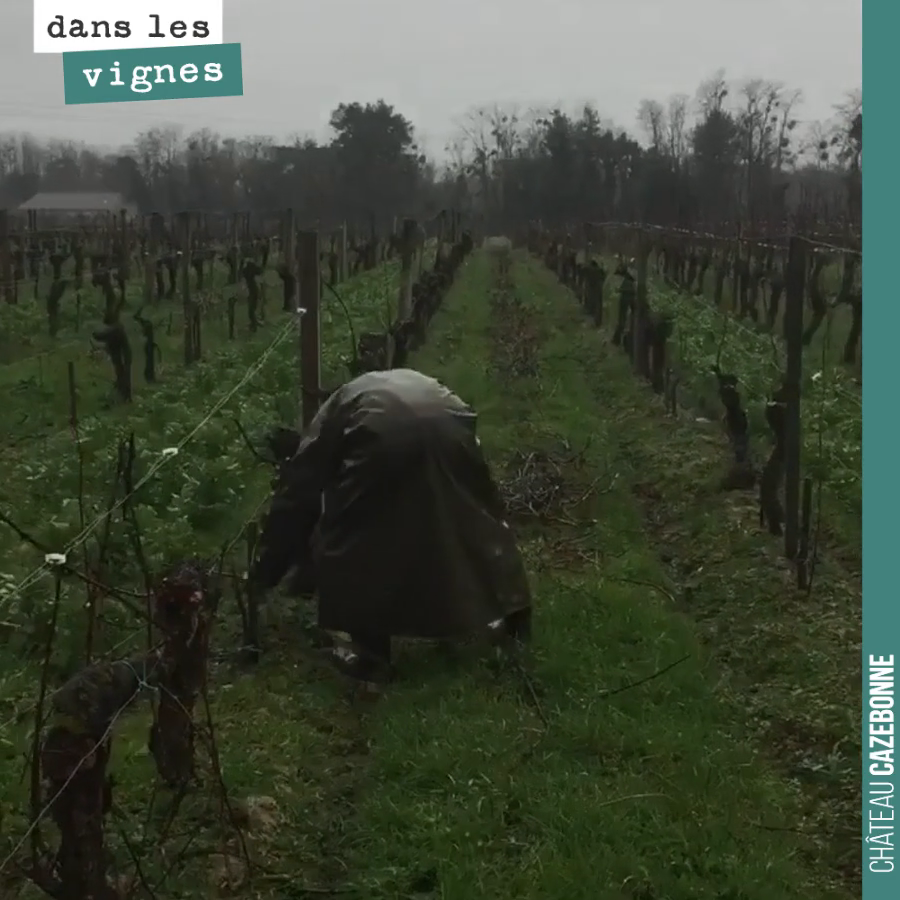
Pulling the canes is an entirely manual task that requires great delicacy. The winegrower carefully detaches each cut cane from the trellis wires, taking care not to injure the old wood or the dormant buds that hold the promise of the future vintage. The canes are often twisted and intertwined, requiring a certain amount of strength but above all agility and a good understanding of each vine's structure. Once removed, the wood is left on the ground between the rows to be mulched later, thus contributing organic matter to our soil, in accordance with our commitment to living soils.
At Château Cazebonne, pulling the canes is carried out with the same commitment to the vine that characterises all our viticultural practices. This ancestral manual action fits perfectly into our philosophy of sustainable and biodynamic viticulture. We continue to favour traditional methods that respect the plant's natural rhythm and the vineyard's ecosystem. Integrating the mulched canes into the soil feeds our humus and promotes biodiversity, thus contributing to the balance of our terroir.
Château Cazebonne is committed to replanting the forgotten grape varieties of Bordeaux, a meticulous task to bring historical varieties back to life. This approach is possible thanks to the support of passionate enthusiasts. If you wish to learn more about the fascinating history of Bordeaux grape varieties, we invite you to download the digital version of the book "Bordeaux, une histoire de cépages" via our website. To test your oenological knowledge in a fun way, also discover our quizzes. And to discover the fruits of our labour and passion, all our vintages are available on our online shop. Discover the behind-the-scenes of uprooting vines to understand other essential aspects of vineyard life.
Sources
Our suggestions
-5%on your 1st order with code BIENVENUE
The essential6 bottles — Graves red 2022
The best price of the cellar: €12 per bottle delivered.
The everyday red: generous and straight to the point.
I want it Our recommendation92/100 RVF
6 bottles — Graves red 2022, 92/100 RVF
Rated 92/100 by La Revue du vin de France: a solid 10-year ageing potential.
Our Graves for ageing, the finest gateway to the estate.
I want it Go further
12 bottles — the whole range
12 bottles, the whole range tasted: the best discovery-to-price ratio.
The complete tour of the estate, in a single case.
I want it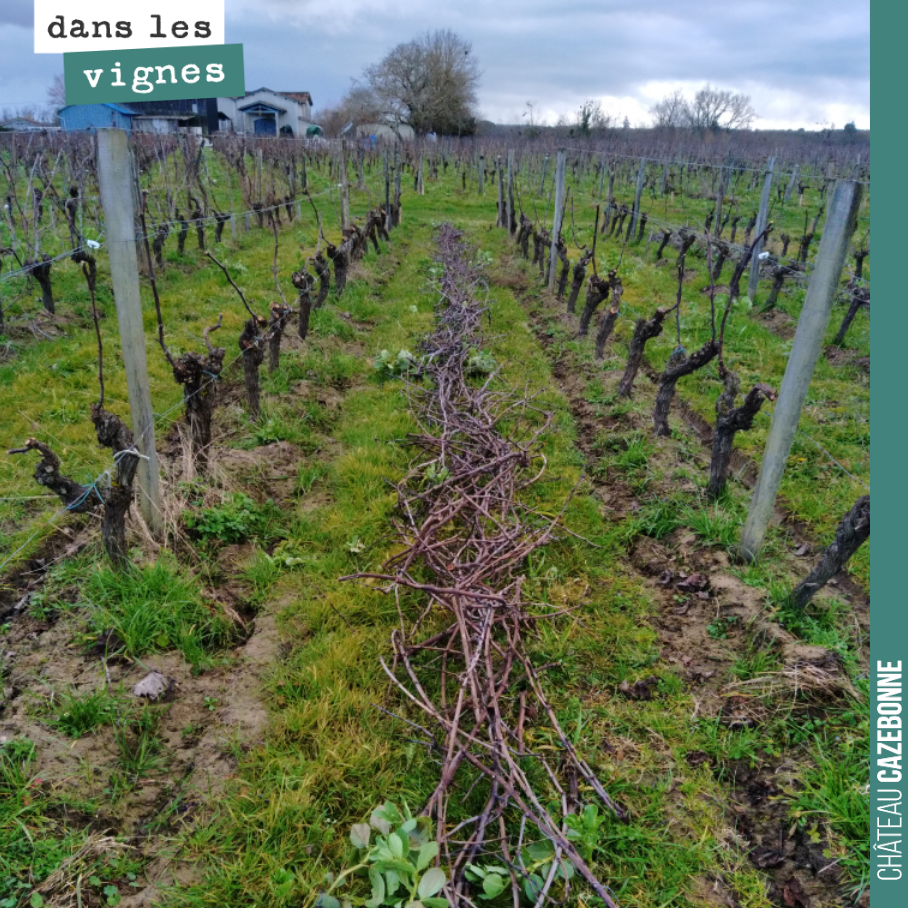
02 February 2022
03 February 2019
16 December 2018
The cellar, forgotten grape varieties and our cuvées, twice a month. 5% off your first order with the code BIENVENUE.