
 The essential
6 × Entre Amis red
6 bottles — Graves red 2022
The best price of the cellar: €12 per bottle delivered.
The everyday red: generous and straight to the point.
I want itVine Plants
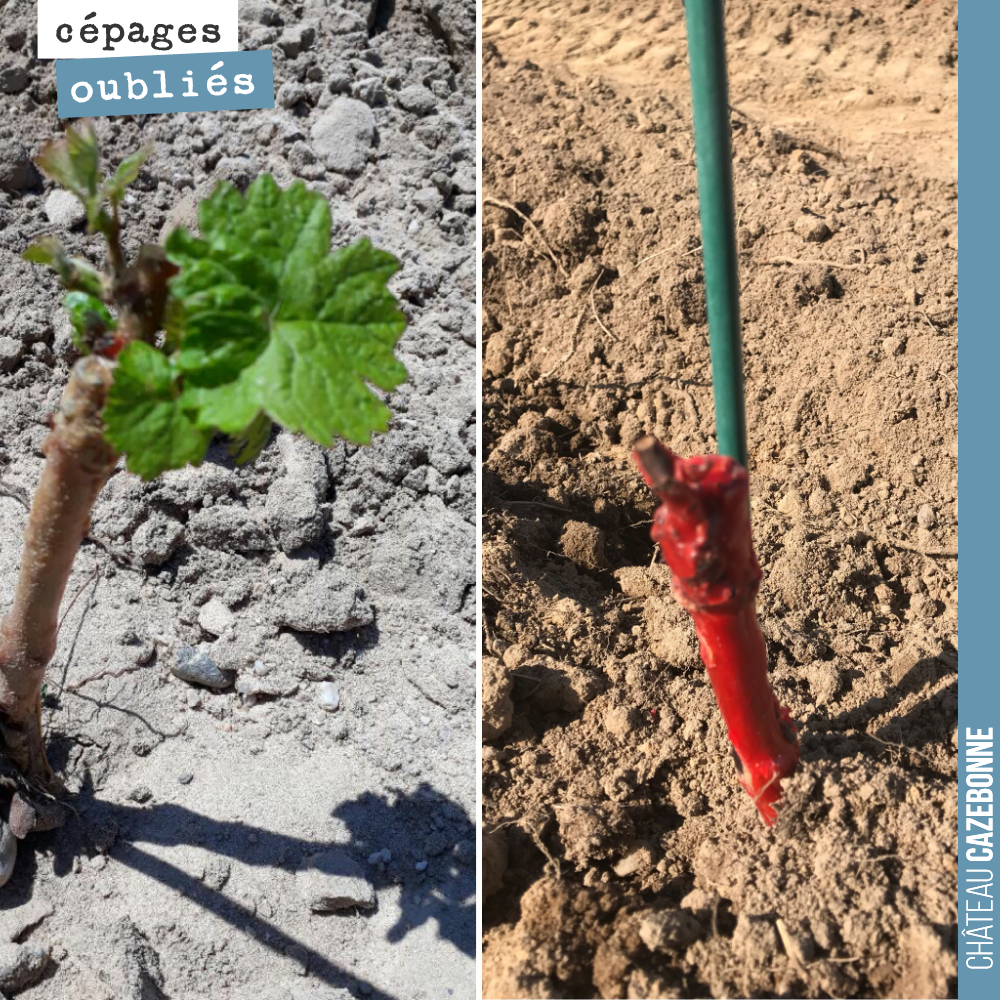
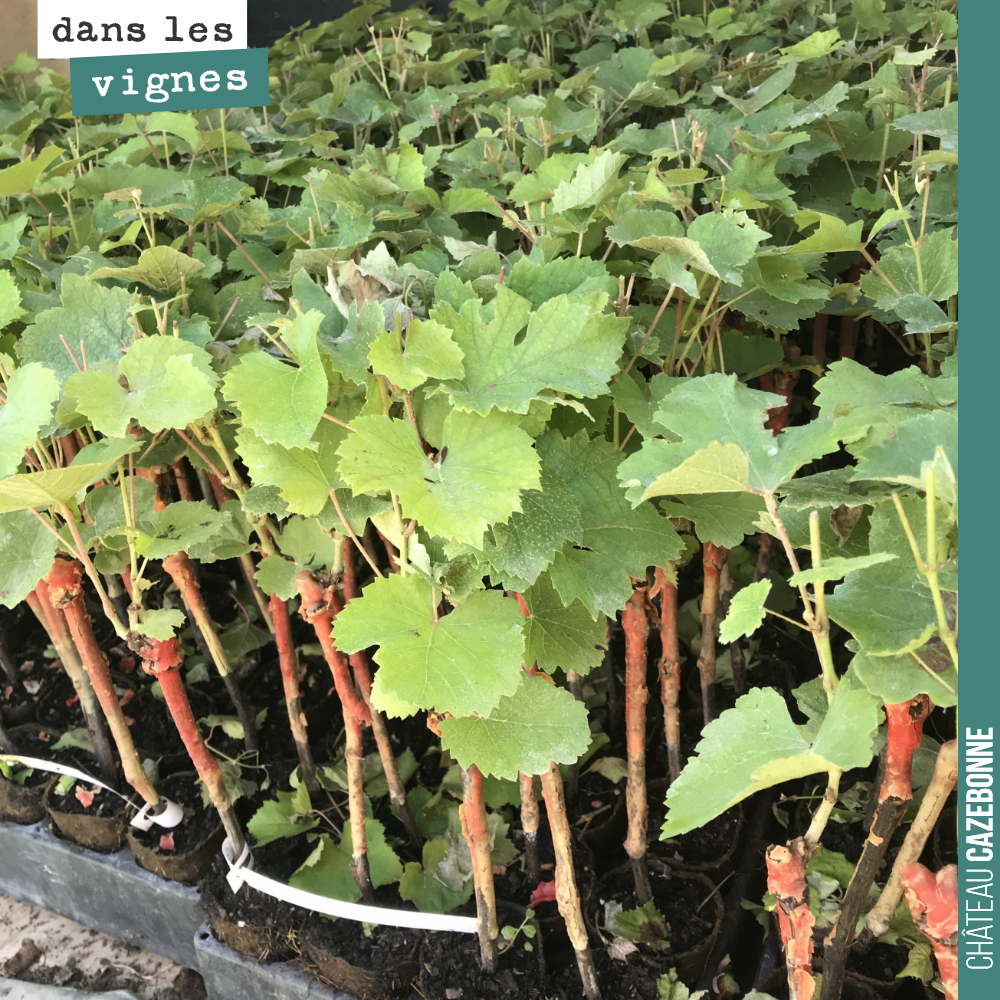
At the heart of any thriving vineyard lie the vine plants, young shoots carefully selected and cultivated to ensure the longevity and quality of future harvests. These plants are the very foundations of tomorrow's wine, bearing the aromatic potential and complexity that winegrowers strive to reveal. Their selection is a crucial step, an act of commitment to the typicity of the terroir and the purest expression of the chosen grape variety.
Traditionally, vine plants come from cuttings or grafts taken from healthy mother vines renowned for their productivity and the quality of their grapes. This method, coupled with an approach of massal selection, is favoured at Château Cazebonne. Massal selection, unlike clonal selection which favours a single plant multiplied identically, consists of choosing a multitude of exceptional vine stocks within the existing vineyard. This ancestral practice considerably enriches the genetic diversity of the plot. It gives the vines better resilience against diseases and climatic hazards, while promoting a richer and more nuanced expression of aromas in the wine. Each plant is thus unique, bearing its own character, contributing to the complexity and authenticity of the final wine.
The choice of rootstocks, adapted to the specific characteristics of the soil and climate, is also essential. The rootstock does not directly influence the fruit, but it determines the vigour of the vine, its resistance to certain pests such as phylloxera, and its ability to adapt to varied pedoclimatic conditions. It is the judicious blending of a noble grape variety and a suitable rootstock that will allow the vine to fully flourish and offer the best of its potential.
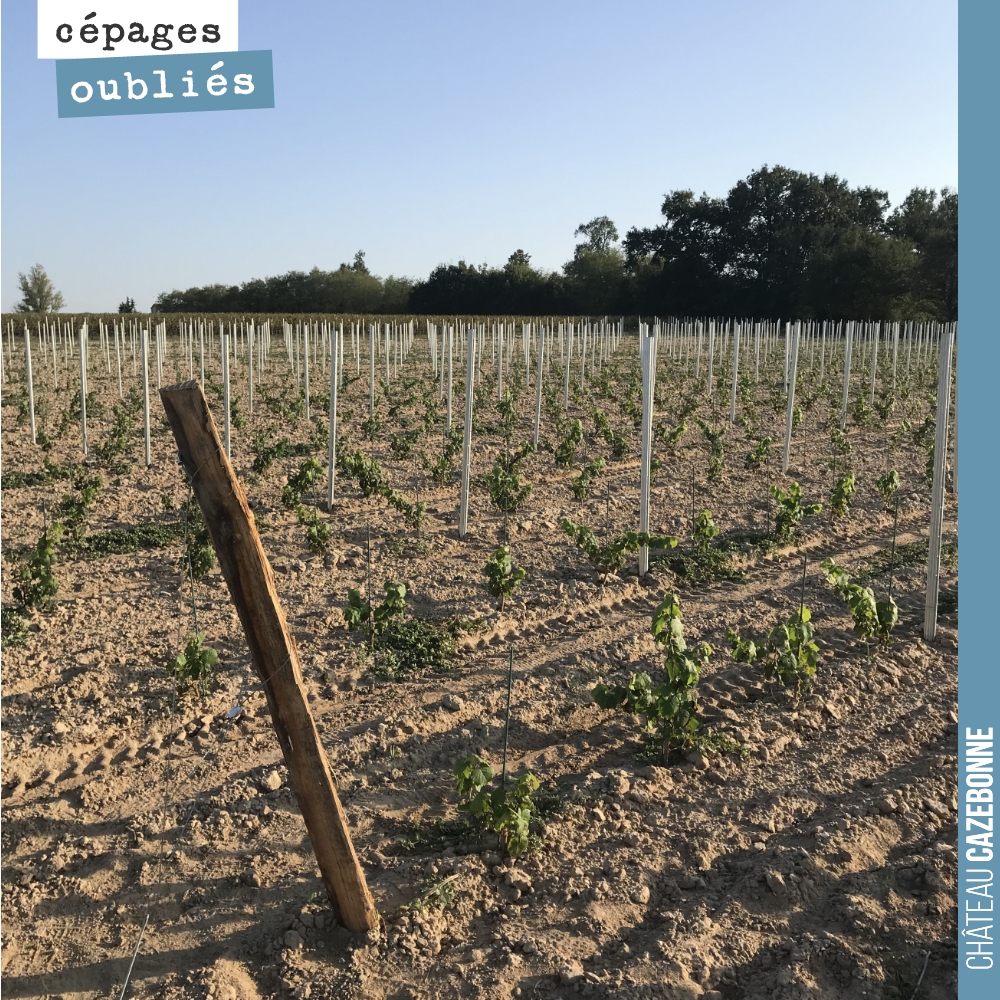
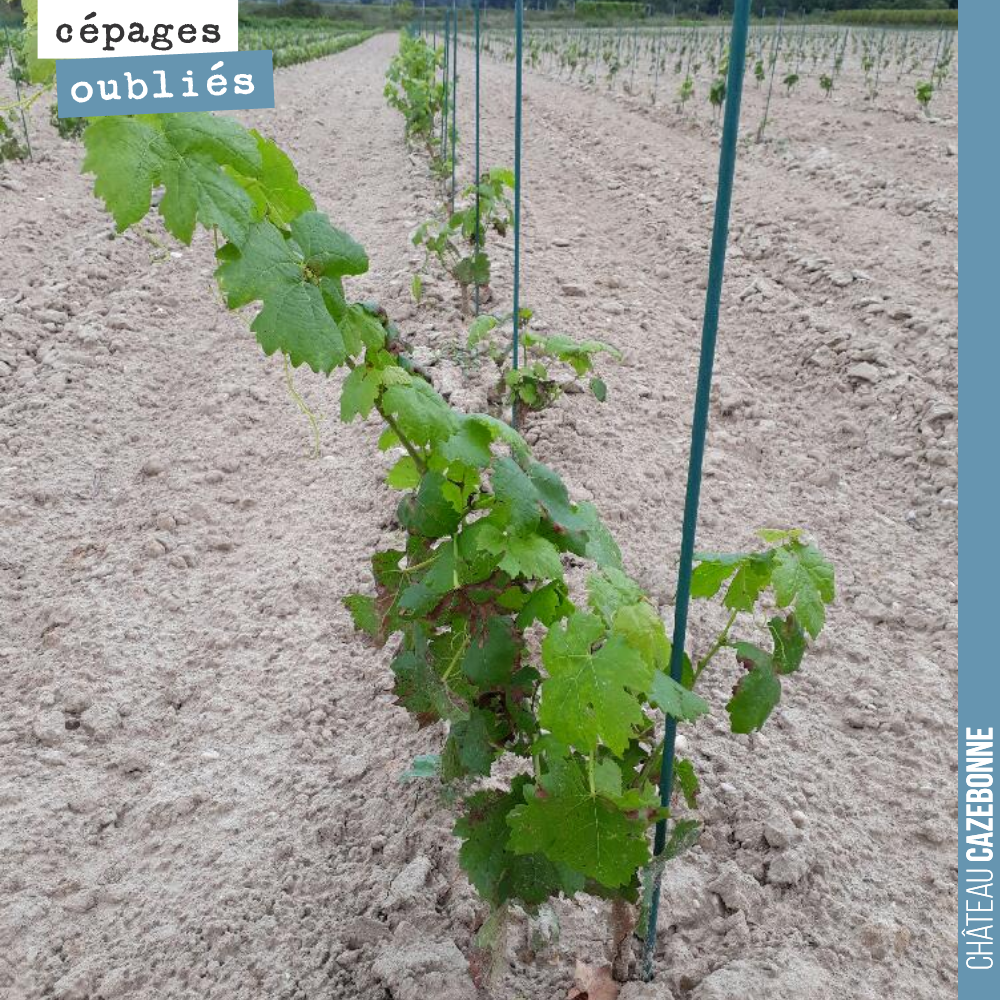
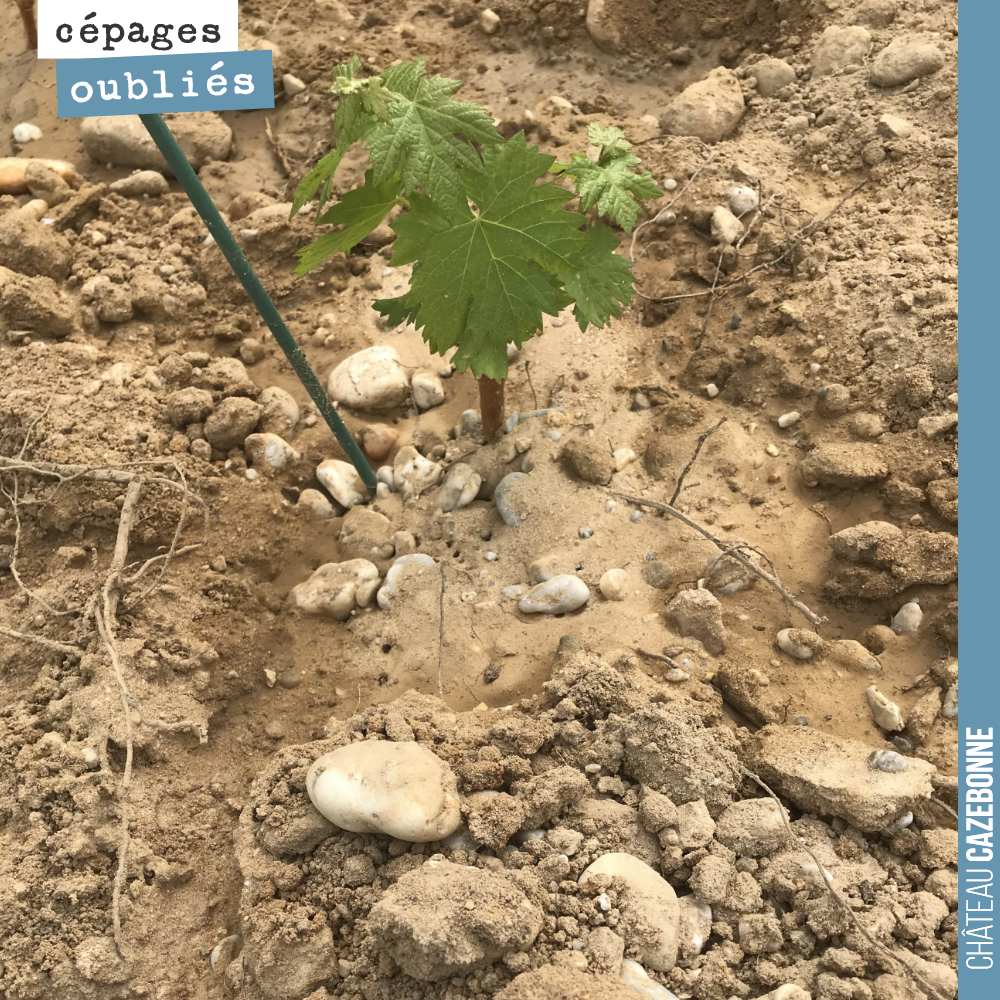
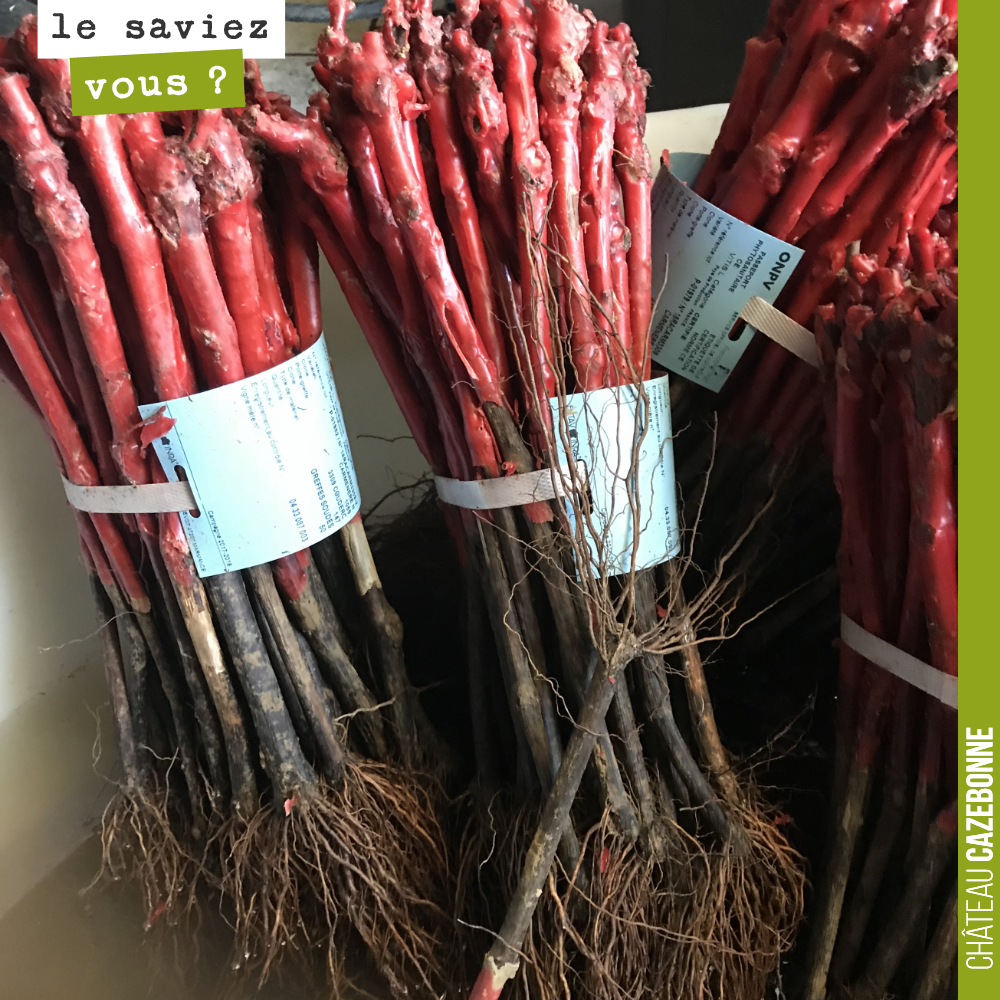
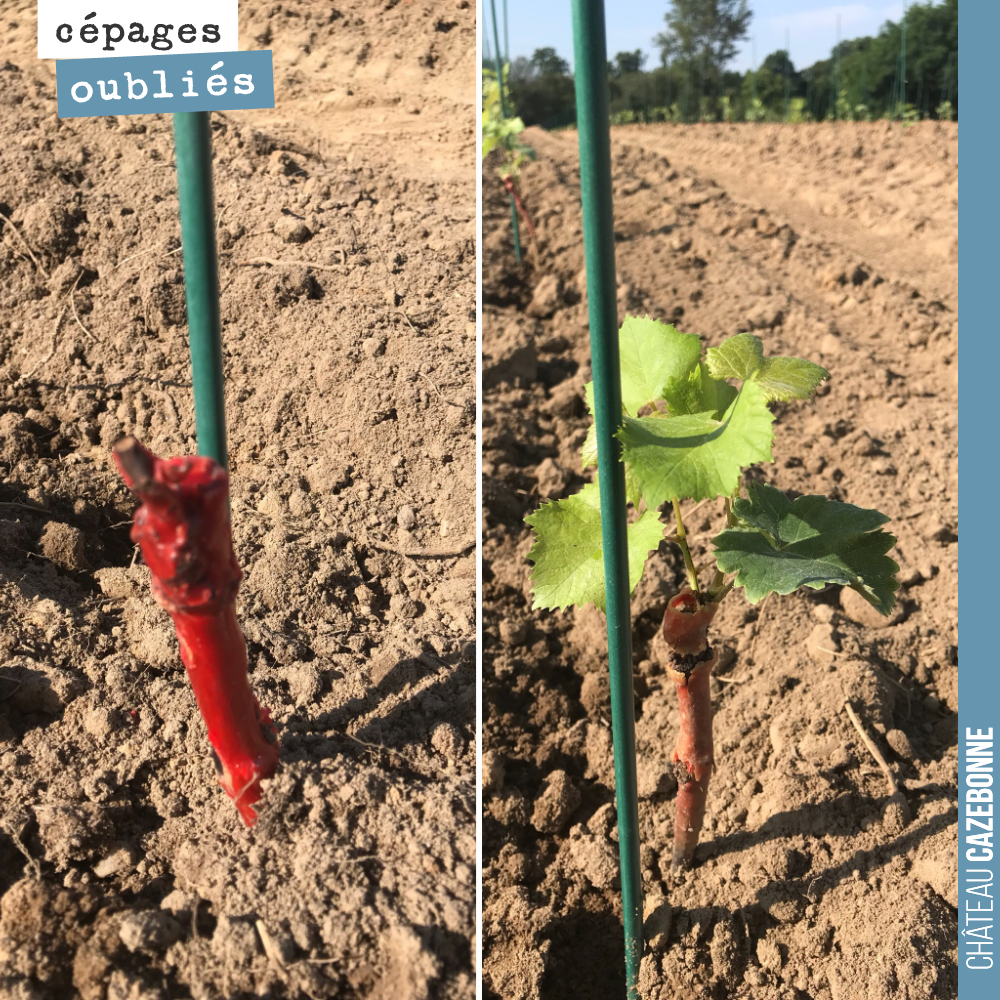
The planting of the vine is a meticulous process that begins long before driving the first plant into the ground. It requires an in-depth knowledge of the soil, the local climate and the oenological objectives. The choice of grape variety and rootstock is decisive for the future of the vineyard. Next, the land must be carefully prepared, correcting any deficiencies and ensuring good drainage. The plants, often purchased from a specialised nurseryman, sometimes undergo root dipping to promote their recovery. The planting itself must be carried out with precision to guarantee optimal rooting.
At Château Cazebonne, this art of selection and planting takes on a particular dimension. We are committed to reviving the ancient and forgotten grape varieties of Bordeaux, varieties that had almost disappeared from our viticultural landscapes but which carry within them a part of the history and genetic diversity of our region. This meticulous work of research, planting and promotion is not merely a return to our roots; it is also a wager on the future, a way of enriching our viticultural heritage and offering wines of unprecedented originality and depth. This work has its roots in the history of our vineyard, the legacy of a once much more diverse vine population in Bordeaux, which was simplified over the centuries. Our approach follows in the footsteps of winegrowers who, before us, strove to preserve or reintroduce these forgotten varieties.
This long-term work of research and experimentation, aimed at sustaining a threatened ampelographic wealth, is made possible thanks to the unwavering support of the many enthusiasts who have adopted our wines and share our vision. To learn everything about the vine and this fascinating history, we invite you to download the digital version of the book "Bordeaux, une histoire de cépages". To test your knowledge and discover other aspects of viticulture, please feel free to consult our oenological quizzes. And of course, to discover the unique expression of our work and explore our different cuvées, we invite you to visit our Cazebonne boutique.
Sources
Our suggestions
-5%on your 1st order with code BIENVENUE
The essential6 bottles — Graves red 2022
The best price of the cellar: €12 per bottle delivered.
The everyday red: generous and straight to the point.
I want it Our recommendation92/100 RVF
6 bottles — Graves red 2022, 92/100 RVF
Rated 92/100 by La Revue du vin de France: a solid 10-year ageing potential.
Our Graves for ageing, the finest gateway to the estate.
I want it Go further
12 bottles — the whole range
12 bottles, the whole range tasted: the best discovery-to-price ratio.
The complete tour of the estate, in a single case.
I want it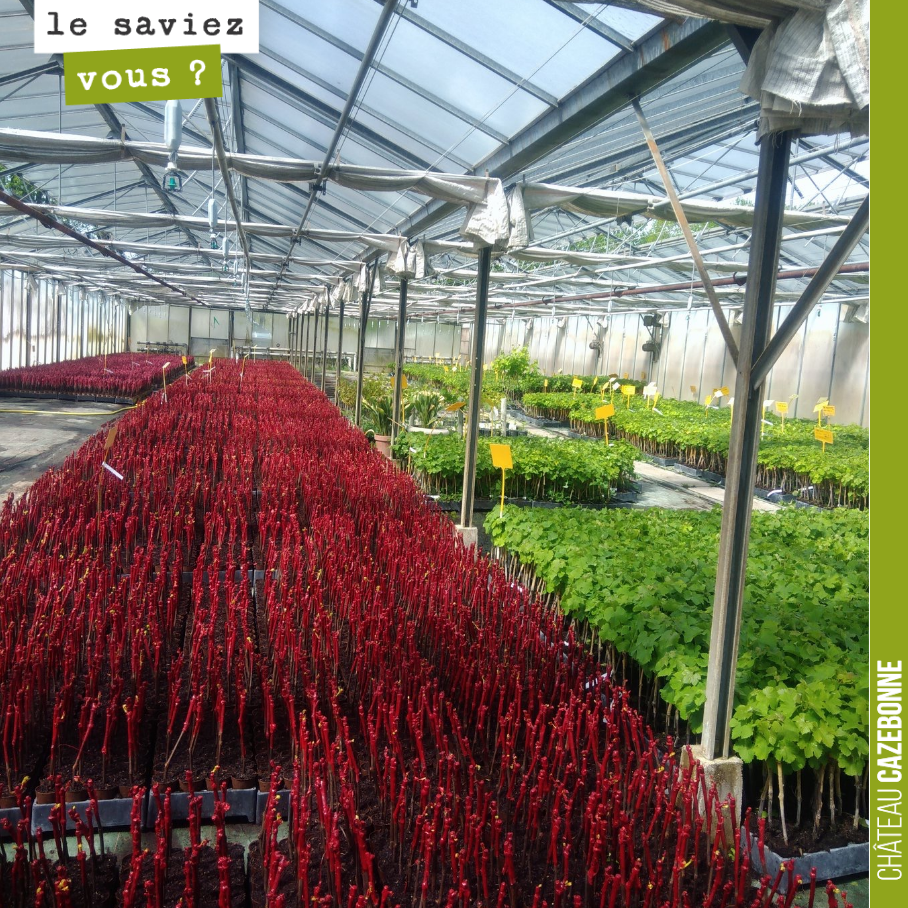
26 April 2019
06 October 2018
05 September 2018
07 August 2018
26 July 2018
13 July 2018
13 July 2018
13 July 2018
The cellar, forgotten grape varieties and our cuvées, twice a month. 5% off your first order with the code BIENVENUE.