
 The essential
6 × Entre Amis red
6 bottles — Graves red 2022
The best price of the cellar: €12 per bottle delivered.
The everyday red: generous and straight to the point.
I want itLignification
Lignification, far from being a simple seasonal event, is a fundamental physiological process that marks a key stage in the annual cycle of the vine. This metamorphosis not only prepares the plant for winter dormancy but also ensures the quality and quantity of the future harvest. To understand lignification is to decipher a part of the vine's natural wisdom.
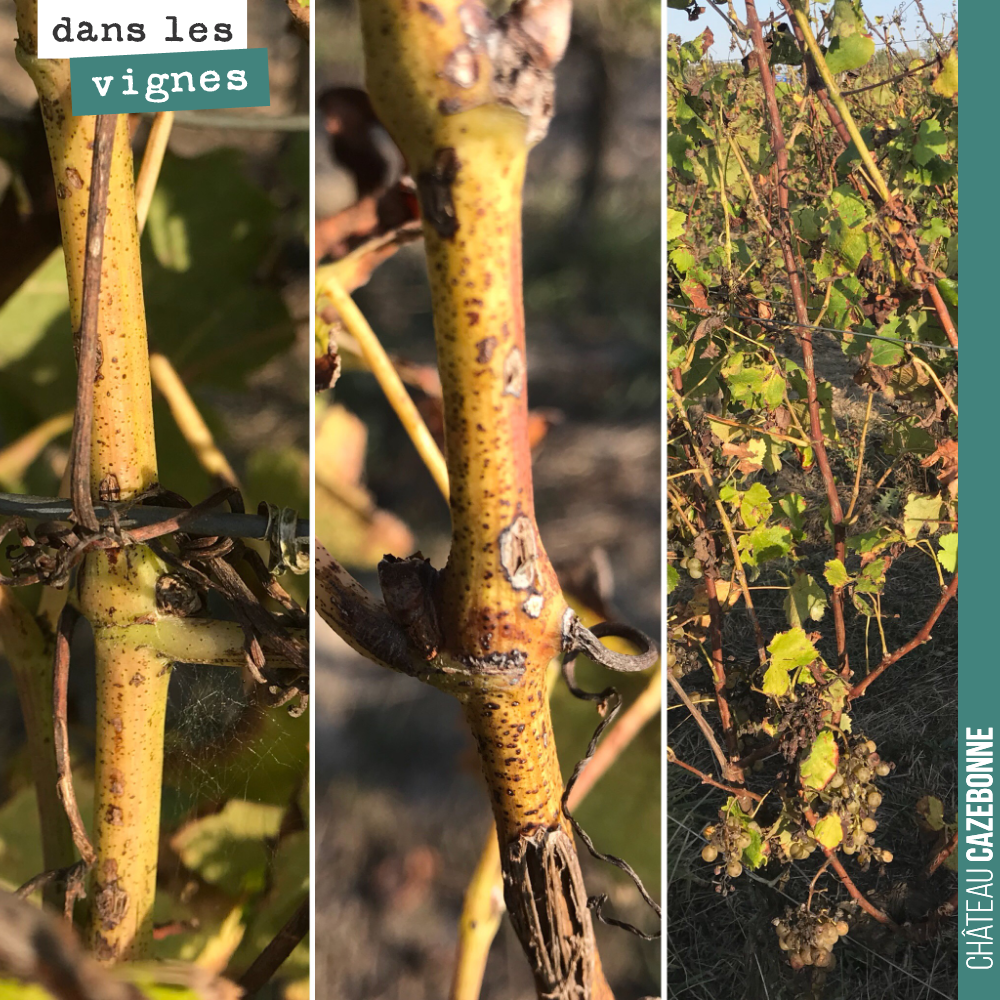
The phenomenon of wood ripening is characterised by the lignification of the shoots, that is, the transformation of green, herbaceous tissues into rigid wood. Initially flexible, the shoots become enriched with lignin, a complex polymeric substance that gives them strength and impermeability. This lignification is accompanied by a change in colour, turning from green to reddish-brown. At the same time, the vine actively stores nutritional reserves – mainly carbohydrates in the form of starch – in its woody organs (canes, trunk, vine stock) and roots. These reserves will be vital for the following spring's budburst and growth, before photosynthesis can fully meet the plant's needs.
The primary role of lignification is protection against winter frost. Lignified tissues are far more resistant to low temperatures than green, waterlogged tissues, thus avoiding the risk of rupturing the sap-conducting vessels. The second role, which is just as essential, is to ensure the continuity of the production cycle. The accumulated reserves guarantee a good start for the new season, allowing the buds to develop into leaves and inflorescences without depending immediately on spring weather conditions. This is fundamental for the regularity and vigour of flowering and fruit set. This process guarantees the integrity of the vine against harsh weather.
For the winegrower, lignification is highly visual. We first observe a gradual hardening at the base of the year's shoots, which then moves up towards the tips of the canes. The colour changes from light green to brown, sometimes with reddish or purplish hues depending on the grape varieties. To the touch, the shoots become less flexible and more brittle. This transformation is also accompanied, for the grapes, by véraison, meaning the change in colour and softening of the berries. All these indicators make it possible to assess the physiological maturity of the plant and its preparation for dormancy. Observing and understanding these signs allows us to adjust our cultivation practices and better anticipate the future harvest. Another crucial phenomenon during this period is bunch closure, an essential stage for protecting the berries.
At Château Cazebonne, we closely monitor the lignification of our vines. It is not merely a technical phase; it is nature's language informing us about the vigour and health of our plots. Good lignification is the sign of a perfect balance between the canopy and the fruit load, guaranteeing a good accumulation of reserves for the following year. This meticulous observation, coupled with our commitment to biodynamic viticulture, enables us to better understand and support our vines in their constant work. Thus, lignification bears witness to the resilience of the vine and its ability to prepare for its future, just as a good living soil prepares the sap of the future.
At Château Cazebonne, our passion for wine is inseparable from our respect for the vine and its natural cycle. This is why we make every effort to offer you wines that express the richness of our terroir. Support our approach to rediscovering the forgotten grape varieties of Bordeaux by exploring our online shop. To deepen your knowledge of the fascinating history of Bordeaux vineyards, we invite you to download the digital version of our book "Bordeaux, a history of grape varieties" and to test your skills on the subject with our oenological quizzes.
Sources
Our suggestions
-5%on your 1st order with code BIENVENUE
The essential6 bottles — Graves red 2022
The best price of the cellar: €12 per bottle delivered.
The everyday red: generous and straight to the point.
I want it Our recommendation92/100 RVF
6 bottles — Graves red 2022, 92/100 RVF
Rated 92/100 by La Revue du vin de France: a solid 10-year ageing potential.
Our Graves for ageing, the finest gateway to the estate.
I want it Go further
12 bottles — the whole range
12 bottles, the whole range tasted: the best discovery-to-price ratio.
The complete tour of the estate, in a single case.
I want it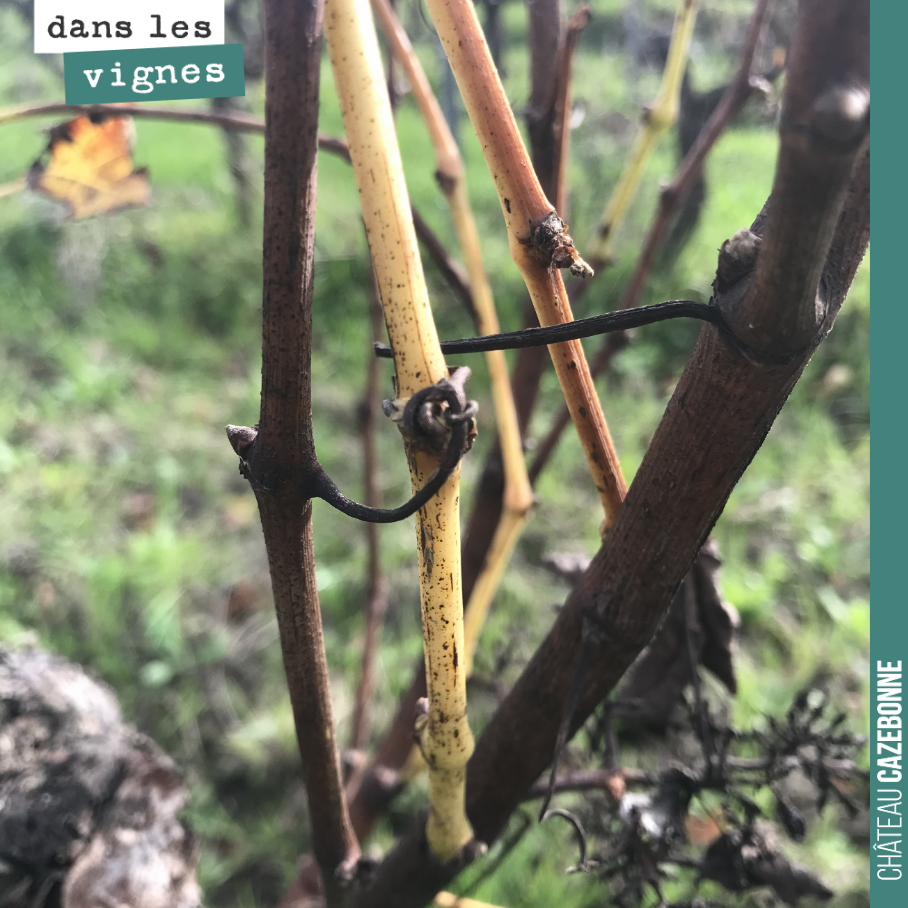
10 December 2020
03 October 2018
The cellar, forgotten grape varieties and our cuvées, twice a month. 5% off your first order with the code BIENVENUE.