
 The essential
6 × Entre Amis red
6 bottles — Graves red 2022
The best price of the cellar: €12 per bottle delivered.
The everyday red: generous and straight to the point.
I want itInsect
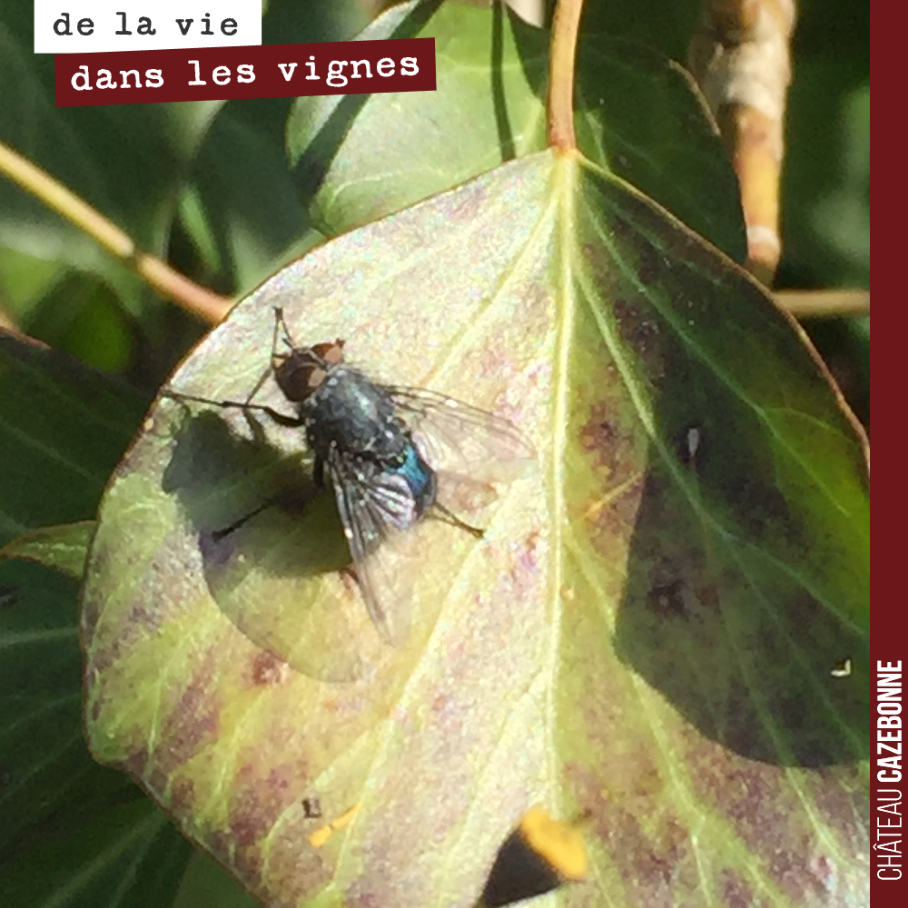
In the complex universe of a wine estate, insects are not mere extras. They are essential players, barometers of ecosystem health, and often, the silent sentinels of our vineyards. At Château Cazebonne, we observe them with particular attention, understanding that their presence and interactions forge the typicity of our Bordeaux terroirs, true reflections of biodiversity.
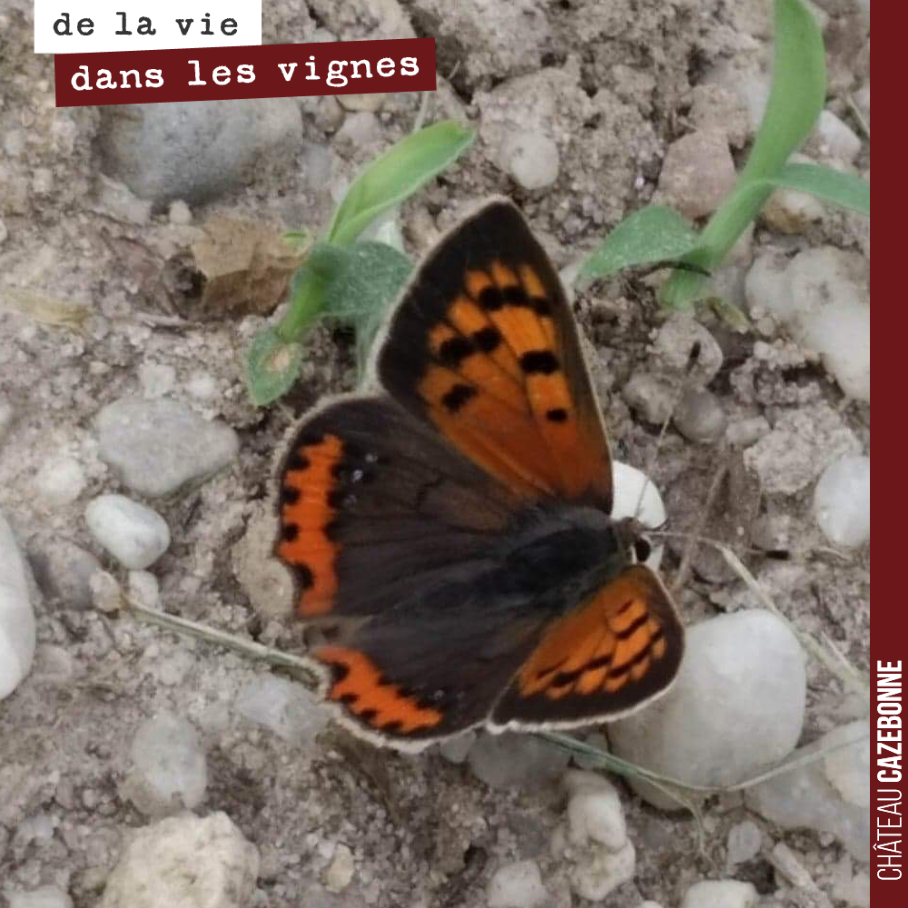
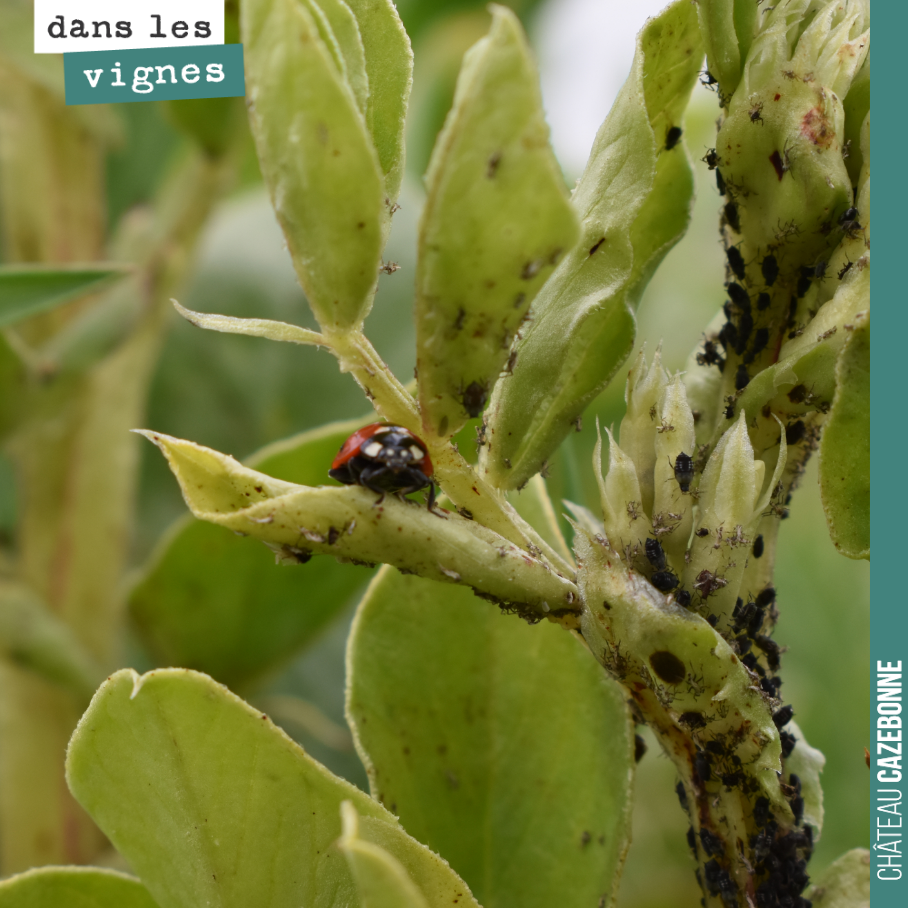
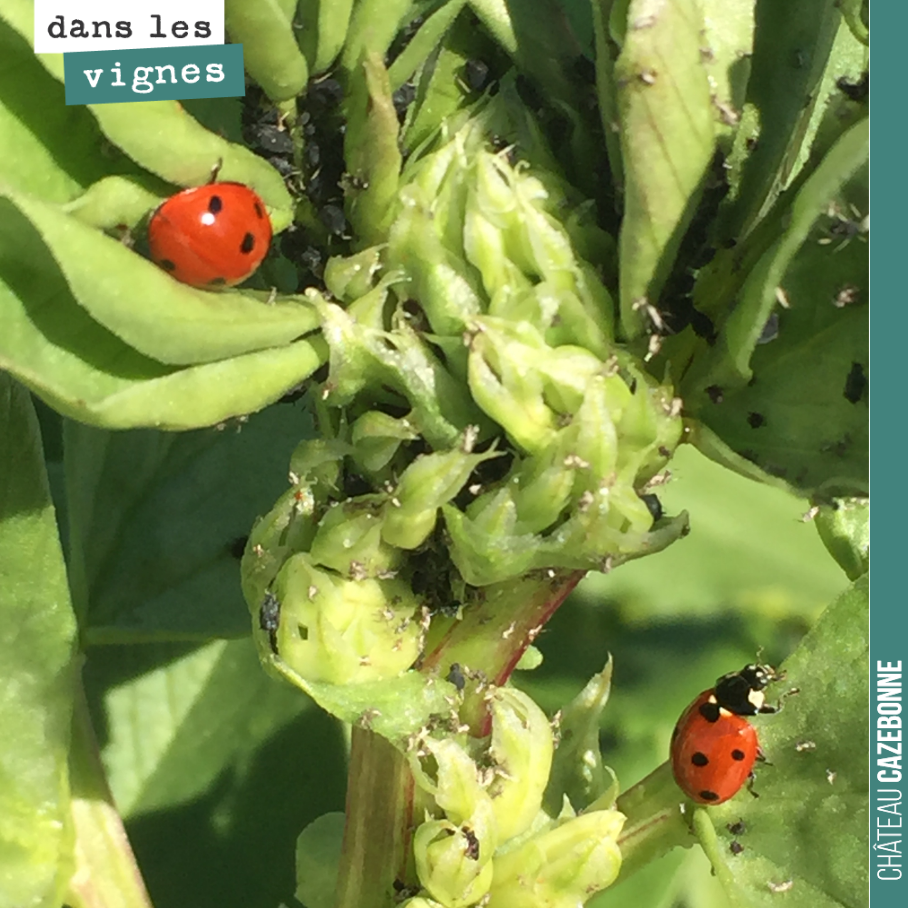
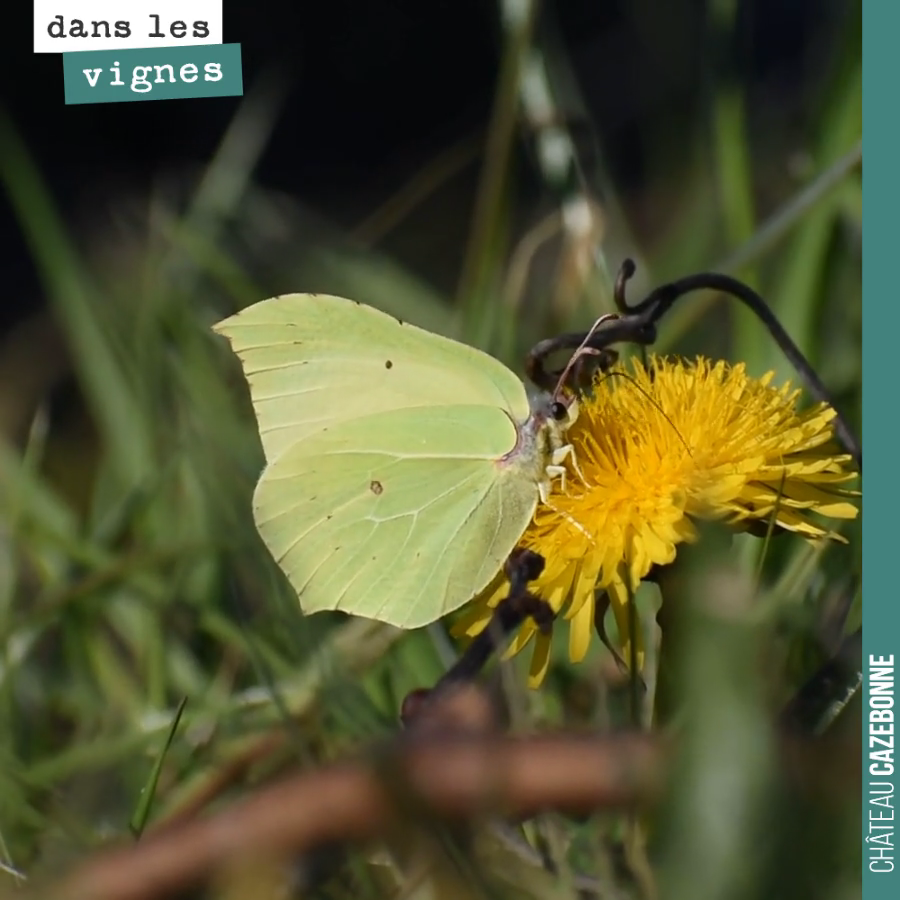
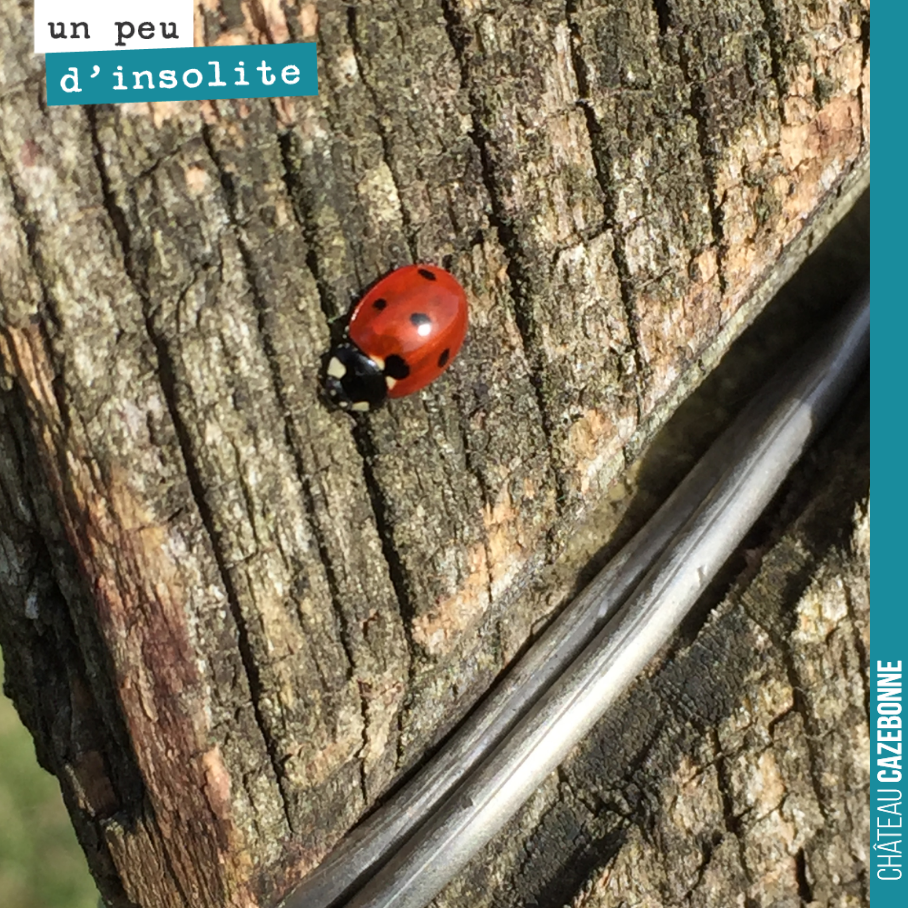
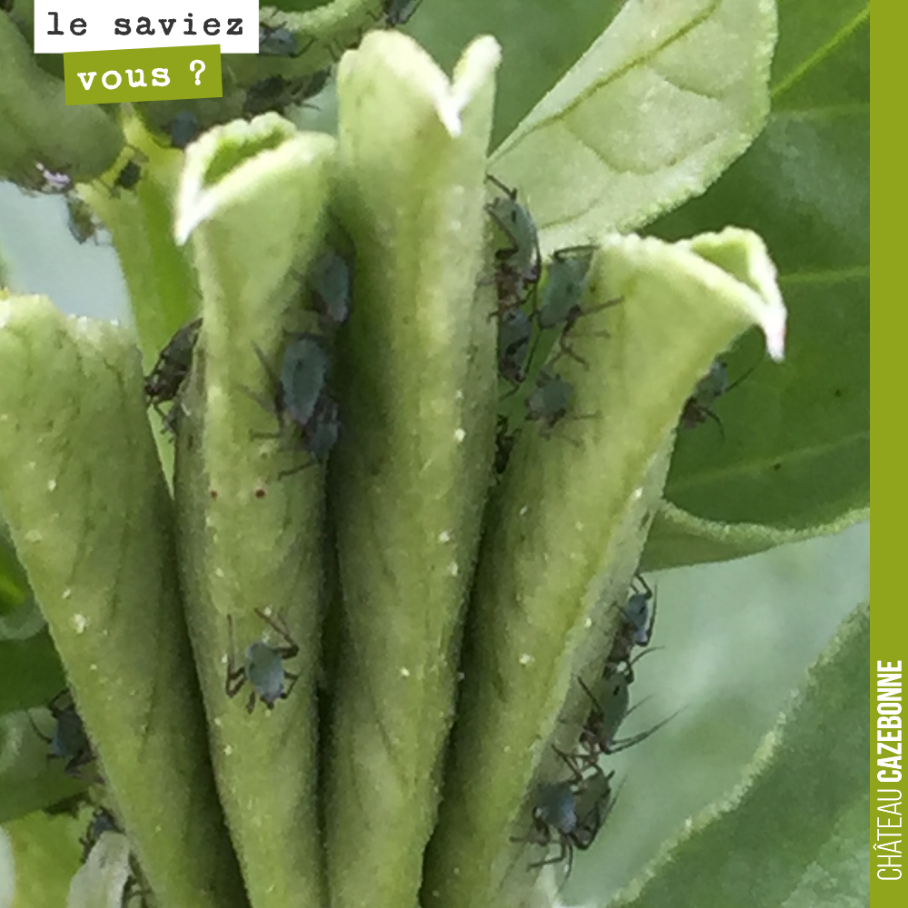
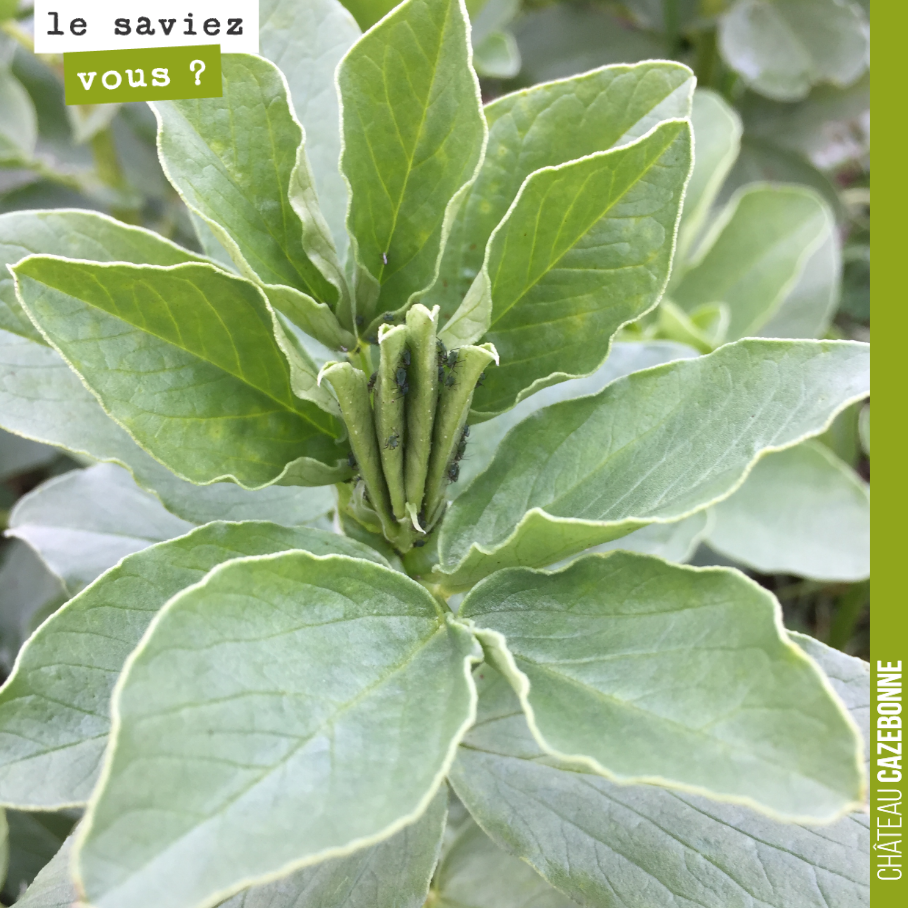
Historically, the vine has always coexisted with a multitude of species. Certain insects, such as the ladybird, are true natural allies. They devour harmful aphids, thus protecting our plants without the need for chemical treatments. Others, like bees, bumblebees, or butterflies, are indispensable for the pollination of the surrounding flora, contributing to floral diversity and the overall balance of our plots. This complex interaction is moreover superbly illustrated in the book "Bordeaux, une histoire de cépages" by Jean-Baptiste Duquesne, published by Éditions BBD, which traces the evolution of cultivation practices and the adaptation of the vine to its environment, where fauna has always played a major role.
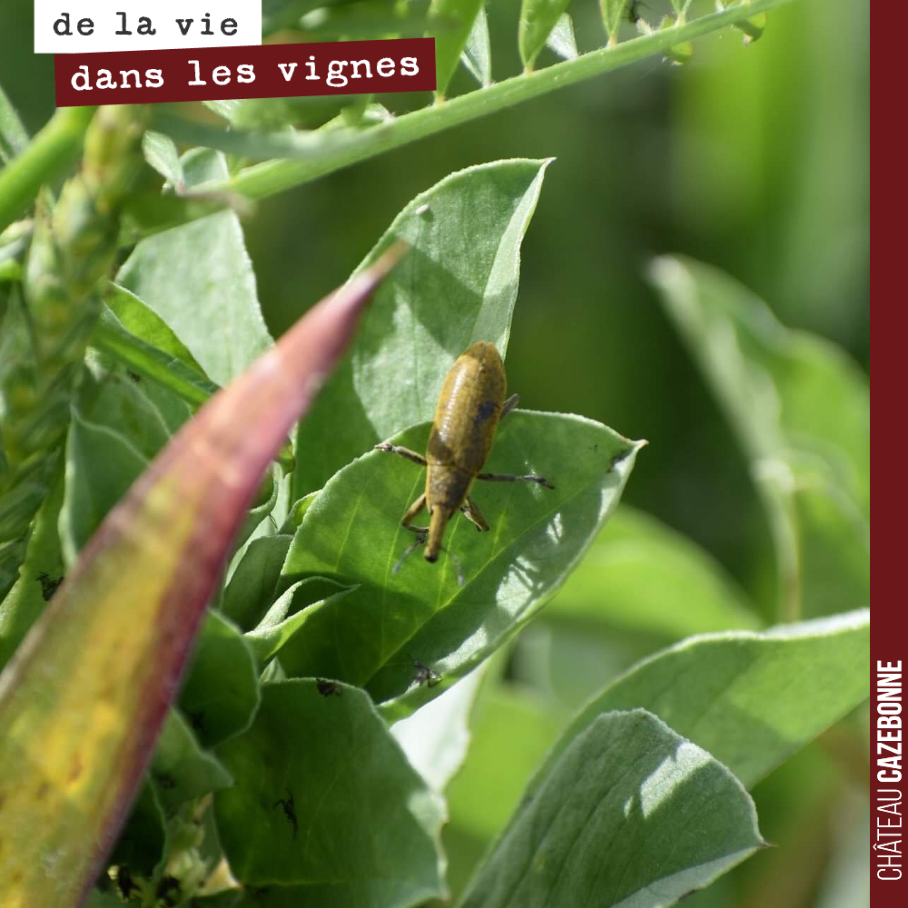
However, not all insects are welcome. Some can be pests, capable of causing significant damage to leaves, buds, or berries, threatening the harvest and the quality of the wine. The flavescence dorée leafhopper, for instance, represents a major challenge. The key therefore lies in careful and respectful management of the natural balance. Rather than systematically eradicating, we seek to understand the life cycles of the insects, identify their natural predators, and encourage their presence. This holistic approach, inspired by decades of observation and sustainable viticultural practices, minimises our environmental impact and promotes authentic viticulture. We work to restore this delicate balance, essential for the longevity of our vineyard, by favouring gentle and natural methods that respect the microscopic life of the soil and the plant.
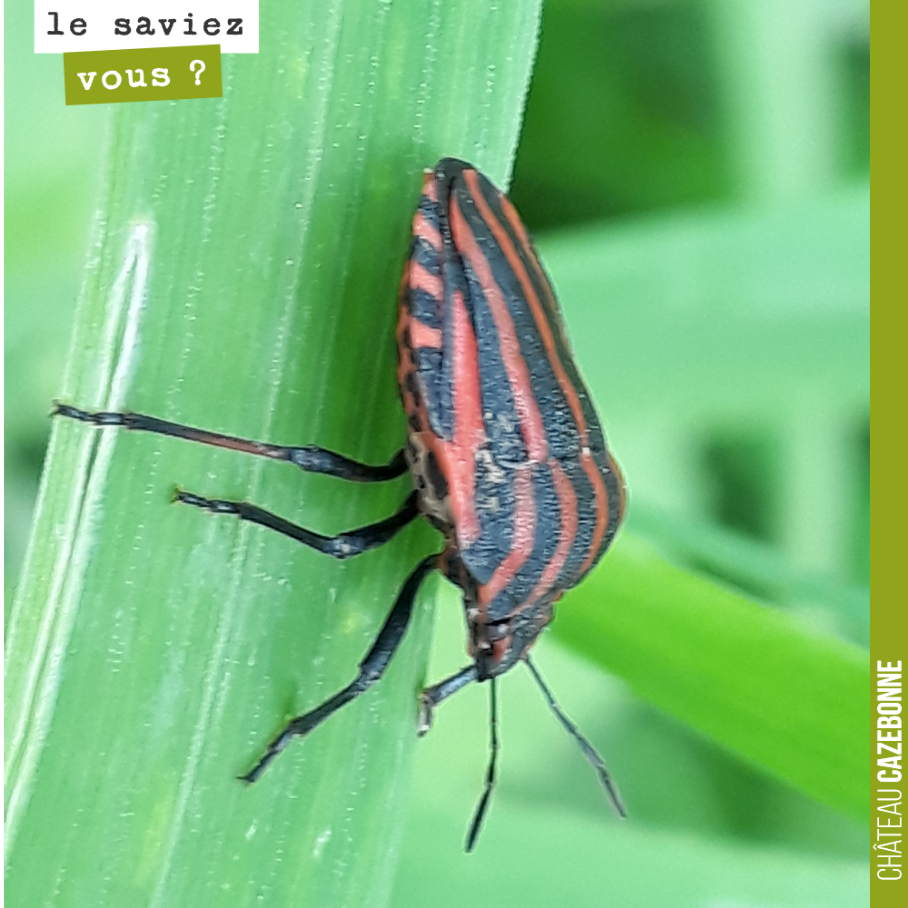
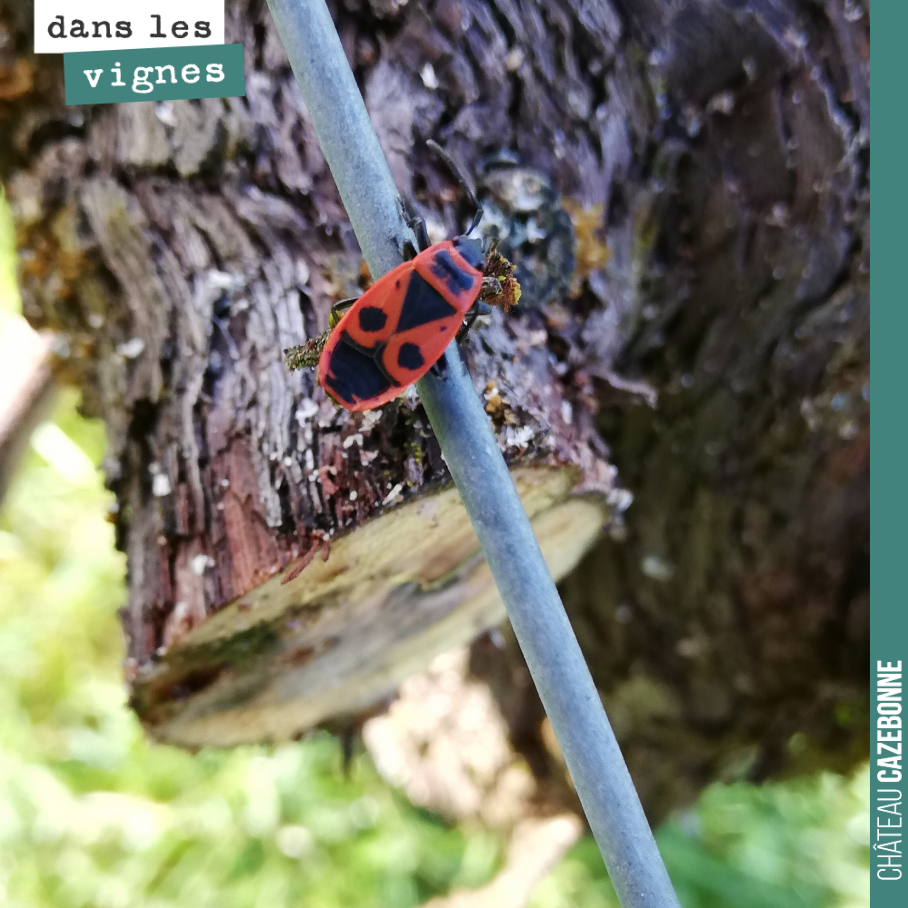
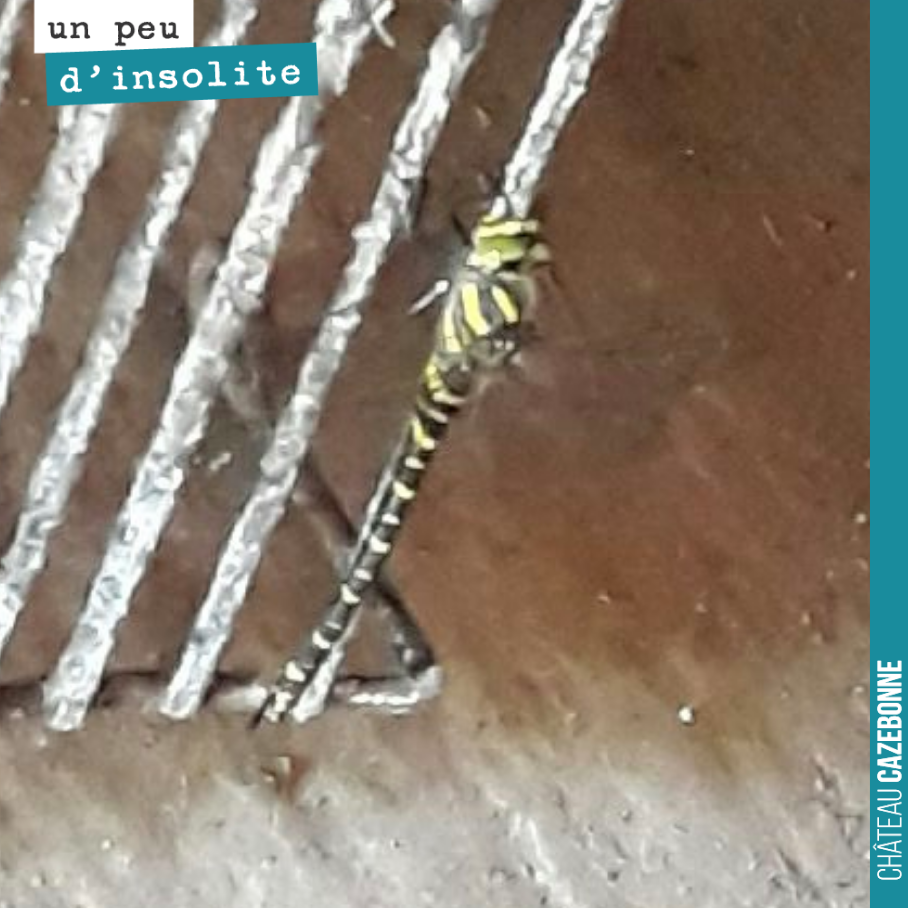
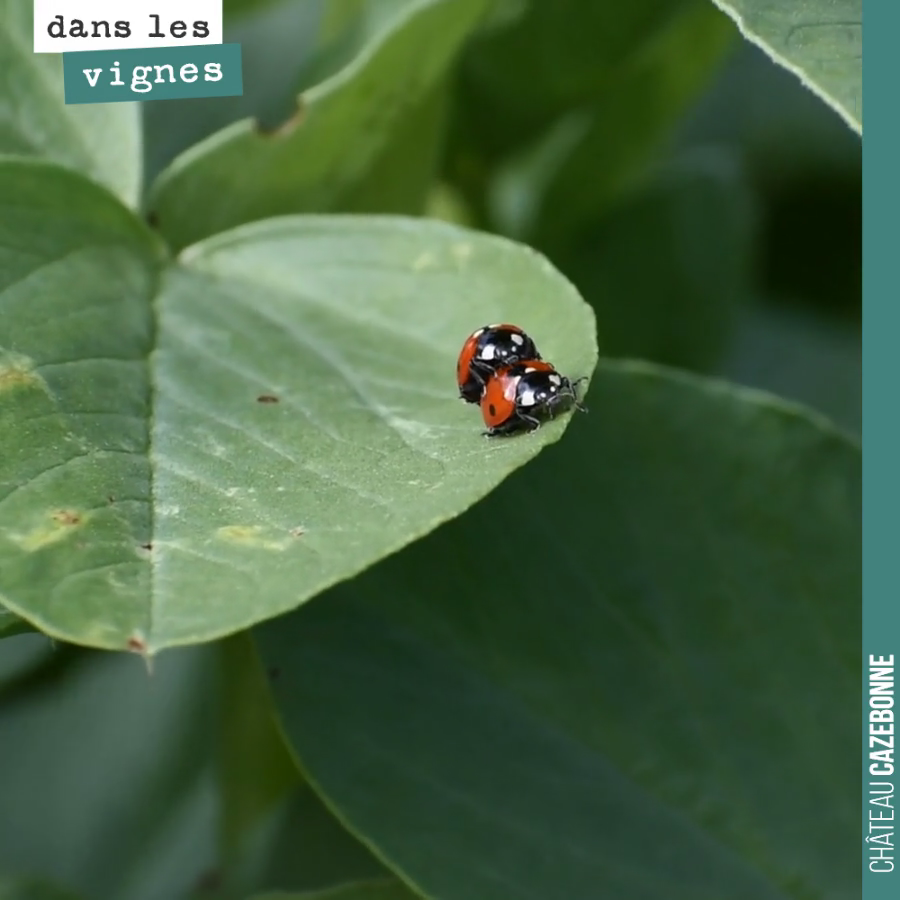
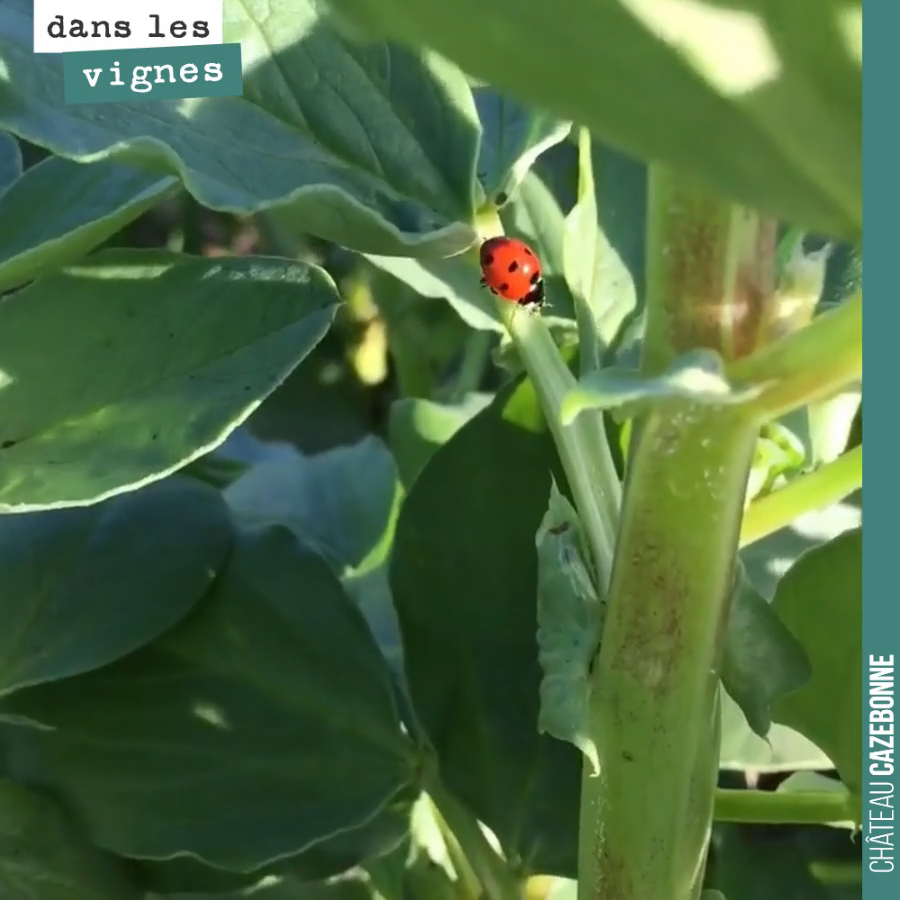
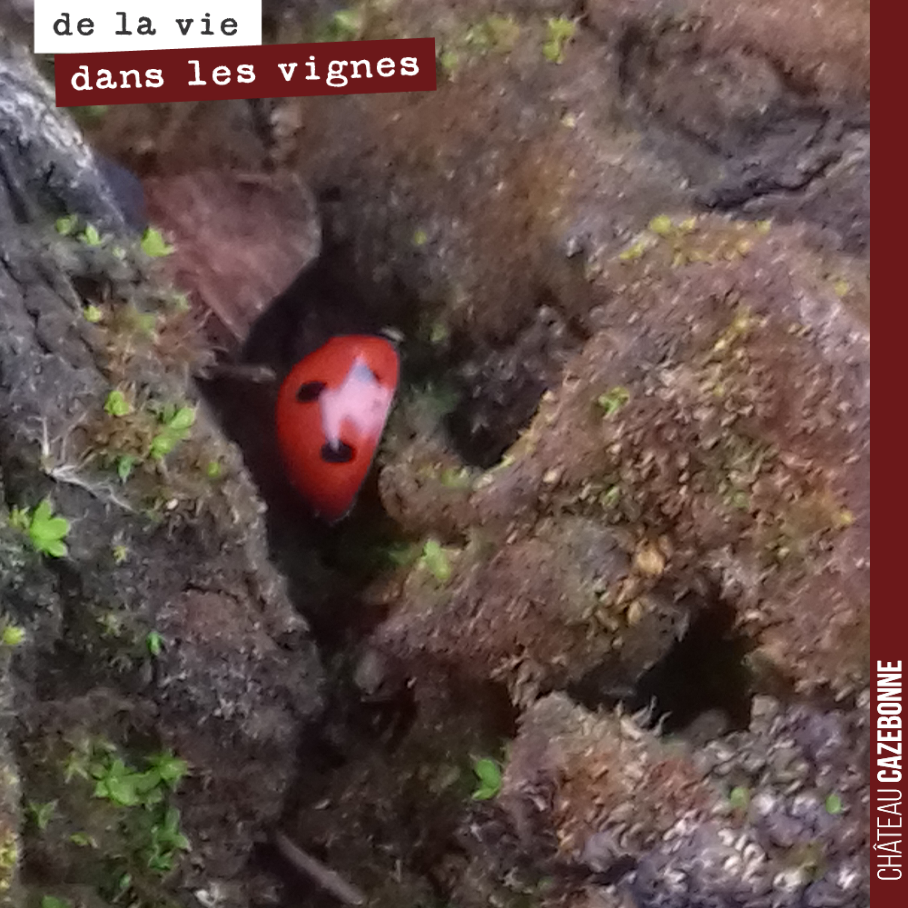
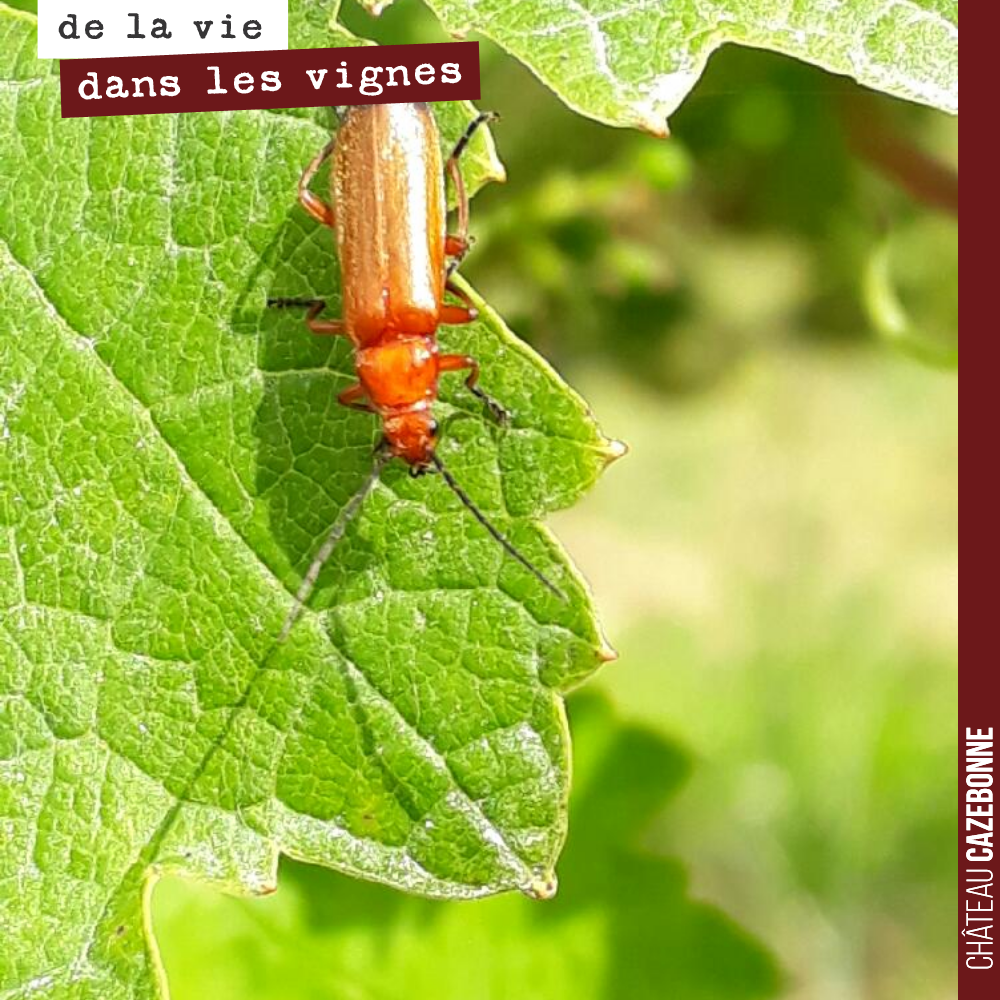
In our vineyards, insects manifest in multiple forms. Among the most common and beneficial are ladybirds (Coccinellidae), small beetles recognisable by their round, colourful shells, often red dotted with black spots. Their voracious larvae are precious allies in the biological fight against aphids. Adult ladybirds hibernate and reproduce in spring, laying their yellow eggs on leaves infested by aphids. They can be observed actively moving over the leaves and young vine shoots in search of their prey.
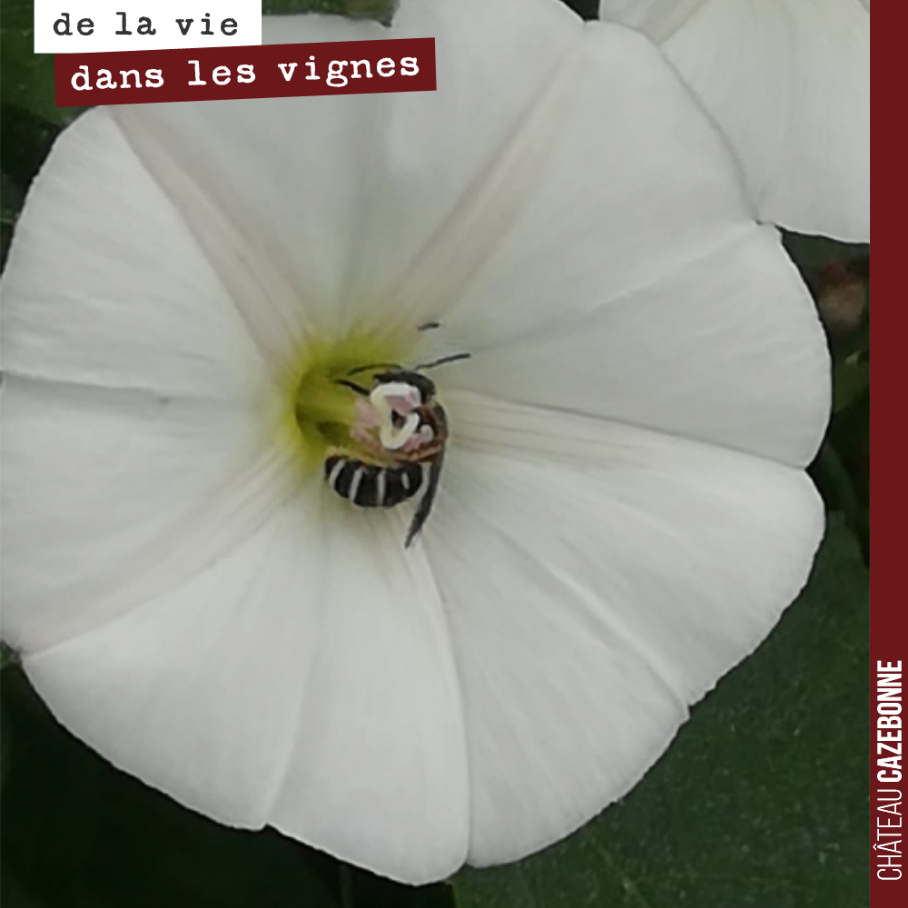
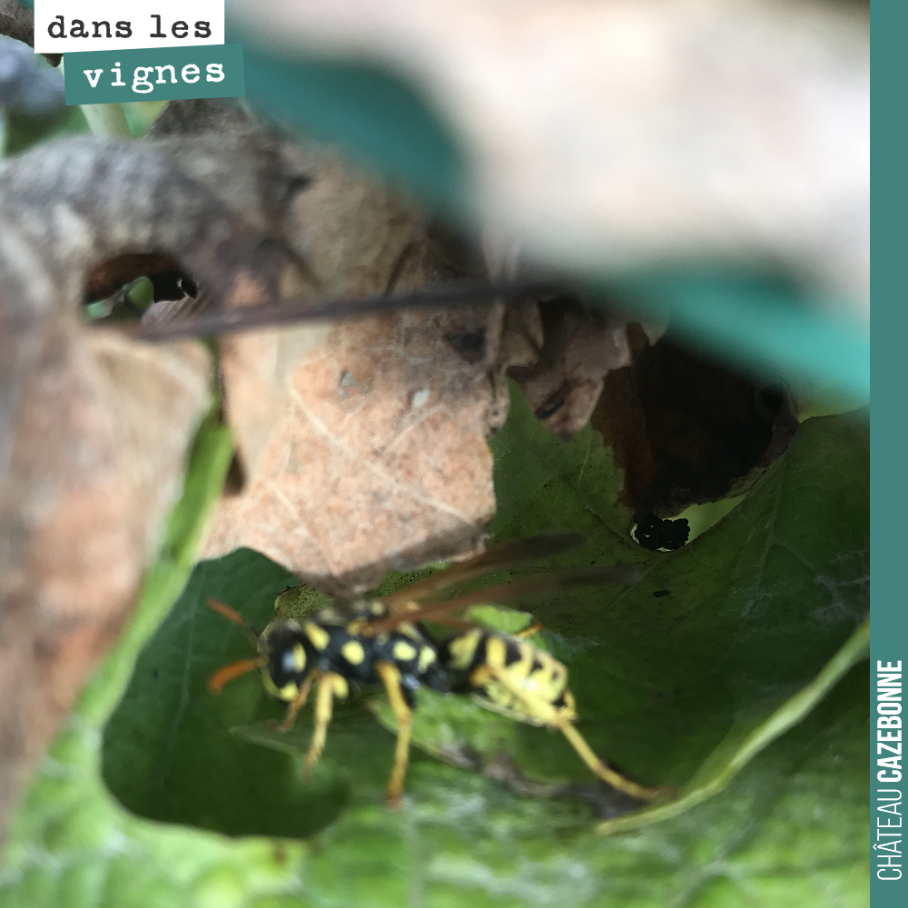
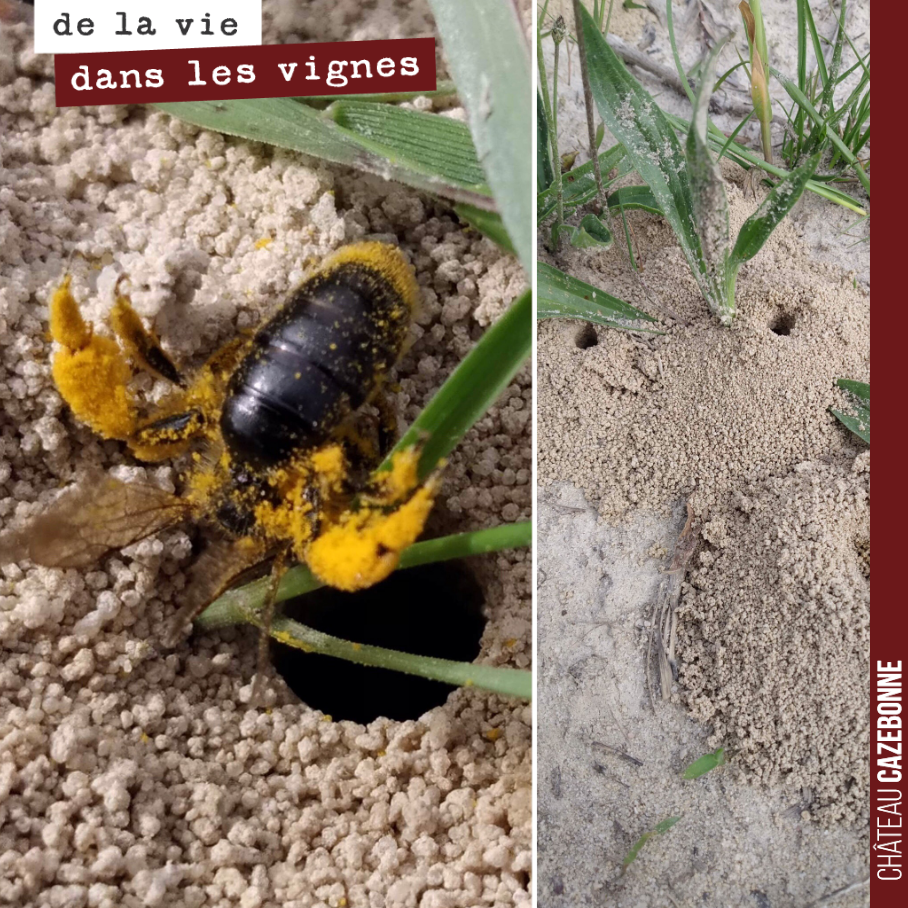
Bees (Apis mellifera) and bumblebees (Bombus spp.) also feature among the sentinels of our ecosystems. These hymenopterans, characterised by their hairy bodies and membranous wings, are crucial pollinators. They forage the flora present in and around the plots, contributing to plant diversity and, indirectly, to the balance of the vineyard. Their life cycles are complex, with social colonies for bees and often annual ones for bumblebees, whose activity peaks from spring to the end of summer. Their presence is an indicator of good environmental health, and they can be observed foraging the flowers of cover crops or floral hedges.
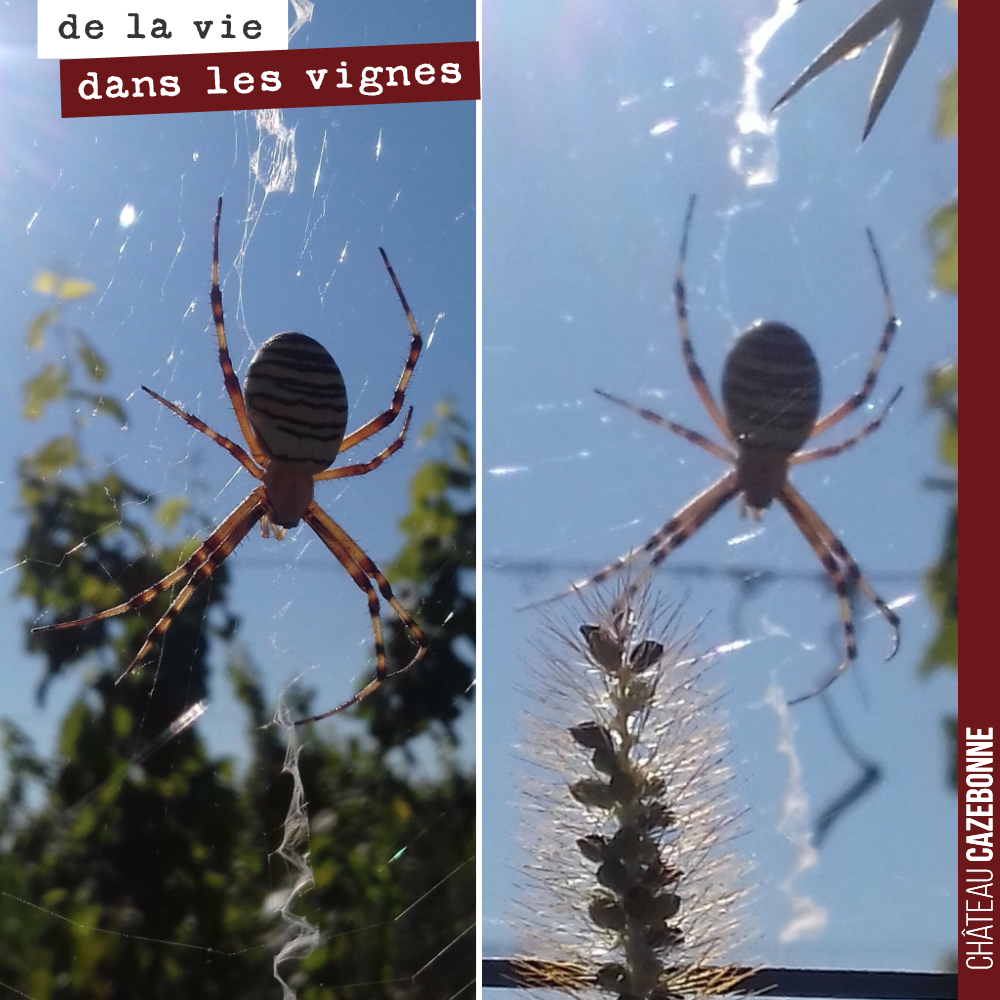
The vine also hosts a rich community of spiders in the vineyards (Arachnida). These often discreet arthropods weave their webs between the vines (learn more about spider webs) or camouflage themselves on the foliage. They play an essential role as generalist predators, regulating potentially harmful insect populations. Their life cycle varies greatly depending on the species, with some living for several years and others completing several generations in a single season. The Cazebonne vineyards constitute an ideal habitat for these hunters, offering abundant shelter and prey.
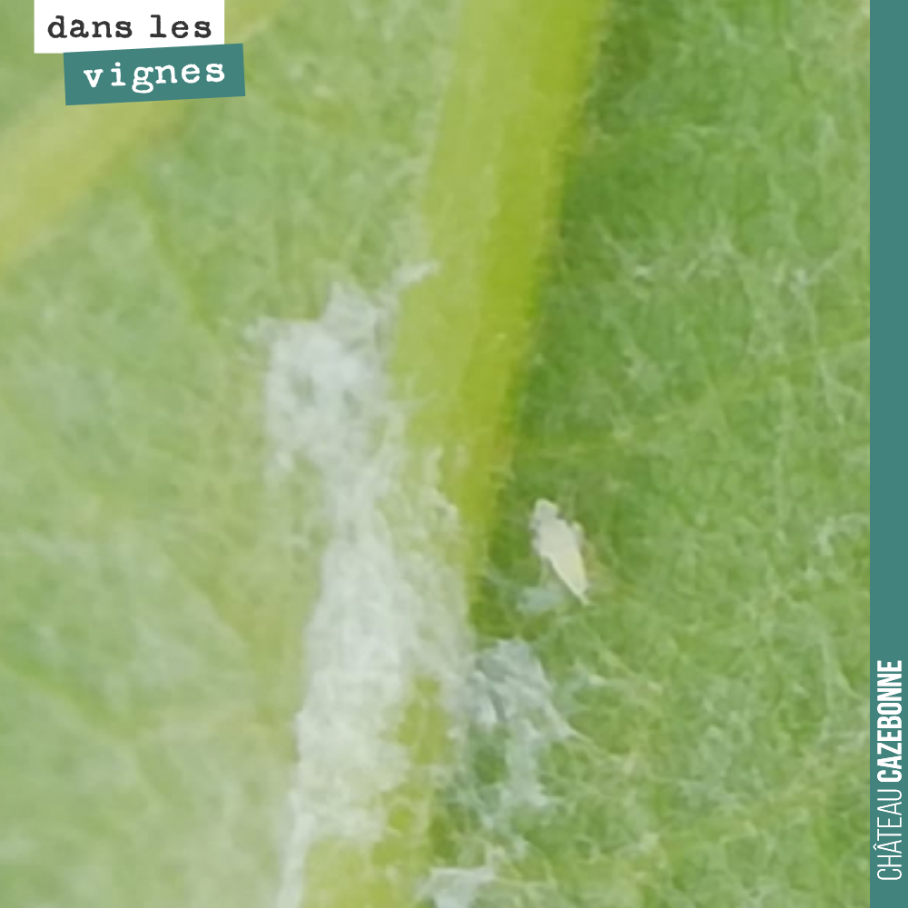
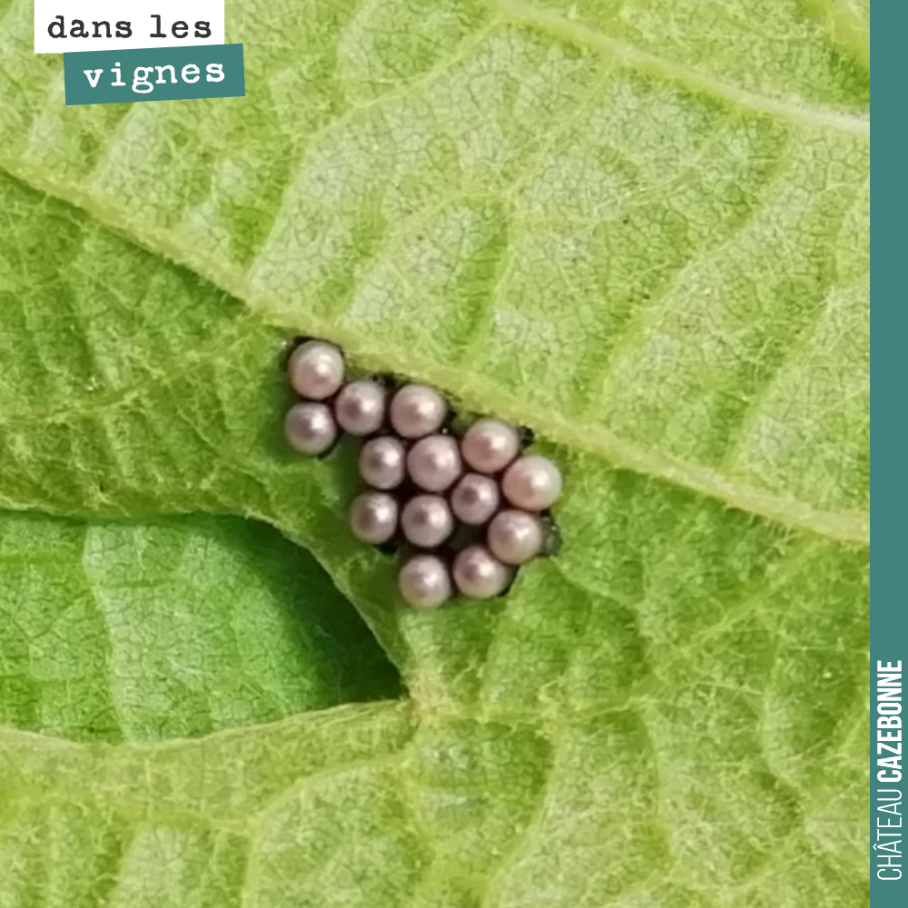
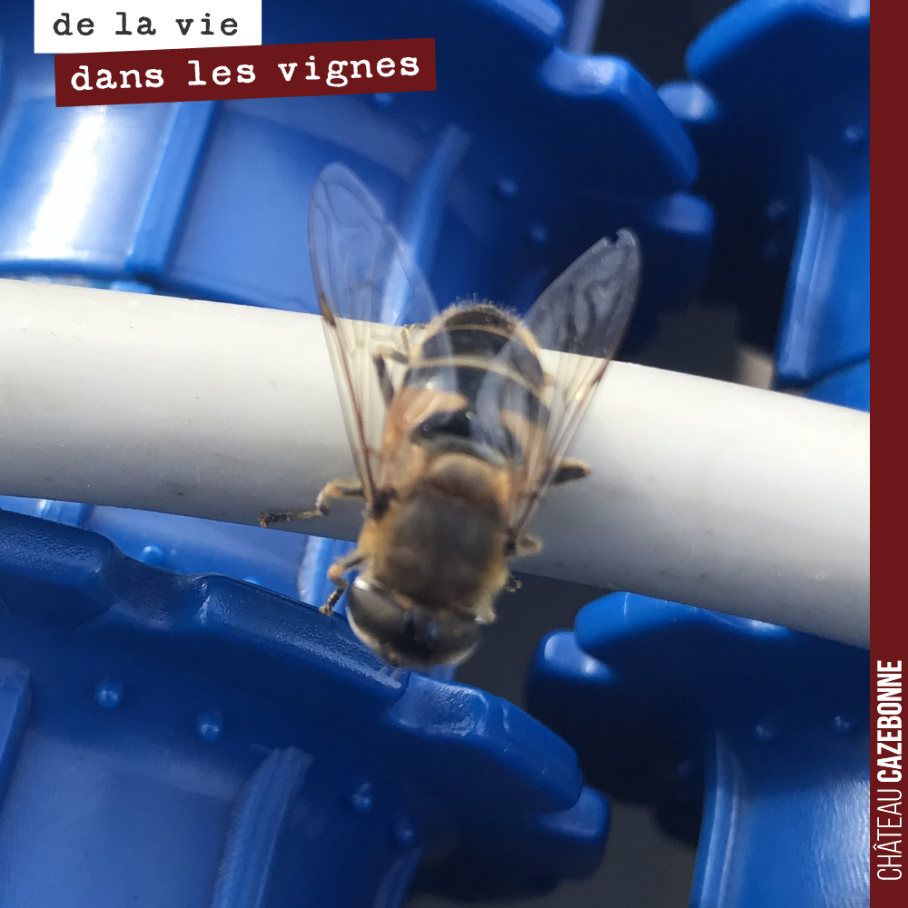
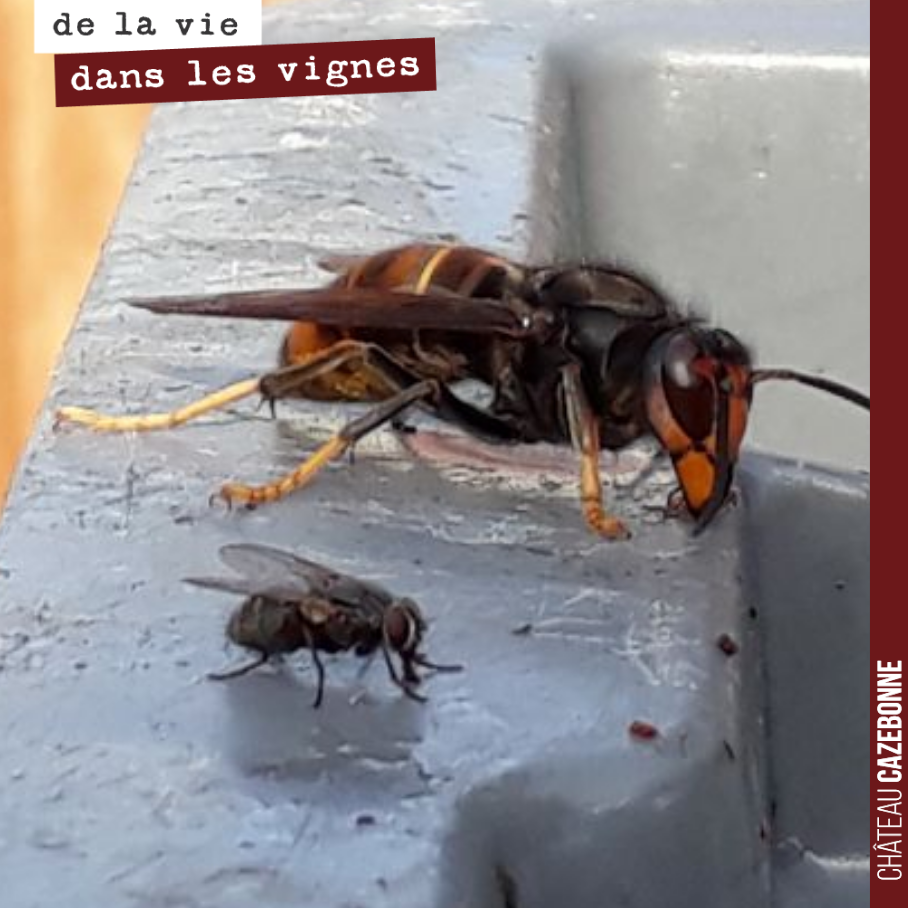
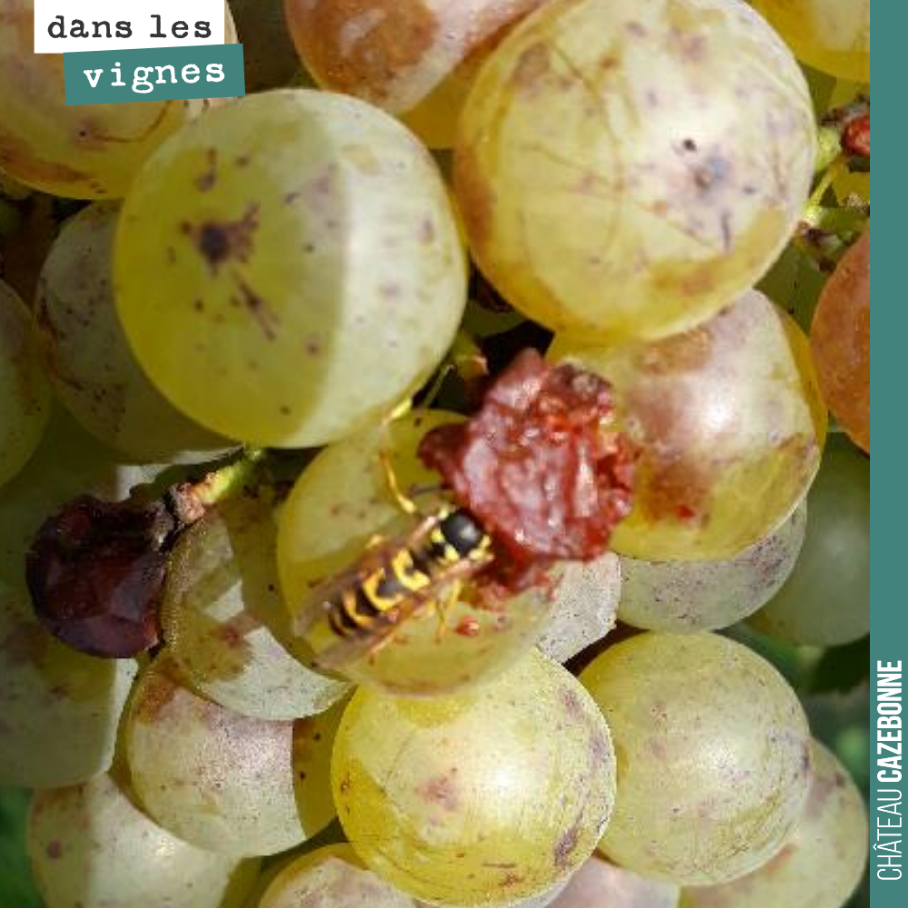
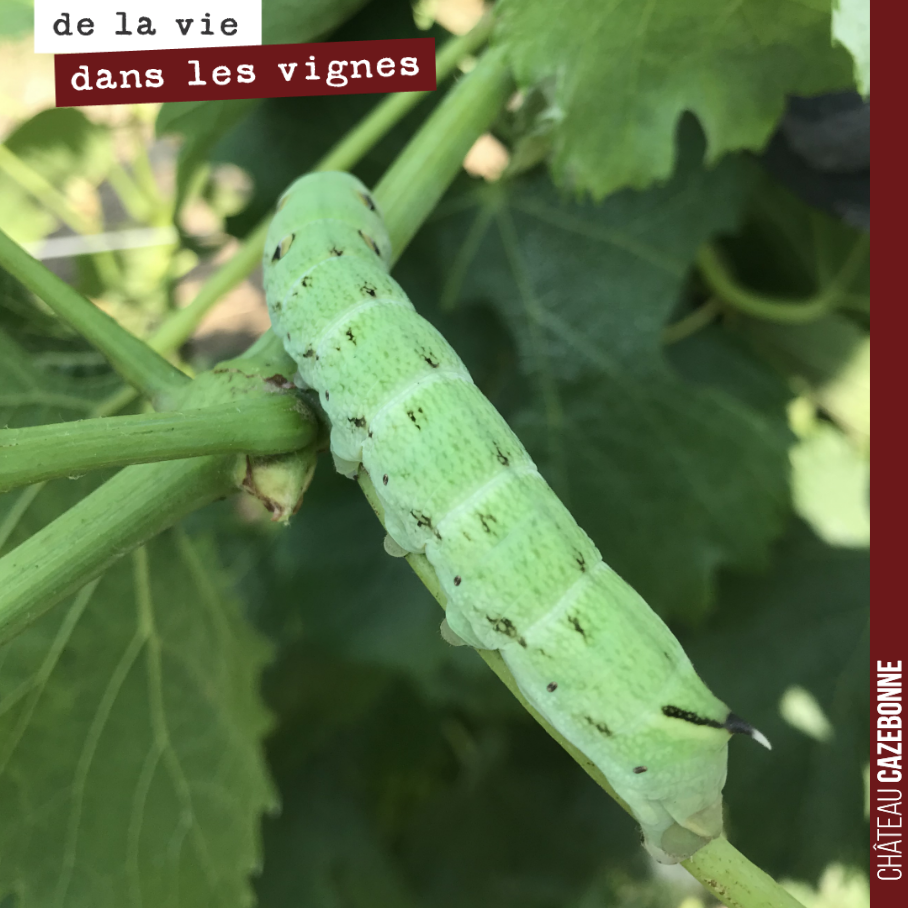
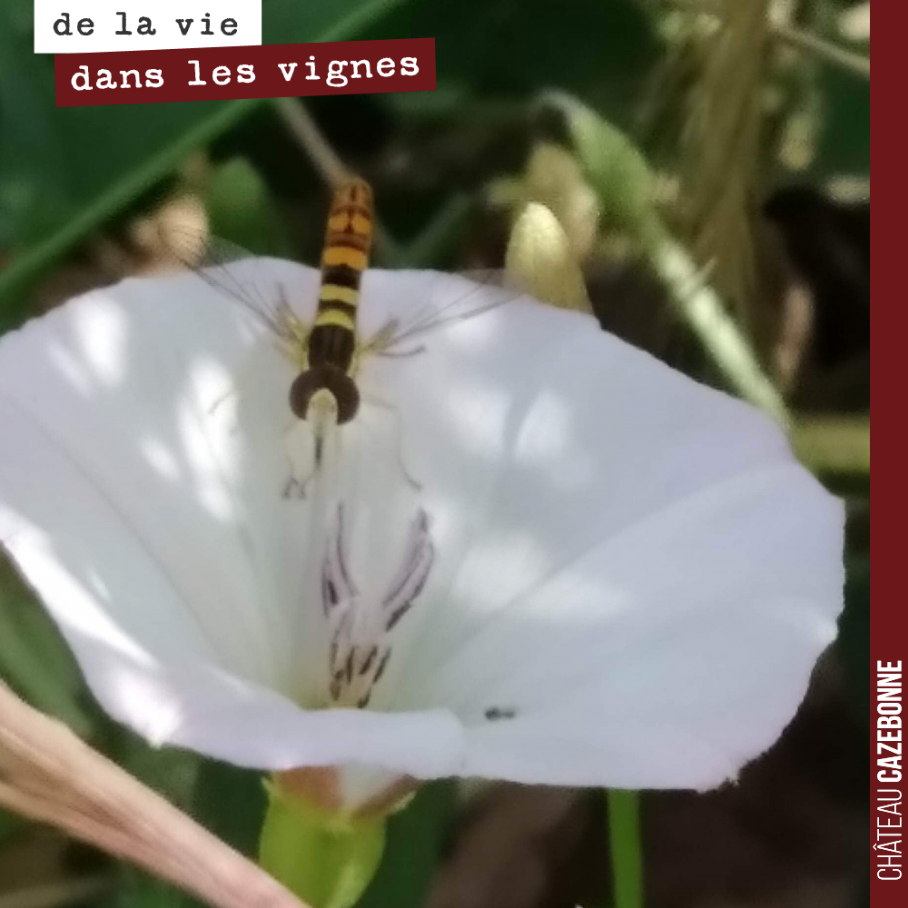
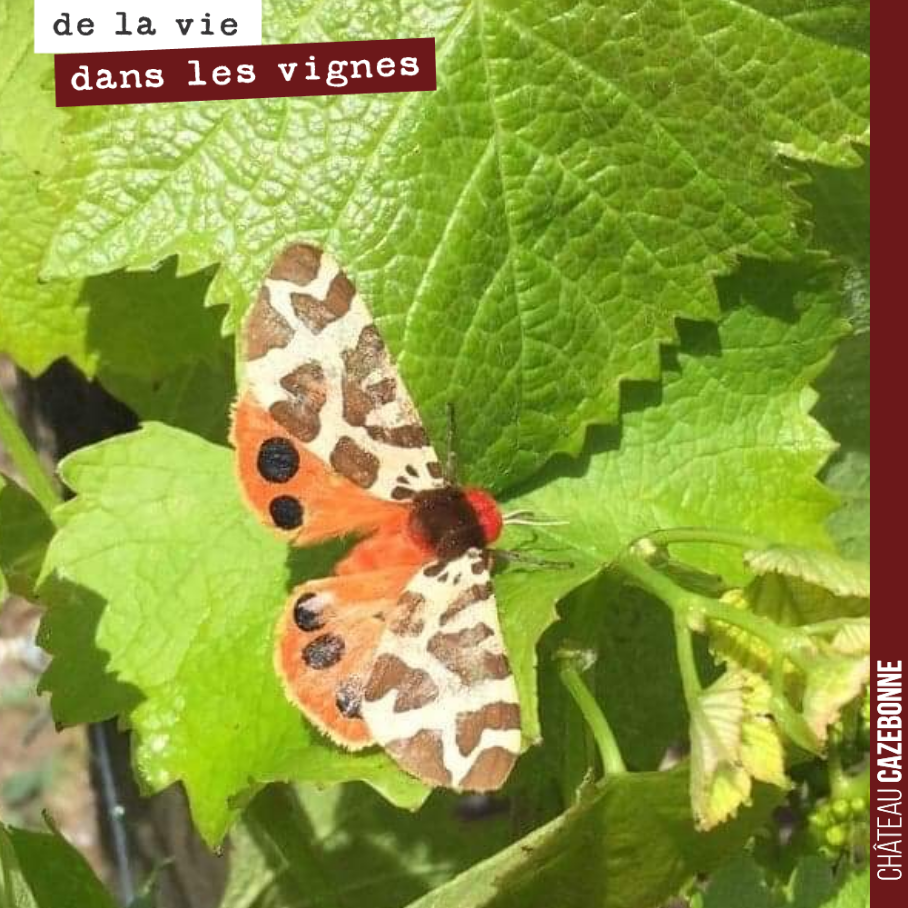
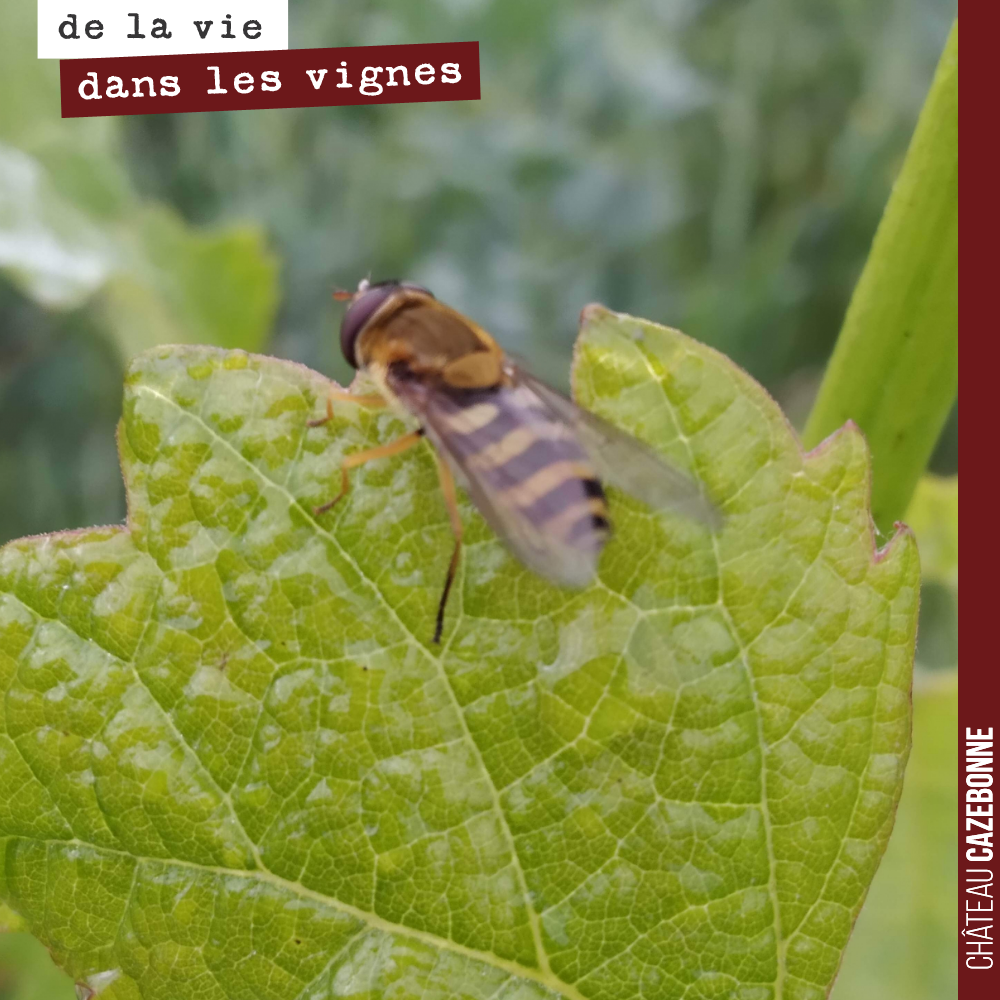
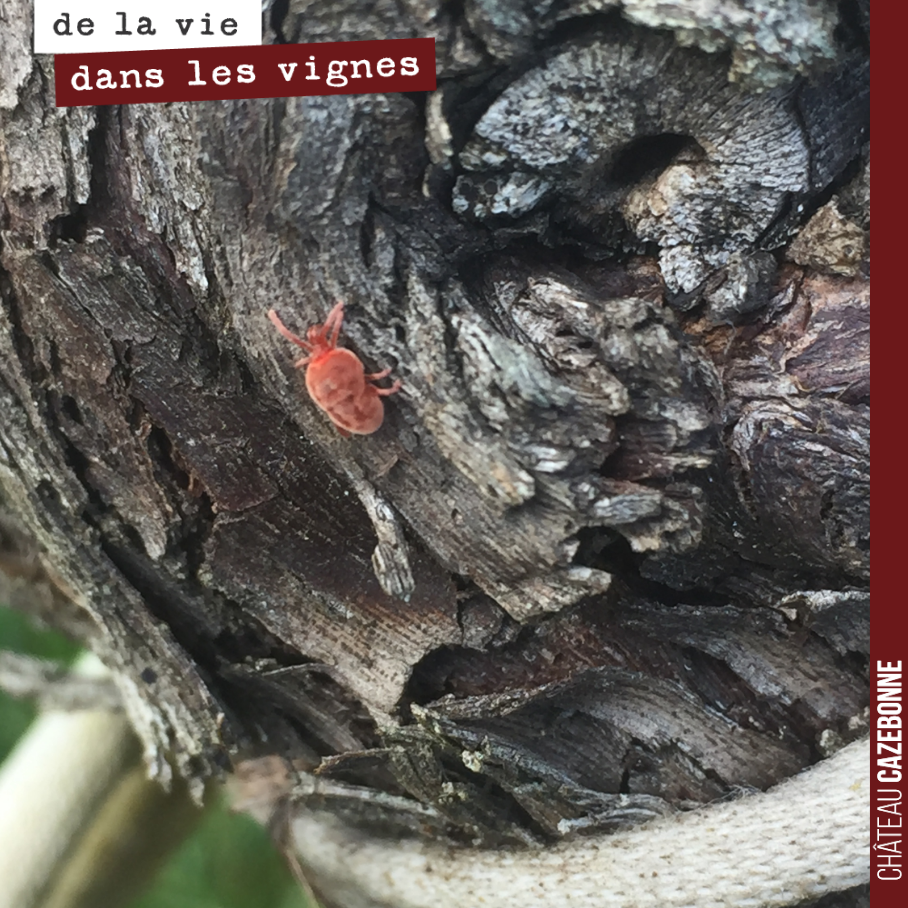
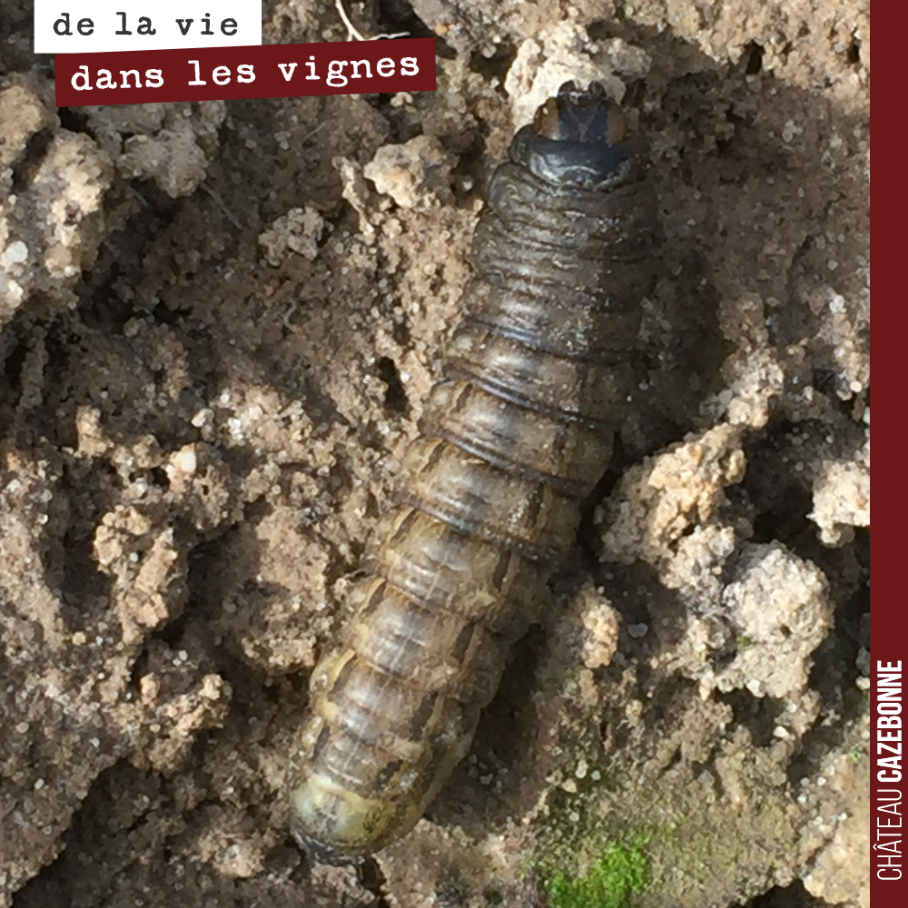
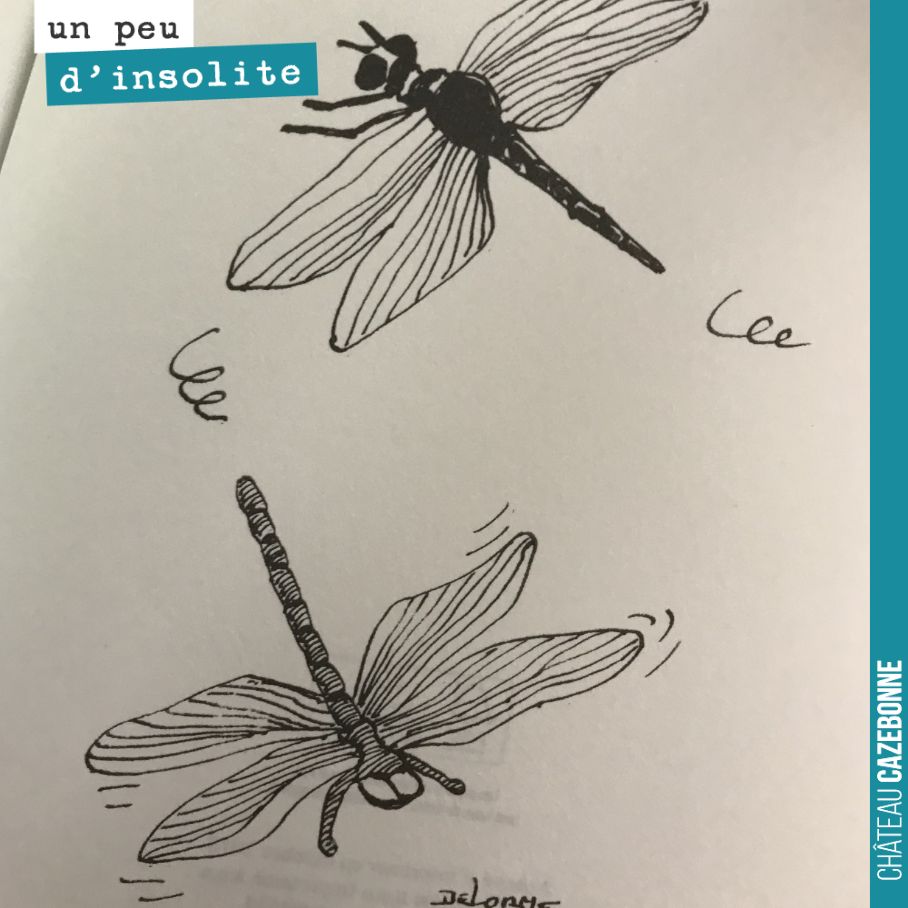
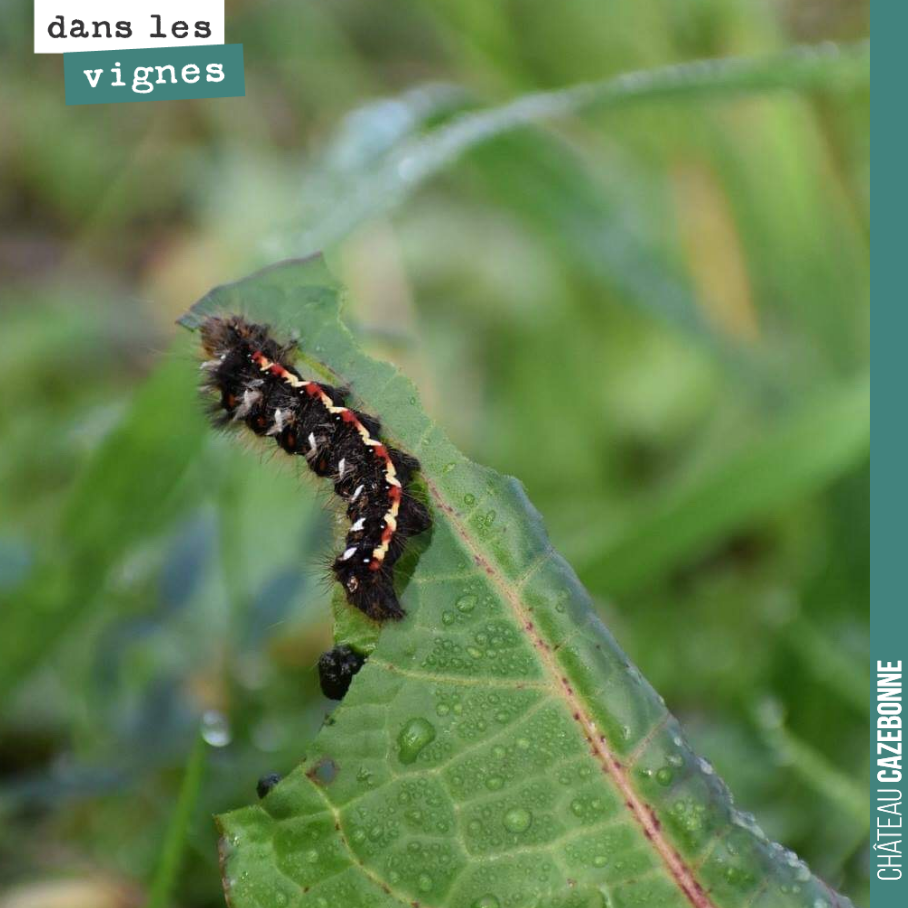
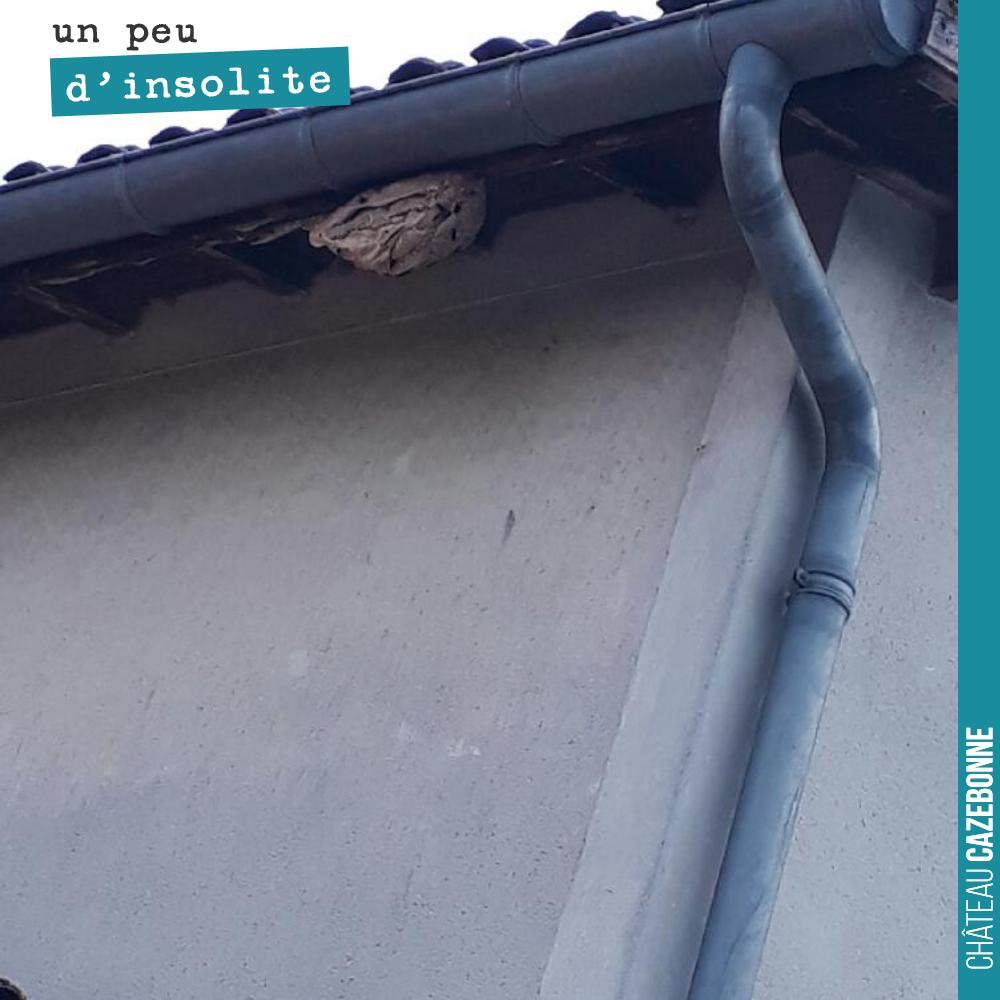
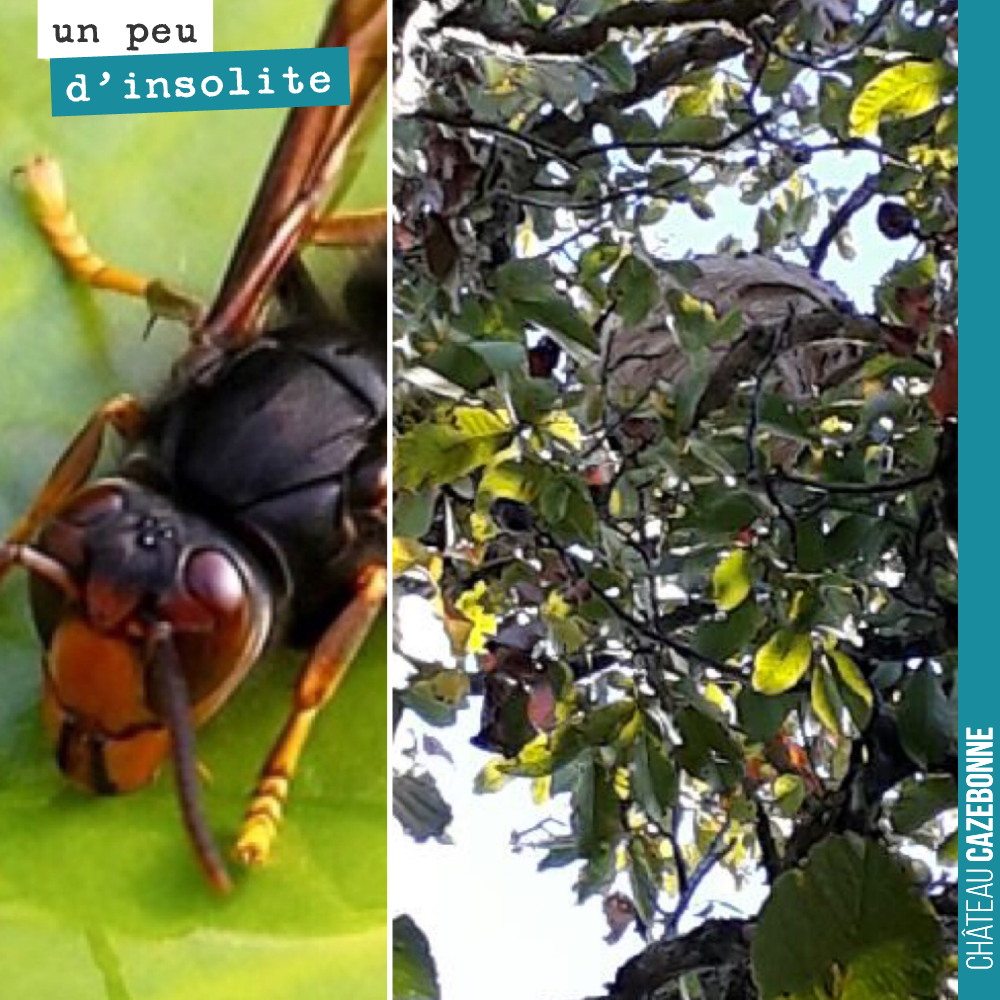
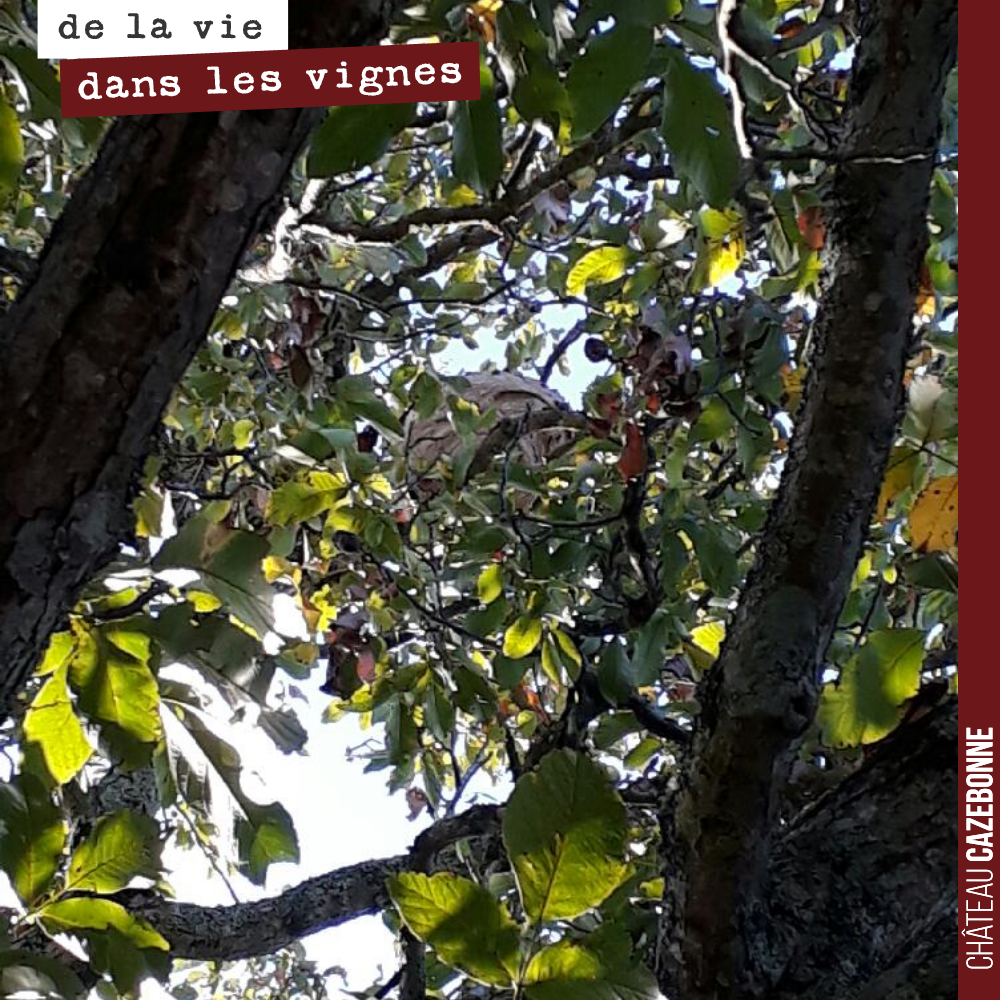
Conversely, certain insects such as leafhoppers (Cicadellidae) can pose challenges. Small jumping insects, often green or brown in colour, these are vectors of diseases, notably flavescence dorée (understanding the stakes of flavescence). Damage to the vine manifests itself through yellowing leaves, stunting of the shoots, and an alteration in the quality of the grapes. Among the challenges are also red spider mites, actually mites, which can cause yellowing and drying of the foliage, especially during periods of drought. Their cycle includes a larval and adult stage that feed on the plant's sap. Meanwhile, the hornet, whether European or Asian, represents a threat to bees and general biodiversity, demanding specific management to protect our apiaries and ecological balance. Careful monitoring and adapted cultivation practices, favouring their natural predators like hoverflies, are used at Cazebonne to contain these populations without resorting to drastic solutions. The Cazebonne vineyards also shelter numerous caterpillars, some being veritable pests to leaves and buds, requiring careful surveillance from our teams. As for vineyard ants, although they are often trivialised, they can have a significant impact on pollination and soil health.
At Château Cazebonne, our commitment goes beyond the simple production of wine. We strive to restore a living heritage, to resurrect the forgotten grape varieties of Bordeaux that had disappeared from viticultural landscapes, threatened by various diseases and market developments (Jean-Baptiste Duquesne, "Bordeaux, une histoire de cépages"). This passionate work of rehabilitation and conservation is made possible thanks to the unwavering support of the numerous enthusiasts who have adopted our wines and share our vision of respectful, sustainable viticulture intrinsically linked to the richness of its ecosystem. If you wish to learn more about this unique approach, we invite you to download the digital version of the book "Bordeaux, une histoire de cépages" or to test your knowledge about wine and our region. To discover the expression of our terroirs and our philosophy, discover the Cazebonne boutique.
Sources
Our suggestions
-5%on your 1st order with code BIENVENUE
The essential6 bottles — Graves red 2022
The best price of the cellar: €12 per bottle delivered.
The everyday red: generous and straight to the point.
I want it Our recommendation92/100 RVF
6 bottles — Graves red 2022, 92/100 RVF
Rated 92/100 by La Revue du vin de France: a solid 10-year ageing potential.
Our Graves for ageing, the finest gateway to the estate.
I want it Go further
12 bottles — the whole range
12 bottles, the whole range tasted: the best discovery-to-price ratio.
The complete tour of the estate, in a single case.
I want it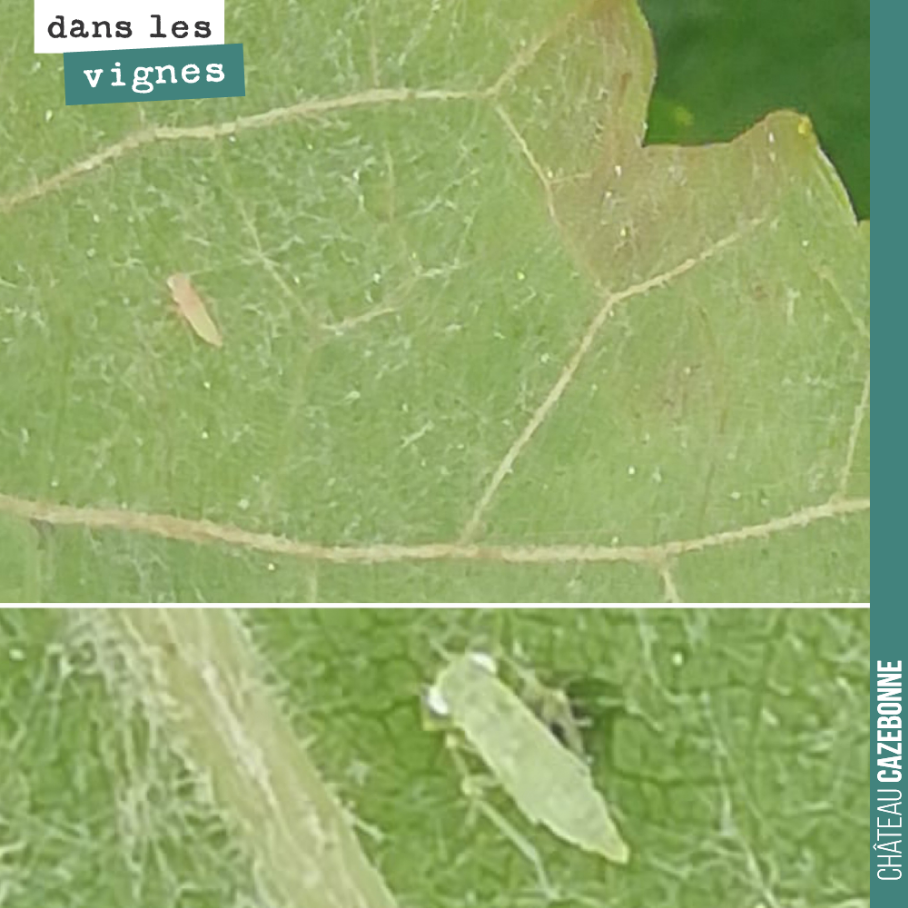
25 July 2021
23 July 2021
16 June 2021
27 May 2021
24 November 2020
01 November 2020
12 October 2020
22 June 2020
30 April 2020
14 March 2020
31 October 2019
13 October 2019
30 August 2019
25 August 2019
21 August 2019
18 August 2019

09 August 2019
26 July 2019
25 July 2019
05 July 2019
28 June 2019
27 June 2019
26 June 2019
22 June 2019
19 June 2019
18 June 2019
12 June 2019
10 June 2019

02 June 2019
15 May 2019
10 March 2019
08 March 2019
07 March 2019
03 March 2019
02 March 2019
28 February 2019
27 February 2019
18 February 2019
16 February 2019
10 February 2019
10 February 2019
25 January 2019
24 January 2019
19 January 2019
28 December 2018
13 December 2018
03 December 2018
22 November 2018
12 October 2018
18 September 2018
11 September 2018
23 August 2018
22 June 2018
The cellar, forgotten grape varieties and our cuvées, twice a month. 5% off your first order with the code BIENVENUE.