
 The essential
6 × Entre Amis red
6 bottles — Graves red 2022
The best price of the cellar: €12 per bottle delivered.
The everyday red: generous and straight to the point.
I want itSunrise
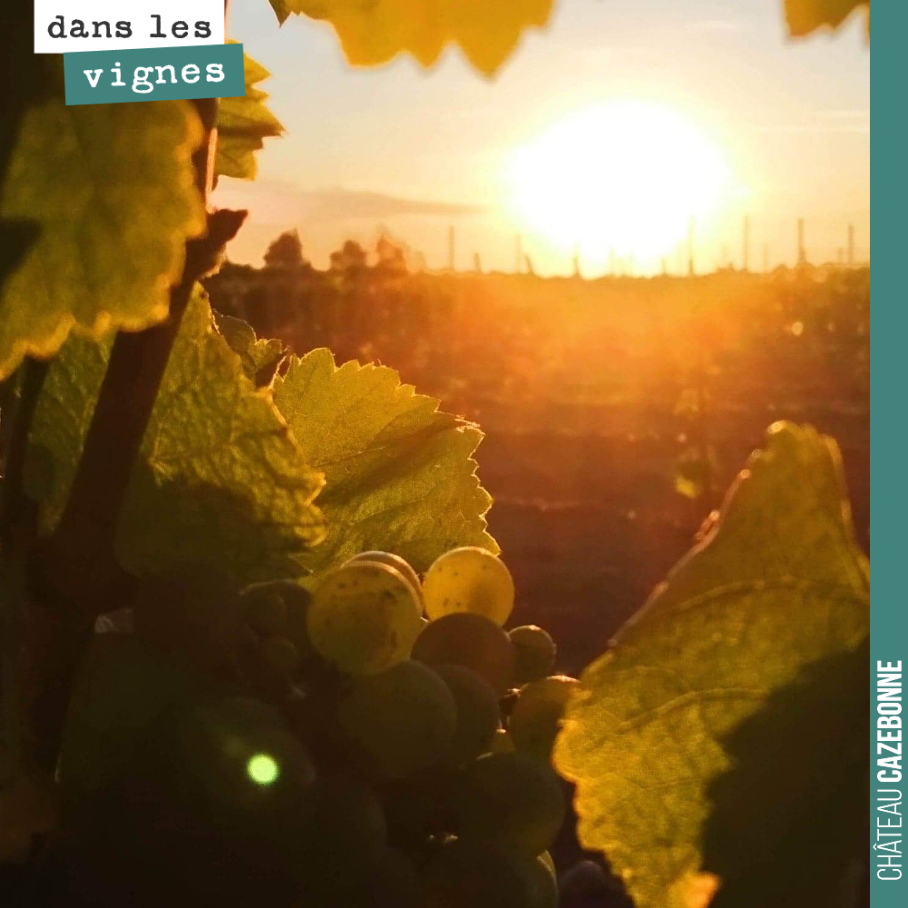
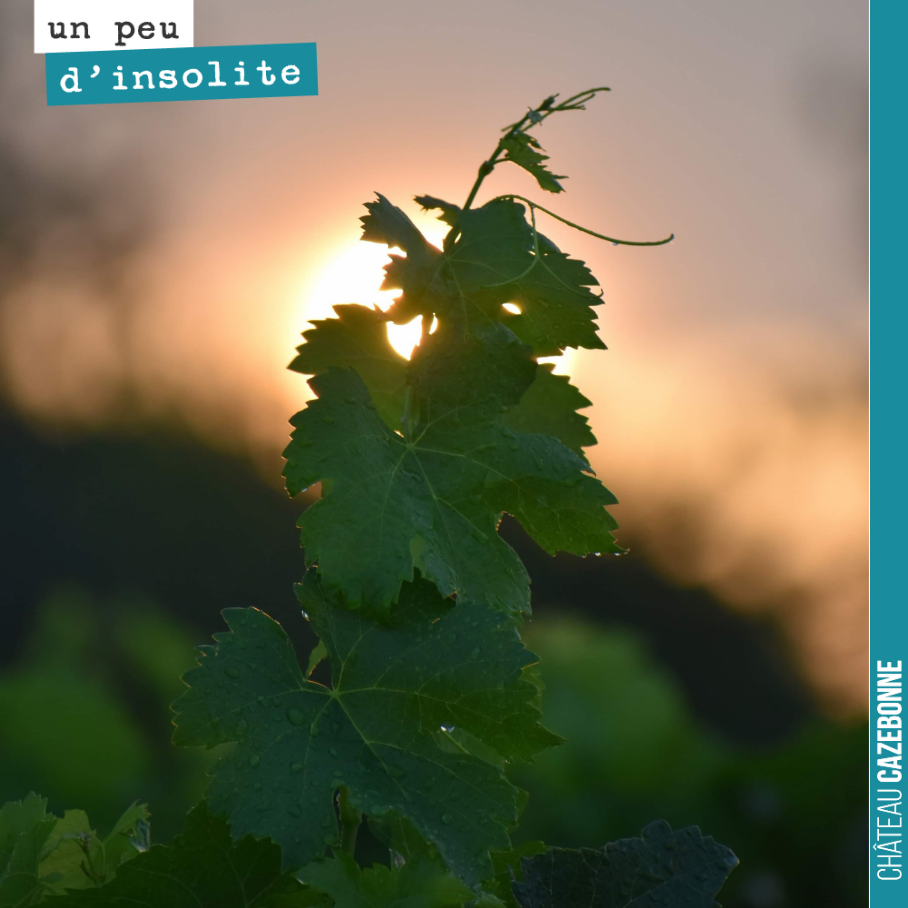
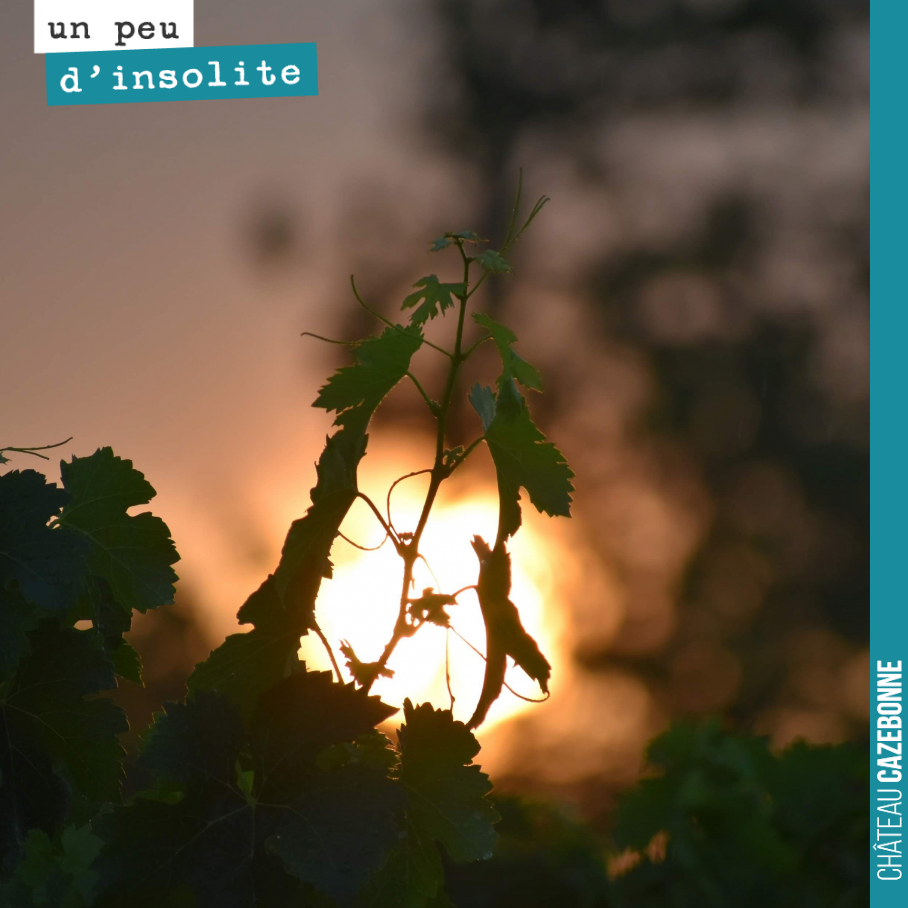
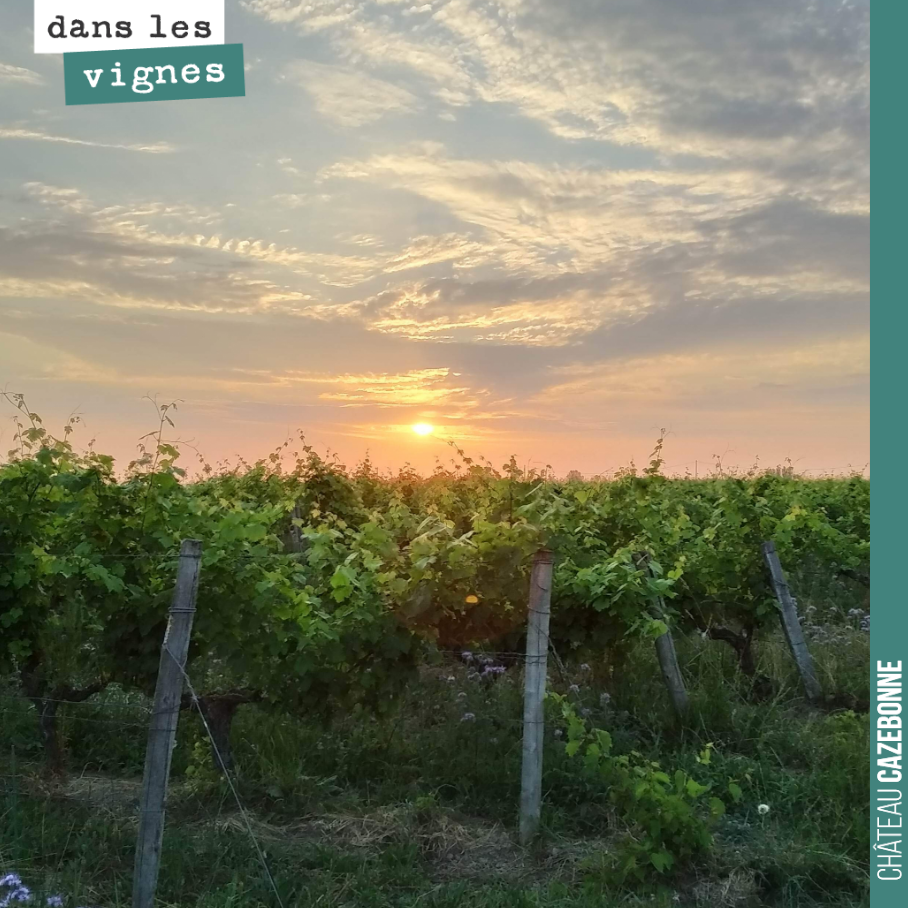
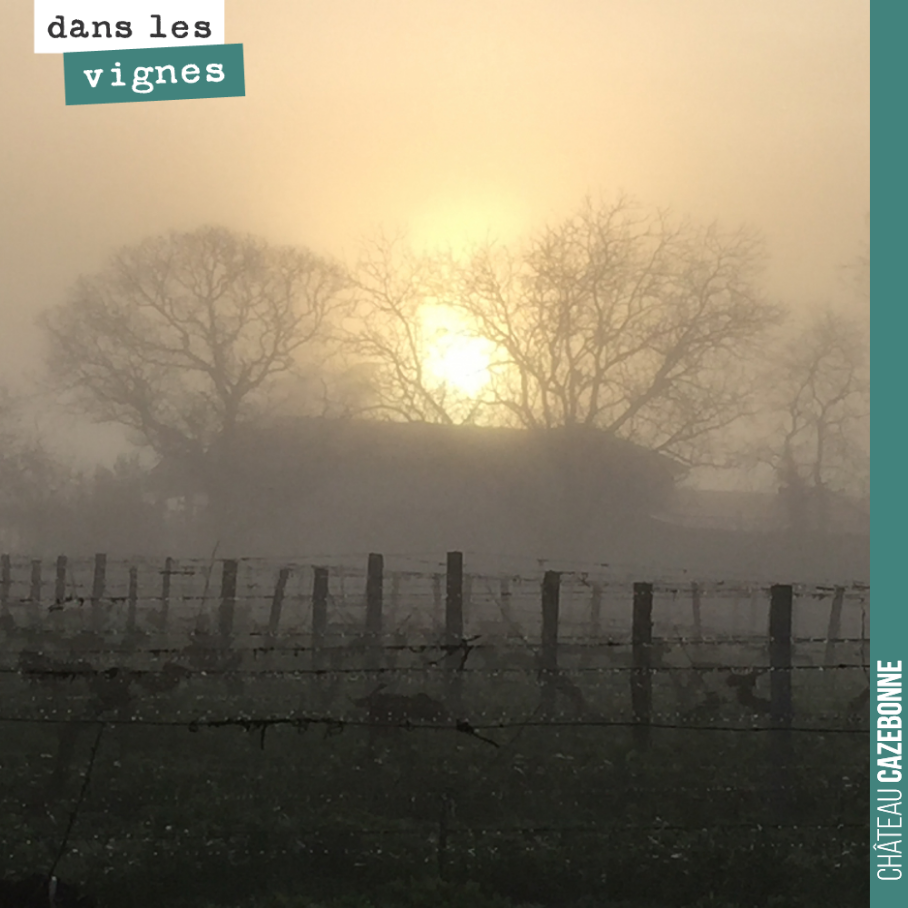
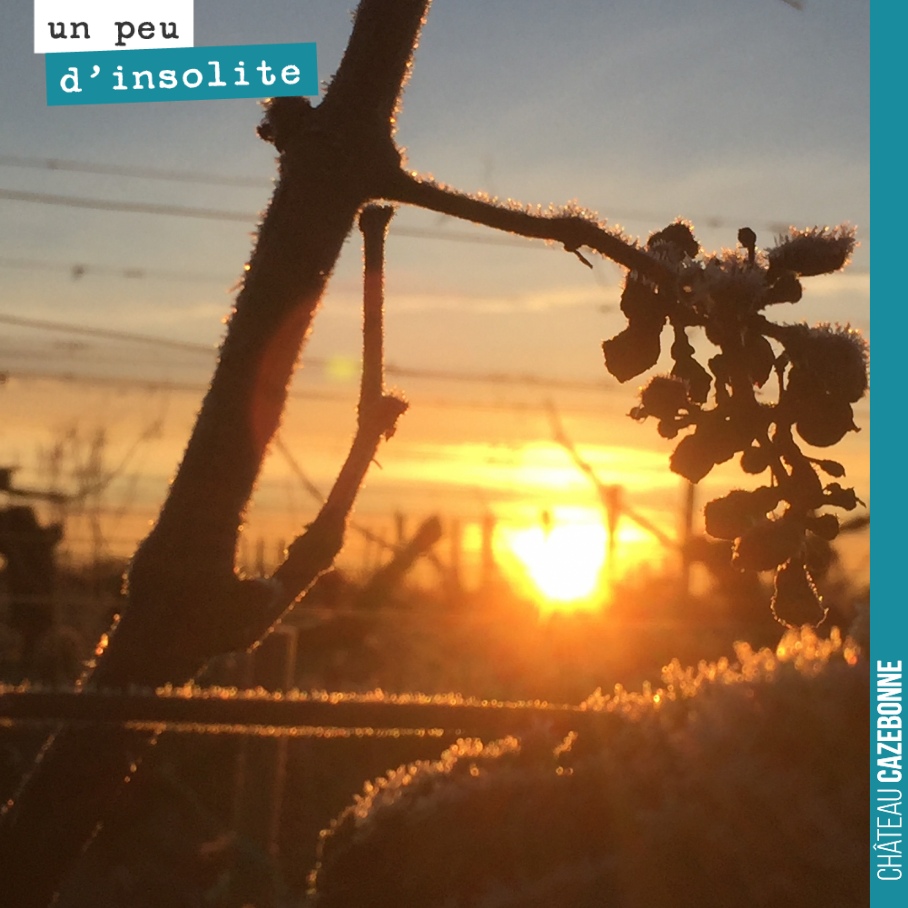
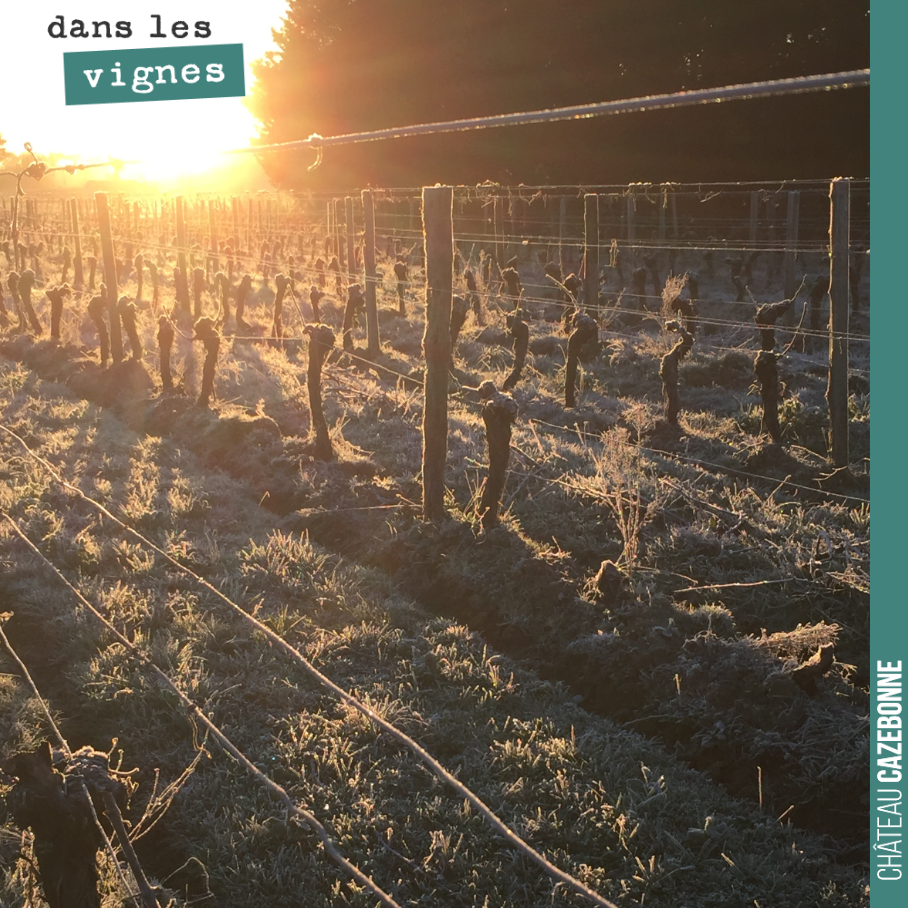
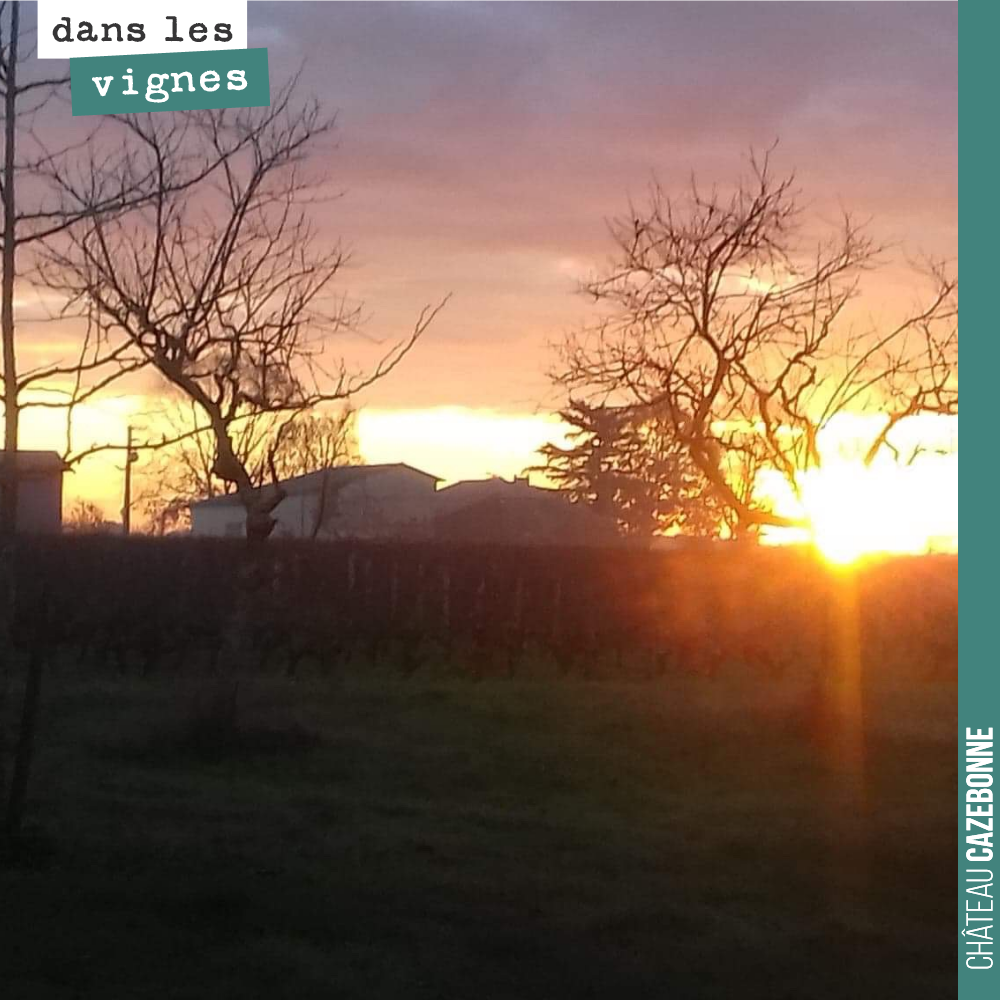
At Château Cazebonne, every sunrise in the vineyards is a renewed spectacle, a moment of grace marking the awakening of a new day. The first gleams of dawn, filtering through the still-slumbering rows of vines, transform the landscape, revealing unexpected shades of colour. This special atmosphere, imbued with calm and serenity, offers a unique moment to observe nature gently waking up before the hustle and bustle of the day.
These magical moments, when dew beads on the leaves and bunches, are much more than a simple picturesque scene. They reveal the vitality of our terroir and the constant interaction between the elements. The rising sun is not merely a source of light; it signals the start of photosynthesis, a vital process for the vine that converts solar energy into sugars essential for the ripening of the grapes. To observe this phenomenon from dawn is to understand the fundamental importance of our star to the plant's life cycle.
According to Jean-Baptiste Duquesne, author of "Bordeaux, une histoire de cépages", morning sunshine plays a crucial role in the aromatic development of the berries. The early hours of the day, characterised by soft light and still-moderate temperatures, allow for slow and harmonious ripening, fostering the creation of complex and subtle aromatic profiles. This is why, at Château Cazebonne, we attach particular importance to the exposure of our plots, seeking to optimise every ray of sunshine to reveal the best of our grape varieties.
These sunrises are also an invitation to contemplation, patience, and respect for the long term, values deeply rooted in the philosophy of Château Cazebonne. They remind us that nature works at its own pace, and that our role as winegrowers is to accompany this cycle with humility and expertise. It is by embracing this dynamic that we have been able to carry out our unique project: the reintroduction in Bordeaux of forgotten grape varieties, those varieties which once created the wealth and diversity of our vineyard, but which had disappeared over time. This pioneering work, this quest for a more resilient and diverse Bordeaux, is made possible by the unwavering support of the many wine lovers who have embraced our wines and our approach. You too can discover and support our wines by visiting the Cazebonne shop. To deepen your knowledge of our region's wine history and the grape varieties that shape it, we invite you to receive the digital version of the book "Bordeaux, une histoire de cépages" published by Éditions BBD, written by Jean-Baptiste Duquesne.
Sunrise, that moment when day drives away the darkness, is a daily phenomenon of paramount importance for the vine. Far beyond its aesthetic appeal, the morning dawn triggers essential biological processes that directly influence the plant's growth and the future quality of the grapes. It is a transitional period when light and heat, although gentle, initiate the vine's physiological day. Understanding these mechanisms allows us to fully appreciate the impact of this natural spectacle on the aromatic complexity and structure of our wines.
From the very first rays of light, the vine begins its process of photosynthesis. Chlorophyll, the green pigment in the leaves, captures solar energy to convert carbon dioxide and water into sugars, a source of energy and raw material for the plant. The intensity and quality of this morning light are crucial. A soft light promotes progressive photosynthesis, without intense water or heat stress, allowing the vine to metabolise sugars optimally. This period notably influences the synthesis of aromatic precursors and polyphenols, essential to the colour, taste, and ageing potential of the wine. It is a factor that greatly contributes to the wine's vitality. The cool temperatures of dawn, for their part, limit excessive evapotranspiration, allowing the vine to retain its water and avoid stress linked to excessive heat right from the start of the day. A close link can be observed with the phenomenon of morning fog, which can modulate the duration of this gentle sunshine.
The influence of sunrise varies considerably with the seasons. In spring, the days lengthen and morning sunshine stimulates bud burst and then flowering, decisive stages for yield and fruit set. In summer, sunrises are more intense and longer, promoting veraison and the accumulation of sugars in the berries. These first rays of summer are essential signals for the ripening of the grape bunches. In autumn, the gradual decrease in sunshine and morning temperatures slows down photosynthesis, aiding phenolic ripening and the concentration of aromas, thus preparing the berries for the harvest. Even in winter, although the vine is dormant, the light of the sunrise plays an indirect role by influencing the soil climate and the preparation of the future cycle.
Dew, visible at sunrise, is a tangible sign of nocturnal freshness and atmospheric humidity. It provides superficial hydration and moderates the morning temperature rise, creating a favourable microclimate. Dewdrops also act as prisms, refracting light and increasing the efficiency of photosynthesis in the early hours.
Gentle exposure to morning rays is beneficial for the development of primary and secondary aromas. Anthocyanins, responsible for the colour of red grapes, also benefit from these conditions. Good morning sunshine, without being excessive, allows for balanced development and increased aromatic complexity, as Jean-Baptiste Duquesne highlights in his book.
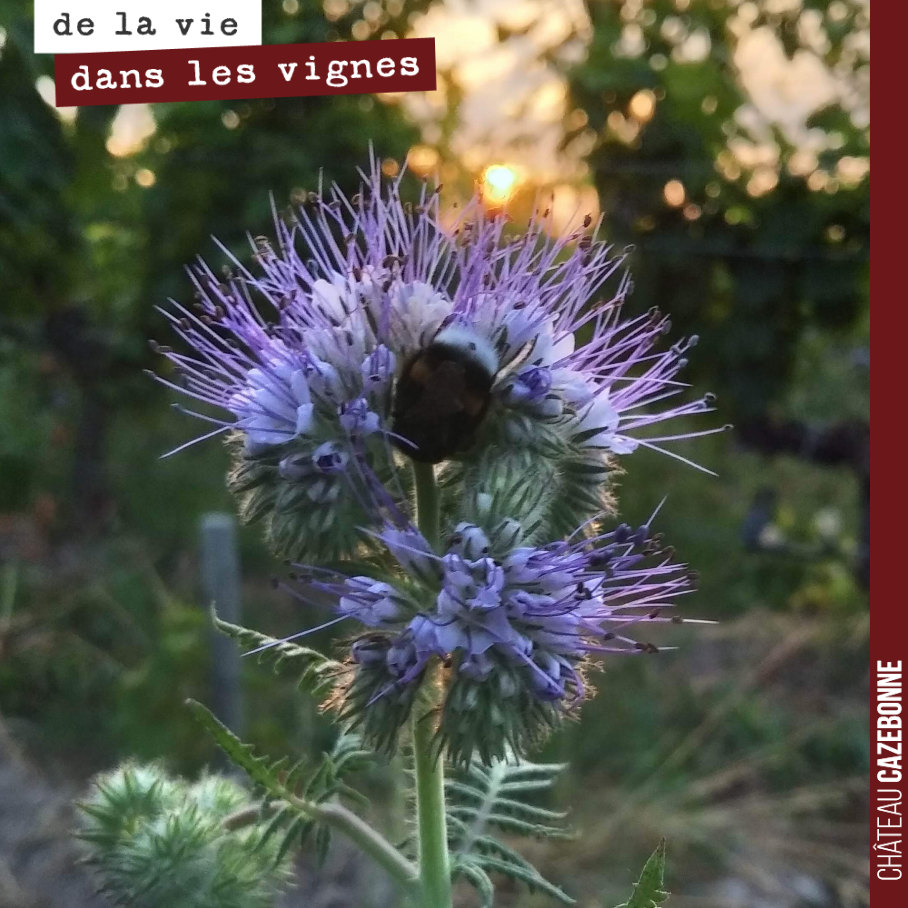
At Château Cazebonne, we pay close attention to sunrises and their impact on our plots. The orientation of our vine rows is designed to optimise morning exposure, allowing the vines to best capture the essential first rays. We favour cultivation methods, such as biodynamics, that strengthen the vine's natural ability to use this solar energy and adapt to climatic variations. This respect for natural rhythms, from light to earth, is at the heart of our approach to producing wines that best express the typicality of our terroir. An approach that also promotes biodiversity in our vineyards.
It is sometimes commonly accepted that the more sun the vine receives, the better. However, morning sunshine, with its softness and diffused light, is qualitatively different from midday sunshine, which is often more intense and potentially stressful for the plant. Excessive exposure in the middle of the day can lead to sunburn on the berries and an imbalance in ripening, whereas the first light of day promotes slow and harmonious ripening without these drawbacks. Winegrowers like those at Château Cazebonne thus seek to optimise the quality of the sunshine rather than just its quantity, to obtain the best possible grapes.
Château Cazebonne is committed to preserving and enhancing these natural cycles. Our pioneering work for the reintroduction of disappeared grape varieties in Bordeaux is made possible by the support of wine lovers who have embraced our wines and our approach. To deepen your knowledge of our region's wine history and the grape varieties that shape it, we invite you to download the digital version of the book "Bordeaux, une histoire de cépages". Feel free to test your knowledge about wine and viticulture, and of course, to discover our wines online, and for an unforgettable experience, succumb to the magic of a sunset over our vines.
Sources
Our suggestions
-5%on your 1st order with code BIENVENUE
The essential6 bottles — Graves red 2022
The best price of the cellar: €12 per bottle delivered.
The everyday red: generous and straight to the point.
I want it Our recommendation92/100 RVF
6 bottles — Graves red 2022, 92/100 RVF
Rated 92/100 by La Revue du vin de France: a solid 10-year ageing potential.
Our Graves for ageing, the finest gateway to the estate.
I want it Go further
12 bottles — the whole range
12 bottles, the whole range tasted: the best discovery-to-price ratio.
The complete tour of the estate, in a single case.
I want it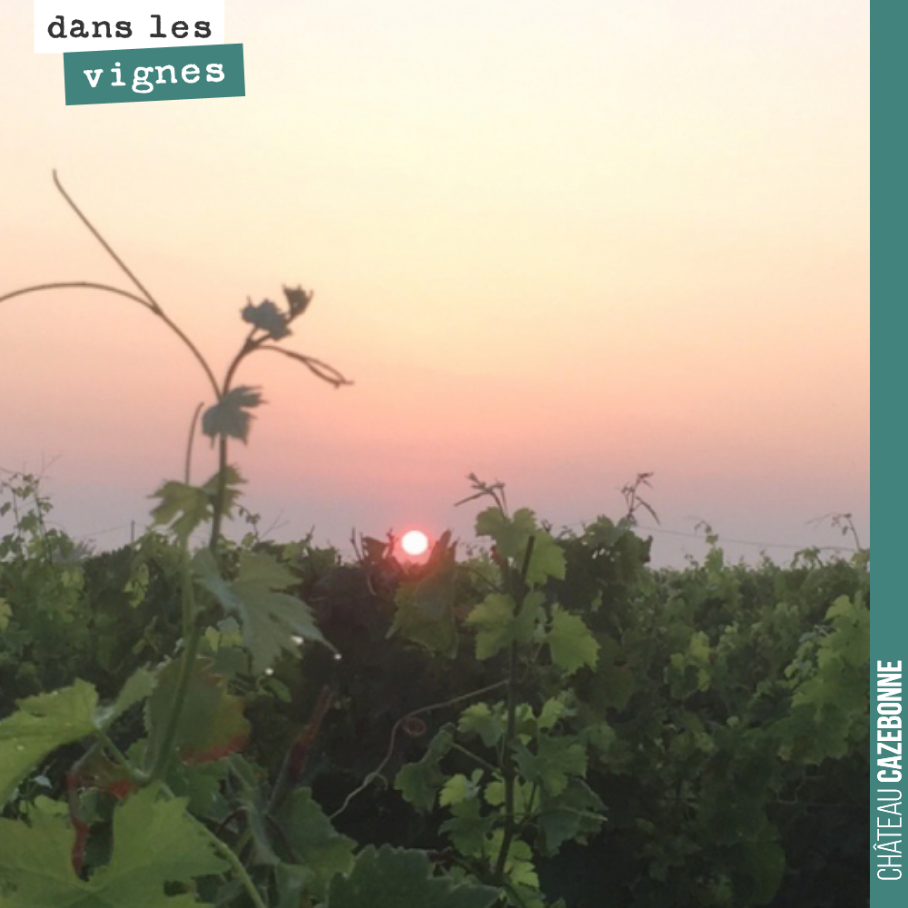
24 July 2021
18 January 2020
17 August 2019
16 August 2019
15 August 2019
13 August 2019
08 July 2019
06 July 2019
15 February 2019

07 February 2019
06 February 2019
05 February 2019
11 January 2019
07 January 2019
23 November 2018
14 July 2018
12 July 2018
The cellar, forgotten grape varieties and our cuvées, twice a month. 5% off your first order with the code BIENVENUE.