
 The essential
6 × Entre Amis red
6 bottles — Graves red 2022
The best price of the cellar: €12 per bottle delivered.
The everyday red: generous and straight to the point.
I want itFog
The fog enveloping our plots in a milky veil in the early morning offers breathtakingly beautiful landscapes. These images, often associated with the tranquillity of the vineyards, are not merely aesthetic. They are the sign of a humid atmosphere, sometimes conducive to the vine's development, but requiring special vigilance from the winegrower.
Fog, this cottony blanket that appears in the early morning, is a prominent player in the Bordeaux viticultural ecosystem. Sometimes mysterious, often soothing, it plays a complex role. In autumn, it can be an unexpected ally by regulating temperatures. Its presence acts as a cover, protecting the vine from early frosts that could damage the buds and young shoots. This ambient humidity is also essential for the development of "noble rot" (Botrytis cinerea), a fungus that, under specific conditions, concentrates the sugars and aromas of the grapes, giving rise to exceptional sweet wines, even if this phenomenon is more emblematic of the Sauternais than of our Médoc plots.
However, fog can also turn into a challenge. If it lingers, especially when accompanied by mild temperatures, it creates an environment conducive to the development of cryptogamic diseases, such as downy mildew or powdery mildew. This is why every foggy sunrise is a signal for heightened vigilance at Château Cazebonne, prompting us to make rigorous observations and, if necessary, targeted interventions to preserve the health of our grapes. Jean-Baptiste Duquesne, in his book "Bordeaux, une histoire de cépages", highlights the importance of microclimatic phenomena in the region. The influence of the Garonne and Dordogne rivers is predominant in the formation of these fog banks. These local variations can create very specific conditions from one plot to another, influencing the ripening of the grapes and, ultimately, the aromatic profile of the wines. Understanding these subtleties is an art in itself.
At Château Cazebonne, we approach the fog with respect and caution. Rather than enduring it, we observe it, analyse it, and anticipate its effects. It is one of the many challenges that forge our expertise on a daily basis. This intimate and complex relationship with the weather in the vineyards pushes us to constant adaptation, seeking the perfect balance between the expression of the terroir and climatic demands.
It is thanks to this detailed understanding of our environment and an unwavering passion that we have been able to undertake a unique project: the reintroduction of forgotten grape varieties to Bordeaux. These varieties, which once made the wealth and diversity of our vineyard, are today at the heart of our approach for a more resilient and diverse Bordeaux. This pioneering work is made possible by the unfailing support of the many wine lovers who have adopted our wines and our approach. You too can discover and support our cuvées by visiting the Cazebonne shop. To deepen your knowledge of our region's viticultural history and the grape varieties that shape it, we invite you to receive the digital version of the book "Bordeaux, une histoire de cépages" published by Éditions BBD, written by Jean-Baptiste Duquesne.
Fog in the vineyards is a meteorological phenomenon characterised by the presence of fine water droplets suspended in the air, reducing visibility to less than a kilometre. It forms when moist air cools to its dew point, often at sunrise after a clear night. This ambient humidity is a key factor having a significant impact on the vine and the wine, both positive and negative.
The formation of fog is closely linked to the topography and proximity of bodies of water, such as the rivers and estuaries of the Bordeaux region (Garonne, Dordogne, Gironde). Warm, moist air rises along these waterways, then cools upon contact with colder air aloft or the ground cooled during the night. When this condensation occurs near the ground, it gives rise to fog. The presence of the vine itself, with its large leaf surface area, can also encourage local condensation. The weather in the vineyards plays a crucial role in this process.
Fog is a frequent visitor to Bordeaux vineyards, especially during autumn and spring. In autumn, it is often associated with the cool, sunny mornings that follow, promoting "noble rot" for sweet wines. In spring, before bud break or vine flowering, it can prolong humidity, making the vine vulnerable to other factors. Winter and summer periods see it less frequently, although isolated episodes can occur.
Careful observation of the vines reveals the effects of fog. The leaves and grapes are covered in water droplets, creating a humid microclimate. These conditions, if they persist, can manifest themselves in increased fungal activity or, conversely, a slowing down of excessive evaporation in dry weather. The winegrower observes the persistence of the fog, its movement and the resulting dew, which are valuable indicators of the potential impact on plant health. The presence of dew is notably an often-related phenomenon.
At Château Cazebonne, the management of rain in the vineyards and fog episodes is integrated into our respectful approach to the vine and the terroir. Our biodynamic practices strengthen the vine's natural ability to withstand meteorological challenges, including periods of prolonged fog. We favour precise pruning and leaf removal to optimise the aeration of the bunches, thereby reducing the risk of cryptogamic diseases developing. Our vigilance is constant, relying on the observation of natural cycles and the anticipation of the vine's needs, limiting curative treatments.
Contrary to popular belief, fog is not always harmful. While it can promote certain diseases, it plays an essential role in the water cycle and thermal regulation, protecting the vine from spring frosts or summer heatwaves by reducing water stress. On the other hand, its persistence, combined with mild temperatures, is the riskiest condition for the vine, accentuating the risk of fungal infections. The key lies in understanding its nuances and its interaction with the viticultural environment. Like the wind in the vineyards, or a storm in the vineyards, each meteorological element has its role. It is an important facet of understanding fungi in the vineyards. Hail on the vine, for example, represents a very different challenge.
Château Cazebonne's perseverance in the reintroduction of forgotten grape varieties to Bordeaux is part of this approach of detailed understanding and respect for nature. This precious work is supported by enlightened wine lovers who, by adopting our wines, actively participate in this adventure. To learn more about the fascinating history of our region's grape varieties, we invite you to download our book on the history of Bordeaux grape varieties. Also, do not hesitate to test your knowledge with our oenological quizzes, or come and discover our cuvées by visiting our online shop.
Sources
Our suggestions
-5%on your 1st order with code BIENVENUE
The essential6 bottles — Graves red 2022
The best price of the cellar: €12 per bottle delivered.
The everyday red: generous and straight to the point.
I want it Our recommendation92/100 RVF
6 bottles — Graves red 2022, 92/100 RVF
Rated 92/100 by La Revue du vin de France: a solid 10-year ageing potential.
Our Graves for ageing, the finest gateway to the estate.
I want it Go further
12 bottles — the whole range
12 bottles, the whole range tasted: the best discovery-to-price ratio.
The complete tour of the estate, in a single case.
I want it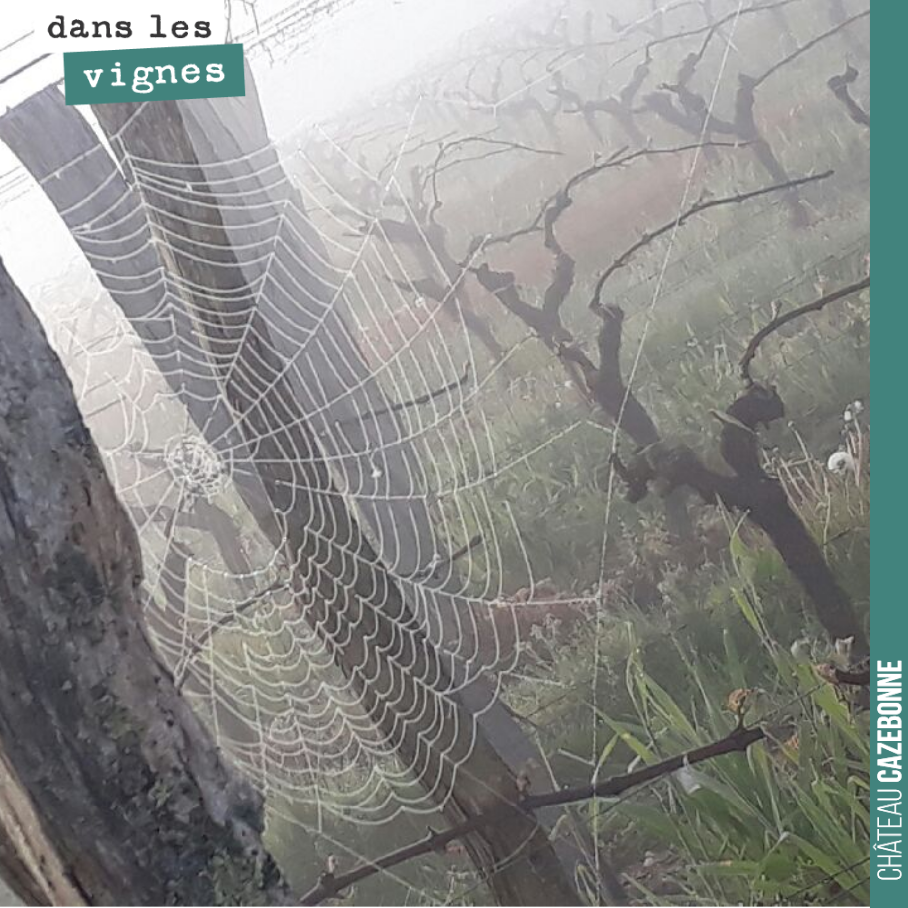
18 April 2019
The cellar, forgotten grape varieties and our cuvées, twice a month. 5% off your first order with the code BIENVENUE.