
 The essential
6 × Entre Amis red
6 bottles — Graves red 2022
The best price of the cellar: €12 per bottle delivered.
The everyday red: generous and straight to the point.
I want itGrass cover
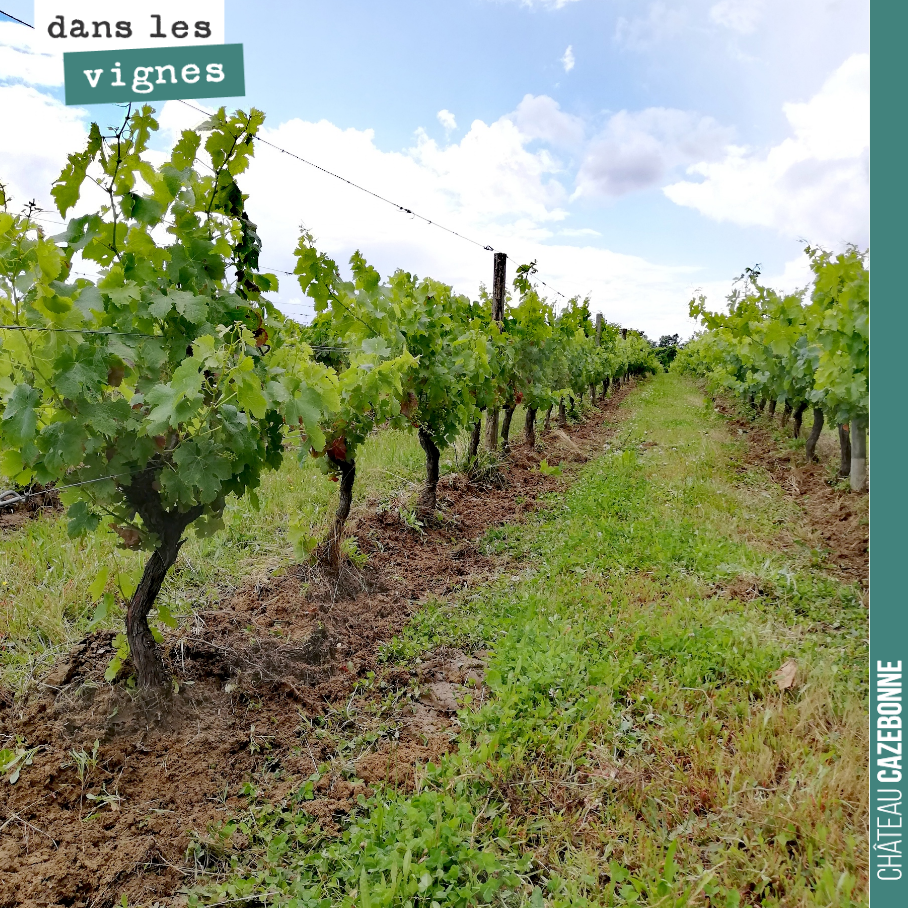
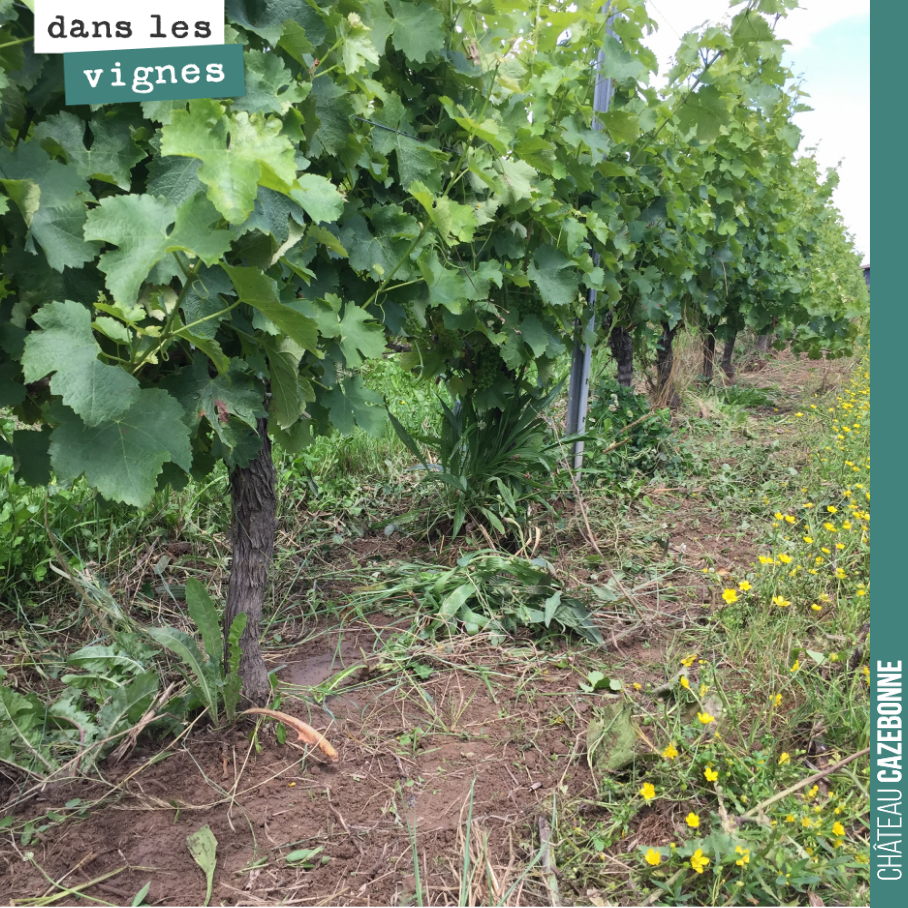
Managing grass cover and cover crops in vineyard plots is a crucial and complex practice. Far from trivial, poorly controlled vegetation cover can have significant consequences on vine health and grape quality, and consequently, on the wine.
One of the major challenges posed by grass cover is competition for soil nutrients. Plants, whether spontaneous or sown, compete directly with the vine for the uptake of essential nutrients such as nitrogen, phosphorus, potassium, and trace elements. This competition can reduce vine vigour, slow its growth, and ultimately decrease the yield and quality of the harvest. Yet a nutrient-balanced soil is essential to allow the vine to express its full potential.
Similarly, water resources are a vital consideration, particularly in regions prone to dry spells. Overly dense grass cover draws heavily on water reserves, depriving the vine of sufficient moisture. The resulting water stress can hinder berry development, delay ripening, and affect the future aromatic balance of the wine. Striking the right balance avoids this competition while preserving the soil microbiome, which is essential to its vitality.
Beyond resource competition, cover cropping is a powerful driver of soil vitality. Well-managed plant cover helps structure the soil, reducing erosion and encouraging water infiltration. It also contributes to building organic matter through plant decomposition and micro-organism activity. This underground biodiversity is key to natural fertility and improved vine resilience in the face of climatic hazards. A living, aerated, and rich soil is the ideal medium for deep root systems capable of expressing all the complexity of the terroir.
At Château Cazebonne, our approach to grass cover is part of a sustainable viticulture philosophy that respects the soil and biodiversity. We favour gentle techniques, tailored to each plot and every need, to manage this plant cover. The goal is to strike a balance, allowing the vine to draw the necessary resources while promoting microbial life in the soil, which is essential to the expression of our Bordeaux terroir.
This meticulous work in managing grass cover is all the more vital as we are committed to reviving Bordeaux's ancestral grape varieties that have vanished from our wine landscapes, as Jean-Baptiste Duquesne explains in his book "Bordeaux, une histoire de cépages". This pursuit of authenticity and diversity is made possible by the trust and support of our many wine lovers who, by choosing our wines, allow us to continue this adventure. We invite you to discover our range of cuvées in the Cazebonne shop. To deepen your knowledge of our viticultural heritage and forgotten grape varieties, you can also obtain the digital version of the book "Bordeaux, une histoire de cépages".
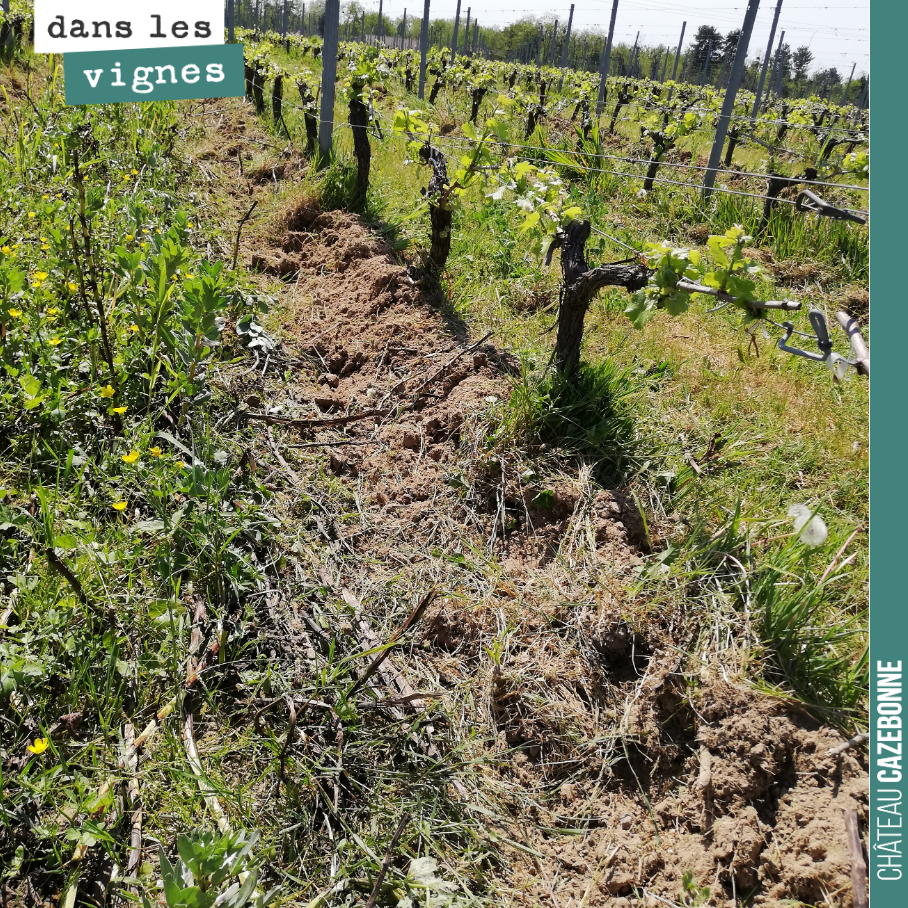
In viticulture, grass cover (or cover cropping) involves maintaining a plant cover, whether spontaneous or sown, between vine rows or under the vine. This technique has become a cornerstone of sustainable and organic viticulture, designed to replace once-pervasive chemical weeding. Far from merely dealing with "weeds", controlled ground cover provides numerous benefits by fostering balance in the vineyard ecosystem and reducing environmental impact. It is a method that respects the natural cycle of the vine and surrounding biodiversity, contributing to the overall health of the vineyard and the quality of the grapes.
The primary agronomic goal of grass cover is twofold: to improve soil structure and fertility while regulating nutrient and water supply to the vine. Through its root system, the plant cover actively helps decompact soils, aerate them, and increase their organic matter content. This results in better rainwater infiltration and a reduction in run-off and erosion, especially on sloped parcels. By tempering excessive vine vigour, cover cropping promotes a better leaf-to-fruit ratio, which can improve berry ripening, sugar concentration, and phenolic maturity, thereby enhancing the future wine's quality. It also aids in temperature regulation within the vineyard microclimate.
The timing of cover cropping is crucial and aligns with the vine's growth cycle. Generally, plant cover is encouraged during autumn and winter to protect the soil against erosion. Vineyard flora also stores nutrients. In spring, before budburst and flowering, careful management is required to avoid excessive competition with the vine, particularly for water and nutrients. At this stage, one may choose to mow or roll the cover crop to partially release these resources. During summer, especially in drought-prone regions, controlling grass cover is essential to limit water competition. In other contexts, summer cover crops can help restrain vine vigour.
Historically, shredding vine prunings after pruning already helped enrich the soil. Today, methods for managing grass cover are varied:
Managing ground cover requires various pieces of equipment, ranging from hand tools to more sophisticated machinery:
Grass cover management is emblematic of the balances and strategies required in sustainable and organic viticulture. While conventional models long relied on complete chemical weed control to eliminate all competition, modern viticulture—especially biodynamics—favours environmentally sound solutions. Maintaining cover crops eliminates the use of herbicides, thereby safeguarding soil flora and fauna as well as water quality. Beyond environmental benefits, it enhances the typicity of wines by fostering terroir expression and long-term vine health. Organic alternatives are now widely embraced, acknowledging both the ecological and qualitative advantages of this practice.
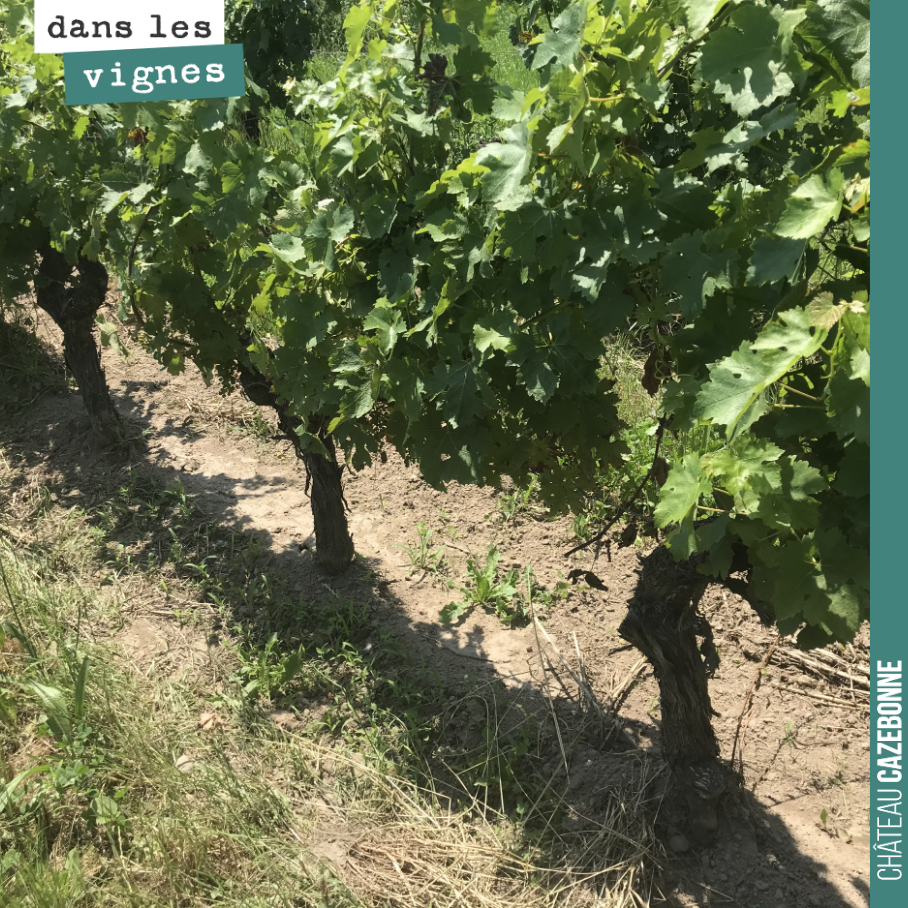
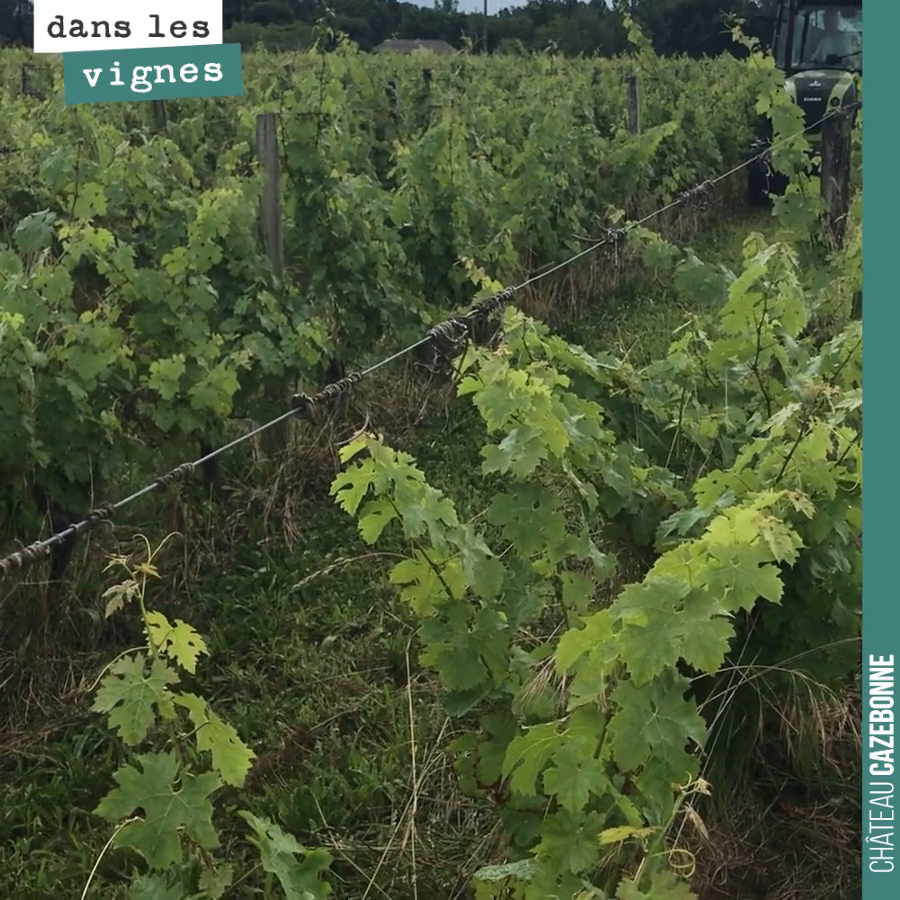
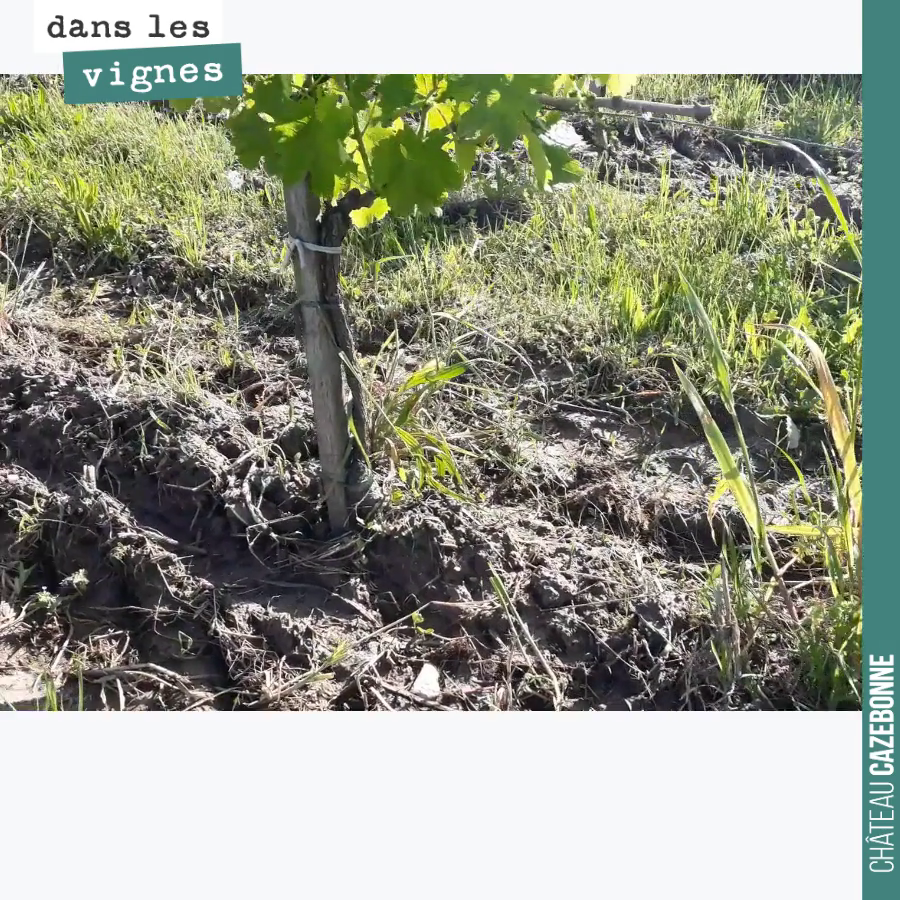
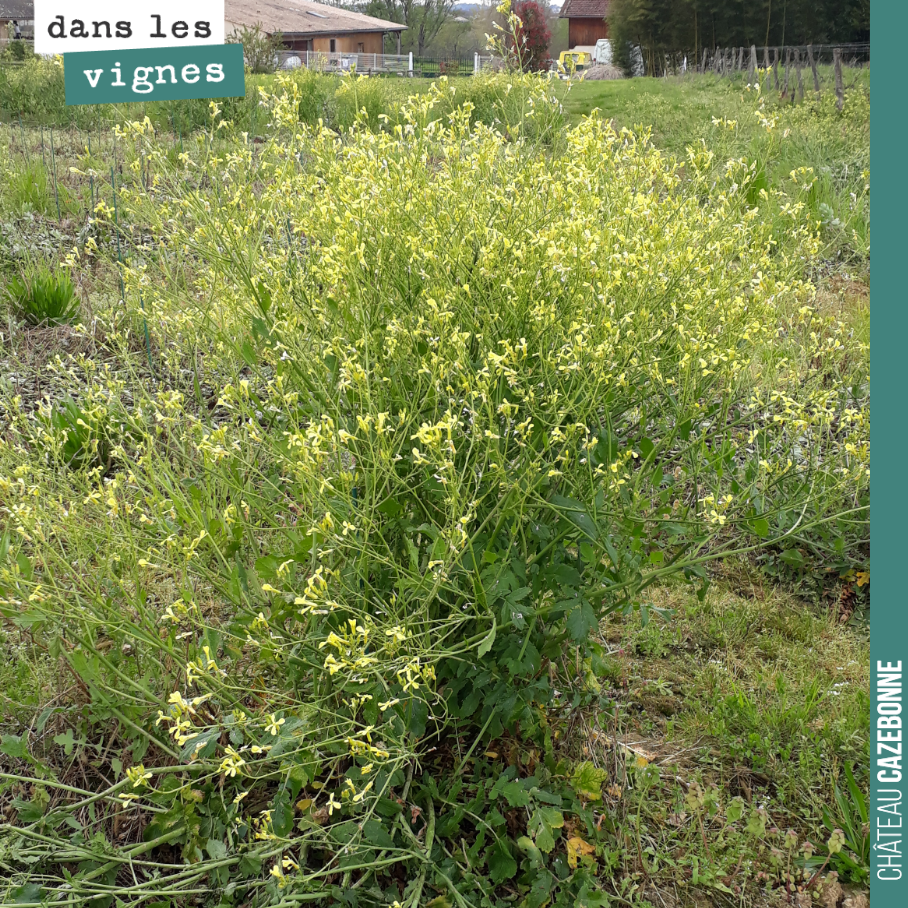
At Château Cazebonne, grass cover and cover crops are central to our working philosophy, deeply rooted in viticultural agroecology. We favour natural grassing down between rows, supplemented by targeted sowings of cover crops such as mustard, tillage radish, or rye, selected based on the specific needs of our plots and our agronomic objectives. This approach enables us to nurture a living soil rich in humus and organic matter, resilient to climatic variations. Regular mowing and mechanical under-vine cultivation are our primary methods for managing competition, ensuring the balance of our vines and the pure expression of our gravelly terroir. This is essential to crafting authentic wines that truly reflect their origins.
The meticulous management of ground cover is one facet of our commitment. It forms part of a broader mission to reintroduce Bordeaux's lost grape varieties, a project you can explore by downloading our book on the history of Bordeaux grape varieties. This revival is made possible through the support of wine enthusiasts who encourage us to preserve this heritage. Feel free to test your knowledge on these ancient varieties and many other viticultural topics with our wine quizzes, and of course, discover and order our wines expressing the richness and authenticity of our terroir in our online shop.
Our suggestions
-5%on your 1st order with code BIENVENUE
The essential6 bottles — Graves red 2022
The best price of the cellar: €12 per bottle delivered.
The everyday red: generous and straight to the point.
I want it Our recommendation92/100 RVF
6 bottles — Graves red 2022, 92/100 RVF
Rated 92/100 by La Revue du vin de France: a solid 10-year ageing potential.
Our Graves for ageing, the finest gateway to the estate.
I want it Go further
12 bottles — the whole range
12 bottles, the whole range tasted: the best discovery-to-price ratio.
The complete tour of the estate, in a single case.
I want it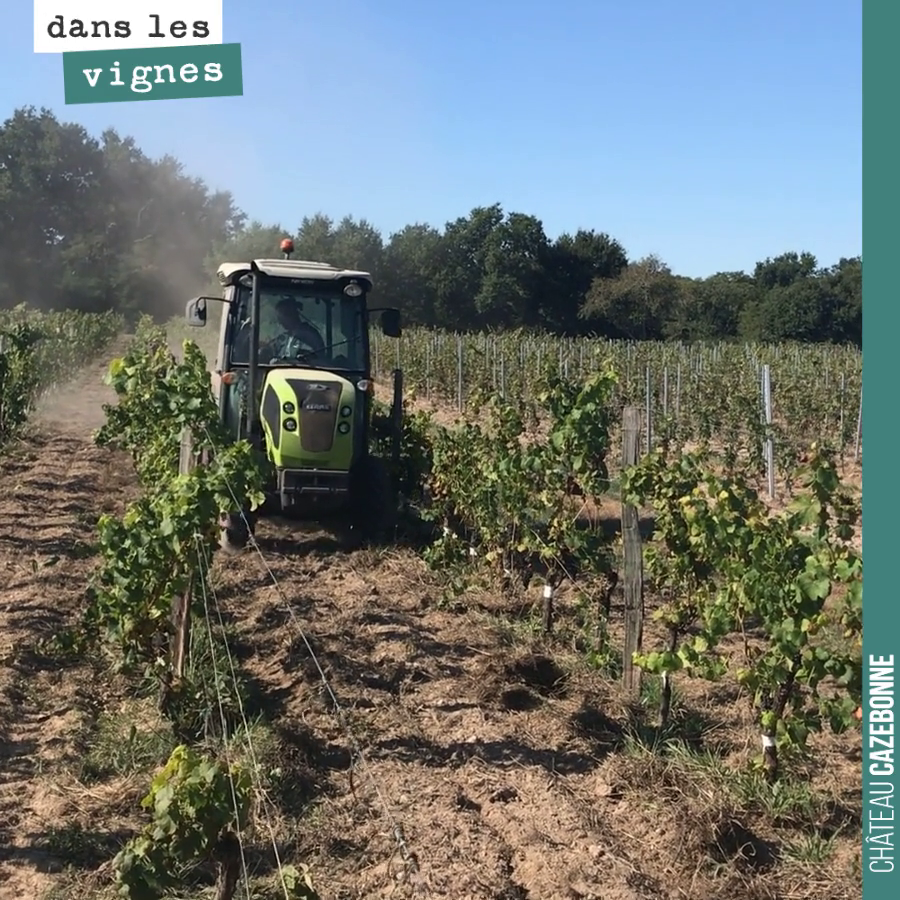
12 September 2020
07 July 2020
27 June 2020
20 June 2020
18 June 2020
17 June 2020

03 June 2020
05 May 2020
17 April 2020
07 April 2020
The cellar, forgotten grape varieties and our cuvées, twice a month. 5% off your first order with the code BIENVENUE.