
 The essential
6 × Entre Amis red
6 bottles — Graves red 2022
The best price of the cellar: €12 per bottle delivered.
The everyday red: generous and straight to the point.
I want it3309 C
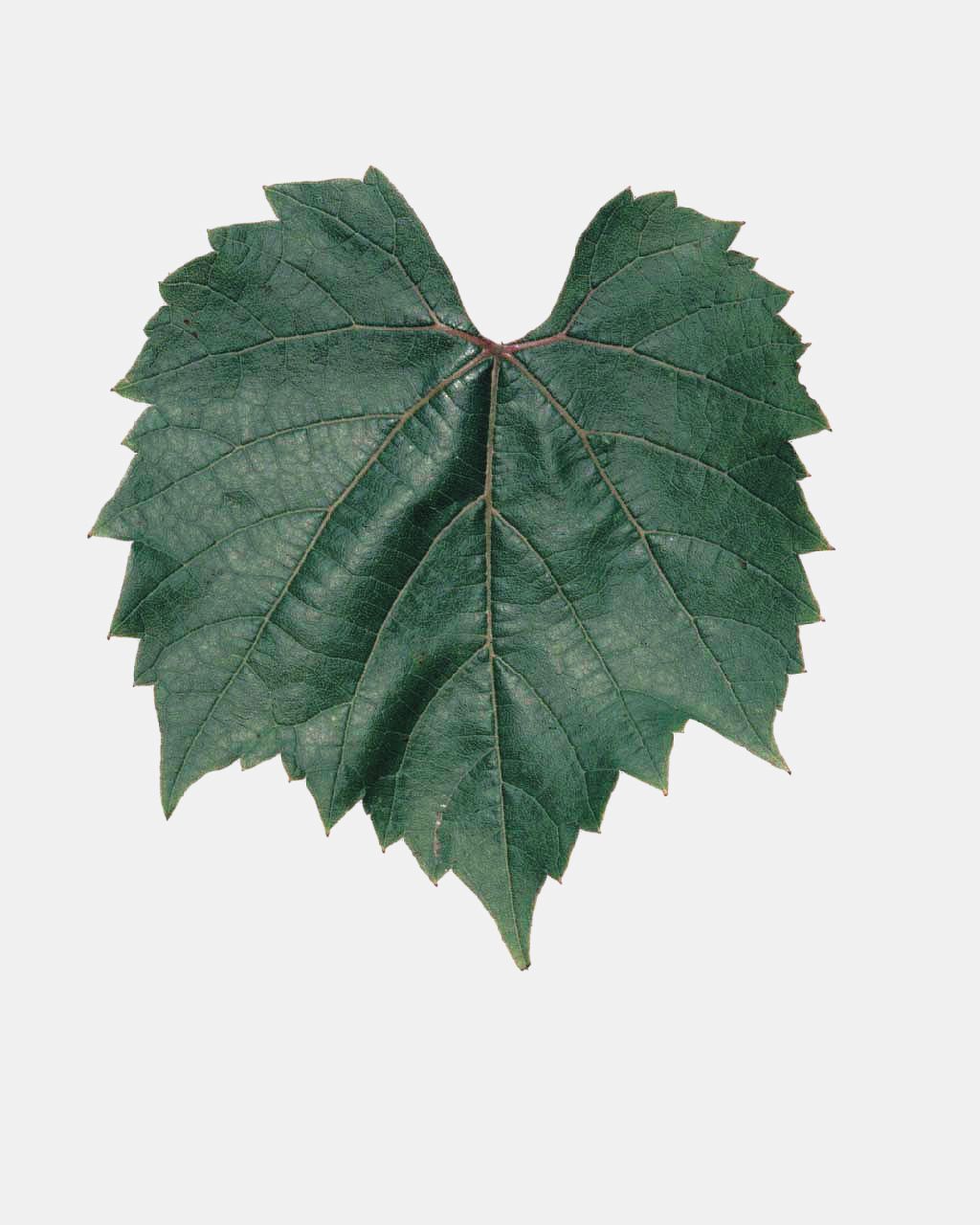
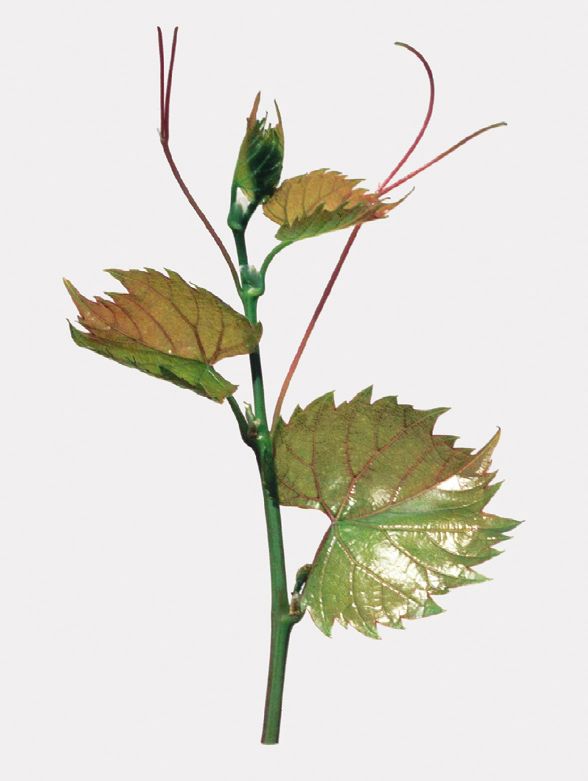
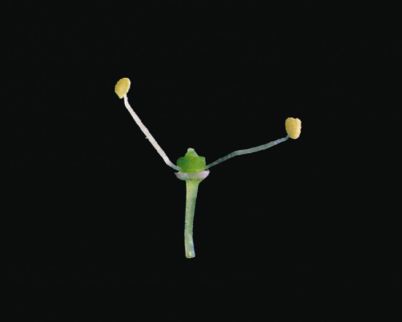
The 3309 Couderc (or 3309 C) rootstock is a historic benchmark that remains widely used in vineyards across the world, particularly in Bordeaux. Bred from a judicious cross following the phylloxera crisis, it is valued for its moderate vigour and its suitability for specific soil types, offering a well-balanced framework for scion development. Its role is essential in ensuring the longevity and health of vines faced with pedological and climatic challenges.
The 3309 C rootstock is the result of work by the French ampelographer Georges Couderc. It was bred at the end of the 19th century, at a time when French vineyards were being devastated by phylloxera. His goal was to find rootstocks resistant to this pest whilst offering good graft affinity with European grape varieties and adapting well to different terroirs. 3309 Couderc is the result of a cross between two American Vitis species renowned for their phylloxera resistance: Vitis riparia and Vitis rupestris.
| Characteristic | Description |
|---|---|
| Parents / Cross | Vitis riparia x Vitis rupestris |
| Original species | Vitis riparia / Vitis rupestris |
| Breeder and date | Georges Couderc, late 19th century |
| Phylloxera resistance | Very good |
| Conferred vigour | Moderate |
| Active lime tolerance | IPC 5%, 9% active lime |
| Drought tolerance | Low |
| Tolerance to waterlogging / asphyxiation | Good |
| Effect on scion ripening | Promotes early ripening |
| Status / Registration | Official French catalogue |
3309 C adapts well to certain soils, though it has specific limitations. It excels in cool, deep, well-drained soils rich in organic matter. Its tolerance to active lime is low, with a chlorosis power index (IPC) of 5% and a limit of 9% active lime, making it unsuitable for highly calcareous terroirs. Its drought tolerance is also limited, requiring careful consideration in drier climates. Conversely, it tolerates moisture and soils prone to waterlogging well, making it an attractive option for plots where other rootstocks might struggle.
3309 C imparts moderate vigour to the scion, encouraging balanced vine growth. It tends to advance ripening, which can be an asset in regions with a short growing season. This rootstock ensures a steady supply of water and nitrogen, promoting consistent, moderate yields and satisfactory organoleptic grape quality. It is renowned for its positive impact on wine quality, particularly for red grape varieties, by enhancing balance and concentration.
3309 C enjoys excellent grafting affinity with most varieties grown in Bordeaux, such as Cabernet-Sauvignon, Merlot, and Cabernet Franc. Its ease of propagation from cuttings and grafting makes it a favourite among nurserymen. In terms of vineyard management, it accommodates medium to high planting densities, depending on scion vigour and soil fertility. Adapted viticultural practices, such as pruning or cover cropping, can optimise its performance and that of the scion.
Despite its strengths, 3309 C has a few vulnerabilities. Its low active lime tolerance leaves it prone to iron chlorosis in unsuitable soils. It is also sensitive to certain nematodes and fanleaf degeneration (court-noué), requiring thorough ground preparation prior to planting. In excessively fertile soils, excessive vigour can sometimes occur, potentially leading to coulure (shatter) if flowering conditions are poor.
In the context of climate change, 3309 C offers limited adaptation due to its low drought tolerance. However, its ability to advance maturity can be an asset in areas where the growing cycle needs to be shortened to avoid late-summer water stress. While it has long been used in cooler, moister Bordeaux terroirs, recurring droughts are leading growers to gradually phase it out.
Château Cazebonne is committed to preserving and championing Bordeaux grape varieties, thereby contributing to the wealth and diversity of the vineyard. This work is made possible thanks to the support of wine enthusiasts who embrace our wines and take an interest in viticultural history and techniques. To delve deeper into these subjects, we invite you to download our book “Bordeaux, une histoire de cépages”, test your knowledge with our wine quizzes, or discover our wines online—the fruits of this passionate endeavour. Another rootstock bred by the Montpellier School is the 333 EM rootstock (333 École de Montpellier). The 99 R rootstock (99 Richter) is also a subject of great interest and study for the vineyard.
Sources
Our suggestions
-5%on your 1st order with code BIENVENUE
The essential6 bottles — Graves red 2022
The best price of the cellar: €12 per bottle delivered.
The everyday red: generous and straight to the point.
I want it Our recommendation92/100 RVF
6 bottles — Graves red 2022, 92/100 RVF
Rated 92/100 by La Revue du vin de France: a solid 10-year ageing potential.
Our Graves for ageing, the finest gateway to the estate.
I want it Go further
12 bottles — the whole range
12 bottles, the whole range tasted: the best discovery-to-price ratio.
The complete tour of the estate, in a single case.
I want itThe cellar, forgotten grape varieties and our cuvées, twice a month. 5% off your first order with the code BIENVENUE.