
 The essential
6 × Entre Amis red
6 bottles — Graves red 2022
The best price of the cellar: €12 per bottle delivered.
The everyday red: generous and straight to the point.
I want itCoulure
At the heart of the vine's vegetative cycle, flowering represents a moment of crucial fragility. It is during this delicate stage that the promise of the future harvest is determined. However, various climatic hazards can disrupt this essential process, giving rise to "coulure" and "millerandage", two phenomena that directly affect yield and sometimes berry quality.
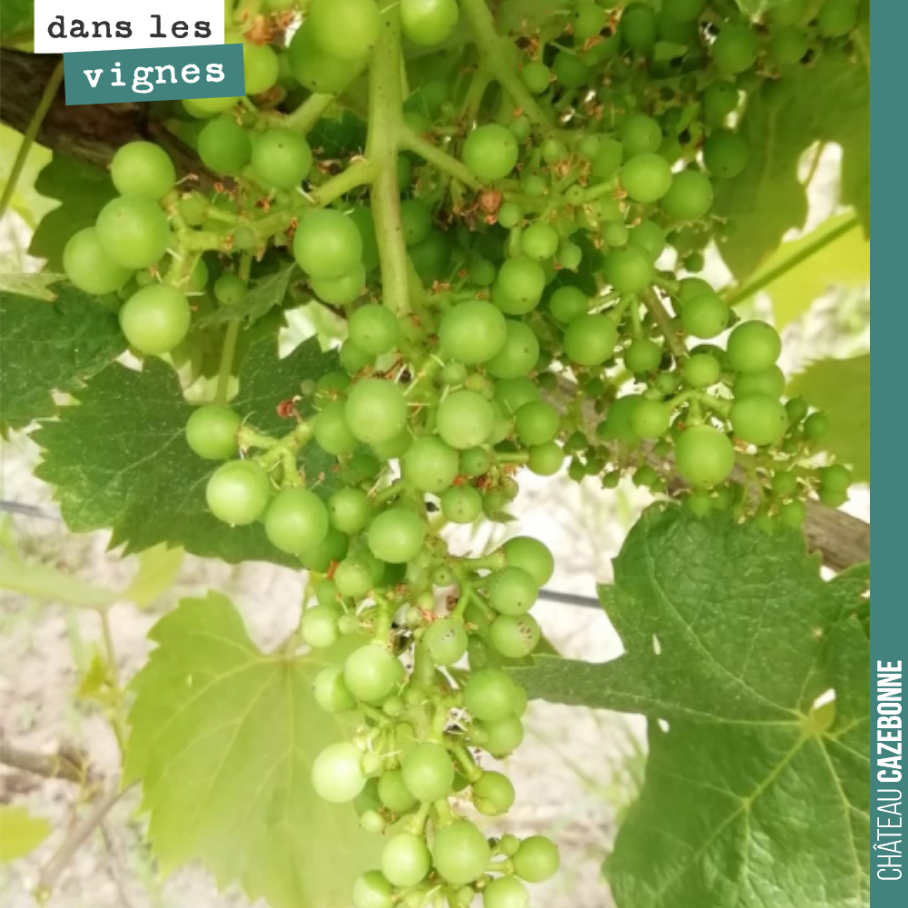
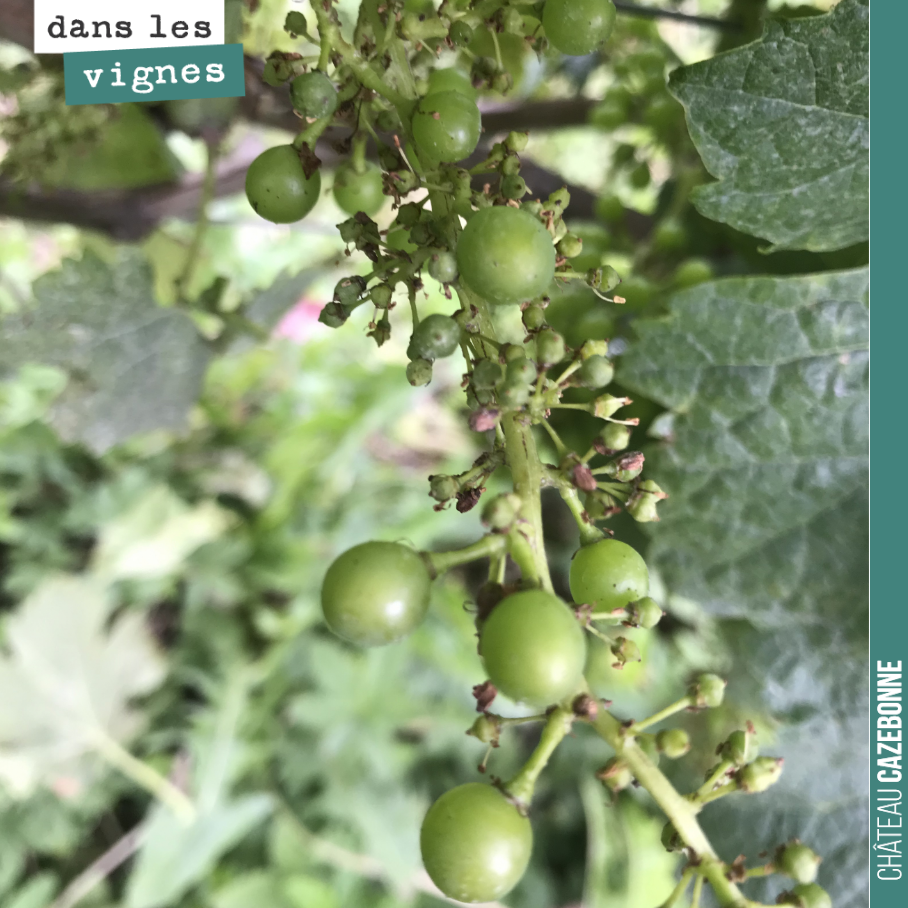
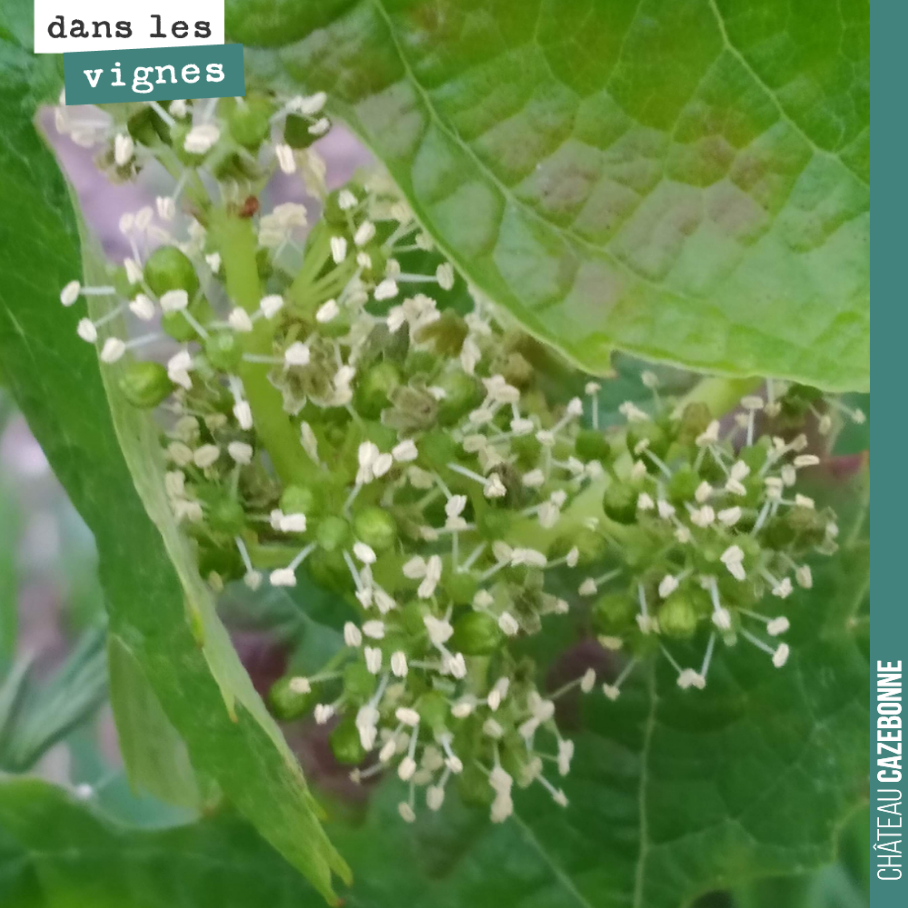
Coulure occurs when, during flowering, the vine's flowers are not properly fertilised and fail to develop into berries. The pollen, washed away by intense rains or strong winds, or rendered inactive by excessively low or high temperatures, fails to fulfil its mission. The floral caps fall off, and the future berry does not appear. This phenomenon, visible through significant dropping of berries from the bunches, can considerably reduce the number of berries and, by extension, the volume of the harvest. Every lost flower is a future drop of wine that will not exist.
Coulure can be caused by several factors. Extreme temperatures (excessive heat or late spring frosts) as well as strong winds can prevent proper fertilisation. Heavy rains can also wash away pollen or disrupt the adhesion of the floral cap. Soil moisture, particularly in rich clay-limestone soils, can lead to excess vegetation in vigorous grape varieties, causing premature opening of the flowers or, for certain grape varieties, accidental chloranthy (the transformation of floral organs into leaves), which promotes coulure disease. According to ampelography, it is crucial during artificial fertilisation to ensure that the stigma is free of any moisture and that the floral caps are thoroughly removed to allow the pollen to germinate.
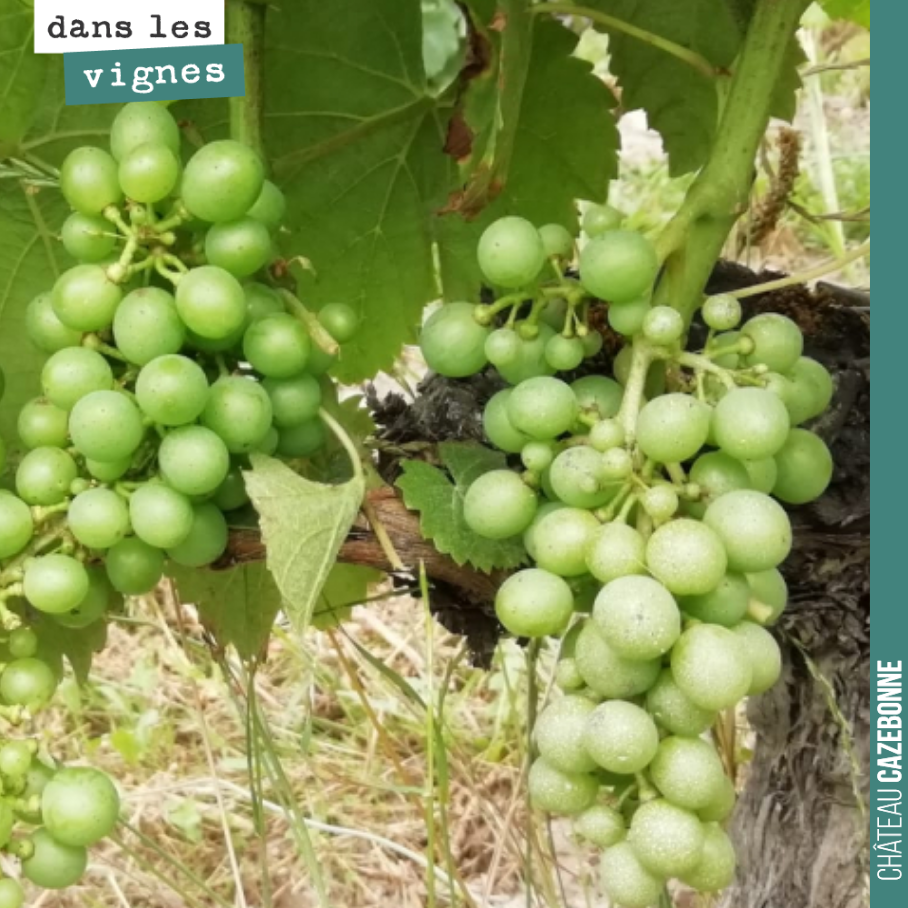
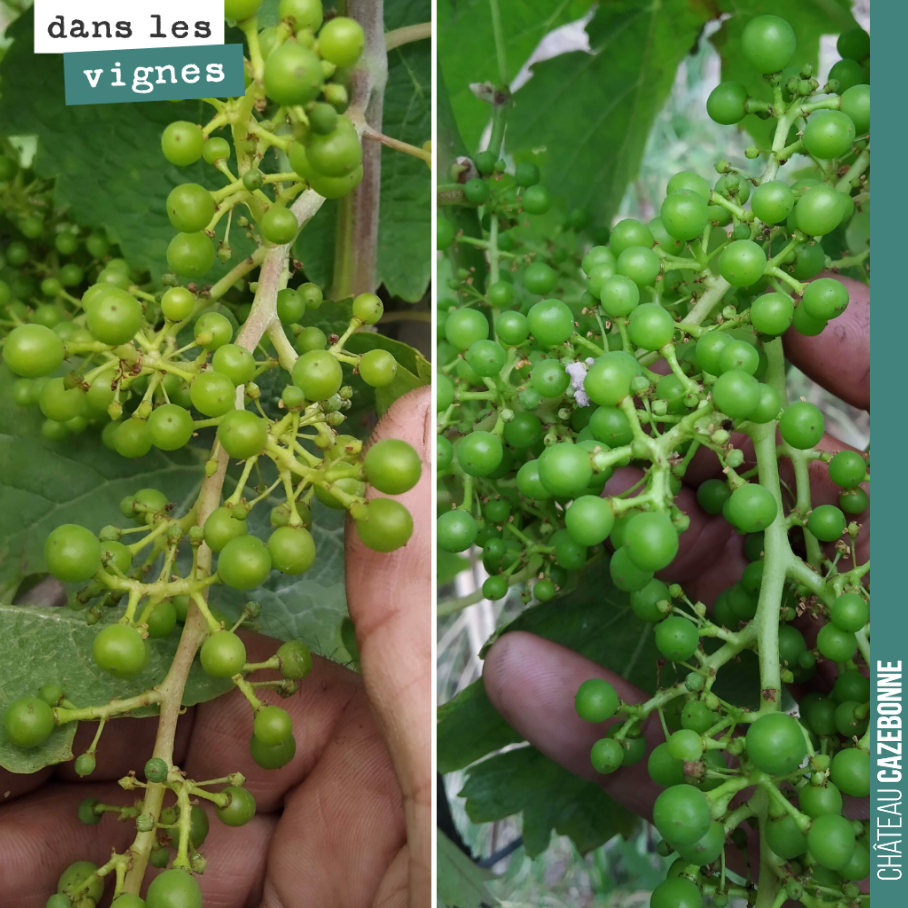
Millerandage occurs when fertilisation is incomplete. Some berries develop normally, while others, fertilised late or poorly, remain small, seedless, and do not ripen correctly. This results in heterogeneous bunches, where large, well-formed berries coexist with tiny "peppercorns", often acidic and lacking sugar concentration. This phenomenon, directly linked to unfavourable climatic conditions during flowering, can alter the qualitative balance of the final wine by adding acidity and diluting aromas.
These growth stoppages occur from fruit set to ripening. In certain grape varieties like Muscat d'Alexandrie, poorly fertilised berries remain green, even if they reach their normal volume. These berries are then described as millerands and contain aborted seeds or none at all. The presence of millerandage can reduce yield and wine quality by creating a disparity in berry ripeness within the same bunch. The creation of hybrid grape varieties through artificial pollination is sometimes used to counter coulure, by planting varieties with fertile and abundant pollen among coulure-prone varieties.
At Château Cazebonne, our vigilance is constant during this crucial period. We carefully observe weather forecasts and adapt our practices to minimise the impact of coulure and millerandage. Every year, nature reminds us of its power and the need for meticulous observation and precise expertise to support the vine to its full potential. By promoting biodiversity and cultivating a living soil, we seek to strengthen the resilience of our vines. We adapt our pruning and desuckering to control the vine's vigour and optimise the vine's inflorescence, technical interventions that can have an impact on the expression of these phenomena.
Faced with these challenges, our commitment to sustainable viticulture and the preservation of biodiversity takes on its full meaning. At Château Cazebonne, we are proud to reintroduce ancient Bordeaux grape varieties, once forgotten, which contribute to greater resilience against climatic hazards. To deepen your knowledge of these grape varieties, you can download the digital version of the book "Bordeaux, une histoire de cépages", and test your wine knowledge with our oenological quizzes. Finally, to discover our vintages born from this terroir and these resurrected grape varieties, we invite you to visit our online shop.
Sources
Our suggestions
-5%on your 1st order with code BIENVENUE
The essential6 bottles — Graves red 2022
The best price of the cellar: €12 per bottle delivered.
The everyday red: generous and straight to the point.
I want it Our recommendation92/100 RVF
6 bottles — Graves red 2022, 92/100 RVF
Rated 92/100 by La Revue du vin de France: a solid 10-year ageing potential.
Our Graves for ageing, the finest gateway to the estate.
I want it Go further
12 bottles — the whole range
12 bottles, the whole range tasted: the best discovery-to-price ratio.
The complete tour of the estate, in a single case.
I want it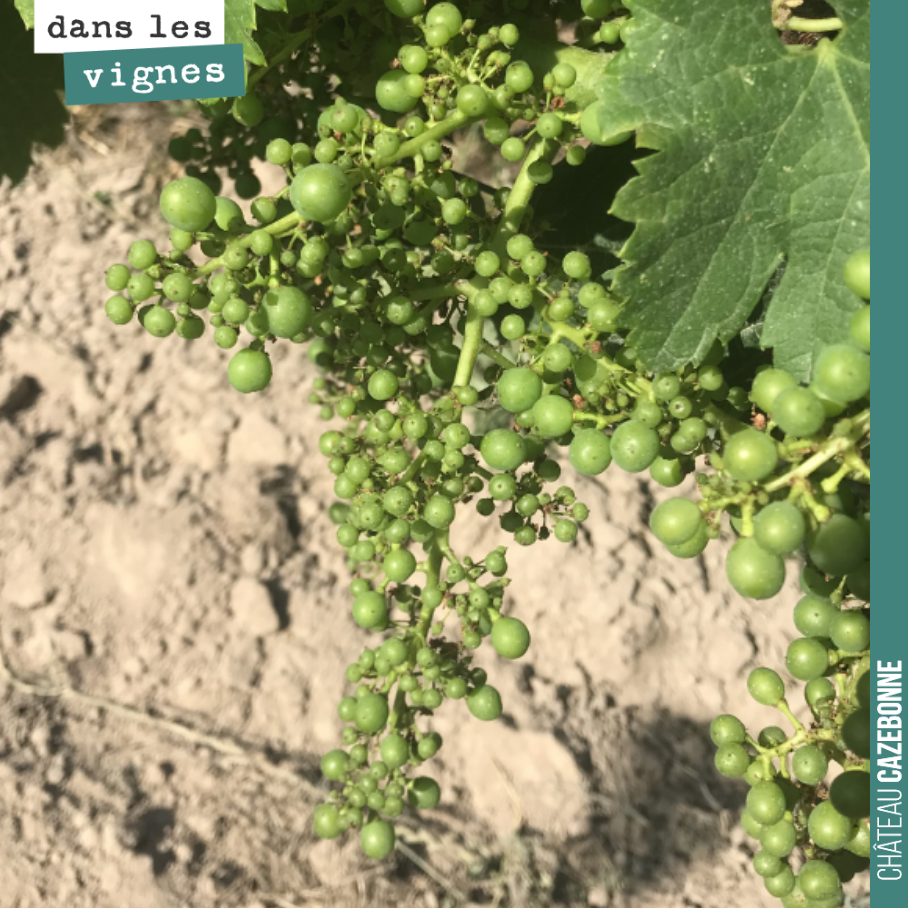
19 June 2022
23 July 2021
17 June 2021
22 June 2020
19 September 2019
29 June 2019
03 June 2019
22 May 2019
The cellar, forgotten grape varieties and our cuvées, twice a month. 5% off your first order with the code BIENVENUE.