
 The essential
6 × Entre Amis red
6 bottles — Graves red 2022
The best price of the cellar: €12 per bottle delivered.
The everyday red: generous and straight to the point.
I want it34 EM
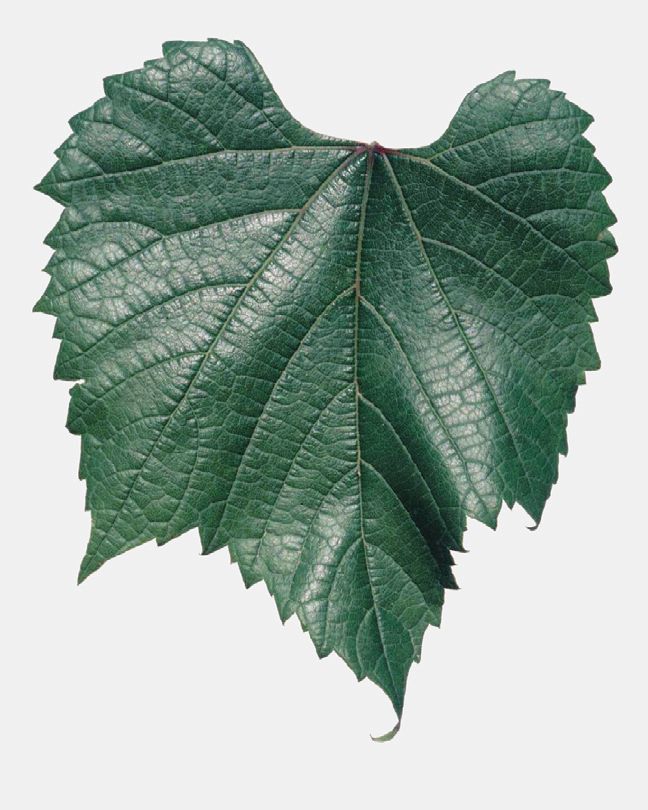
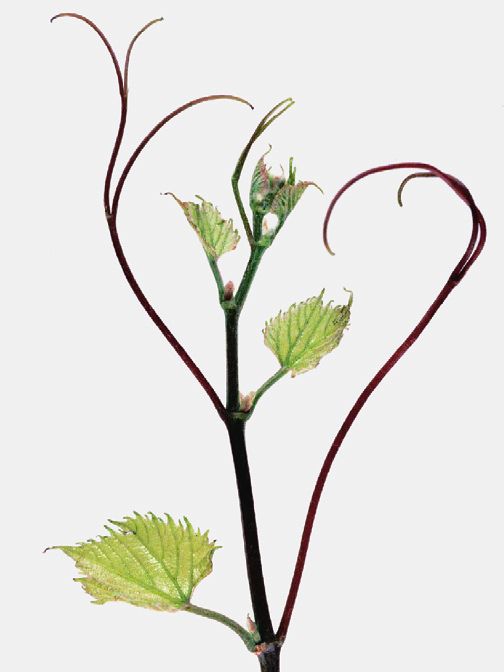
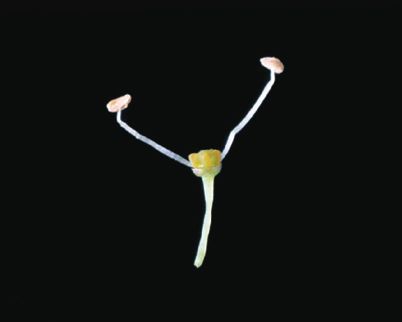
The 34 EM (École de Montpellier) rootstock, or 34 EM 34, is a selection stemming from post-phylloxera research, which was vital for the survival of world viticulture. It was developed in the context of the search for phylloxera-resistant rootstocks while offering agronomic characteristics suited to diverse soil conditions and the requirements of grafted scion varieties. Its origins trace back to work carried out by Montpellier's viticultural research institutes, renowned for their major role in rootstock study and breeding in the early 20th century. This rootstock contributed to the reconstruction and evolution of vineyards, particularly in Bordeaux, providing a sound foundation for cultivating both traditional and new grape varieties. This work followed in the footsteps of an era when ampelographic innovation was crucial to world viticulture, as shown by other rootstocks such as Riparia Gloire de Montpellier or The 333 EM rootstock (333 École de Montpellier).
| Characteristic | Description |
|---|---|
| Parents / Cross | — |
| Original species | — |
| Breeder and date | École Nationale Supérieure Agronomique de Montpellier (ENSAM) |
| Phylloxera resistance | Very good (root form), good (gall form) |
| Conferred vigour | Moderate to high |
| Active lime tolerance | Up to 17% active lime (IPC 40) |
| Drought tolerance | Moderate to good |
| Tolerance to waterlogging / root asphyxia | Moderate to low |
| Effect on scion ripening | Slightly advances maturity |
| Status / listing | Official French catalogue, 1979 |
The 34 EM rootstock is particularly valued for its adaptability across different soil types. It shows good tolerance to active lime, tolerating up to 17% active lime (Chlorosis Power Index / IPC of 40). This characteristic makes it well-suited to calcareous terroirs, common in many wine-producing regions. Its moderate to good drought resistance is also an asset, particularly in the current context of climate change where periods of water stress are becoming more frequent. However, its lower tolerance to excess moisture and root asphyxia should be noted, making it less suitable for heavy, waterlogged soils. It performs well in gravelly and free-draining soils.
34 EM confers moderate to high vigour to grafted grape varieties. This vigour can be advantageous for lower-yielding varieties or on poorer soils. It tends to induce a slight advancement in scion ripening, which can be useful in regions with shorter growing seasons or to bring harvest forward. Its influence on yield and quality is generally positive, promoting a true expression of the grape variety's potential. The choice of this rootstock must, however, be weighed against the scion's intrinsic vigour and soil fertility to prevent excessive yields at the expense of quality.
The 34 EM rootstock displays good grafting compatibility with most grape varieties grown in Bordeaux, such as Cabernet Sauvignon, Merlot, or Cabernet Franc. It delivers good graft take and balanced vine development. In terms of vineyard management, its moderate to high vigour may require careful canopy management, pruning, and cover cropping to balance vegetative growth and crop load. Its robustness allows for various trellising systems, including traditional methods, and adapts well to different planting densities.
Despite its strengths, 34 EM is not without sensitivities. Its tolerance to waterlogging is limited, making hydromorphic soils risky. Although resistant to phylloxera, like most American or hybrid rootstocks, it can show susceptibility to nematodes—organisms that can cause root damage and vector viral diseases such as fanleaf virus (court-noué). Well-drained soil is therefore essential for its success. These factors must be carefully considered when planting to ensure the long-term health of the vineyard.
In the face of climate change challenges, 34 EM offers interesting prospects. Its good drought tolerance, while not extreme, is a valuable asset in regions experiencing increased water stress episodes. The slight advance in ripening it promotes can help maintain the sugar-acid balance in the grapes, even under high temperatures towards the end of the growth cycle. In Bordeaux, its use could support varietal adaptation strategies, complementing work on resistant or forgotten heritage varieties that are gradually being reintroduced.
At Château Cazebonne, we continually assess the suitability of our rootstocks with our terroirs and the grape varieties we cultivate, whether historical or experimental. However, 34 EM has not been trialled on the estate.
Château Cazebonne is actively committed to preserving and enhancing Bordeaux's viticultural heritage by replanting heritage grape varieties and investigating rootstocks suited to contemporary challenges. This research and restoration work is supported by all wine lovers who enjoy our wines. To learn more about our history and philosophy, you can download our book on the history of Bordeaux grape varieties, test your knowledge with our wine quizzes, or discover and purchase our wines directly from our online boutique.
Sources
Our suggestions
-5%on your 1st order with code BIENVENUE
The essential6 bottles — Graves red 2022
The best price of the cellar: €12 per bottle delivered.
The everyday red: generous and straight to the point.
I want it Our recommendation92/100 RVF
6 bottles — Graves red 2022, 92/100 RVF
Rated 92/100 by La Revue du vin de France: a solid 10-year ageing potential.
Our Graves for ageing, the finest gateway to the estate.
I want it Go further
12 bottles — the whole range
12 bottles, the whole range tasted: the best discovery-to-price ratio.
The complete tour of the estate, in a single case.
I want itThe cellar, forgotten grape varieties and our cuvées, twice a month. 5% off your first order with the code BIENVENUE.