
 The essential
6 × Entre Amis red
6 bottles — Graves red 2022
The best price of the cellar: €12 per bottle delivered.
The everyday red: generous and straight to the point.
I want itRSB 1

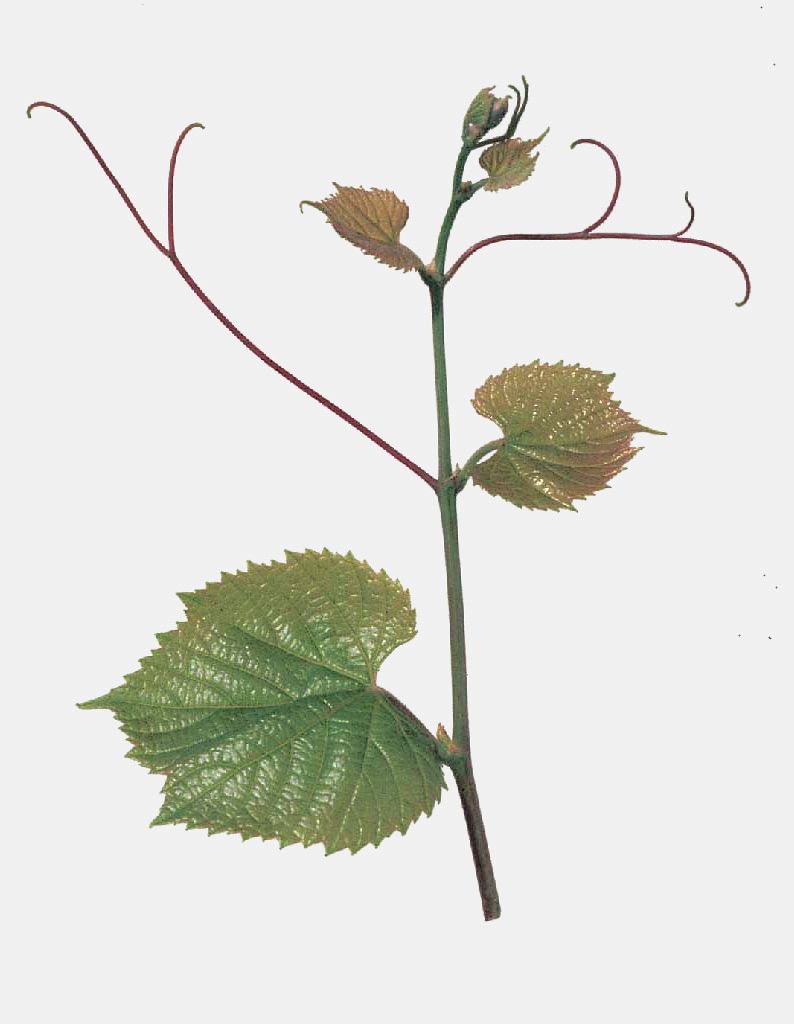
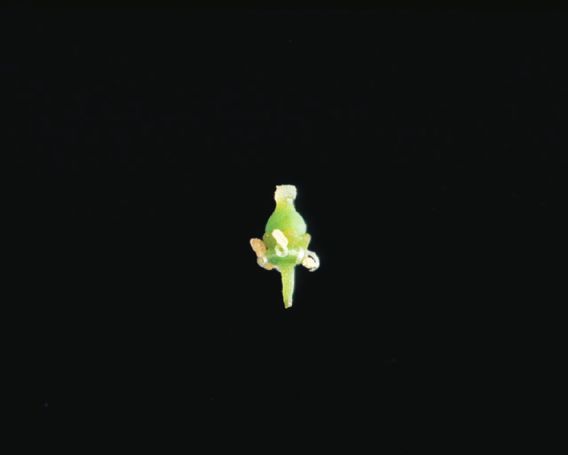
The RSB 1 rootstock, or Rességuier Sélection Birolleau 1, is a fundamental variety in the vineyard's adaptation to pedoclimatic constraints, particularly in winegrowing regions such as Bordeaux. Its role, often overlooked by the general public, is nevertheless crucial for vine survival and crop quality. It was developed to confer specific characteristics to the scions it supports, influencing their vigour, tolerance to certain soil types, and disease resistance.
The RSB 1 rootstock is the result of extensive breeding and selection work. Its creation dates back to the post-phylloxera context of the late 19th century, a period when the world's vineyards were devastated by this destructive pest. To save European vines (Vitis vinifera), the solution was to graft their varieties onto rootstocks derived from American vines, which are naturally resistant to phylloxera. The 101-14 MGt (Millardet et de Grasset) rootstock, like many other rootstocks, resulted from this research aimed at combining resistance with adaptation to diverse terroirs.
| Characteristic | Description |
|---|---|
| Parents / cross | — |
| Species of origin | — |
| Breeder and date | Rességuier Sélection Birolleau 1 |
| Phylloxera resistance | — |
| Conferred vigour | — |
| Tolerance to active lime | — |
| Drought tolerance | — |
| Tolerance to waterlogging / asphyxia | — |
| Effect on scion ripening | — |
| Status / registration | Official French Catalogue |
The adaptation of the RSB 1 rootstock to soil conditions is a decisive factor in its use. Calcareous soils, particularly those with a high active lime content, can induce iron chlorosis in the vine. A rootstock's tolerance to these conditions is therefore essential. Likewise, its capacity to withstand drought or, conversely, to tolerate excess moisture and soil asphyxiation, guides its selection across regions with diverse climates. Specific rootstocks are preferred for gravel or clay soils, or for those presenting particular acidity or salinity levels. Studies on the Rupestris du Lot rootstock, for instance, have provided valuable insights into these adaptations.
Like any rootstock, RSB 1 exerts a significant influence on the scion—the productive grape variety. This influence is expressed through the vigour imparted to the vine, which may be low, moderate, or high. Well-balanced vigour is crucial for healthy plant development, yield regulation, and optimal grape quality. The rootstock can also affect whether the scion ripens earlier or later, as well as its water and nitrogen uptake—both vital elements for photosynthesis and aroma development.
The success of a planting depends largely on the grafting affinity between the rootstock and the grape variety. RSB 1 must demonstrate good compatibility with Bordeaux grape varieties, ensuring a sound, durable union between the two parts of the vine. Cultivation choices, such as planting density and pruning methods, are often tailored to the rootstock's characteristics to maximise vineyard potential. Specific planting recommendations may sometimes be required to obtain the best results from RSB 1.
Despite its strengths, RSB 1 may have specific sensitivities or limitations. Resistance to iron chlorosis is a key consideration on limestone soils. Other factors, such as tolerance to nematodes or resistance to fanleaf degeneration (court-noué), are also essential selection criteria. Excessive vigour imparted by the rootstock can sometimes lead to coulure (shatter), impairing fruit set and reducing yields. A thorough understanding of these vulnerabilities allows viticultural practices to be adapted accordingly.
In the context of climate change, rootstock selection has become a major consideration. The ability of RSB 1 to provide reliable drought tolerance or to modulate scion ripening is the subject of close study. In Bordeaux, where summers are increasingly hot and dry, well-adapted rootstocks are vital to ensure the long-term viability of the vineyard and the quality of the wines. Rootstocks such as 110 R (110 Richter) or 1103 P (1103 Paulsen) could thus offer viable adaptation pathways for winegrowers.
At Château Cazebonne, we are committed to preserving Bordeaux's viticultural heritage by reintroducing heritage grape varieties and identifying the rootstocks best suited to our terroir. Our work is supported by wine lovers who choose our wines, and we invite you to discover the fascinating history of our vines through our book on the history of Bordeaux grape varieties. To test your knowledge and learn more, take part in our wine quizzes, and do not hesitate to discover our wines, the true reflection of our dedication and passion.
Sources
Our suggestions
-5%on your 1st order with code BIENVENUE
The essential6 bottles — Graves red 2022
The best price of the cellar: €12 per bottle delivered.
The everyday red: generous and straight to the point.
I want it Our recommendation92/100 RVF
6 bottles — Graves red 2022, 92/100 RVF
Rated 92/100 by La Revue du vin de France: a solid 10-year ageing potential.
Our Graves for ageing, the finest gateway to the estate.
I want it Go further
12 bottles — the whole range
12 bottles, the whole range tasted: the best discovery-to-price ratio.
The complete tour of the estate, in a single case.
I want itThe cellar, forgotten grape varieties and our cuvées, twice a month. 5% off your first order with the code BIENVENUE.